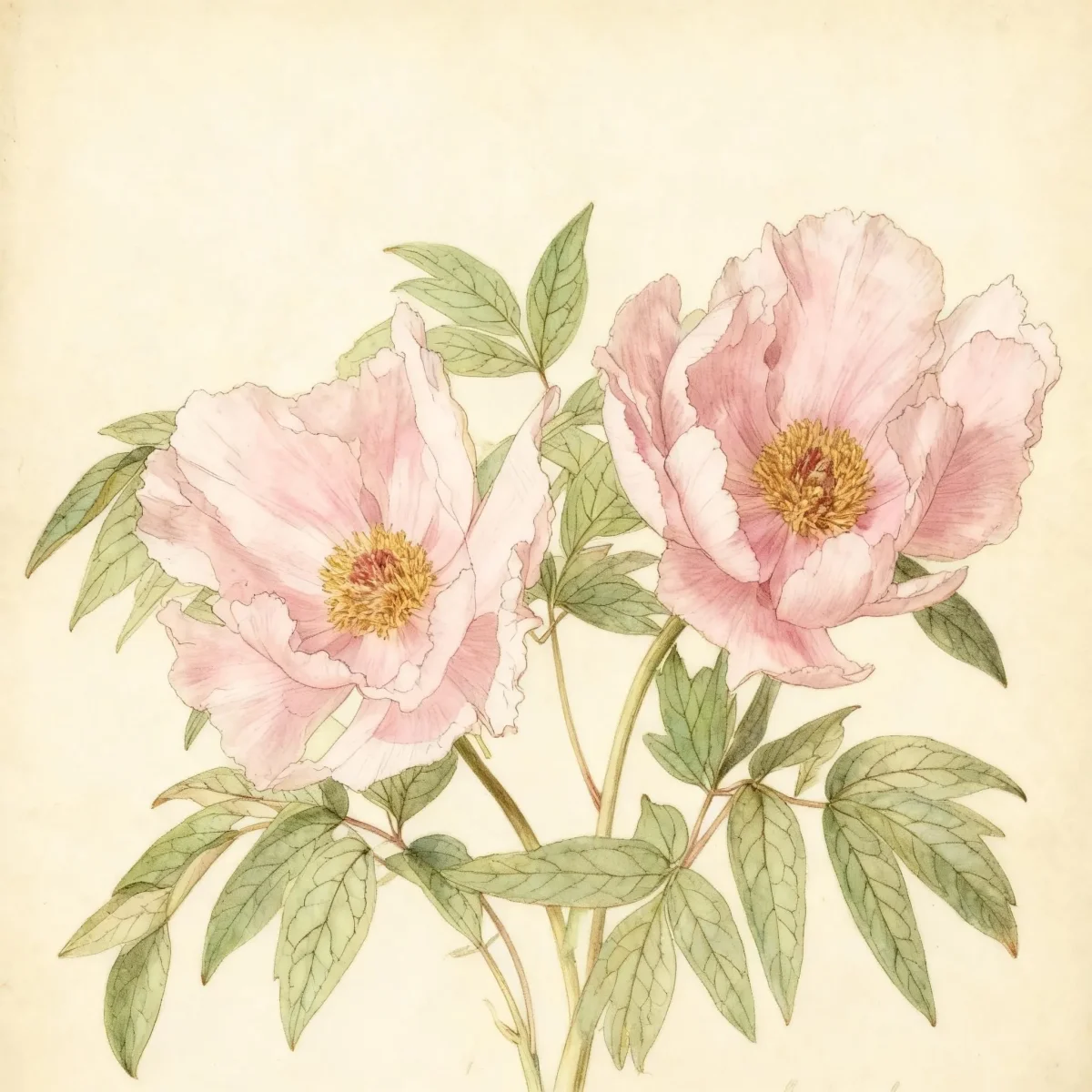
Tree peony (Paeonia suffruticosa 'Hana-kisoi' FLORAL RIVALRY)
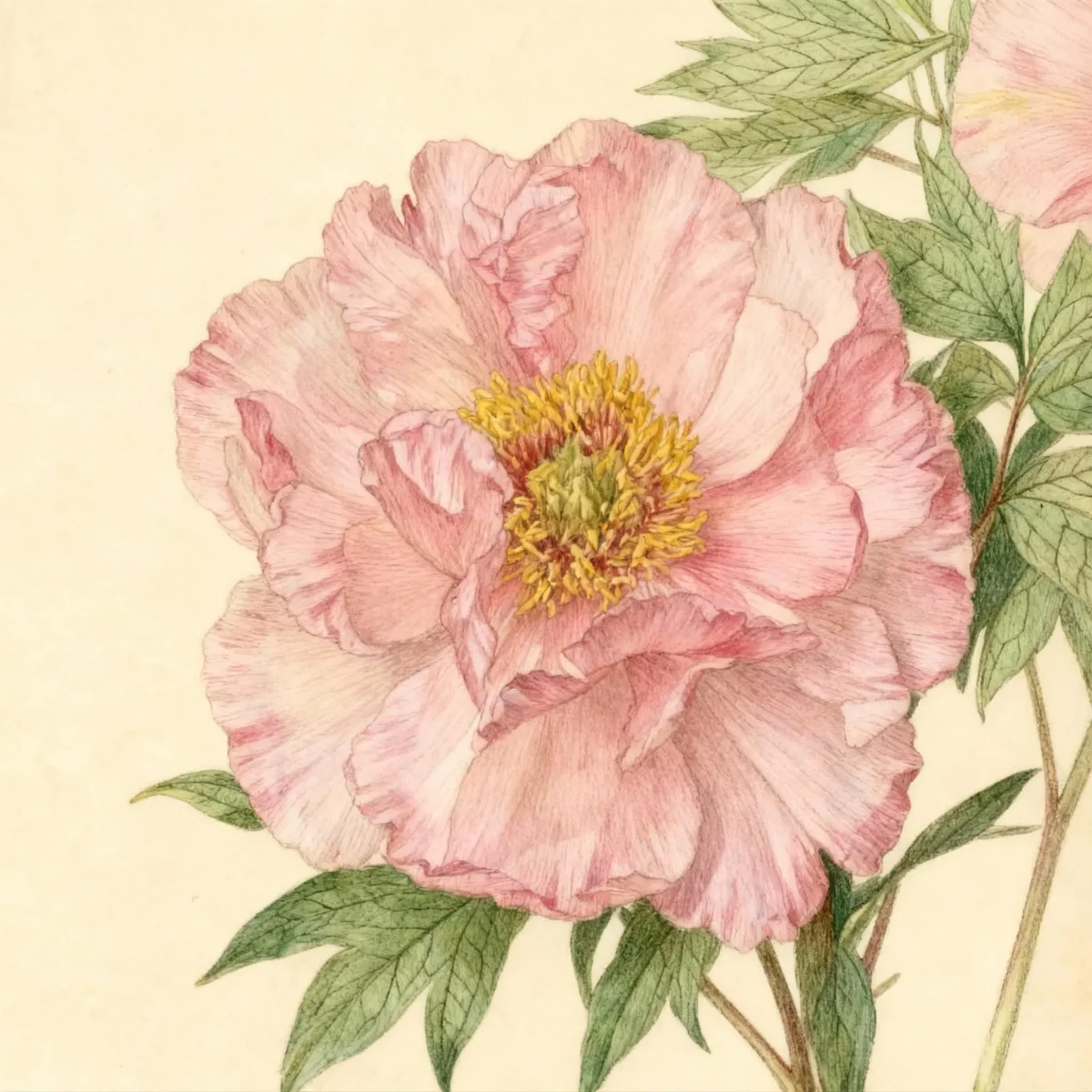
The stunning Tree peony, Paeonia suffruticosa 'Hana-kisoi' FLORAL RIVALRY, offers large, semi-double pink-rose blooms in May, thriving in Zones 4-8.
Scroll down to discover growing tips, care requirements, companion plants, and more
Complete Plant Information
Overview
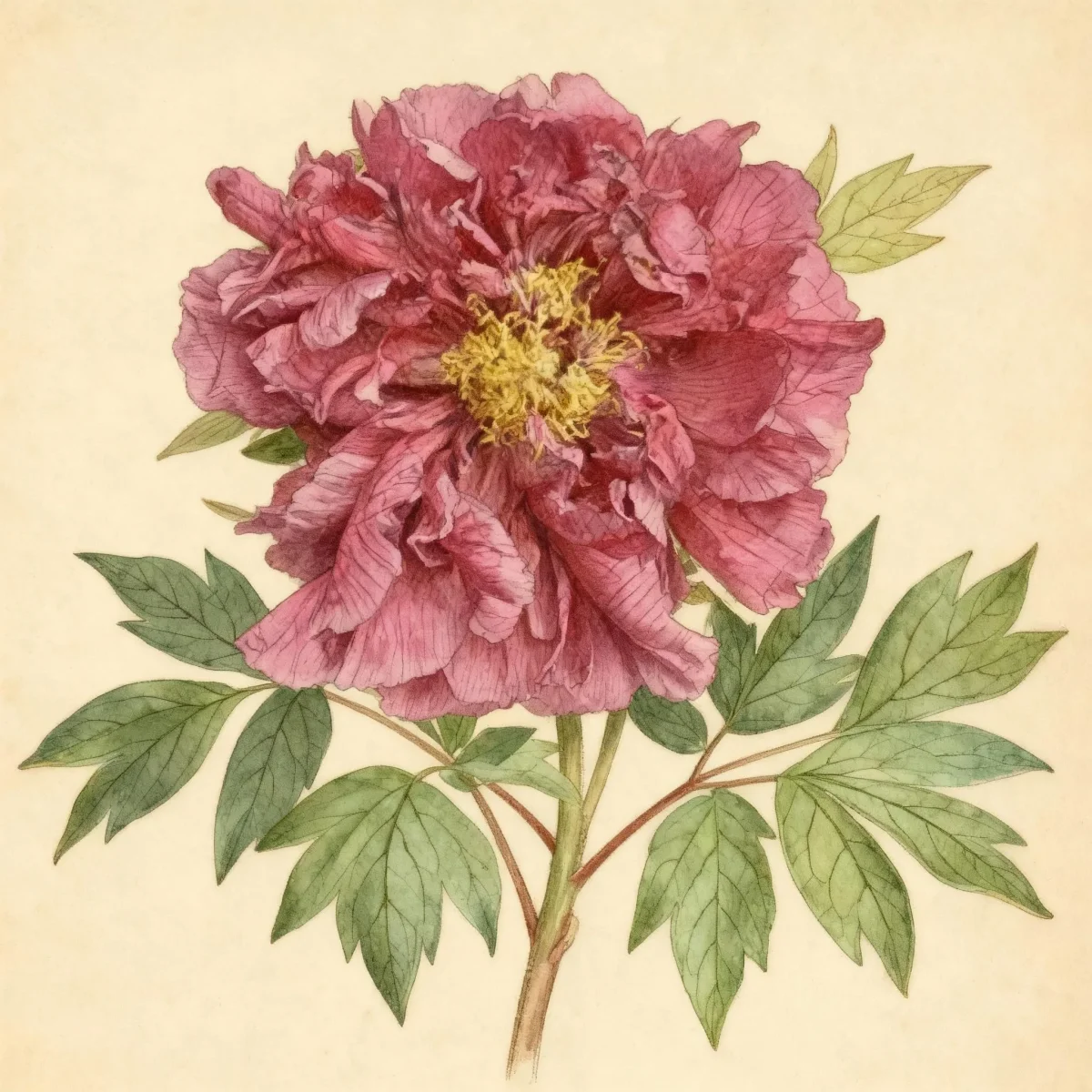
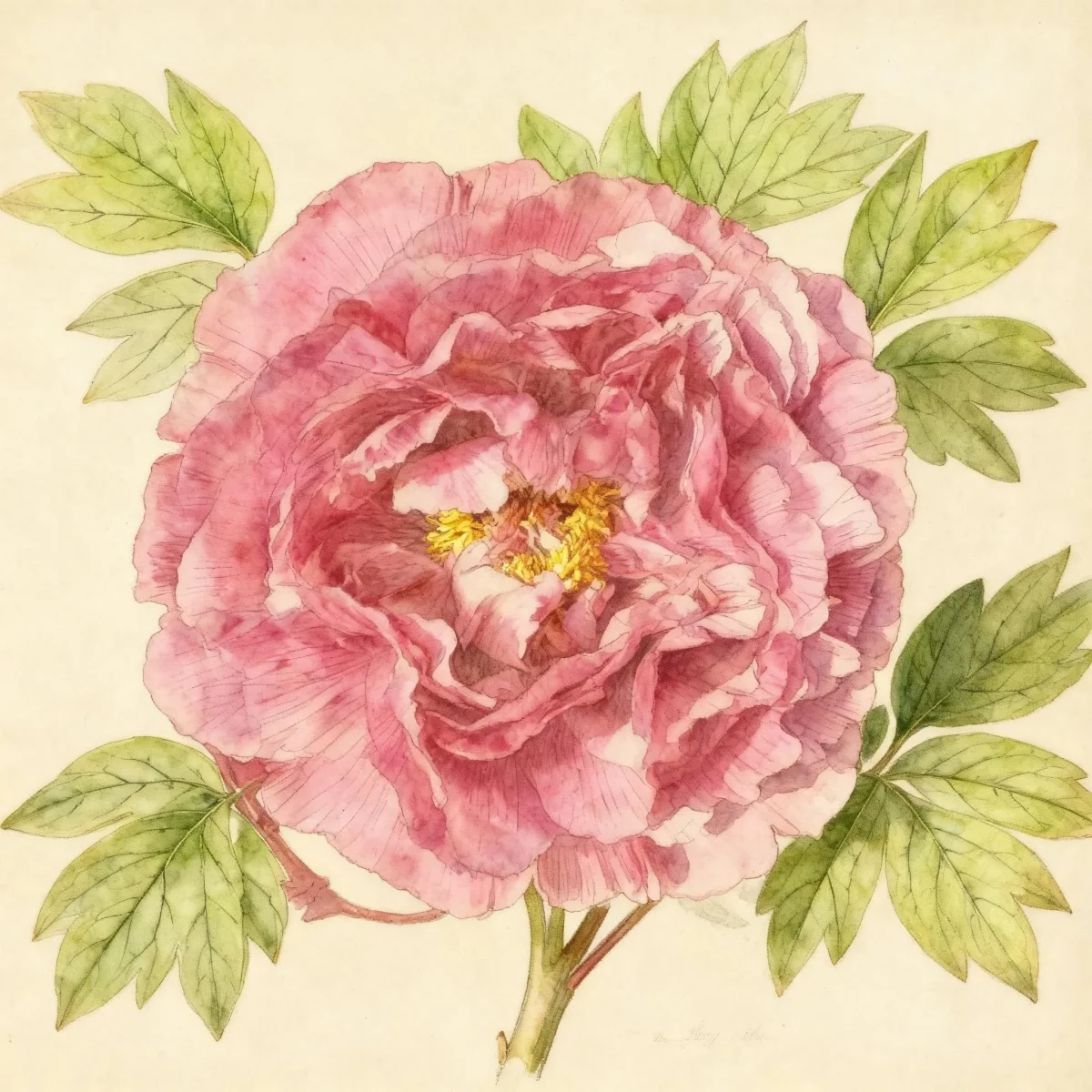
The Tree peony, Paeonia suffruticosa ‘Hana-kisoi’ FLORAL RIVALRY, presents a magnificent, woody focal point in the spring garden. This variety is highly valued for its large, spectacular semi-double flowers boasting delicate pink-rose petals contrasted beautifully with a central clump of golden stamens. As a deciduous shrub, it offers reliable structure throughout the year, unlike its herbaceous cousins.
This long-lived specimen remains attractive beyond its stunning May bloom time, thanks to its deeply divided, medium green foliage that persists throughout the growing season. Paeonia suffruticosa ‘Hana-kisoi’ FLORAL RIVALRY reaches a manageable size, making it perfect for specimens, borders, or as structural hedging in established landscapes.
Gardeners embracing slow-growing, high-impact perennials and shrubs will appreciate the dramatic floral display delivered by this Tree peony. While it demands patience during establishment—often taking several years to fully settle—the reward is decades of dependable, showy bloom.
Fast Facts
- Plant Family: Paeoniaceae
- Plant Type: Deciduous shrub
- Hardiness Zones: USDA Zones 4-8
- Size at Maturity:
- Height: 3-5 ft
- Spread: 3-5 ft
- Bloom Time: May
- Bloom Description: Pink-rose (semi-double)
- Sun Exposure: Full sun to part shade
- Water Needs: Medium
- Maintenance Level: Medium
How to Grow
Paeonia suffruticosa ‘Hana-kisoi’ FLORAL RIVALRY establishes best when planted in deep, fertile, medium moisture, well-drained soil. Aim for a location receiving full sun to light afternoon shade, though it is notably tolerant of summer heat once established. Incorporating compost at planting time provides a rich start. Larger shrubs benefit significantly from some shelter against harsh, strong winds which can damage the large blooms.
Watering should be consistent to maintain medium soil moisture, especially during dry spells. Unlike herbaceous peonies, Tree peonies maintain woody stems above ground year-round; therefore, never cut them back completely after frost. Pruning is minimal: remove only dead wood or suckers that emerge from the base in early spring. If leggy growth occurs, slight shaping pruning in early fall can help encourage bushier lower growth.
These plants are known for their longevity and deep root systems, making them slow to establish and difficult to transplant successfully. For this reason, site selection is crucial. Gardeners in the colder reaches of Zone 4 and 5 should provide some supplemental winter protection during the initial establishment phase. Immediate attention should be paid to removing spent flowers right after they fade.
Landscape Uses
The exceptional beauty of the Tree peony makes it a premier choice for specimen planting where its magnificent flowers can be fully appreciated. Consider placing Paeonia suffruticosa ‘Hana-kisoi’ FLORAL RIVALRY near walkways, driveways, or against walls where its structure provides year-round interest. It serves equally well as an accent plant or integrated into dramatic borders.
When used as a hedge, this variety provides a dense, flowering screen that is far more ornamental than standard hedging materials. Its attractive, divided green foliage also acts as an excellent lower-maintenance frame or backdrop for earlier spring bulbs or later summer perennials that appreciate partial sun. Ensure companions share the Tree peony’s preference for well-drained, rich soil.
Standout Features
Flower Qualities
- Showy
Noteworthy Characteristics
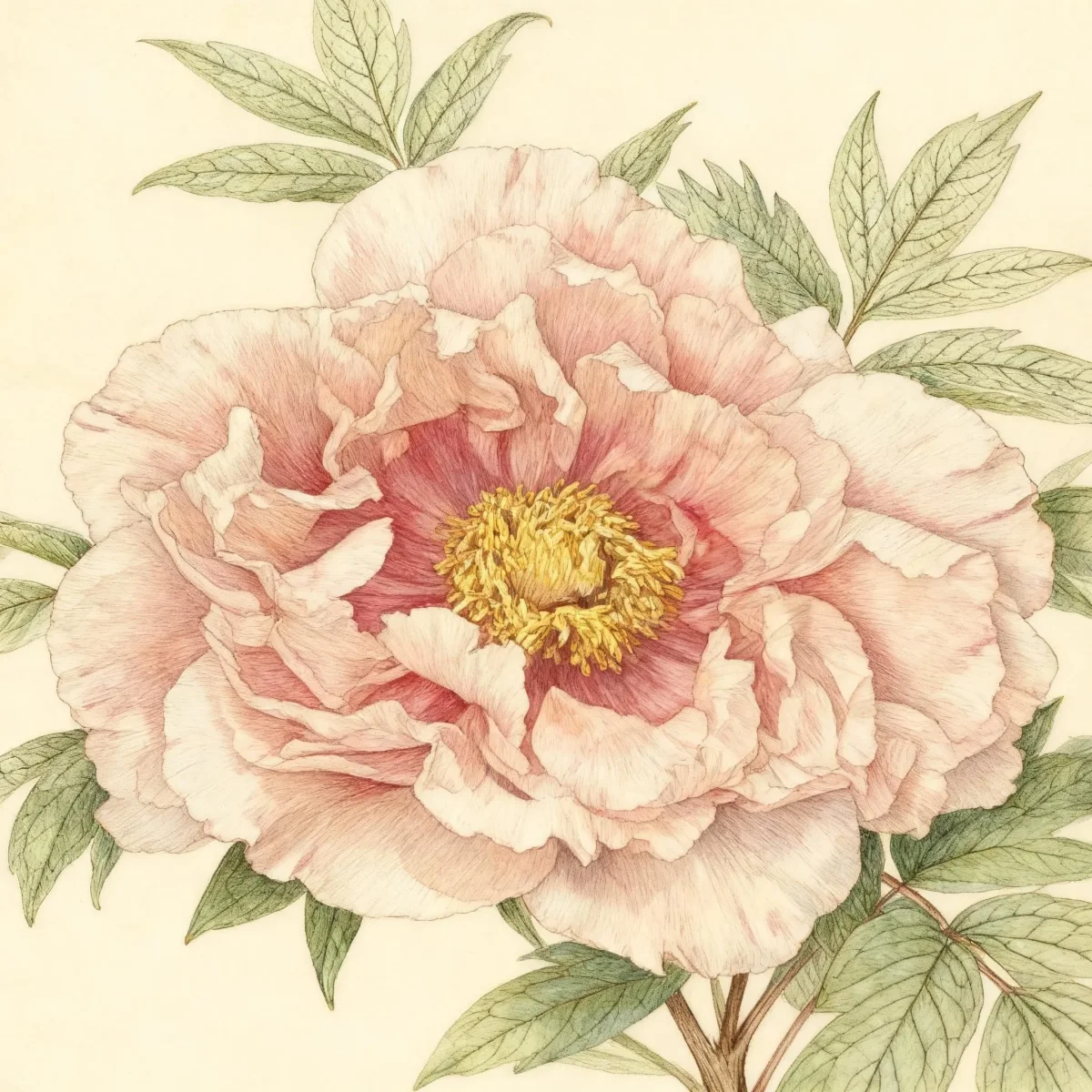
Paeonia suffruticosa is a woody deciduous shrub known for generating large flowers, often 6-8 inches across. The cultivar ‘Hana-kisoi’ displays light pink-rose semi-double flowers whose petals nearly hide the central mass of yellow stamens when it blooms reliably in May. The deeply lobed, medium green foliage remains handsome throughout the entire growing season, long after the spectacular bloom fades.
Tolerances
- Rabbit
- Deer
Potential Problems
Tree peonies are generally regarded as relatively pest-free compared to many garden shrubs. However, gardeners should monitor for susceptibility to fungal issues like canker, leaf blight, and stem wilt. Scale infestations can occasionally occur and should be managed promptly. It is very common to find ants crawling on the developing peony buds; these are harmless and actually benefit the plant by consuming sugary secretions, so intervention is unnecessary.
Frequently Asked Questions
What hardiness zones is Tree peony suitable for?
The Paeonia suffruticosa ‘Hana-kisoi’ FLORAL RIVALRY Tree peony is reliably hardy in USDA Zones 4 through 8.
How large does Tree peony grow?
This deciduous shrub typically reaches a mature height between 3 to 5 feet, with an equivalent spread of 3 to 5 feet across.
When does Paeonia suffruticosa ‘Hana-kisoi’ FLORAL RIVALRY bloom?
This specific Tree peony generally blooms in May, producing its signature pink-rose, semi-double flowers.
What sun exposure does Tree peony need?
For optimal flowering and health, ensure your planting site receives full sun or light to partial afternoon shade.
Conclusion
The distinctive architectural structure and breathtaking floral display of Paeonia suffruticosa ‘Hana-kisoi’ FLORAL RIVALRY make it a worthy investment for any serious garden collection. This magnificent Tree peony offers superb early-season color and lasting foliage appeal. Before planting, confirm your site offers well-drained soil and check that your local USDA zone falls within the 4–8 range for long-term success.
Companion Planting
When selecting companions for your Tree peony, prioritize plants that thrive in similar well-draining, rich soil conditions and that won’t overcrowd the slow-growing shrub. Consider planting acid-loving, shade-tolerant species like Hostas or early spring-blooming bulbs such as Daffodils beneath the shrub’s canopy, as these will recede as the peony leafs out. For a border accent, consider later-blooming perennials like Japanese Iris or certain types of Coral Bells that appreciate afternoon shade provided by the structure of the Tree peony.
Design Ideas
Utilize the upright, woody structure of the Paeonia suffruticosa ‘Hana-kisoi’ FLORAL RIVALRY to define permanent lines within a mixed perennial border, offering structure throughout winter. Because the flowers are so showy, plant them where they can be easily viewed from a porch or window, perhaps near a seating area. They also create stunning, formal hedges along curved walkways, providing a relatively low-growing, colorful barrier that requires minimal annual maintenance pruning.