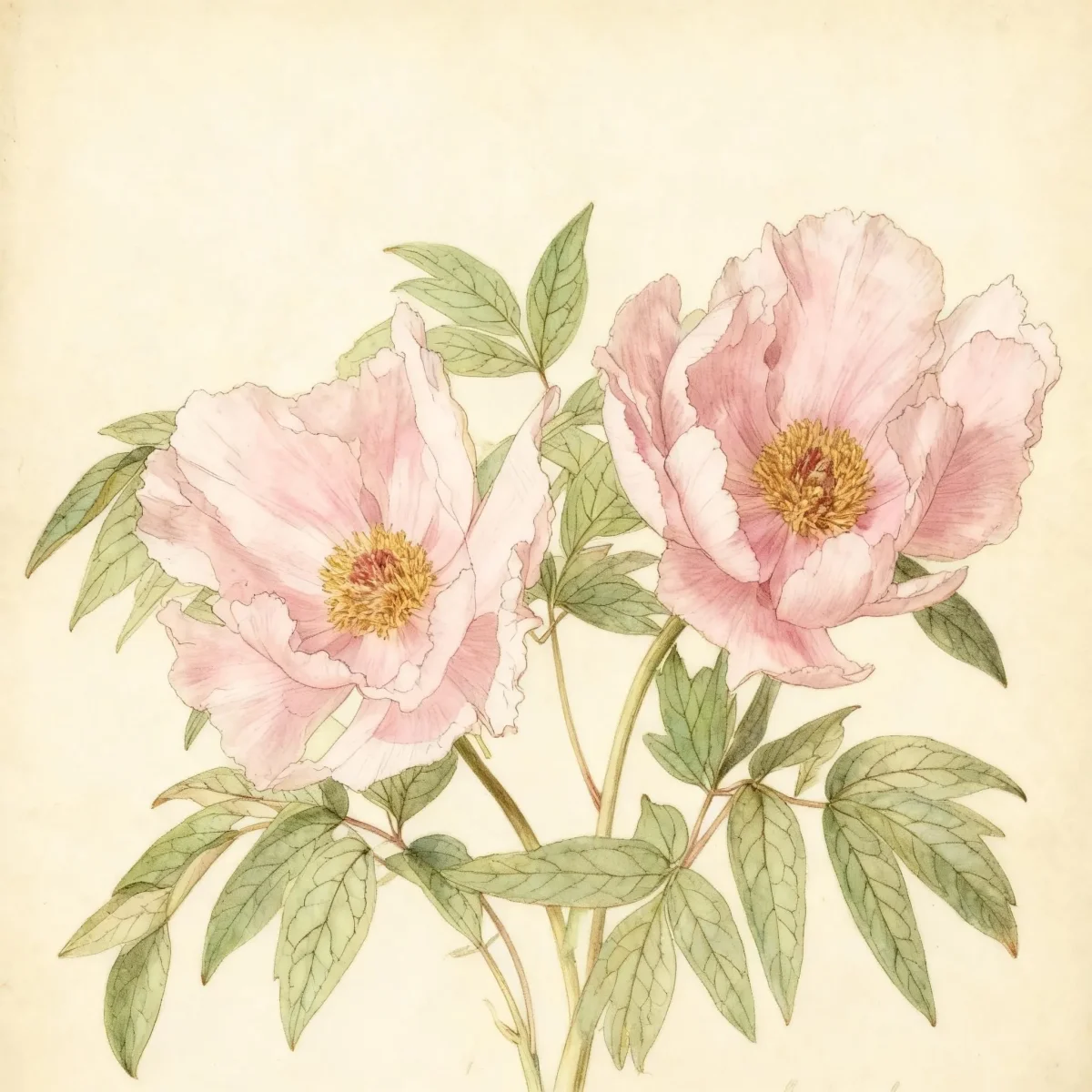
Tree peony (Paeonia delavayi var. lutea 'Hesperus')
Paeonia delavayi var. lutea 'Hesperus' is a magnificent Tree peony, offering rose-pink flowers, growing 3-5ft tall in USDA Zones 4-8.
Scroll down to discover growing tips, care requirements, companion plants, and more
Complete Plant Information
Overview
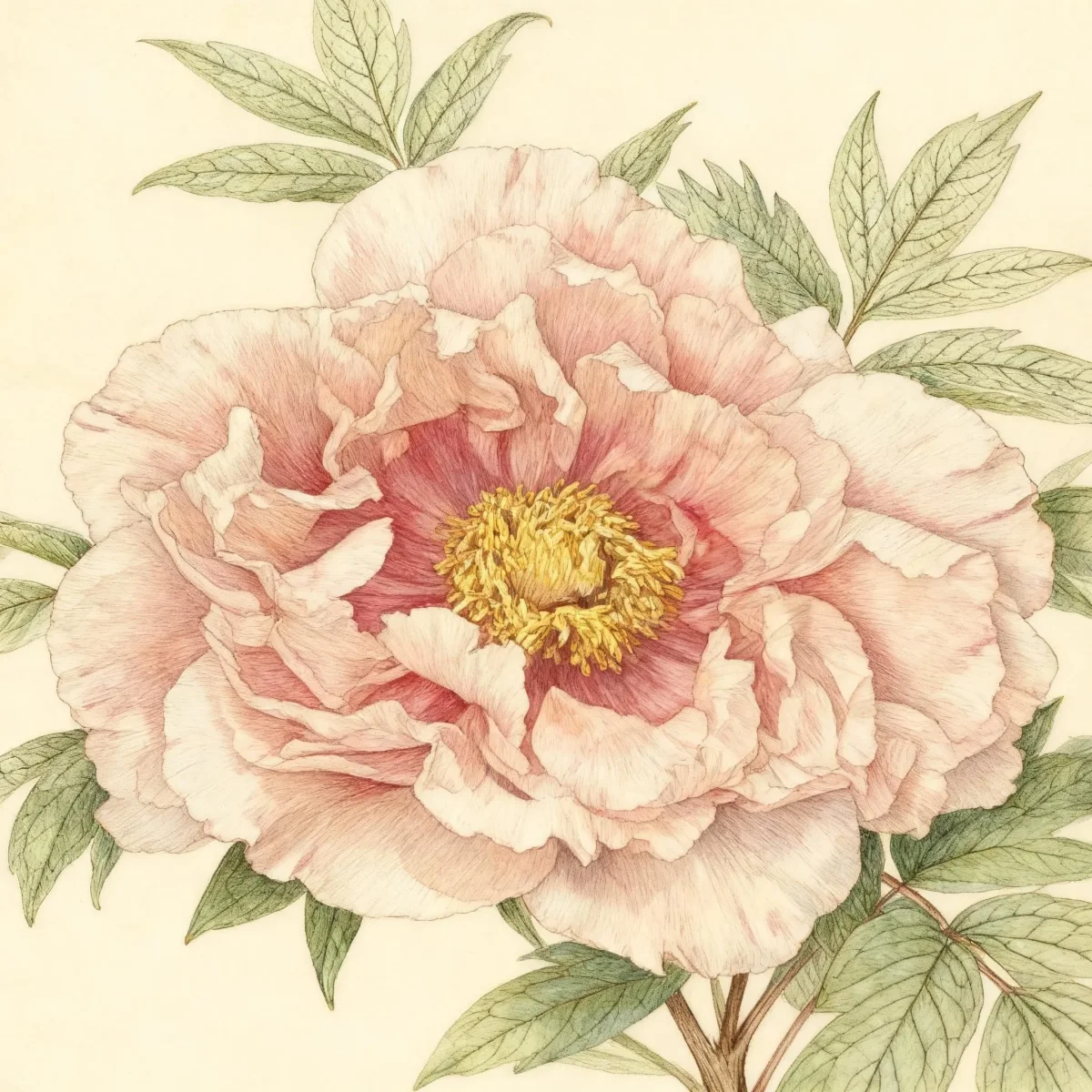
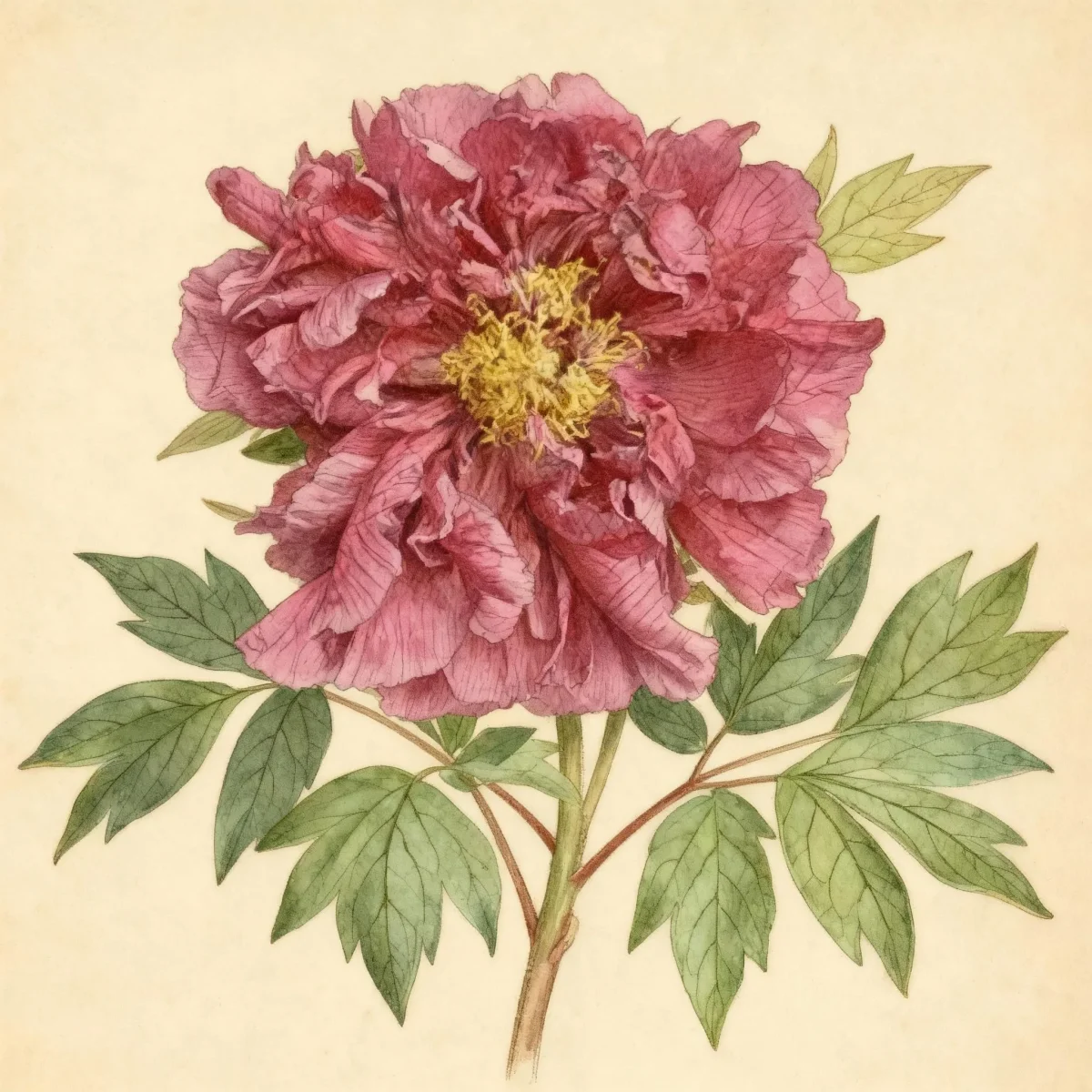
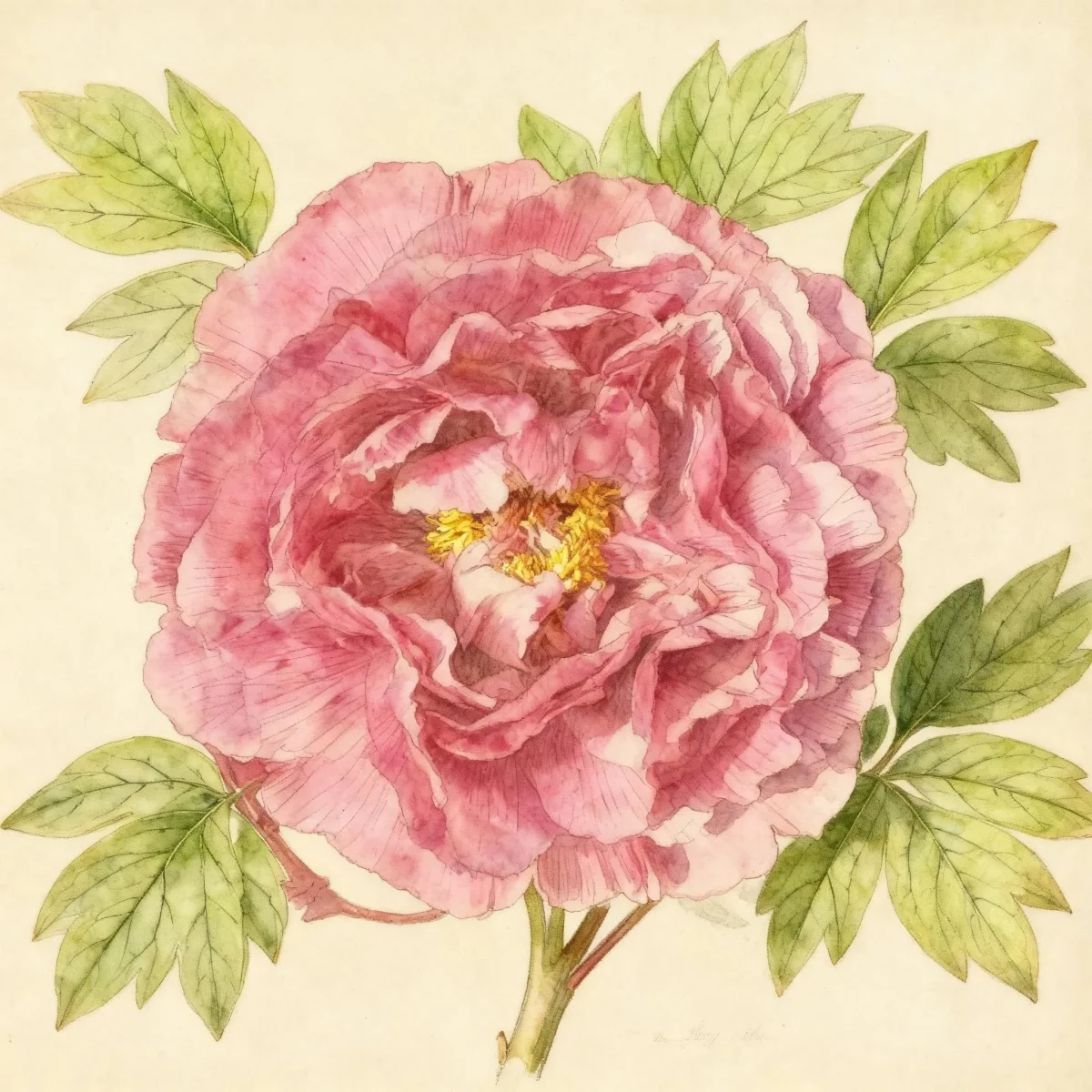
The Tree peony, specifically the cultivar Paeonia delavayi var. lutea ‘Hesperus’, brings stately elegance to the perennial garden. This deciduous woody shrub is highly valued for its long life and showy blooms that typically appear in May, distinguishing it from typical herbaceous peonies. Reaching heights between three to five feet, this cultivar presents unique rose-pink flowers accented with yellow tones.
Paeonia delavayi var. lutea ‘Hesperus’ thrives best when established in highly fertile, well-drained soils, appreciating a position that receives full sun to partial shade. As a woody Tree peony, its structure remains above ground year-round, providing essential structure in the winter landscape where its herbaceous cousins offer none. These long-lived plants reward patient gardeners with reliable beauty across many seasons once firmly established.
This variety, descending from Chinese natives, brings unique characteristics to the garden, including attractive foliage that remains appealing throughout the growing season. Successful cultivation of Paeonia delavayi var. Lutea ‘Hesperus’ relies on respecting its need for significant winter chill, making it best suited for USDA Hardiness Zones 4 through 8.
Fast Facts
- Plant Family: Paeoniaceae
- Plant Type: Deciduous shrub
- Hardiness Zones: USDA Zones 4-8
- Size at Maturity:
- Height: 3-5 ft
- Spread: 3-4 ft
- Bloom Time: May
- Bloom Description: Rose-pink with yellow (single)
- Sun Exposure: Full sun to part shade
- Water Needs: Medium
- Maintenance Level: Medium
How to Grow
Optimal planting for your Tree peony involves selecting a site with deep, fertile, organically rich, neutral to slightly alkaline, well-drained soil. While they tolerate full sun, Paeonia delavayi var. lutea ‘Hesperus’ performs best when given some afternoon respite in partial shade. Incorporate compost generously before planting to ensure a highly receptive medium for these slow-to-establish shrubs.
Watering should remain consistent, aiming for medium moisture levels, ensuring the soil never becomes waterlogged. Because these are long-lived plants that resent disturbance, established specimens rarely need supplemental fertilizer, though a spring application of compost benefits larger shrubs. Larger specimens benefit from shelter provided against strong, potentially damaging winds, especially when they are heavy with blooms.
Pruning for Paeonia delavayi var. lutea ‘Hesperus’ is minimal, as the stems are woody and do not die back like herbaceous types. Resist the urge to cut them back after frost. Only remove undeniably dead wood or suckers arising from the base in very early spring. If shaping is necessary to prevent legginess, a moderate pruning in early fall can encourage lower growth rather than severe cuts. Remember that these alpine natives require significant cold to set buds properly and may struggle south of Zone 8.
Landscape Uses
Tree peonies like Paeonia delavayi var. lutea ‘Hesperus’ excel when used as stunning focal points where their spring display can be fully appreciated. They are excellent specimens planted near entryways or along primary sightlines, providing structure year-round. Their moderate size (3 to 5 feet) also makes them effective components bordering walkways or driveways where their striking flowers can be admired up close.
For a layered effect, plant this Tree peony in front of evergreen screening or taller structural shrubs that can help shelter them from harsh winds. Their attractive foliage acts as a fantastic backdrop for smaller, late-spring blooming perennials, allowing the rich green leaves to frame subsequent summer color displays. They are also sufficiently robust to be used effectively when planted in formal groups or clipped lightly into low hedges along fences where year-round presence is desired.
Standout Features
Flower Qualities
- Showy
Noteworthy Characteristics
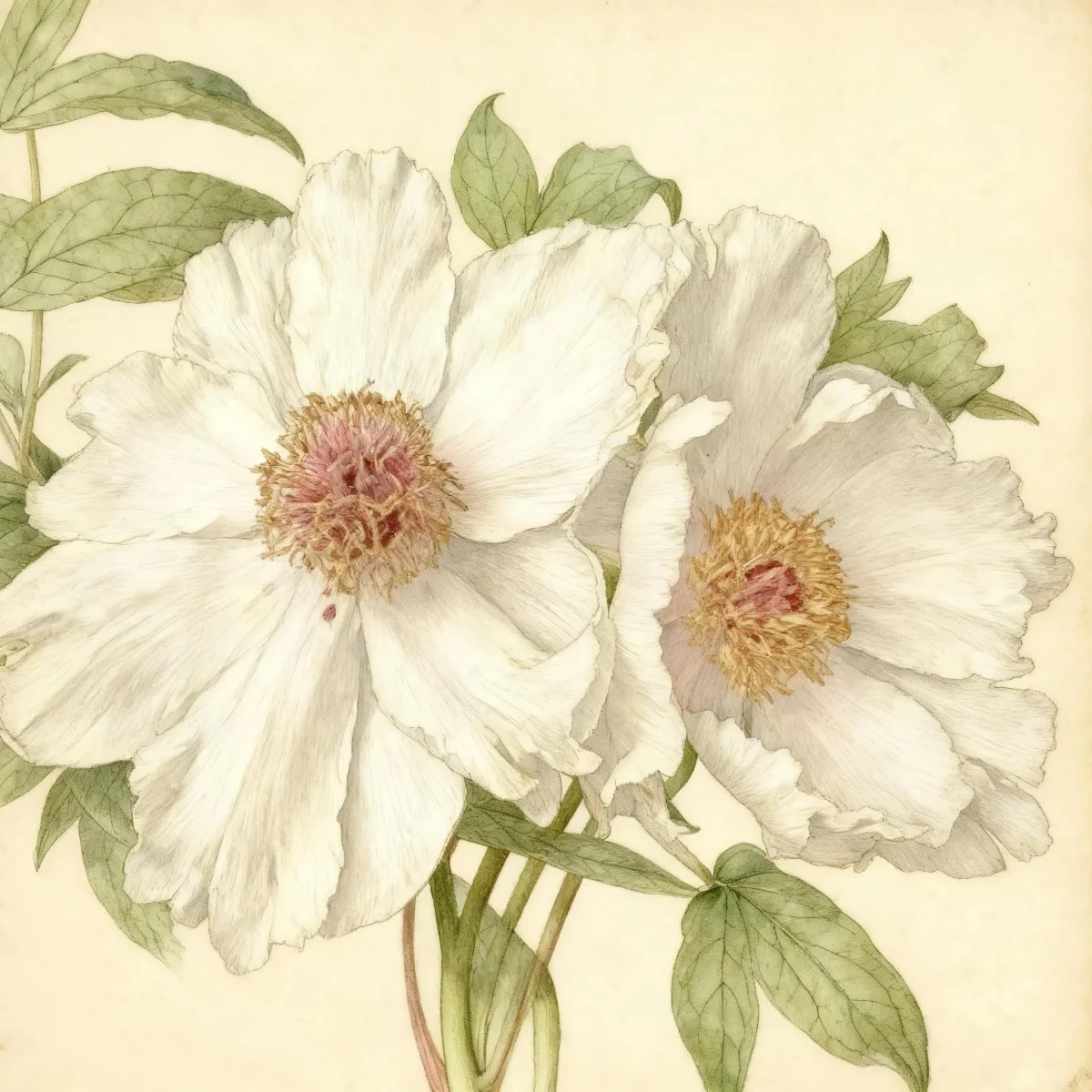
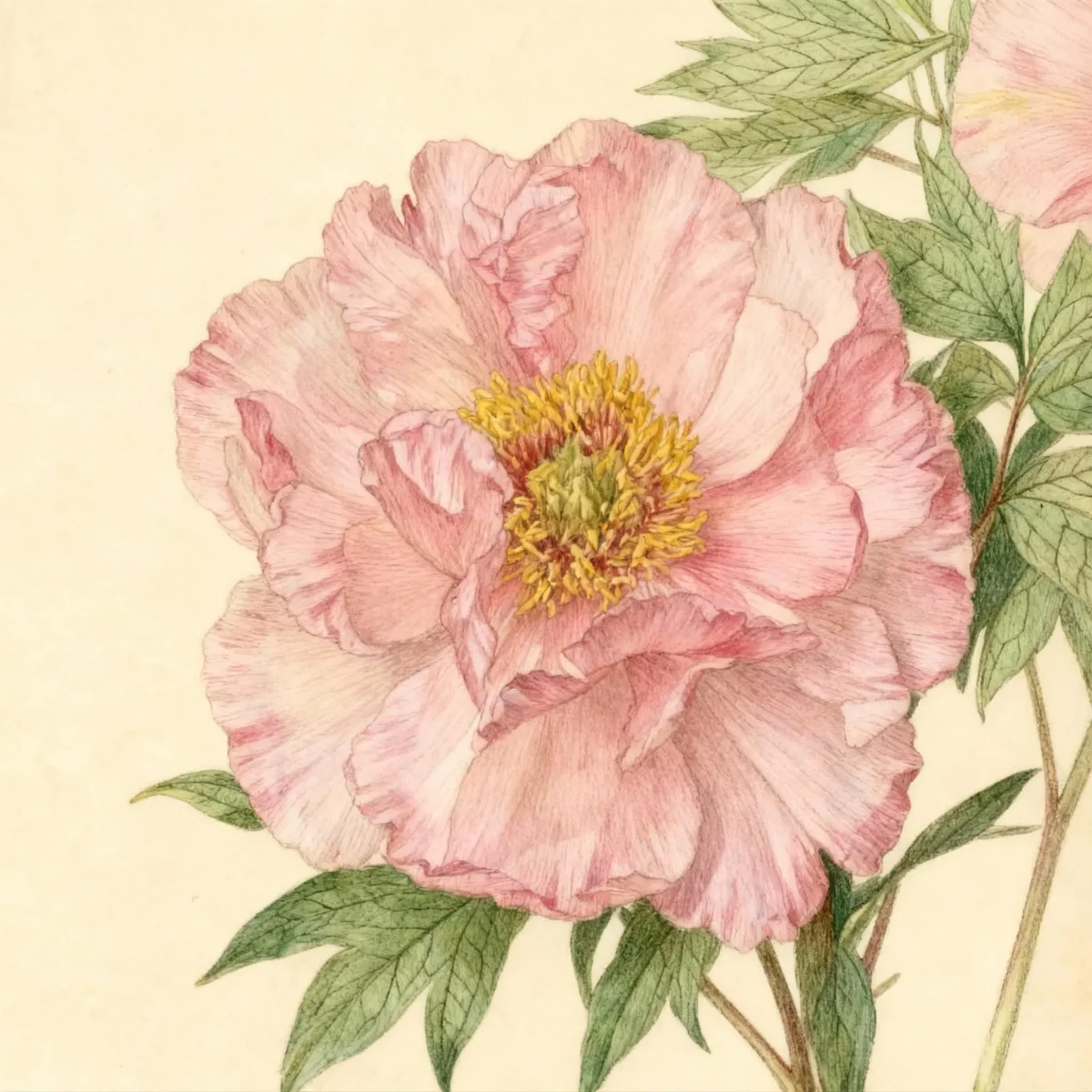
Paeonia delavayi, commonly known as tree peony, is a deciduous, multi-stemmed, woody shrub that typically grows to 3-5’ tall and as wide. It is native to open woodland areas and grasslands in western China from Sichuan and Yunnan to southeastern Tibet, growing primarily at altitudes of 9,000 to 11,000’. Plants of this species are widely variable in regard to a large number of characteristics, including leaf structure, leaf and flower size, and flower color. The cultivar ‘Hesperus’ is a hybrid developed in 1948, featuring petals that are pink with yellow undertones surrounding a bushy center clump of yellow stamens, accented further by deep pink veins and purple flares.
Tolerances
- Rabbit
- Deer
Potential Problems
Tree peonies are generally considered quite low-maintenance regarding pests and diseases. However, watch for susceptibility to issues such as canker, leaf blight, stem wilt, and scale, especially if the plant experiences overly wet conditions or poor air circulation. Fungal issues can often be managed by ensuring proper soil drainage as required by Paeonia delavayi var. lutea ‘Hesperus’. Ants frequently congregate on the developing peony buds, but they are entirely harmless and do not need management unless they become a nuisance indoors.
Frequently Asked Questions
What hardiness zones is Tree peony suitable for?
This Tree peony is generally hardy in USDA Zones 4 through 8, requiring sufficient winter chill to set flower buds properly.
How large does Paeonia delavayi var. lutea ‘Hesperus’ grow?
It typically reaches a mature height between 3 to 5 feet tall with a spread ranging from 3 to 4 feet wide.
When does Tree peony bloom?
Paeonia delavayi var. lutea ‘Hesperus’ is known for blooming in May, presenting characteristic rose-pink flowers with yellow accents.
What sun exposure does Paeonia delavayi var. Lutea ‘Hesperus’ need?
This cultivar performs best in full sun to situations offering partial shade; providing some afternoon shade is often recommended for the best results.
Conclusion
The Paeonia delavayi var. lutea ‘Hesperus’ offers exceptional garden value through its long-lived, upright woody structure and its unique, attractive spring flowers. Integrating this distinct Tree peony into your landscape means investing in a reliable specimen that provides structure and beauty for decades. Always confirm that your growing site offers the required winter cold and rich, well-drained soil before planting this valuable woody peony variety.
Companion Planting
Selecting appropriate companion plants helps maximize the appearance and health of your Tree peony. Because Paeonia delavayi var. lutea ‘Hesperus’ blooms relatively early in May, pair it with plants that offer summer interest to ensure continuous garden appeal once the blossoms fade. Consider pairing it with shade-tolerant, late-season bloomers like Hosta, which provide textural contrast with their broad leaves against the Tree peony’s delicate, divided foliage.
Planting companions that thrive in similar soil conditions—fertile, well-drained, and neutral to slightly alkaline—will simplify garden management. Low-mounding perennials like creeping Thymes or certain Geranium varieties work well beneath the canopy of the Tree peony, as they won’t compete aggressively for root space years after the peony has established itself deeply.
Seasonal Care Calendar
Spring is the critical time for observing your Tree peony, Paeonia delavayi var. lutea ‘Hesperus’. In early spring, check for and remove any dead wood or suckers before active growth begins—this is the only major pruning required. As buds swell, diligently remove spent flowers immediately after bloom completion to redirect energy back into establishing a strong root system for future years.
Summer care focuses almost entirely on consistent moisture management. Ensure the soil is maintained at a medium moisture level, especially during hot, dry periods, remembering that established Tree peonies are more heat tolerant but still benefit from deep, infrequent watering rather than shallow sprinkling. Avoid disturbing the soil around the base of the plant during the active growing season.
As autumn approaches, foliage will gracefully decline. If shaping is desired to improve structure, a light pruning can be performed in early fall, but avoid heavy titling or cutting back woody stems late in the season, as this can encourage frost damage before winter dormancy fully sets in. Ensure good air circulation surrounds the base of the shrub through late-season cleanup of debris.