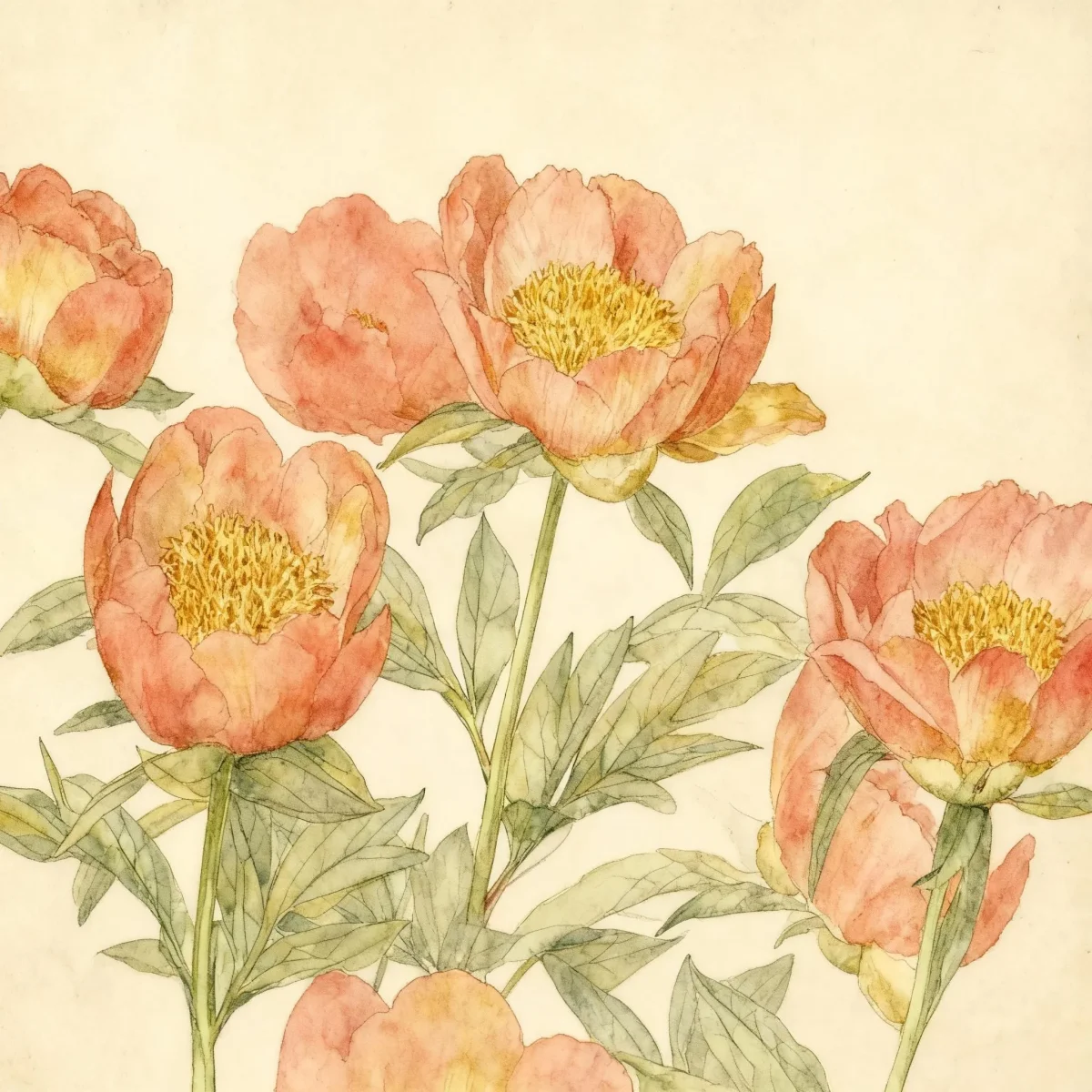
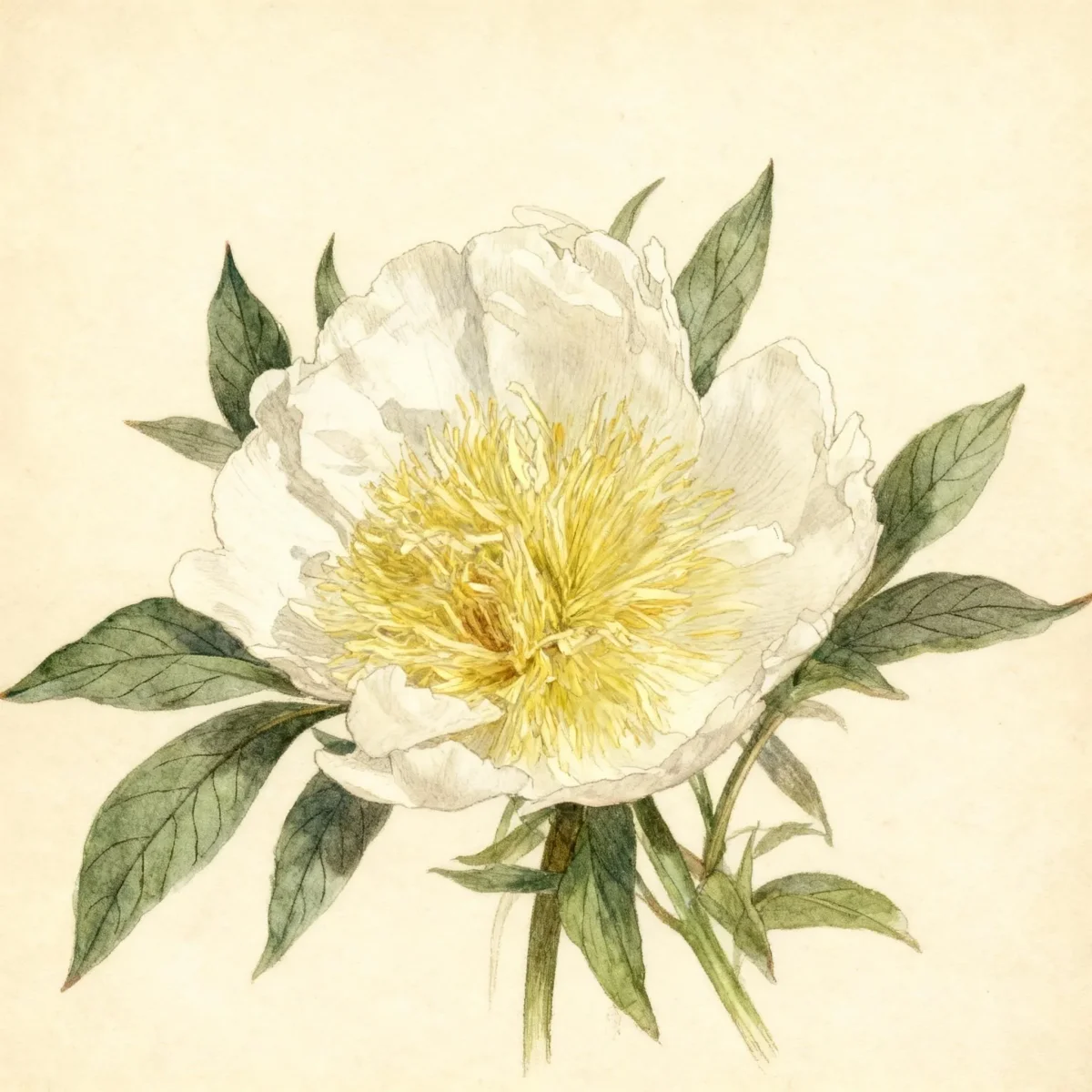
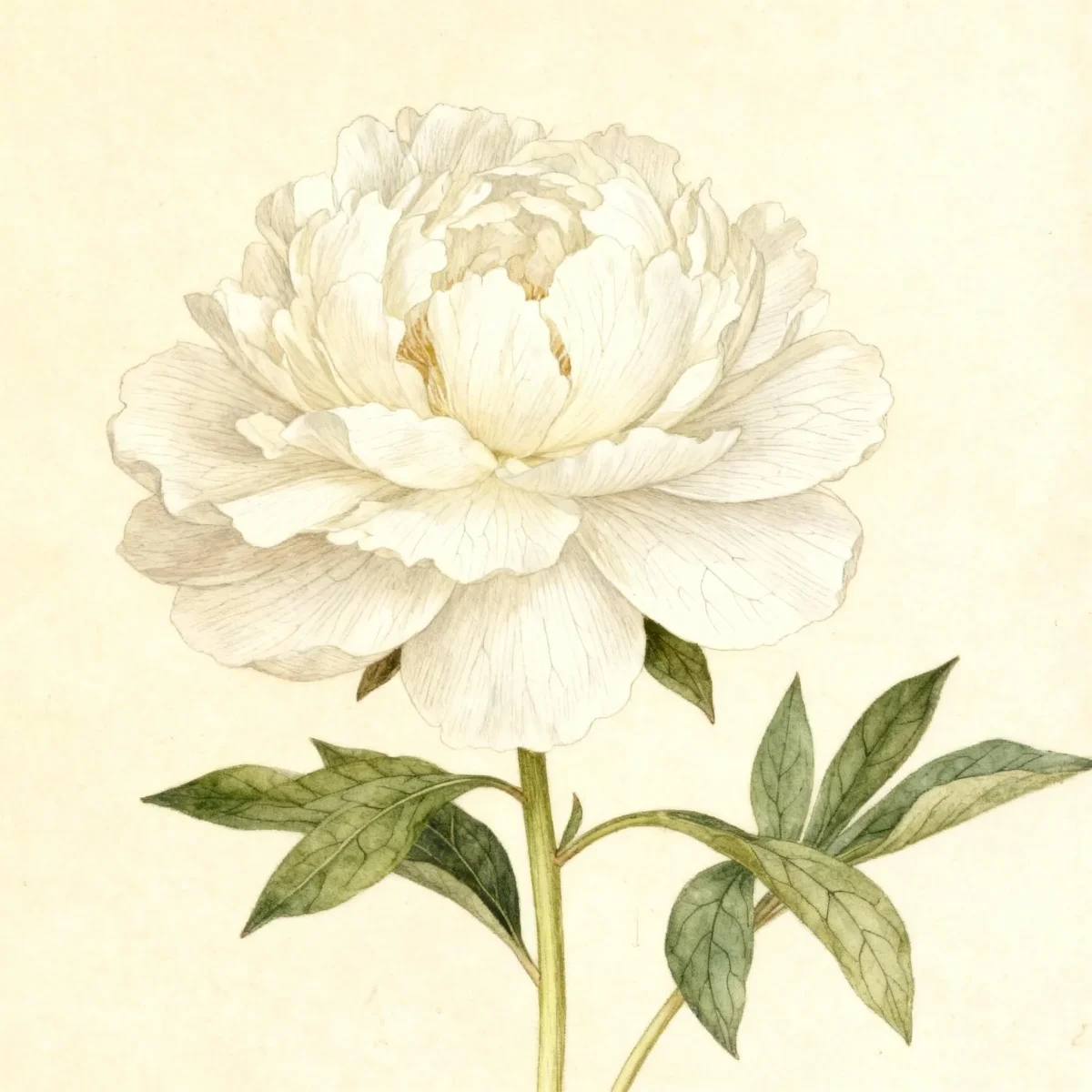
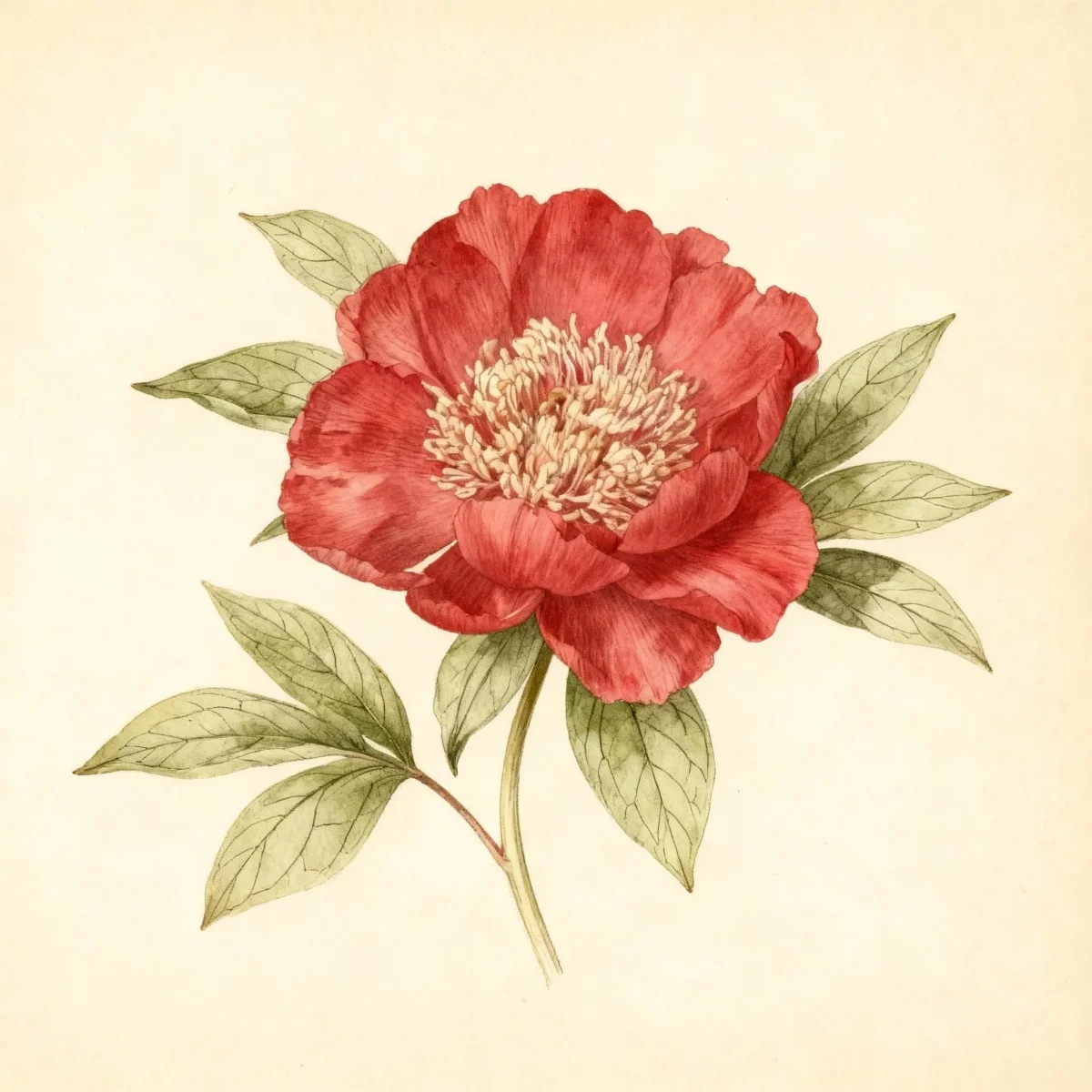
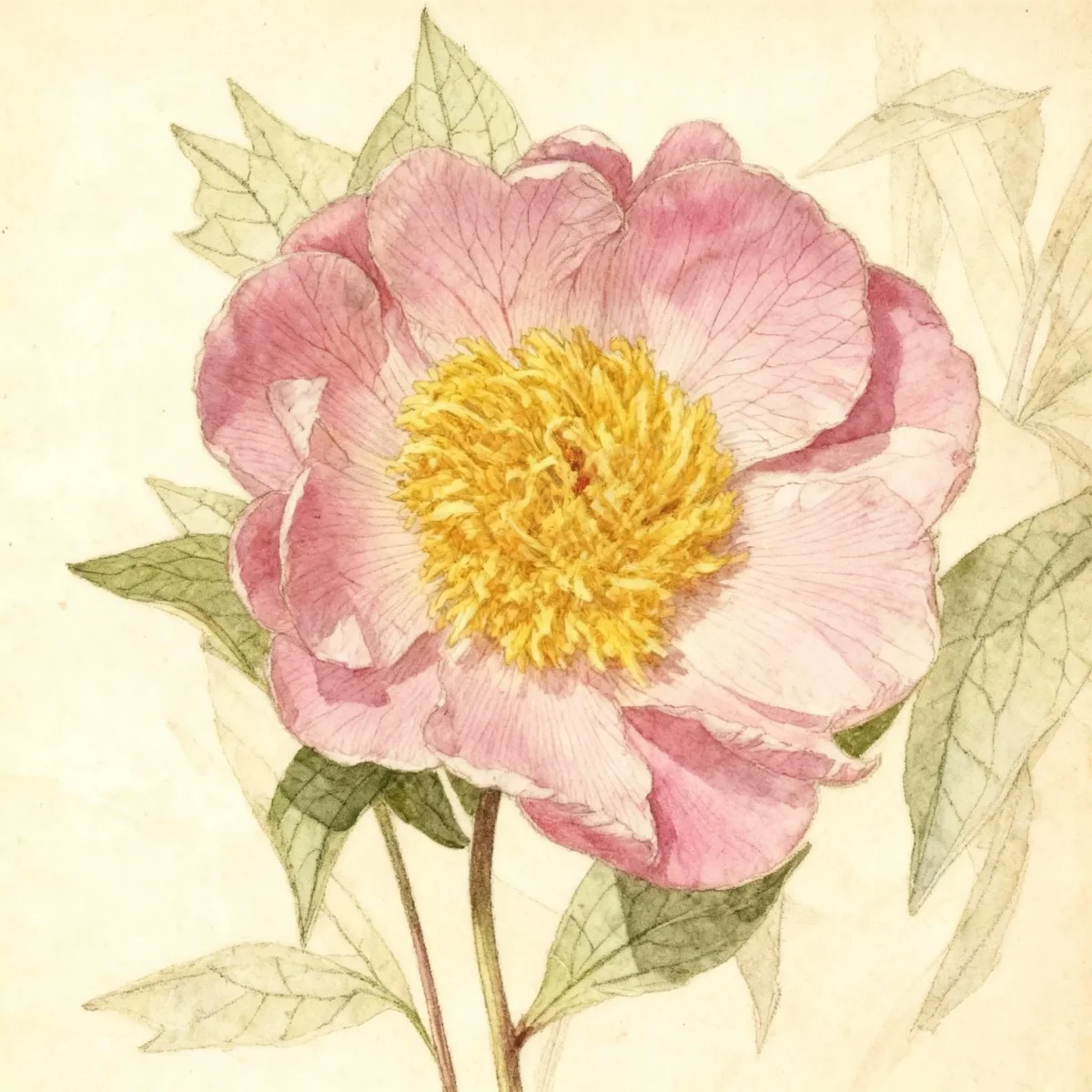
Peony (Paeonia lactiflora 'Karl Rosenfield')
Bloom May-June with showy, double crimson flowers. Paeonia lactiflora 'Karl Rosenfield' is a classic, fragrant, long-lived herbaceous Peony for Zones 3-8.
Scroll down to discover growing tips, care requirements, companion plants, and more
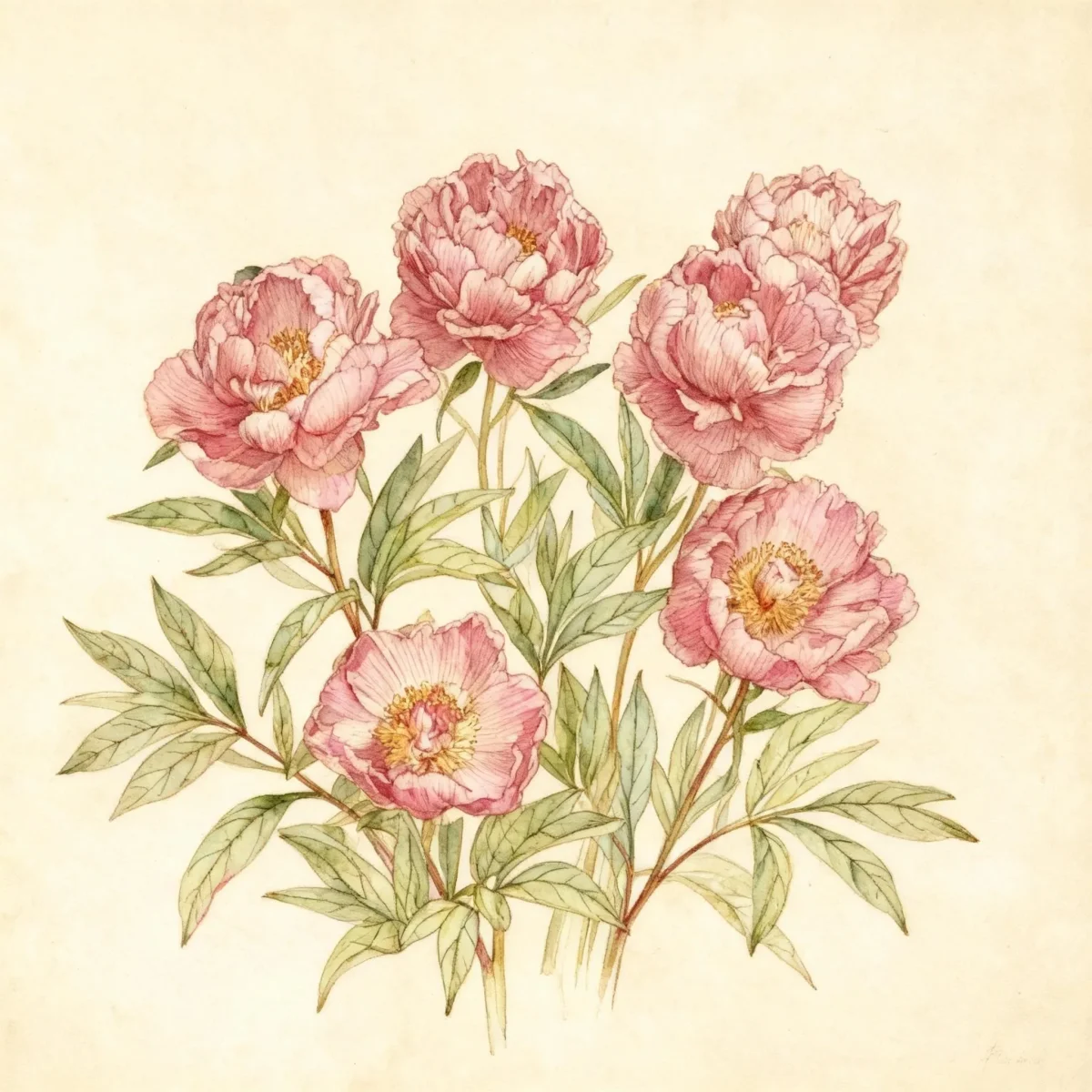
Complete Plant Information
Overview
Paeonia lactiflora ‘Karl Rosenfield’ is an enduring favorite among gardeners, prized for its magnificent, fully double, bright crimson flowers that appear mid-season. This classic herbaceous perennial, commonly known as Peony, offers structure to the garden long after the bloom period ends due to its attractive, glossy green foliage. Growing reliably in the ground, this cultivar provides incredible value as it is exceptionally long-lived and requires minimal division.
This variety of Paeonia lactiflora is a robust, shrub-like perennial reaching about 3 feet tall. It demands a cold winter dormant season to properly set buds for its spectacular May to June flowering display. The mildly fragrant blooms make the Paeonia lactiflora ‘Karl Rosenfield’ a superb addition to cottage gardens or classic perennial borders where its color and form can be fully appreciated.
For gardeners focused on high impact and low long-term effort, the Peony is an unmatched choice. Its deep root structure means established plants thrive with consistent moisture and sun, making Paeonia lactiflora ‘Karl Rosenfield’ a reliable perennial staple for decades.
Fast Facts
- Plant Family: Paeoniaceae
- Plant Type: Herbaceous perennial
- Hardiness Zones: USDA Zones 3-8
- Size at Maturity:
- Height: 2.5-3 ft
- Spread: 2.5-3 ft
- Bloom Time: May to June
- Bloom Description: Red (double)
- Sun Exposure: Full sun to part shade
- Water Needs: Medium
- Maintenance Level: Medium
How to Grow
Planting peonies requires attention to depth, as this is crucial for successful blooming. Plant rootstock eyes about 2 inches below the soil surface, ideally in the fall. Peonies thrive in rich, fertile soil with medium moisture levels, ideally in a location receiving full sun, though some part afternoon shade is appreciated in very hot climates. Mixing compost into the soil before planting will ensure excellent drainage, which is necessary for long-term health.
During the growing season, plants need abundant moisture, especially in the early part of their development. While upkeep is generally medium, remember that established Peonies dislike being moved, so choose their permanent location wisely. Deadhead spent flowers after the initial bloom period to maintain tidiness, although this is not strictly necessary for plant health.
As autumn approaches, wait until after the first hard frost, then cut the stems of the Paeonia lactiflora ‘Karl Rosenfield’ foliage back to the ground and remove the debris from the garden. In regions with minimal snow cover, applying mulch over the root zone during winter helps insulate the crowns. Ensure plants experience a cold dormant season; this is non-negotiable for future flowering performance.
Landscape Uses
Peonies are foundational elements in perennial borders, offering structure and drama in late spring. Paeonia lactiflora ‘Karl Rosenfield’ works beautifully both as a striking specimen plant or when grouped together to create low, flowing herbaceous hedges along walkways or driveways. The flowers are extremely showy, providing a brilliant splash of crimson that draws the eye instantly.
Beyond borders, their upright, shrub-like stature makes them ideal as accents against taller structures like fences or walls. The glossy green foliage of the Peony remains attractive and offers a solid green backdrop throughout the summer and into early fall, successfully framing other later-blooming perennials. When using Paeonia lactiflora ‘Karl Rosenfield’, consider companion planting with plants that bloom later to ensure continuous visual interest in the bed once the Peony finishes its short but memorable flowering period.
Standout Features
Flower Qualities
- Showy
- Fragrant
- Good Cut
Noteworthy Characteristics
This specific cultivar, ‘Karl Rosenfield’, is an old standard known for its semi-rose form, double flowers that are mildly fragrant and bright crimson. It features glossy, divided green foliage which remains appealing throughout the summer until frost causes the stems to die back to the ground. It is widely regarded as an excellent cut flower, bringing sophisticated color indoors.
Tolerances
- Rabbit
- Deer
Potential Problems
Peonies are largely pest-free, though gardeners should watch for fungal issues like Botrytis blight or Phytophthora blight, especially in humid or poorly drained settings. Ants commonly congregate on the buds; these are harmless and typically leave once the flowers open. If your Peony fails to bloom, check if it was planted too deeply or too shallowly, if it receives too much shade, or if it is too young since planting or moving.
The large, semi-double blooms of Paeonia lactiflora ‘Karl Rosenfield’ are heavy and may arch toward the ground, particularly after rain. Providing light staking or support early in the season prevents these arching stems from touching the soil, which reduces the risk of rot and damage. While fall powdery mildew can appear on the leaves, it generally does not harm the plant structure significantly.
Frequently Asked Questions
What hardiness zones is Peony suitable for?
The Paeonia lactiflora ‘Karl Rosenfield’ is reliably hardy in USDA Zones 3 through 8, though best performance is often seen in Zones 5-7.
How large does Paeonia lactiflora ‘Karl Rosenfield’ grow?
This herbaceous perennial typically reaches a mature height and spread between 2.5 and 3 feet.
When does Peony bloom?
This cultivar blooms mid-season, usually from May to June, featuring its characteristic double red flowers.
What sun exposure does Paeonia lactiflora ‘Karl Rosenfield’ need?
It performs best in full sun but can tolerate, and sometimes benefit from, partial shade, especially protection from intense afternoon sun in hotter regions.
Conclusion
The Paeonia lactiflora ‘Karl Rosenfield’ remains a treasured classic, delivering deeply saturated crimson color and a pleasant fragrance during its short, spectacular bloom window. As a long-lived peony, investing time in correct initial placement and planting depth ensures decades of dependable garden performance. Before ordering, confirm that your planting location meets the full sun to part shade requirement and falls within USDA Zones 3-8.
Companion Planting
When planning borders around your Paeonia lactiflora ‘Karl Rosenfield’, select companions that emerge later or hold interest when the Peony foliage begins to decline near fall frost. Good companions include late-season bloomers like Salvia or Nepeta which appreciate similar soil conditions and can help distract the eye once the crimson flowers fade. Because peonies prefer well-drained conditions and do not like root competition directly at the crown, plant complementary perennials slightly further away from the established Peony base.
Seasonal Care Calendar
Spring care focuses on monitoring for emergence after the cold winter dormant period. Apply a layer of compost around the base as new growth begins, but avoid piling soil against the stems. Summer maintenance centers on ensuring medium water needs are met, especially during dry spells, and providing support for heavy flower heads before they bloom. In the fall, cut the entire plant back to the ground after frost and ensure the root area is mulched if winter snow cover is unreliable.