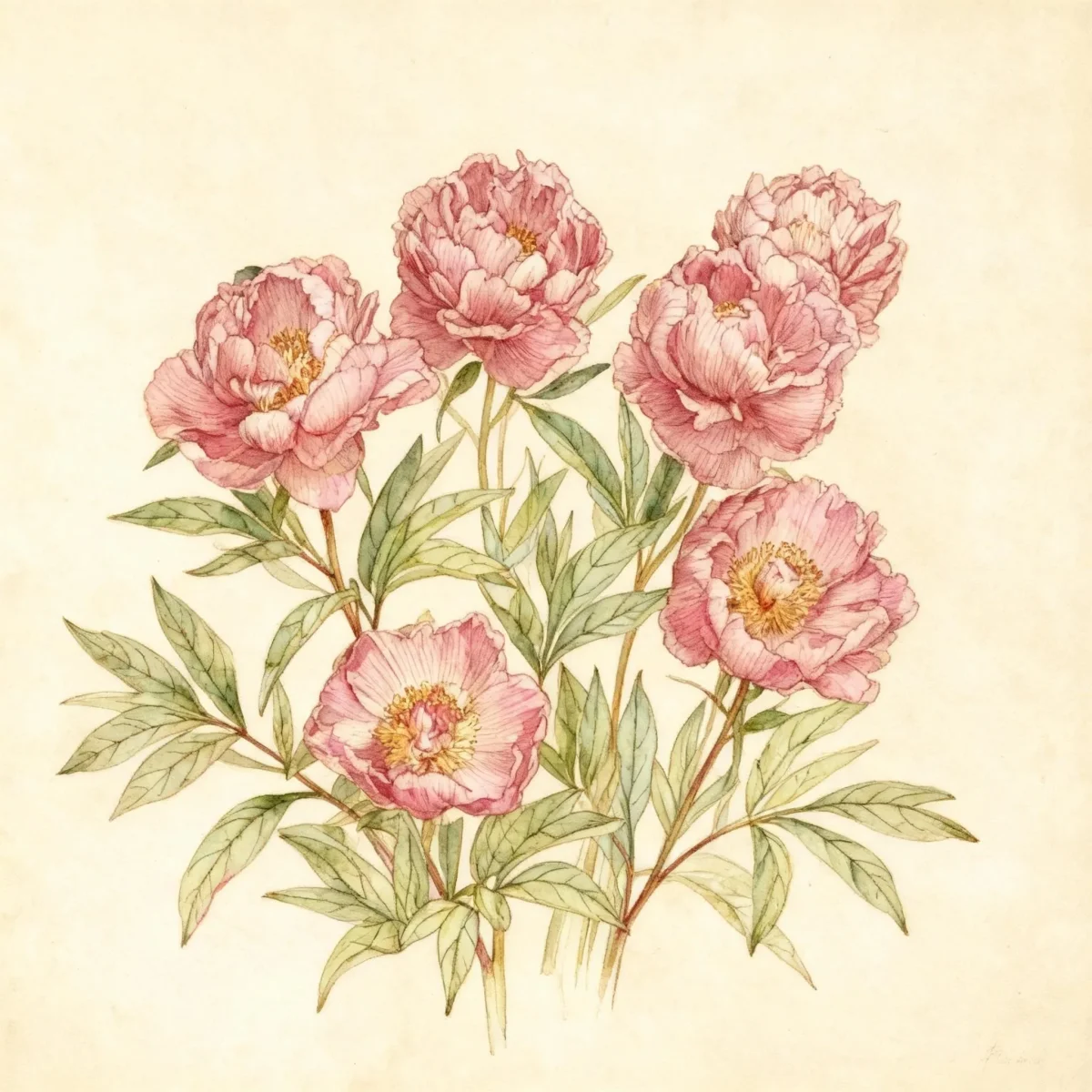
Peony (Paeonia lactiflora 'Mischief')
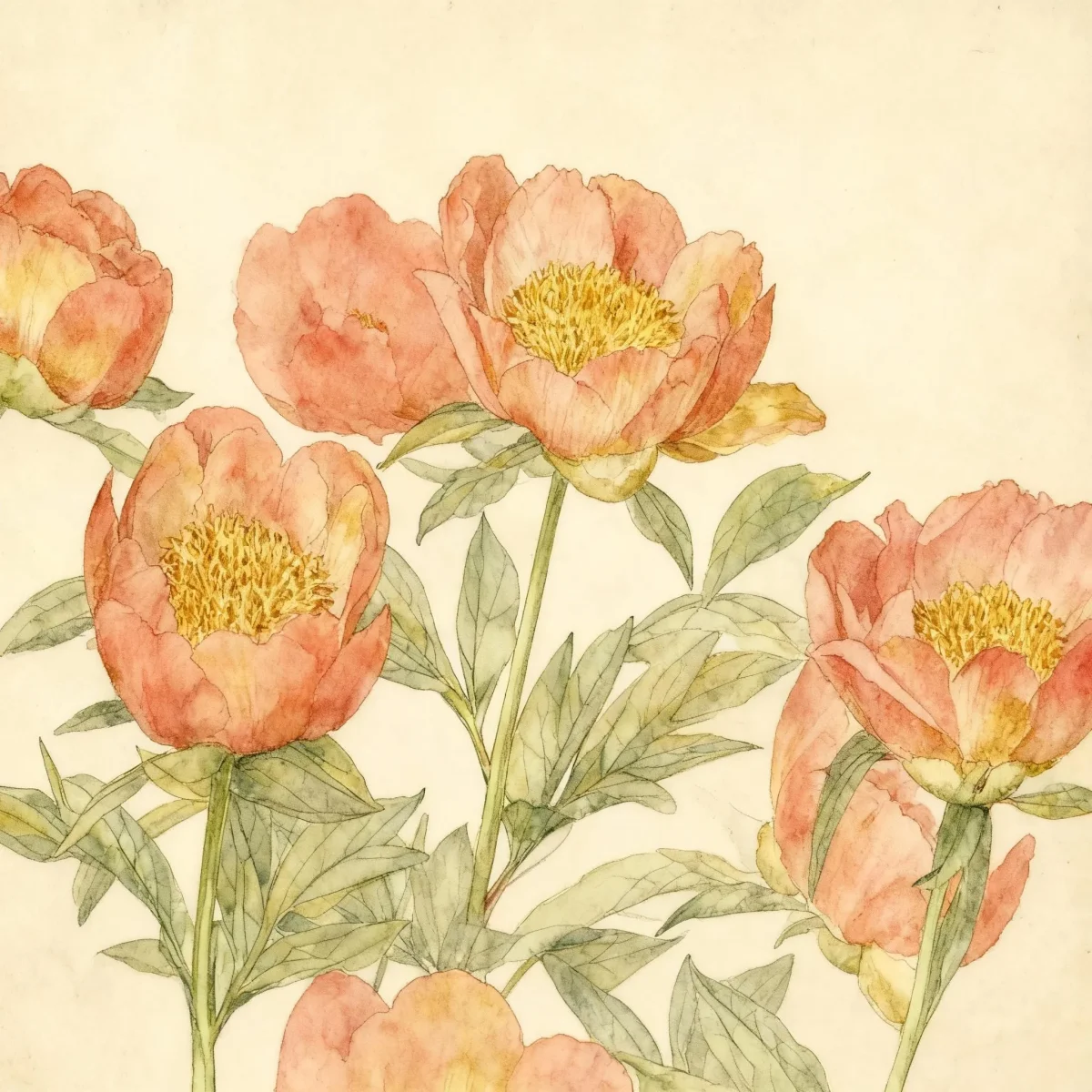
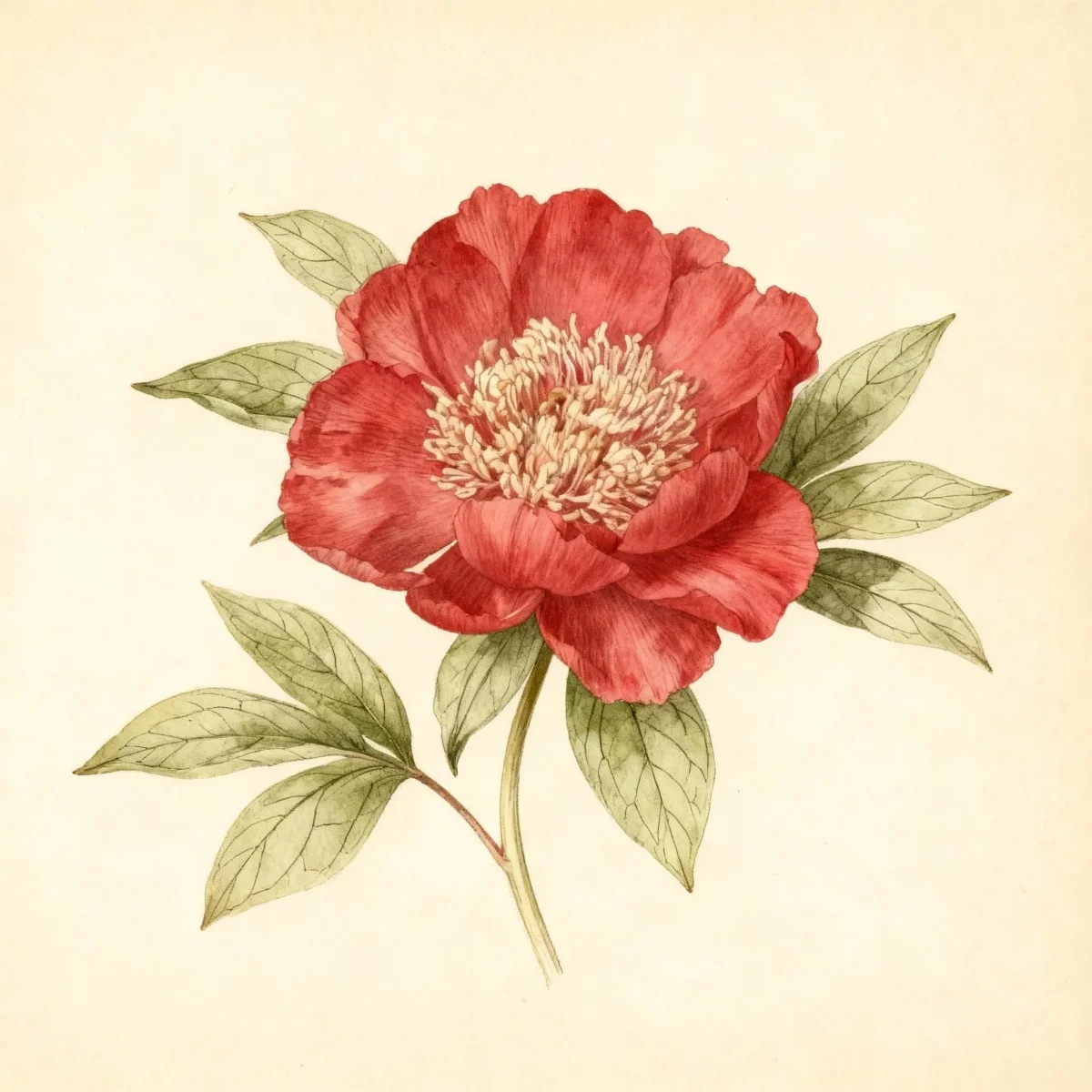
Paeonia lactiflora 'Mischief' Peony offers striking pink, single flowers in May. This herbaceous perennial thrives in Zones 3-8 with medium water needs.
Scroll down to discover growing tips, care requirements, companion plants, and more
Complete Plant Information
Overview
Paeonia lactiflora ‘Mischief’ is a classic herbaceous perennial appreciated for its charming, low-maintenance blooms and enduring structure. This specific Peony cultivar features beautiful single pink flowers, creating a focal point in the late spring garden. It provides reliable performance across a wide range of climates, easily integrating into established perennial beds.
As a clump-forming, shrub-like plant, Paeonia lactiflora ‘Mischief’ grows to about three feet tall before dying back to the ground after the first hard frost. Its foliage remains attractive throughout the summer, offering structure long after the initial flower show concludes. Gardeners prize this Peony for its longevity; once established, it requires very little interference.
Embracing the rich history of Chinese peonies, ‘Mischief’ brings long-lived splendor to the average landscape. Whether used as an accent or part of a mixed border, this Peony cultivar delivers vibrant color and robust, pest-resistant performance, making it a cornerstone plant for enduring garden beauty.
Fast Facts
- Plant Family: Paeoniaceae
- Plant Type: Herbaceous perennial
- Hardiness Zones: USDA Zones 3-8
- Size at Maturity:
- Height: 2.5-3 ft
- Spread: 2.5-3 ft
- Bloom Time: May
- Bloom Description: Pink (single)
- Sun Exposure: Full sun to part shade
- Water Needs: Medium
- Maintenance Level: Medium
How to Grow
Planting Paeonia lactiflora ‘Mischief’ requires attention to depth, which is crucial for successful flowering. Choose a location that receives full sun to light afternoon shade, especially helpful in hotter climates. The soil must be rich, fertile, well-drained, and hold medium moisture levels. Incorporate compost before planting, ensuring the rootstock buds, or “eyes,” are situated approximately two inches below the soil surface.
During the growing season, the Peony needs abundant moisture, particularly early on. While these plants are long-lived and do not typically require division, they thrive when left undisturbed for many years. Best results are usually seen in USDA Zones 5-7, though they perform admirably into Zone 3 and often adapt well to the northern reaches of Zone 8.
After flowering, remove spent blossoms to maintain tidiness. A significant seasonal task is cutting the foliage to the ground in the fall once frost has caused it to die back, removing the debris from the garden. Because the Peony requires a cold winter dormant season, protect the root area with mulch during winters where snow cover is scarce. Remember that named cultivars like ‘Mischief’ will not reliably reproduce true to type if grown from seed.
Landscape Uses
Peonies are indispensable stars in the perennial border, providing substance and long-lasting beauty. Paeonia lactiflora ‘Mischief’ works perfectly as a specimen plant, anchoring a corner, or grouped together to create a substantial, informal herbaceous hedge along property lines or walkways. Their classic, upright structure makes them excellent choices for framing driveways or walls.
The combination of single pink blooms and glossy green foliage means this Peony acts as a strong upright accent or a dense mid-season backdrop for shorter, later-blooming perennials. While the flowers themselves invite close inspection, the structure and texture of the leaves carry the visual weight throughout the summer months, preventing bare spots after the bloom finishes.
Consider pairing Paeonia lactiflora ‘Mischief’ with plants that complement its mid-season bloom time, perhaps pairing it with early spring bulbs or later-season spiky perennials to create sequential color interest. Since peonies are extremely long-lived, choose companions wisely, as the Peony will remain in place for decades.
Flower Qualities
- Showy
Noteworthy Characteristics
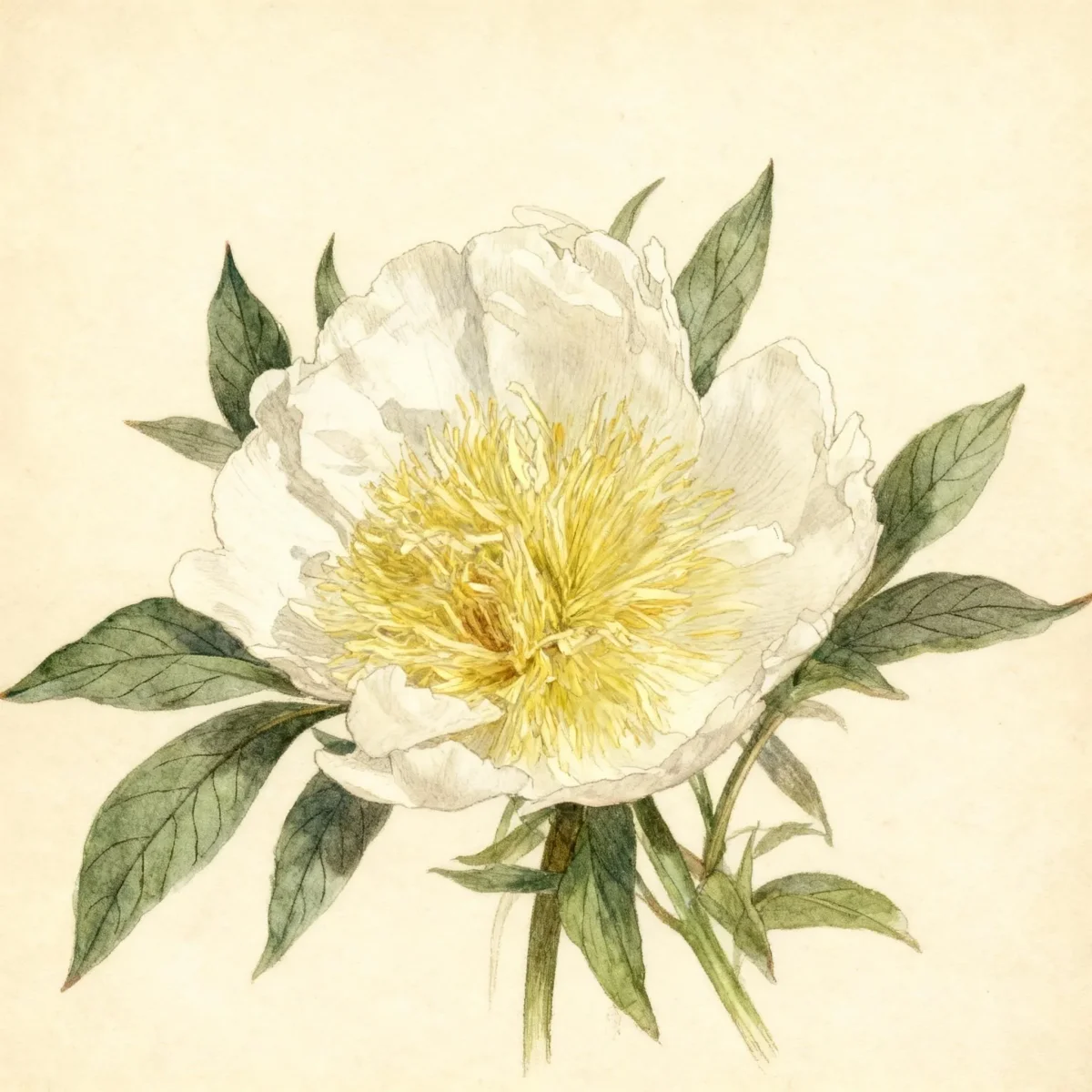
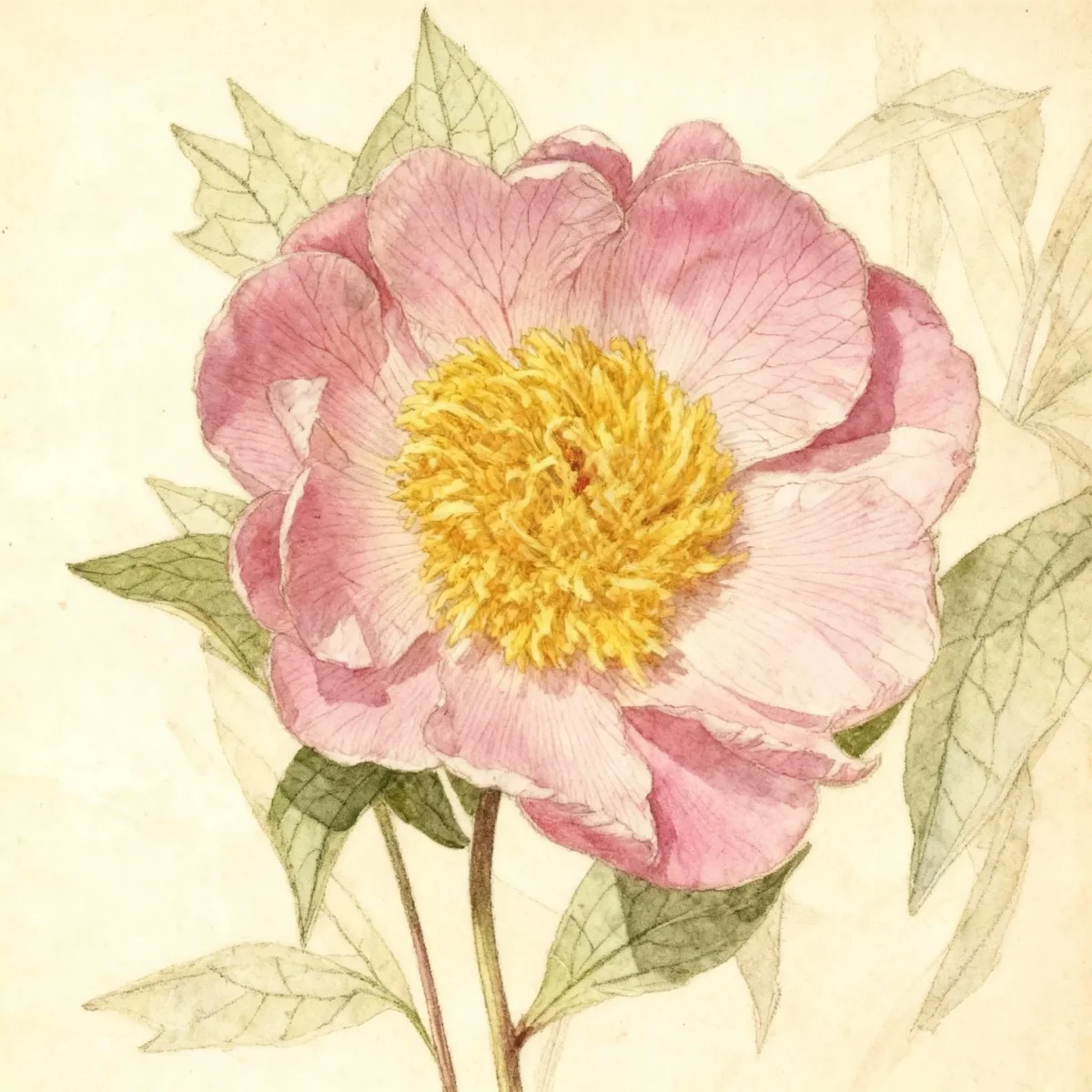
Paeonia lactiflora, known widely as the common garden peony, is an erect, shrub-like herbaceous perennial native to Central Asia. This late-blooming species features attractive foliage through summer before stems collapse after frost, and its flowers typically boast a conspicuous center boss of yellow stamens. The cultivar ‘Mischief’ specifically exhibits pink, single flowers and glossy green foliage that only requires cutting down in the fall.
Tolerances
- Rabbit
- Deer
Potential Problems
Peonies, including Paeonia lactiflora ‘Mischief’, are generally hardy and pest-resistant, but vigilance regarding cultural conditions is key to preventing issues. Ants commonly crawl on developing buds; these are harmless companions feeding on nectar and should not be treated. Fungal diseases like Botrytis blight or Phytophthora blight can appear, usually indicating poor air circulation or soil moisture issues.
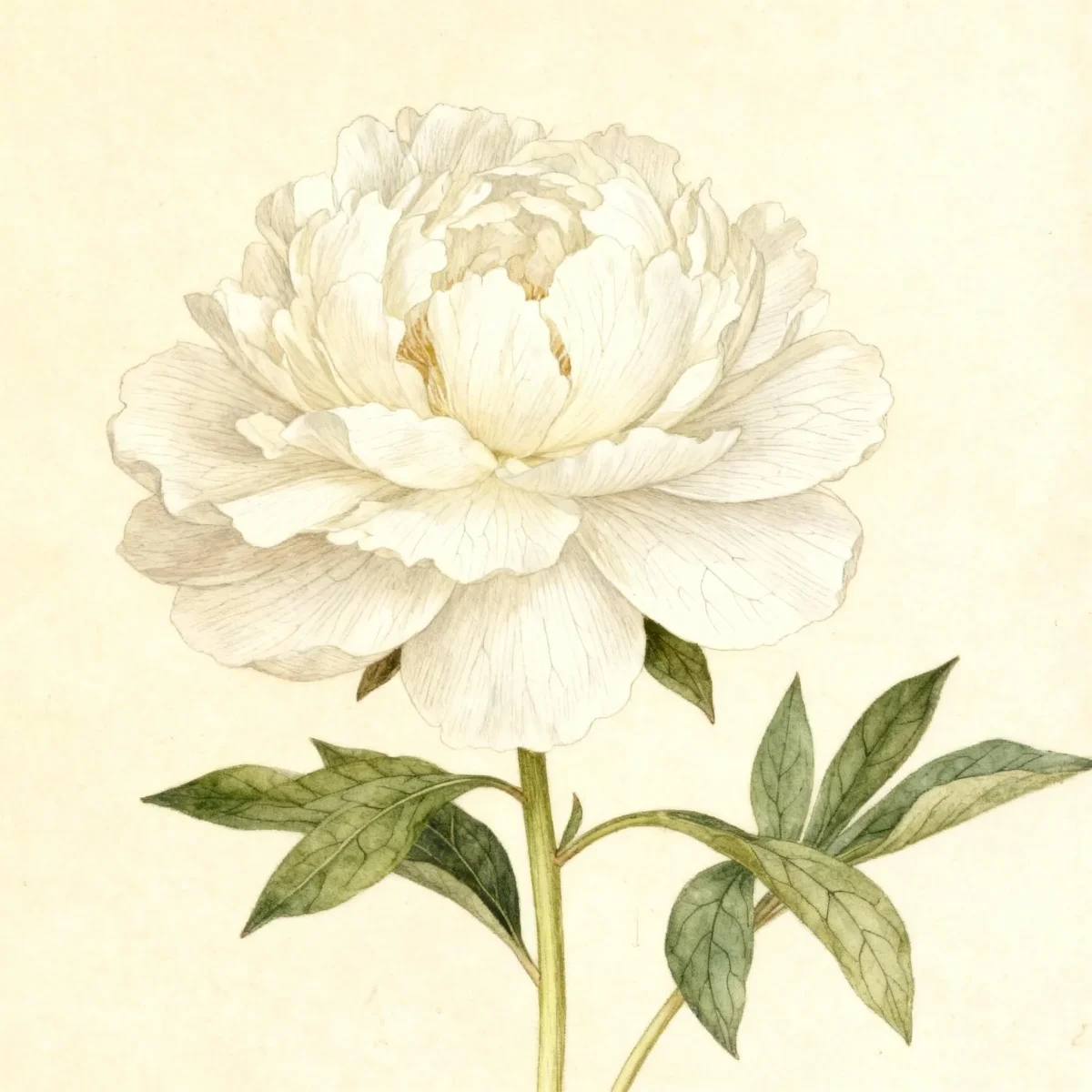
Ensuring proper planting depth prevents the common problem of non-flowering plants; if planted too deep or too shallow, the Peony will sulk. Similarly, a young plant or one recently moved may take a year or two to establish its blooming cycle. Due to the weight of the semi-double blooms, staking large flower heads is advisable to prevent them from arching toward the soil, especially after heavy rain.
If powdery mildew develops on the leaves late in the season, rest assured that it is generally cosmetic and does not threaten the plant’s long-term health, but the foliage can be cut back in the fall if desired. Gardeners find that deer and rabbits usually avoid this perennial, adding to its low-stress appeal.
Frequently Asked Questions
What hardiness zones is Peony suitable for?
The Paeonia lactiflora ‘Mischief’ Peony is hardy and performs best in USDA Zones 3 through 8. For optimal performance, aim for Zones 5-7.
How large does Peony grow?
This herbaceous perennial typically reaches a mature height between 2.5 and 3 feet tall, with a spread of 2.5 to 3 feet wide.
When does Peony bloom?
Paeonia lactiflora ‘Mischief’ blooms reliably in May, presenting lovely pink, single flowers that last for about 7 to 10 days.
What sun exposure does Peony need?
This plant prefers full sun but tolerates light afternoon shade, particularly beneficial if you are growing it in the hotter parts of its hardiness range.
Conclusion
Paeonia lactiflora ‘Mischief’ remains a premier choice for gardeners seeking reliable structure and classic spring color with minimal fuss. This resilient Peony is deer and rabbit tolerant, providing its showy pink blooms dependably year after year. Before planting, confirm your location falls within USDA Zones 3-8 and ensure that the planting depth is correct for guaranteed success.
Companion Planting
When planning a late spring border around your Paeonia lactiflora ‘Mischief’, consider companions that can fill the gap after the Peony foliage begins to wane or bloom at a different time. Plants with finer texture contrast beautifully against the broad, glossy leaves of the Peony. Good companions include hardy spring-blooming bulbs like Darwin hybrid tulips, or mid-summer bloomers such as Salvia or hardy Geraniums, which can tolerate the rich soil requirements of the Peony.
Ensure that any companion planting does not compete aggressively for water or nutrients, as established peonies prefer to be left undisturbed. Because they need excellent air circulation to prevent fungal issues, avoid placing dense, ground-hugging plants directly against the base of the Peony stems that could impede airflow once the plant matures in late spring.
Seasonal Care Calendar
Spring preparation for your Paeonia lactiflora ‘Mischief’ involves minimal work; ensure you have removed any winter mulch once soil temperatures begin to rise reliably. Water deeply during the early growing season when moisture needs are highest. Summer care centers on observation, checking for pests like thrips or observing if staking is necessary for heavy blooms.
Fall is the most critical cleanup period. Once hard frost has occurred, you must cut all the foliage of the Peony down to the ground level and remove it from the garden area to reduce overwintering disease spores. This practice is vital for keeping your Paeonia healthy for decades. Before deep winter sets in, apply a light layer of insulating mulch over the root zone, especially in areas prone to freeze-thaw cycles without deep snow cover.