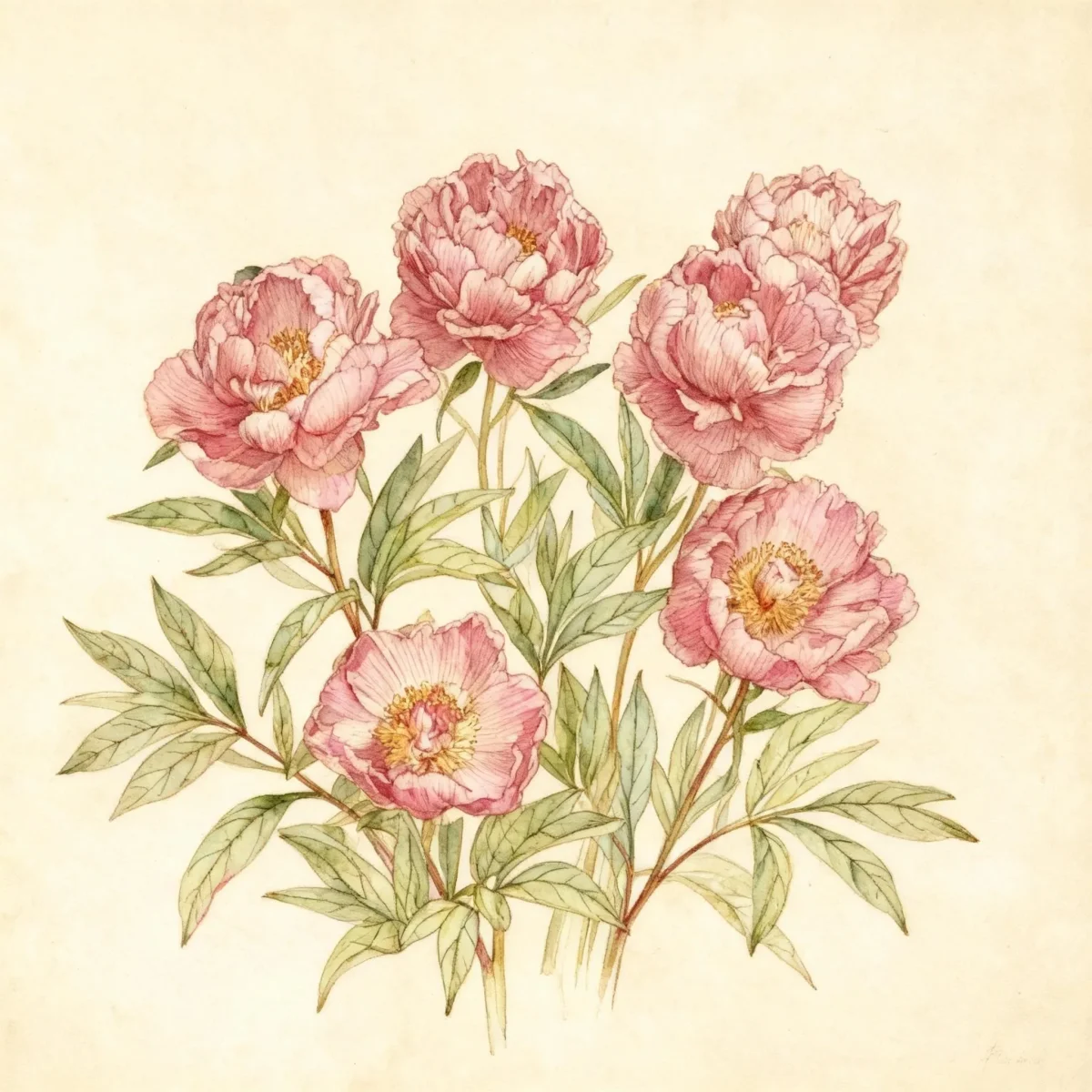
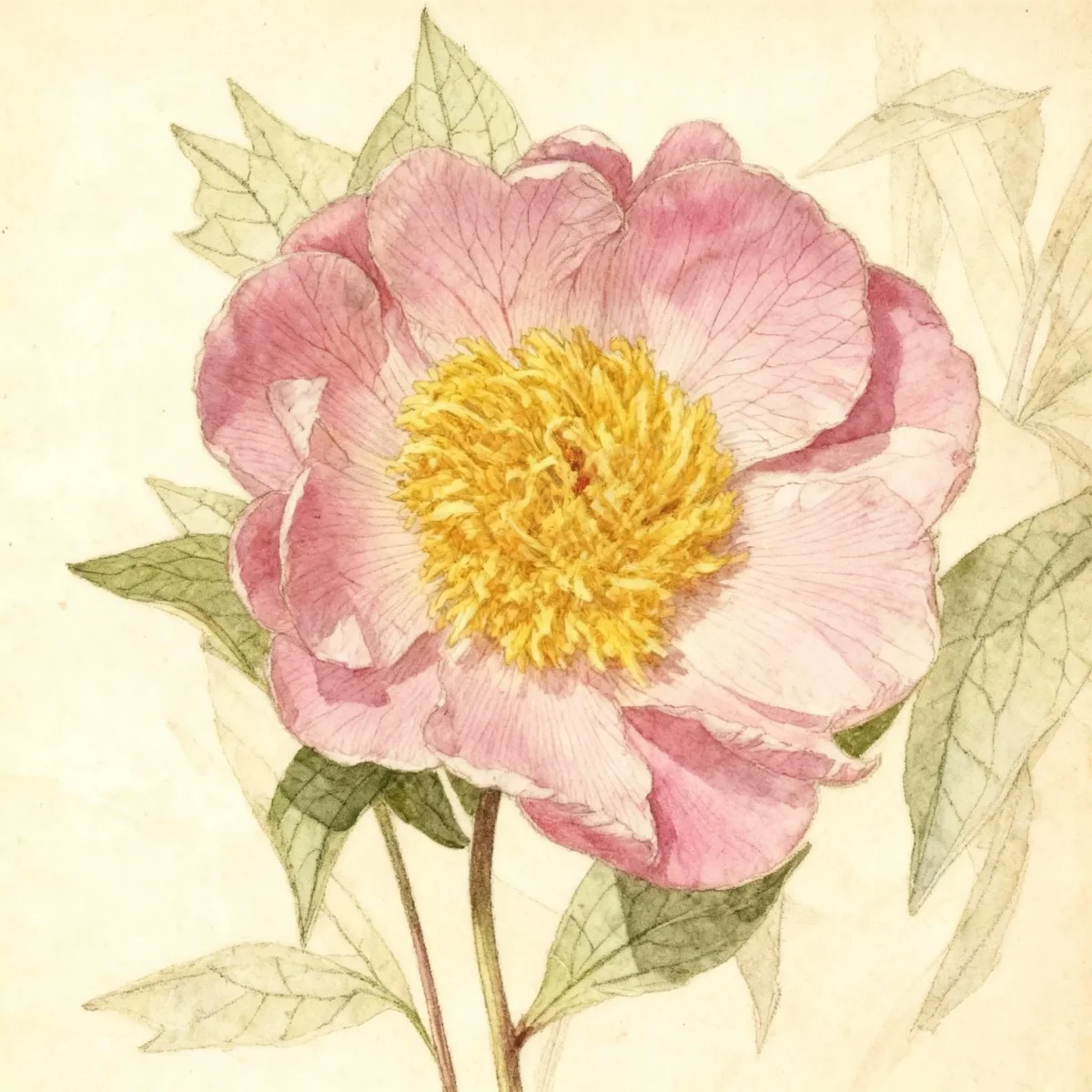
Peony (Paeonia 'Prairie Moon')
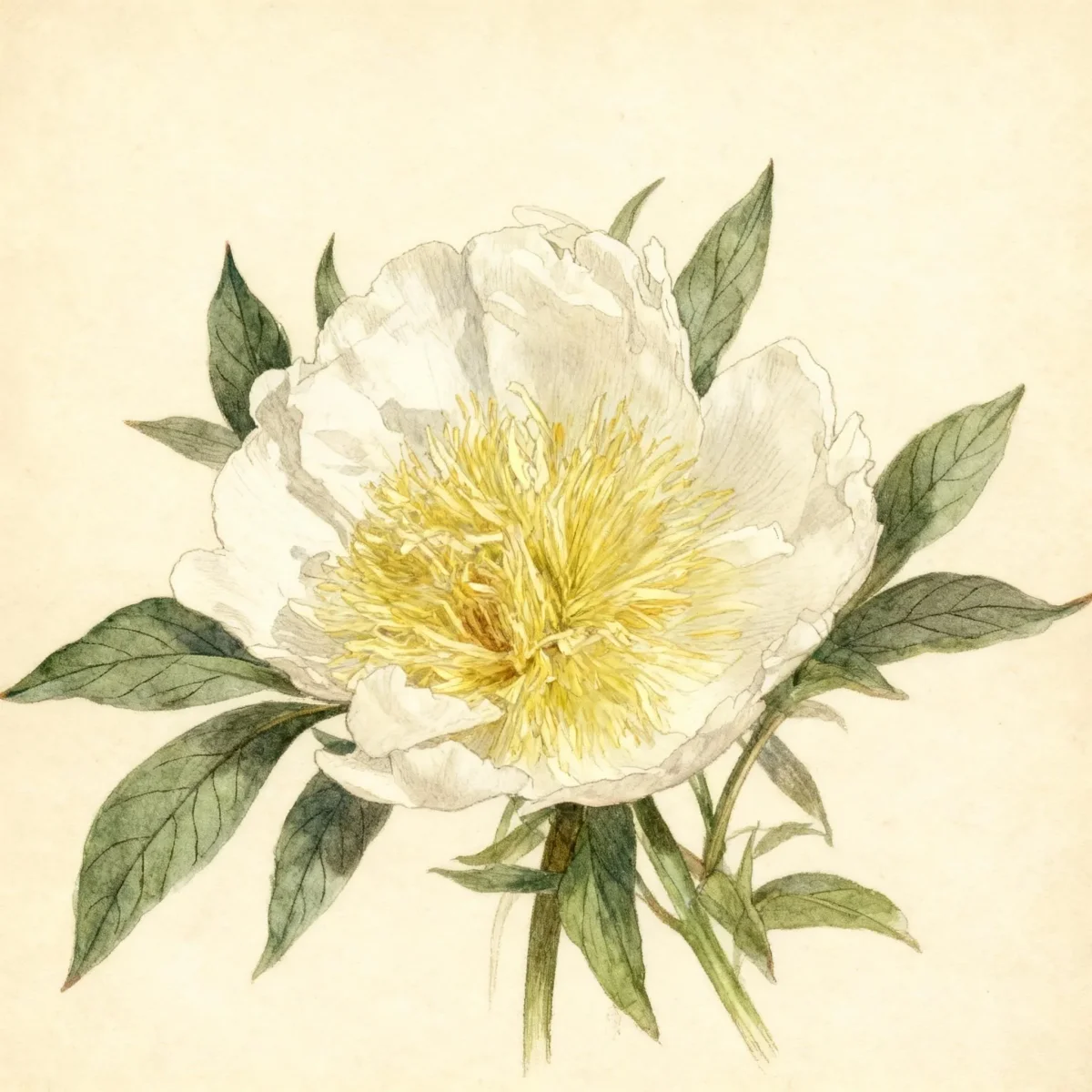
Paeonia 'Prairie Moon' is a striking herbaceous perennial Peony, offering semi-double, pale yellow blooms in May. Ideal for US Zones 3-8.
Scroll down to discover growing tips, care requirements, companion plants, and more

Complete Plant Information
Overview
Paeonia ‘Prairie Moon’ is a highly valued herbaceous perennial peony, celebrated for its early-season performance and distinctive coloration. This cultivar produces semi-double, soft pale yellow flowers accented by bright yellow centers, creating a delicate yet eye-catching display in the late spring garden. As a robust Peony, it offers reliable yearly structure, dying back to the ground only after the first hard frost.
This shrubby perennial typically matures to about three feet tall, providing excellent vertical interest in mixed borders. Beyond the bloom period, the dense, attractive green foliage maintains its structure throughout the summer and early fall, serving as a beautiful backdrop for later-blooming perennials. Paeonia ‘Prairie Moon’ is an excellent choice for gardeners seeking long-lived plants with low division requirements and significant aesthetic returns.
Fast Facts
- Plant Family: Paeoniaceae
- Plant Type: Herbaceous perennial
- Hardiness Zones: USDA Zones 3-8
- Size at Maturity:
- Height: 2.5-3 ft
- Spread: 2-2.5 ft
- Bloom Time: May
- Bloom Description: Pale yellow with darker yellow centers
- Sun Exposure: Full sun to part shade
- Water Needs: Medium
- Maintenance Level: Medium
How to Grow
Planting Paeonia ‘Prairie Moon’ is best done in rich, fertile, medium-moisture soil that is well-drained. Incorporating ample compost before planting helps establish the necessary soil structure these peonies prefer. Ensure the planting depth is correct, as planting too deep or too shallow is a common reason peonies fail to flower.
Established Peony plants require medium watering, especially during dry spells, but must never sit in soggy ground. Maintenance is generally considered medium; remove spent flowers immediately after blooming concludes to clean up the plant’s appearance. Paeonia ‘Prairie Moon’ is known for being long-lived and generally does not require division for many years.
A critical late-season task is to cut the foliage of your Peony to the ground after the first hard frost in the fall and remove the debris from the garden area. This sanitation practice helps prevent overwintering fungal diseases. Support may be necessary for Paeonia ‘Prairie Moon’ as its blooms can be heavy and prone to arching, especially after rain.
Landscape Uses
Peonies, including the desirable Paeonia ‘Prairie Moon’, function beautifully as standards in the perennial border. They work exceptionally well when planted in groups or used singularly as focal specimens where their early season performance can be showcased against emerging summer growth. Their substantial foliage provides attractive structure even when not in bloom.
Consider using these robust plants as herbaceous hedges lining sidewalks or driveways. They look fantastic framing walls or fences, offering height and texture. Due to the showy nature of their individual flowers, they look best planted where they can be appreciated up close, either in foundation plantings or near seating areas.
Standout Features
Flower Qualities
- Showy
Noteworthy Characteristics
Paeonia is a genus rich in history, with ‘Prairie Moon’ being a specific cross known for its soft pale yellow, semi-double blooms appearing early in the season. It is an herbaceous, soft-stemmed peony that provides attractive foliage throughout the summer before dying back naturally in the fall. This cultivar is highly regarded as an excellent cut flower addition to spring arrangements.
Tolerances
- Rabbit
- Deer
Potential Problems
Peonies are generally considered quite pest-free, though vigilance against fungal issues like Botrytis blight and Phytopthora blight is wise, particularly in humid conditions. Ants are frequently observed gathering on the emerging buds; these are entirely harmless and should be tolerated as they help keep predatory pests away.
If your Paeonia ‘Prairie Moon’ fails to produce blooms, check planting depth first—depth is crucial for successful flowering. Too much shade or disturbing plants recently after transplanting can also inhibit bloom development in the current season. Since this cultivar produces large blooms, staking or using peony rings early in spring is highly recommended to prevent the stems from arching or lodging due to the weight of the flowers or heavy rain.
Frequently Asked Questions
What hardiness zones is Peony suitable for?
Paeonia ‘Prairie Moon’ is reliably hardy in USDA Zones 3 through 8, providing versatility across many cooler temperate climates.
How large does Peony grow?
This herbaceous perennial typically reaches a height between 2.5 and 3 feet, with a spread ranging from 2 to 2.5 feet wide.
When does the Peony bloom?
Paeonia ‘Prairie Moon’ flowers in May, featuring semi-double, pale yellow blooms with darker yellow centers.
What sun exposure does Peony require?
For the best flowering performance and healthiest growth, Paeonia ‘Prairie Moon’ performs best in full sun, though it can tolerate part shade.
Conclusion
The Paeonia ‘Prairie Moon’ offers gardeners reliable structure and stunning, early-season color, cementing its place as a perennial border staple. The attractive pale yellow blooms of this Peony provide a welcome transition between spring bulbs and summer perennials. Ensure you check your local USDA hardiness zone compatibility and plan for proper staking before planting this beautiful specimen.
Companion Planting
When planning the border around Paeonia ‘Prairie Moon’, select companions that appreciate similar soil and moisture but bloom later to extend visual interest. Consider pairing them with early summer bloomers like Siberian Iris (Iris sibirica) or Oriental Poppies (Papaver orientale), as the Peony foliage remains attractive after its May bloom has finished. Avoid planting shallow-rooted, aggressive spreaders, as peonies dislike being disturbed or competing heavily for nutrients.
Seasonal Care Calendar
Spring preparation is vital for this Peony. As new growth emerges in early spring, gently clear away any old dormant foliage remaining on the ground. This is the ideal time to apply a balanced, slow-release fertilizer around the drip line, avoiding direct contact with the crown. Summer care focuses primarily on water needs, ensuring medium moisture, and installing peony support rings before the plants become too tall, which prevents the heavy blooms of Paeonia ‘Prairie Moon’ from collapsing.