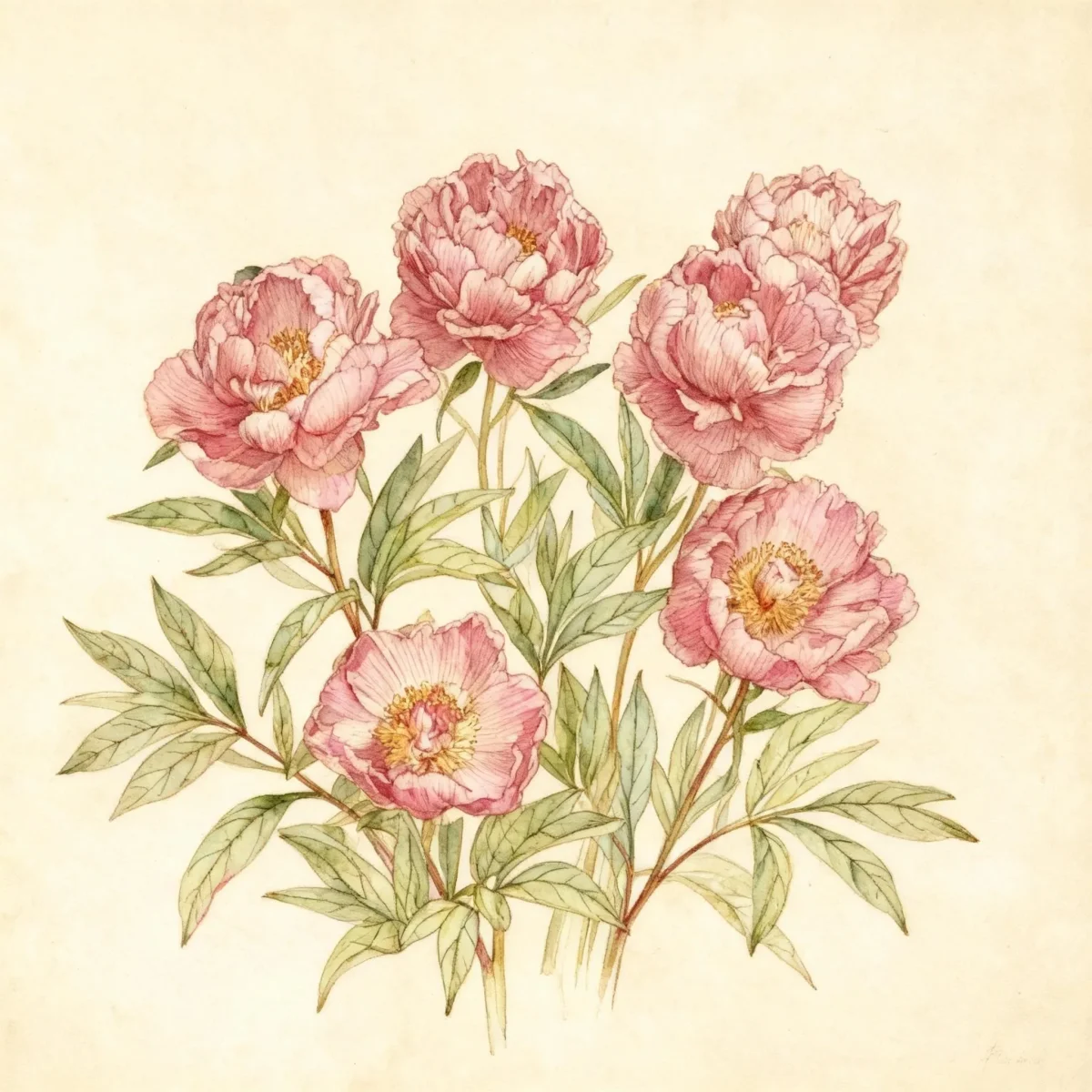
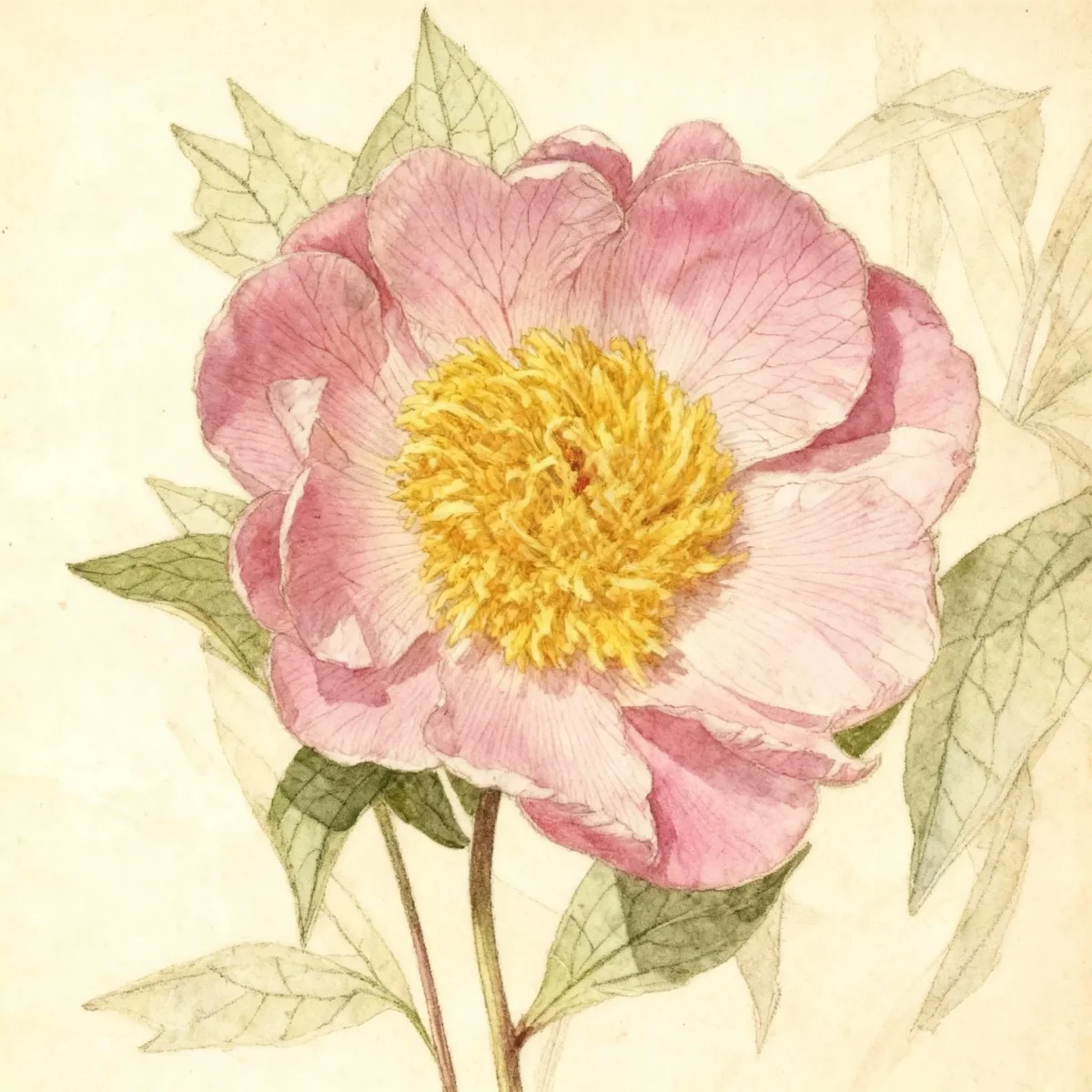
Peony (Paeonia lactiflora 'Top Brass')
Paeonia lactiflora 'Top Brass' is a showy, fragrant herbaceous perennial Peony producing pink/yellow blooms. Adaptable to Zones 3-8.
Scroll down to discover growing tips, care requirements, companion plants, and more
Complete Plant Information
Overview
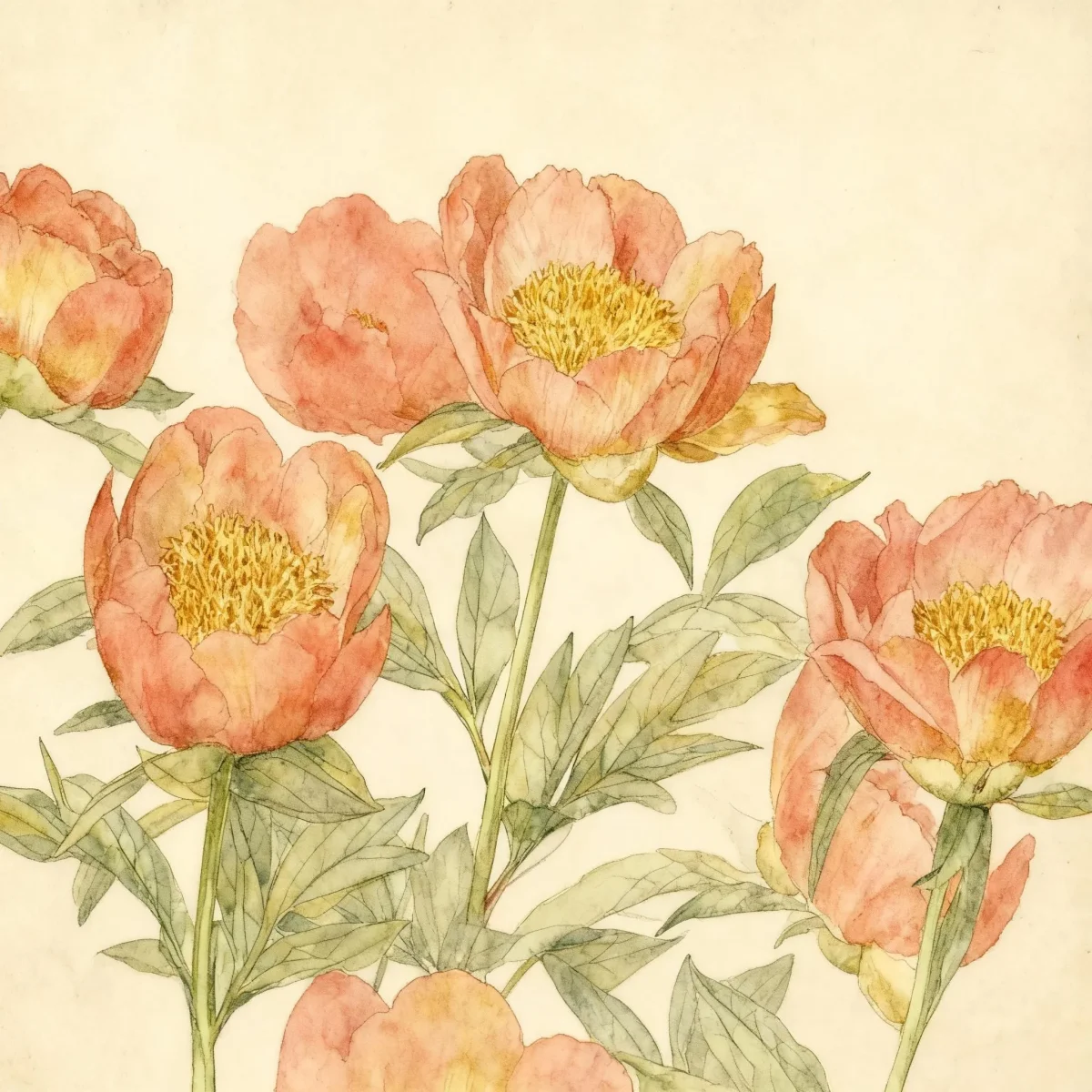
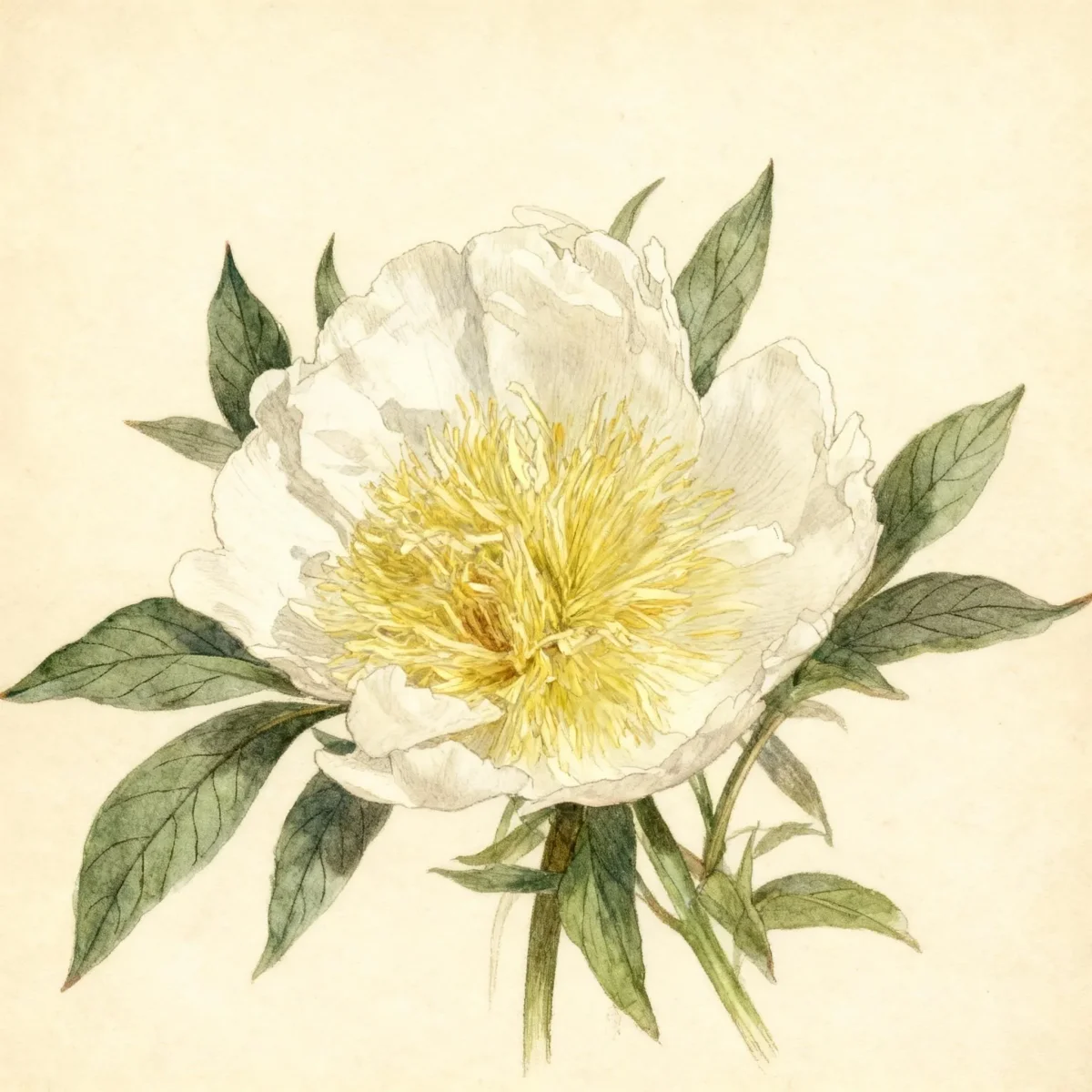
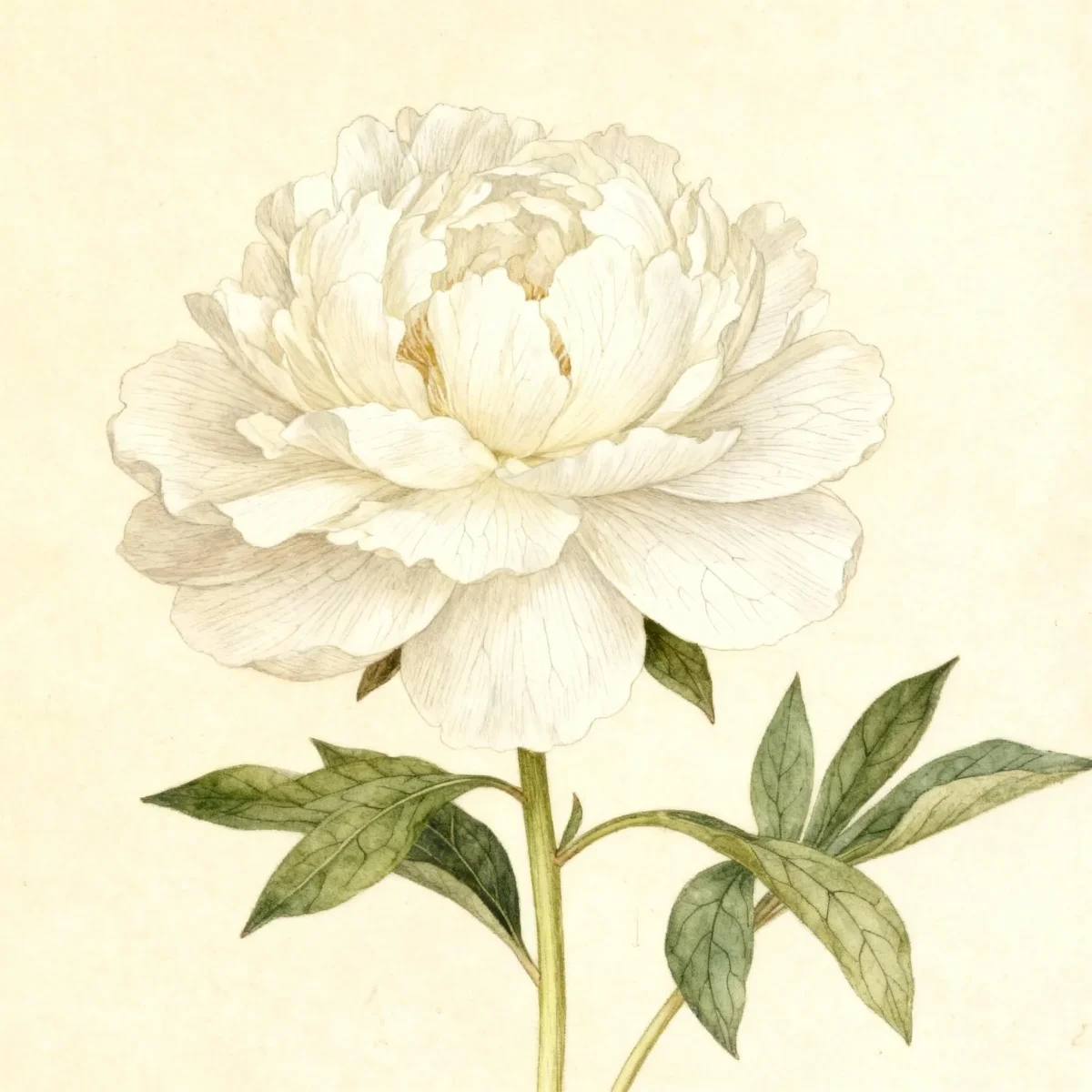
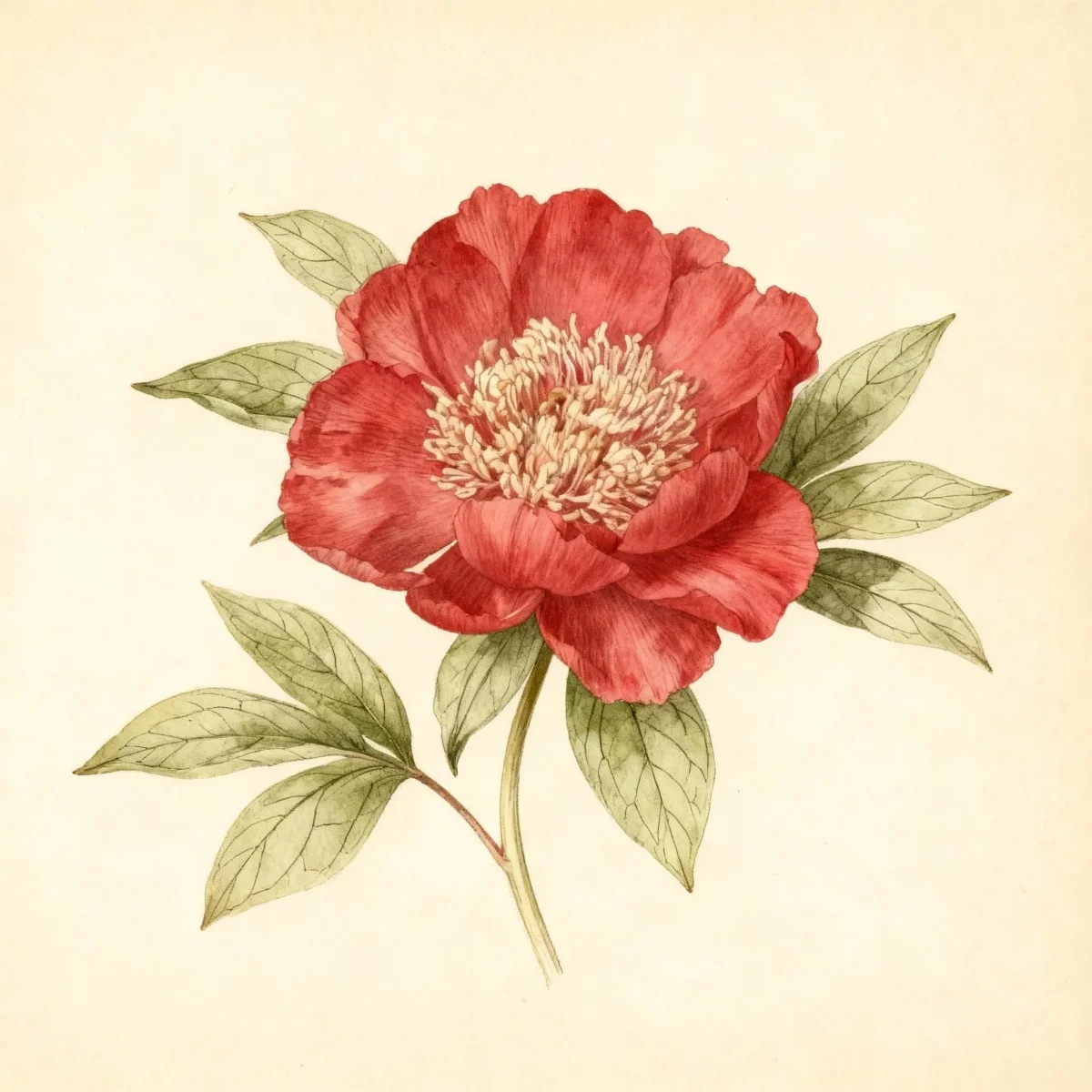
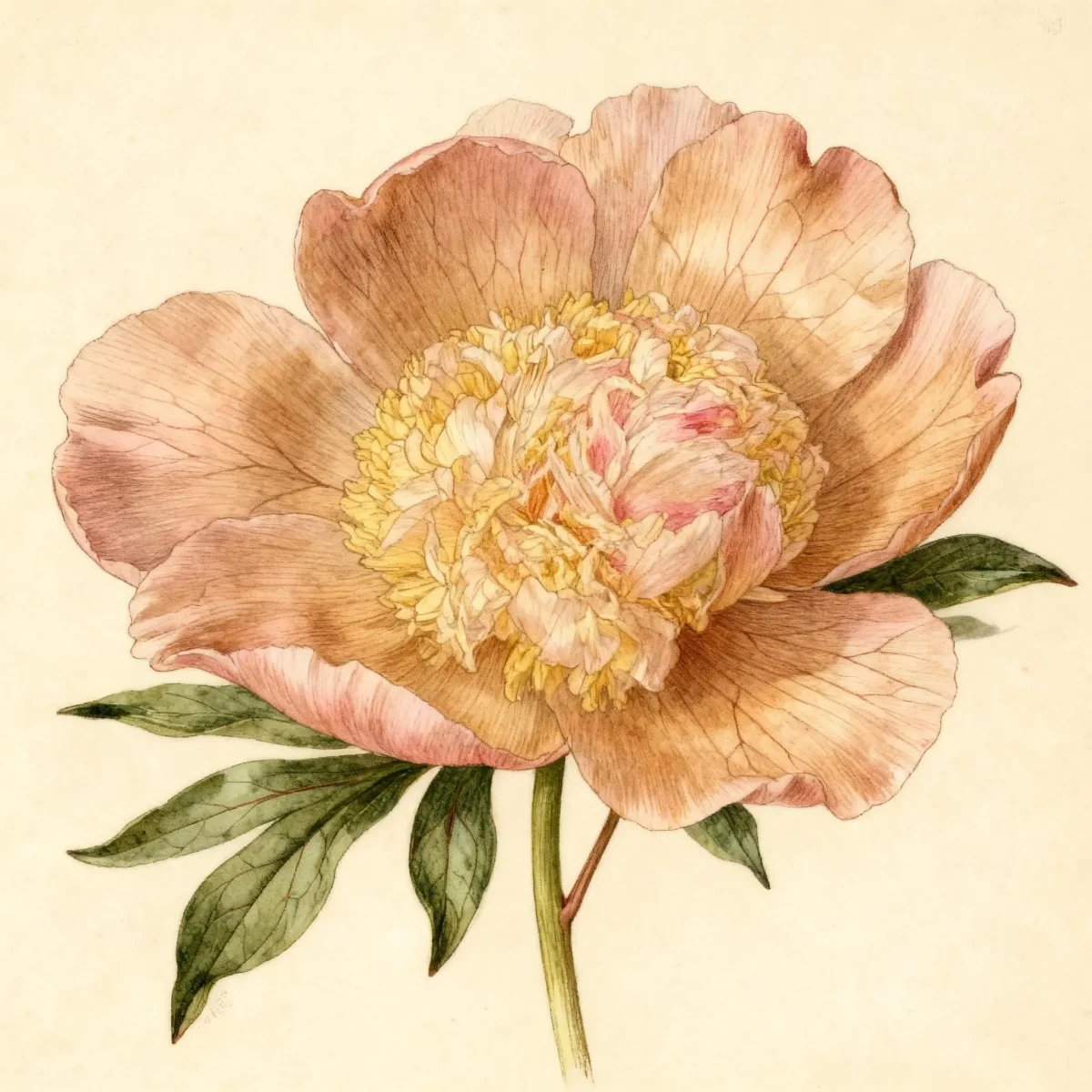
Paeonia lactiflora ‘Top Brass’ is a highly valued herbaceous perennial, offering substantial ornamental appeal in the late spring garden. This cultivar of the common garden Peony is cherished for its unique bloom structure, featuring white guard petals that contrast beautifully with dense centers exhibiting white, light pink, and yellow tones. As a long-lived perennial, careful initial placement is crucial, as these plants thrive when left undisturbed for many years.
The Paeonia lactiflora ‘Top Brass’ matures to a manageable height of 2.5 to 3 feet, fitting perfectly into standard perennial borders or as singular focal points. It requires medium water needs and performs best when situated where it receives full sun, though some afternoon shade is appreciated in hotter climates to preserve bloom quality. Gardeners rely on this variety not just for its superb flowers, but because its green foliage often remains attractive well into the fall.
This classic Peony provides structure and reliable seasonal color, making it a foundational plant in established cottage gardens or formal landscapes. While the bloom period itself is relatively short, the overall visual impact of Paeonia lactiflora ‘Top Brass’ makes the yearly wait worthwhile, especially given its remarkable longevity compared to many other border perennials.
Fast Facts
- Plant Family: Paeoniaceae
- Plant Type: Herbaceous perennial
- Hardiness Zones: USDA Zones 3-8
- Size at Maturity:
- Height: 2.5-3 ft
- Spread: 2.5-3 ft
- Bloom Time: May
- Bloom Description: Pink and yellow with ivory
- Sun Exposure: Full sun to part shade
- Water Needs: Medium
- Maintenance Level: Medium
How to Grow
The best time to establish your Paeonia lactiflora ‘Top Brass’ is when dormant, usually in the fall. Choose a location that provides rich, fertile, medium-moisture, well-drained soil. Plants require consistent moisture, particularly during the active early growing season. When planting this Peony, ensure the rootstock buds, or “eyes,” are situated no deeper than 2 inches below the soil surface, as planting too deep is a common reason for lack of flowering.
Ongoing care for this Peony remains relatively simple. While they are long-lived and rarely need division, supplemental compost can be beneficial before planting. Provide abundant moisture throughout spring. While they tolerate full sun, gardeners in Zones 7 and 8 should plan for some afternoon shade to protect blooms from intense heat.
After the 7 to 10-day flowering period passes in May, promptly remove spent flowers. A critical late-season step involves waiting until after the first hard frost in autumn; at this point, the stems should be cut cleanly to the ground and the debris removed from the garden area. In areas with minimal winter snow cover, apply a protective layer of mulch over the root zone for insulation during the cold dormant season.
Landscape Uses
Peonies like Paeonia lactiflora ‘Top Brass’ are indispensable additions to mixed perennial borders, providing height and substantial structure where other plants may fade. They work effectively as permanent vertical anchors, either planted individually as specimens or massed together to create a fragrant, vibrant display that lasts for decades. Consider using them along permanent structures like driveways, walkway edges, or foundational plantings where they will not be disturbed by regular tilling or division.
Due to their stately stature, these shrubs-in-the-garden behave beautifully when paired with later-blooming companions. Plant shorter perennials in the foreground that can fill in once the Peony foliage begins to die back in late fall. The showy flowers of this specific Peony make it a natural specimen choice, drawing the eye upward and setting a high standard for the rest of the border design.
Standout Features
Flower Qualities
- Showy
- Fragrant
Noteworthy Characteristics
Paeonia lactiflora, commonly known as the Chinese peony, is an erect, clasp-forming herbaceous perennial that features attractive dark green foliage throughout much of the growing season. The cultivar ‘Top Brass’ is famous for its double white blooms that appear in late mid-season, usually in late May, boasting a pleasant honey scent. These plants possess thickened tuberous roots and their foliage turns a handsome rusty orange hue before stems die back fully after frost.
Tolerances
- Rabbit
- Deer
Potential Problems
Peonies, including Paeonia lactiflora ‘Top Brass’, are generally pest-resistant, though gardeners should monitor for Botrytis blight or Phytophthora blight, usually managed through good air circulation and avoiding overly wet conditions. Ants commonly congregate on the buds; this is normal and harmless, feeding on the nectar. If your Peony fails to flower, check planting depth first, ensuring eyes are not buried more than two inches deep, or confirm the plant is receiving adequate sunlight.
Though blooms are spectacular, their large size means that heavy rains can cause the stems to droop or break toward the ground, especially the larger semi-double types. Staking, either with peony rings installed early or using physical supports, may be necessary for the heaviest flowers of Paeonia lactiflora ‘Top Brass’. Powdery mildew can sometimes appear on the foliage late in the season, which is cosmetic rather than harmful; the foliage can be removed after the first frost.
Frequently Asked Questions
What hardiness zones is Peony suitable for?
Paeonia lactiflora ‘Top Brass’ is reliably hardy in USDA Zones 3 through 8, though performance is often best in Zones 5-7.
How large does Peony grow?
This herbaceous perennial typically reaches a mature height between 2.5 and 3 feet tall, with a similar spread of 2.5 to 3 feet wide.
What sun exposure does Paeonia lactiflora ‘Top Brass’ need?
This Peony variety prefers full sun but can adapt well to part shade. Ensure it receives enough strong light to support robust bloom development.
When does Peony bloom?
The bloom time for this late mid-season Peony is typically in May, producing flowers described as pink and yellow with ivory centers.
Conclusion
The Paeonia lactiflora ‘Top Brass’ brings a rich, sophisticated color palette to the perennial garden, backed by the assurance of robust, long-lived performance typical of the Peony genus. Its showy, lightly fragrant blooms and durable foliage provide excellent seasonal interest. Before planting, verify that your location falls within USDA Zones 3-8 and plan for its full sun to part shade requirement to guarantee magnificent displays year after year.
Companion Planting
Selecting appropriate companions is key to maintaining the aesthetic appeal of Paeonia lactiflora ‘Top Brass’ throughout the season. Since the Peony blooms relatively early and its foliage declines somewhat after flowering, pair it with mid to late-season perennials that enjoy similar soil and sun conditions to bridge any potential gaps. Good companions include catmint (Nepeta), which offers soft, gray-green texture, or Salvia varieties that bloom later in the summer.
Avoid planting shallow-rooted, aggressive feeders too close, as the Peony develops deep, thickened tuberous roots and dislikes disturbance. Plants that prefer dry shade or constantly moist soil should also be excluded, as the Peony requires medium moisture and excellent drainage coupled with sun exposure.
Design Ideas
For a classic, formal look, plant Paeonia lactiflora ‘Top Brass’ in geometric drifts along a walkway, using low, neat edging like Santolina or creeping thyme at the front edge. This allows unimpeded view of the structure and bloom. In a more relaxed cottage style, allow taller flowering perennials like Liatris or tall Alliums to rise slightly above the Peony height, providing vertical contrast as the Peony finishes its display.
Because this Peony is considered an excellent cut flower, consider placing your planting near the kitchen door for easy access during the brief bloom window. Remember that the plant is slow to develop; it may take three years to truly establish its spectacular flowering habit, so patience is essential when integrating the Paeonia lactiflora ‘Top Brass’ into a new design scheme.