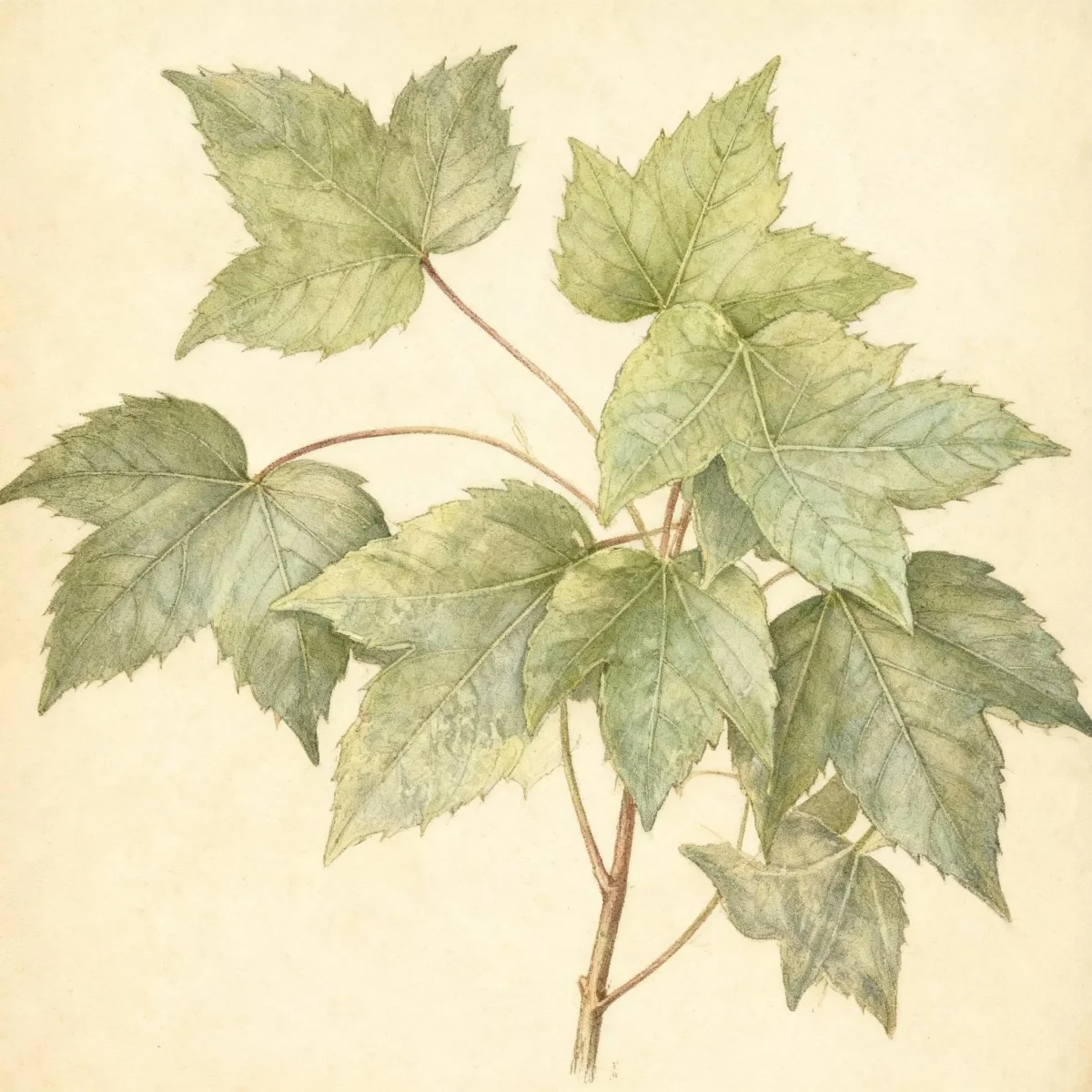
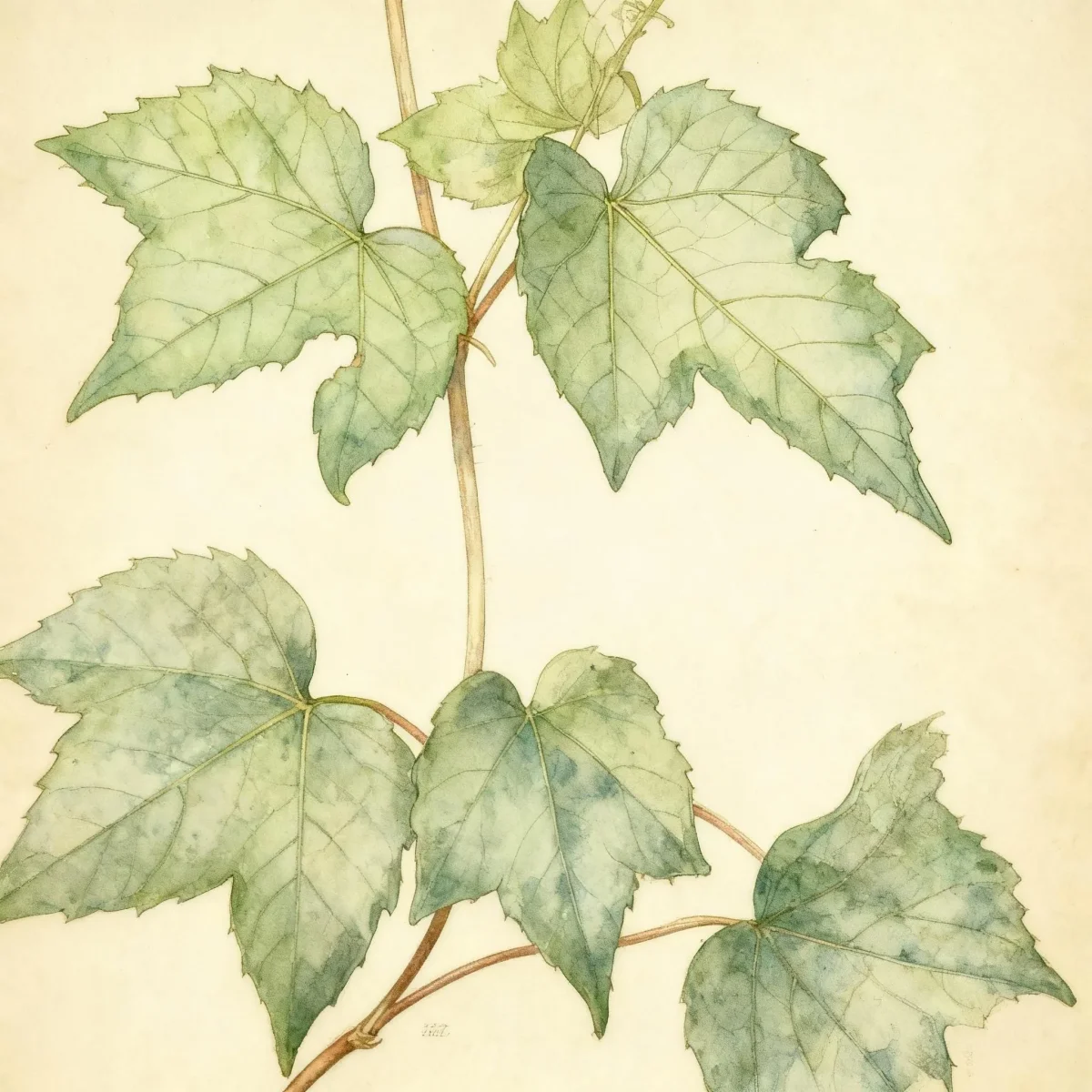
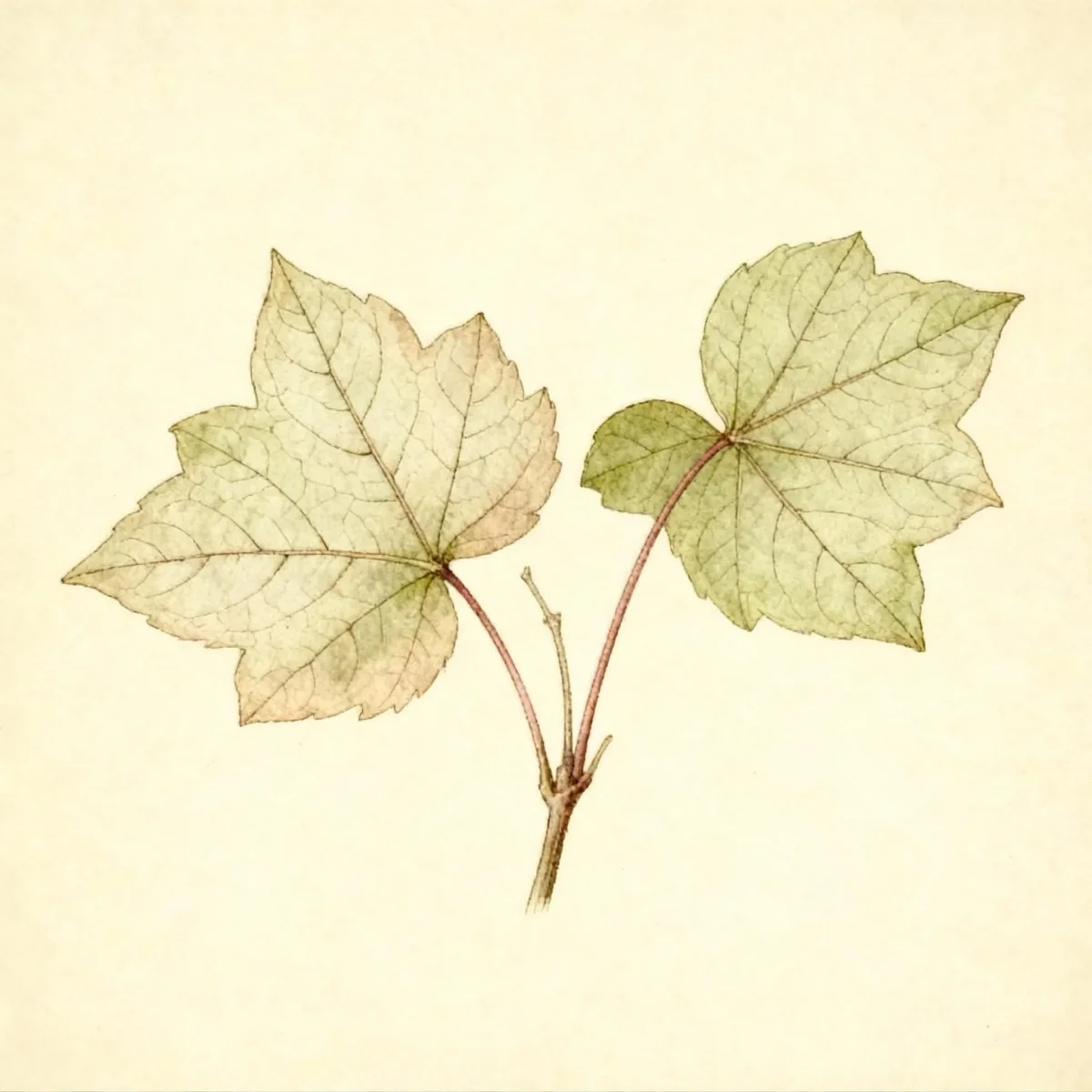
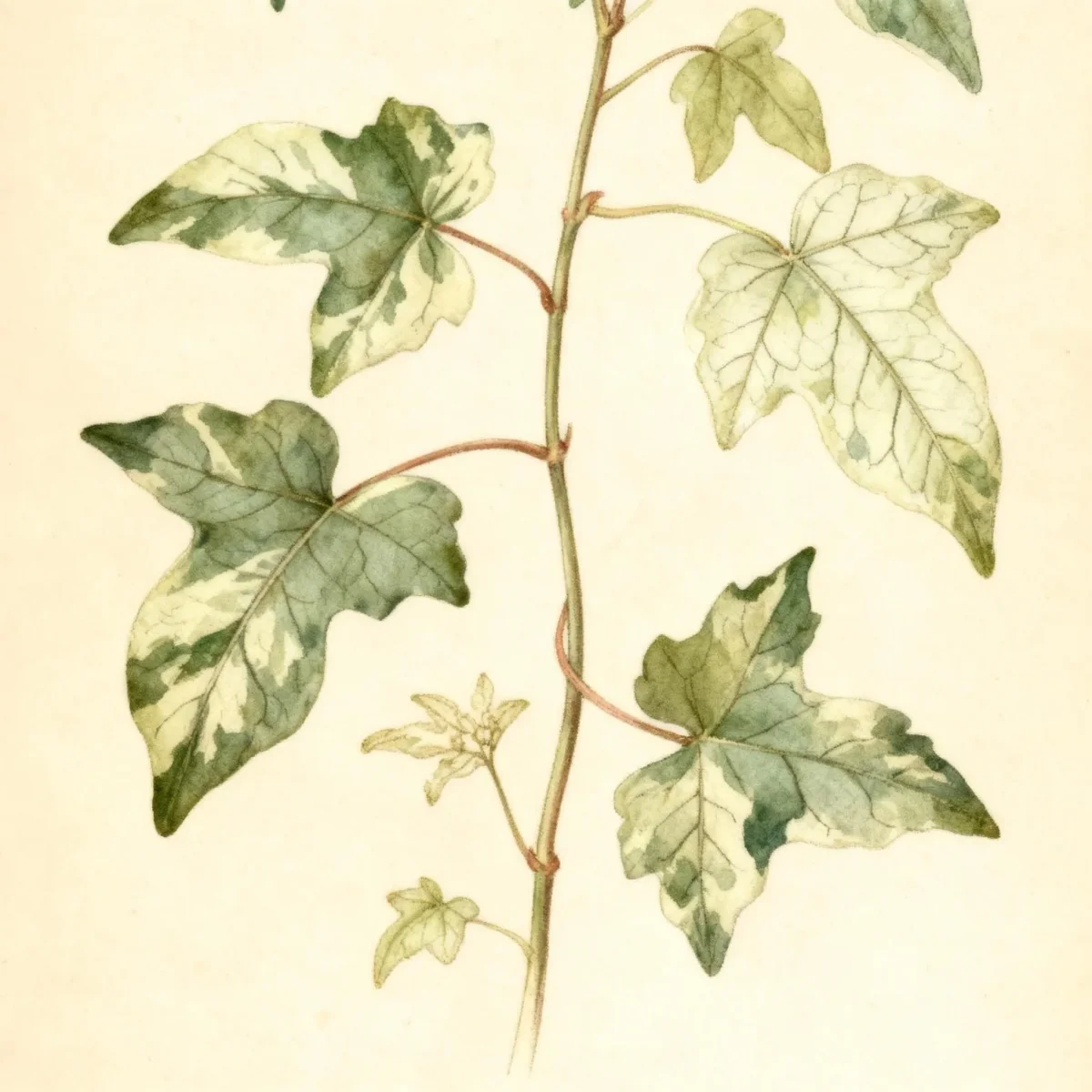
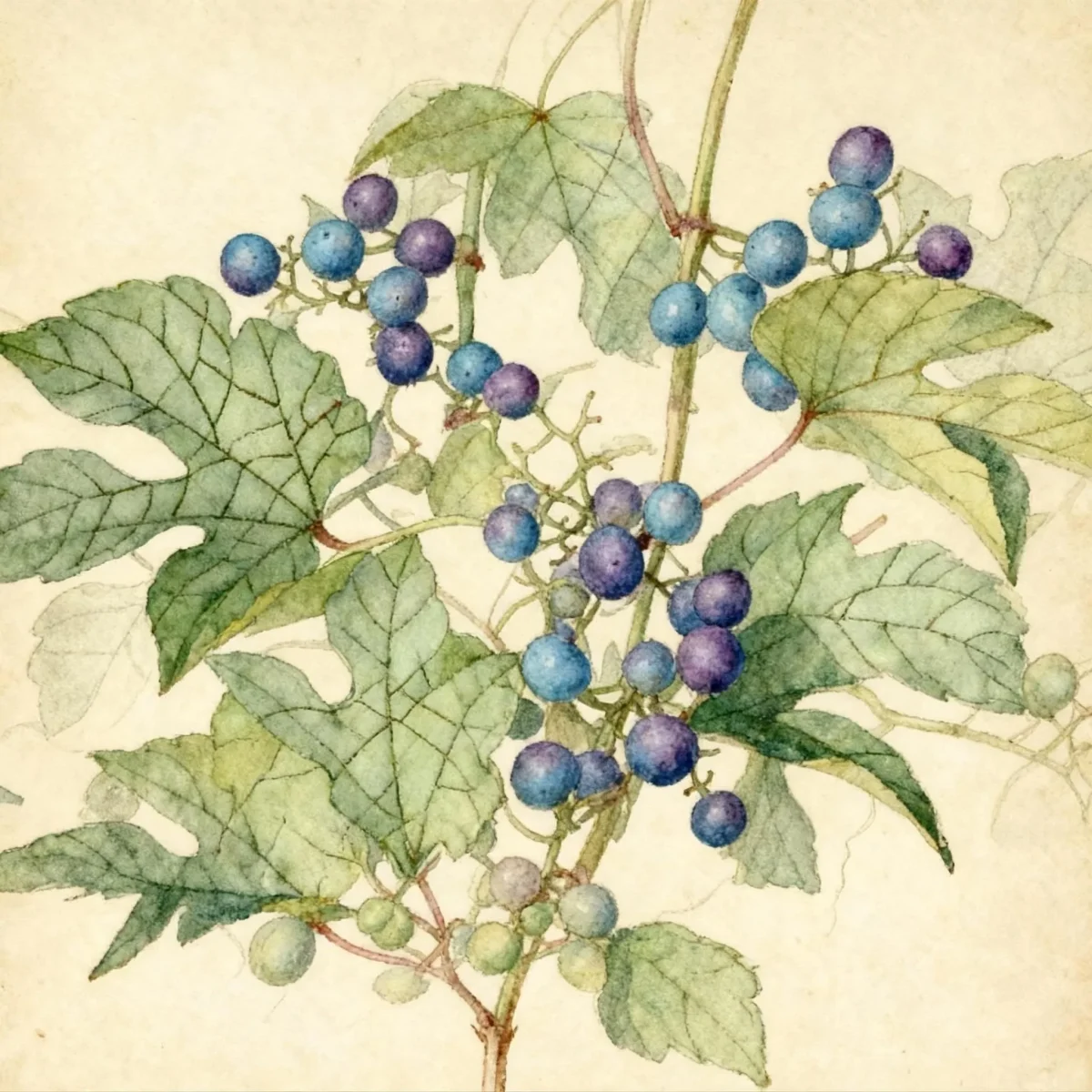
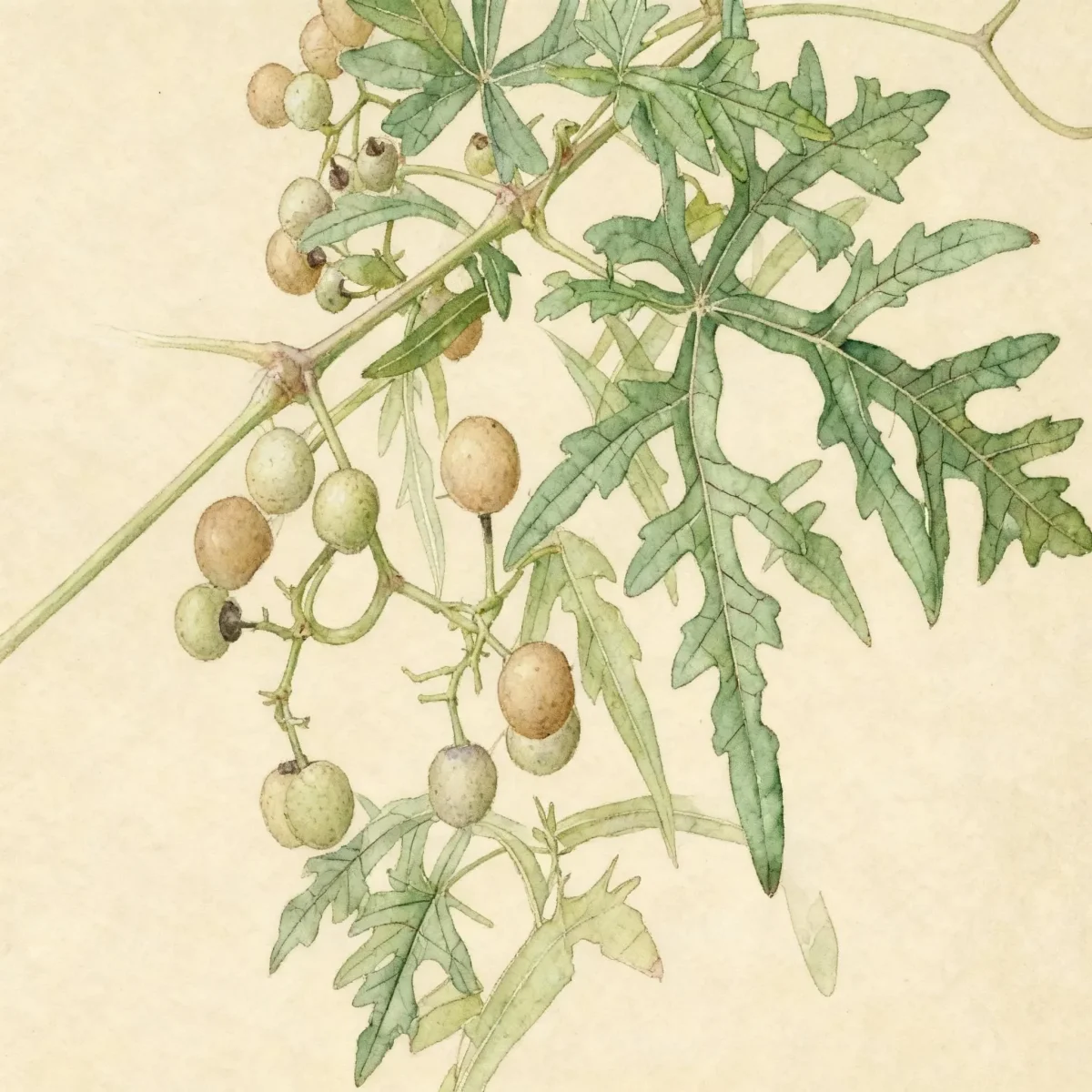
Boston ivy (Parthenocissus tricuspidata 'Lowii')
Parthenocissus tricuspidata 'Lowii', or Boston ivy, is a vigorous vine offering excellent wall coverage and stunning crimson fall color.
Scroll down to discover growing tips, care requirements, companion plants, and more
Complete Plant Information
Overview
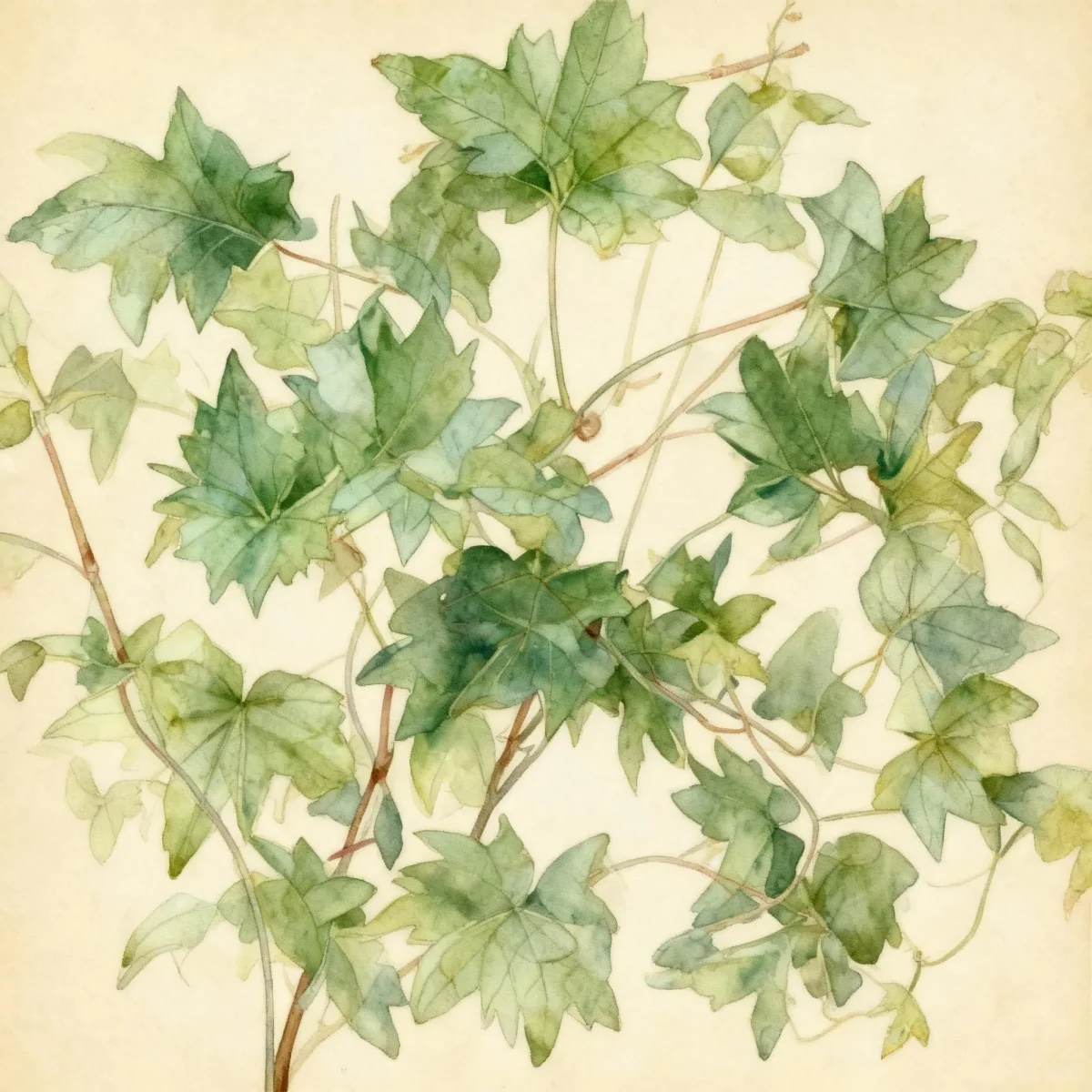
Parthenocissus tricuspidata ‘Lowii’, widely known as Boston ivy, is a distinctive, rapid-growing, deciduous woody vine prized for its vigorous climbing habit and spectacular autumn display. This variety is noted for having leaves smaller than the standard species, which turn a brilliant crimson color as temperatures cool, making it an architectural focal point. Boston ivy uses adhesive holdfasts or sucker disks to cling tenaciously to various surfaces, rapidly blanketing structures.
This plant provides excellent coverage for walls, arbors, and fences, contributing significantly to the aesthetic of older buildings, hence its association with Ivy League campuses. While it thrives across a wide range of conditions, proper siting is crucial to maximize its famous foliage show and avoid potential surface damage. Parthenocissus tricuspidata ‘Lowii’ asks for little once established, offering reliable, low-maintenance vertical interest.
Fast Facts
- Plant Family: Vitaceae
- Plant Type: Vine
- Hardiness Zones: USDA Zones 3-9
- Size at Maturity:
- Height: 30-50 ft
- Spread: 5-10 ft
- Bloom Time: June to August
- Bloom Description: Greenish white
- Sun Exposure: Full sun to part shade
- Water Needs: Dry to medium
- Maintenance Level: Low
How to Grow
Parthenocissus tricuspidata ‘Lowii’ establishes easily when planted in average, well-drained soils. While it tolerates heavy shade, the best scarlet autumn color emerges when the vine receives full sun. In warmer zones (USDA 8-9), planting on north or east-facing walls can prevent scorching during intense summer heat. This vine adapts well to a variety of soils, including clay, dry, and shallow-rocky types, and handles pollution well, making it ideal for urban settings.
Care is straightforward; the plant prefers dry to medium moisture levels once established and generally requires little supplemental feeding. The primary maintenance task involves diligent pruning. Boston ivy is very vigorous and must be trimmed regularly to keep it contained where desired.
Site Parthenocissus tricuspidata ‘Lowii’ with caution regarding the structure onto which it climbs. Never plant it against wood or shingle walls, as its holdfasts can creep beneath shingles, lift paint, and are extremely difficult to remove without causing damage. It is also known to damage gutters or wiring if left unchecked. Propagation is simple, usually accomplished easily by cuttings.
Landscape Uses
Boston ivy is unmatched when the goal is to quickly cover large vertical expanses beautifully. It excels as a total facade covering for brick, stone, or masonry structures, fulfilling the romantic, historic aesthetic often desired in landscape design. Trellises, arbors, and fences are excellent supports for this vigorous climber, offering shaded walkways or defining garden boundaries.
For groundcover applications, Parthenocissus tricuspidata ‘Lowii’ can be planted to soften hardscape elements like rock piles or old stumps, or deployed on slopes for effective erosion control. Its dense covering naturally suppresses weeds beneath it. While the aesthetic is dramatic foliage, consider companion planting on the ground level with shade-tolerant perennials that won’t compete aggressively with the root system of the mature vine.
Standout Features
Flower Qualities
- Insignificant
Fruit Qualities
- Showy
Noteworthy Characteristics
Parthenocissus tricuspidata, commonly called Boston ivy, is a rapid-growing, deciduous, woody vine that typically grows 30-50’ long or more. It is a vigorous tendril climber that needs no support, clinging to surfaces by adhesive holdfasts. ‘Lowii’ specifically features leaves much smaller than the species, which transition brilliantly to crimson in the fall, offering significant ornamental appeal.
Tolerances
- Deer
- Drought
- Heavy Shade
- Erosion
- Clay Soil
- Dry Soil
- Shallow-Rocky Soil
- Black Walnut
Potential Problems
Boston ivy generally avoids severe insect or disease issues, contributing to its low maintenance profile. Minor problems like mildews, leaf spots, canker, or wilt might occasionally appear, especially in very humid conditions. Potential insect pests are usually minor, including scale, leaf hoppers, or beetles. The most significant management concern involves its attachment capability; once established on a building, removal is very difficult and painted surfaces will suffer damage or leave stubborn residues. Furthermore, this vine has the potential to spread invasively if not managed in uncultivated areas.
Frequently Asked Questions
What hardiness zones is Boston ivy suitable for?
Parthenocissus tricuspidata ‘Lowii’ is adaptable and hardy across USDA Zones 3 through 9.
How large does Boston ivy grow?
This vigorous vine commonly reaches heights between 30 to 50 feet long, spreading between 5 to 10 feet wide as it climbs.
What sun exposure does Parthenocissus tricuspidata ‘Lowii’ need?
It performs well in full sun to part shade conditions, though sunny exposure yields the best crimson fall foliage.
When does Parthenocissus tricuspidata ‘Lowii’ bloom?
The vine flowers between June and August, producing small, greenish white blooms that are generally hidden by the dense foliage.
Conclusion
Boston ivy, especially the compact ‘Lowii’ cultivar, offers unmatched structural impact and vibrant seasonal color with minimal required inputs once established. Its adaptability to poor soils and exposure, coupled with its dramatic foliage transformation, makes Parthenocissus tricuspidata ‘Lowii’ a powerful choice for vertical gardening projects. Before planting, carefully evaluate your structure to ensure surfaces are robust enough to handle its strong clinging nature.
Propagation Tips
Easily propagating Parthenocissus tricuspidata ‘Lowii’ allows gardeners to quickly spread coverage around a property. Because it is a woody vine, the most reliable method is taking semi-hardwood or hardwood cuttings, generally during the dormant season or late summer. Cuttings root readily in moist, well-drained soil mixtures and will develop the characteristic adhesive holdfasts as they mature.
This ease of propagation means you can establish new specimens adjacent to any established plant you wish to share, or where you need rapid erosion control on slopes. Ensure cuttings are taken cleanly below a node and placed in appropriate rooting medium to maximize success rates for your Boston ivy.
Wildlife Benefits
The showy fruit of Boston ivy serves as an important, though often hidden, food source for birds in late autumn and early winter after the foliage begins to drop. While the flowers are generally insignificant to pollinators, the persistent blue-black berries provide necessary late-season sustenance. Planting Parthenocissus tricuspidata ‘Lowii’ near wildlife viewing areas enhances ecosystem support.