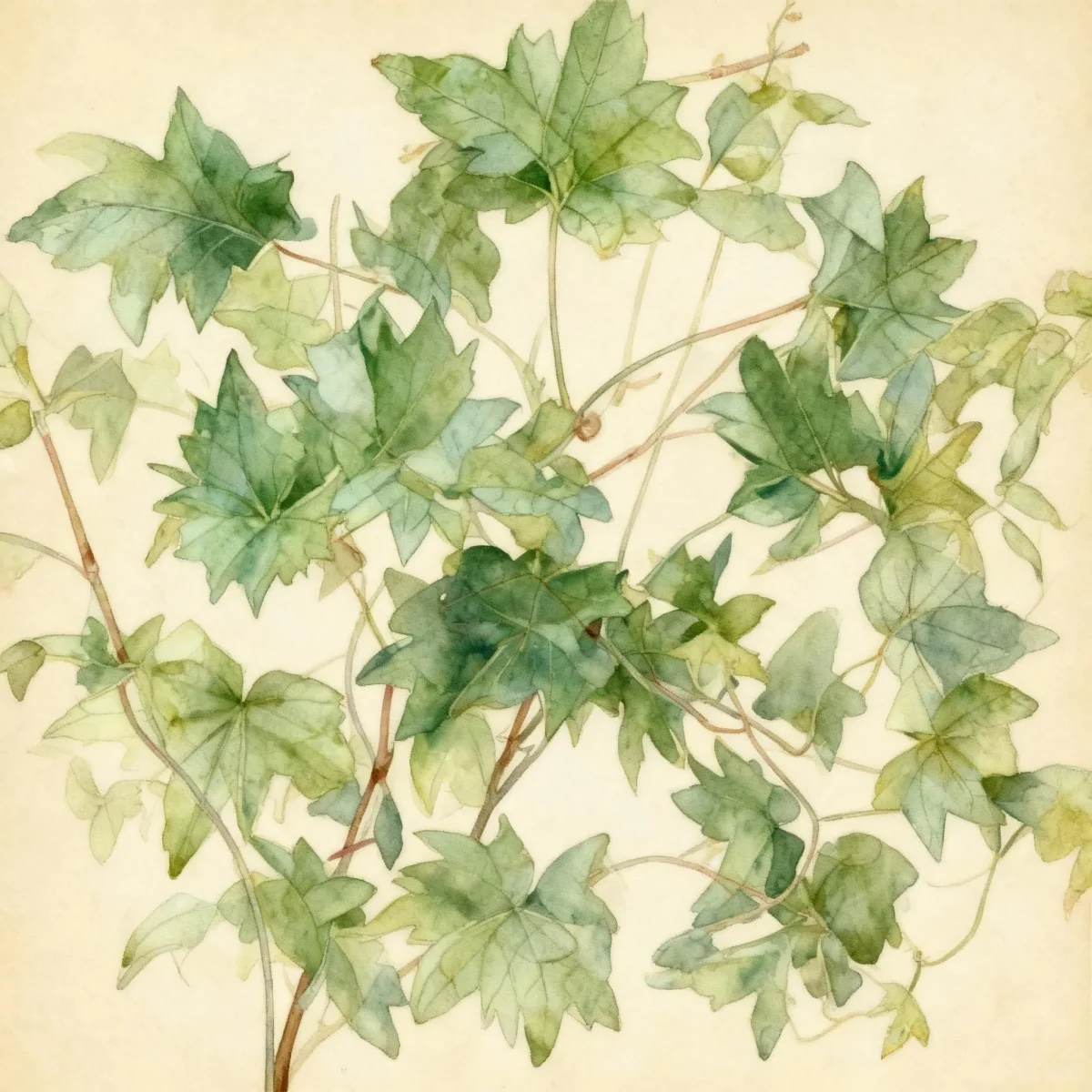
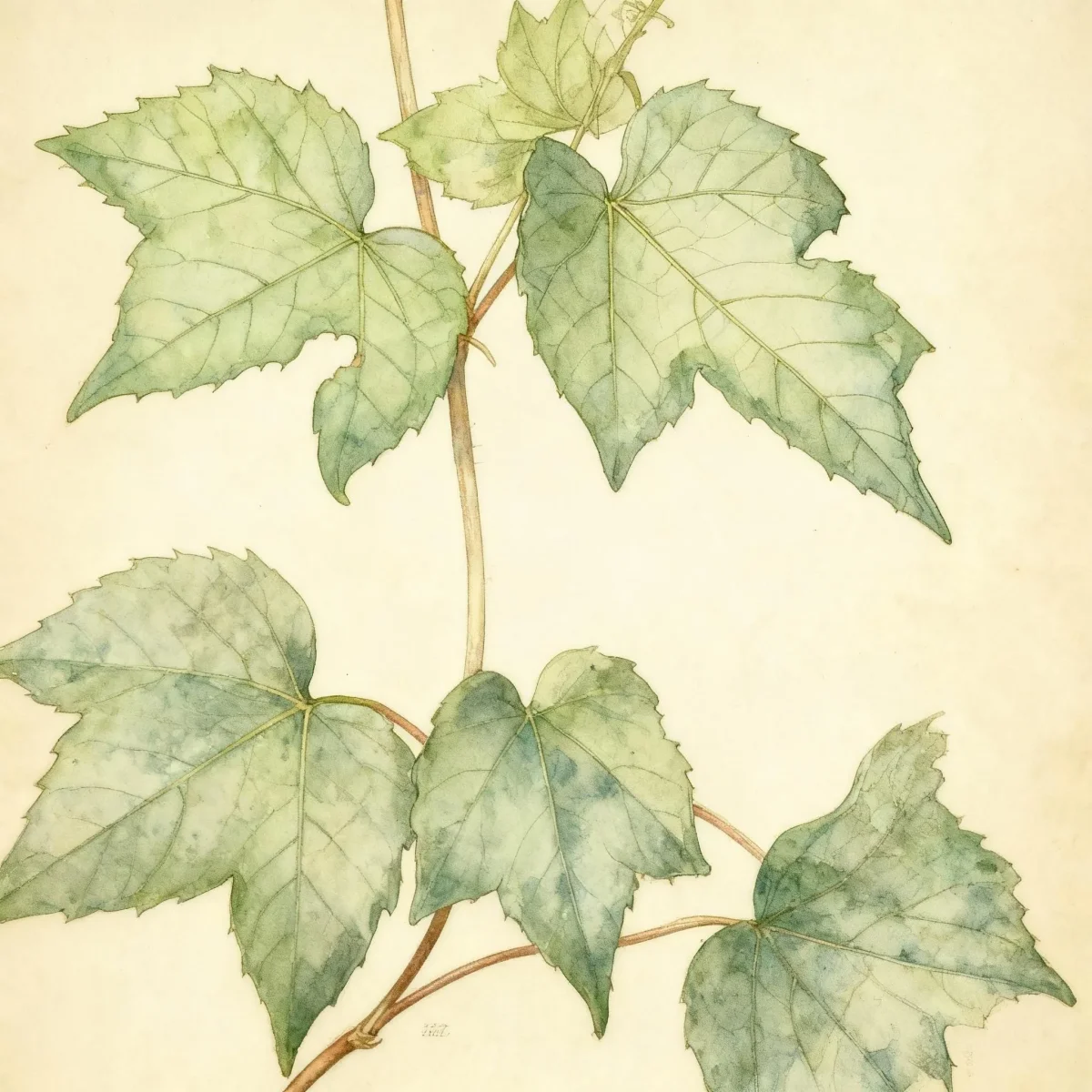
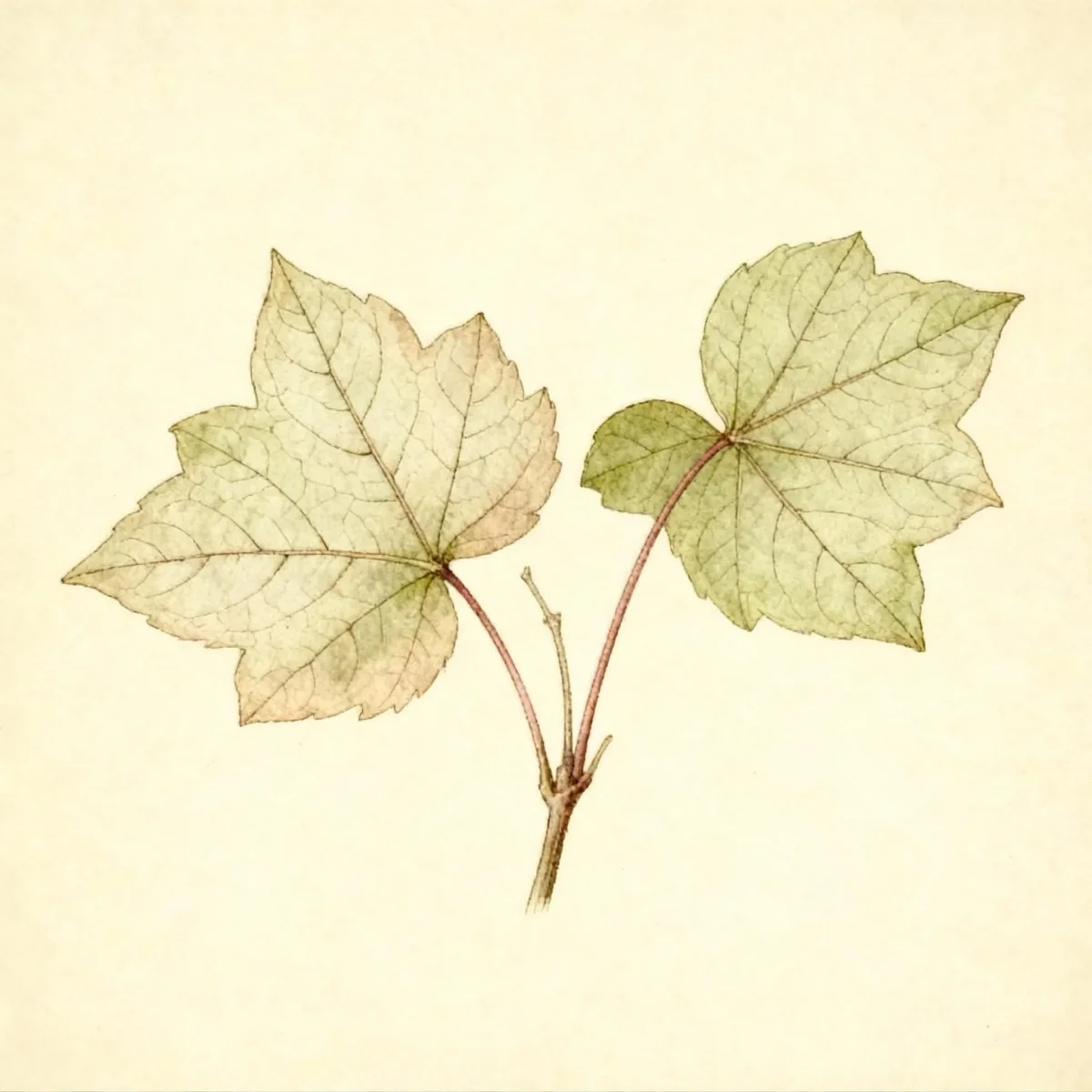
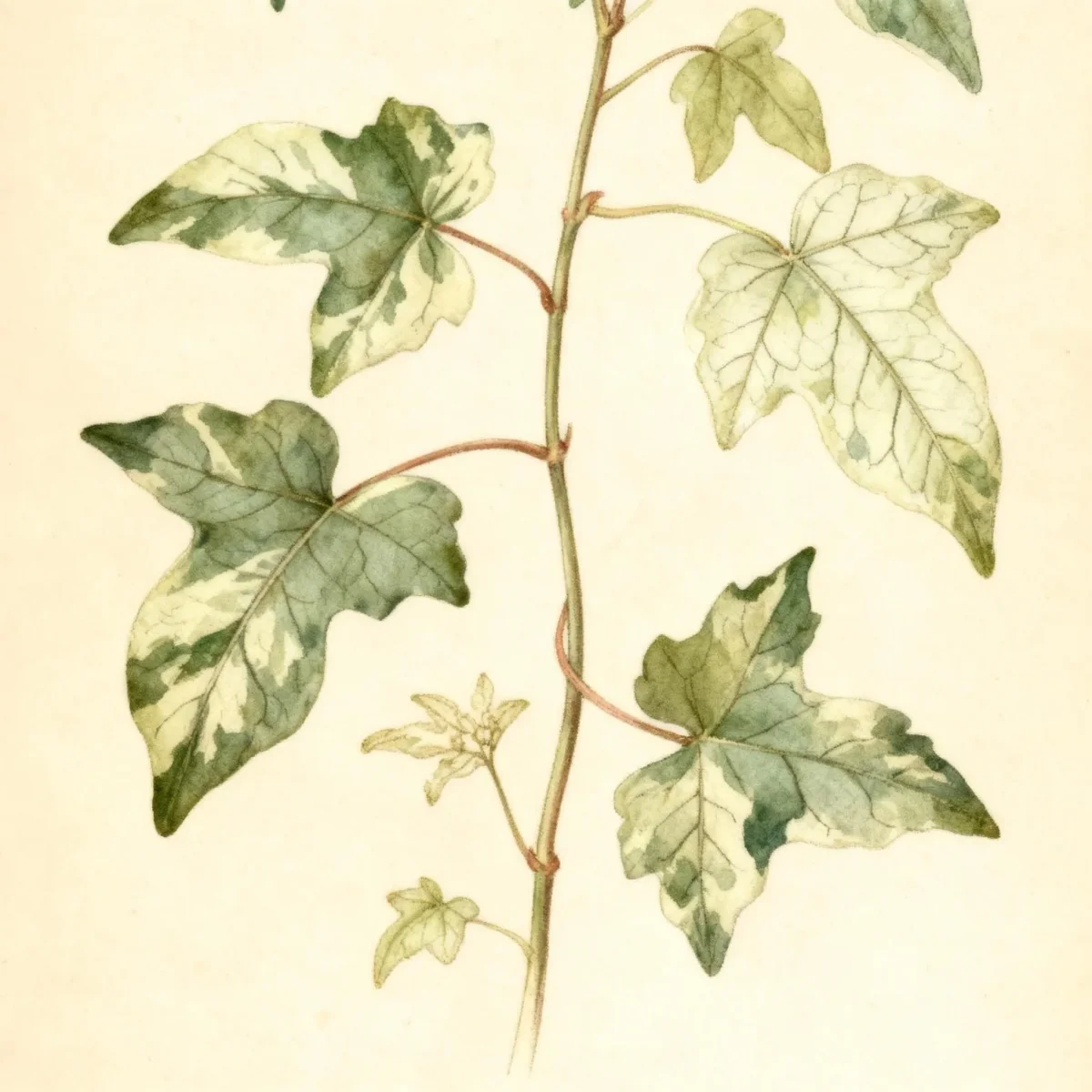
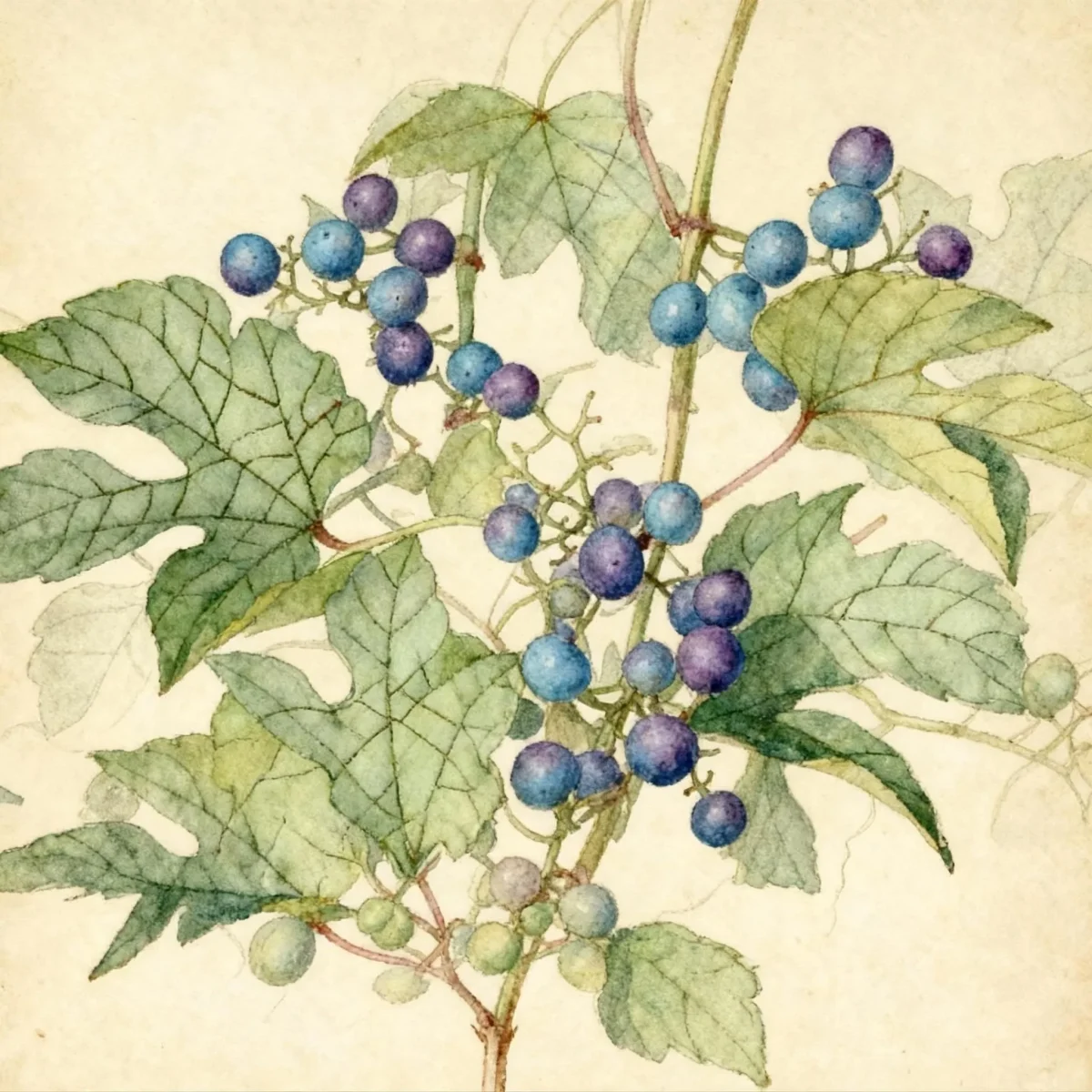
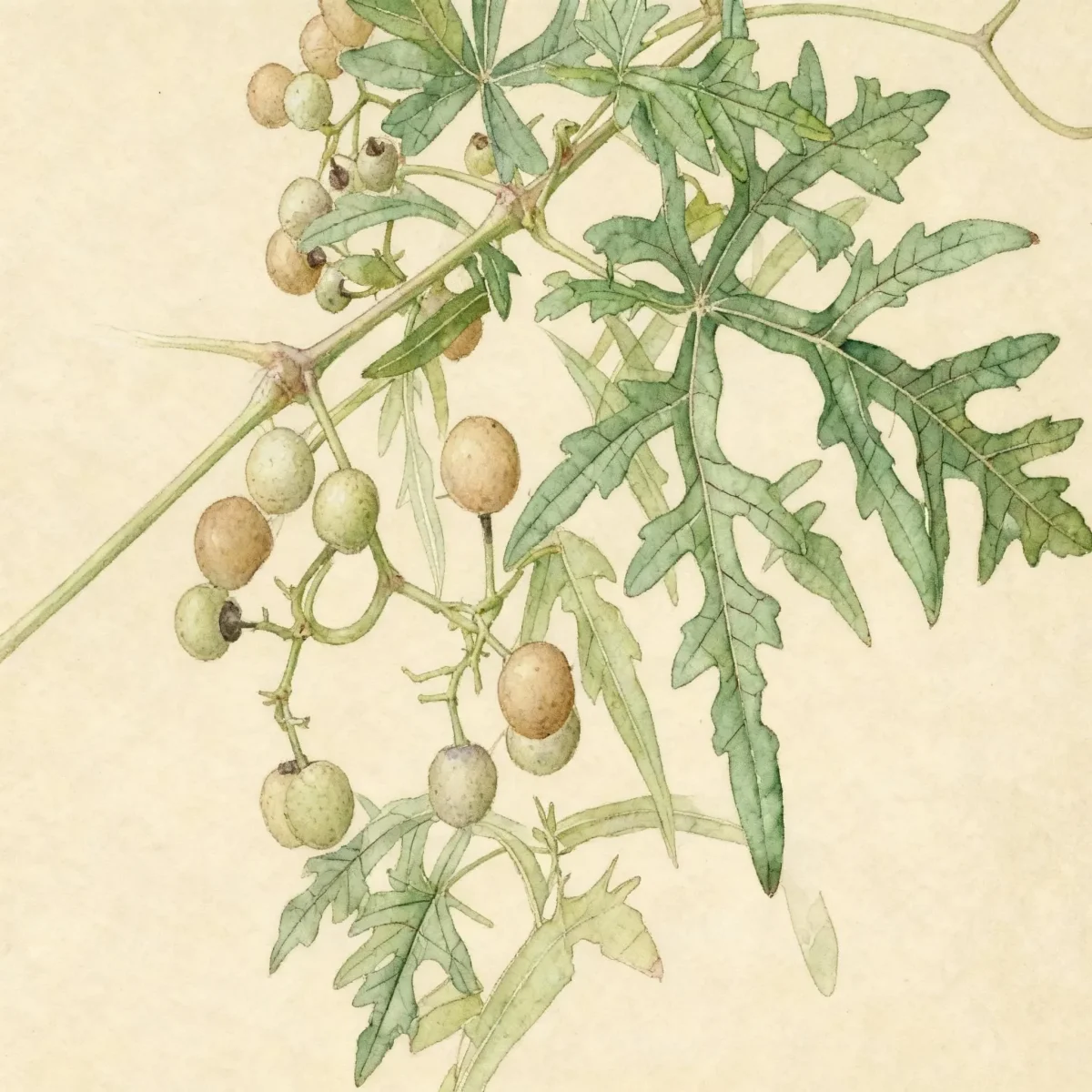
Boston ivy (Parthenocissus tricuspidata 'Veitchii')
Parthenocissus tricuspidata 'Veitchii', or Boston ivy, is a rapid-growing vine offering spectacular scarlet fall color on brick and stone.
Scroll down to discover growing tips, care requirements, companion plants, and more
Complete Plant Information
Overview
Parthenocissus tricuspidata ‘Veitchii’, commonly known as Boston ivy, is a highly vigorous, deciduous woody vine celebrated for its reliable performance and stunning seasonal display. This plant attaches itself firmly to masonry surfaces using specialized adhesive holdfasts, making it the classic choice for cloaking large walls. The cultivar Parthenocissus tricuspidata ‘Veitchii’ is especially valued for its slightly smaller, finer textured foliage compared to the species. While its greenish-white summer flowers are inconspicuous, the foliage provides rich scarlet to purple coloration as autumn arrives, offering significant aesthetic value in the landscape.
As a rapid-growing specimen, Boston ivy quickly covers substantial areas, providing excellent ground cover or wall coverage. It thrives with minimal attention once established, displaying resilience across a variety of challenging soil types, including clay and dry conditions. Gardeners must site this potent climber carefully, ensuring it has space to expand but is away from vulnerable wood structures that the strong holdfasts could damage.
This specimen offers functional benefits beyond mere aesthetics, acting as an effective erosion control agent on slopes or obscuring unsightly features like rock piles. For those seeking dramatic vertical interest or low-maintenance coverage, Parthenocissus tricuspidata ‘Veitchii’ remains a dependable, stalwart choice in temperate gardening zones.
Fast Facts
- Plant Family: Vitaceae
- Plant Type: Vine
- Hardiness Zones: USDA Zones 4-8
- Size at Maturity:
- Height: 30-50 ft
- Spread: 5-10 ft
- Bloom Time: June to August
- Bloom Description: Greenish-white
- Sun Exposure: Full sun to part shade
- Water Needs: Dry to medium
- Maintenance Level: Low
How to Grow
Planting Boston ivy is easiest in spring or fall, allowing the roots to establish before summer heat or winter cold sets in. It prefers average, dry to medium, well-drained soils but exhibits remarkable adaptability. While it tolerates full shade, placing Parthenocissus tricuspidata ‘Veitchii’ in sunny locations will maximize the intensity of its magnificent fall coloration. In hotter climates (Zones 8 and 9), consider planting on eastern or northern exposures to prevent scorch.
Maintenance for this low-care vine is primarily related to containment. It needs regular trimming to keep it within desired bounds, especially where it threatens gutters, window frames, or soffits. Always site your Parthenocissus tricuspidata ‘Veitchii’ away from wood siding, shingles, or painted areas, as its adhesive holdfasts are extremely difficult to remove without causing surface damage or paint stripping upon removal.
Water deeply when young, but established vines demonstrate significant drought tolerance. Fertilization is rarely necessary unless sited in extremely poor soils. This plant is easily propagated via cuttings, making expansion simple for dedicated users.
Landscape Uses
Boston ivy excels as an architectural covering, perfect for softening the imposing presence of brick, stone, or concrete walls, trellises, arbors, and fences. Its dense foliage provides excellent seasonal texture and substantial shielding. Furthermore, its recommended use includes growth along the ground, where it functions admirably as a living mulch or ground cover over challenging areas like old stumps or rock piles, suppressing weeds efficiently.
For large slopes or areas prone to soil loss, Parthenocissus tricuspidata ‘Veitchii’ is a powerful tool for erosion control due to its extensive root system and rapid vertical/lateral spread. When selecting companions, choose neighboring plants that can tolerate its vigorous competition and potential deep shade cast by the mature vine. Avoid planting near moisture-loving ornamentals since this ivy prefers drier rooting environments.
Standout Features
Flower Qualities
- Insignificant
Noteworthy Characteristics
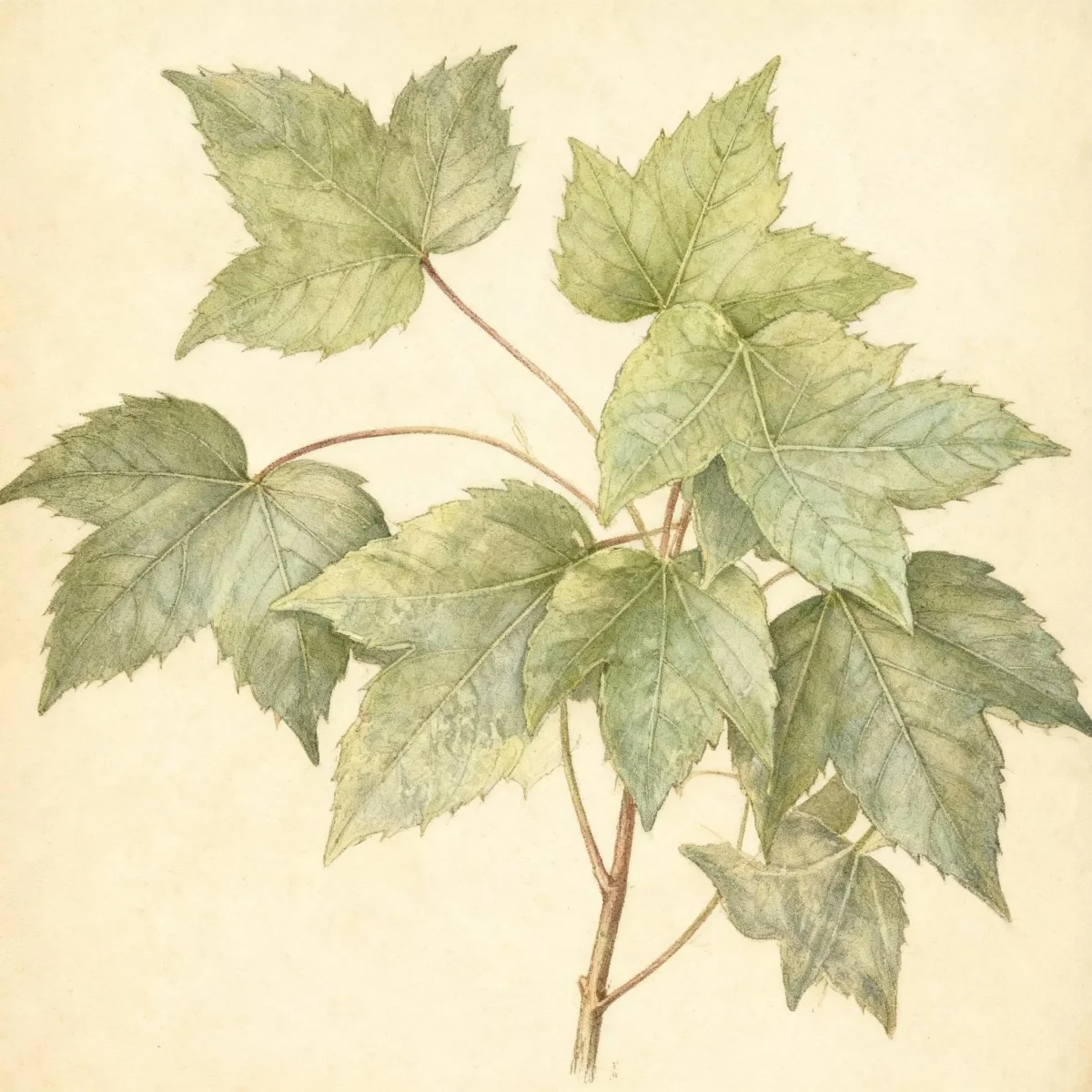
Parthenocissus tricuspidata, commonly called Boston ivy, is a rapid-growing, deciduous, woody vine that typically grows 30-50’ long or more. It is a vigorous tendril climber that needs no support, clinging tightly to surfaces via adhesive holdfasts. The cultivar ‘Veitchii’ features smaller leaves with less dramatic lobing than the species, emerging bronze-purple before darkening to green. Foliage transforms into exciting scarlet red to scarlet purple in the fall, adding significant late-season interest.
Tolerances
- Deer
- Drought
- Heavy Shade
- Erosion
- Clay Soil
- Dry Soil
- Shallow-Rocky Soil
- Black Walnut
Potential Problems
Boston ivy generally encounters no serious insect or disease issues, contributing to its low maintenance profile. However, gardeners should watch for occasional fungal concerns such as mildews or leaf spots, which can manifest, especially in humid conditions or areas with poor air circulation. The primary concern relates to its adhesiveness; once this vine attaches to vulnerable materials like wood siding or shingles, removal is complex, often resulting in significant surface damage or residue. To manage potential spread, ensure you diligently prune any vines attempting to creep into unwanted areas, such as window openings or under roofing eaves.
Frequently Asked Questions
What hardiness zones is Boston ivy suitable for?
Parthenocissus tricuspidata ‘Veitchii’ is reliably hardy in USDA Zones 4 through 8.
How large does Parthenocissus tricuspidata ‘Veitchii’ grow?
This vigorous vine can reach mature heights between 30 to 50 feet long, with a modest spread of 5 to 10 feet horizontally.
What sun exposure does Boston ivy need?
It performs well in full sun to part shade. Remember that the best fall color for Parthenocissus tricuspidata ‘Veitchii’ develops when it receives plenty of sun.
When does Boston ivy bloom?
The blooms of Boston ivy appear from June through August, characterized by small, greenish-white flowers hidden within the foliage.
Conclusion
Parthenocissus tricuspidata ‘Veitchii’ stands out as a premier choice for dramatic vertical coverage, offering unparalleled fall firework displays and impressive durability across varied soil and exposure conditions. Because its powerful cling makes removal from structures difficult, carefully plan the placement of this low-maintenance Boston ivy now. Always check your local USDA zone compatibility before adding this robust climber to your landscape plans this season.
Wildlife Benefits
The small, blue-black berries produced by Boston ivy are entirely edible, though often obscured by leaves until autumn. These berries serve as an important late-season food source for various bird species navigating migration or preparing for winter. While the dense canopy doesn’t typically produce significant pollen, the structure itself can offer nesting materials or shelter for small urban wildlife throughout the year, especially when utilized as ground cover on slopes.
Companion Planting
Because Parthenocissus tricuspidata ‘Veitchii’ establishes deep root systems and tolerates dry, poor soils, it pairs well with other tough, low-input perennial ground covers or foundation shrubs that thrive in similar challenging spots. Consider planting drought-tolerant evergreens like low spreading Junipers or hardy ornamental grasses at the base of a wall where the ivy terminates. This contrast in texture—fine grass against the broad, lobed leaves of the ivy—provides visual interest, while acknowledging the vine’s preference for drier conditions once fully established.