Passion flower (Passiflora 'Incense')
Discover Passiflora 'Incense' (Passion flower), a rapidly growing vine prized for its showy, fragrant, 5" violet flowers and edible fruit.
Scroll down to discover growing tips, care requirements, companion plants, and more
Complete Plant Information
Overview
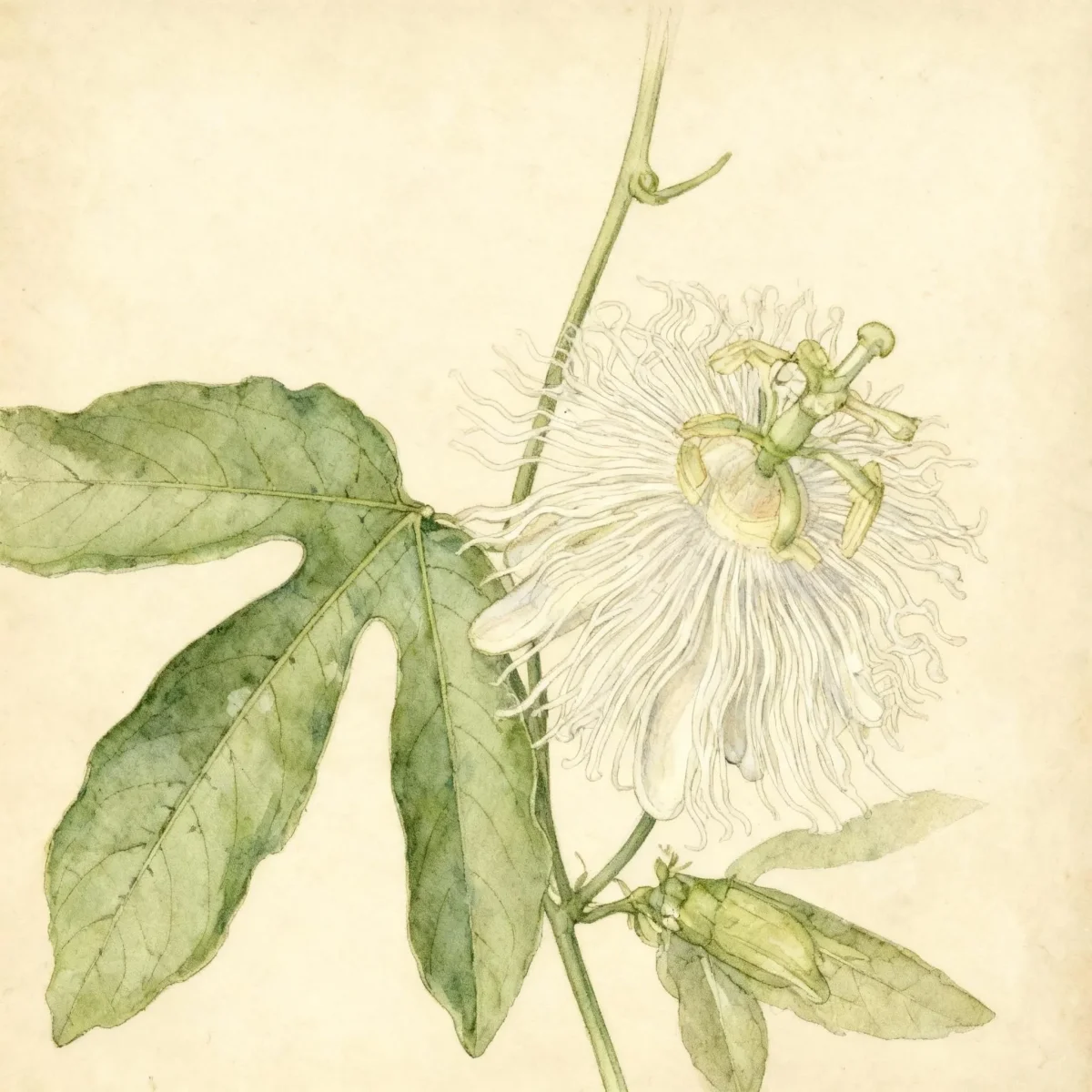
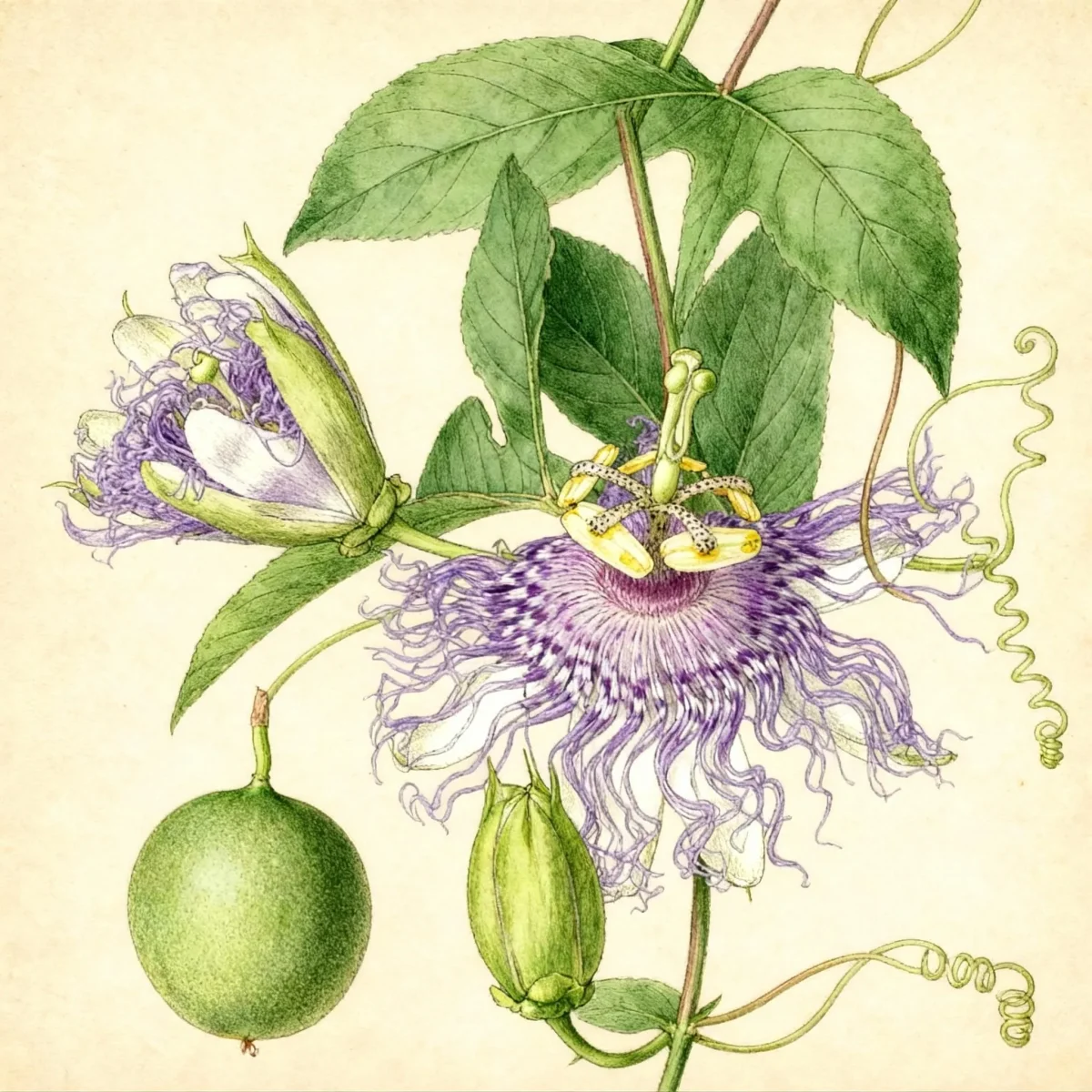
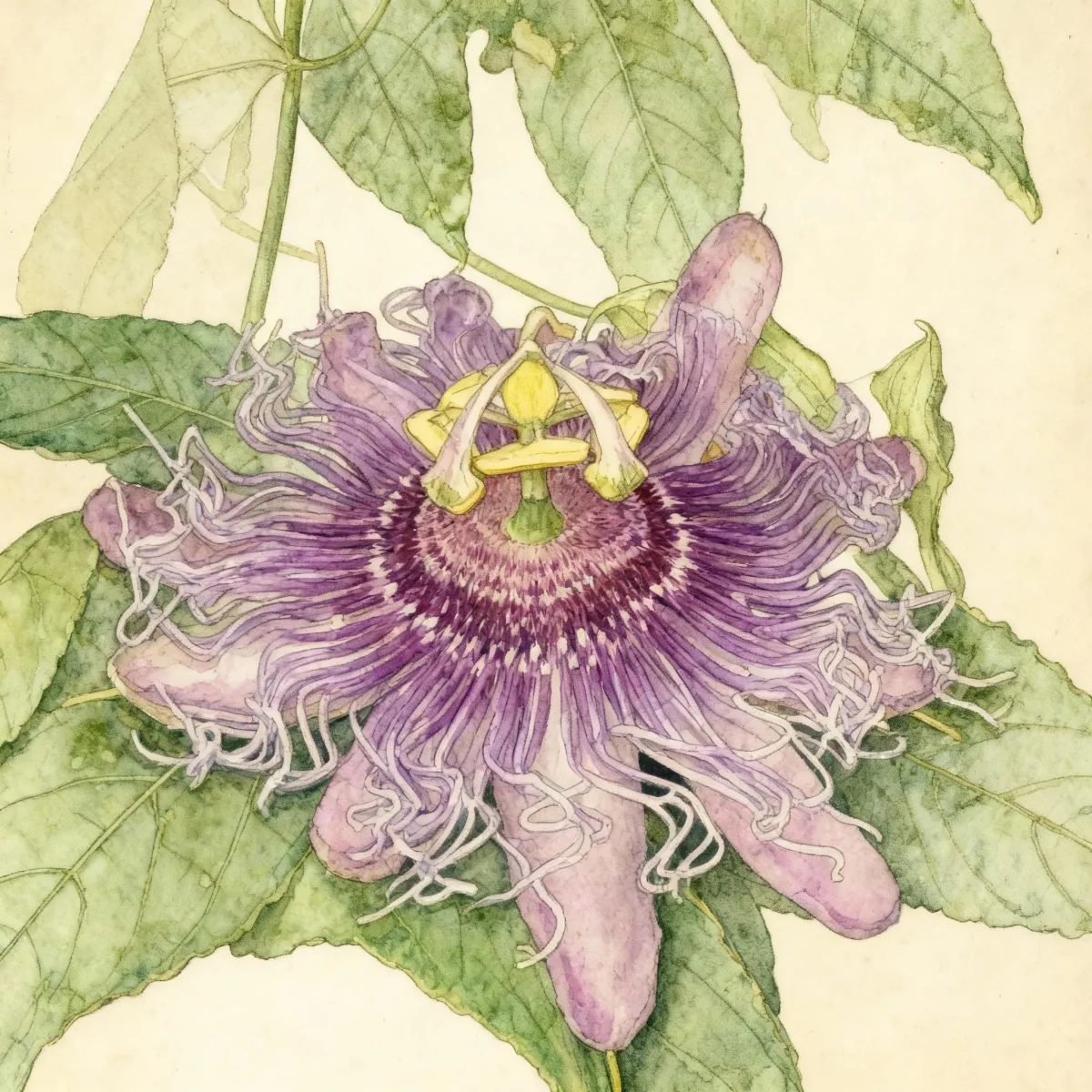
Passiflora ‘Incense’, commonly known as the Passion flower, is a showy, fast-growing vine celebrated for its incredibly complex and dramatic summer blooms. This deciduous vine produces 5-inch diameter flowers featuring deep violet petals and sepals, set against a lighter, intricate crown which is highly fragrant. Gardeners prize this variety not only for its aesthetic appeal but also for its unique relationship with local butterflies.
As a rapid, tendril-climbing plant, Passiflora ‘Incense’ quickly covers supports, making it an excellent choice for vertical accents in the landscape. While originating primarily in tropical areas, this hybrid demonstrates surprising resilience, offering a touch of the exotic to temperate gardens with appropriate winter care. The vine is also noted for producing edible, fleshy, egg-shaped fruit that matures to yellow.
Cultivating this Passion flower requires medium attention but rewards the grower with continuous summer interest from July into August. It readily climbs trellises and arbors, providing quick screening while attracting pollinators with its showy, fragrant blossoms. Ensure you provide sufficient support for this vigorous grower to fully realize the potential of Passiflora ‘Incense’.
Fast Facts
- Plant Family: Passifloraceae
- Plant Type: Vine
- Hardiness Zones: USDA Zones 6-10
- Size at Maturity:
- Height: 6-10 ft
- Spread: 5-8 ft
- Bloom Time: July to August
- Bloom Description: Violet with a lighter crown
- Sun Exposure: Full sun to part shade
- Water Needs: Medium
- Maintenance Level: Medium
How to Grow
The primary guideline for cultivating Passiflora ‘Incense’ involves ensuring it receives adequate heat and light. Plant in spring in average, well-drained soil, preferably in a location that receives full sun, though it can tolerate partial shade. Proper drainage is crucial for the long-term health of this vine.
Water needs are medium; maintain consistent moisture, especially during the establishment phase, though mature plants demonstrate notable drought tolerance once established. Fertilization is generally not necessary if the soil is moderately rich. This vine requires strong support structures like trellises, arbors, or fences, utilizing its tendrils to climb rapidly.
Seasonal care focuses heavily on winter preparation in northern zones. Passiflora ‘Incense’ is winter hardy down to approximately 0°F, but in colder parts of its zone range (like Zone 6), the vine will die completely back to the ground. Plant it in a protected location and apply a thick layer of winter mulch around the base to insulate the roots. Pruning consists mainly of removing dead material in early spring once new growth is observed.
Landscape Uses
The vigorous growth and unique structure of Passiflora ‘Incense’ make it an outstanding vertical element in the garden design. It excels when grown on trellises, sturdy arbors, or trained up walls and fences where its complex flowers can be viewed up close. The combination of dark green foliage, architectural flowers, and later, showy fruit, presents a year-round interest story.
Consider using this Passion flower as a specimen screening plant around utility areas, sheds, or greenhouses, turning functional spaces into tropical focal points. Because of its fast growth, it can quickly provide dense cover or define an outdoor room. When selecting companions, focus on other heat-loving, medium-water annuals or perennials that won’t compete heavily for root space.
This vine works beautifully when situated near outdoor seating areas, allowing gardeners to easily observe the butterflies attracted to the magnificent blossoms. Although it is a rapid grower, the deciduous nature means its primary impact is seasonal, providing vibrant summer density.
Standout Features
Flower Qualities
- Showy
- Fragrant
Fruit Qualities
- Showy
- Edible
Noteworthy Characteristics
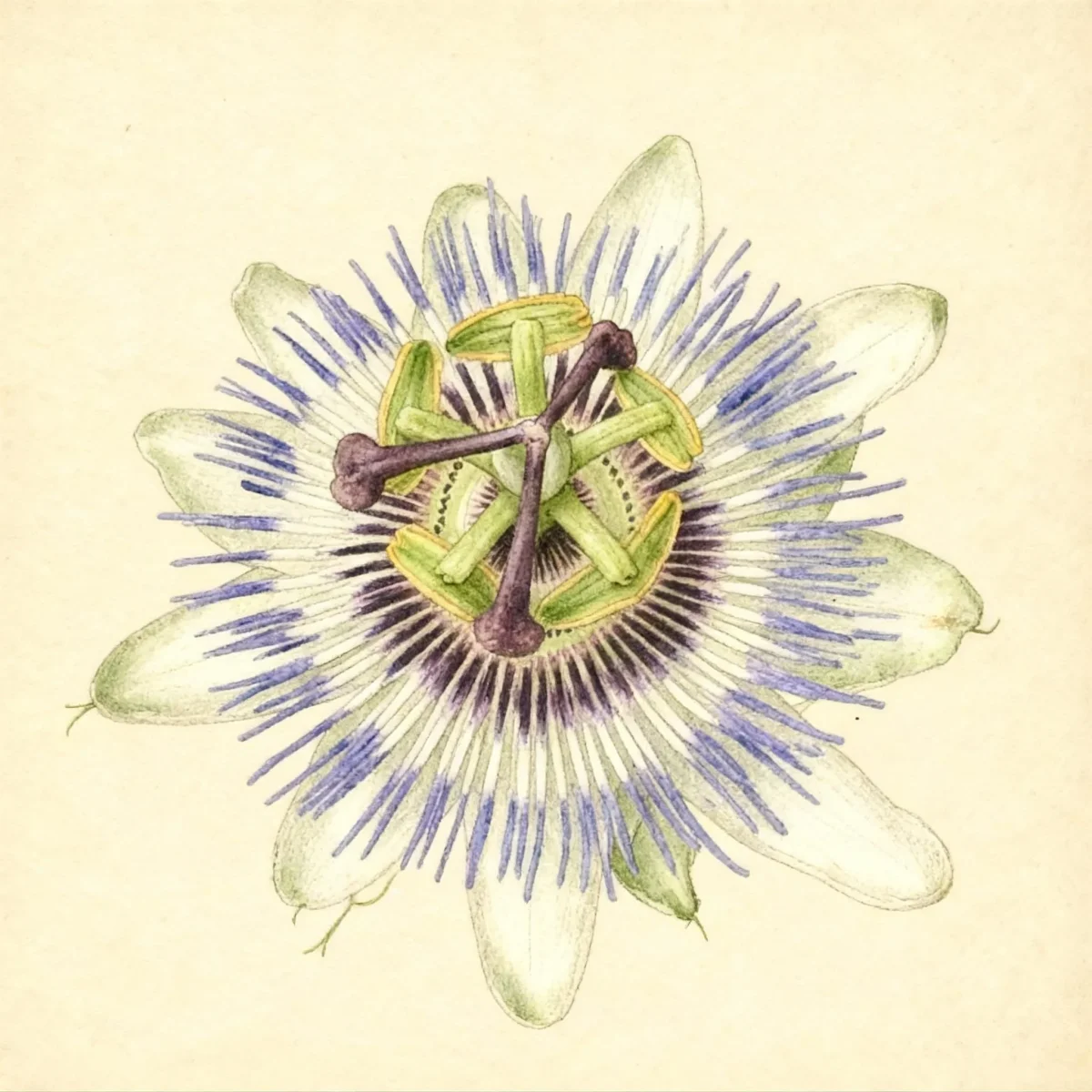
Passiflora is a genus encompassing over 400 species of vines, mostly tropical, grown for their strikingly beautiful flowers. The genus name originates from Latin terms meaning “passion” and “flower,” referencing its symbolism of the crucifixion of Christ. ‘Incense’ is a rapid-growing, deciduous vine featuring three-lobed, dark green leaves and complex, round, showy flowers up to 5 inches wide, with violet petals and sepals surrounding a lighter crown.
Tolerances
- Drought
Potential Problems
This Passion flower variety generally experiences no serious insect or disease problems, making it relatively straightforward to manage in a garden setting. Diligent monitoring for common pests like aphids or spider mites is recommended during hot, dry spells, though these rarely cause significant damage. Maintaining good air circulation, especially when grown against a wall or fence, helps prevent fungal issues.
If you notice persistent pest issues with your Passiflora ‘Incense’, standard insecticidal soaps or neem oil applications can be effective. Since the vine naturally dies back to the ground in winter in cooler zones, excessive concern over winter pests is unwarranted, as the cycle is broken annually.
Frequently Asked Questions
What hardiness zones is Passion flower suitable for?
Passiflora ‘Incense’ is winter hardy in USDA hardiness zones 6 through 10, though protection is needed in the colder end of that range.
How large does Passiflora ‘Incense’ grow?
This vigorous vine typically reaches a mature height between 6 and 10 feet tall, with a spread ranging from 5 to 8 feet wide.
When does Passiflora ‘Incense’ bloom?
This beautiful variety blooms throughout the summer, specifically from July to August, showcasing flowers described as violet with a lighter crown.
What sun exposure does Passiflora ‘Incense’ need?
For best flowering and overall health, Passiflora ‘Incense’ should be provided with full sun exposure, although it tolerates part shade conditions.
Conclusion
The Passiflora ‘Incense’ vine offers dramatic flair, combining intensely beautiful, fragrant flowers with the practical benefit of being relatively low-maintenance and drought-tolerant once established. If you look to add vertical architecture and tropical mystique to your garden, this Passion flower is an excellent choice. Check your local hardiness zone compatibility and plan on installing strong support before setting out this magnificent vine this spring.
Companion Planting
Selecting appropriate companions helps manage garden aesthetics and microclimates around your Passiflora ‘Incense’. Because this vine seeks sun and requires well-drained soil, pair it with sturdy, drought-tolerant companion plants that appreciate similar conditions. Consider using low-growing salvias or coreopsis at the base, which won’t compete vertically but will provide contrasting color when the vine is blooming.
For structures like arbors, you might interplant shorter, heat-loving perennials that can fill in the space beneath the vine’s canopy during the growing season. Think about plants with foliage textures that contrast well with the large, smooth leaves of the Passion flower; ferns typically do not fare well due to the sun requirements, so focus on sun-tolerant, structural foliage plants.
When growing Passiflora ‘Incense’ near fences, ensure companions do not press too tightly against the vine, which requires slightly open air flow for best performance. This focus on structural pairing allows the spectacular bloom of the vine to remain the primary focal point throughout the summer.
Wildlife Benefits
The complex structure of the Passion flower is not just an aesthetic marvel; it plays a vital ecological role, particularly for local butterfly populations. The flowers serve as an excellent nectar source that is highly attractive to numerous beneficial insects and pollinators throughout mid-summer.
Furthermore, the genus Passiflora is the exclusive host plant for the larvae of several species of fritillary butterflies. While this specific hybrid may not be the native host plant for all regional fritillaries, they are often attracted to the foliage for laying eggs, supporting the local insect life cycle.
By including Passiflora ‘Incense’ in your garden, you contribute significantly to local biodiversity. The presence of its showy, edible fruit later in the season also provides an occasional subtle reward for wildlife, long after the initial bloom fades.