Passion flower (Passiflora incarnata 'Alba')
Discover Passiflora incarnata 'Alba', the white-flowered Passion flower. Hardy vine for zones 5-9, offering unique blooms and edible fruit.
Scroll down to discover growing tips, care requirements, companion plants, and more
Complete Plant Information
Overview
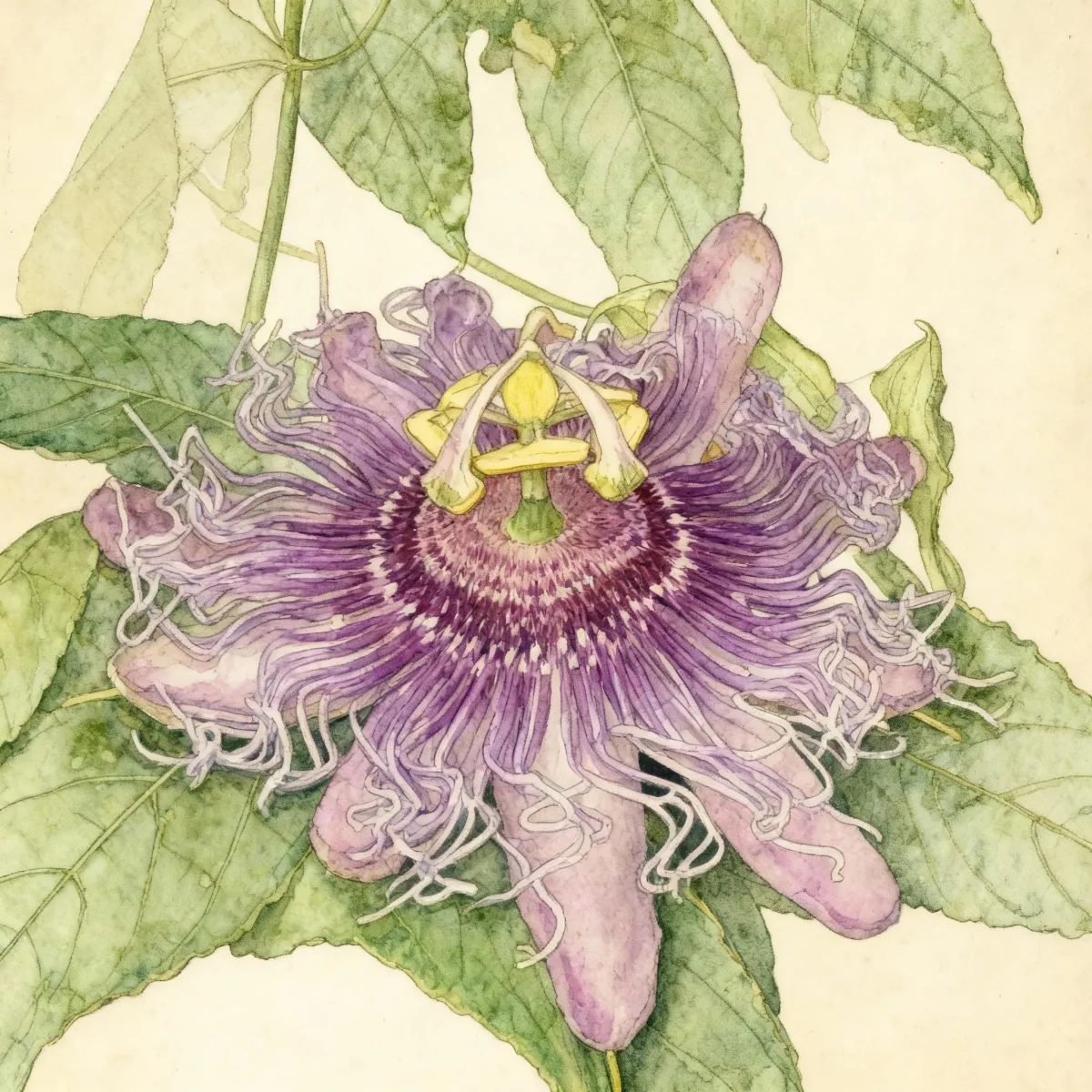
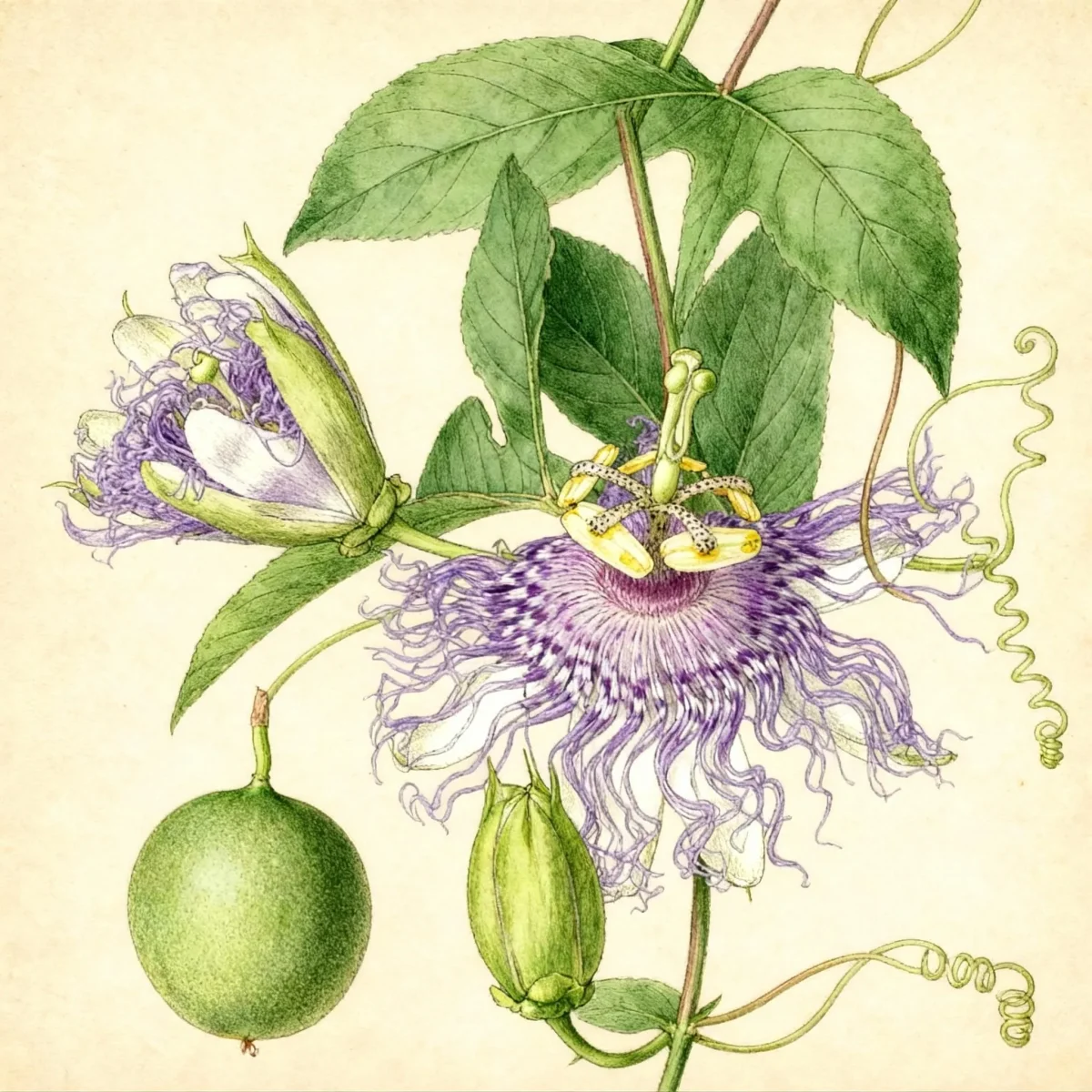
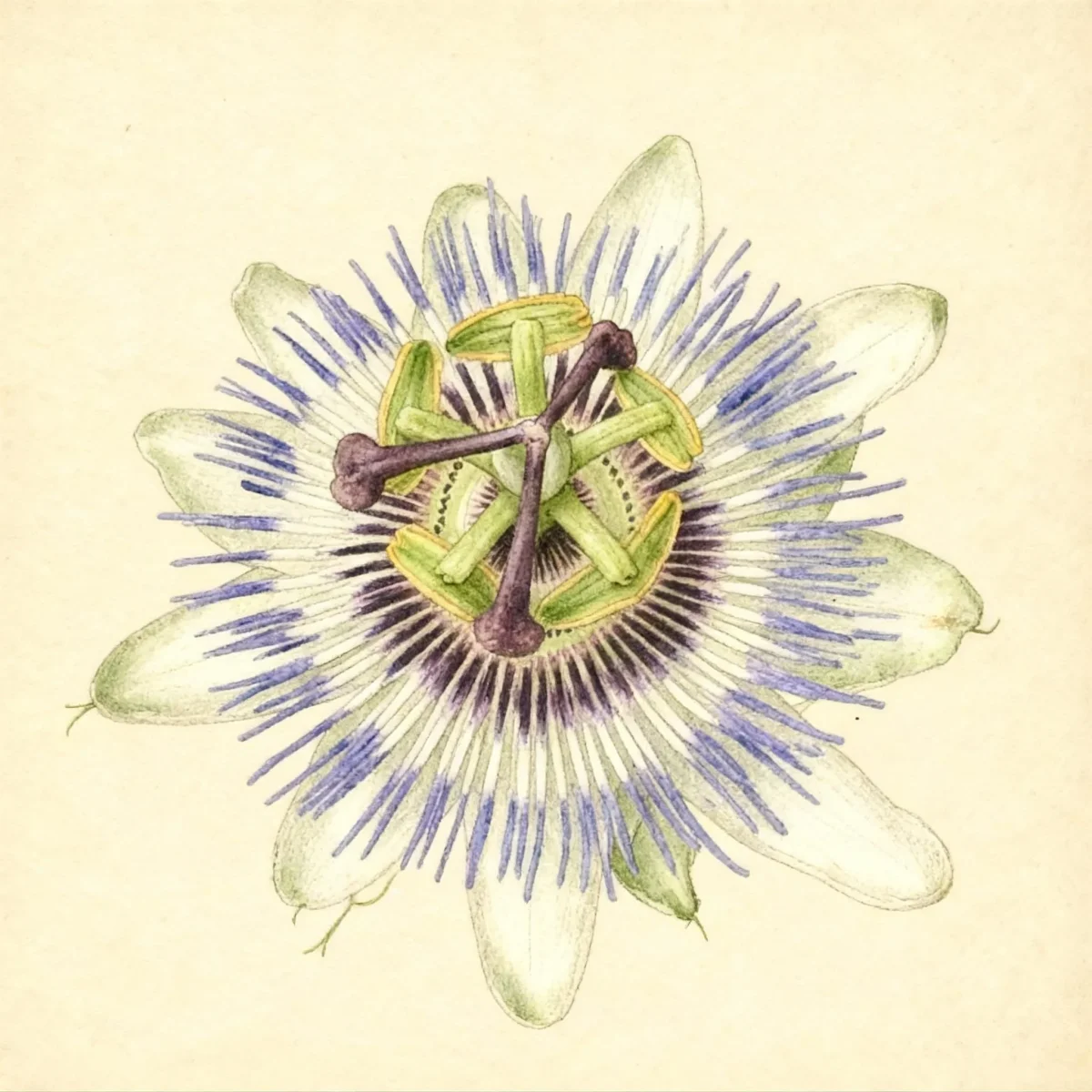
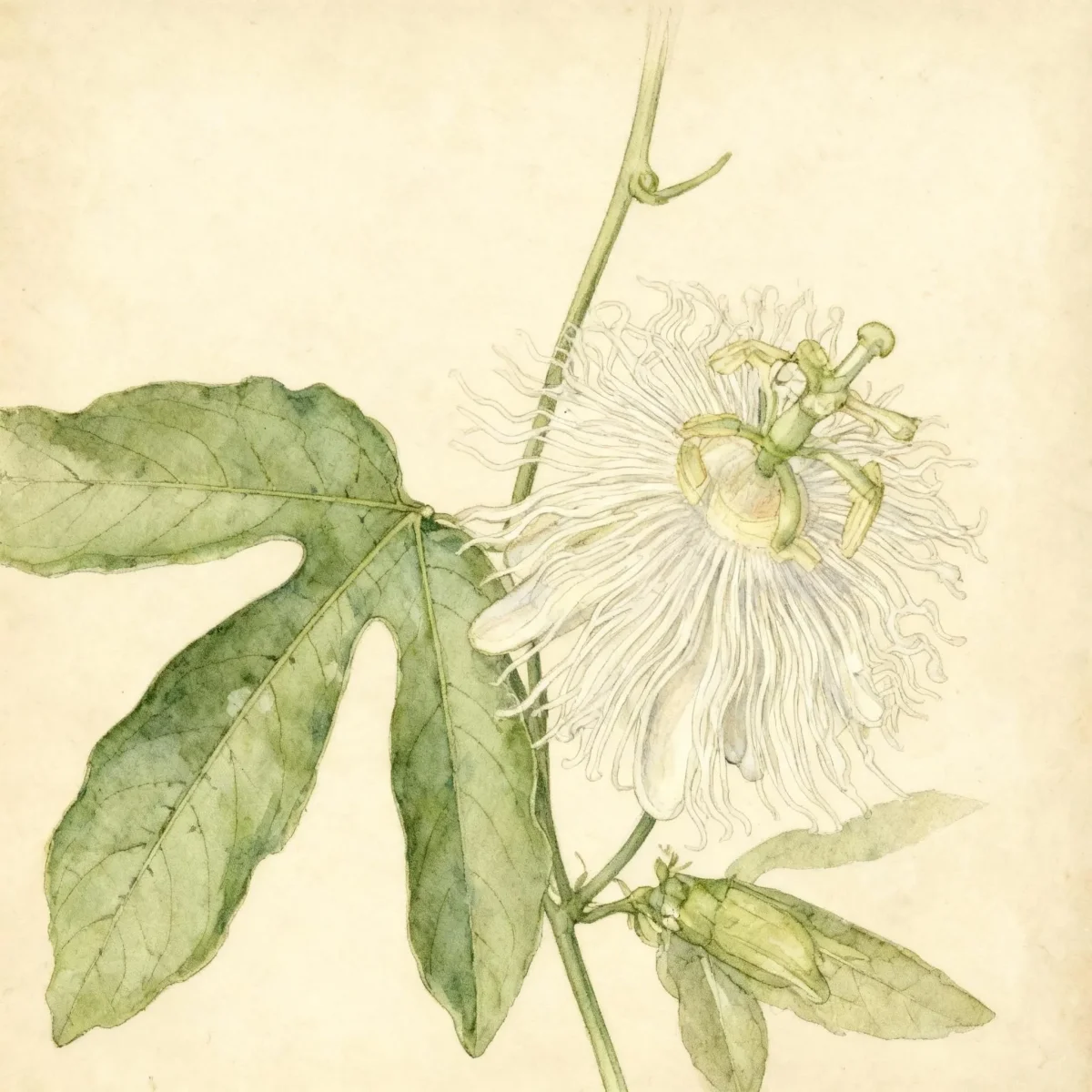
Passiflora incarnata ‘Alba’, commonly known as Passion flower, is a highly distinctive, rapid-growing, tendril-climbing vine celebrated for its unique floral structure and occasional edible harvest. This cultivar presents the same fascinating form as the species, but showcases stunning, 2.5-inch diameter flowers featuring pure white petals and sepals contrasted by a delicate crown of pinkish-purple filaments. As a woody perennial in warmer regions but herbaceous in colder zones, this plant offers structural interest and seasonal beauty across USDA Zones 5 through 9.
This versatile vine is relatively adaptable, thriving easily in average, well-drained soils. While it is the hardiest of the passion flowers, gardeners in Zone 5 should provide winter protection to ensure reliable perennial survival. Beyond its ornamental appeal, the Passion flower produces fleshy, egg-shaped fruits known as maypops, which ripen to a yellowish hue and may be consumed fresh or made into jelly, adding unexpected culinary value to the garden.
The white-flowered characteristics of Passiflora incarnata ‘Alba’ make it an excellent vertical accent in the landscape, drawing the eye upward with its intricate blooms from mid-summer well into the fall. Growing this Passion flower provides a tropical feel, even in more temperate climates, provided its basic needs for sun and drainage are met.
Fast Facts
- Plant Family: Passifloraceae
- Plant Type: Vine
- Hardiness Zones: USDA Zones 5-9
- Size at Maturity:
- Height: 6-8 ft
- Spread: 3-6 ft
- Bloom Time: July to September
- Bloom Description: White
- Sun Exposure: Full sun to part shade
- Water Needs: Medium
- Maintenance Level: Medium
How to Grow
The Passiflora incarnata ‘Alba’ thrives when planted in average, medium soils that offer excellent drainage. Aim for a location receiving full sun, although some light afternoon shade will be tolerated well by this Passion flower. Planting late spring, after the danger of frost has passed, is ideal, allowing the vine time to establish before winter dormancy.
Watering should be consistent; maintain medium soil moisture, ensuring the roots do not sit in soggy conditions, which can lead to root rot, especially during winter months. While naturally drought-tolerant once established, regular watering supports robust vine growth and flowering. Culturally, the roots appreciate a loose mulch layer to help keep them cool and conserve moisture.
This species spreads via root suckers, allowing it to cover considerable ground if given optimum growing conditions. Be strategic when placing Passiflora incarnata ‘Alba’; use it where its aggressive spreading from the roots can be managed, or where you desire dense coverage on a trellis, arbor, or fence. Climates near the edge of Zone 5 benefit significantly from planting this vine near a sheltered structure, such as a wall or garage, to guard against the coldest temperatures.
Landscape Uses
The architectural structure of the Passion flower makes it perfect for vertical gardening applications. Utilize its tendril-climbing habit by growing Passiflora incarnata ‘Alba’ on sturdy trellises, arbors, or along fences where its wide spread (3-6 ft) can be contained vertically. This vine excels at softening harsh landscape lines or providing a unique backdrop due to its showy white blooms.
Due to its rapid growth and tendency to spread, it is often best managed in areas where its subterranean spread can be checked, or where full coverage is desired. The combination of unique flowers and edible fruit makes this an extremely interesting specimen plant positioned near walkways or patios where the maturity and eventual harvest of the maypops can be observed closely.
Standout Features
Flower Qualities
- Showy
Fruit Qualities
- Showy
- Edible
Noteworthy Characteristics
Passiflora incarnata is a rapid-growing, tendril-climbing vine which is woody in warm winter climates but herbaceous, dying back to the ground, in colder zones. Native to the Southeastern U.S., it features dark green, three-lobed leaves and striking 2.5-inch flowers adorned with white petals, sepals, and a fringed crown. The vine produces fleshy, egg-shaped, edible fruits called maypops, which are ready in late summer, sometimes making a loud popping sound when stepped upon, giving the plant its common name. The specific epithet ‘Alba’ denotes that this cultivar of Passion flower features all-white floral parts, differing from the typical pinkish-purple filaments of the standard species.
Tolerances
- Drought
Potential Problems
This Passion flower is generally free from serious insect or disease issues, offering relatively low-risk gardening. The primary concern is the aggressive nature of its roots, which can spread rapidly via suckers, potentially colonizing large areas if not managed. To prevent root rot, which can occur, particularly in winter dormancy, ensure planting sites have superior drainage. Avoiding overly wet spots is crucial for the long-term health of your Passiflora incarnata ‘Alba’.
Frequently Asked Questions
What hardiness zones is Passion flower suitable for?
Passiflora incarnata ‘Alba’ is generally suited for USDA Hardiness Zones 5 through 9, though Zone 5 growers should provide winter protection for reliability.
How large does Passiflora incarnata ‘Alba’ grow?
This vigorous vine typically reaches a mature height between 6 and 8 feet, with a spread ranging from 3 to 6 feet wide.
When does Passion flower bloom?
You can expect the stunning white blooms of this Passion flower to appear reliably from July through September.
What sun exposure does Passiflora incarnata ‘Alba’ need?
For the best flowering and growth, plant the vine where it will receive full sun to part shade conditions.
Conclusion
The white-flowered Passiflora incarnata ‘Alba’ brings exceptional visual drama and the bonus of edible summer fruit to the garden. Its unique structure guarantees a conversation starter, making this Passion flower a must-have for specialized vine collections. Check your local hardiness zone and ensure you select a location with excellent drainage before planting this fascinating vine this spring.
Companion Planting
When selecting companions for Passiflora incarnata ‘Alba’, focus on plants that also prefer medium moisture levels and full sun exposure. Pairing this vigorous vine with slower-growing, shorter perennials helps define the edge of its root spread while utilizing the lower vertical space. Consider pairing the rapid growth of the Passion flower with robust, sun-loving perennials like Coneflower (Echinacea) or Black-eyed Susan (Rudbeckia). These companions offer contrasting flower forms and colors without competing aggressively for the same growing space overhead.
Design Ideas
Utilizing the vine’s twining nature is key to successful design. If you employ this plant on a sturdy pergola or arbor, allow the foliage to drape naturally to create cooling shade during the hot July to September bloom period. For smaller spaces, guide the Passiflora incarnata ‘Alba’ up a single obelisk or column; this highlights the intricate flowers perfectly when viewed up close. Furthermore, you can strategically place it near a vegetable garden boundary, offering beauty while its edible maypops ripen discreetly.