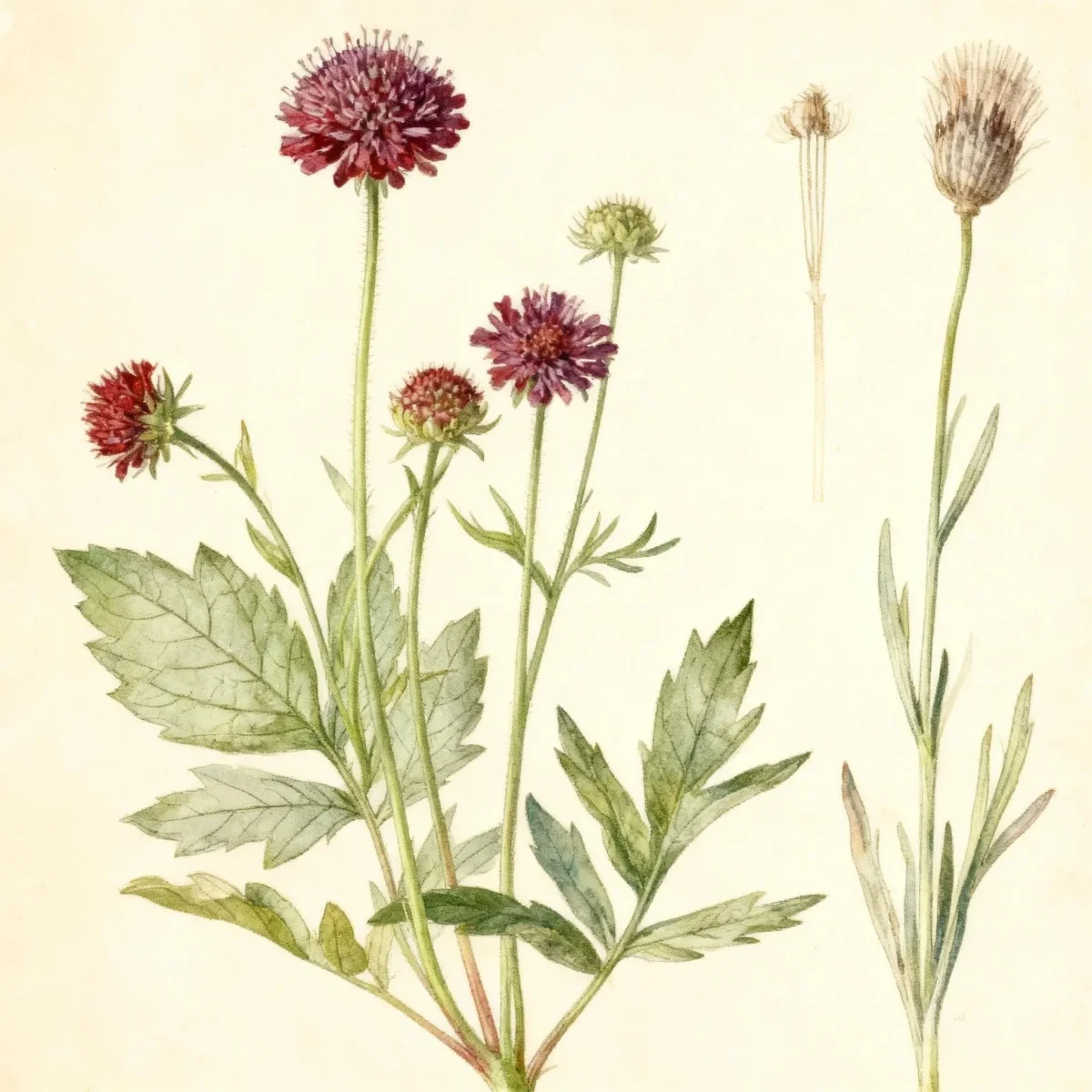
Patrinia (Patrinia scabiosifolia 'Nagoya')
Patrinia scabiosifolia 'Nagoya' offers airy, chrome-yellow blooms from July to September, valued for its low maintenance and border appeal.
Scroll down to discover growing tips, care requirements, companion plants, and more
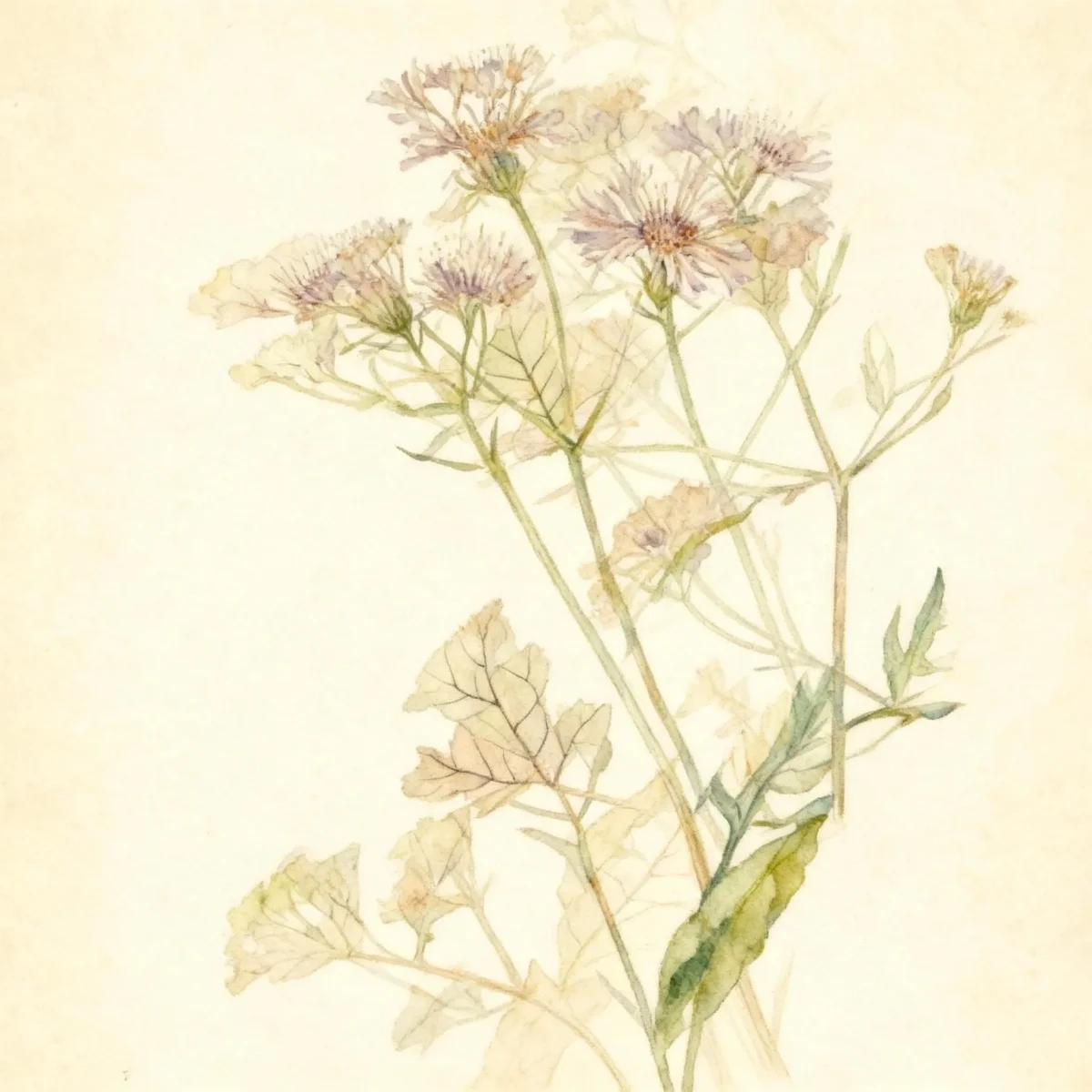
Complete Plant Information
Overview
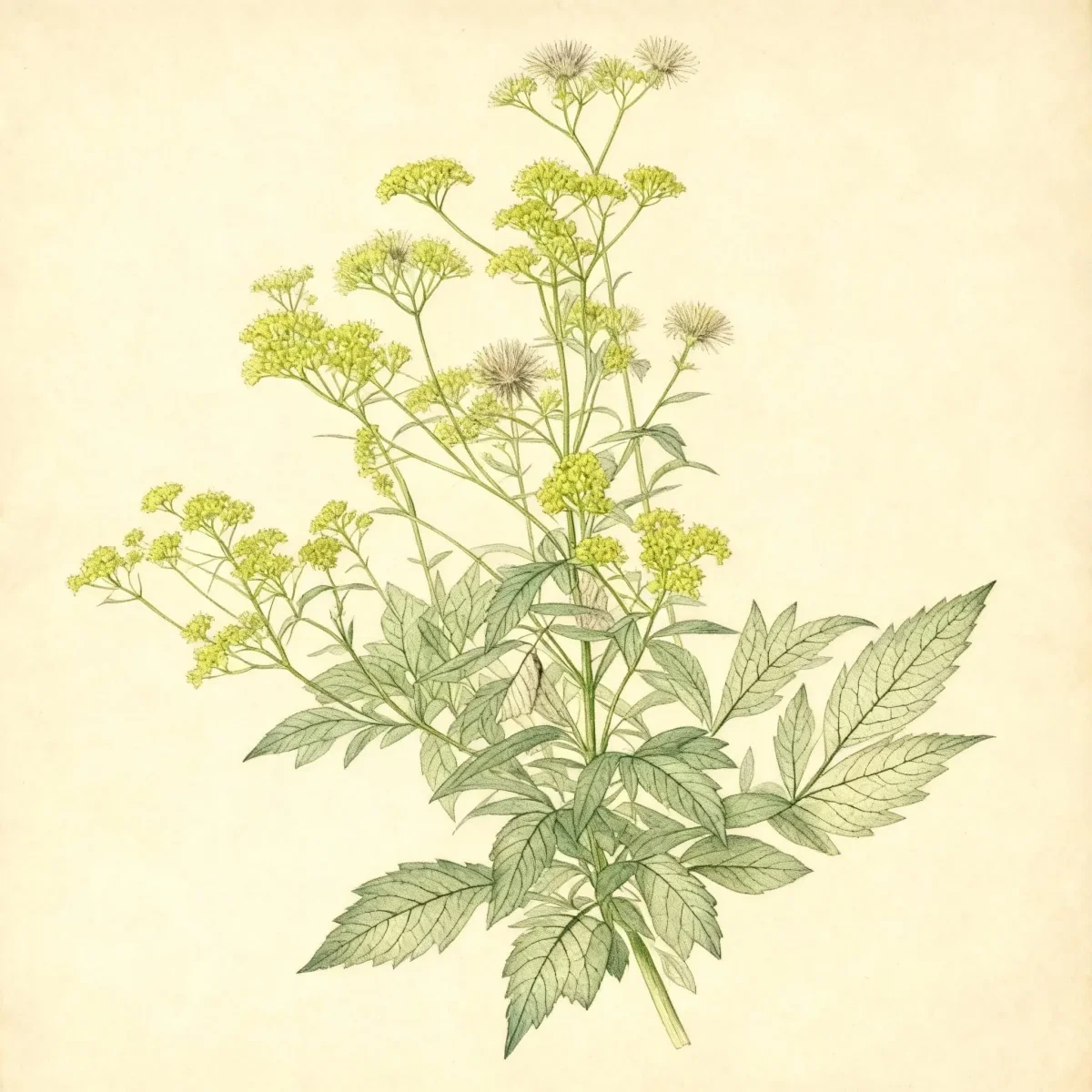
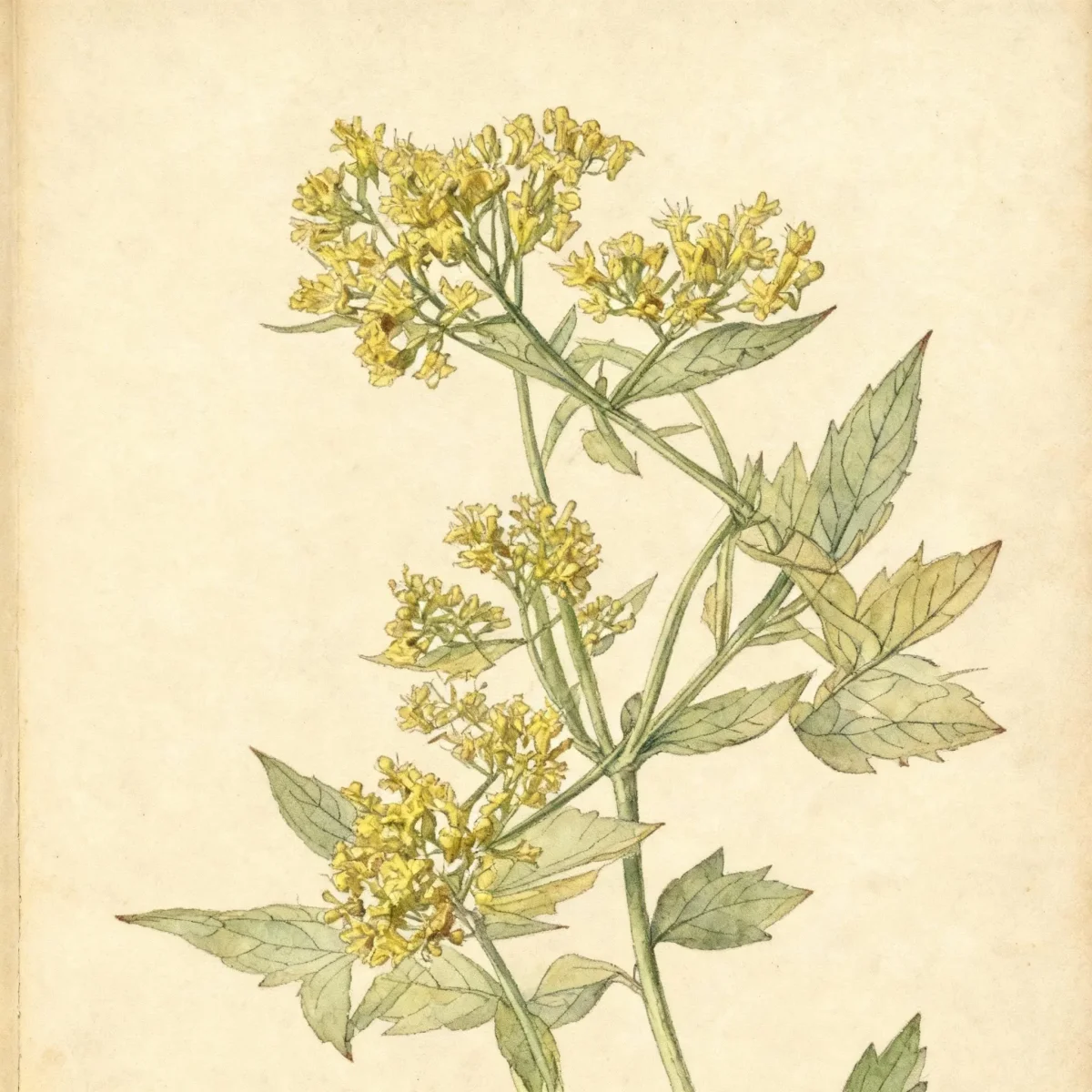
Patrinia scabiosifolia ‘Nagoya’ is a highly desirable herbaceous perennial known for its exceptional late-season color provided by clouds of airy, chrome-yellow flowers. This cultivar, a shorter variation of the species, maintains a tidy presence in the garden while offering reliable seasonal performance. Gardeners prize the Patrinia genus for its relatively low maintenance needs and its ability to thrive in sunny borders.
This plant forms an attractive basal mound of distinctively toothed foliage that resembles that of Scabiosa, providing textural interest well before the flowering period begins. From July through September, it sends up sparsely-leaved stems topped with terminal panicles, adding a light, ephemeral quality to the summer landscape. The overall effect of Patrinia scabiosifolia ‘Nagoya’ is vibrant yet delicate, making it a versatile addition to many perennial schemes.
As a tough, clump-forming plant, the Patrinia variety is tolerant of significant summer heat and humidity, provided it receives adequate moisture. Its low maintenance profile ensures that once established, it provides long-lasting color and structure with minimal intervention, solidifying its status as a garden workhorse in suitable climates.
Fast Facts
- Plant Family: Caprifoliaceae
- Plant Type: Herbaceous perennial
- Hardiness Zones: USDA Zones 5-9
- Size at Maturity:
- Height: 2-3 ft
- Spread: 1-1.5 ft
- Bloom Time: July to September
- Bloom Description: Yellow
- Sun Exposure: Full sun
- Water Needs: Medium
- Maintenance Level: Low
How to Grow
For optimal growth, plant Patrinia scabiosifolia ‘Nagoya’ during the spring or fall establishment periods. The ideal location provides full sun exposure; while the plant is somewhat adaptable, consistent direct light fuels the most abundant flowering. It succeeds easily in average, medium soils, but thrives best when the soil is rich and humusy, ensuring excellent drainage is present. Avoid heavy, perpetually wet conditions, especially through winter.
Water requirements are medium, meaning consistent moisture is needed during active growth periods, particularly as the plant establishes its root system. Supplemental watering during dry spells will benefit the plant, but established specimens often tolerate minor periods of dryness if the soil structure is deep and not overly sandy. Fertilization is generally unnecessary; rich, amended soil should provide sufficient nutrients for this low-maintenance perennial.
Maintenance for Patrinia is minimal. Deadheading spent flowers is not essential for plant health but can tidy the appearance slightly after the main July to September flush concludes. In late winter or early spring, cut back the old, dead stems close to the ground before new basal growth emerges.
A crucial consideration for taller varieties, though less pressing for the compact ‘Nagoya’ cultivar, is stem support. Longer flower stems may occasionally need staking, particularly in windy sites or when saturated after heavy rain, to prevent drooping. This hardy perennial handles hot, humid summers well, making care straightforward across much of its range.
Landscape Uses
The airy structure and bright yellow blooms make Patrinia scabiosifolia ‘Nagoya’ an excellent choice for softening the edges of perennial borders. It excels when placed in the middle to rear of a border where its height (2-3 ft) allows lower, denser companions to spill forward against its base. Use its vertical, delicate flower presentation to contrast with broad-leaved hostas or dense ornamental grasses.
The plant also possesses good accent value, drawing the eye with its unique flower color during the peak summer doldrums when many early bloomers are fading. Consider planting groupings of three or five for a more significant visual impact rather than using single specimens. While the species can grow quite tall, the compact nature of ‘Nagoya’ also makes it a possibility for large container arrangements where it can anchor the display.
Standout Features
Flower Qualities
- Showy
Noteworthy Characteristics
Patrinia scabiosifolia is a clump-forming plant which typically forms a 1-1.5’ tall, basal mound of deeply toothed, oblong to ovate leaves which resemble those of Scabiosa. Sparsely-leaved stems topped with open, airy, terminal, corymbose panicles of tiny, chrome-yellow flowers rise from the foliage mound to a height of 4-6’ in summer. Coarsely toothed stem leaves are pinnately divided. Long summer bloom period. ‘Nagoya’ is almost identical to the species, except it is lower growing. It typically forms a 9-15” tall, compact, basal mound.
Tolerances
Potential Problems
This Patrinia variety is remarkably trouble-free, boasting no serious insect or disease problems under normal garden conditions. Its inherent resistance reduces the need for chemical interventions, aligning well with organic gardening practices. When cultural needs are met—specifically adequate drainage and consistent medium water—most issues are avoided.
The primary management consideration involves potential lodging, where longer flower stems might flop over, especially in exposed areas or after heavy rainfall early in the bloom cycle. While ‘Nagoya’ is more compact, gardeners can proactively insert thin stakes or provide surrounding supports early in the season to maintain an upright, tidy silhouette throughout the long summer bloom.
Frequently Asked Questions
What hardiness zones is Patrinia scabiosifolia ‘Nagoya’ suitable for?
This herbaceous perennial thrives best in USDA Hardiness Zones 5 through 9, offering reliable perennial performance across these temperate regions.
How large does Patrinia grow?
Patrinia scabiosifolia ‘Nagoya’ typically reaches a manageable height between 2 and 3 feet, spreading moderately to 1 to 1.5 feet wide, forming a dense basal mound.
What sun exposure does Patrinia need?
This plant requires full sun exposure to develop robust growth and maximize its long season of yellow blooms from July to September.
When does Patrinia bloom?
You can expect beautiful, showy blooms from this Patrinia throughout the summer and into early fall, specifically from July all the way through September, noted for their vibrant yellow color.
Conclusion
Patrinia scabiosifolia ‘Nagoya’ brings architectural structure and lively, late-season yellow color to any border with very little effort required from the gardener. Its toughness, coupled with the low maintenance demands of the Patrinia genus, makes it an indispensable choice for sunny garden spots. Before planting, verify that your growing location falls within USDA Zones 5-9 and ensure you provide the medium moisture and full sun necessary for this excellent perennial to perform its best.
Companion Planting
Choosing the right neighbors can significantly enhance the display provided by Patrinia scabiosifolia ‘Nagoya’. Since this plant enjoys sun and medium moisture, pair it with other perennials that share similar cultural requirements. Consider using sturdy, upright companions like Veronicastrum or tall ornamental grasses (e.g., Calamagrostis ‘Karl Foerster’) that won’t overcrowd its airy flowers but can visually support developing stems.
For contrasting texture near the base, interplant the Patrinia mound with spreading geraniums or low-growing Russian Sage (Perovskia atriplicifolia). The foliage of the Patrinia provides a good backdrop for dark-leaved companions, utilizing the contrast against its mid-green leaves while enjoying the long bloom window shared across the planting scheme.
Seasonal Care Calendar
Late winter or very early spring is the ideal time to perform major clean-up for your Patrinia. Cut all the previous year’s dried stems down to a few inches above the emerging basal rosette of leaves, which should begin swelling as temperatures rise. Avoid aggressive pruning later in the season, as this can disrupt early summer growth patterns.
During the active growing season (late spring through summer), monitor moisture levels closely, especially immediately following planting, as medium water needs must be met for peak flowering. If the site is exceptionally hot and dry, a layer of organic mulch will conserve moisture and keep the roots of the Patrinia scabiosifolia ‘Nagoya’ cool, minimizing stress during the heat of July and August.