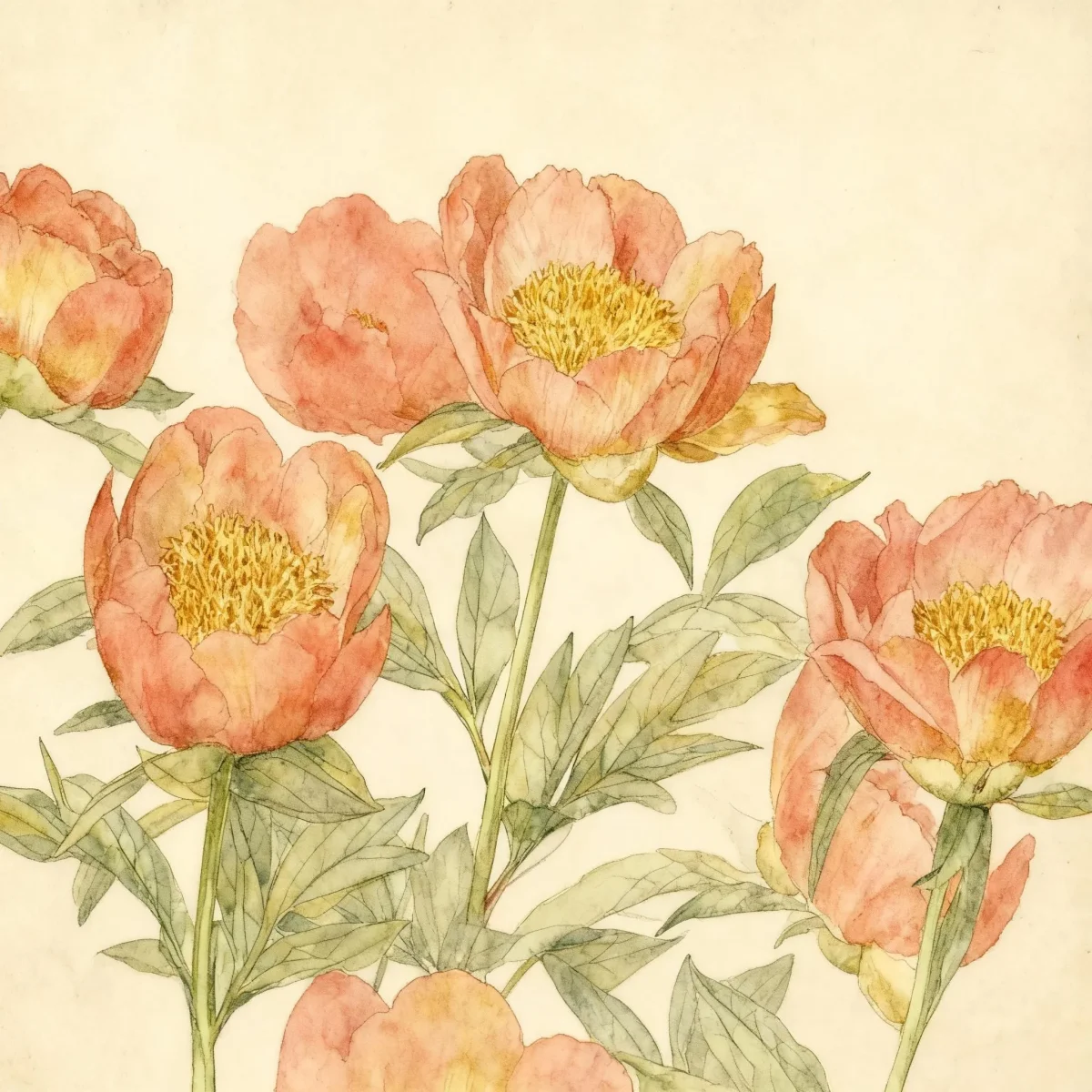
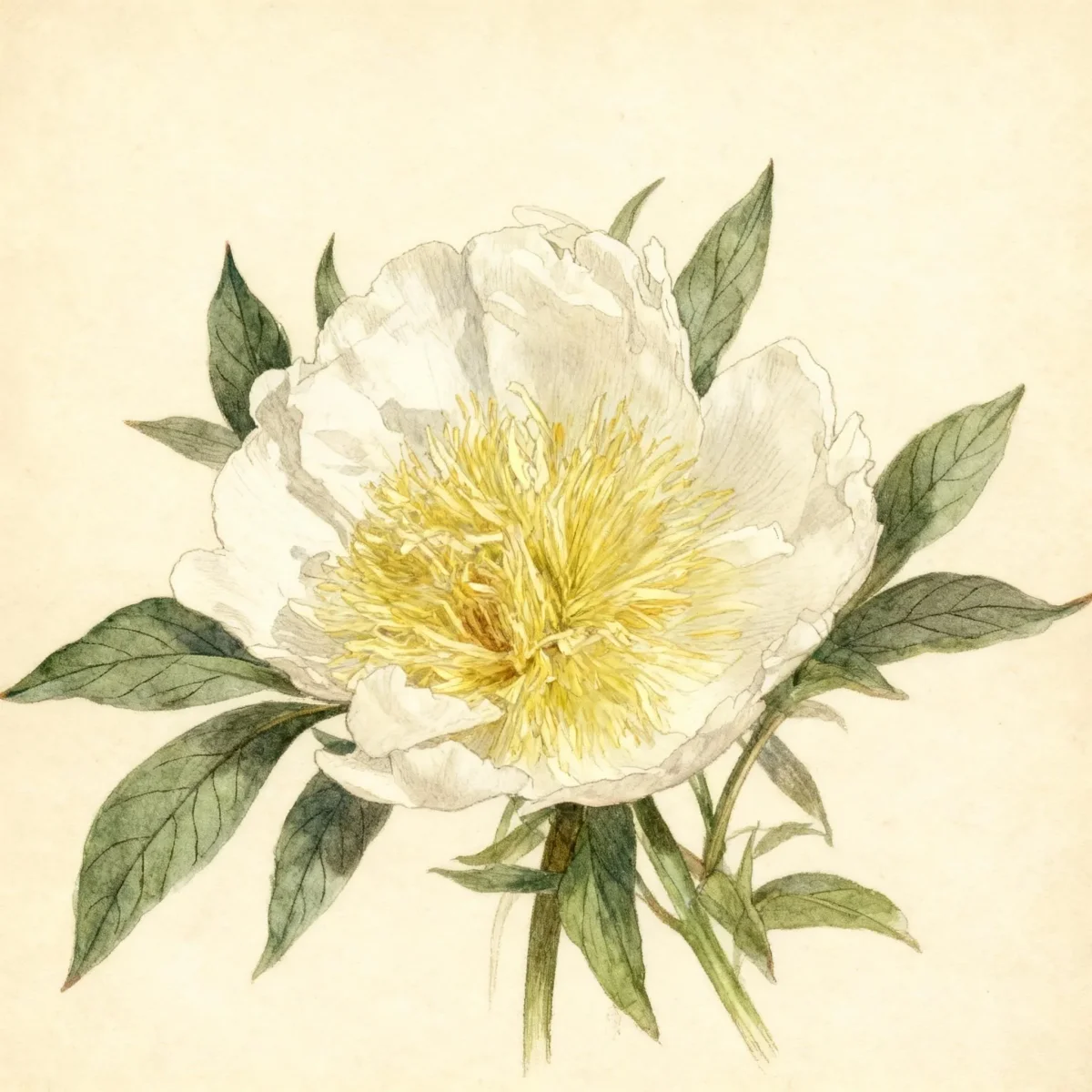
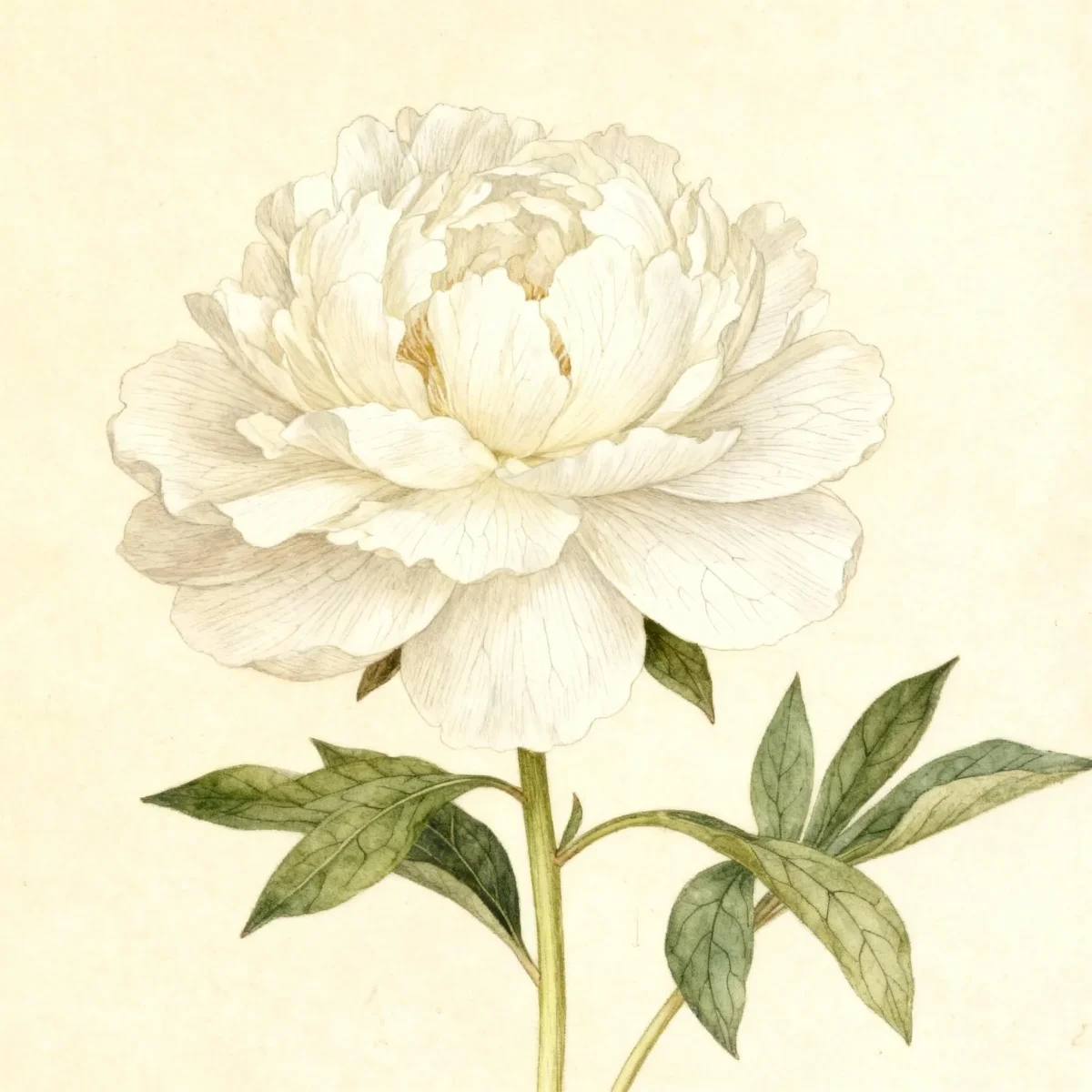
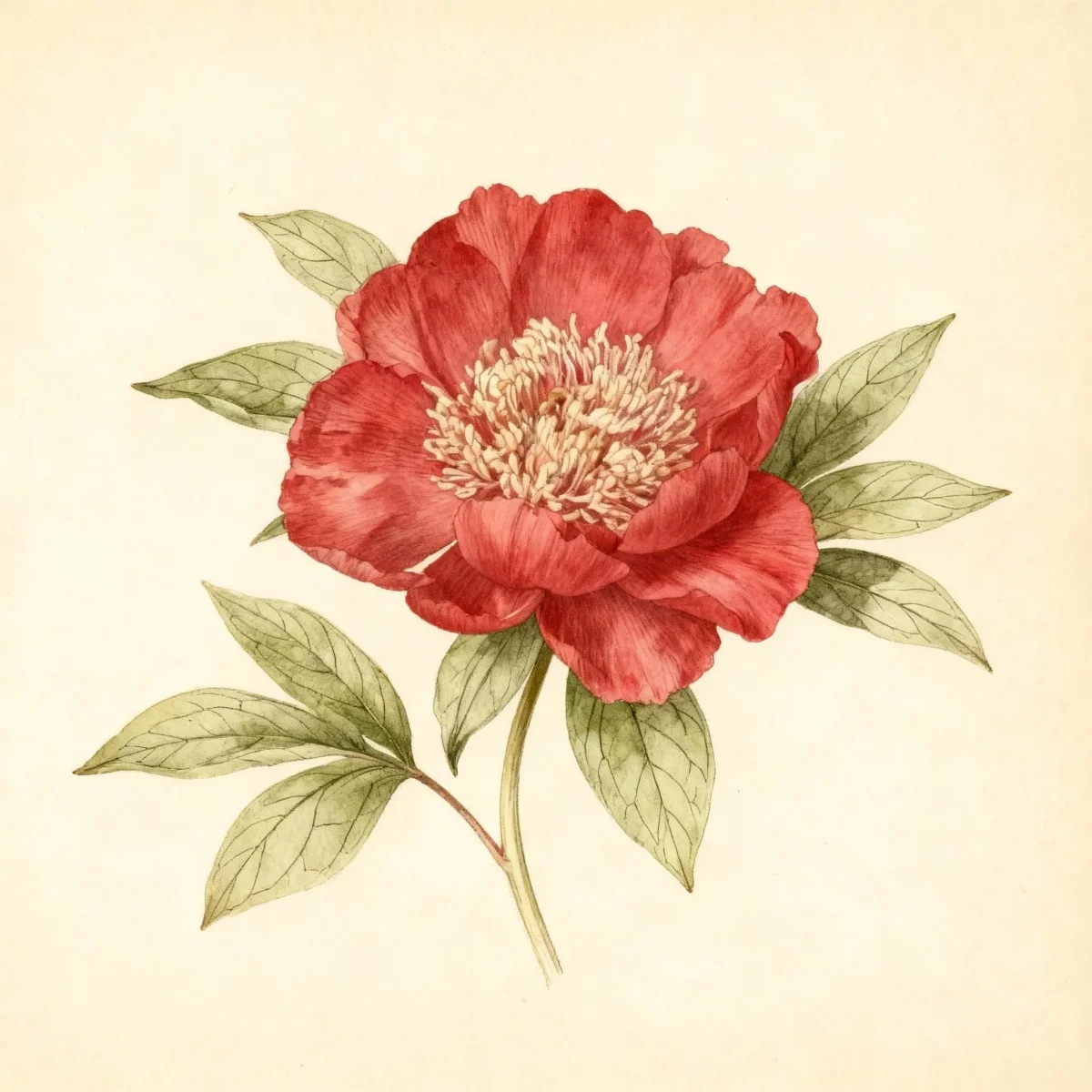
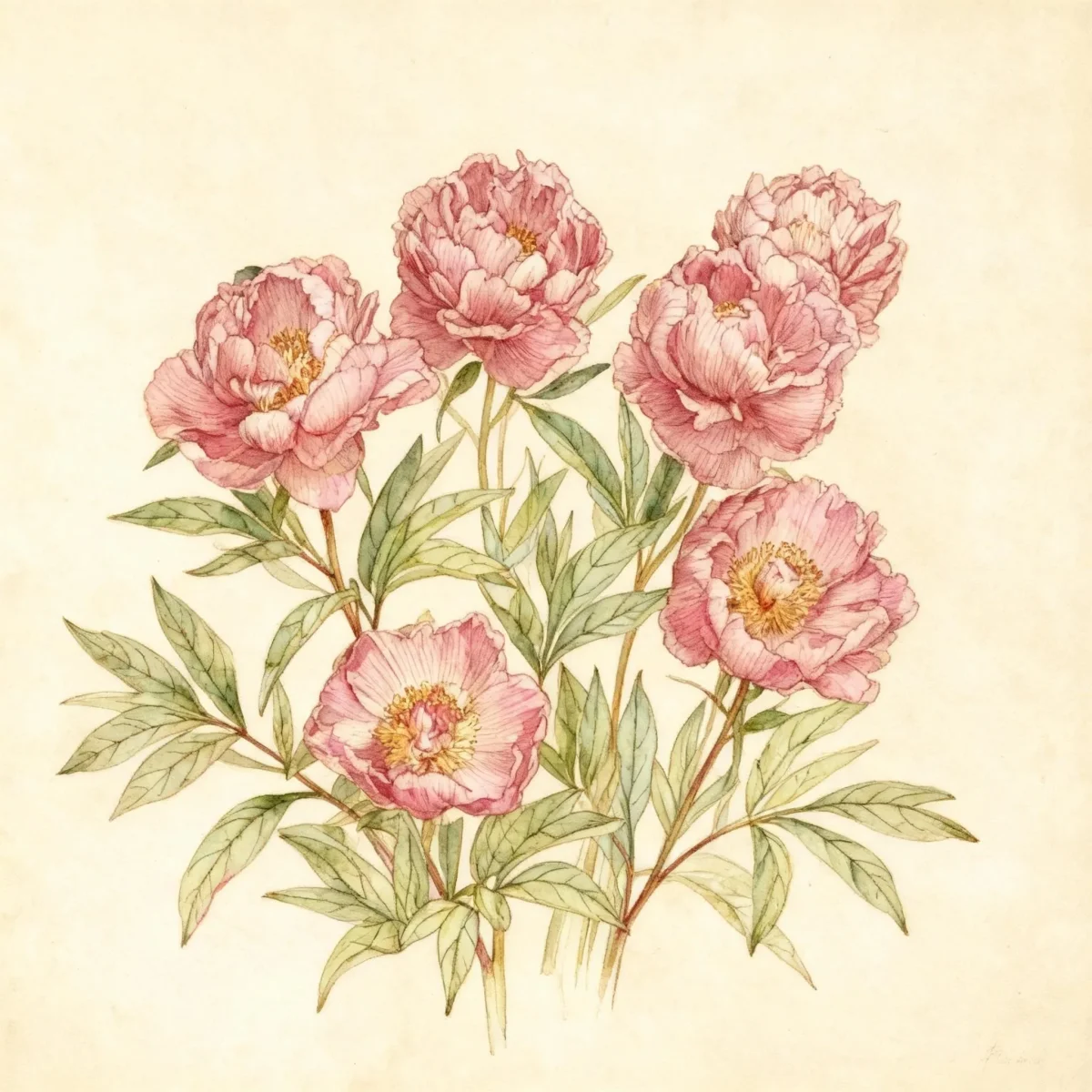
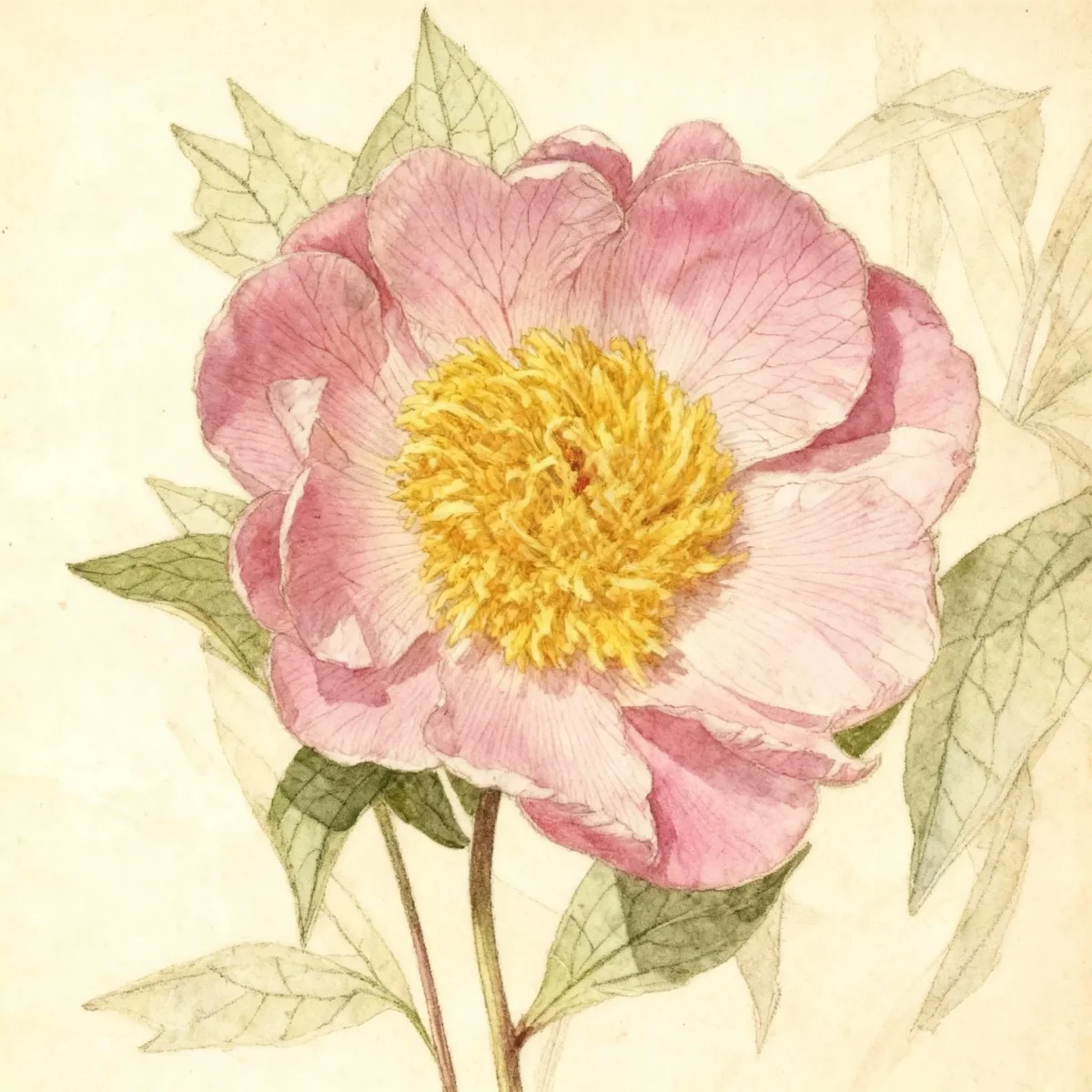
Peony (Paeonia lactiflora 'Do Tell')
Paeonia lactiflora 'Do Tell' is a showy, fragrant herbaceous perennial Peony, thriving in zones 3-8 with lovely shell pink blooms.
Scroll down to discover growing tips, care requirements, companion plants, and more
Complete Plant Information
Overview
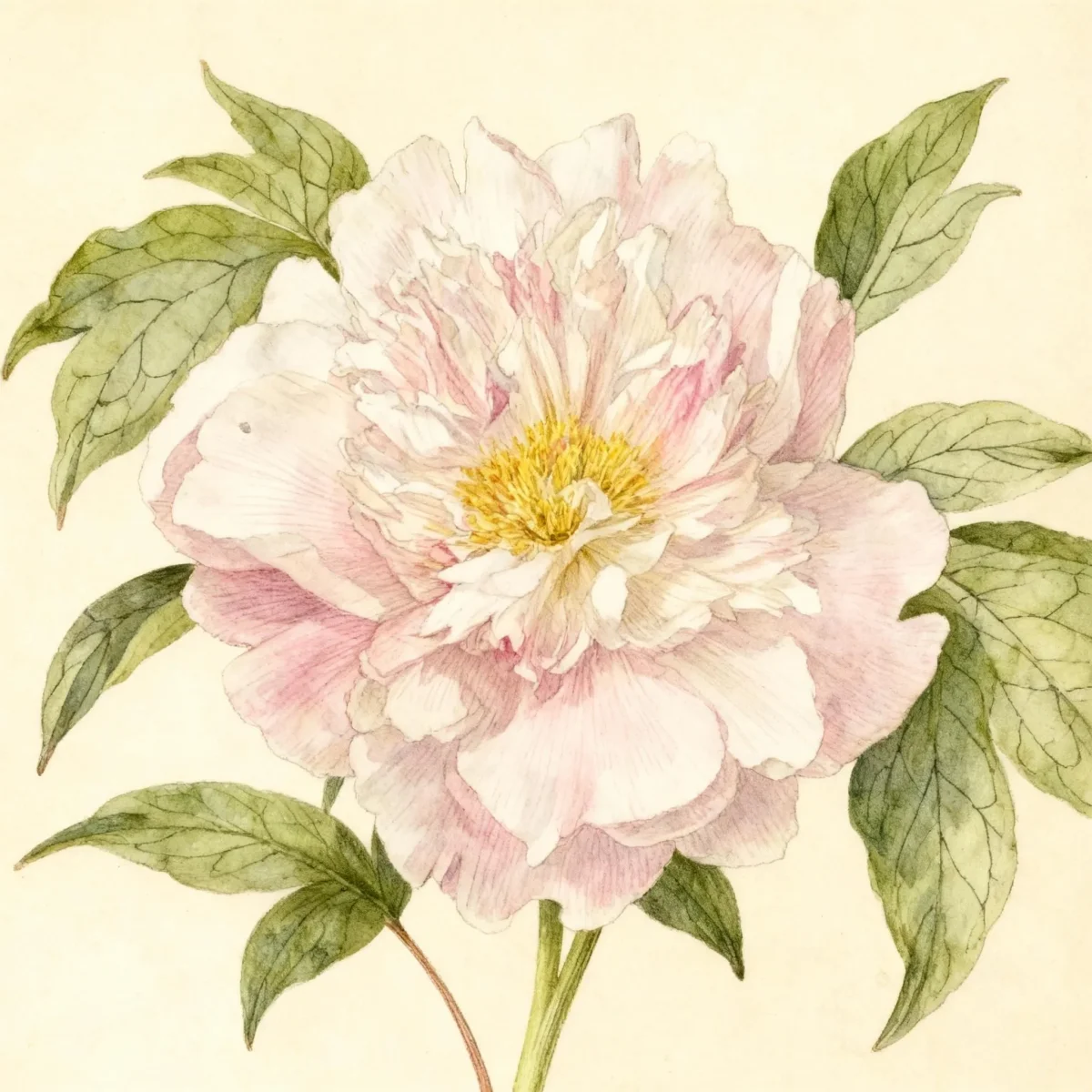
The Paeonia lactiflora ‘Do Tell’ is highly valued in perennial borders for its shrub-like structure and stunning mid-to-late season blossoms. This herbaceous perennial Peony produces large flowers featuring light shell pink outer petals contrasting beautifully with darker rose-pink to red center staminodes. Gardeners appreciate this variety not only for its visual appeal but also for its low long-term maintenance needs, as well-established plants do not require frequent division.
Paeonia lactiflora ‘Do Tell’ adds reliable structure, growing between 2.5 and 3 feet tall and wide, maintaining attractive green foliage throughout summer and into early fall. As a classic garden staple, this Peony offers a fragrance that enhances the spring landscape while providing excellent material for cutting.
Proper siting ensures the best performance, favoring locations that receive plenty of morning sun but benefit from some afternoon shade protection in hotter climates. Ensuring the plant experiences a cold winter dormant season is critical for the health and continued blooming of Paeonia lactiflora ‘Do Tell’.
Fast Facts
- Plant Family: Paeoniaceae
- Plant Type: Herbaceous perennial
- Hardiness Zones: USDA Zones 3-8
- Size at Maturity:
- Height: 2.5-3 ft
- Spread: 2.5-3 ft
- Bloom Time: May
- Bloom Description: Shell pink with rose pink center
- Sun Exposure: Full sun to part shade
- Water Needs: Medium
- Maintenance Level: Medium
How to Grow
Planting success for this Peony relies heavily on correct depth; ensure rootstock buds, or “eyes,” are situated about 2 inches below the soil surface. Paeonia lactiflora ‘Do Tell’ thrives in rich, fertile, medium moisture, well-drained soils. Incorporate compost before planting to amend the soil structure. While they tolerate full sun, they appreciate some protection from intense afternoon heat, especially in the warmer end of their hardiness range (Zones 7 and 8).
Maintain medium moisture levels, particularly during the early growing season when the plant is actively putting on vegetative growth and setting buds. Avoid overwatering once established. Since peonies are incredibly long-lived and resent disturbance, avoid dividing or moving them unless absolutely necessary. Peony bloom time can be extended across several weeks by planting cultivars with varying bloom times.
After the flowering period, remove spent blooms. A crucial step for fall cleanup is cutting the foliage down to the ground after the first frost and removing the debris from the garden. This helps prevent overwintering fungal diseases. In areas with minimal snow cover, apply mulch over the root area to insulate the plant through its required cold dormant season.
Landscape Uses
The Peony is a standard element in traditional perennial borders due to its structure and spectacular spring display. Paeonia lactiflora ‘Do Tell’ works effectively as a striking accent plant, providing height and texture along walkways, driveways, or in front of fences where its vase-shaped form can be appreciated.
Use these robust plants in groups for a more impactful mass planting, or employ them as informal herbaceous hedges mid-border. When placed strategically, the attractive green foliage of the Peony remains an asset throughout the summer, acting as a solid backdrop or frame for later-blooming perennials.
The reliable, yet fleeting, bloom time of Paeonia lactiflora ‘Do Tell’ means it pairs well with spring bulbs that finish before the Peony matures, and later-season perennials that emerge once the Peony foliage solidifies the mid-summer structure.
Standout Features
Flower Qualities
- Showy
- Fragrant
Noteworthy Characteristics
Paeonia lactiflora ‘Do Tell’ is an herbaceous peony featuring a Japanese/anemone bloom form, growing to 30-36 inches tall before flowering in mid to late season. Its large flowers showcase light shell pink outer petals surrounding darker, rose-pink to red center staminodes, and the foliage remains handsome through fall. This historic species is celebrated for its longevity and strong upright habit when properly sited.
Tolerances
- Rabbit
- Deer
Potential Problems
Peonies are generally pest-free; however, vigilance can prevent common issues like Botrytis blight and Phytopthora blight, particularly in overly moist or poorly drained soil. Ants frequently visit the buds, but they are harmless commensals, not pests, and should be left alone.
Failure to bloom is often related to cultural misunderstandings: ensure your Paeonia lactiflora ‘Do Tell’ was not planted too deep or too shallow (eyes 2” down is key) or situated in excessive shade. Young plants or those recently moved may also skip flowering for a year or two.
Because large blooms like those on this Peony can arch toward the ground in rain, staking or providing peony rings during bud set is frequently necessary for the best presentation. Foliage showing powdery mildew late in the season is common and non-damaging; cut it back after the fall frost.
Frequently Asked Questions
What hardiness zones is Peony suitable for?
The Paeonia lactiflora ‘Do Tell’ is hardy across USDA Zones 3 through 8, offering broad adaptability for many northern and central gardeners.
How large does Peony grow?
This herbaceous perennial Peony generally reaches a mature height between 2.5 and 3 feet, with a comparable spread of 2.5 to 3 feet.
When does Peony bloom?
Paeonia lactiflora ‘Do Tell’ typically blooms in May, displaying its signature shell pink petals surrounding a rose pink center.
What sun exposure does Peony need?
This variety performs best when placed in full sun to part shade conditions, though partial afternoon shade is beneficial in very hot summer climates.
Conclusion
The Paeonia lactiflora ‘Do Tell’ delivers reliable, long-lived beauty with its eye-catching, fragrant blooms, making it an indispensable anchor in any perennial landscape design. This specific Peony cultivar offers a beautiful flower structure that holds up well in the border throughout the season. Check your local USDA zone compatibility and ensure you plant the crown buds correctly this fall to guarantee spectacular floral rewards next May.
Companion Planting
When selecting companions for Paeonia lactiflora ‘Do Tell’, focus on plants that enjoy similar culture—rich soil, medium water—but bloom either before or after the main Peony show. Early spring bulbs like Narcissus or low-growing Ajuga can fill the soil space around the crown while the Peony is dormant or just emerging.
For summer interest once the Peony bloom fades but while its foliage remains attractive, consider pairing it with later-blooming perennials such as tall ornamental grasses, hardy Geraniums, or Nepeta (Catmint). These companions share the need for good circulation and sun exposure but offer contrasting textures.
Avoid planting finely textured, aggressive groundcovers too close to the Peony base, as they can lead to crown rot or compete too heavily for the medium moisture required early in the growing season.
Seasonal Care Calendar
Early Spring (Pre-emergence): Gently clear away any winter mulch once the danger of hard frost has passed. Apply balanced fertilizer lightly around the drip line if soil fertility is questionable, avoiding direct contact with the crown.
Late Spring (Bloom Time): Stake or place support rings around the Paeonia lactiflora ‘Do Tell’ when stems reach about 8 inches tall to ensure flowers are supported when they open in May. Deadhead spent flowers promptly after blooming finishes to direct energy back to the roots.
Summer & Fall: Allow the foliage to mature and photosynthesize fully; do not cut it down until after the leaves have been blackened by frost. Inspect for potential spider mite or mildew issues, treating only if necessary, as this Peony cultivar is generally robust.
Late Fall/Early Winter: Cut all remaining above-ground stems to 2-3 inches above the soil line after frost has killed the leaves. Apply a fresh layer of loose mulch over the root zone if you garden in a climate prone to temperature swings or winter dry spells.