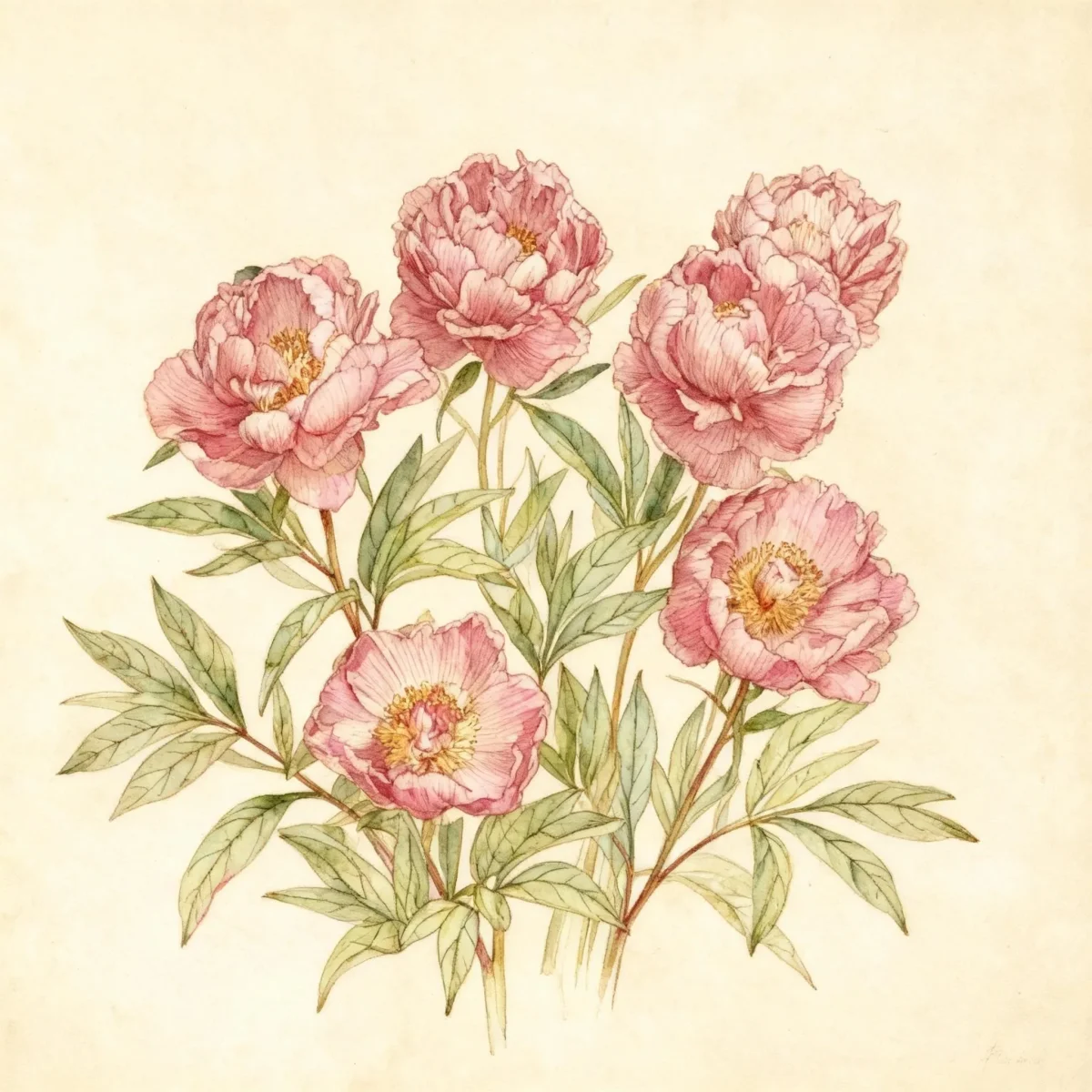
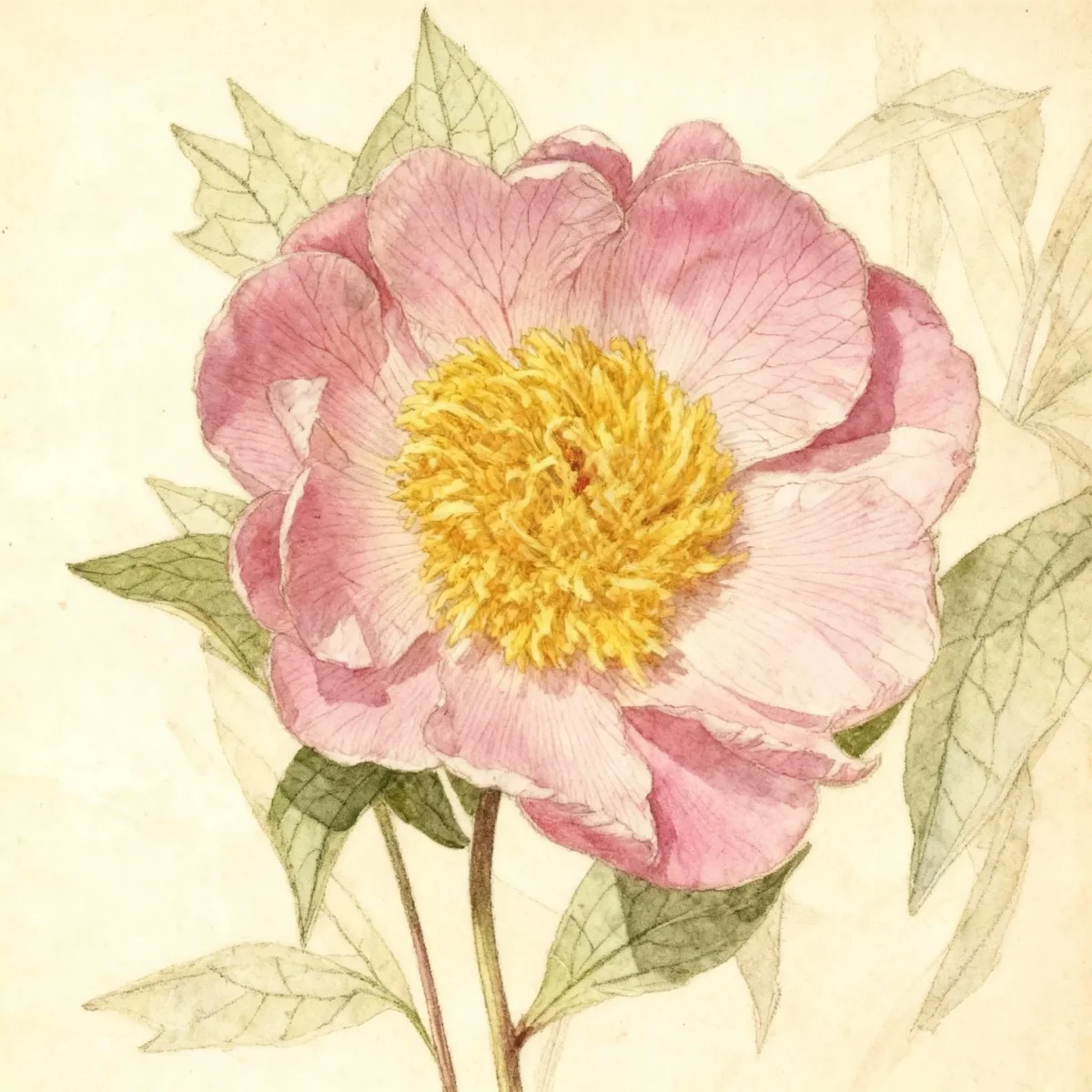
Peony (Paeonia lactiflora 'Sarah Bernhardt')
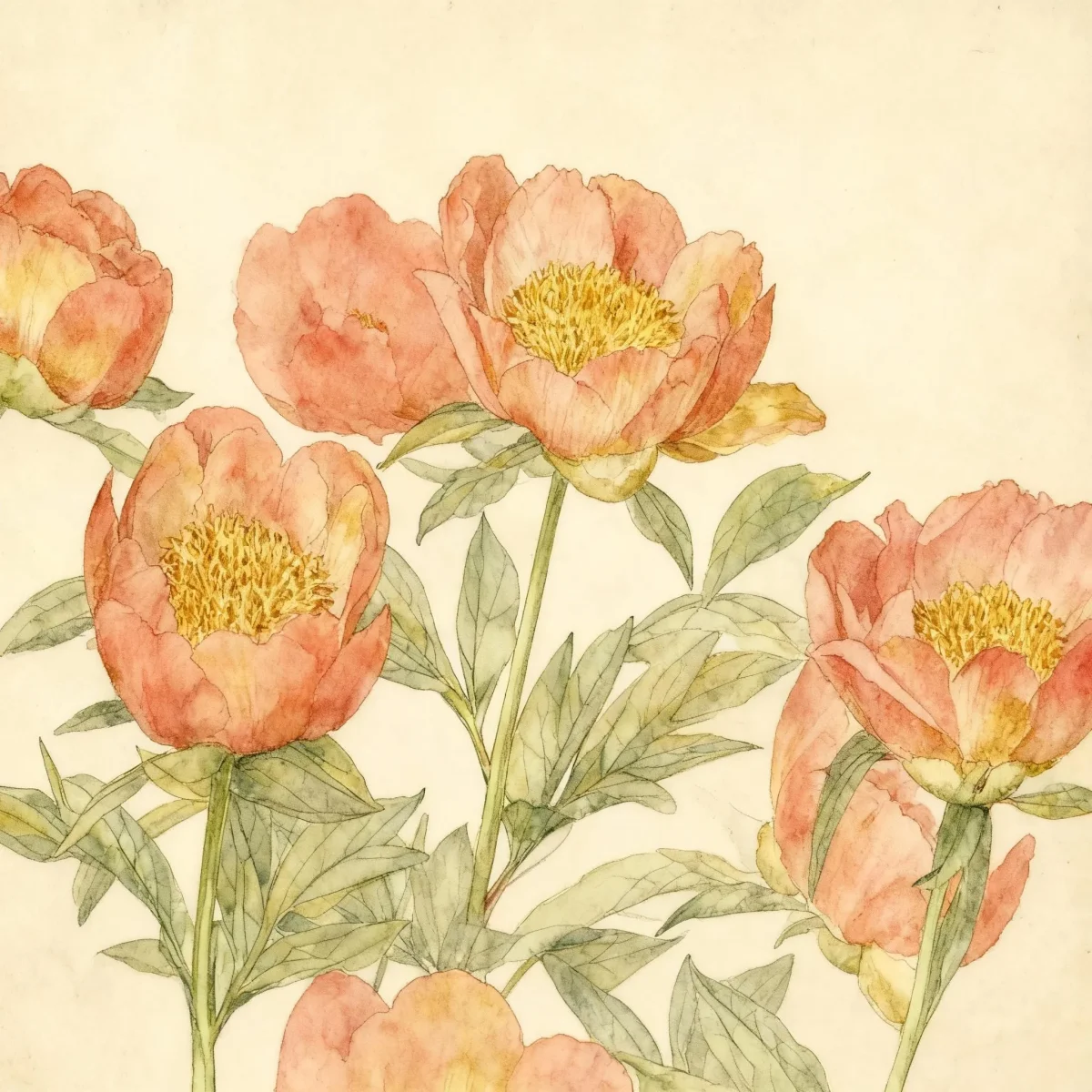
The Paeonia lactiflora 'Sarah Bernhardt' Peony offers very large, fragrant, rose-pink double flowers in late spring. This herbaceous perennial thrives in Zones 3-8.
Scroll down to discover growing tips, care requirements, companion plants, and more
Complete Plant Information
Overview
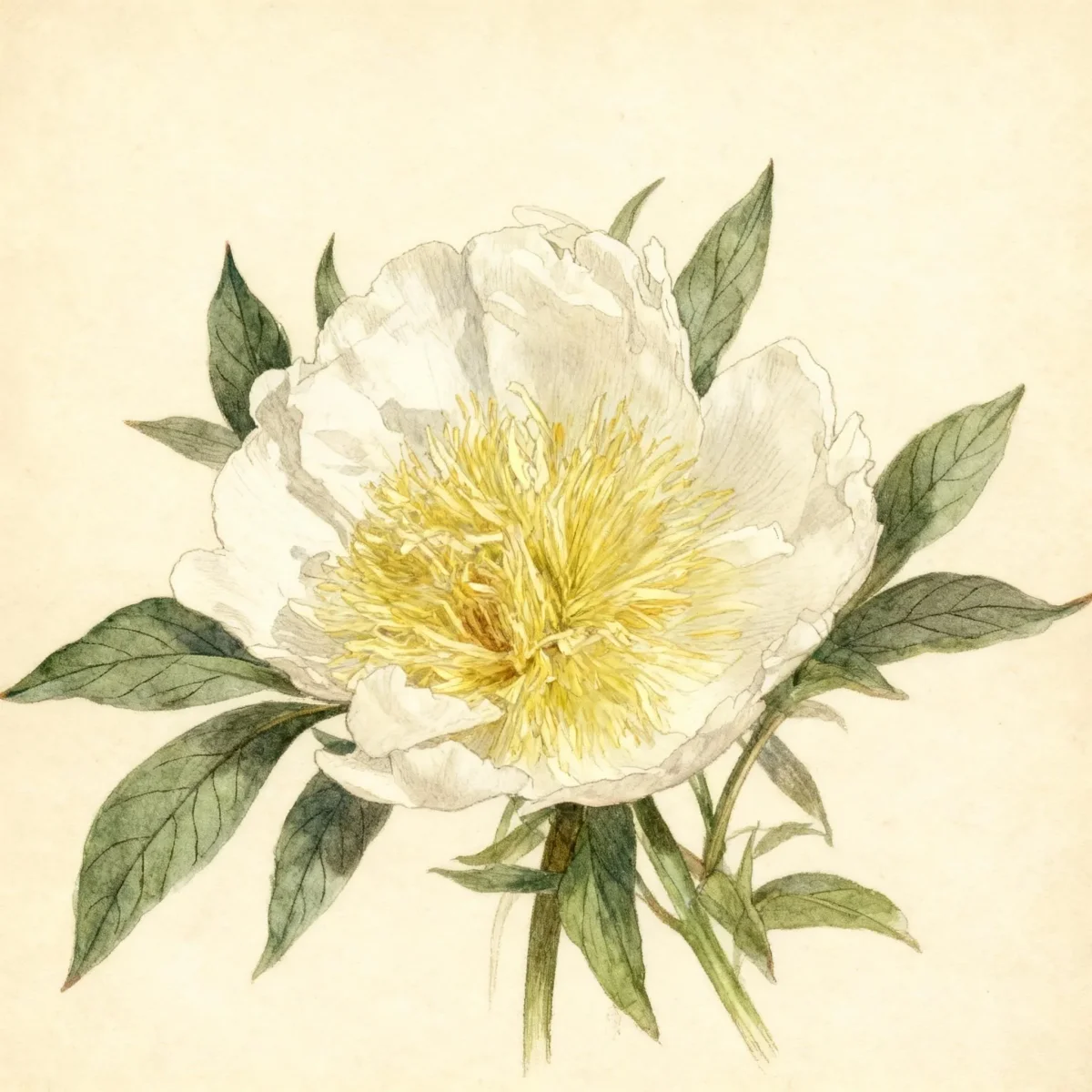
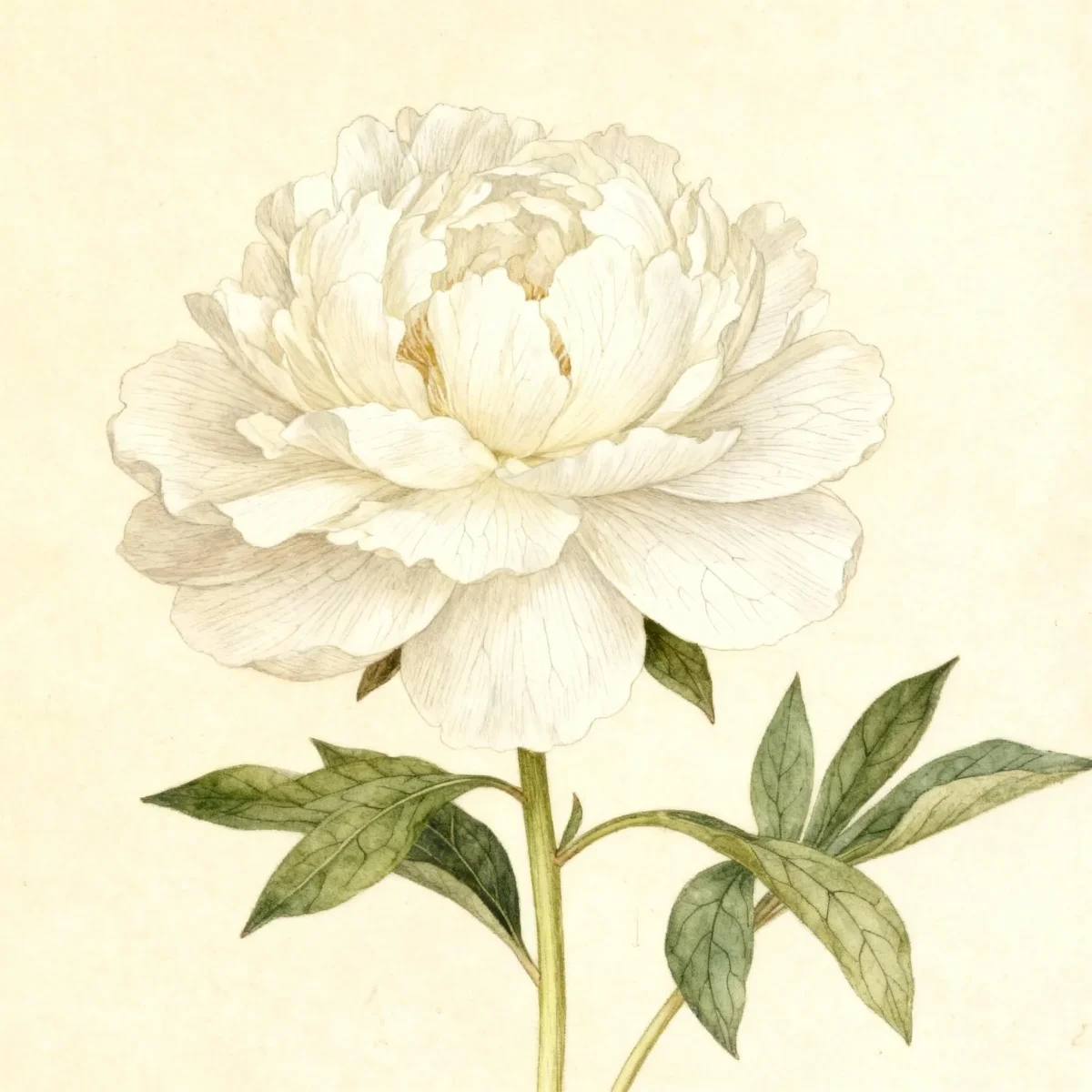
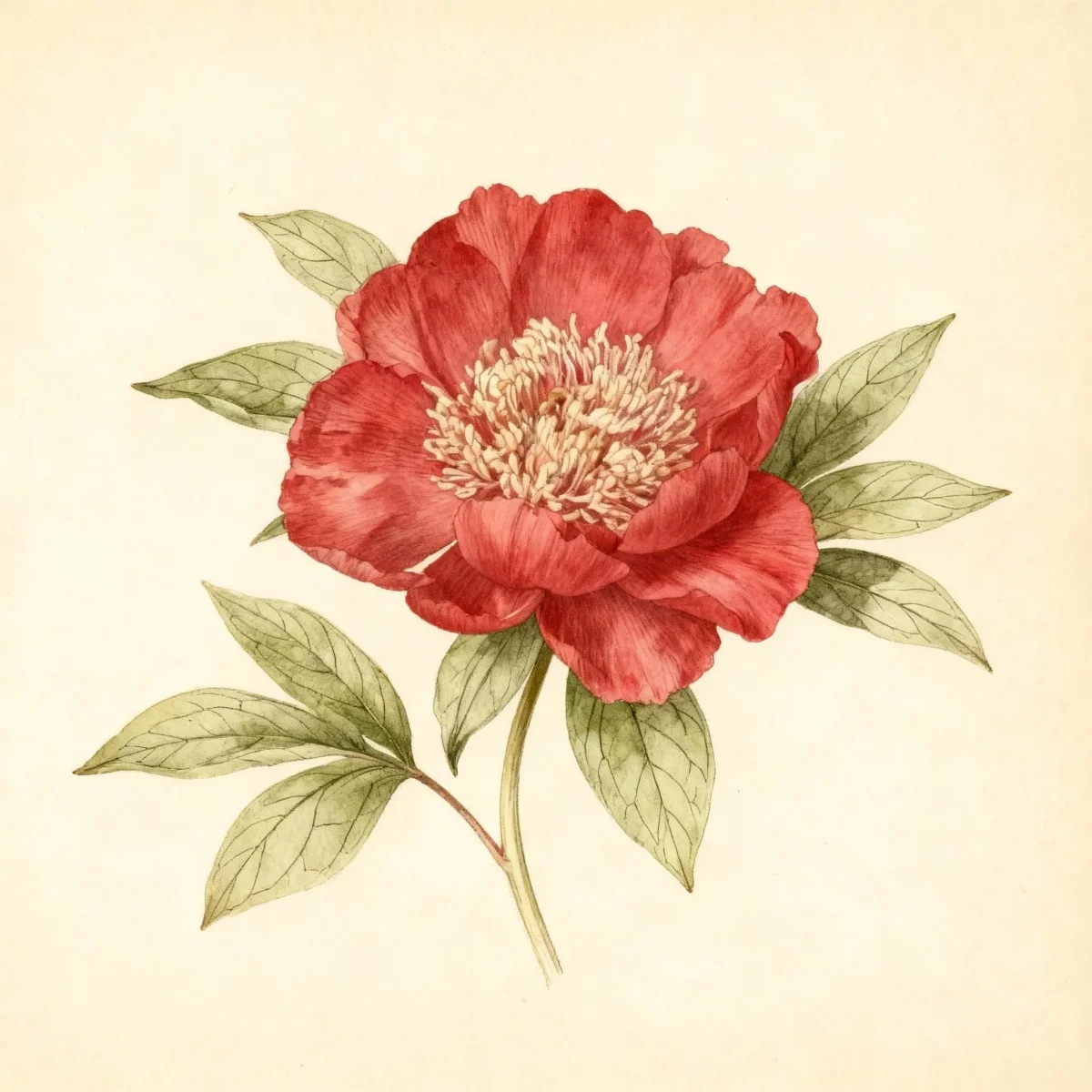
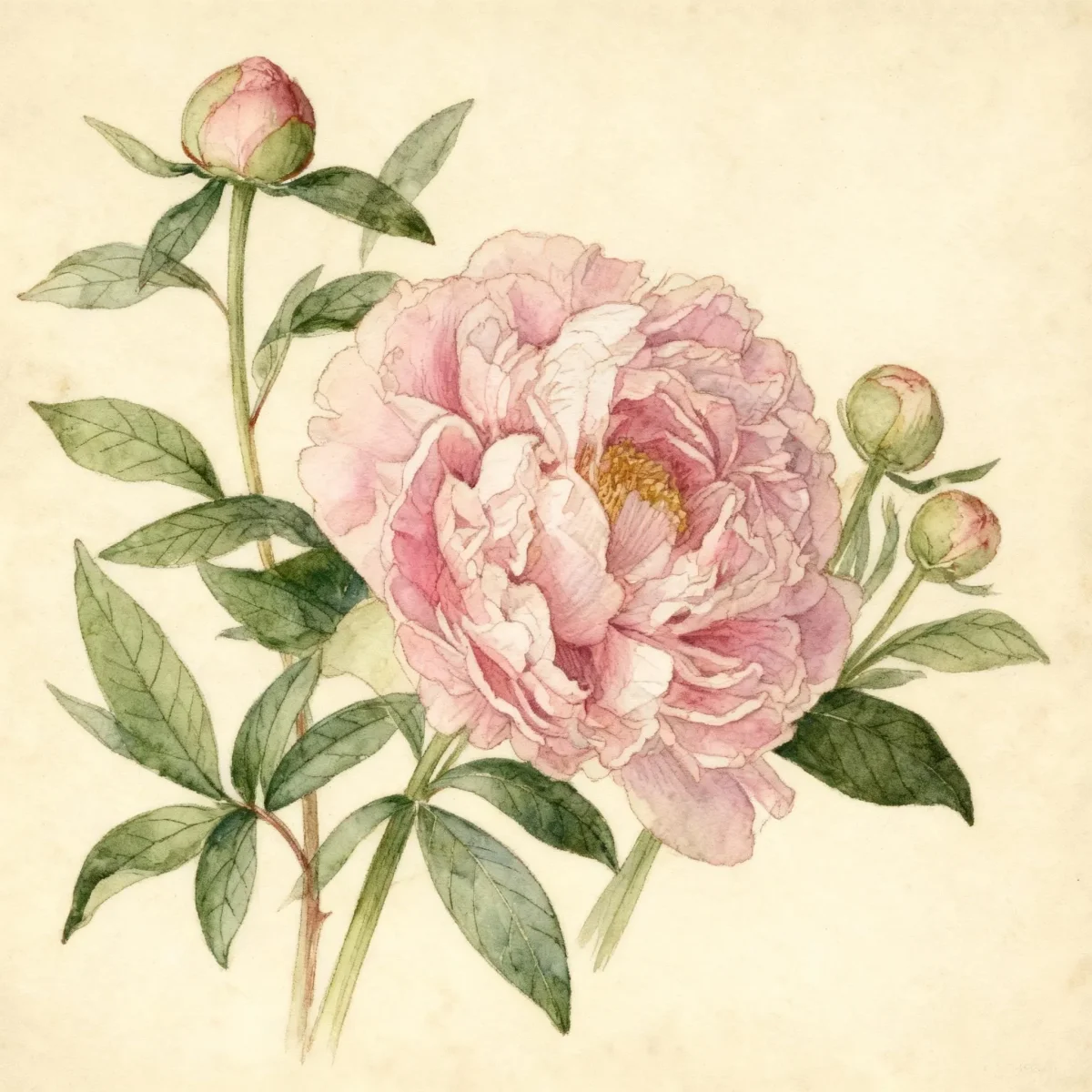
Paeonia lactiflora ‘Sarah Bernhardt’ is prized globally for its spectacular late-season blooms, featuring very large, highly fragrant, rose-pink double flowers. This classic herbaceous perennial transforms the late spring garden with its showy display, backed by attractive, glossy green foliage that remains appealing throughout the summer. As a long-lived standard, this East Asian native provides structure and reliable seasonal color.
Though stems die back to the ground after the first frost, the plant returns reliably, provided it experiences a cold winter dormant season. Gardeners value the Peony not just for its intense floral performance, but also for its low maintenance once established, often requiring very little attention for decades.
The striking presentation of Paeonia lactiflora ‘Sarah Bernhardt’ makes it exceptional for formal borders or as a stately specimen plant. It offers reliable structure and unparalleled fragrance, making it a must-have for any dedicated flowering perennial collection.
Fast Facts
- Plant Family: Paeoniaceae
- Plant Type: Herbaceous perennial
- Hardiness Zones: USDA Zones 3-8
- Size at Maturity:
- Height: 2.5-3 ft
- Spread: 2.5-3 ft
- Bloom Time: May
- Bloom Description: Pink (double)
- Sun Exposure: Full sun to part shade
- Water Needs: Medium
- Maintenance Level: Medium
How to Grow
Achieving success with Paeonia lactiflora ‘Sarah Bernhardt’ begins with proper planting in the fall. Select a location offering rich, fertile, medium-moisture, well-drained soil, situated in full sun, or featuring some protection from the harshest afternoon sun in hot climates. Incorporate ample compost before planting your new Peony. Critically, the rootstock buds, or ‘eyes,’ must be set shallowly, never deeper than two inches below the soil surface, as planting too deep is a common cause of inhibited blooming.
During the active growing season, the plant needs abundant moisture to support its robust growth and flower production. While established plants are relatively resilient, consistent medium watering is necessary, especially early in the season. Pruning is minimal; merely remove spent flowers after the bloom period concludes.
Maintenance involves preparing the plant for its essential winter dormancy. After the first hard frost signals the end of the season, cut the entire foliage mass down to the ground and dispose of the debris away from the garden area. This practice helps prevent disease carryover. In regions with little snow cover, a layer of mulch over the root zone offers extra winter protection.
Landscape Uses
Peonies are foundational elements in classic perennial borders, lending instant formality and substance. Paeonia lactiflora ‘Sarah Bernhardt’ works beautifully as an accent plant, drawing the eye with its massive, fragrant blooms in late spring. Due to their upright, shrub-like nature, they also function as effective, low, herbaceous hedges bordering walkways, driveways, or along fences where their long-lived structure is appreciated year after year.
The beauty of the Peony lies in its ability to frame other plants. Once the bloom fades, the glossy, deep green foliage remains attractive, serving as a backdrop for summer-blooming perennials that provide successive color. Consider pairing this late-blooming cultivar with mid-summer iris or lilies to ensure the border maintains interest long after the Paeonia has finished its magnificent show.
Standout Features
Flower Qualities
- Showy
- Fragrant
- Good Cut
Noteworthy Characteristics
Paeonia lactiflora, known commonly as the Chinese peony, is an erect, clump-forming perennial that features very large, very fragrant, rose-pink double flowers on the ‘Sarah Bernhardt’ cultivar. Introduced to North America in the 1800s, this species native to Central Asia has been cultivated for centuries. The plant displays attractive, divided, glossy green foliage throughout the summer before the stems die back completely after the first fall frost.
Tolerances
- Rabbit
- Deer
Potential Problems
Peonies are generally robust and are typically avoided by browsing wildlife, but cultural issues or specific diseases can arise. The most common non-harmful visitor is ants crawling on the sticky buds; they should be left alone as they do not harm the plant. If your Paeonia lactiflora ‘Sarah Bernhardt’ fails to flower, check that it was not planted too deep, that it receives adequate sunlight, or confirm the plant is mature enough after recent disturbance or division.
Fungal issues like Botrytis or Phytopthora blight can occasionally affect plants, especially in overly wet conditions. Ensure excellent soil drainage is paramount for prevention. Furthermore, the large, heavy double blooms of this cultivar often require physical support, such as staking or using peony rings, as they can easily arch toward or collapse onto the ground following heavy rain.
Powdery mildew frequently appears on the leaves later in the fall; while unsightly, this mildew is not harmful to the perennial. If you find the autumn foliage undesirable, you may cut it back after frost, but foliage removal should only occur once the plant has entered dormancy.
Frequently Asked Questions
What hardiness zones is Peony suitable for?
This herbaceous perennial, Paeonia lactiflora ‘Sarah Bernhardt’, performs best in USDA Zones 3 through 8, though peak performance is often seen in Zones 5-7.
How large does Peony grow?
This cultivar typically reaches a height and spread between 2.5 to 3 feet, providing substantial late-spring presence in the garden.
When does Peony bloom?
Paeonia lactiflora ‘Sarah Bernhardt’ is a relatively late-blooming Peony, typically displaying its vibrant pink (double) flowers in May, often extending into early June depending on local climate variations.
What sun exposure does Peony need?
For the best flowering, this Peony requires full sun, though it can tolerate part shade, particularly appreciating protection from intense late afternoon sun in hotter regions.
Conclusion
Paeonia lactiflora ‘Sarah Bernhardt’ remains an indispensable garden classic due to its tremendous floral impact, strong fragrance, and exceptional longevity. As a standard bearer among Peonies, it guarantees a spectacular, showy display that few other perennials can match come late spring. Plan your planting carefully—especially concerning bud depth—and check your local hardiness zone compatibility to enjoy decades of magnificent blooms from this stunning cultivar.
Companion Planting
When planning the surrounding landscape for your Paeonia lactiflora ‘Sarah Bernhardt’, select companions whose active growth period follows the Peony’s bloom time. This prevents taller, summer-blooming species from completely obscuring the peony foliage prematurely. Good choices include Hostas, which thrive in the partial shade that benefits peonies in hot summers, or late-season perennials like Russian Sage or ornamental grasses which emerge as the peony foliage needs refreshing.
Ensure any companion plants share the need for rich, well-drained soil and medium moisture levels, particularly during spring growth. Avoid planting aggressive spreaders too close, as the mature Peony roots should remain undisturbed for maximum performance; this is crucial for long-term health.
Seasonal Care Calendar
Spring preparation involves observing the emergence of the stems, which signals the time to remove any winter mulch applied for protection. If staking or support rings were not installed before growth began, place them now while the stems are still short to avoid damaging the developing buds later. Water deeply throughout this active growth period.
Summer care focuses primarily on consistent watering, especially during dry spells. Deadheading—removing spent flowers immediately after bloom—is the main task, which keeps the plant looking tidy. Do not cut the foliage down at this time; allow the leaves to photosynthesize until frost kills them naturally.
Fall cleanup is decisive for Peony health. Once the foliage has been killed by the first hard frost, carefully cut all stems back to the ground level and remove them from the garden area to mitigate potential disease carryover into the next season. Avoid heavy fall fertilization; focus instead on ensuring the root zone is mulched lightly if winter snow is unreliable.