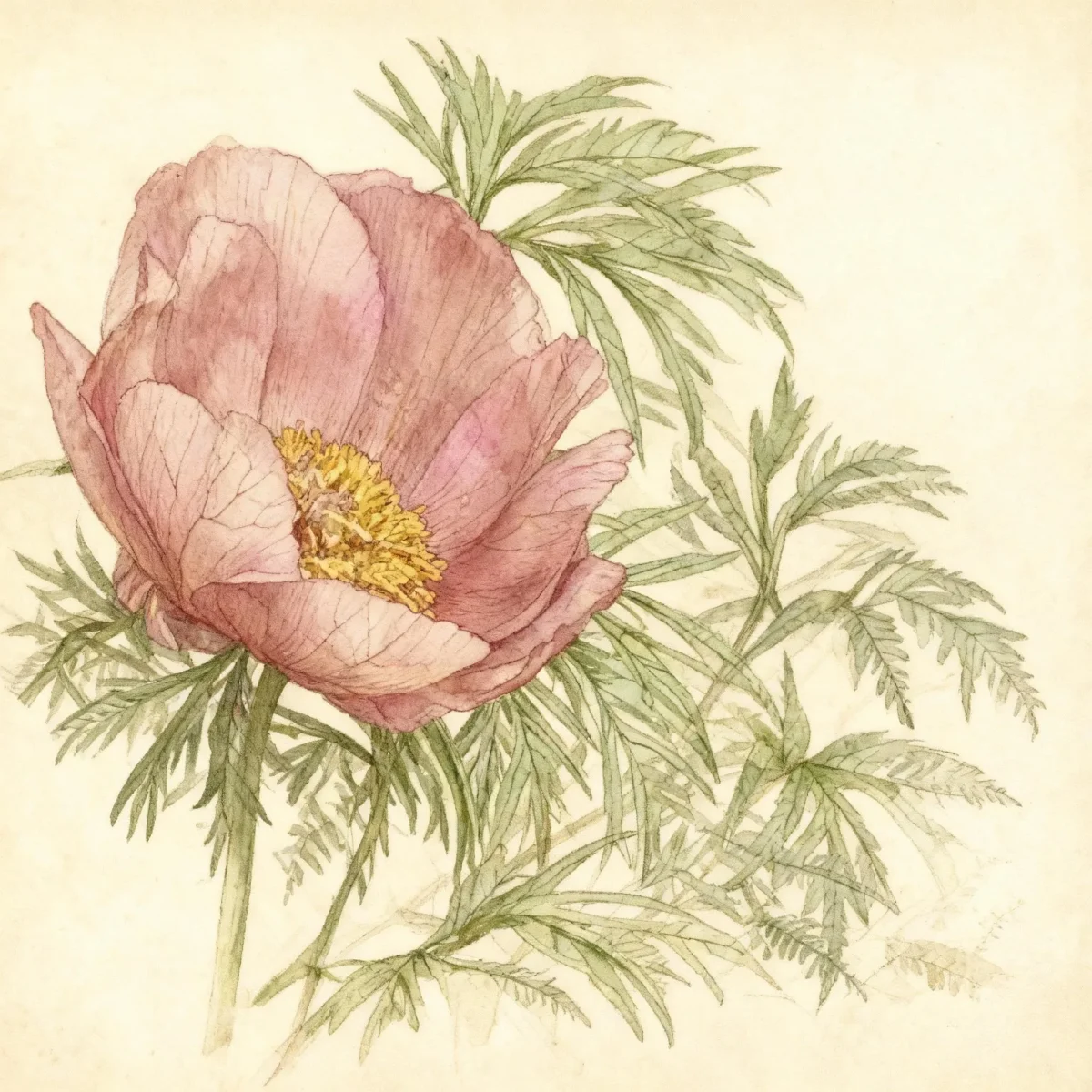
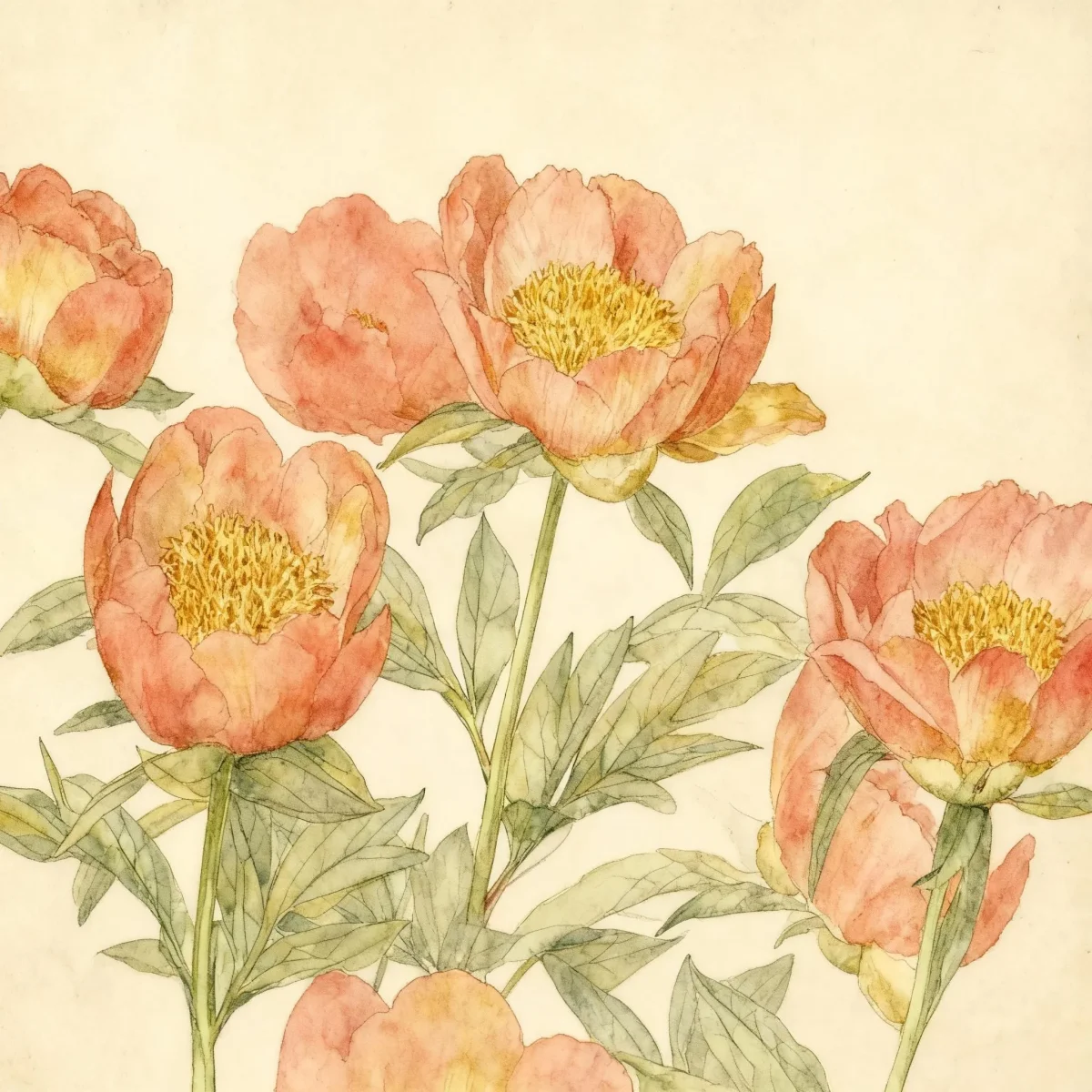
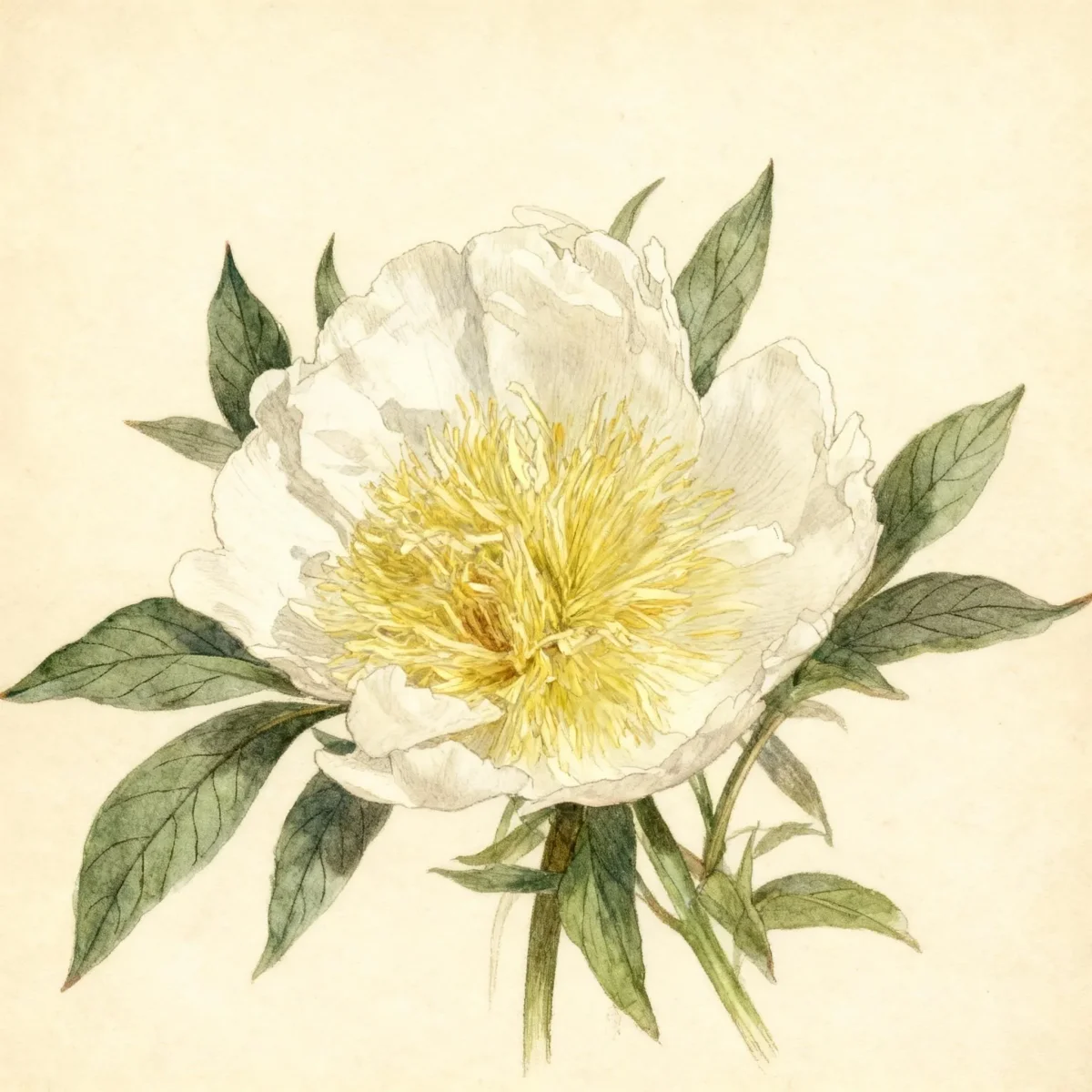
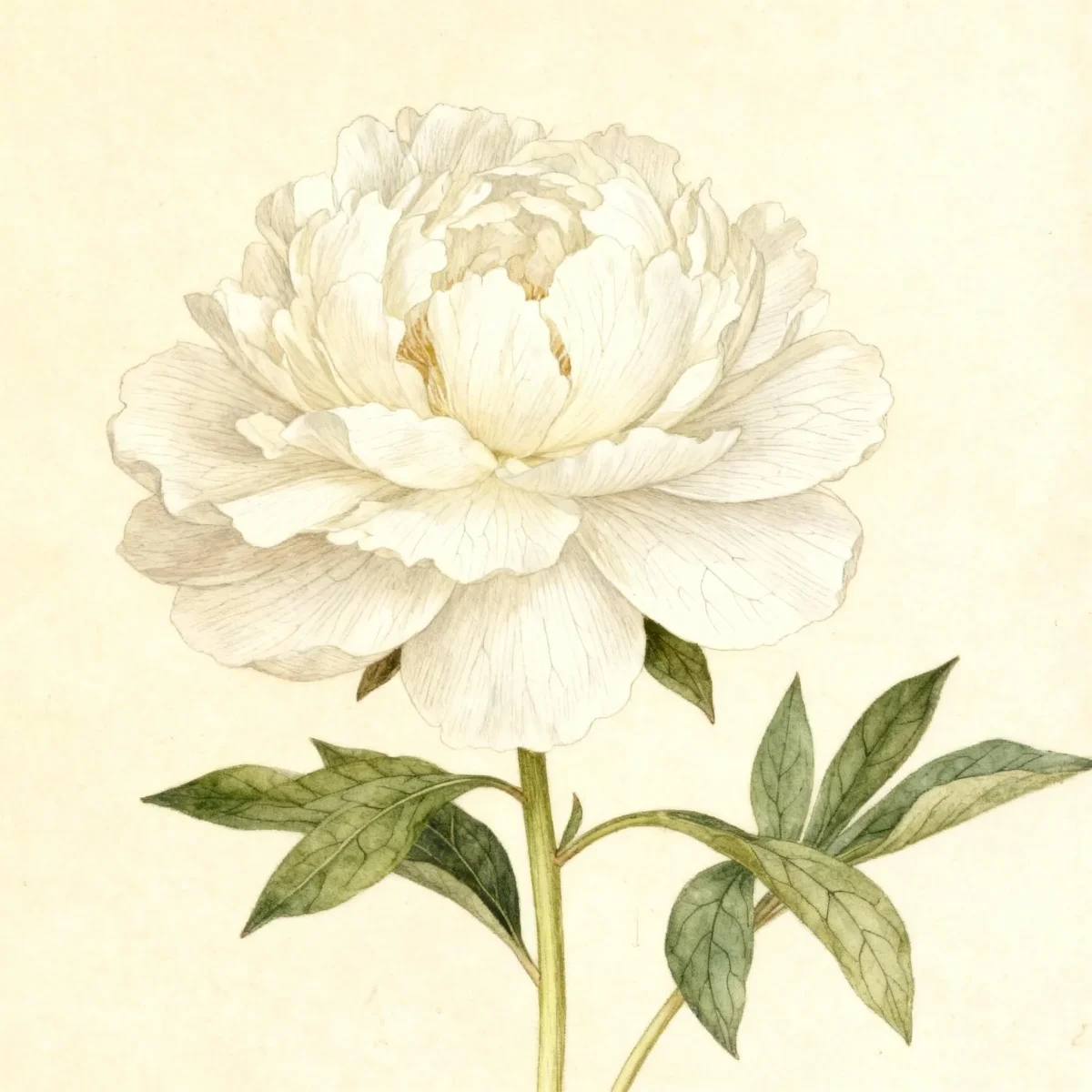
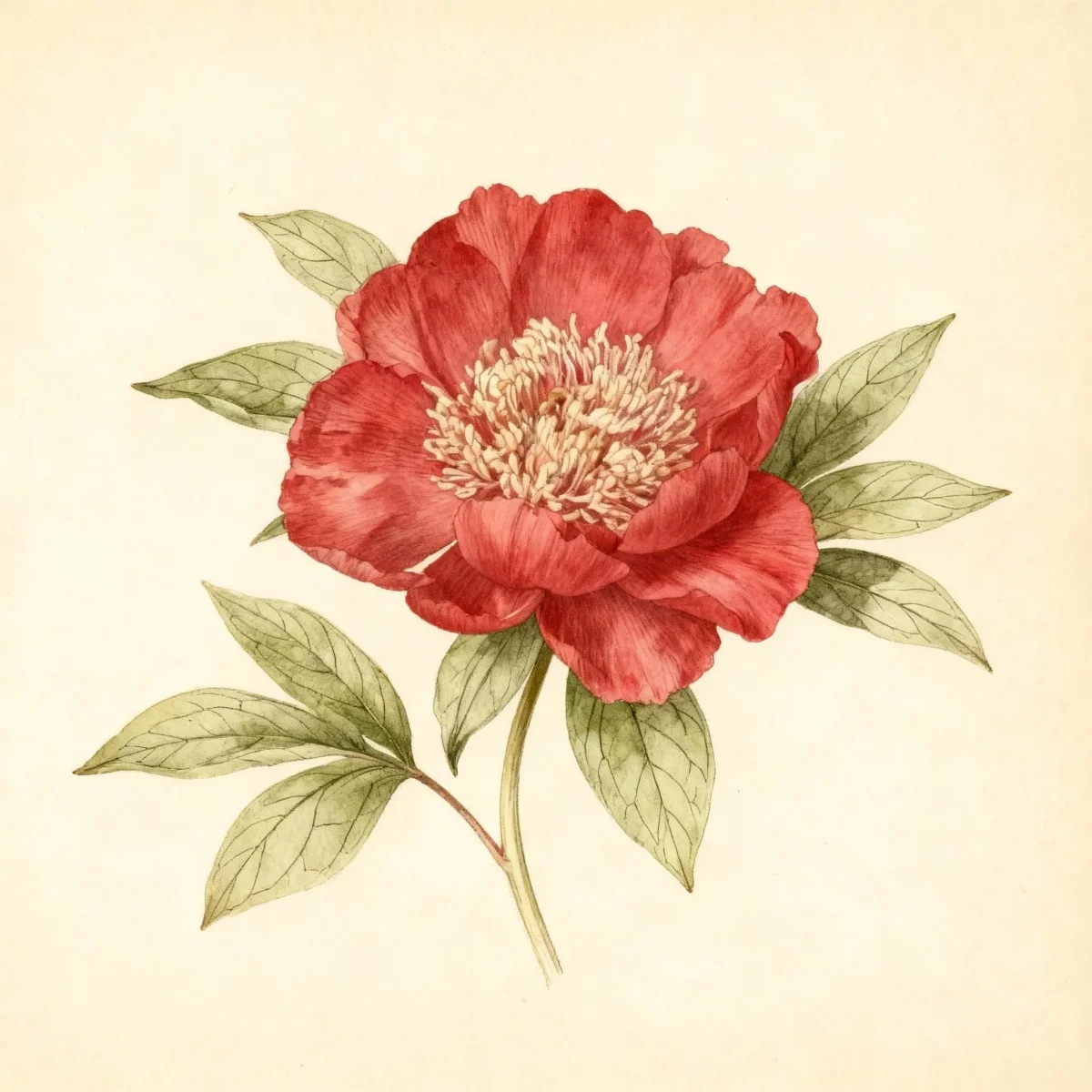
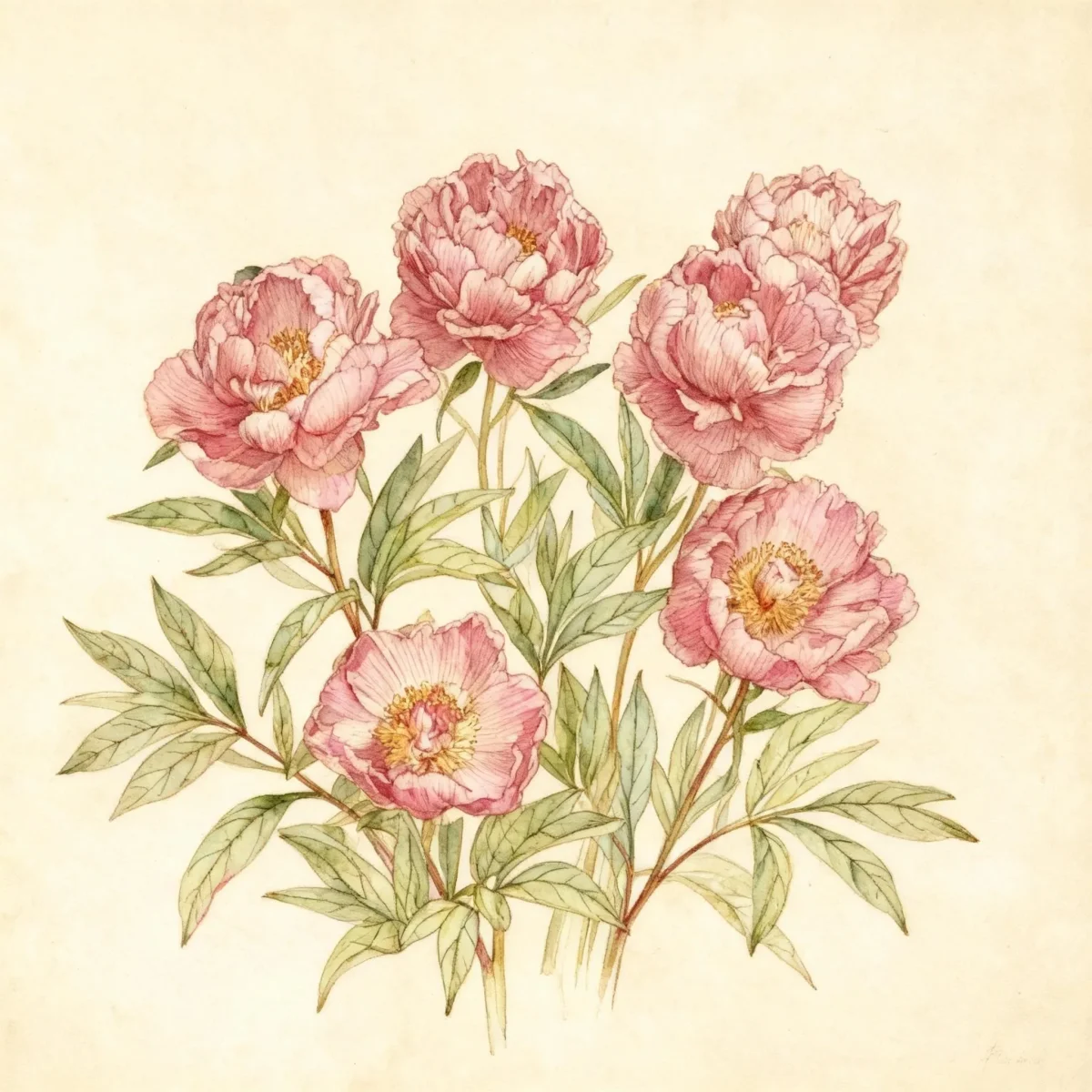
Fernleaf peony (Paeonia lactiflora 'Raspberry Sundae')
Paeonia lactiflora 'Raspberry Sundae' is a memorable Fernleaf peony offering pink/white blooms with raspberry crests. Hardy zones 3-8.
Scroll down to discover growing tips, care requirements, companion plants, and more
Complete Plant Information
Overview
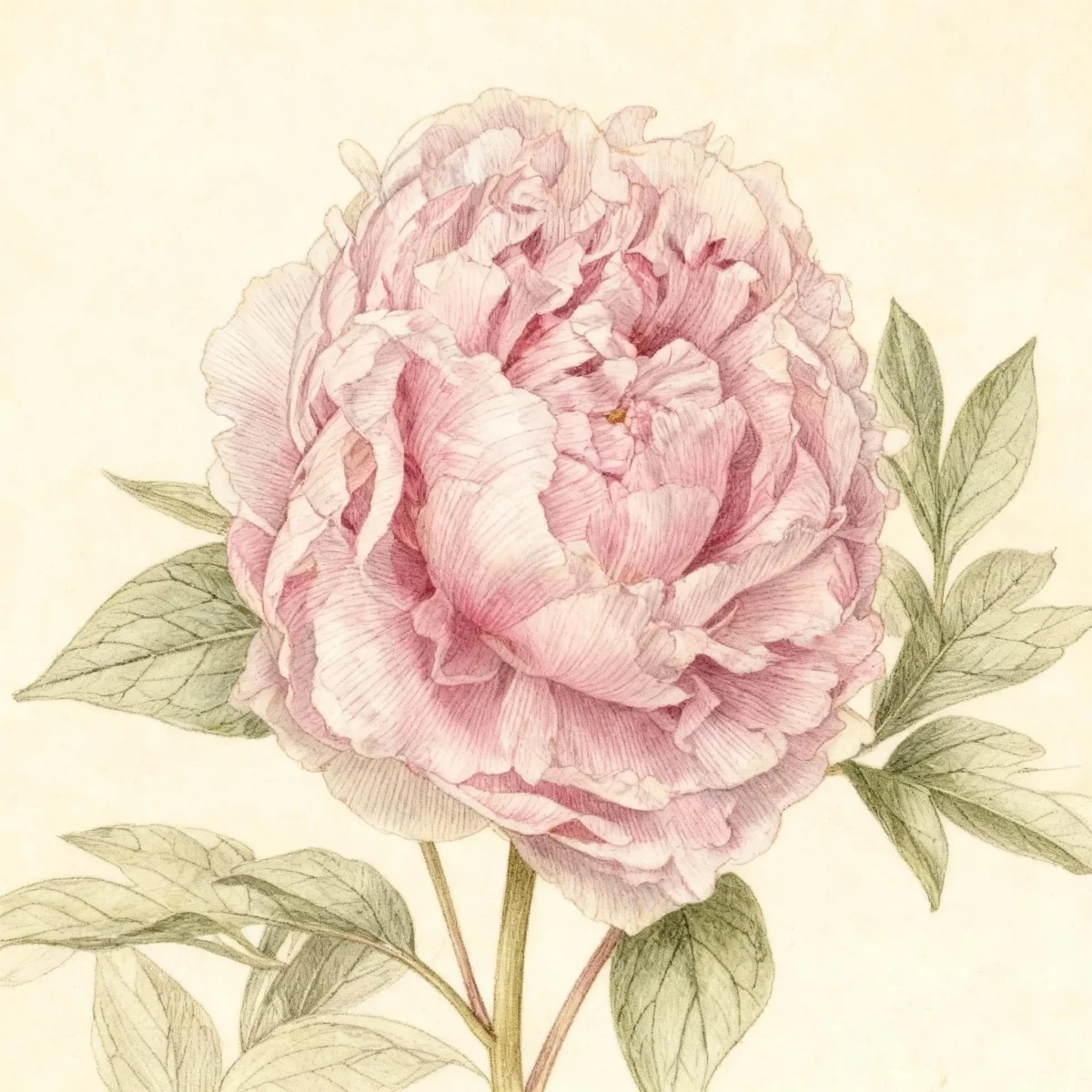
The Paeonia lactiflora ‘Raspberry Sundae’, commonly known as the Fernleaf peony, is a celebrated addition to any established garden, known for its striking late-season color. This herbaceous perennial provides large, double flowers displaying a unique coloration of pink and creamy white, accented dramatically by raspberry-colored crests at the center. As a long-lived plant, this cultivar offers reliability and structure, maintaining attractive, glossy green foliage throughout the summer months after its spectacular May bloom period.
Cultivating Paeonia lactiflora ‘Raspberry Sundae’ requires attention to planting depth, but once established, it proves relatively low maintenance, rewarding gardeners with decades of dependable performance. Beyond its aesthetic appeal as an excellent cut flower, this variety offers structural permanence in the perennial border. Furthermore, it shows resistance to common browsing animals, making it a practical choice for areas where deer and rabbits might otherwise sample tender growth.
This cultivar is prized for its robust nature and its fantastic late bloom time, helping to extend the peony season. When planning your garden, remember the Fernleaf peony thrives best when given full sun to partial afternoon shade, ensuring strong stems and vibrant coloration for this memorable cultivar.
Fast Facts
- Plant Family: Paeoniaceae
- Plant Type: Herbaceous perennial
- Hardiness Zones: USDA Zones 3-8
- Size at Maturity:
- Height: 2.5-3 ft
- Spread: 2.5-3 ft
- Bloom Time: May
- Bloom Description: Pink and white with raspberry crests in the center
- Sun Exposure: Full sun to part shade
- Water Needs: Medium
- Maintenance Level: Medium
How to Grow
For optimal performance, plant your Paeonia lactiflora ‘Raspberry Sundae’ in rich, fertile, medium-moisture, well-drained soil. Planting is best done in the fall, ensuring that the rootstock buds, or “eyes,” are positioned no more than 2 inches below the soil surface; planting too deep is a common reason peonies fail to bloom. These plants thrive when situated in full sun, though they readily accept partial afternoon shade, which can be beneficial in scorching summer climates.
Provide consistent, abundant moisture, especially during the early part of the growing season as the plant is building energy for its next flush of blooms. While peonies are long-lived and rarely require division, incorporating compost before planting enriches the soil foundation. Since Paeonia lactiflora is a relatively late-blooming species, gardeners in suitable zones (often 5-7) will see about 7-10 days of spectacular flower display in May or early June.
After the flowers fade, remove the spent blooms. Critically, wait until after the first hard frost in autumn before cutting the foliage back to the ground and removing it from the garden area. This allows the plant to store sufficient energy in its tuberous roots for both survival and next year’s performance. In regions with minimal snow cover, applying mulch over the root area in winter offers extra protection.
Landscape Uses
Peonies are foundational elements in traditional perennial borders due to their commanding presence and extended foliage appeal. Paeonia lactiflora ‘Raspberry Sundae’ serves beautifully as a specimen accent or integrated within groups to create masses of late-season color. Their shrub-like structure makes them effective as low herbaceous hedges along walkways, driveways, or defining the edge of a planting bed near a fence or wall.
When designing, consider using shorter, complimentary bloomers that emerge earlier or later to ensure continuous interest throughout the season, as the bloom window for this specific peony is generally about one week in May. The bold, structural foliage of the Fernleaf peony provides an excellent backdrop that frames finer-textured perennials, such as ornamental grasses or lower-growing salvias, throughout the summer. These long-lived plants demand a spot where they will not be disturbed for many years.
Standout Features
Flower Qualities
- Showy
- Fragrant
- Good Cut
Noteworthy Characteristics
The genus Paeonia has deep historical roots, with Paeonia lactiflora (Chinese peony) having been cultivated in China since the 7th century. This cultivar, Paeonia lactiflora ‘Raspberry Sundae’, is a herbaceous peony that grows vigorously to about 3 feet tall, producing large, double flowers prized for their complex pink, white, and raspberry coloration. Its glossy green foliage remains attractive throughout summer and fall until frost prompts the stems to die back to the ground.
Tolerances
- Rabbit
- Deer
Potential Problems
Peonies are notably pest-free, but cultural errors are the primary source of issues, especially inconsistent flowering. If your Fernleaf peony fails to bloom, check planting depth first—too deep or too shallow is penalizing—followed by insufficient light exposure. Larger, semi-double blooms may require staking or gentle support, as heavy rain can lodge the stems toward the soil.
Common insect issues are usually cosmetic; ants crawling on buds are harmless pollinators awaiting nectar release. Powdery mildew sometimes appears on the leaves late in the season after blooming concludes; this is primarily aesthetic and does little harm, allowing you to safely cut the foliage back after the first frost. Watch for soil-borne diseases like Botrytis blight, ensuring excellent drainage is maintained.
Frequently Asked Questions
What hardiness zones is Fernleaf peony suitable for?
The Paeonia lactiflora ‘Raspberry Sundae’ is generally hardy and thrives across USDA Zones 3 through 8, though peak performance often occurs in Zones 5-7.
How large does Paeonia lactiflora ‘Raspberry Sundae’ grow?
This herbaceous perennial typically reaches a mature height between 2.5 and 3 feet tall, with an equal spread of 2.5 to 3 feet wide.
When does Fernleaf peony bloom?
Blooms on the Paeonia lactiflora ‘Raspberry Sundae’ usually appear in May, featuring an attractive display of pink and white flowers accented with raspberry crests in the center.
What sun exposure does Paeonia lactiflora ‘Raspberry Sundae’ need?
This variety prefers full sun but can tolerate light afternoon shade, especially in hotter parts of its hardiness range, thriving in Full sun to part shade conditions.
Conclusion
The Paeonia lactiflora ‘Raspberry Sundae’ stands out as a premier choice for perennial gardens, combining disease resistance with magnificent, dual-toned flowers that provide unparalleled late-spring impact. By ensuring correct planting depth and providing consistent moisture, you guarantee the long life and spectacular performance of this elegant Fernleaf peony. Check your local USDA hardiness zone compatibility and plan for a fall planting to enjoy this beauty for decades to come.
Companion Planting
Selecting appropriate garden companions is key to maintaining the aesthetic appeal of the Paeonia lactiflora ‘Raspberry Sundae’ throughout the growing season. Consider planting lower-growing, sun-loving perennials around the base of the peony to mask the foliage recession that occurs after the late-spring bloom. Excellent partners include hardy Geraniums, which offer continuous, low-spreading groundcover over the roots.
To build a classic cottage garden feel, pair these peonies with traditional companions such as Nepeta (Catmint) or hardy Lavender varieties; these plants share similar needs for full sun and well-drained soil. Because peonies dislike root competition, ensure these companions are planted at a respectful distance, giving the mature peony roots ample space to absorb the necessary medium moisture.
Seasonal Care Calendar
Spring preparation involves ensuring the plant has access to medium water, especially as new growth emerges and flower buds develop. Avoid applying heavy fertilizers too close to the base, as this can encourage weak, floppy stems rather than flower production. In late spring (May/June), the focus shifts to enjoying the stunning blooms of Paeonia lactiflora ‘Raspberry Sundae’ and deadheading spent flowers immediately after bloom concludes.
Summer care is mostly hands-off, centering on consistent medium watering if rainfall is insufficient, particularly during dry spells, to support the substantial foliage mass. As temperatures cool in the fall, refrain from cutting the stems down until after the first hard frost; this allows the foliage to naturally senesce and transport necessary starches back down to the thickened tuberous roots for winter storage.