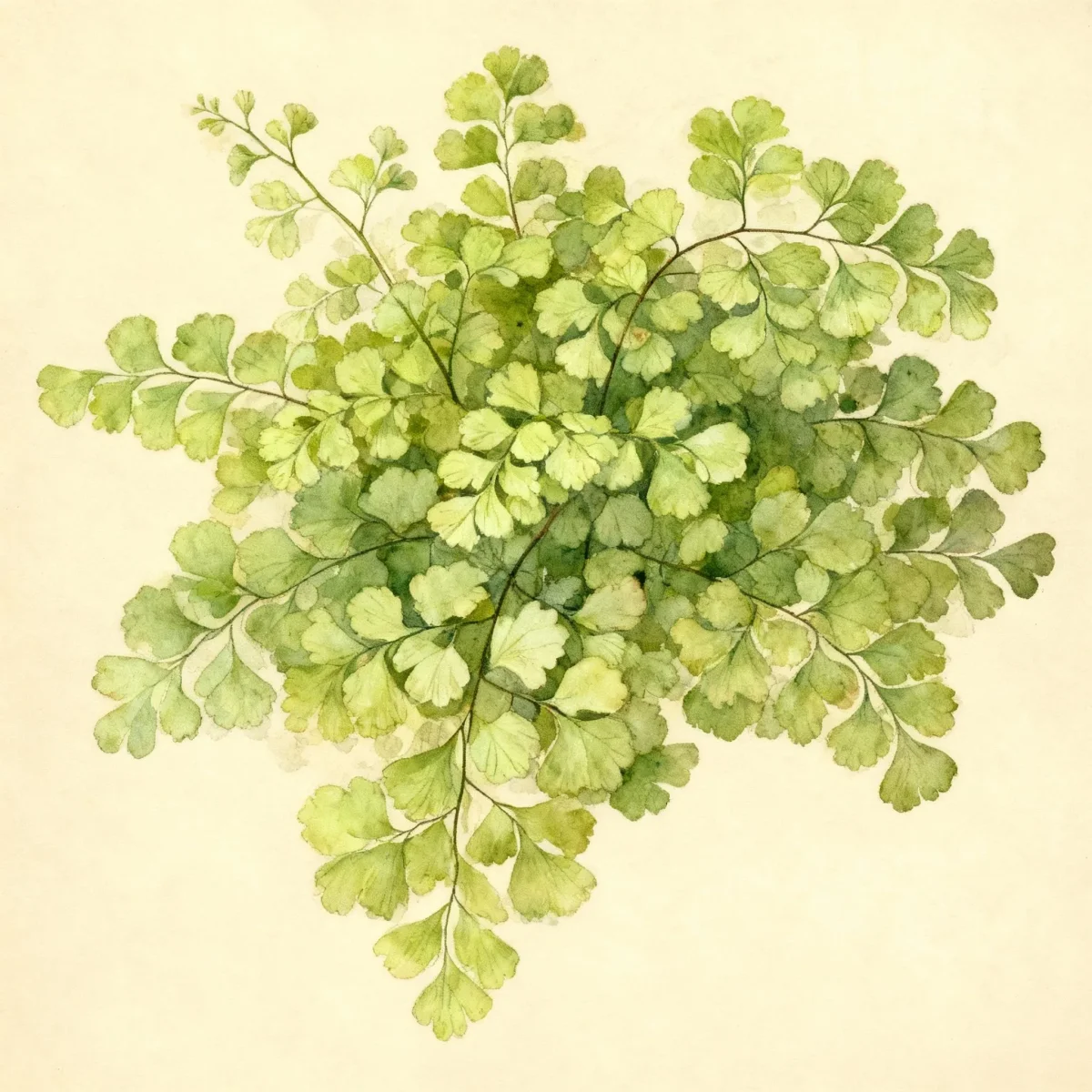
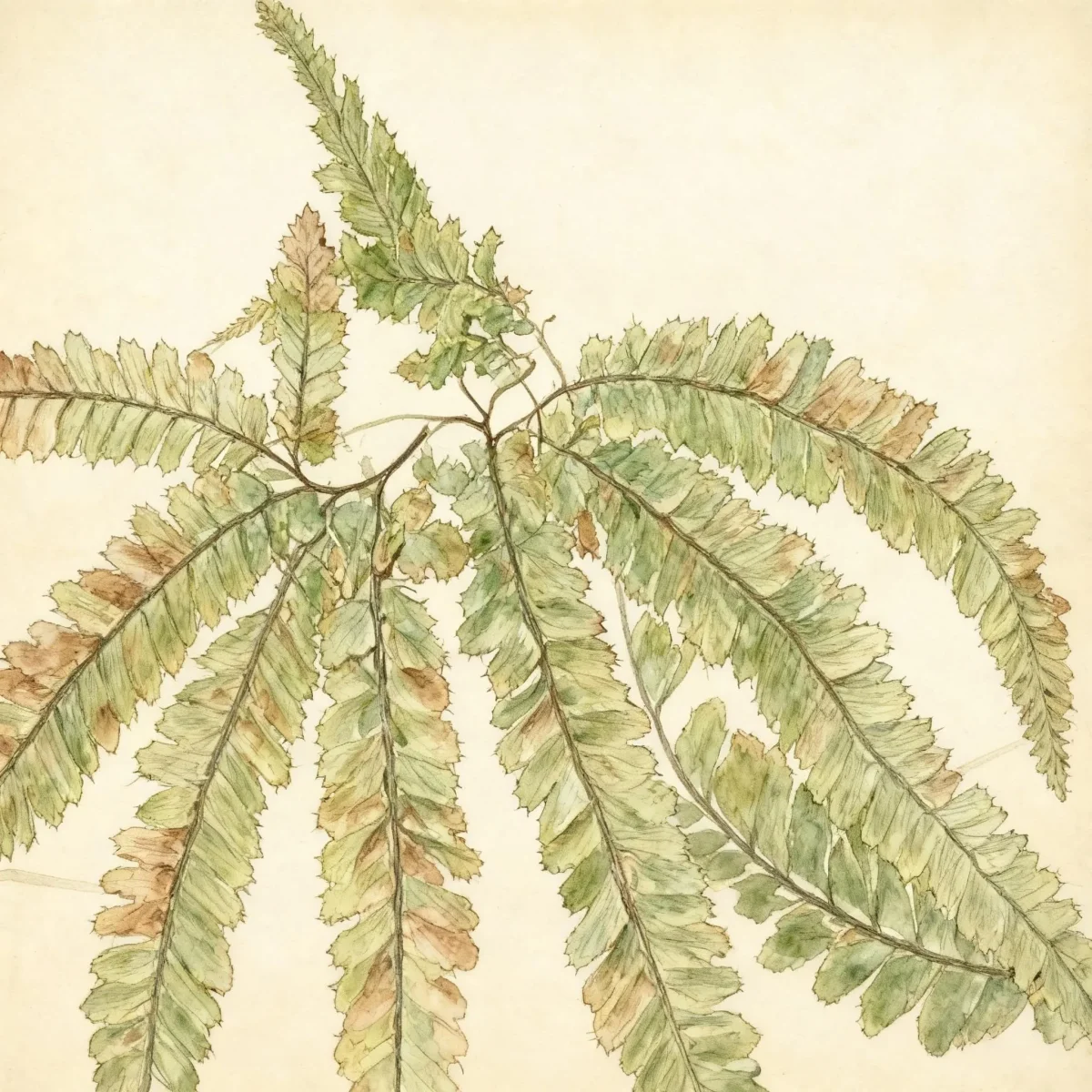
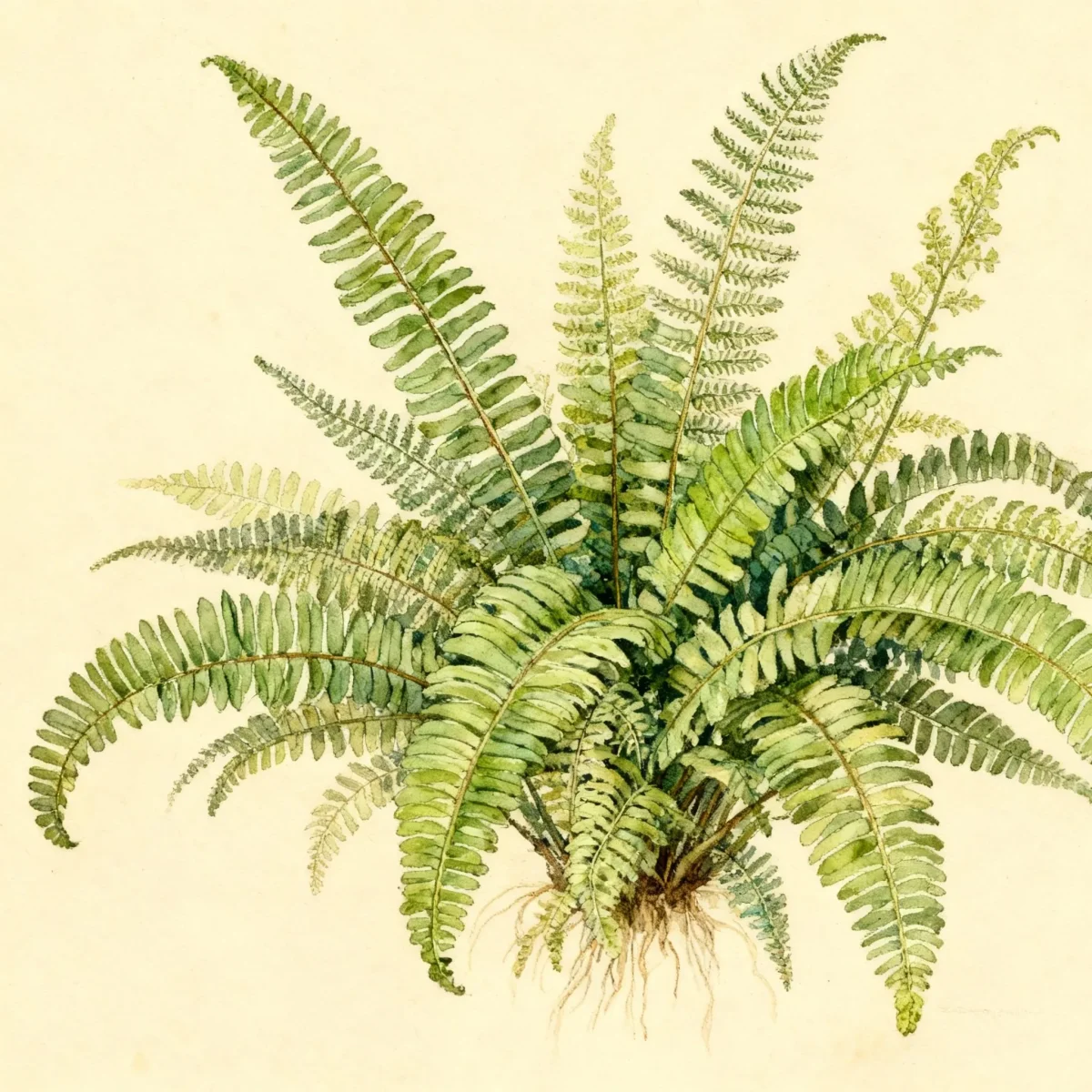
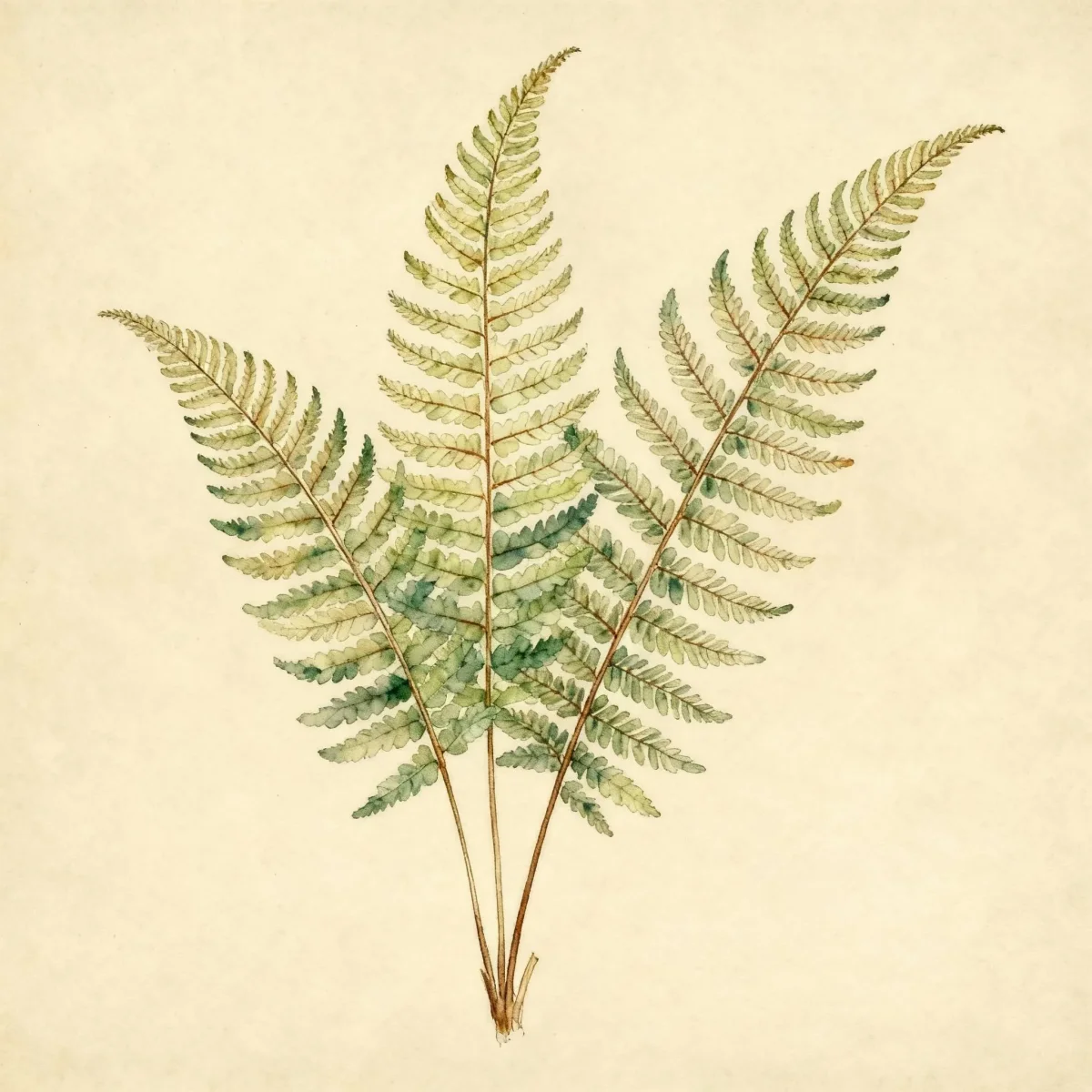
Button fern (Pellaea rotundifolia)
Pellaea rotundifolia, the Button fern, is a distinctive, low-maintenance evergreen fern prized for its glossy, rounded leaflets and dark red stalks.
Scroll down to discover growing tips, care requirements, companion plants, and more
Complete Plant Information
Overview
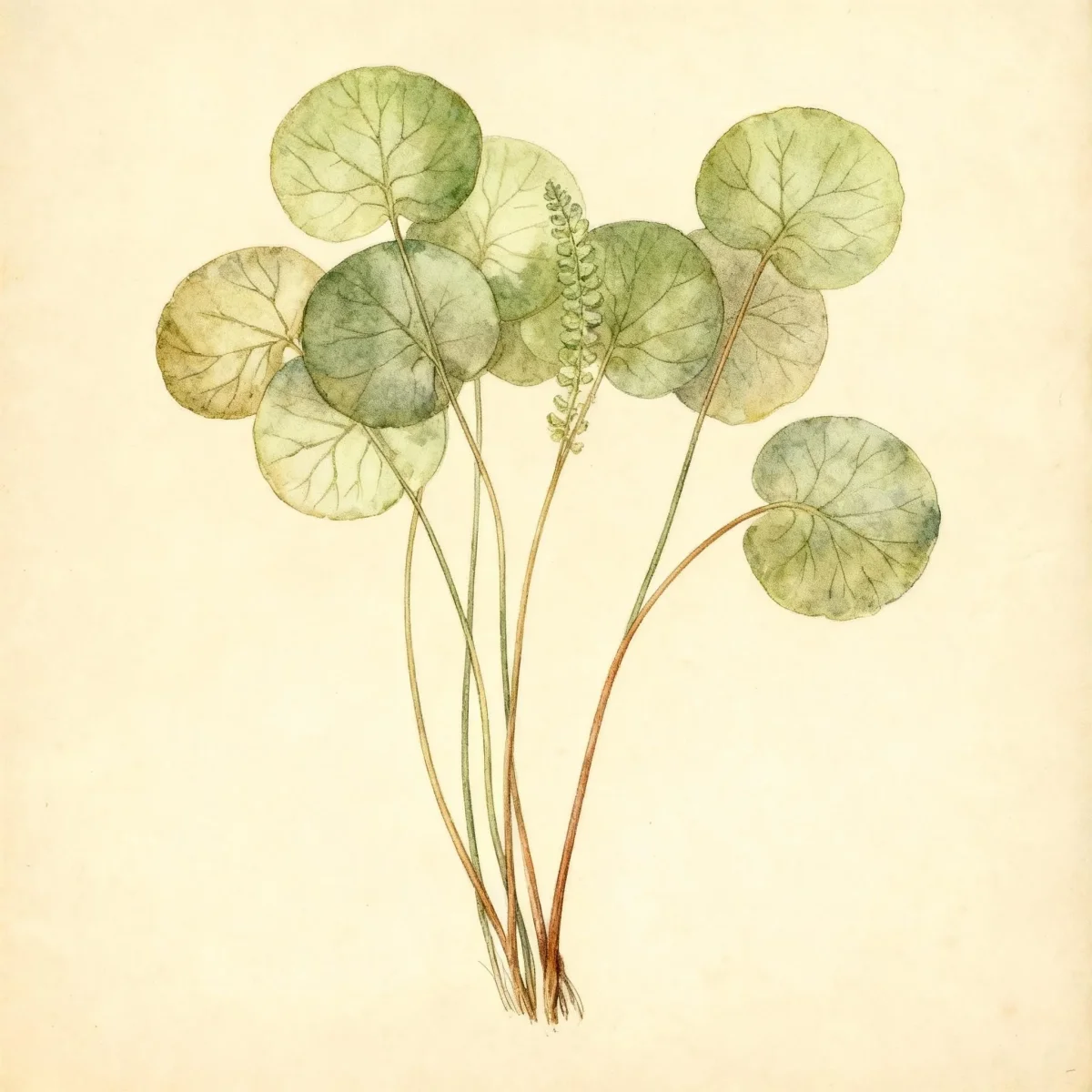
The Button fern, scientifically known as Pellaea rotundifolia, offers a unique architectural texture ideal for shady garden spots or as an elegant houseplant. This small evergreen fern is highly valued for its contrasting foliage: small, glossy, round, dark green pinnae (leaflets) held on striking dark red stalks. Its growth habit is arching and spreading, forming a neat, compact mound perfect for enhancing shaded borders or tabletop displays.
Originating from Australia and New Zealand, Pellaea rotundifolia possesses surprising resilience for a fern, showing low maintenance needs once established in its preferred conditions. While native to rocky crevices, it adapts well to container culture, especially in cooler climates where it must be brought indoors for the winter. Gardeners appreciate the Pellaea rotundifolia for its steady, tidy appearance throughout the year.
This tough little fern thrives in filtered light and demonstrates some tolerance to occasional dryness, marking it as an excellent choice for gardeners seeking a reliable, low-fuss specimen. Whether softening the edges of a woodland path or adding drama to a hanging basket, the Button fern brings consistent, deep green visual interest.
Fast Facts
- Plant Family: Pteridaceae
- Plant Type: Fern
- Native Range: Australia, New Zealand
- Hardiness Zones: USDA Zones 9-11
- Size at Maturity:
- Height: 0.5-1 ft
- Spread: 0.5-1 ft
- Bloom Time: Non-flowering
- Sun Exposure: Part shade
- Water Needs: Medium
- Maintenance Level: Low
How to Grow
Planting the Button fern should occur where it receives filtered shade; while it tolerates a range of exposures, part shade provides the best balance, keeping leaf scorch away while maximizing frond vibrancy. In areas north of Zone 9, select locations protected from harsh, drying winds, especially if planting outdoors as a marginal perennial. For container growing outside its hardy zone range, use an acidic, humus-rich, peaty potting mix augmented with sand to ensure superior drainage.
Watering needs are central to the success of Pellaea rotundifolia. It requires medium moisture but must never sit in overly moist soils; allow the soil to dry out slightly between deep waterings. Though generally drought-tolerant once established, consistent, careful watering prevents stress. Overwatering is a much greater threat than underwatering for this species.
Seasonal care involves monitoring light conditions. Indirect, bright light is ideal during the winter months, particularly when grown indoors. In summer, provide more subdued light to prevent leaf burn. Misting the foliage is unnecessary for this fern. In marginally hardy zones, protect the Pellaea rotundifolia from hard freezes, though it can often survive brief dips near 25°F. Propagation is straightforward, achieved by dividing the rhizomes.
Landscape Uses
The decorative foliage and compact stature of the Button fern make it an outstanding choice for adding textural contrast near pathways or along shaded patios. Because Pellaea rotundifolia handles clay soils better than many other ferns and offers notable drought tolerance, it performs reliably in difficult, shallowly shaded spots where moisture retention is variable. This plant is particularly popular when grown as an ornamental house plant in hanging baskets, allowing its arching fronds to cascade effectively.
In landscape design, group the Button fern with plants that share its cultural needs for well-drained, rich soil and filtered light. Consider pairing it with Hosta varieties that have contrasting leaf colors (like chartreuse or blue) or fine-textured shade groundcovers. Its neat habit also makes it an excellent edging plant for shaded rock gardens or beneath taller, spreading trees.
For interior design, the Pellaea rotundifolia excels as a table-top specimen or tucked into small ornamental containers, bringing a touch of structured green indoors throughout the year, thanks to its small mature size of under one foot tall and wide.
Standout Features
Noteworthy Characteristics
Pellaea rotundifolia, commonly known as button fern, is a small evergreen fern with pinnate arching fronds rising and spreading to 12” tall and as wide. Each frond is covered with small, slightly-glossy, round, deep green pinnae (leaflets to 3/4” diameter), and the leaf stalks characteristically turn a dark red with age. This fern is native to environments like limestone cliffs, making its tolerance for well-drained soil especially useful in cultivation.
Tolerances
- Rabbit
- Drought
Potential Problems
This fern is generally robust, avoiding serious insect or disease problems under appropriate growing conditions. The primary management concern revolves around improper moisture levels; root rot is the most common issue arising from overly moist, poorly draining soils. Ensure sharp drainage, especially when growing the Button fern in heavy garden clay or dense potting media. Pest pressure, such as from scale or mealybugs when kept indoors, should be monitored, though these are typically minor issues.
Frequently Asked Questions
What hardiness zones is Button fern suitable for?
The Pellaea rotundifolia is winter hardy in USDA Zones 9 through 11, thriving outdoors year-round in these warmer regions.
How large does Button fern grow?
This plant reaches a modest size, with both height and spread typically ranging between 0.5 and 1 foot.
What sun exposure does Button fern need?
The ideal cultural requirement for Pellaea rotundifolia is part shade, providing protection from intense afternoon rays while still receiving ambient light.
When does Button fern bloom?
The Button fern is a non-flowering plant, as is typical for all true ferns.
Conclusion
The Pellaea rotundifolia is an exceptionally attractive and manageable fern, distinguished by its unique round leaflets and low profile. Its combination of low maintenance and year-round evergreen color makes the Button fern a gardener favorite, particularly suited for containers or shaded borders. Before planting, confirm that your growing location falls within USDA Zones 9-11 or prepare appropriate winter protection for this striking perennial.
Propagation Tips
Propagating the Button fern is typically achieved through vegetative division of the rhizomes, an easy task best performed when repotting or dividing an overgrown clump. To do this, gently remove the plant from its container or dig up the clump in spring or early summer. Carefully tease apart sections of the root mass, ensuring each new division retains several healthy fronds and a portion of the rhizome structure. Plant these divisions immediately into appropriately amended, moist, well-draining soil.
Companion Planting
When integrating Pellaea rotundifolia into a shade garden design, choose companions that complement its delicate structure without competing aggressively for resources. Plants that enjoy similar watering regimes—i.e., consistently moist but never soggy—are best. Hellebores (Helleborus) provide excellent early spring blooms that contrast nicely with the deep green foliage of the fern. Hostas with chartreuse or variegated foliage also pair well, offering varied leaf shapes in the dappled light that the Button fern prefers.