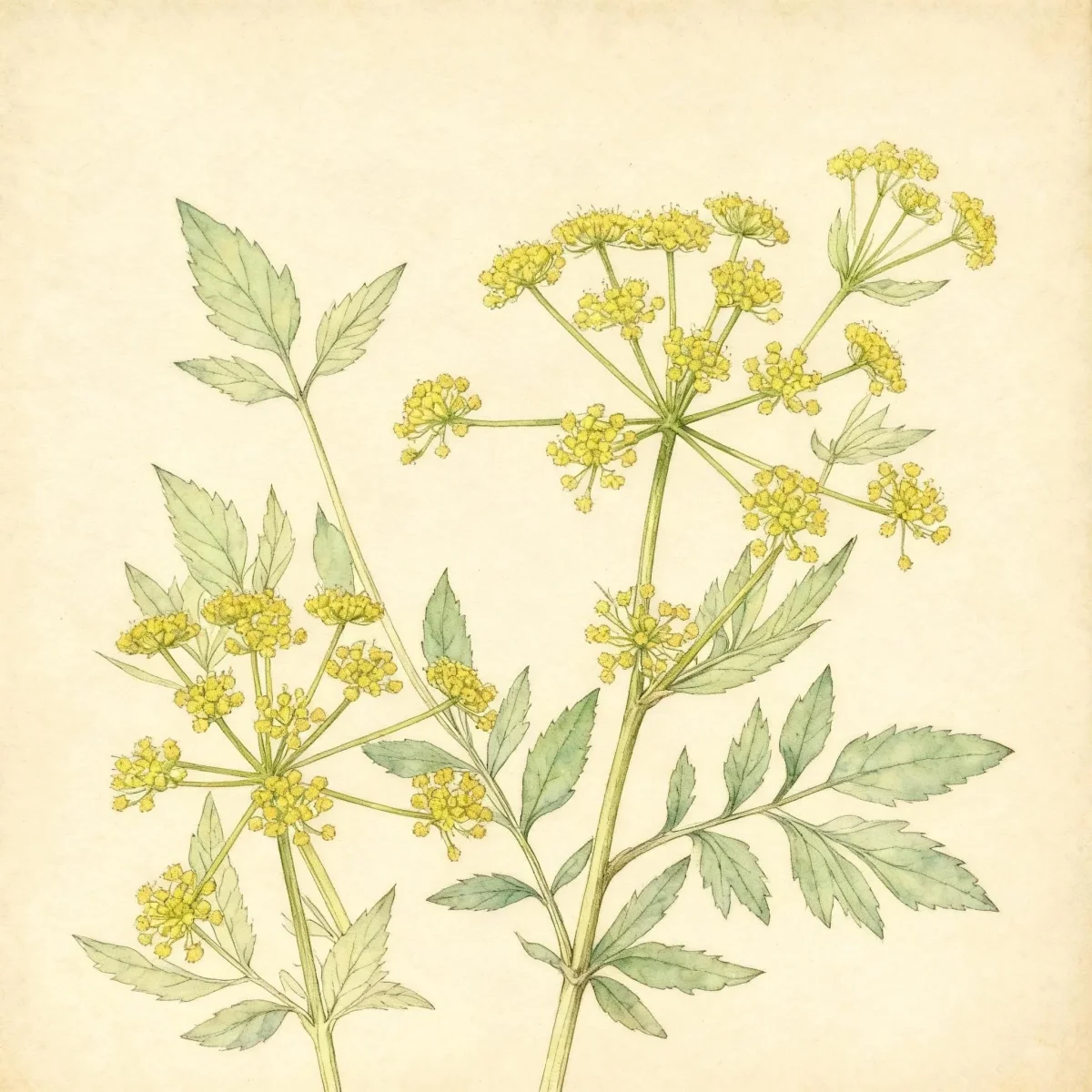
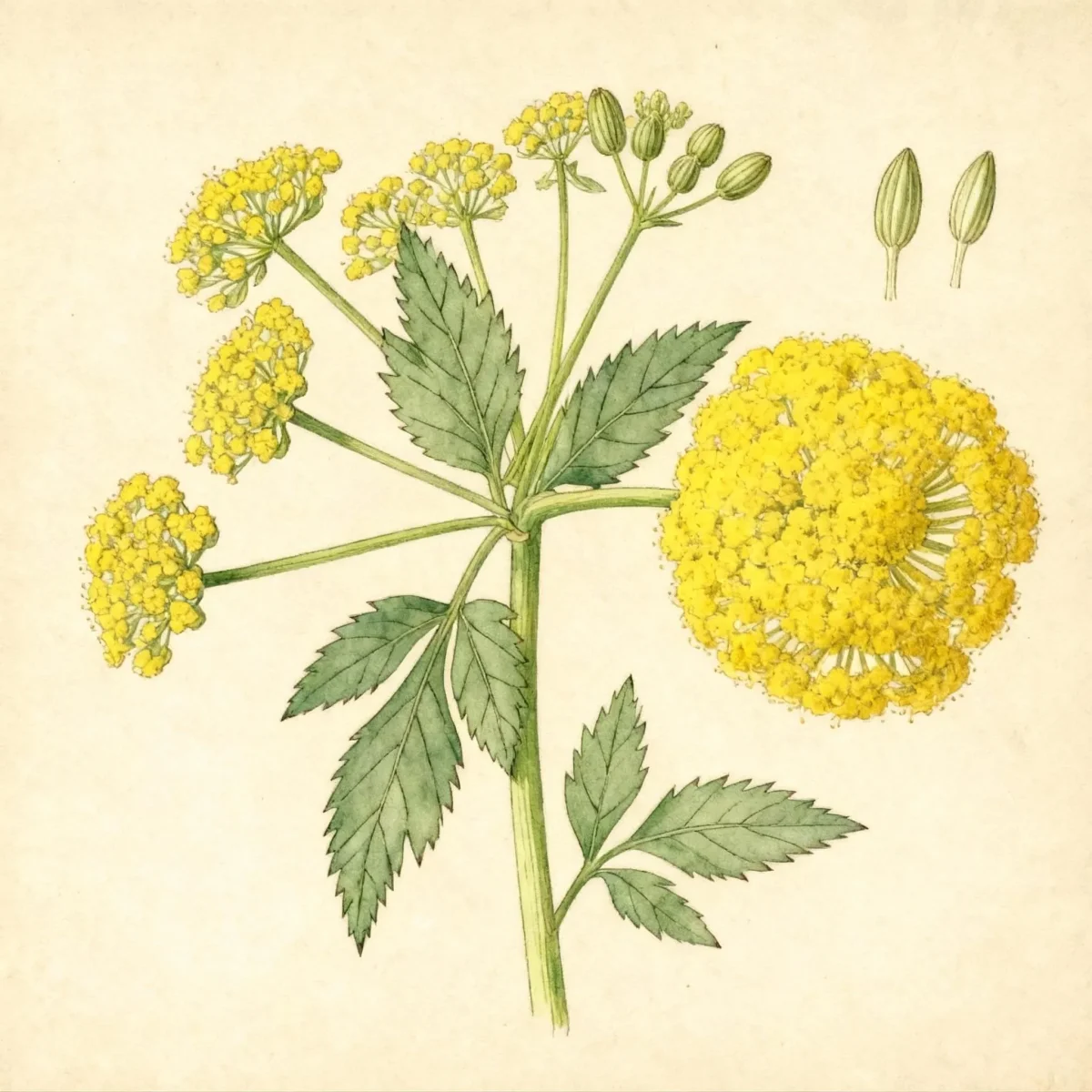
Italian parsley (Petroselinum crispum var. neapolitanum)
Grow Italian parsley (Petroselinum crispum var. neapolitanum) for its robust flavor. This low-maintenance herb thrives in full sun to part shade.
Scroll down to discover growing tips, care requirements, companion plants, and more
Complete Plant Information
Overview
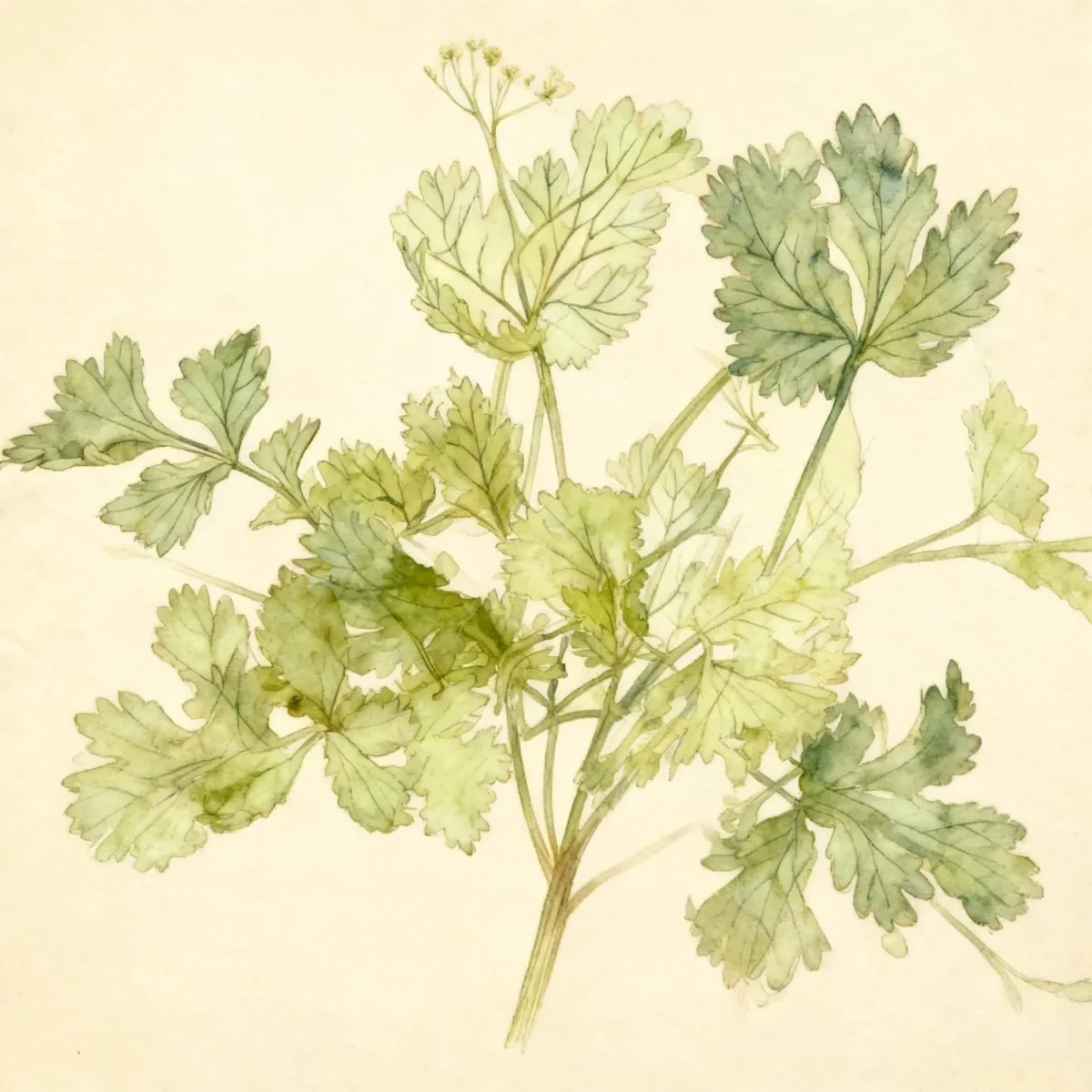
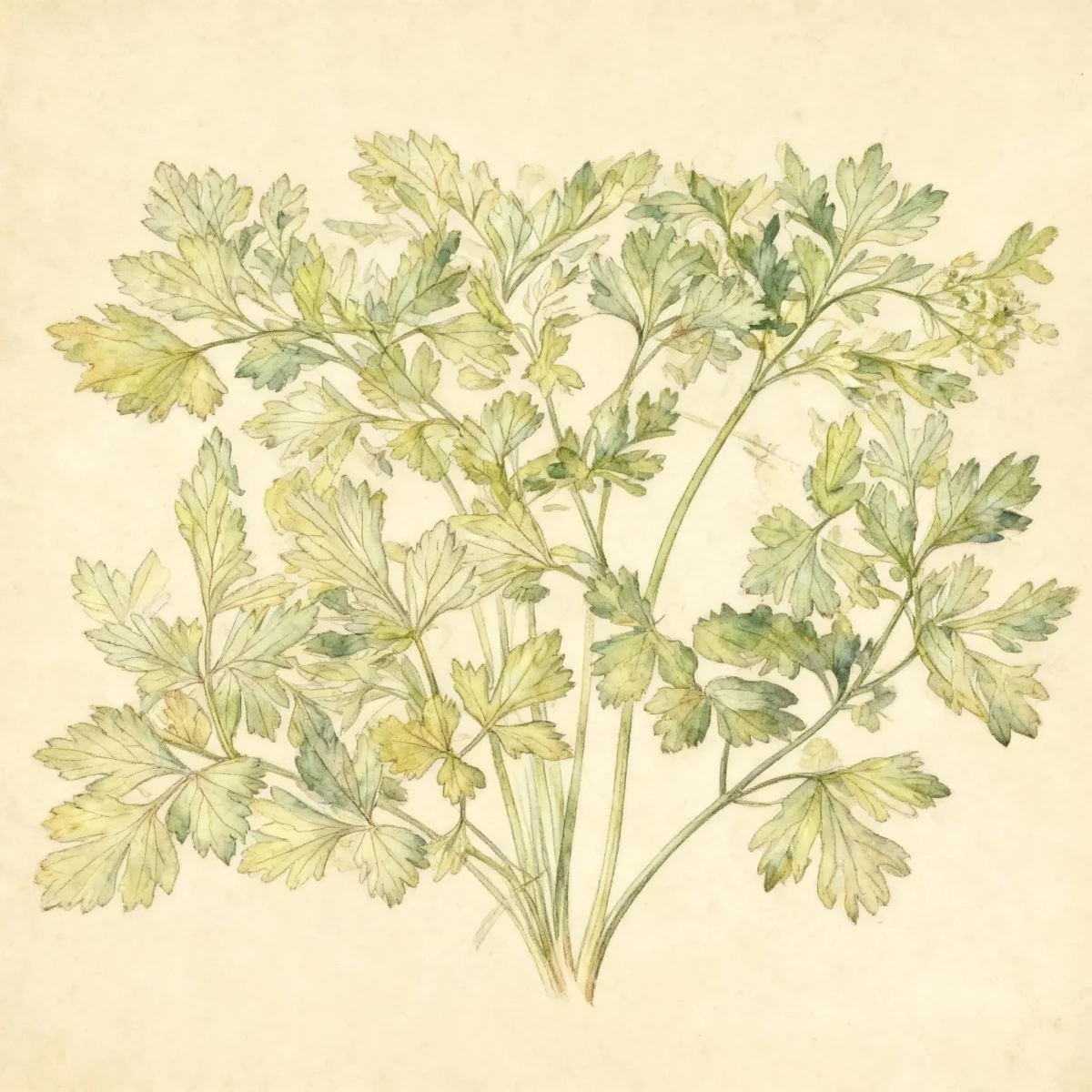
Petroselinum crispum var. neapolitanum, commonly known as Italian parsley, is indispensable in culinary gardens due to its bright, pungent flavor, which is generally stronger than the curly-leaved varieties. This plant provides finely divided, flat, dark green leaflets that remain visually appealing and tasty until hard frosts strike. Gardeners value it for its low maintenance and versatility both in the kitchen and as an accent in the landscape.
Although botanically a biennial, Petroselinum crispum var. Neapolitanum is typically treated as a fast-growing annual for continuous leaf production in most climates. It performs best when provided with consistent moisture and rich, well-drained soil, flourishing particularly well in cooler summer conditions. Harvesting regularly encourages bushier growth, maximizing the yield of this flavorful Mediterranean native.
This herb easily grows to about one foot in height and spread, forming an attractive clump perfect for borders or containers. Whether used as a fresh garnish or a foundational ingredient in soups and stews, Italian parsley is a staple. Establishing a dedicated patch ensures a ready supply of this nutrient-rich culinary workhorse throughout the growing season.
Fast Facts
- Plant Family: Apiaceae
- Plant Type: Annual
- Native Range: Europe
- Hardiness Zones: USDA Zones 2-11
- Size at Maturity:
- Height: 0.75-1 ft
- Spread: 0.75-1 ft
- Bloom Time: Seasonal bloomer
- Bloom Description: Greenish yellow
- Sun Exposure: Full sun to part shade
- Water Needs: Medium
- Maintenance Level: Low
How to Grow
For best results, plant starter plants 8 to 12 inches apart after the final spring frost date. Petroselinum crispum var. neapolitanum prefers average, constantly moist, well-drained soil, thriving in rich conditions. While full sun is ideal, it tolerates light shade, which can be beneficial in hotter summer regions where intense afternoon sun may cause stress. Avoid letting the soil dry out completely, as consistent moisture is key to vibrant foliage.
Maintenance for Italian parsley is minimal. Because it performs best in cool summers, plants in humid, deep South regions may begin to languish as summer temperatures peak. To prolong the foliage life and delay the biennial cycle, promptly remove any flower spikes as soon as they emerge. This prevents the plant from diverting energy into seeding.
Starting Italian parsley from seed can be challenging due to slow and uneven germination. If sowing seeds directly outdoors, wait until after the last spring frost. For earlier harvests, start seeds indoors 6 to 8 weeks prior to the last expected frost. If desirable, containers holding the parsley can be brought indoors before the first fall frost and sited near a sunny window or grow lights to extend the harvest period.
Landscape Uses
The robust, flat leaves of Petroselinum crispum var. neapolitanum make it highly functional in various landscape designs. It serves admirably as an attractive edging plant along pathways or raised beds where its dark green texture provides excellent contrast. Because it stays compact (up to 1 foot tall), Italian parsley is a favorite for filling gaps in herb gardens or providing structure to mixed container plantings.
Beyond edibles, this variety functions well as a low border in the front of perennial borders, offering consistent greenery throughout the season. Frequent clipping for kitchen use naturally encourages the plant to remain dense and appealing. Consider pairing it with taller, contrasting herbs like dill or fennel, or use it to soften the hard edges of stone pathways.
For year-round enjoyment, growing Petroselinum crispum var. Neapolitanum in containers allows gardeners to easily move the entire plant indoors when temperatures approach freezing, ensuring a continuous supply of fresh garnish well into the fall and early winter months.
Standout Features
Flower Qualities
- Showy
Noteworthy Characteristics
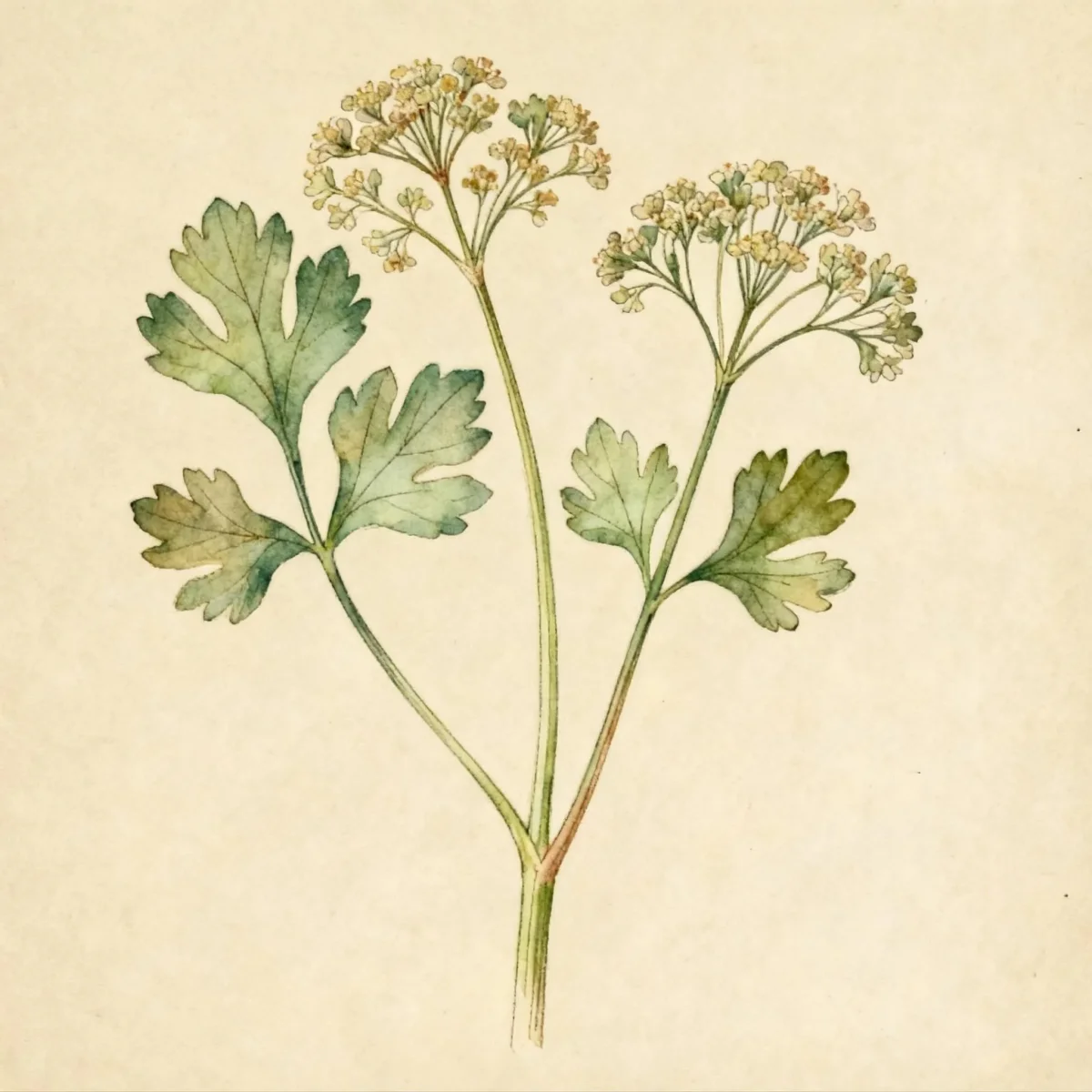
Parsley, generally known as Petroselinum crispum, is a beloved culinary herb native to Europe, valued globally for its aromatic, edible leaves used fresh or dried in countless dishes. Three main types exist, with Petroselinum crispum var. neapolitanum distinguished by having flatter leaflets and a more intense flavor profile compared to curly varieties. This plant typically forms a clump reaching 12 inches high and wide, and while it flowers in its second year, the leaves lose significant flavor once the flower stalks appear.
Tolerances
- Potential insect/disease issues summarized below
Potential Problems
Petroselinum crispum var. neapolitanum generally enjoys a reputation for being pest-free, lacking serious insect or disease pressure under optimal conditions. However, gardeners should watch out for specific issues like Septoria leaf spot and stem rot, which are favored by overly wet conditions. Common pests that may occasionally bother Italian parsley include the carrot weevil, flea beetles, leafhoppers, and tarnished plant bugs, requiring vigilant inspection, especially when planting near carrots or celery.
Frequently Asked Questions
What hardiness zones is Italian parsley suitable for?
Petroselinum crispum var. neapolitanum is highly adaptable, suitable for growing across USDA Zones 2 through 11, allowing it to be grown as an annual in almost every climate.
How large does Italian parsley grow?
This variety typically matures to a height between 0.75 and 1 foot, with a similar spread of 0.75 to 1 foot, forming a substantial clump of foliage.
What sun exposure does Petroselinum crispum var. neapolitanum need?
For the most robust growth and best flavor, Italian parsley requires full sun to part shade conditions. Limiting exposure to intense afternoon heat can prevent it from languishing.
When does Petroselinum crispum var. neapolitanum bloom?
The plant is noted as a seasonal bloomer, producing stalks topped with greenish yellow flowers, usually in its second year as it completes its reproductive cycle.
Conclusion
Petroselinum crispum var. neapolitanum is an essential, low-maintenance addition to any kitchen garden, offering superior flavor and attractive flat foliage. Its resilience across wide hardiness zones makes Italian parsley a popular choice for culinary enthusiasts everywhere. Plan your sowing schedule around your last spring frost date to ensure a long and productive harvest season.
Companion Planting
When designing your herb garden, consider the cultural needs of Italian parsley. Because it prefers consistent moisture and dislikes drying out, pair it with other thirsty, non-aggressive herbs like basil or cilantro (though cilantro bolts faster). Avoid planting it directly adjacent to plants that require very dry soil conditions, as these environments will quickly stress your parsley.
Seasonal Care Calendar
For spring planting, sow seeds or transplant seedlings after the danger of frost has passed, focusing on incorporating well-rotted compost into the soil to boost fertility. During the summer, prioritize consistent medium watering, especially during dry spells, and watch for early signs of flower stalk emergence to prune them immediately. In fall, if you live in a borderline hardiness zone, plan to either cover heavily, dig up container plants for indoor overwintering, or simply plan to reseed in the following spring.