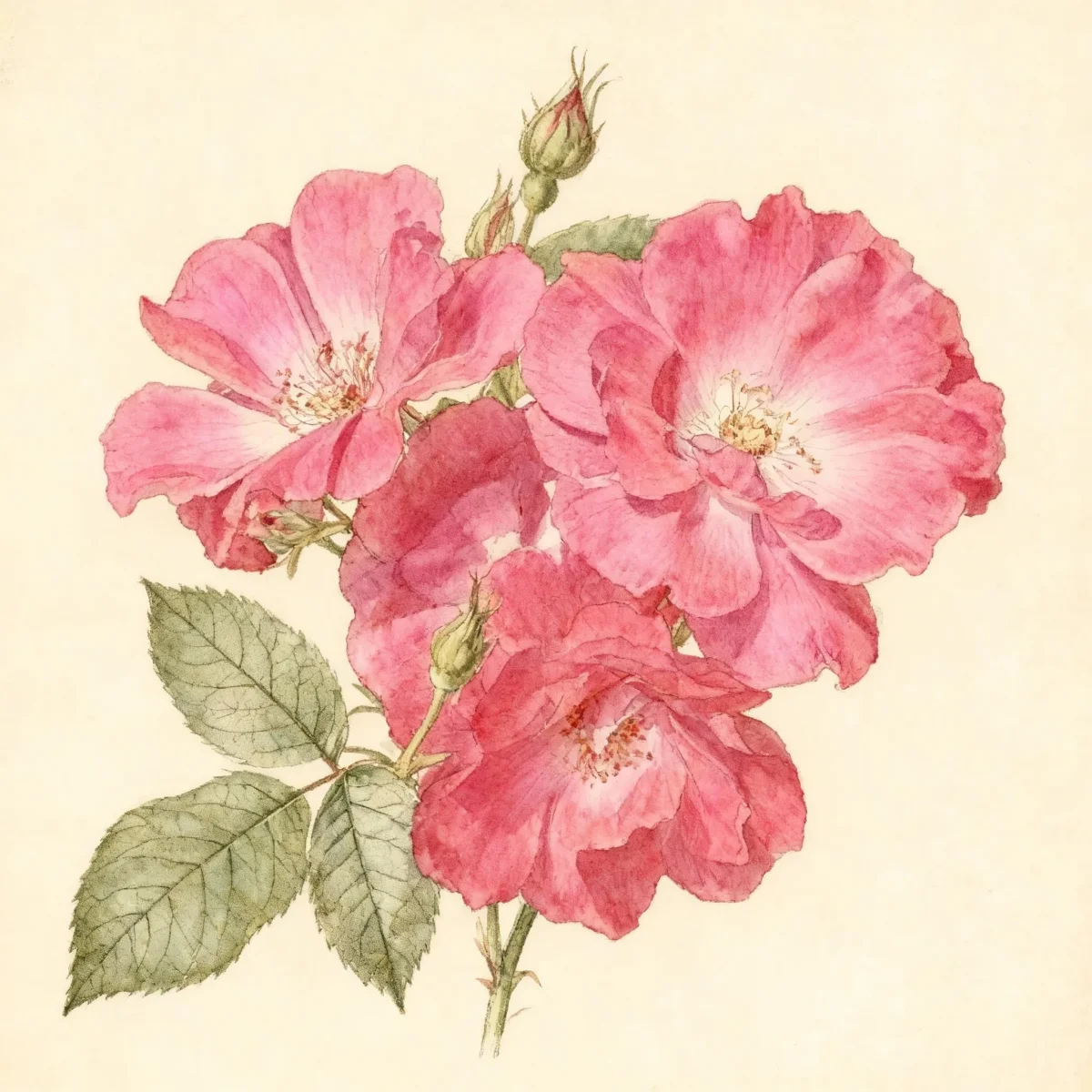
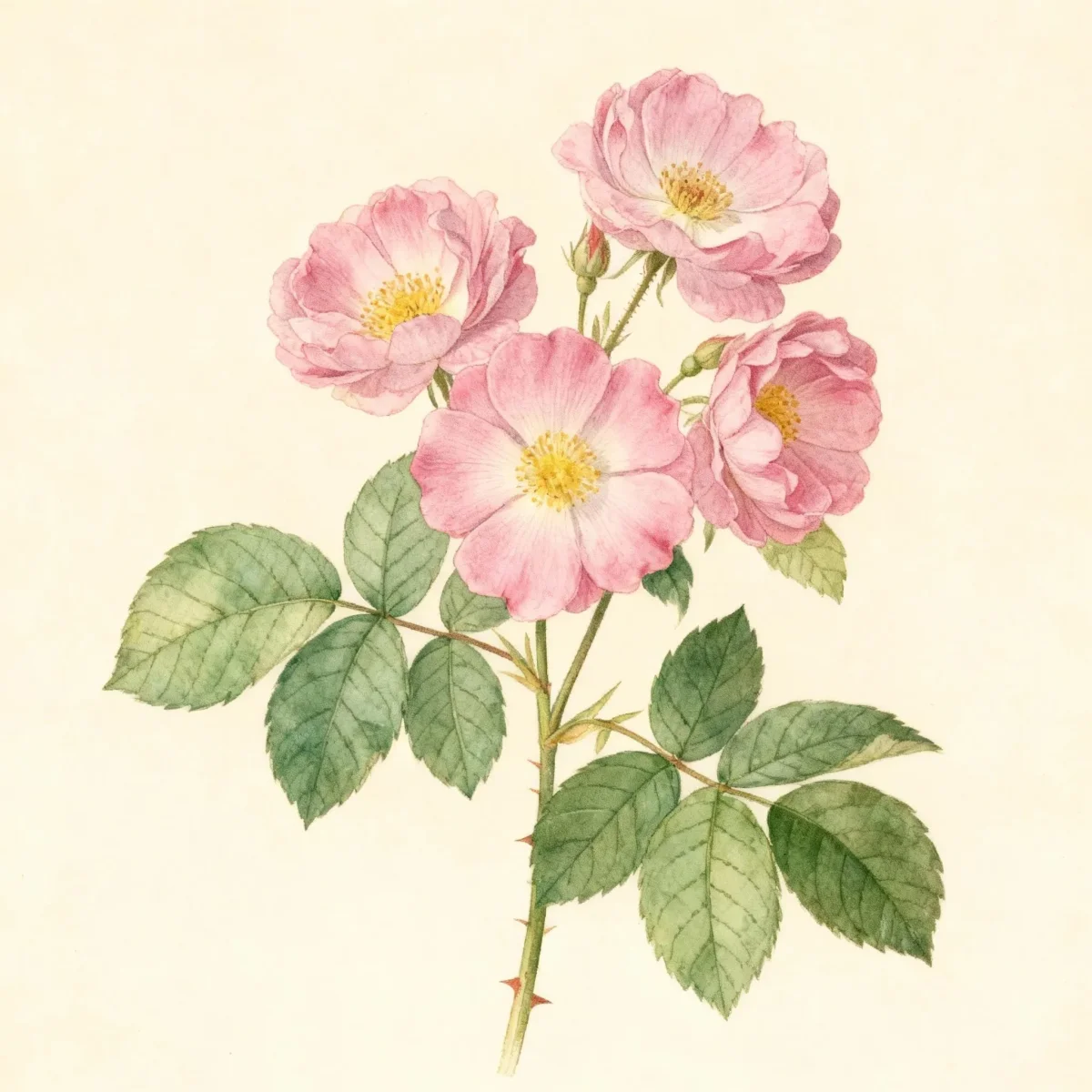
Climbing polyantha rose (Rosa 'Climbing Mademoiselle Cécile Brünner')
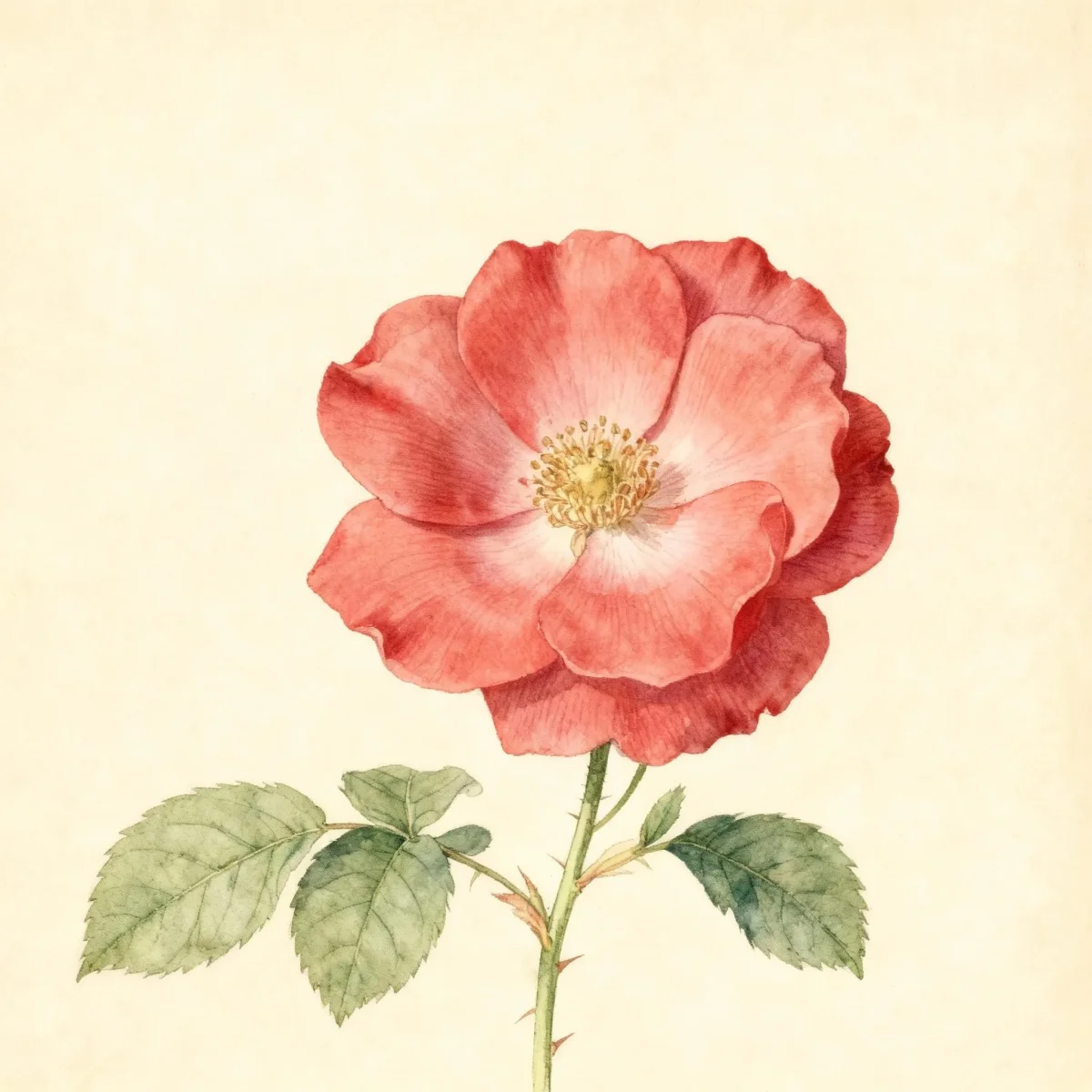
Achieve stunning vertical color with Rosa 'Climbing Mademoiselle Cécile Brünner', a Climbing polyantha rose known for fragrant, soft pink blooms from May to frost.
Scroll down to discover growing tips, care requirements, companion plants, and more
Complete Plant Information
Overview
The Rosa ‘Climbing Mademoiselle Cécile Brünner’ is a highly desirable Climbing polyantha rose valued for its continuous display of charming flowers. This variety offers clusters of small, double blossoms in a soft pink hue, making it an essential backbone plant for vertical interest in the garden. Its ability to bloom repeatedly from late spring until the first frost ensures extended color across walls, fences, or arbors.
As a vigorous climber, Rosa ‘Climbing Mademoiselle Cécile Brünner’ can reach heights up to 20 feet, contrasting nicely with its relatively modest spread of 3 to 6 feet. Gardeners appreciate this specific cultivar for the exquisite fragrance accompanying its showy flowers, adding both visual appeal and sensory delight to outdoor living spaces.
This deciduous shrub is generally adaptable, thriving in full sun but tolerating light shade. Proper cultural care is key to managing this beautiful Climbing polyantha rose and ensuring its dark green foliage remains healthy throughout the growing season, offering reliable performance across USDA hardiness zones 4 through 8.
Fast Facts
- Plant Family: Rosaceae
- Plant Type: Deciduous shrub
- Hardiness Zones: USDA Zones 4-8
- Size at Maturity:
- Height: 8-20 ft
- Spread: 3-6 ft
- Bloom Time: May to frost
- Bloom Description: Pink
- Sun Exposure: Full sun to part shade
- Water Needs: Medium
- Maintenance Level: Medium
How to Grow
For the best results with Rosa ‘Climbing Mademoiselle Cécile Brünner’, plant during the dormant season when the shrub is establishing its roots. Select a location that receives full sun, as this typically maximizes both flowering potential and disease resistance, although light afternoon shade is tolerated. The soil should be a well-drained garden loam, ideally slightly acidic, and kept consistently medium in moisture.
Watering should be deep and frequent, always applied in the mornings to allow foliage to dry before evening. Avoid overhead watering, which can encourage disease development. Applying a layer of summer mulch will help regulate soil temperature, conserve moisture, and suppress weeds around the base of this Climbing polyantha rose.
Good air circulation is vital for preventing common rose ailments; ensure support structures allow air movement around the stems. Deadhead spent flowers consistently to encourage repeat blooming throughout the season. In late winter or early spring, prune as necessary to maintain shape and remove any winter damage. For gardeners in colder regions, providing winter protection for the crowns of the Rosa ‘Climbing Mademoiselle Cécile Brünner’ is a crucial step before dormancy sets in.
Landscape Uses
The primary strength of Rosa ‘Climbing Mademoiselle Cécile Brünner’ lies in its impressive vertical habit, making it the definitive choice for structural accents in the landscape. Utilize this variety to gracefully drape across walls, adorn arbors, or climb tall trellises, instantly adding romance and height to otherwise flat surfaces. It performs beautifully when trained along fences, softening hard lines with its lush foliage and continual blooms.
When developing a planting scheme, consider pairing this rose with lower-growing perennials that share similar sun and water needs. Companions such as lavender or catmint can be used at the base to create layered interest, or utilize darker foliage plants to make the soft pink florals of the Climbing polyantha rose truly pop. While its primary use is vertical, a less aggressively trained specimen can sometimes function effectively as a large, free-standing shrub.
Standout Features
Flower Qualities
- Showy
- Fragrant
- Good Cut
- Good Dried
Noteworthy Characteristics
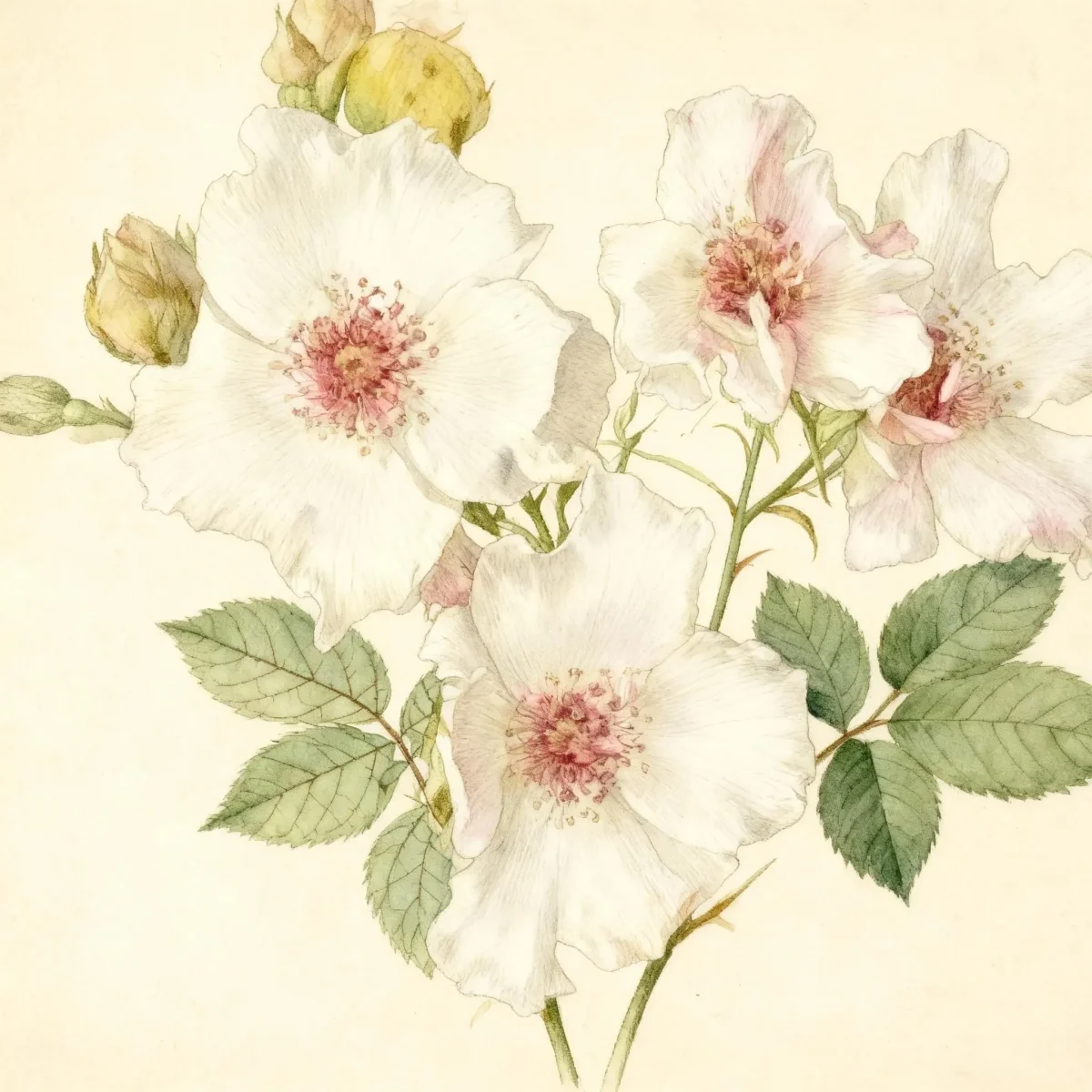
Rosa is a genus noted for its deciduous shrubs and climbers, featuring prickled stems and often fragrant flowers. ‘Climbing Mademoiselle Cécile Brünner’ is a Climbing polyantha rose that stretches 15-20 feet tall, showcasing clusters of small, fragrant, soft pink, double flowers, roughly 1.5 inches across, that bloom from late spring until frost. Its growth habit necessitates support structures like pillars or walls to achieve its full climbing potential.
Tolerances
Potential Problems
Roses, including Rosa ‘Climbing Mademoiselle Cécile Brünner’, are prone to several fungal diseases, notably black spot, mildew, and rust. These issues, along with rose rosette, are best managed through strict cultural practices, which form the first and most important line of defense. In humid climates, preventative fungicide applications throughout the growing season may be necessary to maintain clean foliage on this Climbing polyantha rose.
Insect pests commonly sighted on roses include scale, aphids, spider mites, and borers. Regular scouting of foliage and stems is recommended to catch infestations early. Always clean up and destroy fallen leaves during the season and during the winter cleanup to reduce overwintering fungal spores and insect eggs.
Frequently Asked Questions
What hardiness zones is Climbing polyantha rose suitable for?
The Rosa ‘Climbing Mademoiselle Cécile Brünner’ is reliably hardy in USDA Zones 4 through 8.
How large does Rosa ‘Climbing Mademoiselle Cécile Brünner’ grow?
This climbing variety typically reaches heights between 8 and 20 feet, with an average spread of 3 to 6 feet once established.
What sun exposure does Climbing polyantha rose need?
This rose performs best in full sun, although it will tolerate partial shade conditions. Full sun exposure generally correlates with superior flowering and better disease management.
When does Rosa ‘Climbing Mademoiselle Cécile Brünner’ bloom?
You can expect this variety to produce its fragrant pink blooms consistently from May and continue blooming reliably through the first frost of the year.
Conclusion
The Climbing polyantha rose, specifically Rosa ‘Climbing Mademoiselle Cécile Brünner’, offers exceptional value for vertical gardening due to its recurrent, fragrant blooms and vigorous climbing habit. This plant promises season-long beauty when provided with appropriate support and consistent cultural care, particularly concerning water and air circulation. Check your local climate to ensure your hardiness zone falls within Zones 4-8 before planning your installation this coming planting season.
Companion Planting
Selecting appropriate neighbors is key to maintaining a healthy rose garden environment. Plants that prefer similar well-drained soils and medium moisture levels will thrive alongside the Rosa ‘Climbing Mademoiselle Cécile Brünner’. Consider planting low-growing herbs like Thyme or Chives near the base; these can serve as excellent, fragrant groundcovers that do not compete heavily for root space or moisture.
For visual contrast, integrate plants with differing foliage textures and bloom times. For instance, the deep blue spikes of certain Salvia cultivars or the airy texture of Baby’s Breath (Gypsophila) can beautifully frame the rich, dark green leaves and soft pink flowers of the climbing rose. Ensure any companion planting respects the need for good air circulation around the base and lower canes of the established rose.
Seasonal Care Calendar
Spring is the crucial time for preparing your Rosa ‘Climbing Mademoiselle Cécile Brünner’ for active growth; this includes your main pruning, done just as the danger of hard frost passes, and applying a dormant oil spray if necessary. As temperatures rise into late spring, begin your regular feeding schedule to support the heavy bloom production expected from this variety.
Throughout the summer, the focus shifts to maintenance: deep watering, especially during dry spells, and diligent deadheading to ensure the flush of blooms continues until frost. Monitor carefully for early signs of black spot or mildew, and immediately remove and destroy any diseased leaves you find on the plant or ground to minimize the disease cycle.
Winter preparation, particularly in the northern reaches of its hardiness range (Zones 4-6), requires insulating the critical lower canes and crown area, often using mulch or burlap wrapping. Once completely dormant, conduct a thorough cleanup, removing all remaining debris from the base of the plant before the ground freezes solid.