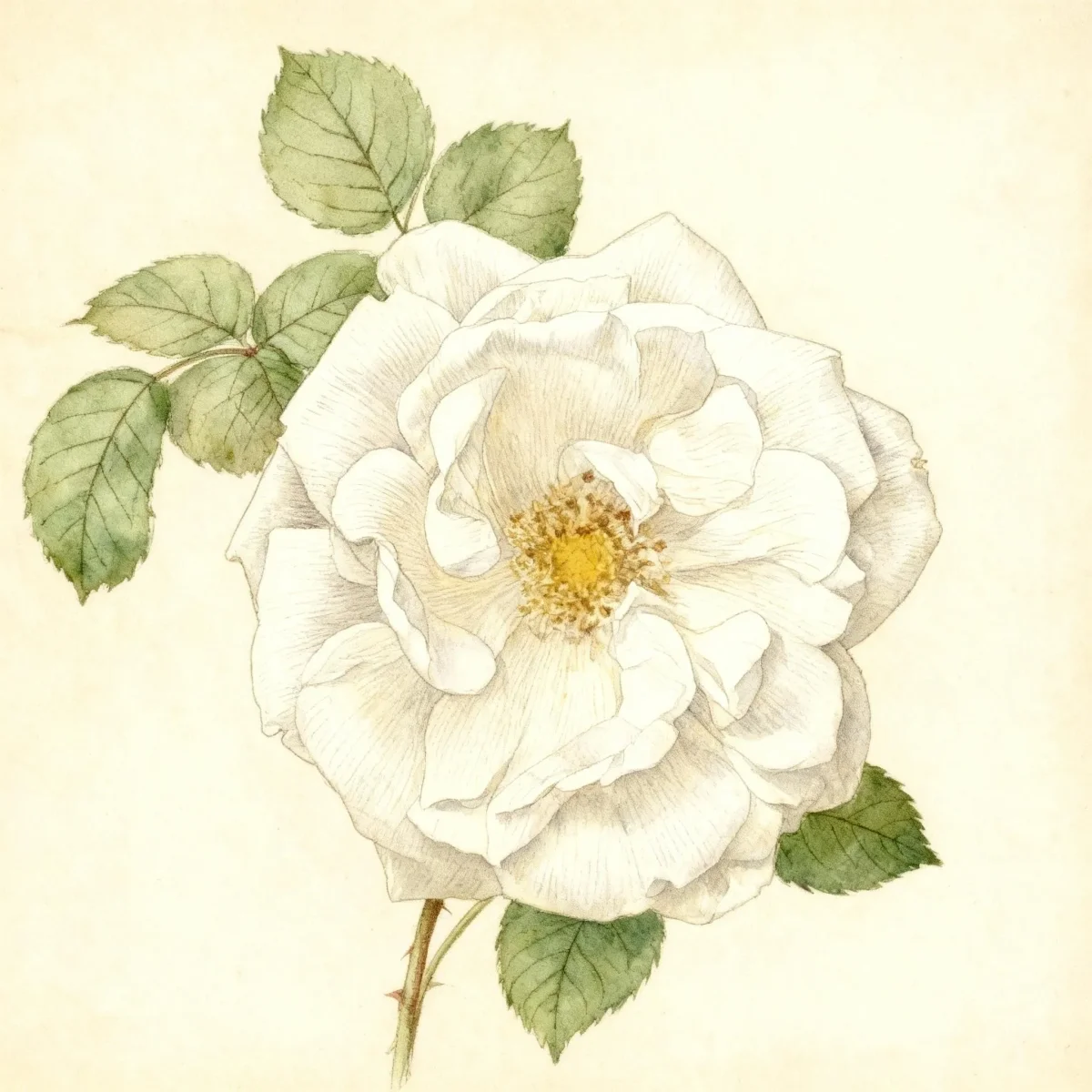
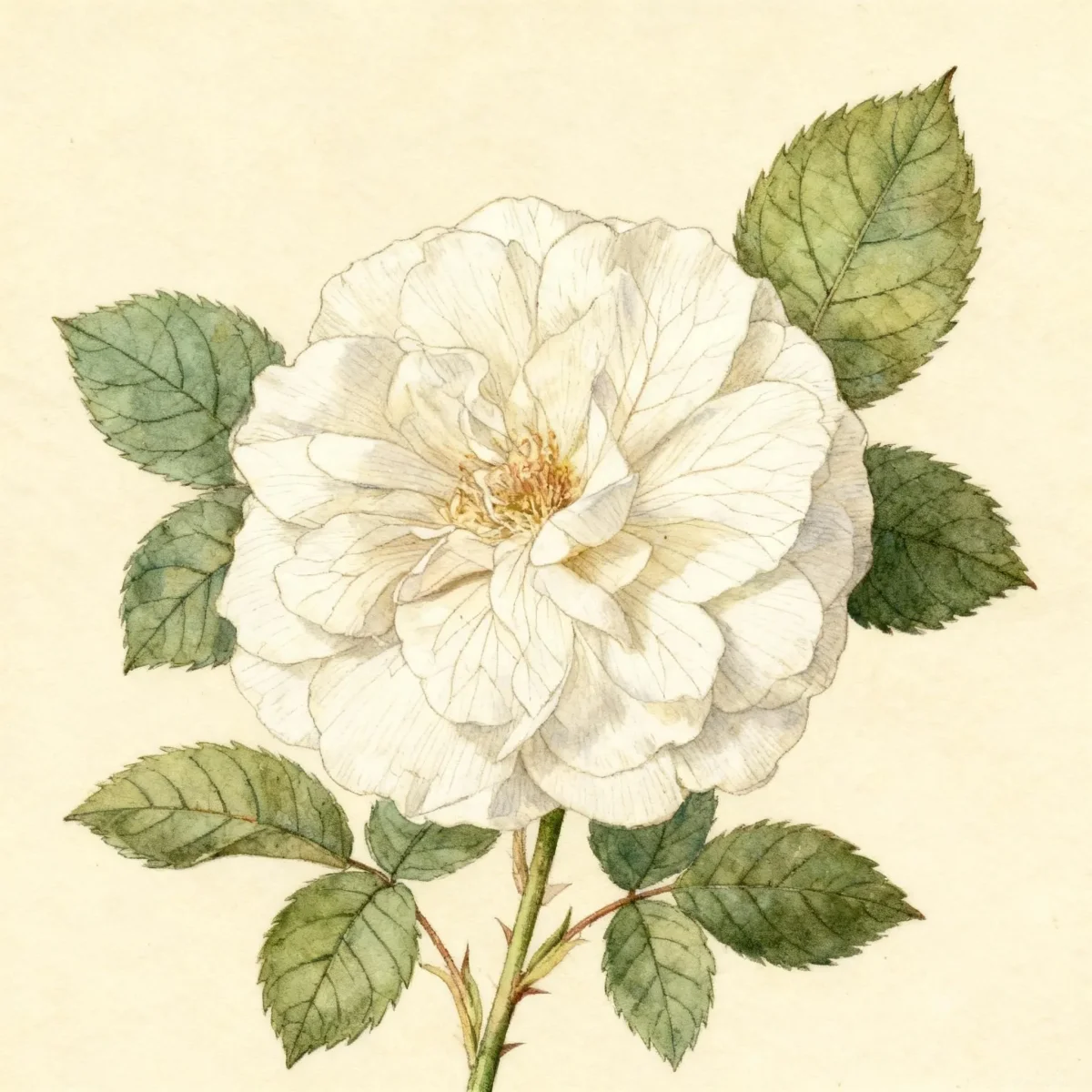
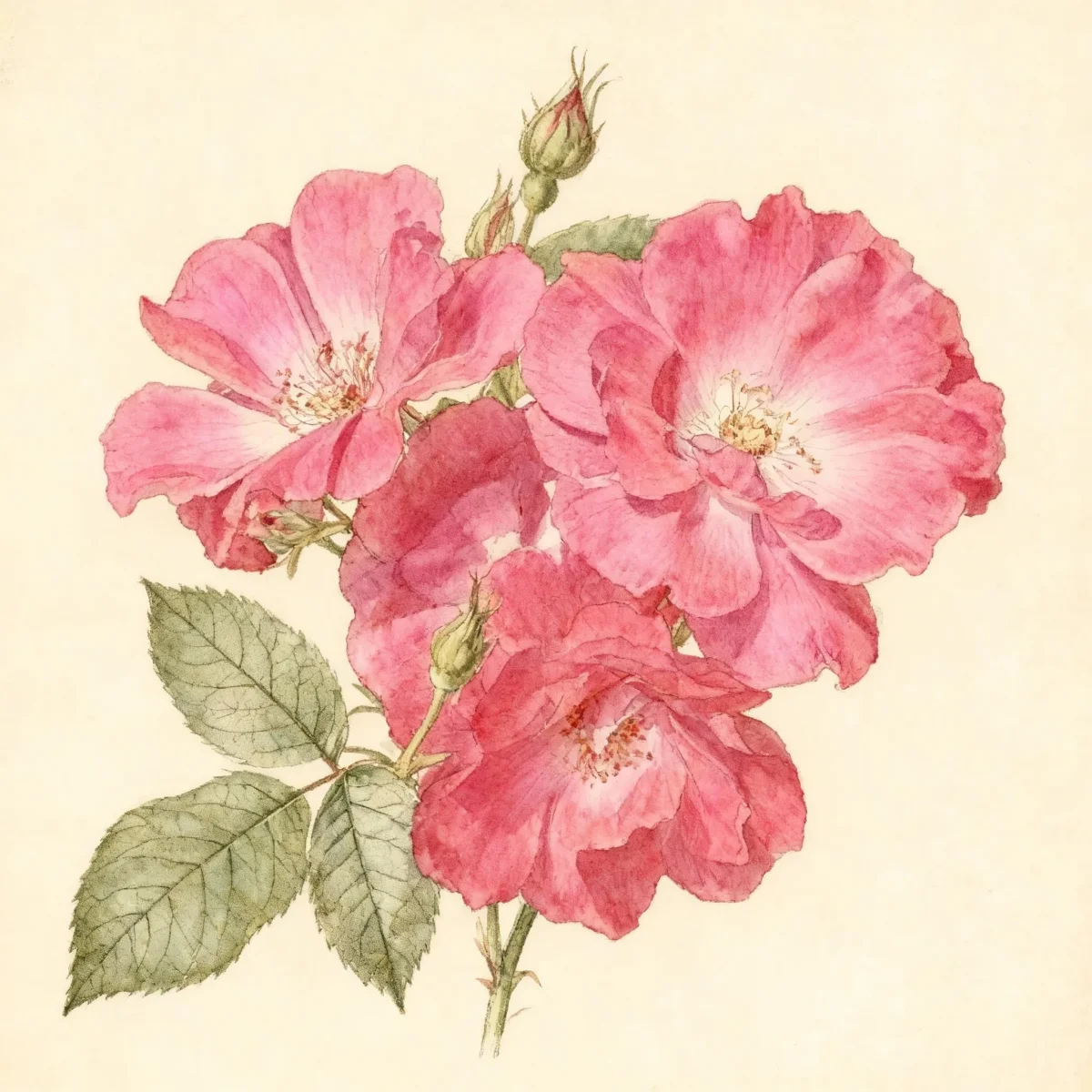
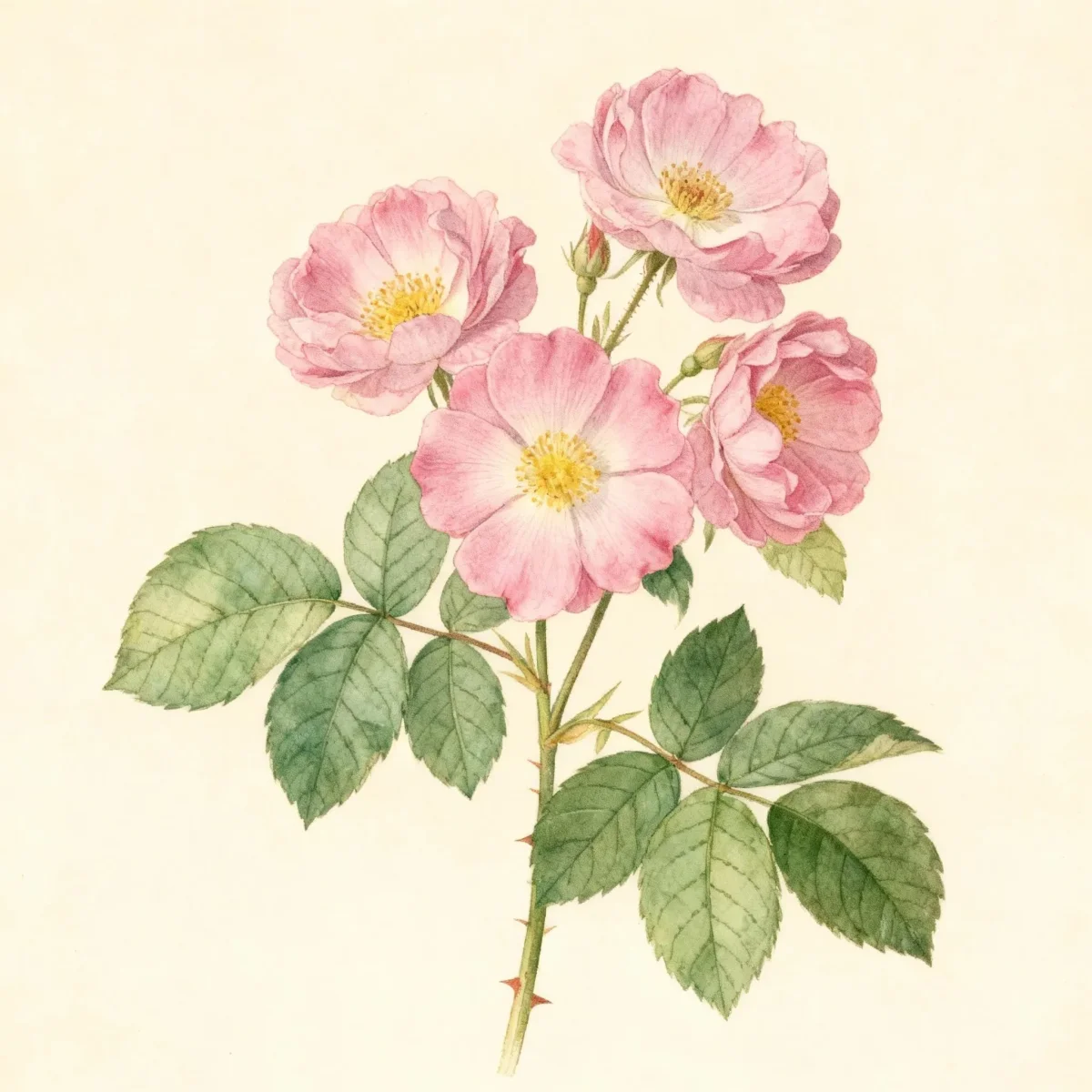
Hybrid tea rose (Rosa 'Dainty Bess')
Rosa 'Dainty Bess' is a vigorous Hybrid tea rose featuring fragrant, single, light pink blooms from May to frost. Hardy zones 5-9.
Scroll down to discover growing tips, care requirements, companion plants, and more
Complete Plant Information
Overview
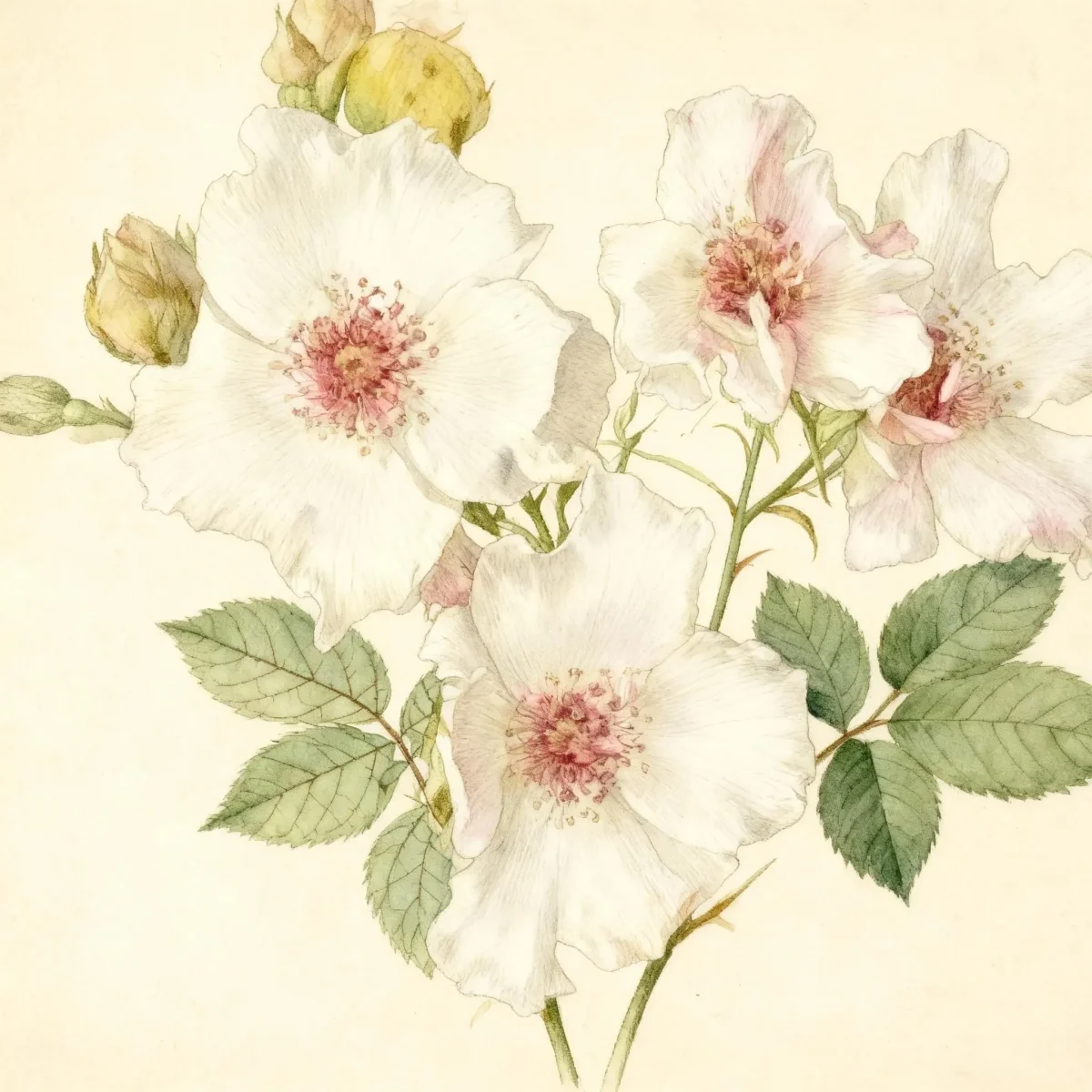
Rosa ‘Dainty Bess’ offers gardeners the classic elegance expected of a Hybrid tea rose, wrapped in a vigorous, upright shrub form. This selection is highly valued for its display of single, five-petaled blooms that possess a delicate light pink hue, contrasted by striking dark reddish-purple stamens. As a reliable bloom producer, Rosa ‘Dainty Bess’ delivers consistent color from late spring right through until the first frost, making it an excellent focal point.
Growing to a manageable height of 2 to 4 feet, this rose is adaptable enough for various garden settings while maintaining the desirable traits of a traditional Hybrid tea rose. Its leathery, dark green foliage provides a lush backdrop for the highly fragrant flowers. Proper cultural care ensures optimal flowering and disease resistance for this beautiful cultivar.
Gardeners looking for fragrance and display should consider incorporating Rosa ‘Dainty Bess’ into their landscape plans. By adhering to recommended cultural practices, particularly regarding sunlight and moisture management, you can enjoy the signature blooms of this notable rose for many successful seasons. Hybrid tea roses like this one are cornerstones of traditional rose gardens.
Fast Facts
- Plant Family: Rosaceae
- Plant Type: Deciduous shrub
- Hardiness Zones: USDA Zones 5-9
- Size at Maturity:
- Height: 2-4 ft
- Spread: 2-3 ft
- Bloom Time: May to frost
- Bloom Description: Light Pink
- Sun Exposure: Full sun to part shade
- Water Needs: Medium
- Maintenance Level: Medium
How to Grow
For optimal performance of your Rosa ‘Dainty Bess’, plant it during the dormant season when conditions are favorable, ensuring the soil is a fertile, well-drained garden loam that leans slightly acidic. While this Hybrid tea rose tolerates light shade, maximizing sunlight exposure is key; full sun promotes the best flower production and yields the strongest natural disease resistance against common issues.
Maintain consistently medium soil moisture by watering deeply and regularly, preferably in the mornings to allow foliage to dry quickly. Avoid overhead watering, as high humidity and wet leaves encourage fungal diseases. Applying a summer mulch helps regulate soil temperature, retains vital moisture, and suppresses weed competition around the base of the plant.
Routine care involves deadheading—removing spent flowers regularly—to encourage repeat blooming throughout the season. In colder regions, particularly near the lower limits of its hardiness range, providing winter protection to the crowns of your Rosa ‘Dainty Bess’ is recommended. Always prune Hybrid tea roses like this one severely during late winter, cutting back to about 12 to 18 inches from the ground to stimulate strong new growth and desirable long stems.
Landscape Uses
Rosa ‘Dainty Bess’ provides striking individual performance or works beautifully when grouped for massed color. Its relatively compact size, reaching only 2 to 4 feet tall, makes it perfectly suited for placement in the forefront of perennial borders where its light pink flowers can be easily appreciated. It also performs well when used as an accent planting against foundational plantings, adding a touch of classic romance.
These roses integrate seamlessly into classic cottage gardens, offering continuity of bloom from early summer until autumn. When planting Rosa ‘Dainty Bess’, ensure ample space between plants to allow for good air circulation, which is a critical factor in minimizing the impact of foliar diseases common to roses. Consider pairing it with lower-growing perennials that have upright habits or textures that contrast nicely with the dark green rose foliage.
Standout Features
Flower Qualities
- Showy
- Fragrant
Noteworthy Characteristics
Rosa is a diverse genus noted for its often fragrant, single to double flowers borne on prickly stems. Hybrid tea roses, including Rosa ‘Dainty Bess’, are celebrated for their high-centered blooms, long individual stems, and classic florist appearance, though they require disciplined pruning to maintain shape and flowering vigor. This specific cultivar is prized for its vigorous, upright habit, reaching 3 to 4 feet, and consistently producing fragrant, single, light rose-pink blooms (4-5 inches wide) accented by dark stamens from May until frost.
Tolerances
No specific documented tolerances listed.
Potential Problems
Hybrid tea roses, including Rosa ‘Dainty Bess’, face susceptibility to numerous fungal diseases such as black spot, powdery mildew, and rust, alongside several common insect pests. Proactive cultural management is the primary defense; ensure good air movement around the shrub to keep foliage dry, and diligently remove and destroy fallen or infected leaves throughout the season and during winter cleanup. In humid climates, timely preventative fungicide applications aligned with local guidance are often necessary to maintain healthy foliage and maximize the fragrant bloom potential of Rosa ‘Dainty Bess’. Pests requiring vigilance include aphids, scale, and spider mites.
Frequently Asked Questions
What hardiness zones is Hybrid tea rose suitable for?
Rosa ‘Dainty Bess’ is suited for USDA Hardiness Zones 5 through 9.
How large does Rosa ‘Dainty Bess’ grow?
This vigorous shrub typically reaches a height between 2 and 4 feet, with a spread of 2 to 3 feet.
What sun exposure does Hybrid tea rose need?
For the best flowering and disease control, this rose requires full sun, though it can tolerate some light shade.
When does Rosa ‘Dainty Bess’ bloom?
This repeat-blooming variety shows off its light pink flowers consistently from May until the first frost arrives.
Conclusion
Rosa ‘Dainty Bess’ is an outstanding choice for gardeners seeking the quintessential Hybrid tea rose experience, delivering high fragrance and prolific, single blooms across a long season. Successfully growing this plant relies on providing full sun and ensuring excellent air circulation to manage potential diseases. Before planting, confirm your local hardiness zone aligns with Zones 5-9 and prepare well-drained soil to welcome this elegant addition to your garden.
Companion Planting
Selecting appropriate companions enhances the health and aesthetic appeal of Rosa ‘Dainty Bess’. Look for plants that thrive in similar conditions—full sun, medium moisture, and well-drained soil. Companion planting can also assist with pest management; for instance, planting strong-smelling herbs like Chives or Rosemary nearby might help deter certain common rose pests.
Groundcovers that remain low and do not compete heavily for root space are ideal runners-up near the base of this Hybrid tea rose. Consider using silvery foliage like Lamb’s Ears or perennial Geraniums around the edges of your rose bed to provide textural contrast to the dark green leaves of Rosa ‘Dainty Bess’ and help shade the mulch.
Seasonal Care Calendar
Preparing your roses for the seasons ahead is essential for continuous bloom. In early spring, after the danger of hard frost has passed, perform the required hard pruning, cutting the main canes back significantly to encourage strong new shoots. As temperatures warm and growth begins, begin a regular feeding schedule using a balanced fertilizer formulated for roses, applied every 4-6 weeks until mid-summer.
Summer maintenance focuses heavily on water and disease prevention. Water deeply at ground level whenever the surface inch of soil feels dry, taking care not to wet the foliage, especially in the afternoon. Monitor closely for black spot or mildew, and apply preventative sprays if you notice early signs, ensuring continuous coverage through humid periods.
As autumn approaches, cease high-nitrogen fertilization to encourage hardening off rather than tender new growth susceptible to early frost damage. In late fall or early winter, conduct a major cleanup, removing all fallen leaves from around the base of the Rosa ‘Dainty Bess’ to minimize overwintering fungal spores. In cold climates, apply winter protection only after temperatures have consistently dropped below freezing.