Shrub rose (Rosa 'Ausmas' GRAHAM THOMAS)
The Rosa 'Ausmas' GRAHAM THOMAS Shrub rose offers intensely fragrant, double bright yellow blooms from May to frost. Hardy in zones 5-9, it provides fragrant beauty.
Scroll down to discover growing tips, care requirements, companion plants, and more
Complete Plant Information
Overview
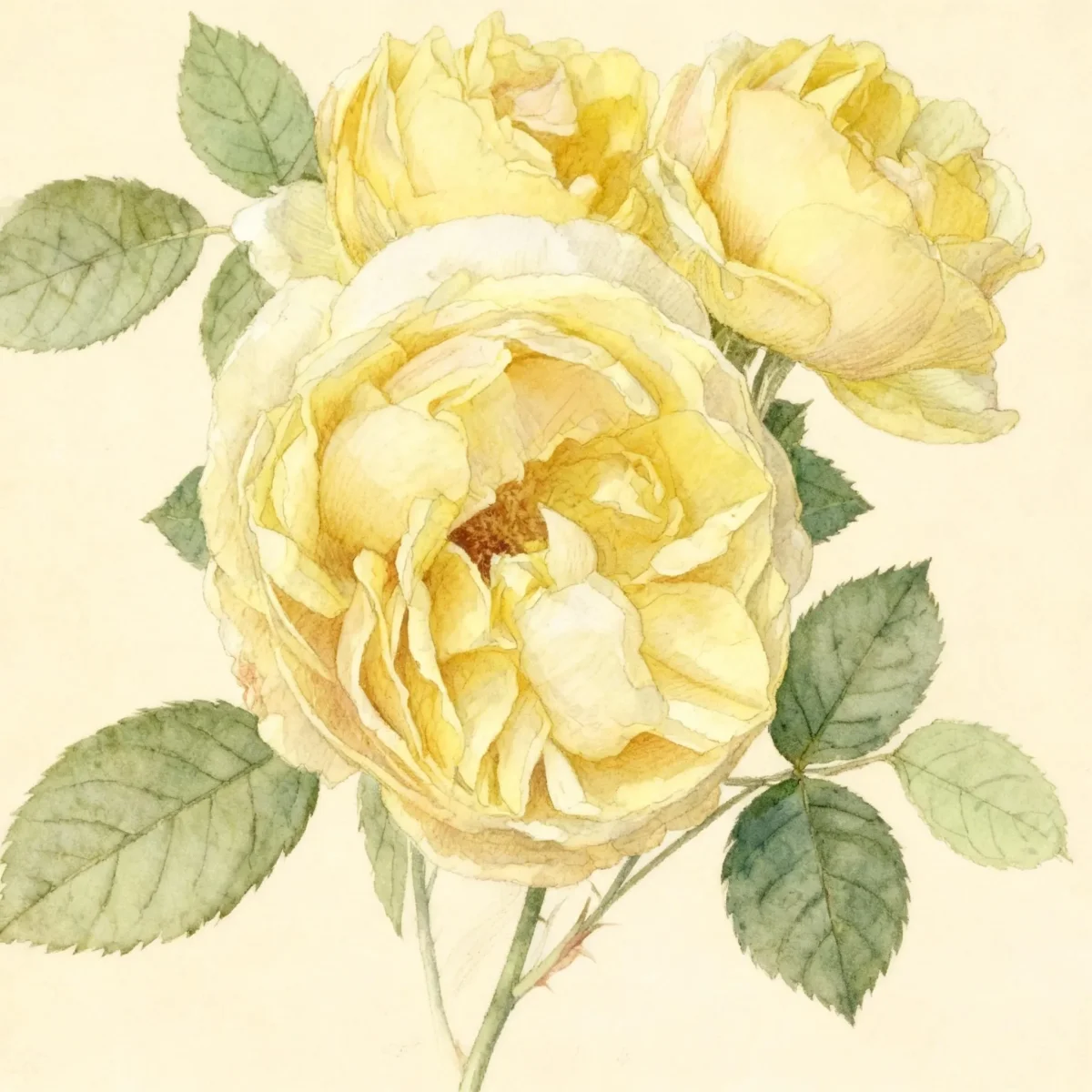
The Rosa ‘Ausmas’ GRAHAM THOMAS is a highly valued David Austin English rose, celebrated for its intense fragrance and continuous bloom cycle. This upright, bushy Shrub rose produces large, intensely fragrant, double blooms of bright yellow, making it a standout specimen in any garden setting. While requiring medium maintenance, the payoff is significant visual impact and a rich floral perfume throughout the growing season.
As a robust deciduous shrub, Rosa ‘Ausmas’ GRAHAM THOMAS typically reaches heights and spreads between 5 to 8 feet. It thrives best when planted in full sun, which also maximizes its disease resistance and flowering potential. Gardeners appreciate this variety not only for its aesthetic appeal but also for its hardiness across USDA zones 5 through 9.
This Shrub rose works effectively as a feature plant or integrated into a larger border design. Its vigorous growth and ability to bloom repeatedly from May until the first frost ensure reliable color. Proper cultural care, focusing on good air circulation and adequate moisture, will ensure the longevity and health of your Rosa ‘Ausmas’ GRAHAM THOMAS.
Fast Facts
- Plant Family: Rosaceae
- Plant Type: Deciduous shrub
- Hardiness Zones: USDA Zones 5-9
- Size at Maturity:
- Height: 5-8 ft
- Spread: 5-8 ft
- Bloom Time: May to frost
- Bloom Description: Yellow
- Sun Exposure: Full sun
- Water Needs: Medium
- Maintenance Level: Medium
How to Grow
For optimal establishment, plant Rosa ‘Ausmas’ GRAHAM THOMAS in well-drained garden loams that are slightly acidic. While it tolerates part shade, best flowering and crucial disease resistance are achieved in a location receiving full sun exposure. Planting should occur when the plant is dormant, typically in late winter or early spring, allowing roots to establish before summer stress.
Watering for this Shrub rose must be deep and consistent, preferably in the mornings, to ensure the moisture reaches the root zone without wetting the foliage overhead, which helps mitigate foliar diseases. Apply a summer mulch to conserve soil moisture, keep roots cool, and suppress weed competition. Prune established plants as needed in late winter or early spring to shape the bush and remove dead or crossing canes.
Encourage reblooming by promptly removing spent flowers throughout the season. In colder regions within its range, such as the transition areas of St. Louis, the crowns of the Rosa ‘Ausmas’ GRAHAM THOMAS will require protective winterizing. Furthermore, diligent garden hygiene—removing and destroying diseased or dead leaves throughout the season and during the winter cleanup—is vital for long-term plant health.
Landscape Uses
The versatile nature of this Shrub rose allows for varied placement in the landscape. Rosa ‘Ausmas’ GRAHAM THOMAS makes an excellent specimen plant due to its striking yellow color and intense fragrance, drawing attention to key areas of the garden. It is highly effective when utilized as a formal or informal hedge, providing a structure of texture and color throughout the growing season.
Beyond hedging, incorporate this variety into wild, cottage, or dedicated rose gardens where its substantial size (up to 8 feet wide) can be appreciated. It functions superbly within mixed borders, paired with perennials that offer contrasting foliage textures or bloom times, ensuring continuous interest after the main flush of yellow roses subsides. Consider its substantial size when planning, ensuring it has enough room to develop its broad, bushy habit.
Standout Features
Flower Qualities
- Showy
- Fragrant
Fruit Qualities
- Showy
Noteworthy Characteristics
Rosa ‘Ausmas’ GRAHAM THOMAS is an exemplary David Austin English rose known for its upright, bushy habit, typically maturing between 5 to 8 feet tall and wide. This Shrub rose features large, intensely fragrant, double yellow blooms measuring about 3.5 inches across, which appear reliably in clusters from spring until fall on arching stems clad in leathery, dark green foliage. The genus Rosa is noted for its often prickly stems and diverse flower forms, but this cultivar stands out due to its reliable fragrance and abundant color display.
Tolerances
Potential Problems
Roses, including the popular Shrub rose Rosa ‘Ausmas’ GRAHAM THOMAS, face susceptibility to several common fungal diseases, most notably black spot, powdery mildew, and rust. Insect pests such as aphids, thrips, and spider mites can also pose risks. The most effective primary defense against these issues relies on sound horticultural practices, such as ensuring excellent air circulation around the plant to promote drying.
In humid climates, regular preventative fungicide applications throughout the growing season are often necessary to minimize disease outbreaks on your Rosa ‘Ausmas’ GRAHAM THOMAS. Pay close attention to local recommendations regarding specific products and treatment schedules in your area. Promptly removing and destroying any infected foliage during the growing season and winter cleanup significantly reduces the inoculum level for the following year.
Frequently Asked Questions
What hardiness zones is Shrub rose suitable for?
The Rosa ‘Ausmas’ GRAHAM THOMAS Shrub rose is reliably hardy in USDA Zones 5 through 9.
How large does Rosa ‘Ausmas’ GRAHAM THOMAS grow?
This variety typically reaches a mature height between 5 to 8 feet, with a corresponding spread of 5 to 8 feet, depending on climate and pruning.
What sun exposure does Shrub rose need?
For the best flowering performance and strongest disease resistance, Rosa ‘Ausmas’ GRAHAM THOMAS requires full sun exposure.
When does Rosa ‘Ausmas’ GRAHAM THOMAS bloom?
This beautiful yellow rose blooms consistently throughout the season, beginning in May and continuing right up until the first frost.
Conclusion
The intense fragrance and reliable display of bright yellow, double flowers make the Rosa ‘Ausmas’ GRAHAM THOMAS an indispensable addition to dedicated rose collections or mixed borders. As a vigorous Shrub rose, it offers substantial structure and seasonal color with medium care requirements. Before planting, always confirm your local USDA hardiness zone compatibility and plan for a location that provides ample sunlight.
Companion Planting
Selecting suitable companions for the Rosa ‘Ausmas’ GRAHAM THOMAS is key to creating a healthy, aesthetically pleasing border. Since roses prefer slightly acidic, well-drained soil and consistent moisture, look for perennials that share these basic requirements. Plants that benefit from full sun but appreciate having their root zone kept slightly cooler work well, especially beneath the canopy of the rose bush.
Think about contrasting textures to enhance the visual impact of the Shrub rose’s dark green foliage. Companion choices like Russian Sage (Perovskia atriplicifolia) offer silvery, upright spikes that contrast beautifully with the rounded form and bright yellow blooms of Rosa ‘Ausmas’ GRAHAM THOMAS. Similarly, plants with fine, airy foliage like Lady’s Mantle (Alchemilla mollis) or ornamental grasses can soften the base of the shrub.
Avoid planting annuals or other shallow-rooted plants directly at the base, as they compete heavily for the moisture the deeply rooted rose needs. Focus on reliable, mid-height perennials like lavender, catmint (Nepeta), or salvias, which bloom later in the season, extending the garden’s interest long after the main rose blooming period wanes.
Seasonal Care Calendar
Managing the rhythm of cultural needs is crucial for maximizing bloom output from your Rosa ‘Ausmas’ GRAHAM THOMAS. Spring preparation should begin in late winter or early spring with the main pruning session, shaping the bush and removing any winter protection applied to the crowns. This is also the time to apply a balanced, slow-release fertilizer specifically formulated for roses.
Throughout the summer growing season, focus intensely on watering and debris management. Provide deep, consistent watering, ensuring you water the base of the plant, not the foliage, to prevent fungal development. Deadheading spent flowers regularly will encourage the plant to direct energy into producing new buds rather than hips—a key step for achieving that bloom-to-frost performance.
As autumn approaches, slow down on fertilization to avoid stimulating tender new growth susceptible to early frost damage. If you reside in the colder edges of zones 5 or 6, begin preparing winter protection for the crowns once daytime temperatures consistently drop. A thorough garden cleanup in the dormant season, removing all fallen leaves, prevents overwintering spores of black spot and mildew.