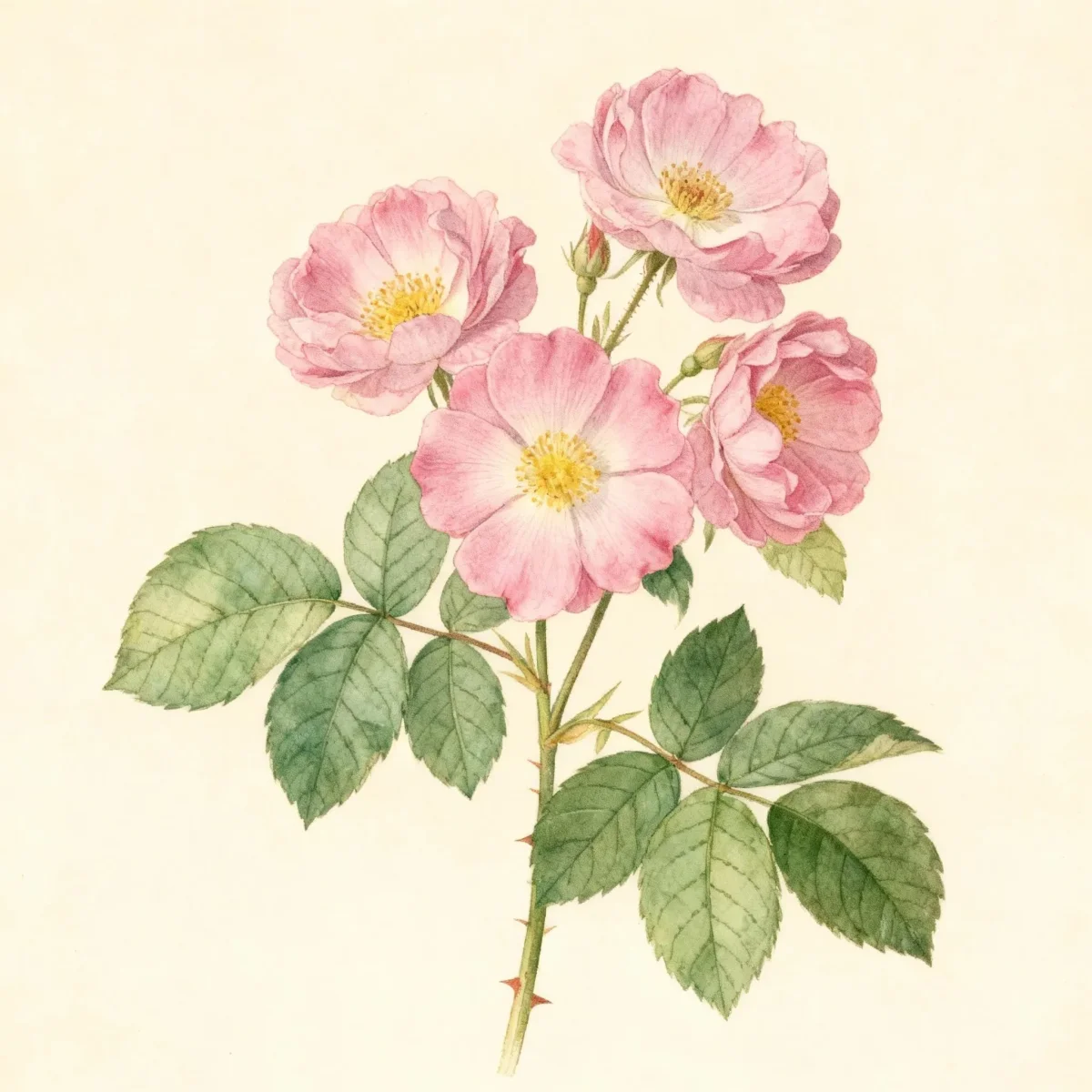
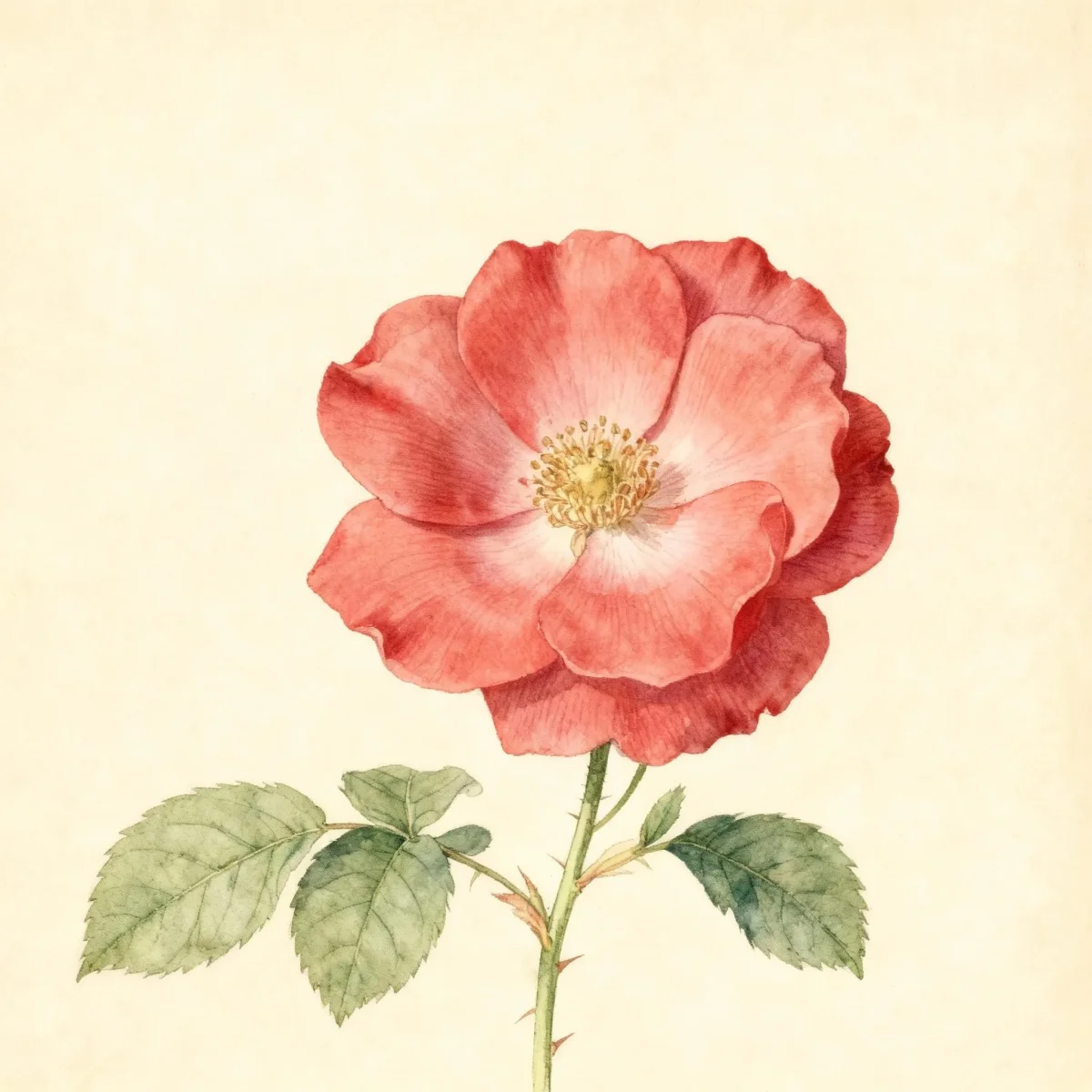
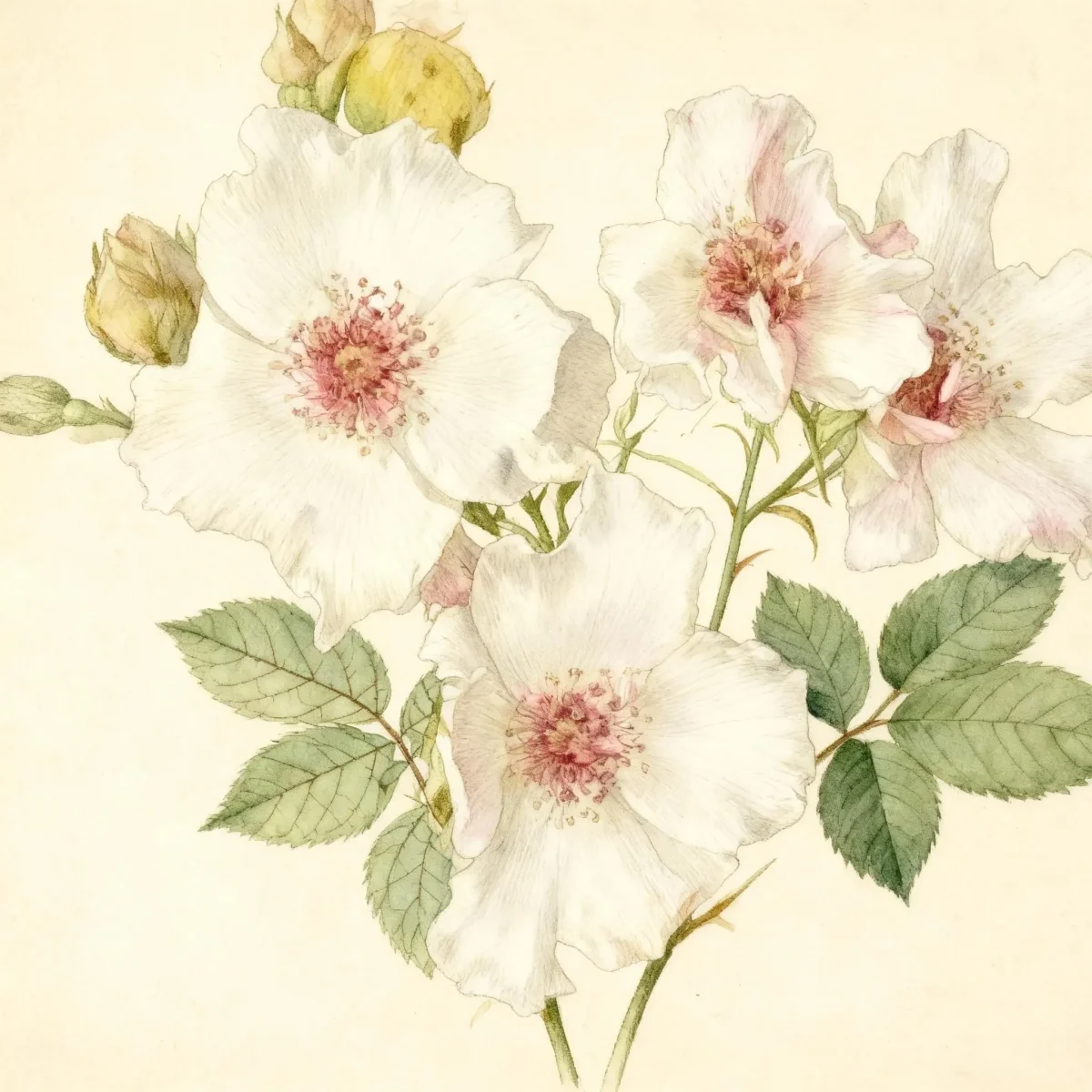
Floribunda rose (Rosa 'Gruss an Aachen')
Rosa 'Gruss an Aachen' is a compact Floribunda rose featuring fragrant, salmon-pink to creamy-white blooms. Hardy in zones 4-9.
Scroll down to discover growing tips, care requirements, companion plants, and more
Complete Plant Information
Overview
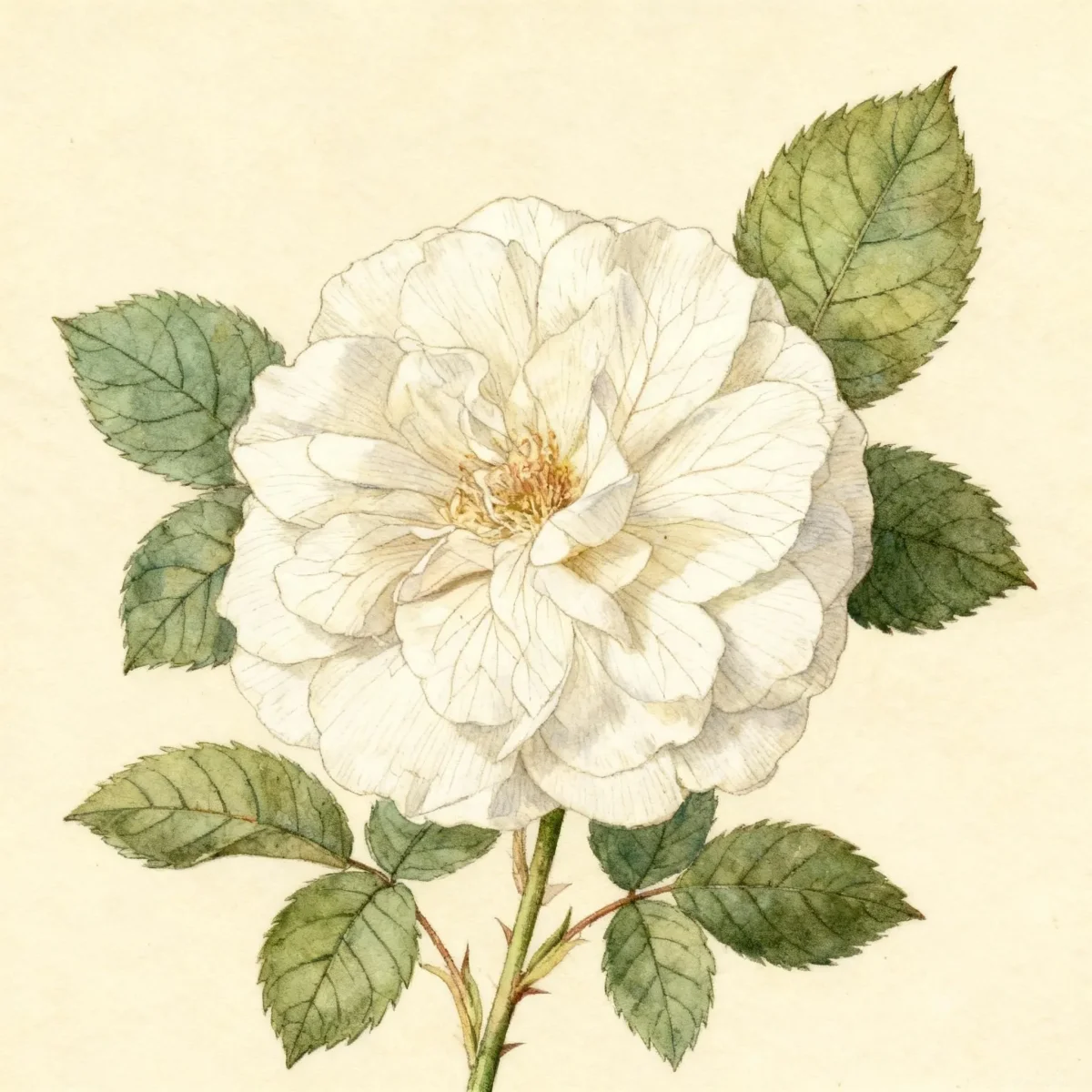
The Floribunda rose, specifically the cultivar Rosa ‘Gruss an Aachen’, offers tremendous value to the landscape due to its reliable floriferous nature and captivating coloration. This compact, bushy shrub produces clusters of double flowers that open a warm salmon-pink before gracefully maturing to creamy white, providing extended season interest from May until the first frost. As a Floribunda rose, it balances the classic form often desired with the abundant, clustered blooming characteristic of the type. Gardeners appreciate Rosa ‘Gruss an Aachen’ for its vigorous structure and ability to act as a beautiful low hedge or border accent within mixed garden beds.
This deciduous shrub typically matures to a manageable size, rarely exceeding two feet tall, which makes placement in smaller spaces easier than some larger rose varieties. While it exhibits robust growth, successful cultivation of Rosa ‘Gruss an Aachen’ requires medium water input and a commitment to medium maintenance practices, focusing heavily on disease prevention and proper pruning. Its repeat blooming cycle is highly desirable, ensuring continuous color gratification throughout the growing season in suitable environments.
For the best aesthetic impact and disease resistance, position Rosa ‘Gruss an Aachen’ where it receives maximum sunlight, although it will tolerate light shade. Deadheading spent blooms regularly is crucial for maintaining the cycle of flower production typical of a high-performing floribunda. By understanding its specific cultural needs, any gardener can successfully incorporate the charm of Rosa ‘Gruss an Aachen’ into their perennial or border plantings.
Fast Facts
- Plant Family: Rosaceae
- Plant Type: Deciduous shrub
- Hardiness Zones: USDA Zones 4-9
- Size at Maturity:
- Height: 1-2 ft
- Spread: 2-3 ft
- Bloom Time: May to frost
- Bloom Description: Salmon pink fading to creamy white
- Sun Exposure: Full sun to part shade
- Water Needs: Medium
- Maintenance Level: Medium
How to Grow
Planting Rosa ‘Gruss an Aachen’ should ideally occur in spring or fall when the soil is workable. Select a location that provides full sun exposure, though part-shade tolerance exists; remember that full sun maximizes bloom quality and disease defense. This Floribunda rose thrives best in well-drained garden loams that are slightly acidic, maintaining medium moisture levels consistently.
Ongoing care centers on consistent hydration and sanitation. Water deeply, preferably in the morning, ensuring the water targets the root zone rather than wetting the foliage, as overhead watering encourages fungal issues like black spot and powdery mildew. Apply a summer mulch layer to regulate soil temperature and retain moisture. Good air circulation is vital; ensure adequate spacing between plants.
Routine maintenance involves removing spent flowers promptly—a process called deadheading—to stimulate the next flush of blooms, maximizing the season-long performance of this Floribunda rose cultivar. In colder regions (like Zone 4 winter exposures), provide winter protection for the crowns. Late winter pruning, typical for hybrid tea and floribunda types, should reduce the height back to 12–18 inches from the ground to encourage strong new growth.
Landscape Uses
Rosa ‘Gruss an Aachen’ excels anywhere a low, colorful, and fragrant hedge is needed, providing structure without excessive height. Its compact, rounded nature makes it perfect for defining the front edge of mixed shrub borders or cottage gardens, where its continuous display of color contrasts nicely with upright structures. It is also highly effective when used in mass plantings, creating a continuous ribbon of salmon-pink to white blooms, or as a stately, fragrant edger along pathways.
Consider pairing this robust Floribunda rose with plants that share similar sun and moisture needs, such as low-growing catmint or ornamental grasses that offer movement and textural contrast. The repeating clusters of flowers on Rosa ‘Gruss an Aachen’ work well when interspersed with spring-blooming bulbs, which fill the visual gap before the main rose flush begins. Its defined size and attractive foliage also make it a superior choice for formal low hedges where repeated shearing is undesirable.
Standout Features
Flower Qualities
- Showy
- Fragrant
Noteworthy Characteristics
Rosa is a genus celebrated for its beautiful, often fragrant flowers borne on prickly stems; Floribundas, like Rosa ‘Gruss an Aachen’, are characterized by producing clusters of flowers, unlike the single blooms of Hybrid Teas. This specific cultivar is a vigorous, compact shrub that yields double flowers up to 3 inches wide, providing that distinctive salmon-pink to creamy white transition which repeats well throughout the summer display. Its small, dark green foliage provides a neat backdrop to the prolific blooms.
Tolerances
Potential Problems
Roses, including the Floribunda rose Rosa ‘Gruss an Aachen’, are prone to several common fungal diseases such as black spot, powdery mildew, and rust, particularly in humid environments. Proactive cultural care is the primary defense: ensure good air circulation, avoid overhead watering, and remove any diseased foliage immediately during the season. Regular preventative fungicide applications are often necessary for consistent health. Insects such as aphids, spider mites, and scale can also become pests; monitor closely and treat promptly with targeted controls.
Frequently Asked Questions
What hardiness zones is Floribunda rose suitable for?
Rosa ‘Gruss an Aachen’ is suitable for USDA planting zones 4 through 9.
How large does Rosa ‘Gruss an Aachen’ grow?
This compact shrub typically reaches a height between 1 and 2 feet with a spread ranging from 2 to 3 feet at maturity.
What sun exposure does Rosa ‘Gruss an Aachen’ need?
For optimal health and bloom production, this variety requires full sun, although it can tolerate light shade.
When does Floribunda rose bloom?
Rosa ‘Gruss an Aachen’ begins blooming in May and continues flowering repeatedly until the frost arrives, displaying shades of salmon pink fading to creamy white.
Conclusion
The Rosa ‘Gruss an Aachen’ Floribunda rose offers gardeners a beautiful combination of fragrance, compact habit, and season-long color, making it a superb choice for defined borders or low hedging. Its shift from salmon-pink to creamy white provides dynamic interest, ensuring that this cultivar remains a focal point. Evaluate your growing site to confirm you can provide the needed full sun and adequate air circulation, then plan your planting for the optimal spring or fall installation.
Companion Planting
Selecting appropriate neighbors helps manage the microclimate around your Rosa ‘Gruss an Aachen’. Plants that require well-drained, medium-moisture soil are ideal partners. Consider using low-growing perennials like Lamb’s Ears (Stachys byzantina) or hardy Geraniums near the base; these act as living mulch and suppress weeds without competing aggressively for moisture.
Avoid planting water-loving perennials directly adjacent to the rose, as this can increase humidity around the base foliage, setting the stage for fungal activity. Instead, pair the shrub with other sun-loving, drought-tolerant perennials once established, such as Russian Sage or ornamental grasses, which allow air to flow freely around the rose canes.
Seasonal Care Calendar
Spring cleanup for this Floribunda rose involves removing all debris accumulated from winter dormancy and performing the main structural pruning in late winter before bud break, cutting stems back significantly. As new growth emerges, begin a consistent preventative fungicide schedule, especially if you have experienced black spot in previous years.
During the summer months, diligent deadheading of faded blooms is paramount to encourage the consistent rebloom characteristic of Rosa ‘Gruss an Aachen’. Additionally, ensure deep, regular watering during dry spells, focusing on the base of the plant. Apply a fresh layer of mulch around the base mid-summer to keep roots cool and moisture stable.
Fall preparation is less intensive than spring pruning. Instead of heavy cuts, simply clean up any fallen leaves promptly to limit overwintering disease spores. In very cold zones, apply extra mulch over the crown area after the ground has frozen to provide necessary insulation for the dormant roots of your Floribunda rose.