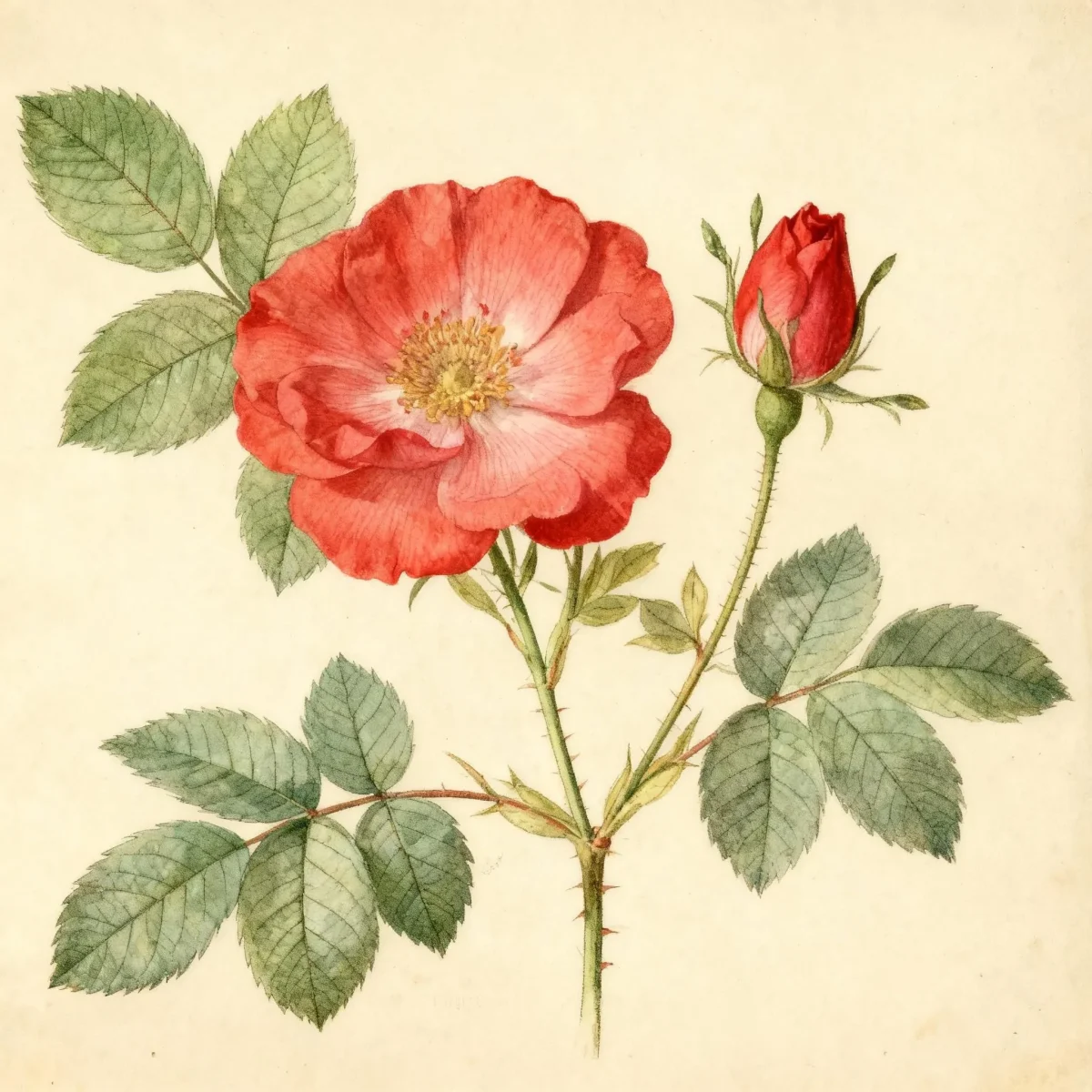
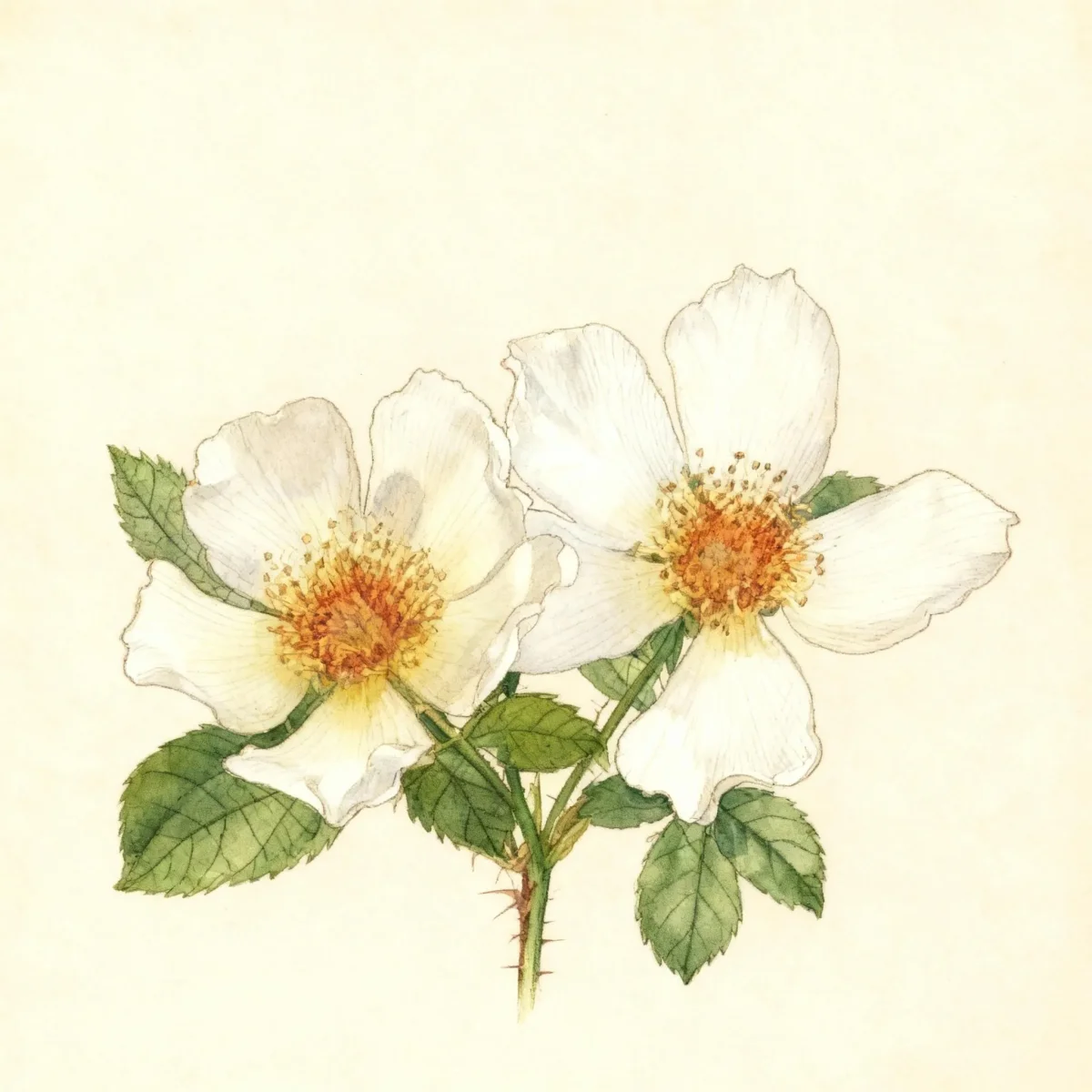
Hybrid rugosa rose (Rosa 'Hansa')
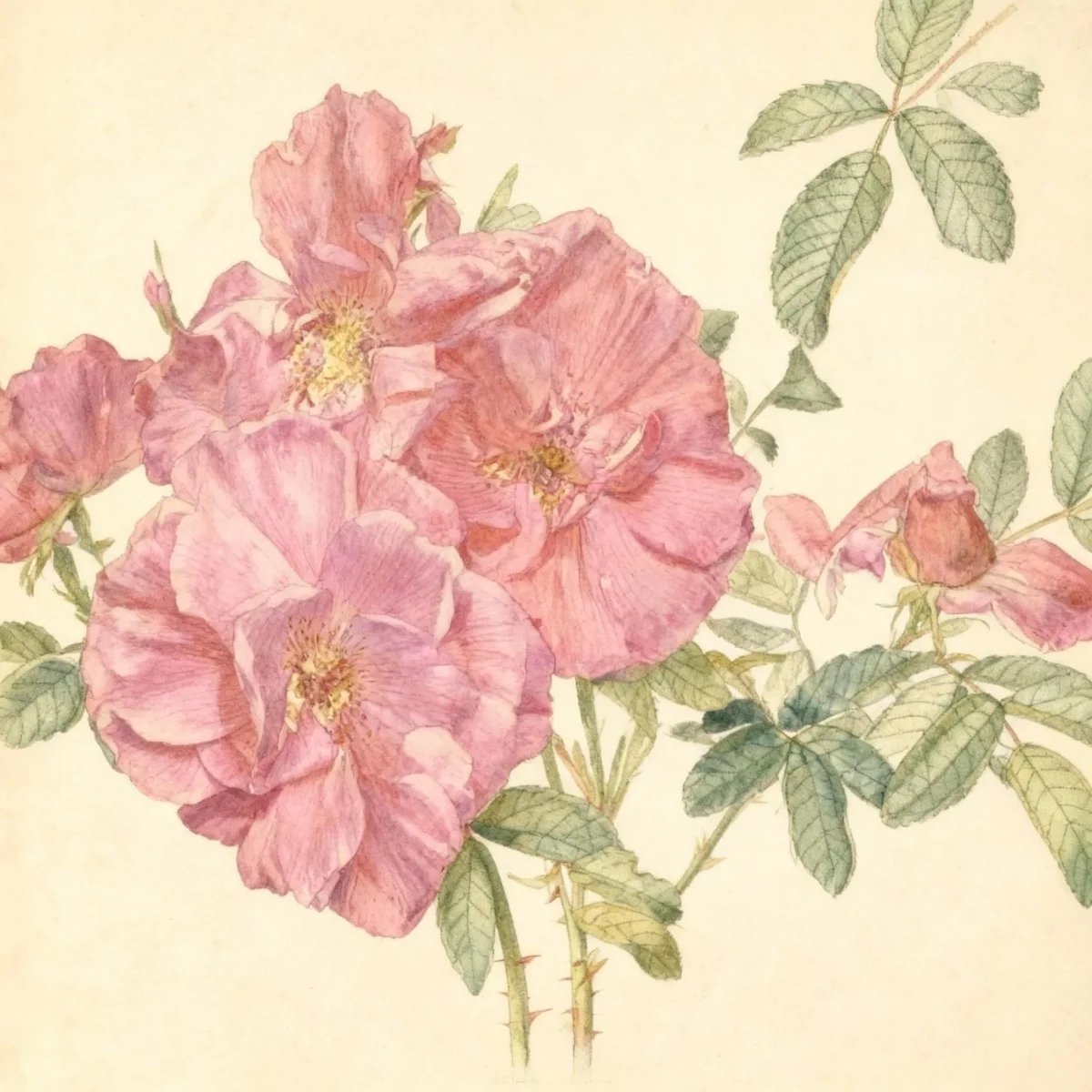
Rosa 'Hansa' is a vigorous Hybrid rugosa rose (Rosa rugosa hybrid) known for its fragrant, deep crimson-purple blooms from May to frost.
Scroll down to discover growing tips, care requirements, companion plants, and more
Complete Plant Information
Overview
Rosa ‘Hansa’ is a highly regarded Hybrid rugosa rose, prized by gardeners for its exceptional vigor and continuous display of color. This upright shrub produces double blooms of a deep crimson purple hue that possess noticeable fragrance, enhancing any garden space. As a robust cultivar, the Rosa ‘Hansa’ maintains its appeal throughout the season, providing aesthetic interest from early summer well into the cooler months before setting orange-red hips.
It thrives in a wide range of climates, reflected by its hardiness extending from Zone 3 into Zone 8, making it a versatile choice for many regions. While it appreciates full sun for optimal flowering and disease resistance, it can tolerate partial shade, allowing for flexible placement in landscape designs. Its medium maintenance requirements mean it offers grand performance without demanding constant attention.
The practical benefits of incorporating Rosa ‘Hansa’ into the landscape are numerous; it serves excellently as a screen or hedge due to its substantial, upright structure. Beyond its form and bloom, this specific Hybrid rugosa rose contributes reliable structure and color, embodying the dependable nature that gardeners seek in landscape shrubs.
Fast Facts
- Plant Family: Rosaceae
- Plant Type: Deciduous shrub
- Hardiness Zones: USDA Zones 3-8
- Size at Maturity:
- Height: 4-5 ft
- Spread: 3-4 ft
- Bloom Time: May to frost
- Bloom Description: Deep crimson purple
- Sun Exposure: Full sun
- Water Needs: Medium
- Maintenance Level: Medium
How to Grow
Planting for Rosa ‘Hansa’ should ideally occur in spring or fall when soil temperatures are moderate. Select a location that provides full sun for the best flowering performance and superior disease control, though partial shade is tolerated. The soil should be a well-drained garden loam, slightly acidic is preferred, and require medium moisture supplementation.
Watering must be deep and consistent, preferably done in the early mornings to allow foliage to dry completely, as overhead watering encourages fungal issues. Summer mulching is highly recommended to conserve soil moisture, keep the root zone cool, and help suppress weeds beneath the dense canopy of this Hybrid rugosa rose. Deadheading spent flowers throughout the season will encourage the excellent repeat blooming characteristic of Rosa ‘Hansa’.
In areas experiencing harsh winters (such as Zone 3 limits), providing winter protection for the crowns is a necessary cultural practice. Furthermore, cleanliness impacts health; promptly remove and destroy diseased foliage during the growing season and perform a thorough cleanup in late fall or winter. Pruning this robust shrub is best scheduled for late winter or early spring, performed only as needed to shape the plant or remove damaged wood.
Landscape Uses
The strong, upright form of Rosa ‘Hansa’ makes it an invaluable asset for creating structure in mixed borders or cottage garden settings. Its ability to grow densely also makes it highly recommended as a functional, colorful Hedge that screens views or defines property lines.
Beyond hedges, these shrubs shine when planted as specimen focal points or grouped together near foundations where their fragrant blooms can be best appreciated. The Hybrid rugosa rose pairs well with tough, complementary perennials that share similar sun and moisture needs, offering textural contrast against its medium green foliage.
Standout Features
Flower Qualities
- Showy
- Fragrant
Noteworthy Characteristics
Rosa is a genus noted for beautiful, often fragrant flowers borne on prickly stems. Shrub roses like this are diverse hybrids, typically flowering repeatedly during the season without the heavy pruning needed by hybrid teas. ‘Hansa’ is a particularly vigorous, upright shrub, reaching 4-5 feet, featuring double blooms up to 3 inches across with excellent repeat bloom, followed by attractive orange-red hips.
Tolerances
- Air Pollution
Potential Problems
Roses are genetically susceptible to a range of fungal issues, most notably black spot, powdery mildew, and rust. While excellent cultural practices—like ensuring good air circulation and avoiding wet foliage—form the primary defense, preventative fungicide applications may be necessary, especially in humid climates. Common insect pests include aphids, spider mites, and borers. Gardeners should consult local extension services for the most current, region-specific advice on selecting appropriate preventative treatments to keep the Rosa ‘Hansa’ healthy.
Frequently Asked Questions
What hardiness zones is Hybrid rugosa rose suitable for?
Rosa ‘Hansa’ is extremely cold-tolerant, suitable for USDA Zones 3 through 8.
How large does Rosa ‘Hansa’ grow?
This shrub typically matures to a height of 4 to 5 feet, spreading to a width of 3 to 4 feet.
When does Rosa ‘Hansa’ bloom?
This variety begins blooming in May and continues its flowering performance until the first frost, presenting deep crimson purple colors.
What sun exposure does Rosa ‘Hansa’ need?
While it grows best and exhibits the best disease resistance in full sun, Rosa ‘Hansa’ can tolerate part shade conditions.
Conclusion
The Hybrid rugosa rose cultivar Rosa ‘Hansa’ delivers dependable performance through its vigorous growth, excellent repeat flowering, and deep crimson-purple scent. Its hardiness and tolerance for urban conditions make it a superb selection for creating resilient hedges or layered borders. Ensure you plan your planting for the correct hardiness zone to maximize the stunning visual and fragrant display this shrub provides annually.
Companion Planting
When selecting partners for the upright structure of Rosa ‘Hansa’, focus on robust perennials that thrive in similar sun exposure and well-drained soil. Native Geraniums or hardy Salvias offer contrasting foliage textures that look wonderful beneath the shrub’s canopy. Additionally, incorporating lower-growing, fragrant herbs like Lavender or Catmint along the front edge of the planting bed enhances the sensory experience offered by these beautiful roses.
Seasonal Care Calendar
For Spring, focus on dormant pruning in late winter to early spring and cleaning up all debris to minimize overwintering disease spores. Summer care is all about consistent moisture management; ensure deep watering at the base of the plant and apply a layer of mulch for water retention. In the Fall, deadhead spent blooms to encourage late color and begin preparing plants sensitive to deep freezes by providing winter crown protection if living near the lower hardiness limits of this tough shrub.