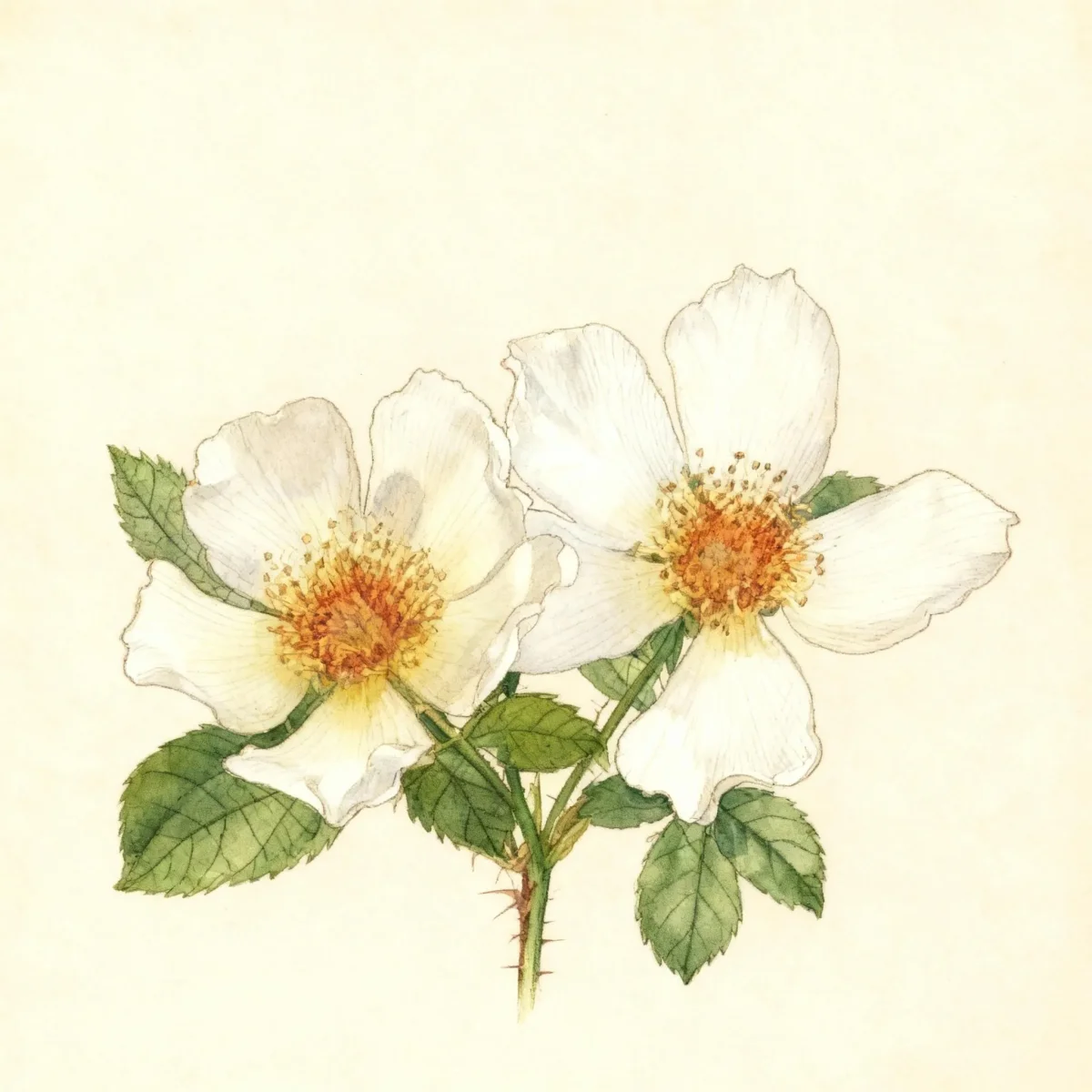
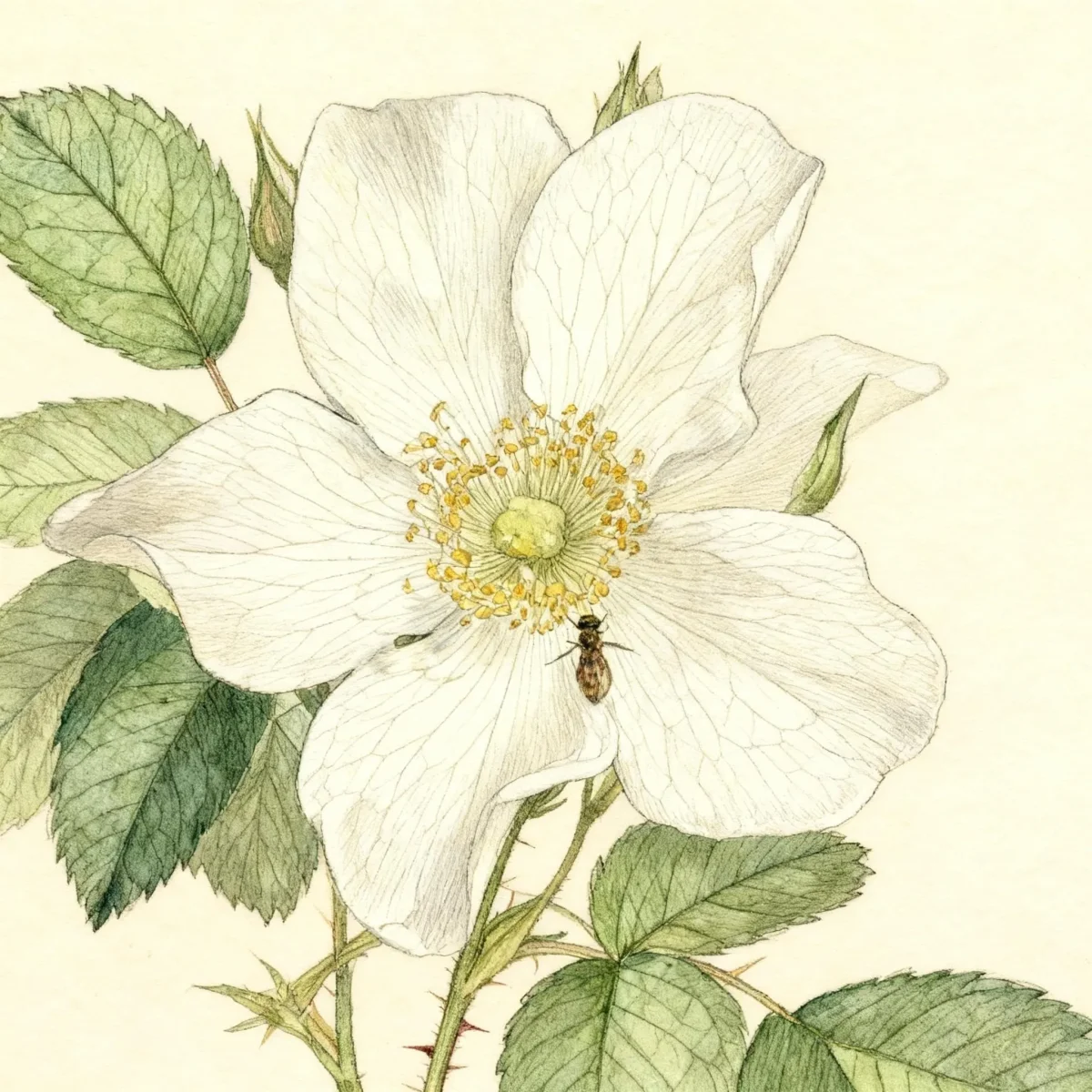
Shrub rose (Rosa 'Auslilac' LILAC ROSE)
Rosa 'Auslilac' LILAC ROSE is a medium-maintenance Shrub rose known for showy, fragrant, lilac-pink blooms from May to frost.
Scroll down to discover growing tips, care requirements, companion plants, and more
Complete Plant Information
Overview
Rosa ‘Auslilac’ LILAC ROSE, commonly known as a Shrub rose, offers gardeners exceptional visual appeal with its large, deeply colored blooms. This cultivar is particularly valued as a David Austin English rose hybrid, bringing intense fragrance and classic form to the garden setting. It forms an upright, bushy, compact shrub suitable for various landscape roles.
This durable plant excels in cultivation, producing abundant lilac-pink flowers consistently from late spring until the first hard frost, maximizing seasonal color impact. While preferring full sun, Rosa ‘Auslilac’ LILAC ROSE maintains good vigor under part shade conditions, providing flexibility in garden design. Maximizing its strong growth requires attention to moisture management and air circulation.
The overall structure of the Shrub rose makes it versatile for both formal and cottage garden settings. Its combination of continuous bloom, strong fragrance, and manageable size ensures the Rosa ‘Auslilac’ LILAC ROSE remains a highly recommended choice for rose enthusiasts seeking low-fuss performance coupled with high aesthetic reward.
Fast Facts
- Plant Family: Rosaceae
- Plant Type: Deciduous shrub
- Hardiness Zones: USDA Zones 5-9
- Size at Maturity:
- Height: 2-4 ft
- Spread: 2-4 ft
- Bloom Time: May to frost
- Bloom Description: Lilac pink
- Sun Exposure: Full sun
- Water Needs: Medium
- Maintenance Level: Medium
How to Grow
The ideal spot for Rosa ‘Auslilac’ LILAC ROSE is in full sun, which optimizes flowering and disease resistance, though it tolerates light shade. Plant this Shrub rose in medium moisture, slightly acidic, well-drained garden loams. Proper grounding ensures healthy root development for this long-lived shrub.
Maintain consistent moisture by watering deeply and regularly, preferably in the mornings, ensuring overhead watering is avoided to minimize foliar issues. Applying a layer of summer mulch helps retain soil moisture, keeps the roots cool, and suppresses competitive weeds around the base of the growing Rosa ‘Auslilac’ LILAC ROSE.
Deadheading—removing spent flowers—is crucial to encourage the plant to continue producing its beautiful blooms throughout the season until frost arrives. In cold winter regions like St. Louis, providing winter protection for the crowns of this Shrub rose is a necessary cultural practice.
Pruning should be performed as needed in late winter or early spring to shape the plant and remove dead or crossing wood. Vigilant garden cleanup, removing and destroying diseased or fallen leaves during the growing season and dormant period, forms a key part of its medium maintenance requirement.
Landscape Uses
This versatile Shrub rose is highly effective when used as an accent specimen or planted in small groupings within borders to provide continuous mid-season color. Rosa ‘Auslilac’ LILAC ROSE also performs admirably when formal structure is needed, serving effectively as a manageable hedge line.
Consider pairing the fragrant, lilac-pink blooms of the Rosa ‘Auslilac’ LILAC ROSE with mid-to-late-season flowering perennials that enjoy similar sun and soil conditions, such as Russian Sage or Catmint, to create layered interest. For cottage gardens, allow the plant to mingle with traditional English garden standards.
Its manageable 2 to 4-foot height makes it suitable for use toward the front or middle of foundation plantings where its upright habit provides structure without obscuring lower elements. The continuous flowering nature of this Shrub rose ensures that the focal point remains vibrant throughout the warm months.
Standout Features
Flower Qualities
- Showy
- Fragrant
- Good Cut
Noteworthy Characteristics
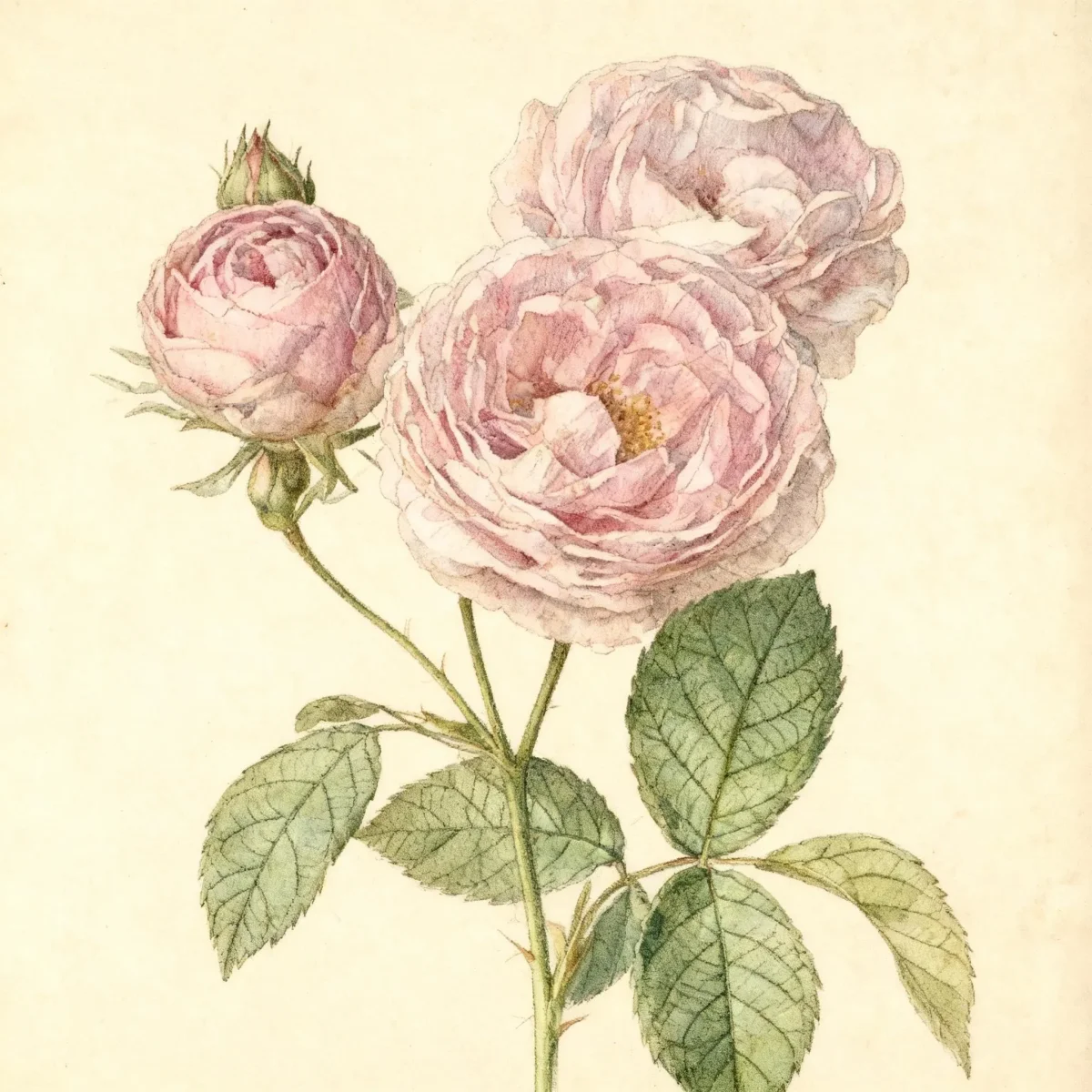
This designation as an upright, bushy, compact shrub rose places the Rosa ‘Auslilac’ LILAC ROSE perfectly for structured yet romantic gardens. As a David Austin English rose, it features large, intensely fragrant, fully double, pink blooms accented with a distinct hint of lilac. Foliage is a complementary medium green, supporting excellent bloom production from spring through fall.
Tolerances
Potential Problems
Roses, including the popular Shrub rose varieties like Rosa ‘Auslilac’ LILAC ROSE, face common challenges from fungal diseases such as black spot, powdery mildew, and rust. In humid climates, preventative fungicide applications throughout the growing season are often essential alongside good cultural practices to control these issues.
Insect pests requiring vigilance include aphids, scale, and spider mites. Monitoring the foliage closely allows for early intervention, often using streams of water or insecticidal soaps for minor infestations. Good cultural care, especially ensuring strong air circulation, is the primary defense against most common rose ailments.
Frequently Asked Questions
What hardiness zones is Shrub rose suitable for?
Rosa ‘Auslilac’ LILAC ROSE is reliably hardy in USDA Zones 5 through 9.
How large does Rosa ‘Auslilac’ LILAC ROSE grow?
This Shrub rose typically reaches a mature height between 2 and 4 feet, with a similar spread of 2 to 4 feet.
When does Rosa ‘Auslilac’ LILAC ROSE bloom?
It offers the gardener a long season of color, blooming consistently from May until frost, featuring lovely lilac pink coloration.
What sun exposure does Shrub rose need?
For optimal health, disease resistance, and the best performance, Rosa ‘Auslilac’ LILAC ROSE requires full sun exposure.
Conclusion
The Rosa ‘Auslilac’ LILAC ROSE is a standout performer, delivering highly fragrant, showy blooms repeatedly throughout the season while maintaining an attractive, compact form. Its adaptability and beauty make this Shrub rose a cornerstone for any gardener looking to incorporate classic rose elegance into their landscape. Before planting, always verify that your local USDA zone falls within Zones 5-9 and prepare your best-draining loam soil.
Companion Planting
Selecting suitable companions for Rosa ‘Auslilac’ LILAC ROSE involves choosing plants that share similar sun, water, and soil preferences while offering complementary texture or bloom times. Deep-rooted perennials that tolerate bright sun, such as ornamental grasses, can provide structural contrast near the base of the Shrub rose.
Consider planting low-growing herbs like Chives or Thyme around the base; they appreciate similar drainage and their foliage can help obscure the lower stems of the rose. Companion planting is not just aesthetic; it can sometimes confuse pests searching for their host plant, benefiting the overall health of your Rosa ‘Auslilac’ LILAC ROSE.
Seasonal Care Calendar
Spring preparation is vital for a healthy Shrub rose season. Perform necessary pruning duties in late winter or early spring just as buds begin to swell, focusing on shaping and removing any winter-damaged wood. Apply a balanced, slow-release fertilizer formulated for roses once new growth begins actively.
Summer maintenance centers on moisture management and deadheading. Ensure deep watering during dry spells, providing water to the roots rather than overhead, and regularly clip spent flowers to stimulate rebloom cycles on your Rosa ‘Auslilac’ LILAC ROSE. Monitor closely for the onset of common rose diseases.
As autumn approaches, ensure the area around the plant is thoroughly cleaned of all fallen leaves to minimize overwintering fungal spores. In colder zones (5 and 6), apply extra mulch or use burlap wraps to protect the crowns of the Shrub rose before the ground freezes solid for winter dormancy.