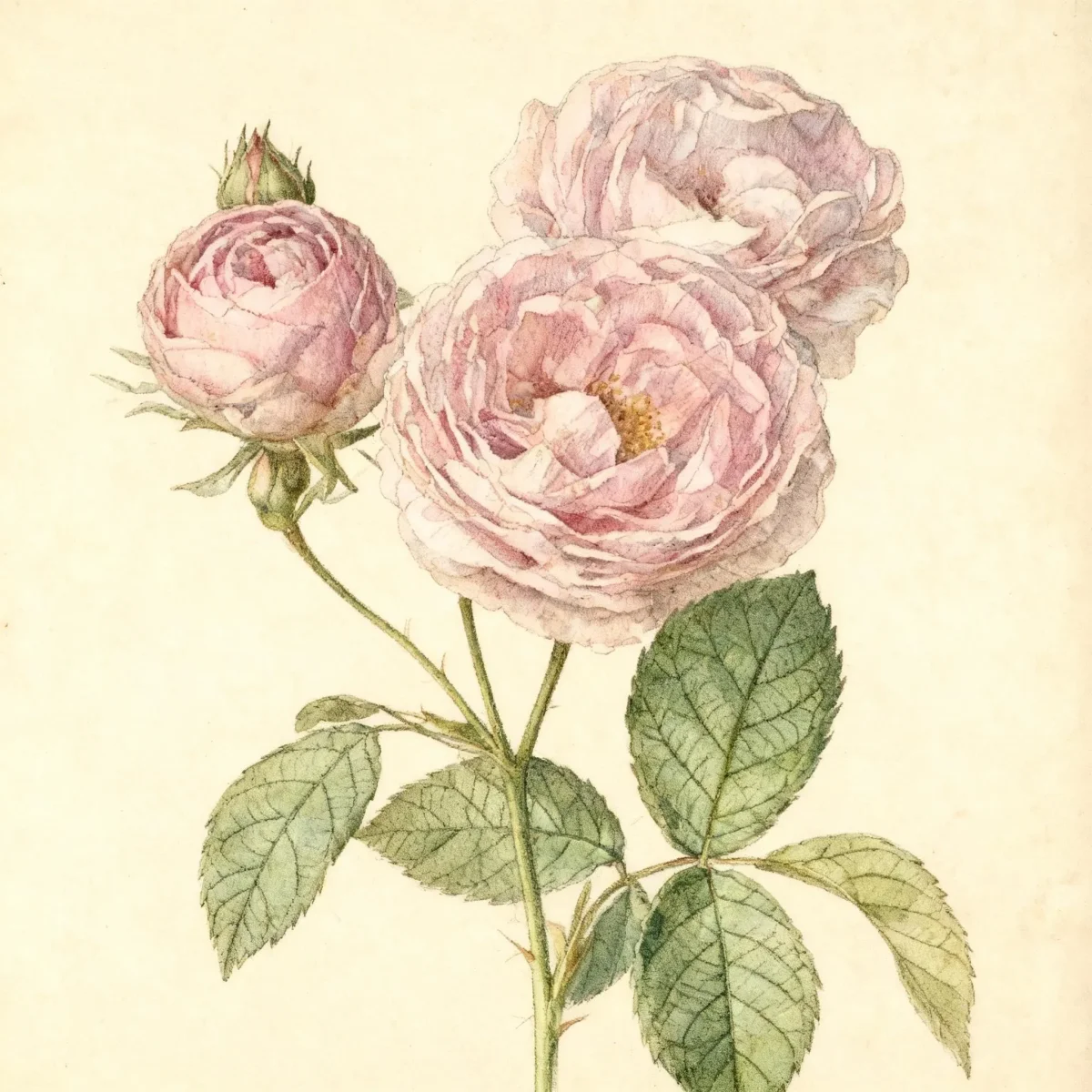
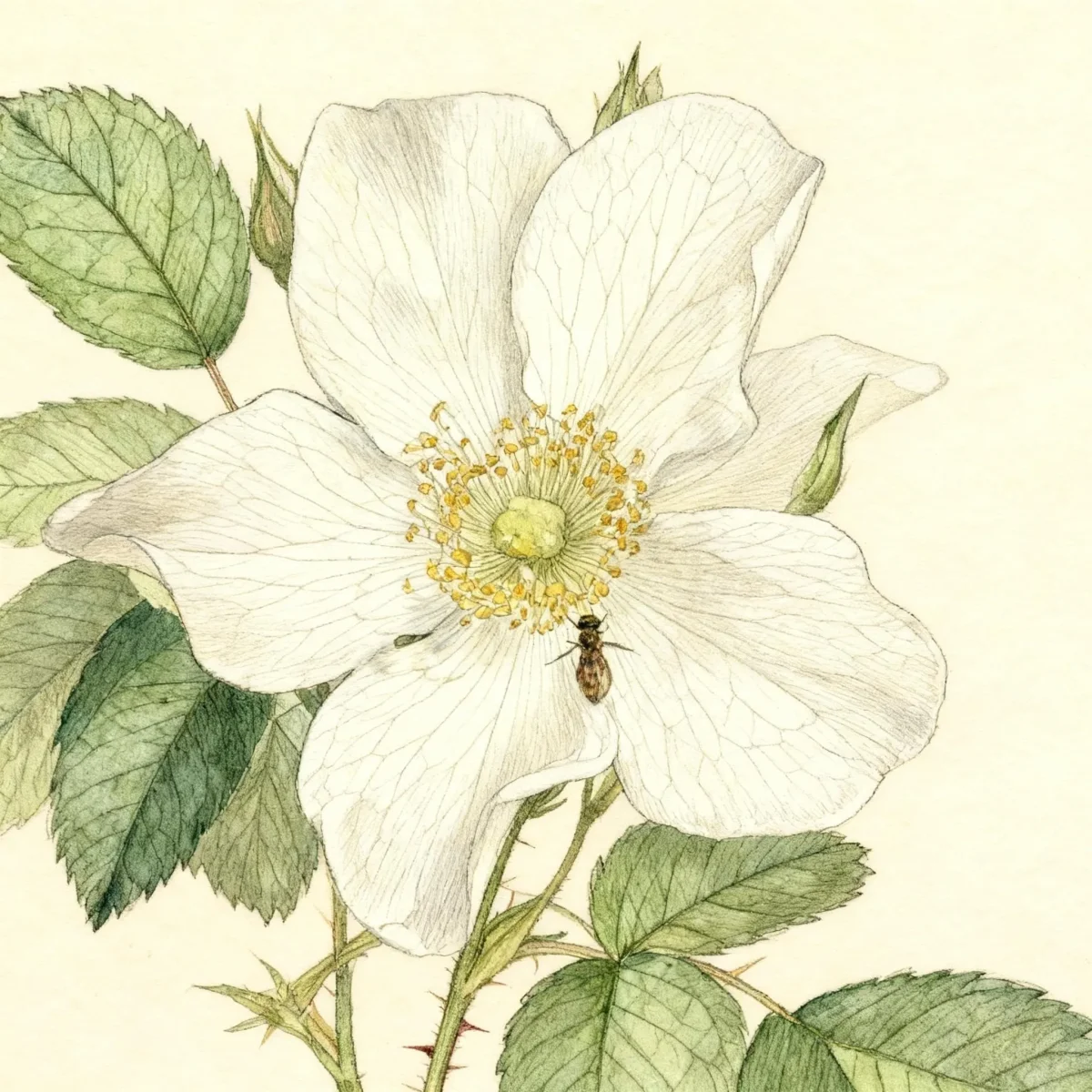
Shrub rose (Rosa 'Ausmary' MARY ROSE)
The fragrant, double-pink Shrub rose, Rosa 'Ausmary' MARY ROSE, grows 4-5 ft tall and fits zones 5-9.
Scroll down to discover growing tips, care requirements, companion plants, and more

Complete Plant Information
Overview
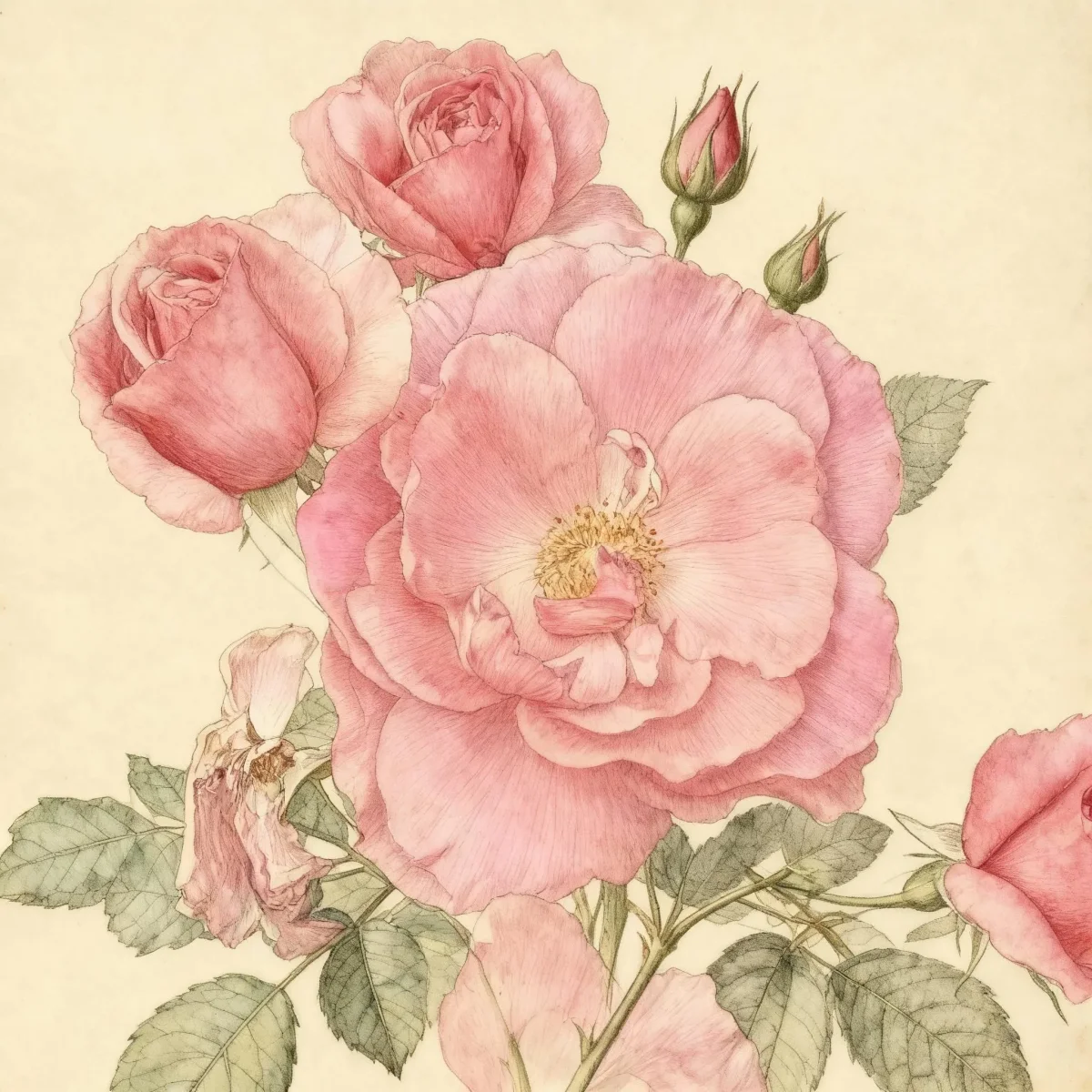
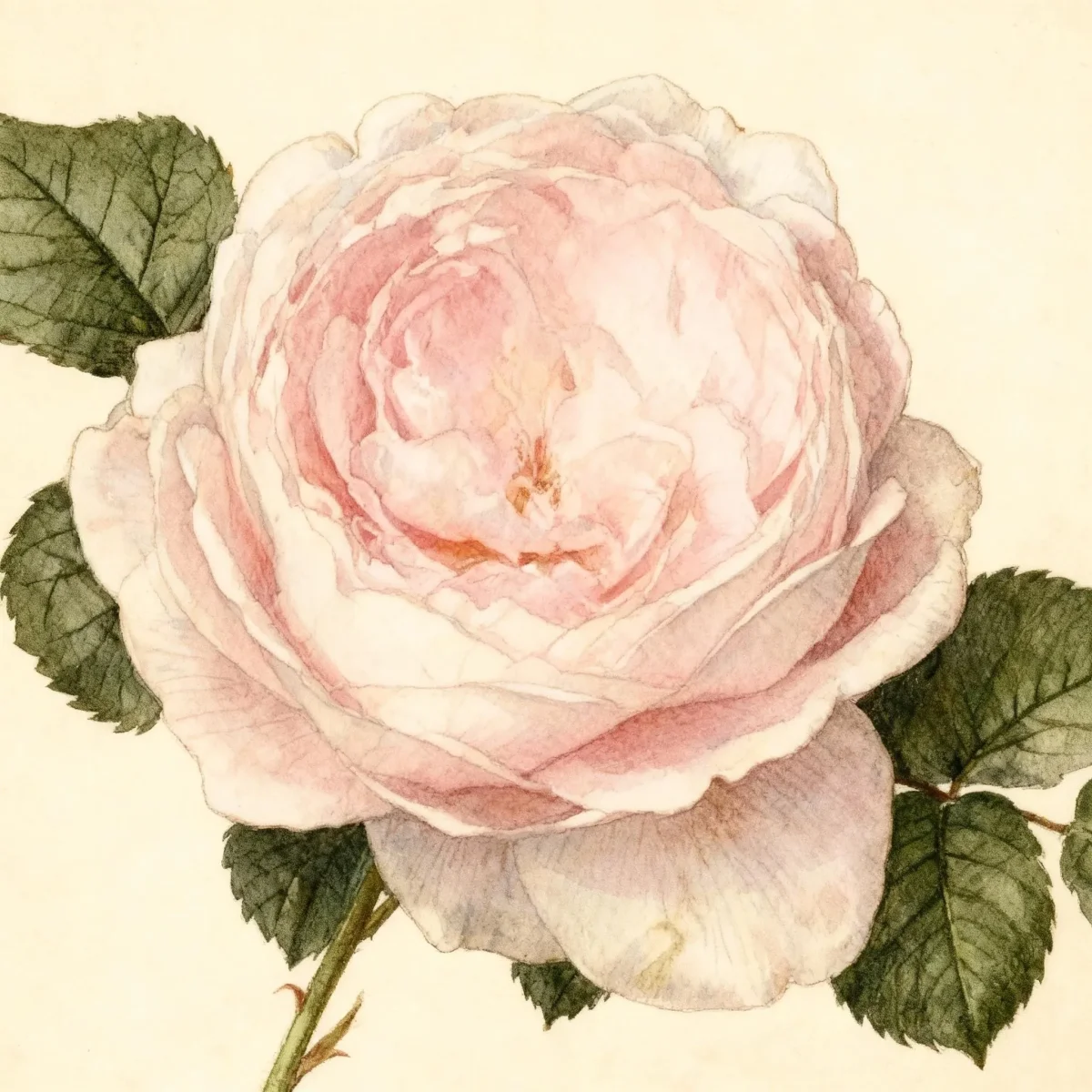
The Rosa ‘Ausmary’ MARY ROSE is a highly regarded David Austin English shrub rose celebrated for its classic, deeply cupped blooms resembling old damask roses. This cultivar offers gardeners fully double, pink flowers reaching up to 3 inches in diameter that bloom continuously from late spring until the first frost, providing long-season color and light fragrance. As a robust deciduous shrub, it typically forms a handsome, slightly vase-shaped habit, making it a strong structural element in garden designs.
This specific variety, known by its designation Rosa ‘Ausmary’ MARY ROSE, performs best when sited where it receives ample sunlight, which aids in maximizing both flowering performance and disease resistance, crucial elements for a healthy Shrub rose. While resilient, it requires medium moisture and attention to air circulation to thrive across USDA Zones 5 through 9. Gardeners value this plant for its dependable rebloom cycle and its ability to translate the romantic aesthetic of traditional roses into a modern landscape setting.
Fast Facts
- Plant Family: Rosaceae
- Plant Type: Deciduous shrub
- Hardiness Zones: USDA Zones 5-9
- Size at Maturity:
- Height: 4-5 ft
- Spread: 4-5 ft
- Bloom Time: May to frost
- Bloom Description: Pink (double)
- Sun Exposure: Full sun
- Water Needs: Medium
- Maintenance Level: Medium
How to Grow
For optimal establishment, plant your Rosa ‘Ausmary’ MARY ROSE in late winter or early spring, selecting a location that receives full sun, as this offers the best flowering and disease control. The ideal growing medium is a well-drained, slightly acidic garden loam with medium moisture retention. It is critical to water deeply and regularly, preferably in the mornings, and strictly avoid overhead watering to limit fungal issues.
Consistent care promotes vigorous health in this Shrub rose. Applying a layer of summer mulch will help conserve root moisture, keep the root zone cool, and suppress competing weeds. Deadheading or removing spent flowers promptly encourages the plant to redirect energy into producing new flushes of bloom, extending the season until frost. Good air circulation around the shrub is non-negotiable for disease prevention.
Prepare for colder months by ensuring thorough cleanup of all fallen foliage during late autumn and again during the dormant season to destroy overwintering pathogens. In colder reaches of its range, like Zone 5 areas, provide necessary winter protection around the base or crowns of your Rosa ‘Ausmary’ MARY ROSE. Pruning should generally occur in late winter or early spring, focusing on removing dead or damaged wood to shape the shrub.
Landscape Uses
The structural presence and continuous bloom of the Rosa ‘Ausmary’ MARY ROSE make it exceptionally versatile in garden planning. While it excels when grown as a standalone specimen or in small groupings, its dense growth pattern also makes it highly effective when utilized as a formal or informal hedge, providing soft, flowering screening. This Shrub rose performs beautifully within cottage gardens, adding classic romance, or placed near structural elements like foundations where its medium size (4-5 feet) complements architecture.
The delicate pink coloration of its double blooms offers excellent contrast potential. Consider pairing Rosa ‘Ausmary’ MARY ROSE with plants that have darker foliage or white flowers to make the rose color truly pop; for instance, deep green or silver foliage partners work well, as does planting against a white picket fence for a quintessential garden look. Since this variety is noted for producing clusters of flowers several times a season, integrate it into borders where continuous color interest is desired from spring through fall.
Standout Features
Flower Qualities
- Showy
- Fragrant
Noteworthy Characteristics
The Rosa ‘Ausmary’ MARY ROSE is a David Austin English shrub rose, typically developing a vase shape reaching about 5 feet high and wide, though size can fluctuate based on local climate conditions. It features fully double, pink roses up to 3 inches across, boasting blooms that strongly resemble historical damask roses, accompanied by a light fragrance. The plant is characterized by dark green foliage contrasted by red prickles along its canes.
Tolerances
(No specific tolerance data provided beyond basic cultural notes.)
Potential Problems
Roses, including this variety of Shrub rose, are frequently targeted by several common diseases, most notably black spot, powdery mildew, and rust. Proactive cultural care is your first and best line of defense; this includes ensuring good air movement and avoiding wetting the foliage during watering. In humid regions where disease pressure is high, preventative fungicide treatments applied across the growing season are often necessary to maintain healthy foliage.
Potential insect pests are numerous and may include aphids, scale, borers, and spider mites. Consult local extension services or experienced rose societies for regionally specific recommendations on insecticides or biological controls if infestations become problematic. Promptly removing and destroying diseased leaves during the growing season and during the final winter cleanup helps reduce pathogen inoculum for the following year.
Frequently Asked Questions
What hardiness zones is Shrub rose (Rosa ‘Ausmary’ MARY ROSE) suitable for?
The Rosa ‘Ausmary’ MARY ROSE thrives in USDA Hardiness Zones 5 through 9.
How large does Rosa ‘Ausmary’ MARY ROSE grow?
This Shrub rose typically reaches a mature height and spread between 4 to 5 feet.
What sun exposure does Shrub rose need?
The best flowering and overall disease resistance for Rosa ‘Ausmary’ MARY ROSE occur when it is planted in full sun conditions.
When does Rosa ‘Ausmary’ MARY ROSE bloom?
This rose variety begins blooming in May and continues to produce flowering flushes until the first frost arrives, displaying double pink flowers.
Conclusion
The Rosa ‘Ausmary’ MARY ROSE stands out as a robust and romantically styled Shrub rose, delivering continuous, fragrant, double-pink blooms from May until frost. Its manageable size and classic form lend beauty to hedges, borders, and specimen plantings across many garden settings. Before planting, confirm your garden location falls within Zones 5-9 and ensure you allocate the necessary medium water and full sun exposure required for this excellent cultivar.
Seasonal Care Calendar
The management of your Rosa ‘Ausmary’ MARY ROSE shifts subtly with the seasons, ensuring peak performance and health throughout the year. Focusing your efforts across the growing cycle prevents major problems later.
Major spring cleanup in late winter involves pruning the Shrub rose as needed, focusing on shaping and removing overwintered debris. As temperatures rise, initiate regular watering deeply and consistently, remembering that mornings are the best time to water the base of the plant. Summer care centers on deadheading faded blooms to fuel repeat flowering and applying summer mulch to conserve moisture and inhibit weed growth around the root zone.
Seasonal maintenance also requires vigilance against potential problems. Continuously scout for signs of common rose diseases like black spot, and immediately remove and destroy any diseased leaves you find throughout the growing season. This proactive approach prevents the spread of fungal spores, which is essential for keeping the dark green foliage of Rosa ‘Ausmary’ MARY ROSE vibrant.
Design Ideas for Pink Roses
Utilizing pink roses effectively in landscape design involves considering contrast and context. The soft pink of the double blooms on Rosa ‘Ausmary’ MARY ROSE works wonderfully as a softening element against hardscaping or bright white structures, maximizing their visual impact. Because this Shrub rose has proven value as a hedge, consider flanking walkways or property lines where a fragrant, flowering barrier is desired over a rigid structure.
For cottage garden themes, interplant the Rosa ‘Ausmary’ MARY ROSE with lower-growing perennials that share similar sun and water needs, such as catmint (Nepeta) or silvery artemisias, allowing their foliage to spill gently around the base. In more formal border settings, use structured evergreens or clipped boxwoods as anchors around the roses; this contrast in texture and form highlights the romantic, slightly looser habit of the Shrub rose.