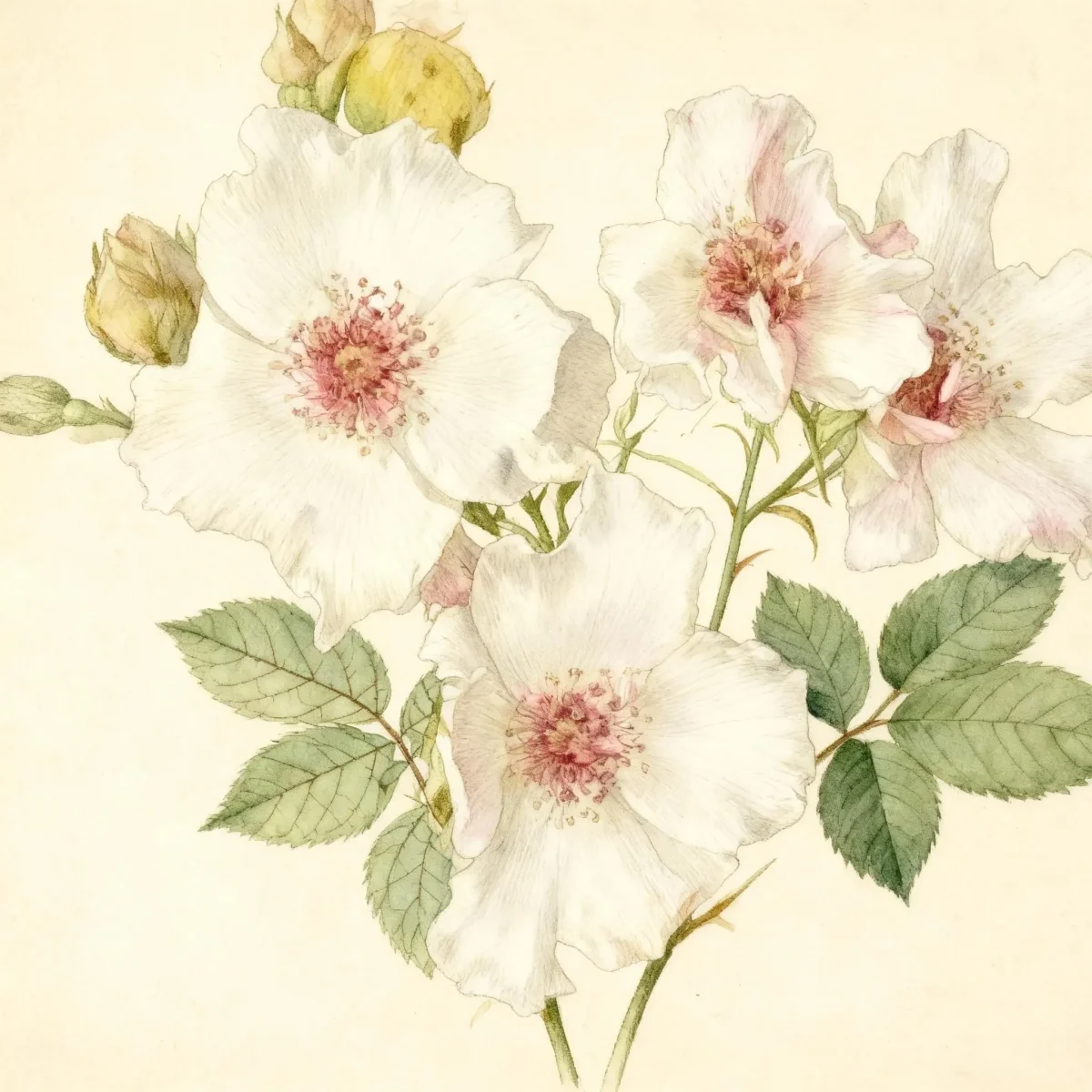
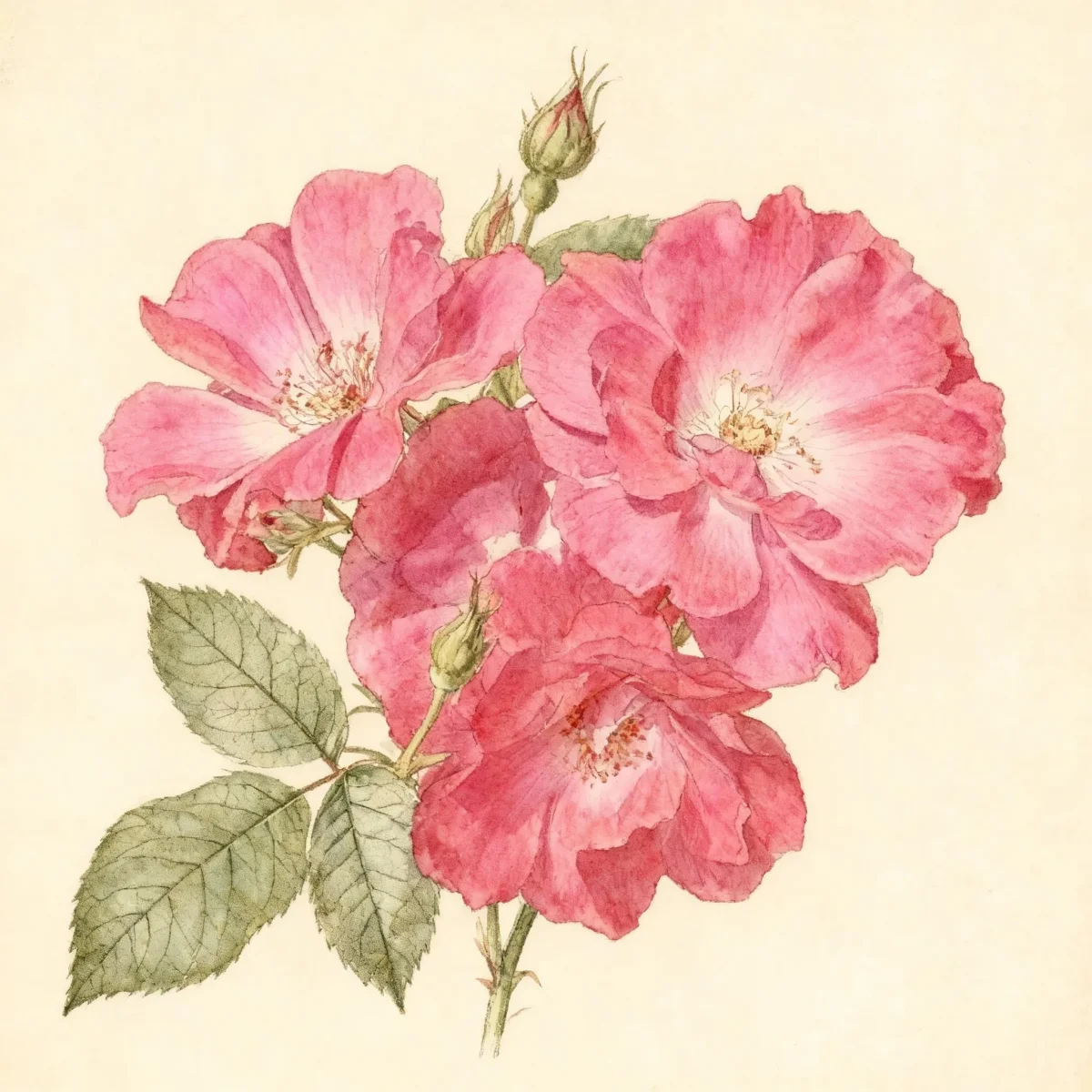
Floribunda rose (Rosa 'Nearly Wild')
Rosa 'Nearly Wild' is a resilient Floribunda rose known for continuous bloom, pink flowers, and tolerance. Easy to grow.
Scroll down to discover growing tips, care requirements, companion plants, and more
Complete Plant Information
Overview
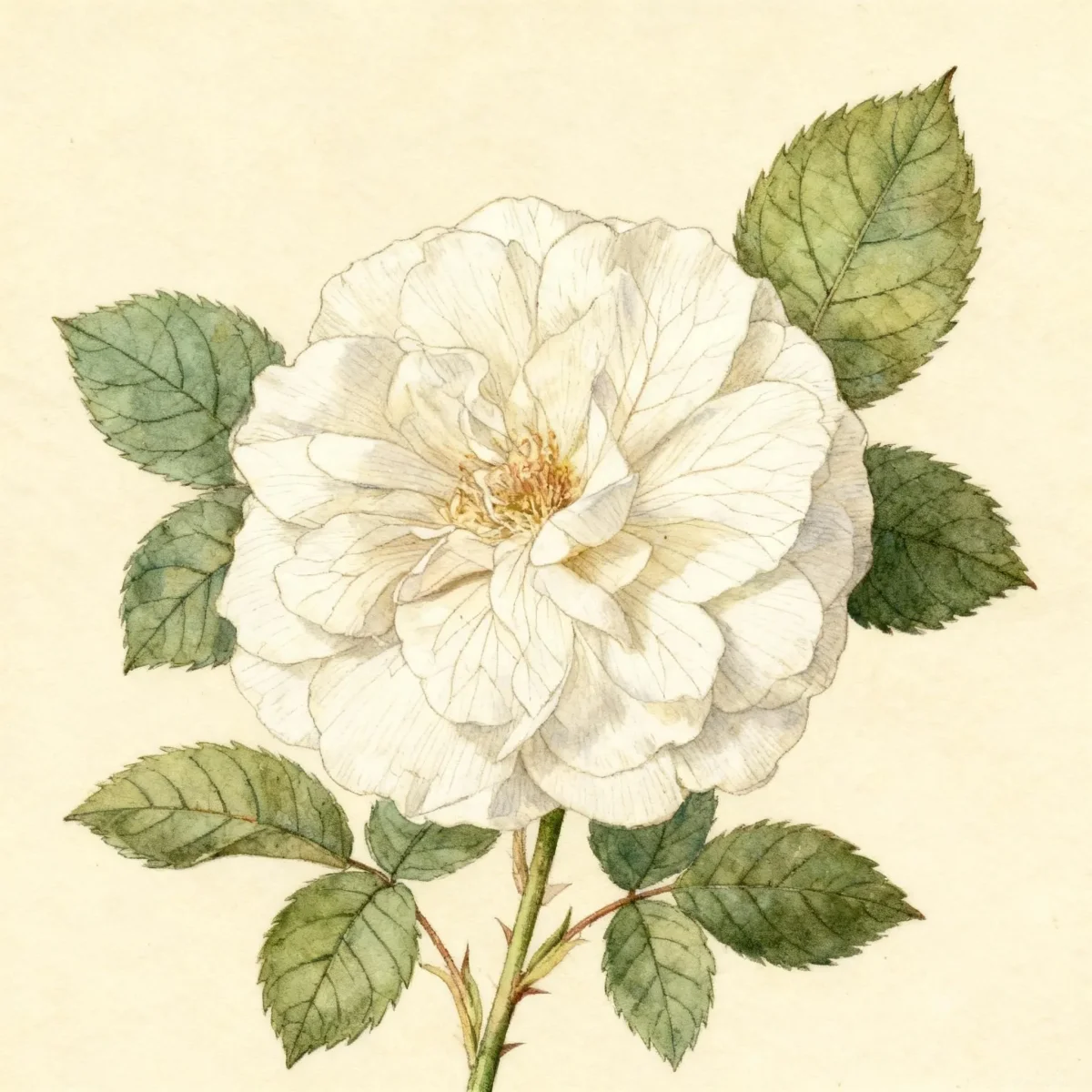
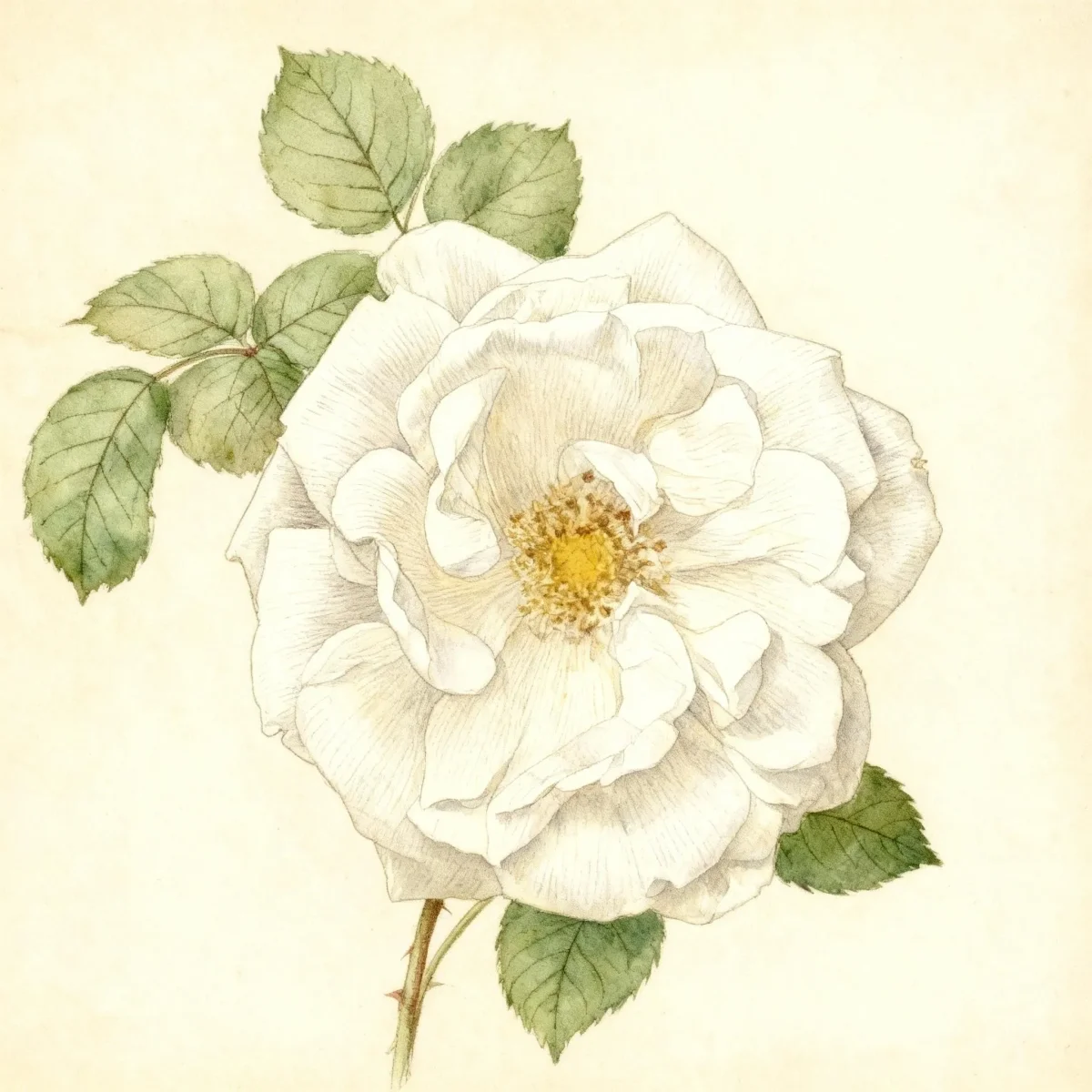
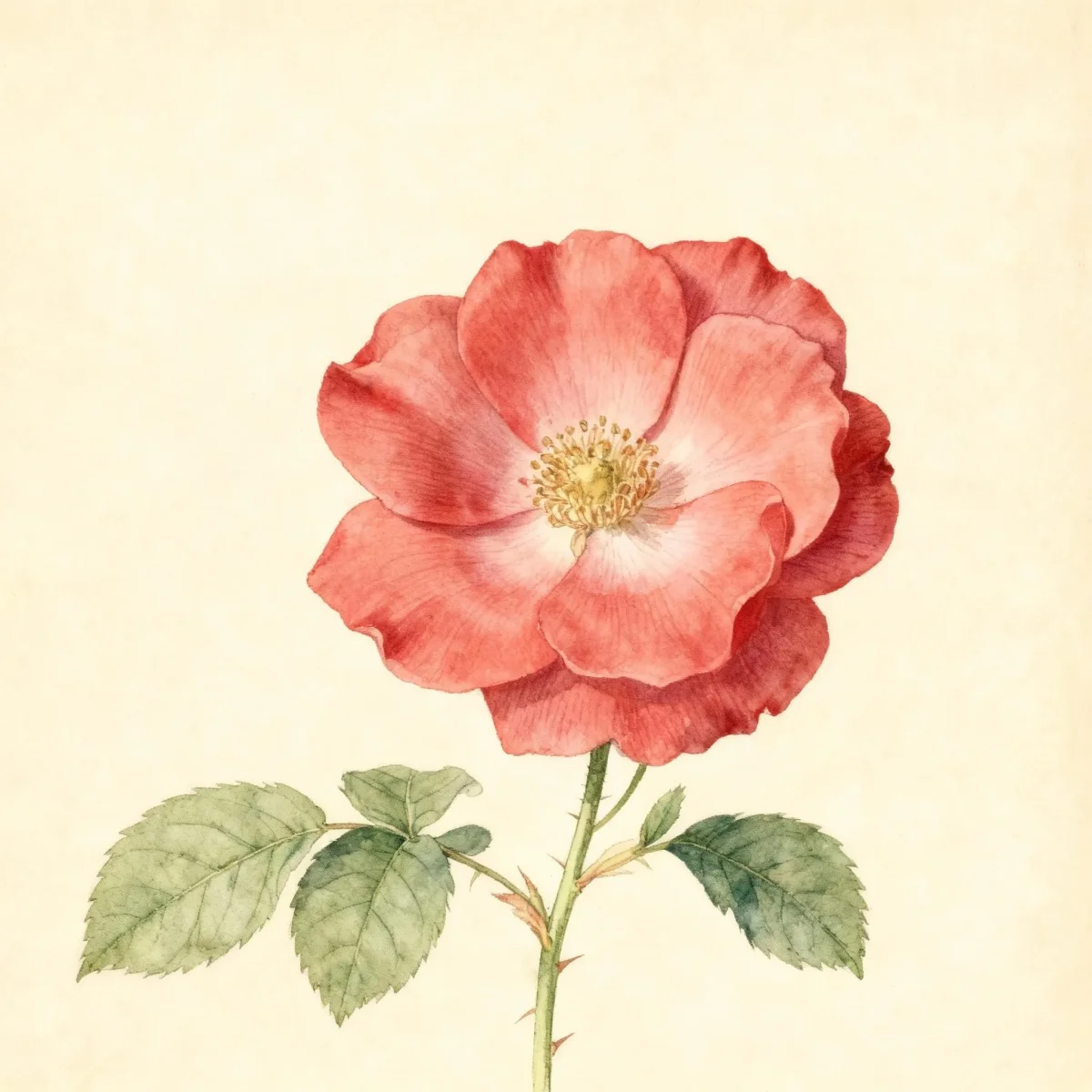
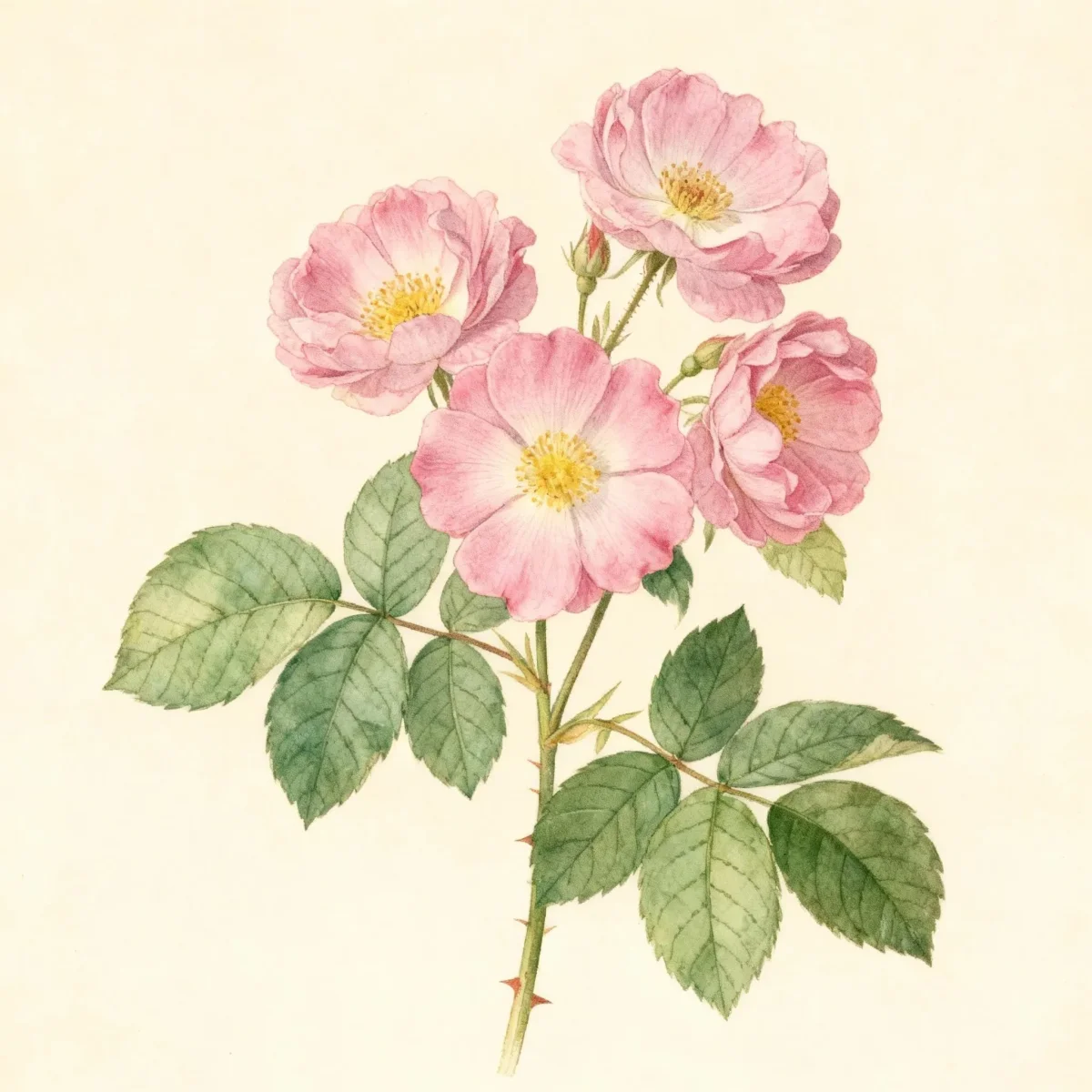
Rosa ‘Nearly Wild’ is a cherished Floribunda rose that brings continuous color and traditional beauty to the garden from spring until the first hard frost. This cultivar is valued for its dense, shrubby habit and prolific clusters of single, pink flowers that beautifully contrast with prominent yellow stamens. Introduced by Brownwell in 1941, Rosa ‘Nearly Wild’ offers the classic rose appeal in a manageable size perfect for various landscape applications.
As a robust selection, this Floribunda rose typically matures between 2 and 3 feet tall and wide, offering a reliable structure in borders or as low informal hedging. It strikes a favorable balance, requiring medium maintenance while exhibiting good disease resistance, making it accessible even to novice rose growers, provided basic cultural needs are met.
The appeal of Rosa ‘Nearly Wild’ lies in its non-stop flowering performance and its slightly fragrant blooms, which also make it a good choice for cutting. Integrating this adaptable shrub into your landscape ensures you gain season-long color interest while benefiting from its tolerance to environmental stressors like air pollution.
Fast Facts
- Plant Family: Rosaceae
- Plant Type: Deciduous shrub
- Hardiness Zones: USDA Zones 4-9
- Size at Maturity:
- Height: 2-3 ft
- Spread: 2-3 ft
- Bloom Time: May to frost
- Bloom Description: Pink with yellow stamen clump
- Sun Exposure: Full sun to part shade
- Water Needs: Medium
- Maintenance Level: Medium
How to Grow
Planting Rosa ‘Nearly Wild’ is best achieved in the spring or fall, ensuring the plant has time to establish a strong root system before extreme weather hits. Aim for locations that provide full sun exposure, as this maximizes flowering potential and enhances disease resistance, although the Floribunda rose tolerates light shade. The ideal growing medium is a well-drained garden loam that is slightly acidic, ensuring consistently medium moisture levels.
Consistent cultural care is essential for this rose. Water deeply and regularly, ideally in the mornings, making sure to avoid spraying the foliage overhead, which can encourage foliar diseases. A layer of summer mulch will help maintain soil moisture and temperature stability, discouraging weed growth around the base of the shrub. Spent flowers should be removed promptly throughout the season to promote continuous rebloom of your Rosa ‘Nearly Wild’.
In extremely cold northern climates (similar to Zone 4 winters), providing winter protection for the crowns of your Floribunda rose is advisable. During late winter preparation, dormant roses in many regions should be pruned back significantly, often between 12 to 18 inches from the ground, to encourage vigorous new growth. Always clean up and destroy fallen leaves during the season and again in the dormant period to minimize overwintering fungal spores.
Landscape Uses
Rosa ‘Nearly Wild’ excels in numerous landscape designs due to its manageable size and continuous flowering display. It serves beautifully as a low, informal hedge along walkways or property lines where its density provides year-round green appeal, even when not in flower. Its consistent color makes it an excellent choice for mass plantings in borders where drifts of pink can create significant visual impact.
Consider incorporating Rosa ‘Nearly Wild’ near foundations, provided adequate air circulation is maintained around the structure. In cottage gardens, its species-like, single flower form blends seamlessly with perennials and smaller shrubs. For specimen use, place it where its mildly fragrant blooms and glossy foliage can be easily appreciated up close.
When planning companions, select plants that share similar sun, water, and soil needs, focusing on low-growing groundcovers or mid-height perennials for the foreground that won’t compete heavily for light. Its medium maintenance requirement means it pairs best with other relatively easy-to-care-for plantings near seating or pathways.
Standout Features
Flower Qualities
- Showy
- Fragrant
- Good Cut
Noteworthy Characteristics
Rosa is a genus renowned for its deciduous shrubs, known for often fragrant, complex flowers borne on prickly stems. Hybrid tea, floribunda, and grandiflora roses represent the classic florist types, with Floribundas producing distinctive clusters of blooms. Rosa ‘Nearly Wild’ is a floribunda cross that features those signature single, pink flowers, about 3 inches in diameter, presenting a species-like appearance reminiscent of its wild relatives, offering continuous bloom from May until frost.
Tolerances
- Air Pollution
Potential Problems
Roses are susceptible to several fungal issues, including black spot, powdery mildew, and rust, requiring vigilance. While good cultural practices like ensuring good air circulation and watering correctly form the foundation of control, preventative fungicide applications are often necessary, especially in humid eastern climates. Common insect pests such as aphids, scale, and spider mites should also be monitored throughout the growing season. Fortunately, Rosa ‘Nearly Wild’ is noted for possessing excellent disease resistance compared to many other hybrid roses, which simplifies long-term management.
Frequently Asked Questions
What hardiness zones is Floribunda rose suitable for?
The robust Floribunda rose, Rosa ‘Nearly Wild’, is suitable for gardens located within USDA Hardiness Zones 4 through 9.
How large does Rosa ‘Nearly Wild’ grow?
Rosa ‘Nearly Wild’ is a compact shrub, typically maturing to a height and spread of 2 to 3 feet.
When does Floribunda rose bloom?
This variety blooms prolifically, starting in May and continuing throughout the growing season until the first frost arrives, displaying pink flowers with a yellow stamen clump.
What sun exposure does Rosa ‘Nearly Wild’ need?
For the best flowering and overall health, Rosa ‘Nearly Wild’ requires full sun, although it can tolerate situations featuring only part shade.
Conclusion
Rosa ‘Nearly Wild’ stands out as an adaptable and continuous blooming Floribunda rose, perfect for gardeners seeking classic beauty without excessive fuss. Its resilience, combined with charming single pink flowers, makes this shrub a strong candidate for hedges, borders, and general garden definition. Before planting, be sure to confirm your location falls within USDA Zones 4-9 and site the plant where it receives ample sunlight to realize its full potential.
Companion Planting
Selecting appropriate companions enhances the visual interest and health of your rose planting bed. Since Rosa ‘Nearly Wild’ prefers medium moisture and full sun, look for low-mounding perennials that thrive under similar conditions, such as Lamb’s Ears (Stachys byzantina) for silvery texture contrast or Catmint (Nepeta) which offers cool blue spires that bloom alongside the rose. Avoid overly aggressive spreaders that might cover the base of the rose, restricting air flow.
Good companion plants also serve functional roles. Alliums, planted around the base of the rose, can sometimes help deter certain pests, while shorter annuals planted close to the soil surface help keep the root zone cool and suppress weeds beneath the Floribunda rose’s canopy.
Seasonal Care Calendar
Spring cleanup for your Rosa ‘Nearly Wild’ involves pruning back old wood in late winter (or early spring before bud break) to 12-18 inches, followed by applying fresh mulch once the danger of hard frost has passed. Throughout the summer, regular deadheading (removing spent blooms) is the most critical task for encouraging the continuous bloom cycle characteristic of this Floribunda rose.
In autumn, focus shifts to cultural preparation rather than heavy pruning. Ensure late-season watering continues until the foliage drops naturally. In Zone 4 or 5 gardens, apply extra protection around the crown area as soil temperatures drop, though this vigorous shrub generally handles cold well. Winter protection is less critical in warmer zones.