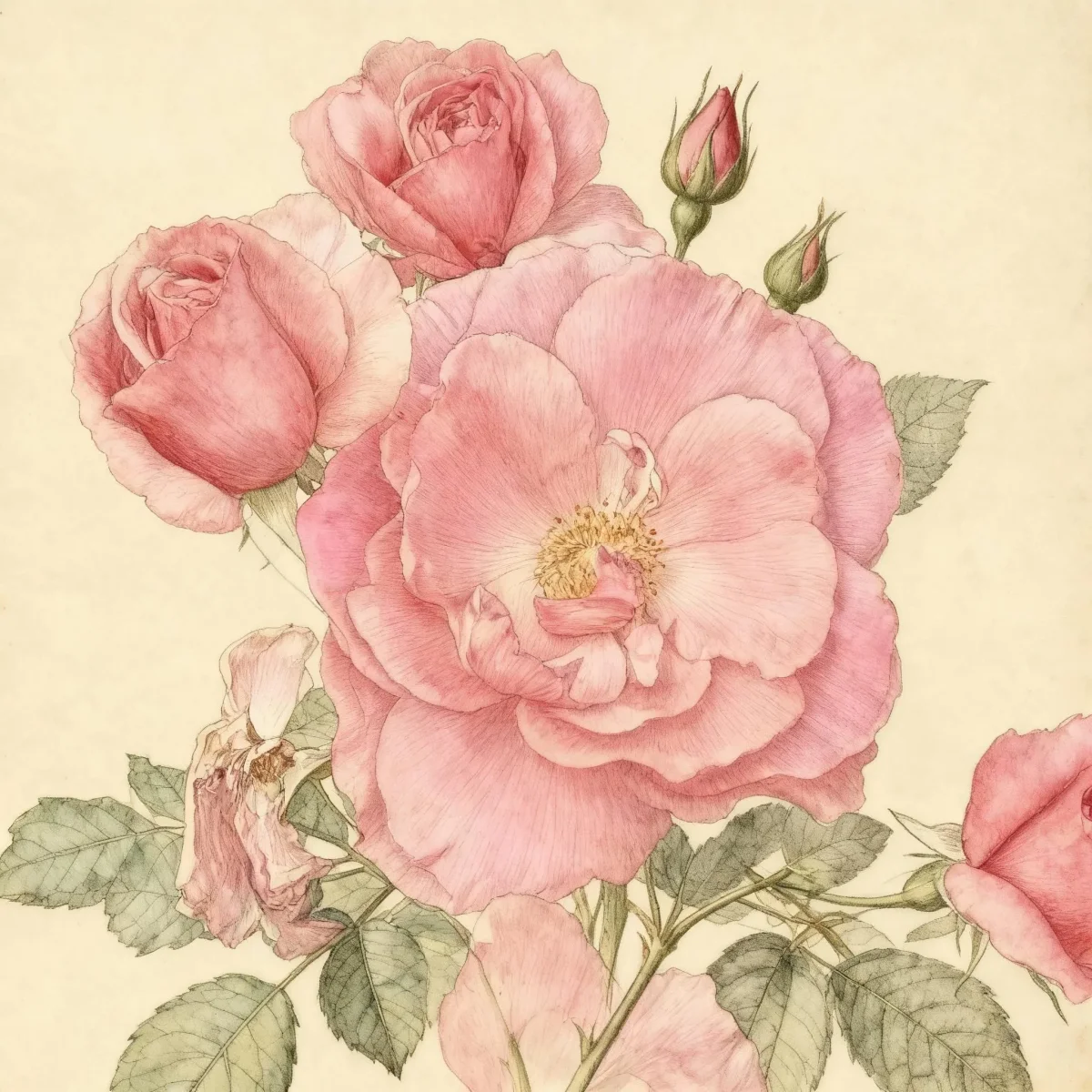
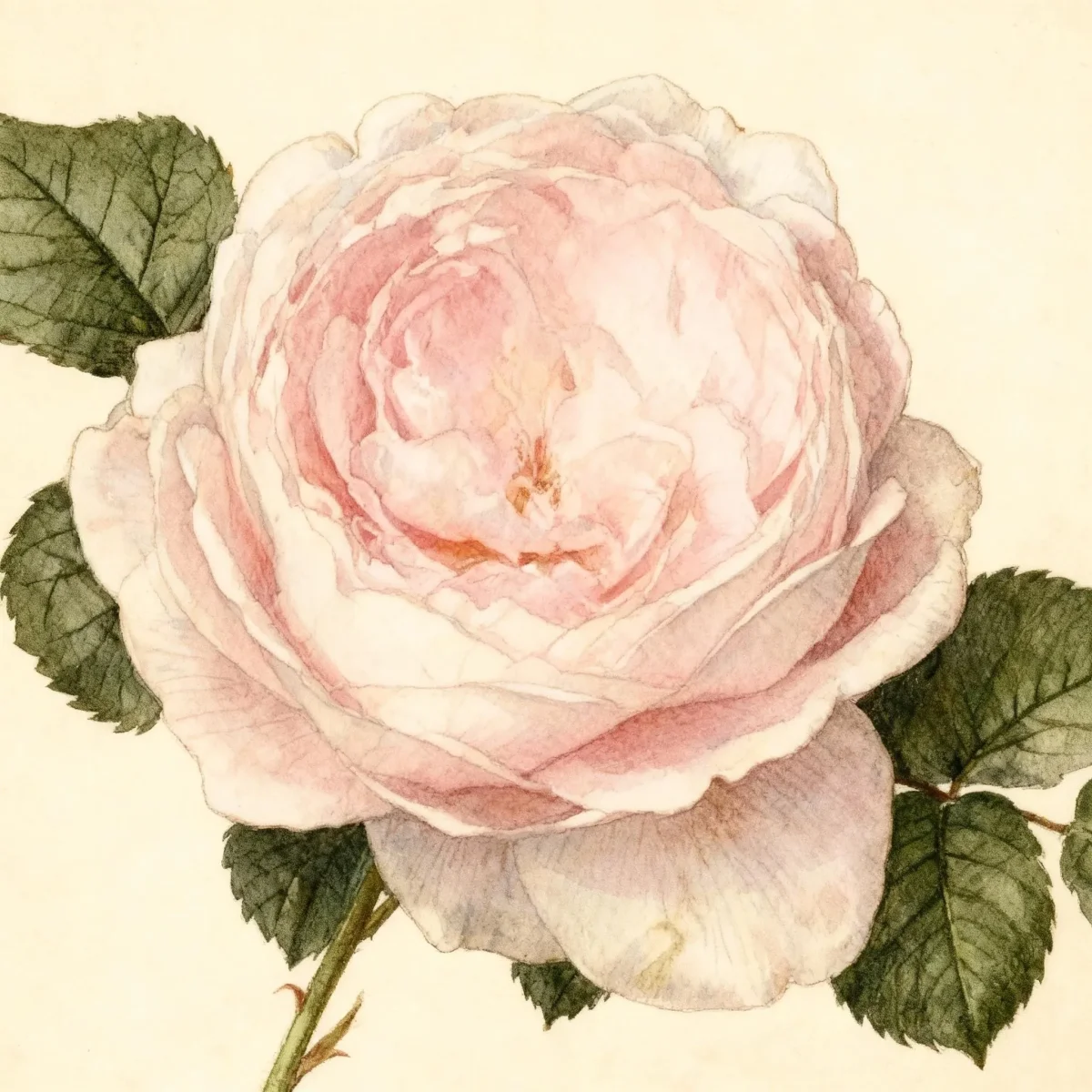
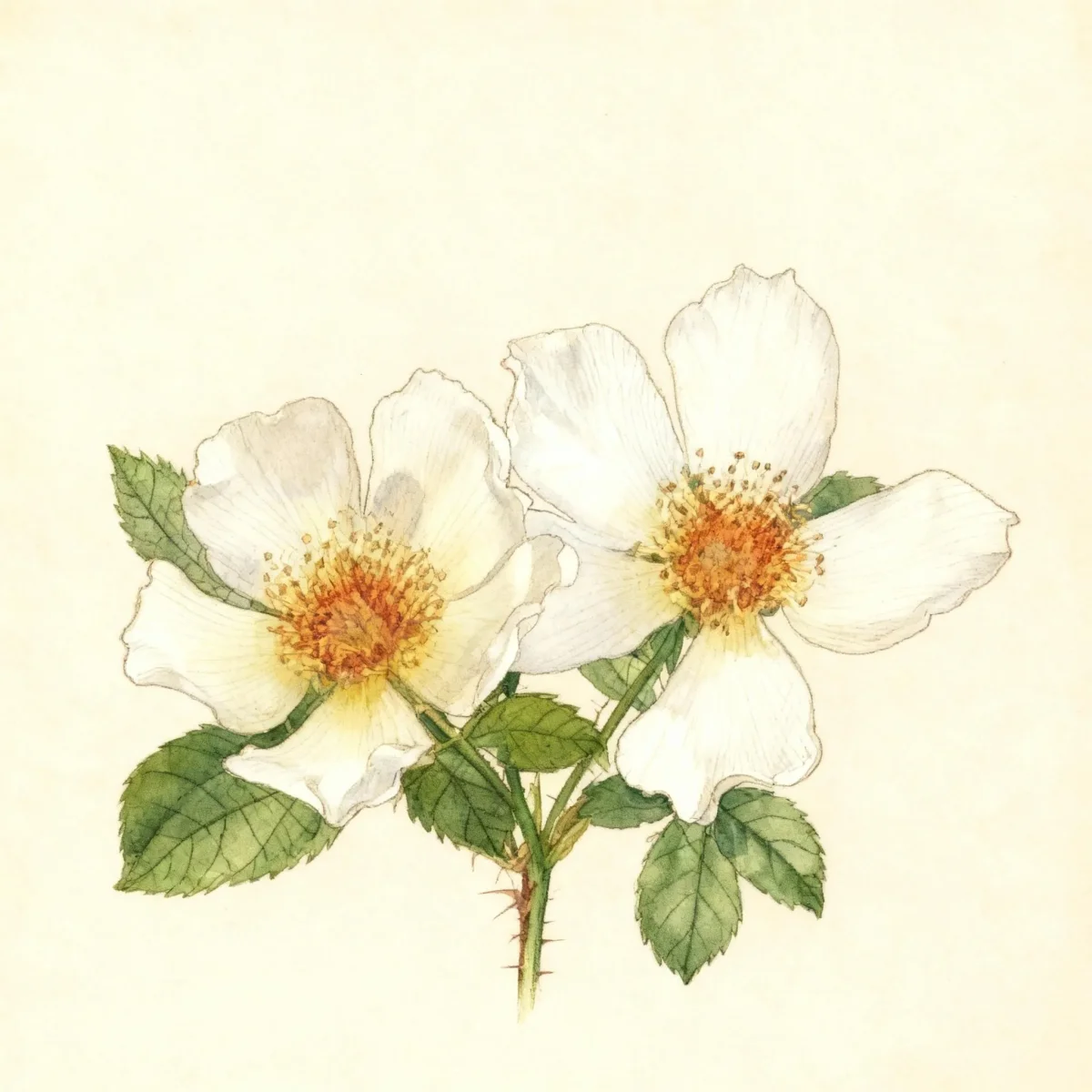
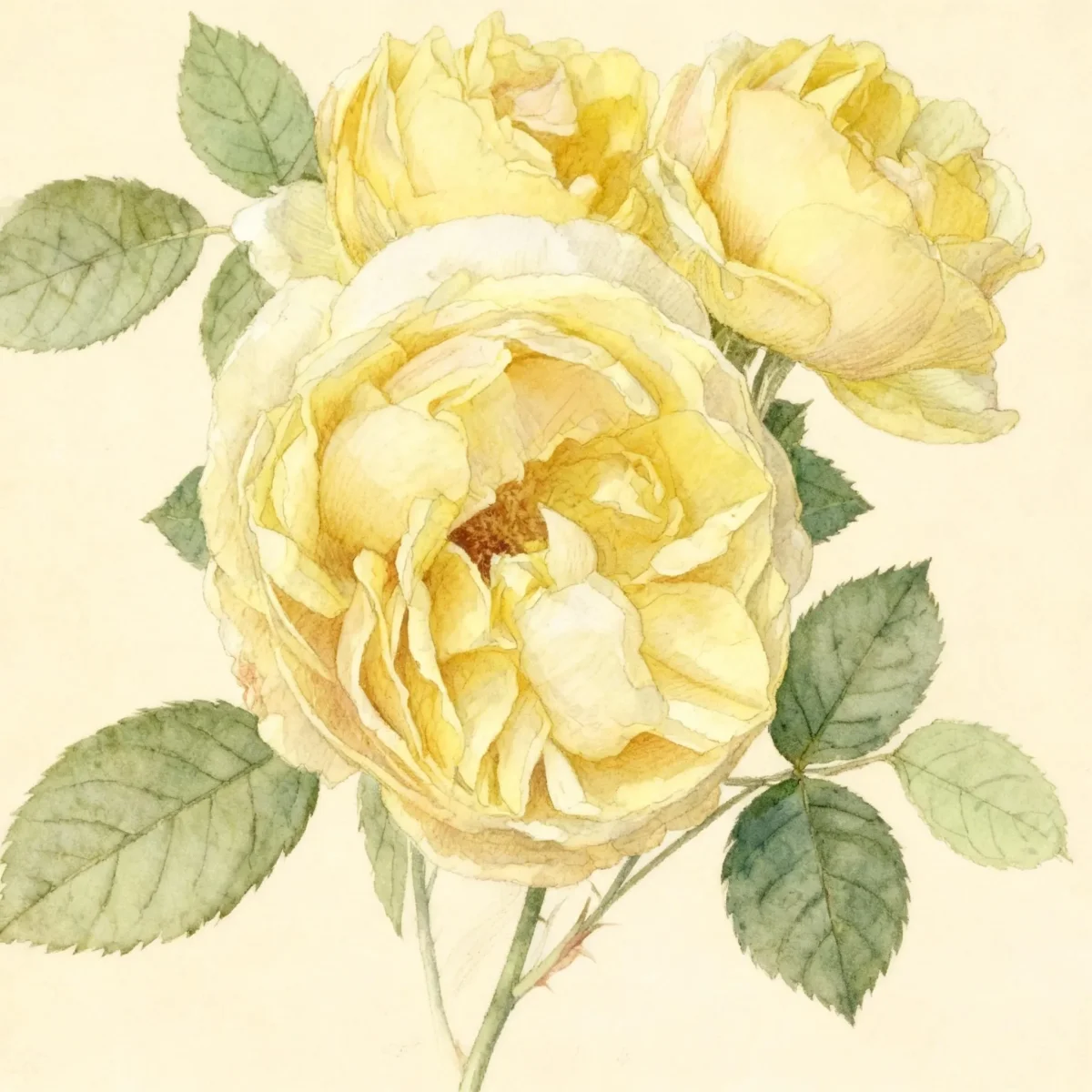
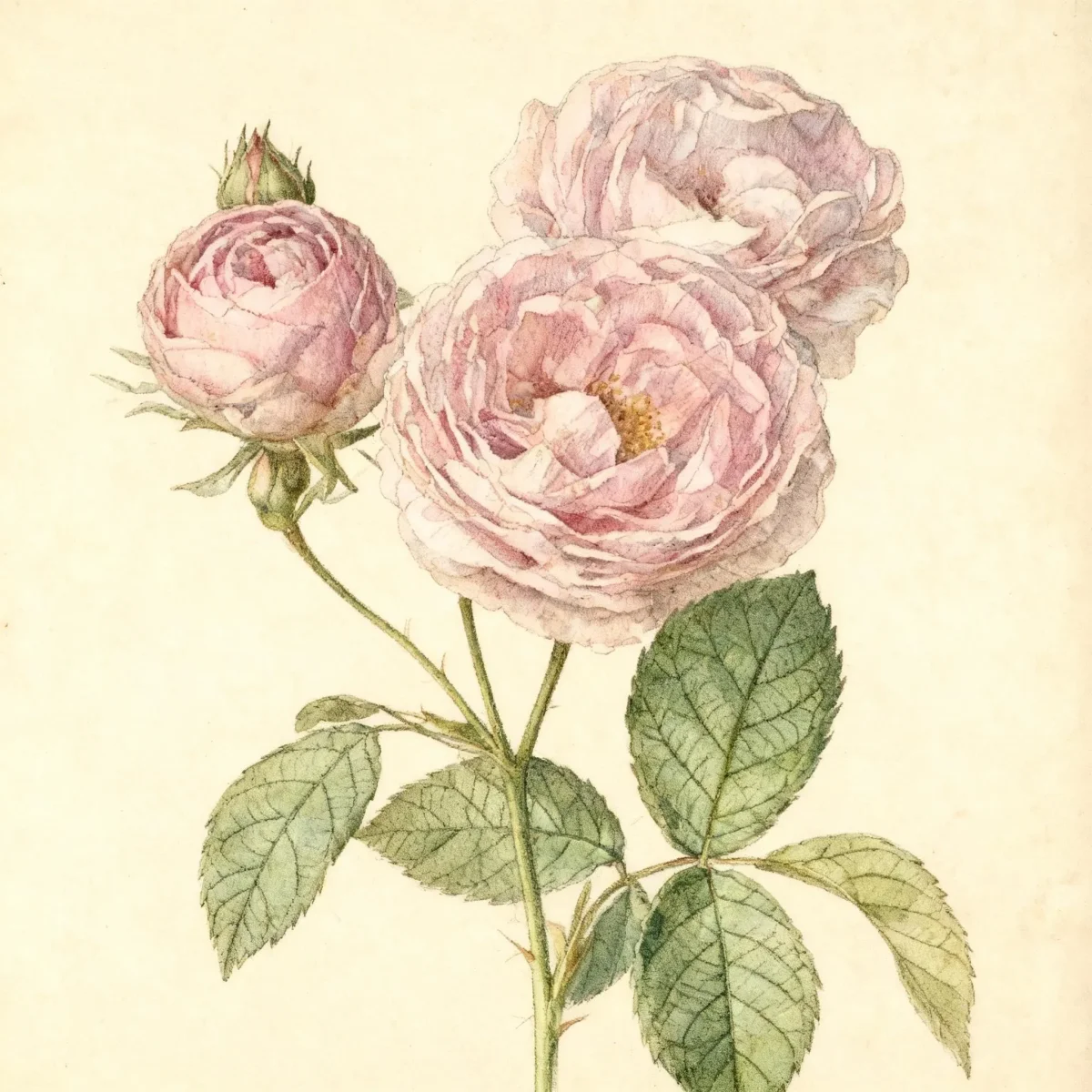
Shrub rose (Rosa 'Paloma Blanca')
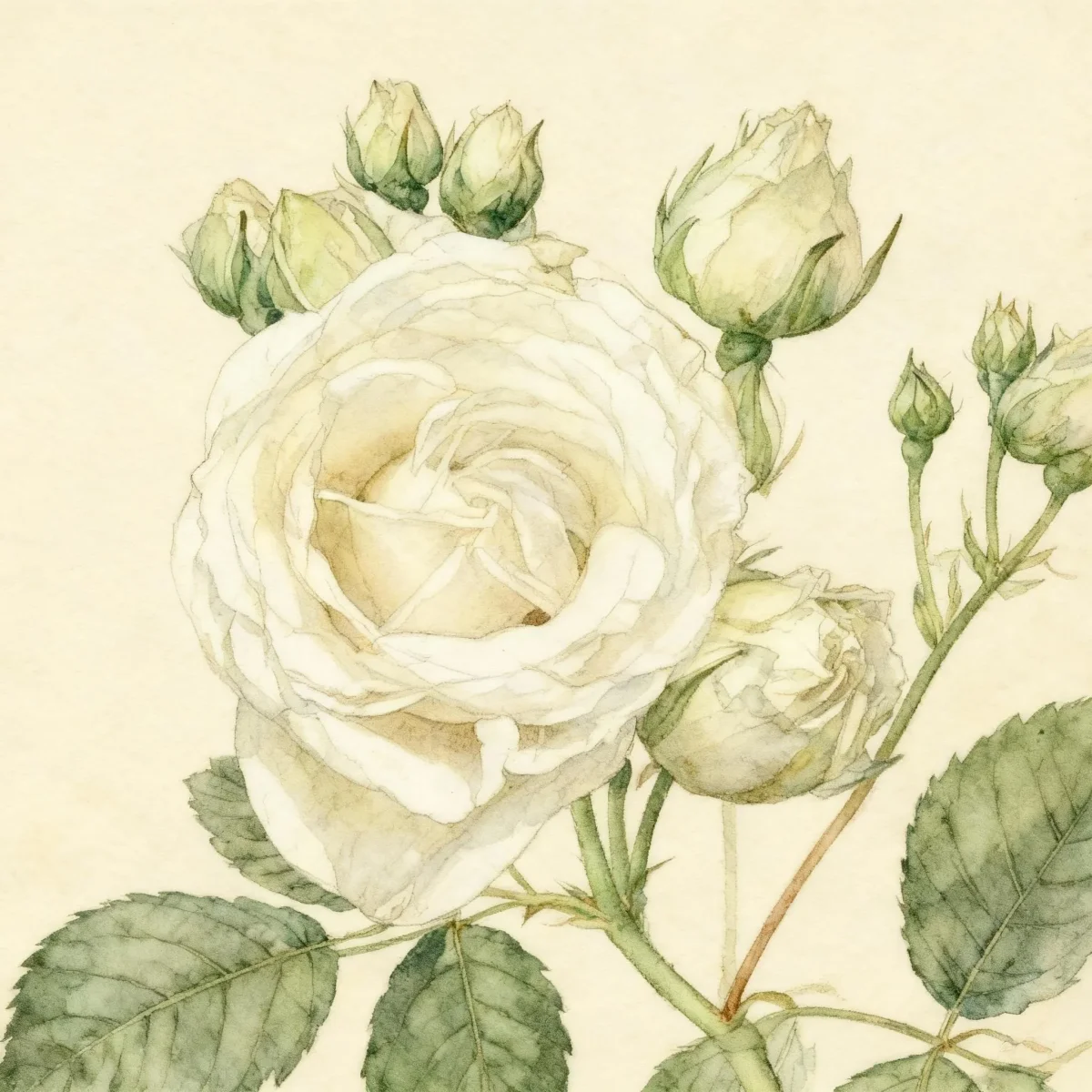
Rosa 'Paloma Blanca' is a medium-maintenance Shrub rose featuring fragrant, ivory white blooms from May to frost in zones 5-9.
Scroll down to discover growing tips, care requirements, companion plants, and more
Complete Plant Information
Overview
Rosa ‘Paloma Blanca’ is a popular choice for gardeners seeking the classic appeal of roses in a slightly more manageable shrub form. This Shrub rose offers abundant flowering, characterized by large, fragrant, ivory white blooms that appear reliably from late spring right through to the first frost. Its compact, bushy habit makes it versatile for various garden settings where a medium-sized specimen is desired.
The distinguishing feature of Rosa ‘Paloma Blanca’ is its repeat-blooming nature and attractive olive-green foliage that contrasts beautifully with the classic rose structure. While it thrives in full sun for the best flowering and disease resistance, this cultivar demonstrates tolerance for light shade. It remains a robust addition to the landscape, offering season-long aesthetic appeal.
Gardeners appreciate the Shrub rose classification as it generally requires less intensive pruning than Hybrid Teas, allowing plants to grow naturally while still delivering excellent performance. Incorporating Rosa ‘Paloma Blanca’ introduces fragrance, color, and high visual interest into borders or foundation plantings.
Fast Facts
- Plant Family: Rosaceae
- Plant Type: Deciduous shrub
- Hardiness Zones: USDA Zones 5-9
- Size at Maturity:
- Height: 3-4 ft
- Spread: 3-5 ft
- Bloom Time: May to frost
- Bloom Description: White
- Sun Exposure: Full sun
- Water Needs: Medium
- Maintenance Level: Medium
How to Grow
The best planting location for Rosa ‘Paloma Blanca’ is in deep, well-drained loams, ideally slightly acidic in pH. While full sun exposure promotes the most vigorous growth and superior disease resistance, it will tolerate light shade. Plant during cooler periods, ensuring the crown is protected, particularly in the northern reaches of its range.
Watering should be deep and consistent, aiming for medium moisture levels, preferably done in the mornings to allow foliage to dry before evening. Avoid overhead watering, as good air circulation is crucial for preventing common rose ailments. Applying a layer of summer mulch will help conserve soil moisture, suppress weeds, and keep the root zone cool.
Maintenance involves deadheading spent blooms to encourage continuous reblooming throughout the season. Throughout the year, regularly remove and destroy any diseased or fallen leaves from the plant and the ground to limit pathogen carry-over. In late winter or early spring, prune as needed to shape the Shrub rose and remove any dead wood.
For cold winters, such as those experienced in St. Louis, provide extra winter protection for the crowns of your Rosa ‘Paloma Blanca’. Consistent cultural care is the first defense against pests and diseases.
Landscape Uses
The versatile nature of the Shrub rose makes Rosa ‘Paloma Blanca’ suitable for numerous landscape applications. It is highly effective when planted densely enough to function as a defined hedge, providing structure without excessive height. Alternatively, plant groups of three or five along borders or near foundations for striking seasonal color accents.
Consider using this fragrant variety near patios, entryways, or seating areas where its attractive ivory white flowers and perfume can be fully appreciated. In mixed borders, pair this Shrub rose with plants that share similar sun and water requirements, such as lavender or catmint, which benefit from the good air circulation promoted by the rose’s structure.
For a classic cottage garden look, integrate Rosa ‘Paloma Blanca’ among perennial spikes and feathery foliage, allowing its bushy form to anchor the design. Its good qualities as a cut flower also make it a practical choice for gardens intended for floral arrangements.
Standout Features
Flower Qualities
- Showy
- Fragrant
- Good Cut
Noteworthy Characteristics
Rosa is a genus of about 150 species of deciduous shrubs and climbers noted for their beautiful, often fragrant flowers carried on prickly stems. Shrub roses, like this example, are generally large, diverse hybrids that often bloom repeatedly throughout the season without needing the heavy pruning associated with hybrid tea types. Specifically, Rosa ‘Paloma Blanca’ is cherished for its compact form, reaching 3-4’ tall, and bearing large, double, cup-shaped, ivory white blooms in clusters.
Landscape Uses
Grow as a specimen or in small groups in borders, cottage gardens, foundations or rose gardens. Also effective as a hedge
Tolerances
- Light shade
Potential Problems
Roses are susceptible to several common diseases, including black spot, powdery mildew, rust, and rose rosette. In humid climates, preventative fungicide applications throughout the growing season are often necessary, supplementing good cultural practices like watering in the morning and ensuring good air flow.
Insect pests to watch for include aphids, scale, thrips, spider mites, and rose midges. Maintaining a clean garden environment by promptly removing diseased debris helps manage these issues naturally. Always consult local extension services for region-specific advice on chemical controls if problems persist.
Frequently Asked Questions
What hardiness zones is Shrub rose suitable for?
Rosa ‘Paloma Blanca’ is typically suited for USDA Hardiness Zones 5 through 9.
How large does Rosa ‘Paloma Blanca’ grow?
This Shrub rose generally matures to a size between 3 to 4 feet in height and spreads 3 to 5 feet wide.
What sun exposure does Rosa ‘Paloma Blanca’ need?
For optimal flowering and disease suppression, Rosa ‘Paloma Blanca’ requires full sun, although it can tolerate light shade.
When does Rosa ‘Paloma Blanca’ bloom?
This variety blooms profusely starting in May and continues producing flowers until the first frost arrives, displaying white blooms.
Conclusion
The Shrub rose Rosa ‘Paloma Blanca’ offers an exceptional combination of continuous blooming power, lovely fragrance, and easy maintenance for the home landscape. Its ivory white flowers make it a brightening focal point throughout the season. Assess your site conditions to ensure you can provide the required full sun and medium moisture before adding this beautiful Rosa ‘Paloma Blanca’ to your garden plan for success.
Companion Planting
When designing a border featuring Rosa ‘Paloma Blanca’, select companions that enjoy similar soil, sun, and water characteristics. Plants that offer contrasting vertical elements work well beneath its rounded habit. Consider low-growing herbs like Thyme or Oregano, which can serve as a living mulch around the base, helping to keep the soil cool and preventing splashing soil onto low foliage, thereby reducing disease risk.
For color contrast that complements the ivory white blooms, perennials like Salvia nemorosa varieties or deep purple Catmint (Nepeta) provide excellent mid-season accents. Ensure there is adequate space between the Shrub rose and its neighbors to promote the necessary air circulation critical for rose health.
Seasonal Care Calendar
Late Winter/Early Spring: This is the prime time for structural pruning. Remove dead, damaged, or crossing canes on your Shrub rose. Clean up all leaf litter from around the base of the plant during this cleanup phase to eliminate overwintering spores.
Late Spring/Early Summer: Begin vigilant monitoring for pests and fungal issues immediately as new growth emerges. Start a schedule of deep watering if rainfall is insufficient. Begin removing fading flowers (deadheading) to stimulate the production of new buds on Rosa ‘Paloma Blanca’.
Mid-Summer/Fall: Continue deep, targeted watering as needed. Apply mulch if it has eroded away. Stop pruning or heavy fertilizing late in the season (usually after mid-August) to allow the plant to harden off its wood in preparation for winter dormancy.