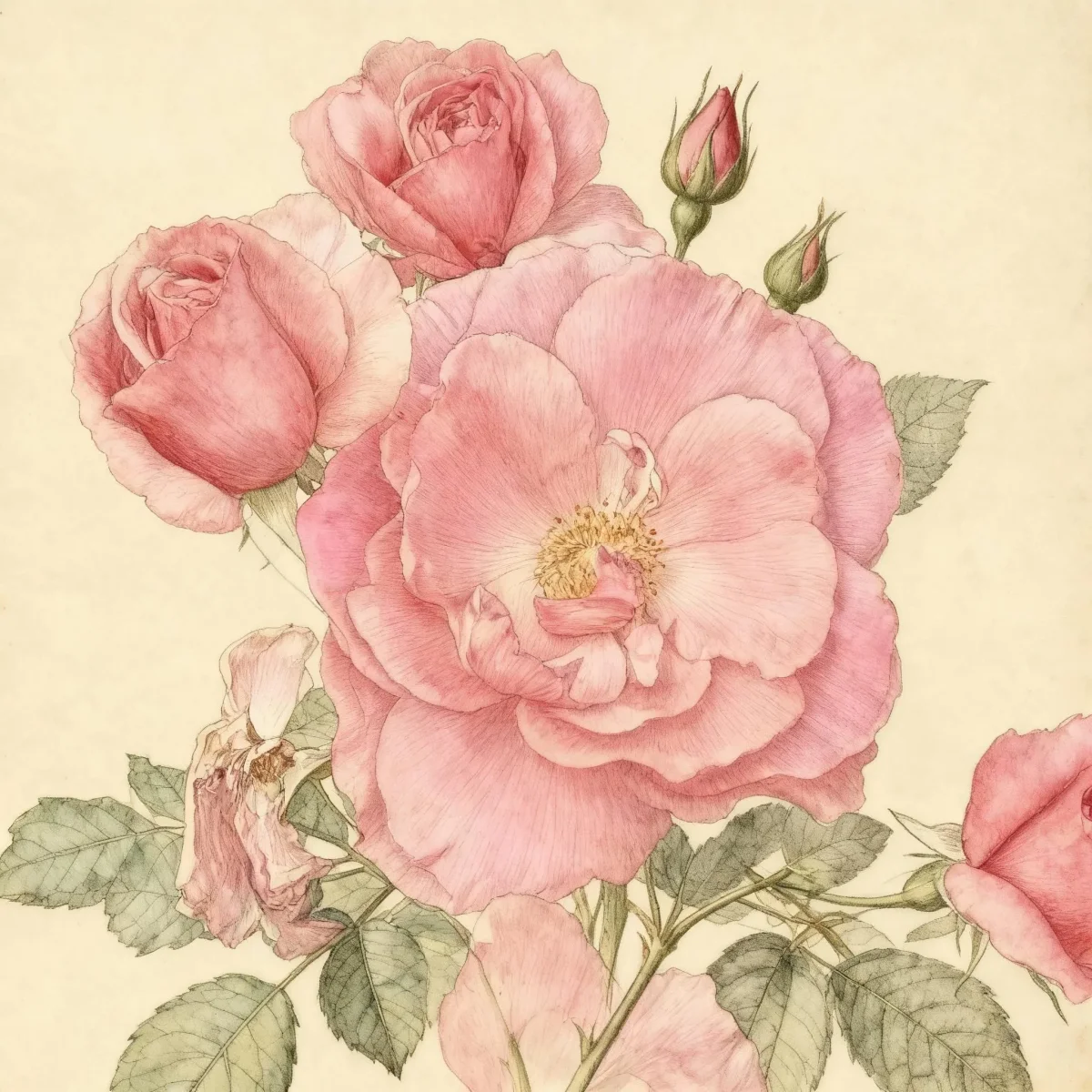
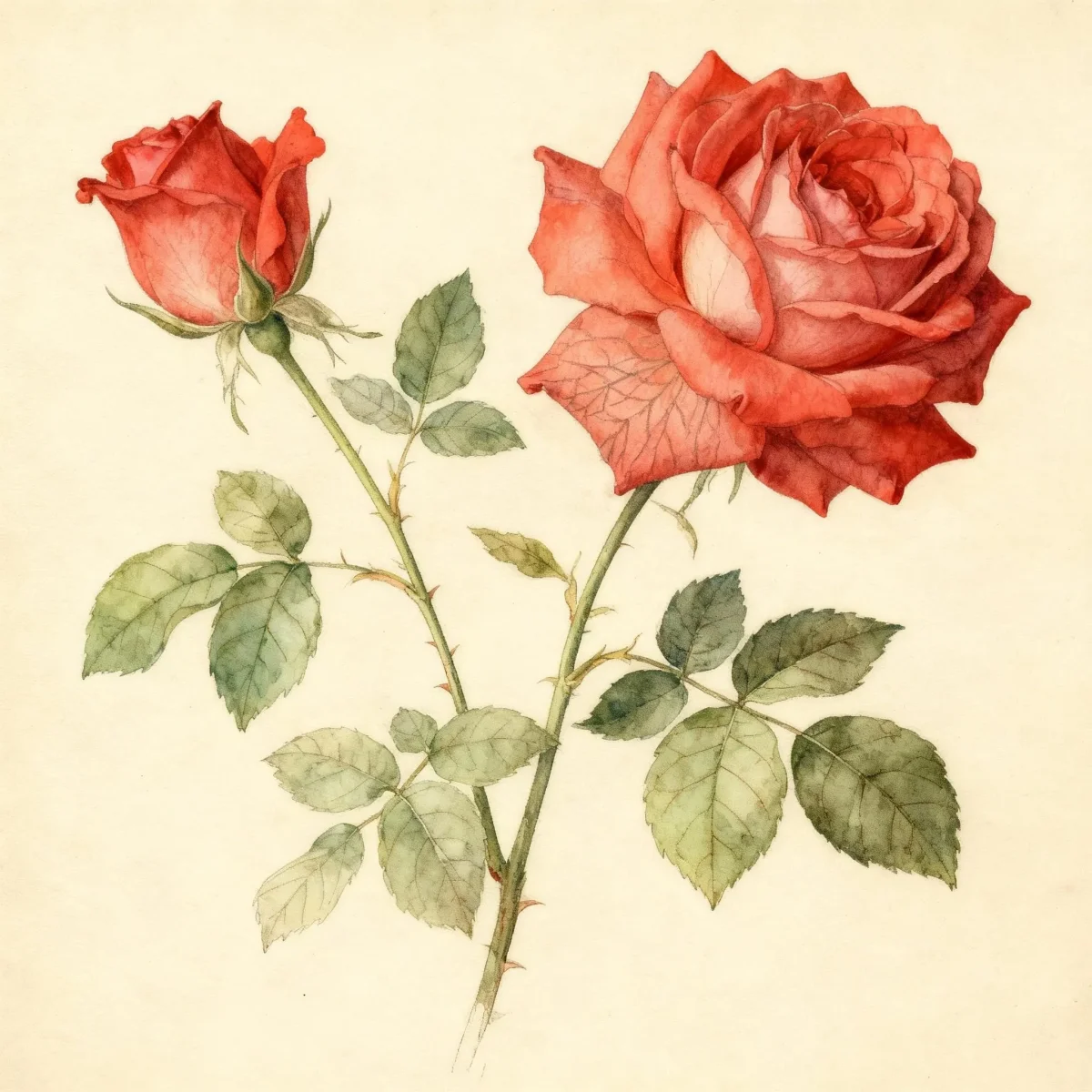
Portland rose (Rosa 'Rose de Rescht')
Discover the fragrant, deeply colored Portland rose, Rosa 'Rose de Rescht'. A compact shrub blooming spring to frost in zones 4-9.
Scroll down to discover growing tips, care requirements, companion plants, and more
Complete Plant Information
Overview
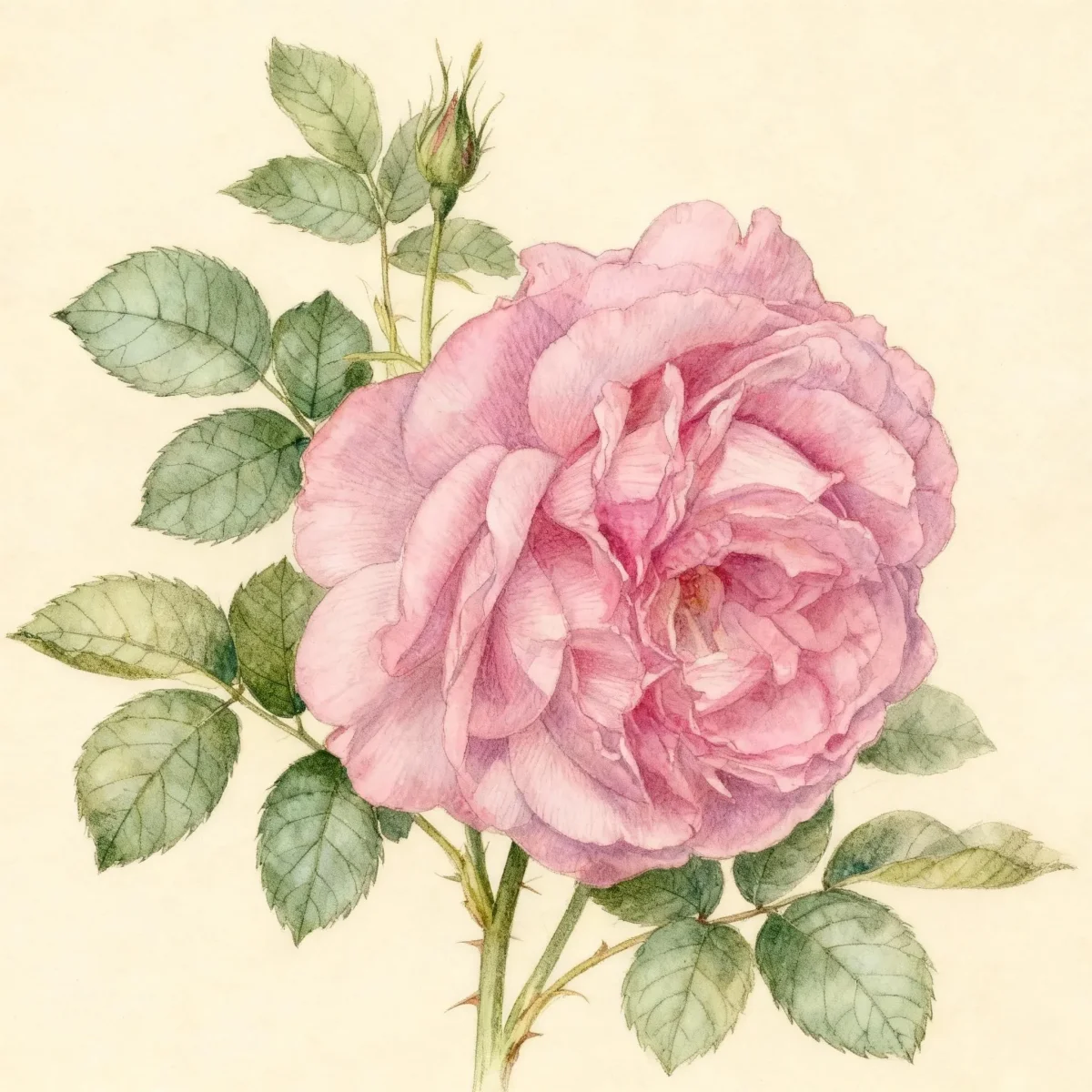
The Portland rose, scientifically known as Rosa ‘Rose de Rescht’, is a beloved antique variety valued for its incredible color and potent fragrance. This compact deciduous shrub reintroduces the charm of older roses while offering extended bloom performance throughout the season. Its distinct, deep pink to fuchsia-red, intensely fragrant flowers set it apart in the landscape.
Rosa ‘Rose de Rescht’ typically matures into a tidy bush, perfect for areas where space might be limited for larger Hybrid Teas. Its history is fascinating, having been rediscovered in Iran after being lost to Western horticulture for decades, leading to its popular reintroduction around 1950.
Gardeners appreciate this resilient Portland rose for its repeated blooming habit from late spring until the first frost, providing continuous visual appeal and fragrance. Cultivating Rosa ‘Rose de Rescht’ successfully relies on providing ample sunlight and consistent care, rewarding the gardener with stunning, highly-petaled blooms.
Fast Facts
- Plant Family: Rosaceae
- Plant Type: Deciduous shrub
- Hardiness Zones: USDA Zones 4-9
- Size at Maturity:
- Height: 3-4 ft
- Spread: 3-4 ft
- Bloom Time: May to frost
- Bloom Description: Bright fuchsia-red to deep pink
- Sun Exposure: Full sun
- Water Needs: Medium
- Maintenance Level: Medium
How to Grow
Planting Rosa ‘Rose de Rescht’ is best achieved in late winter or early spring, ensuring it is situated where it receives full sun for the best flowering and disease resistance; however, it can manage light shade. This rose thrives best when established in medium moisture, slightly acidic, and well-drained garden loams. Proper spacing is crucial to ensure good air circulation, which is a primary defense against foliar diseases.
Watering should be deep and regular, ideally performed in the mornings to allow the foliage to dry fully before evening. Avoid overhead watering techniques whenever possible. Applying a layer of summer mulch helps the plant retain essential moisture, keeps the root zone cool, and suppresses weed competition.
Maintenance for this Portland rose involves tending to its blooms and preparing for winter. Deadhead spent flowers to actively encourage the plant to produce subsequent flushes of blooms throughout the season. In colder regions, such as Zone 4, providing winter protection for the crowns is necessary, especially when compared to the easier maintenance in milder zones. Prune Rosa ‘Rose de Rescht’ lightly as needed in the late winter or earliest spring.
Landscape Uses
The compact nature and continuous color display of Rosa ‘Rose de Rescht’ make it extremely versatile. It performs beautifully when utilized as a specimen plant, drawing attention through its richly colored, fragrant blooms. It is also highly effective when planted in small groups to create depth along borders or cottage garden settings.
Because this variety can achieve a good, dense form, using it as an informal hedge offers structure and seasonal interest where traditional hedges might be too large or formal. Consider planting it near patios or walkways where its intense fragrance can be fully appreciated during its long blooming period from May to frost.
Standout Features
Flower Qualities
- Showy
- Fragrant
- Good Cut
Noteworthy Characteristics
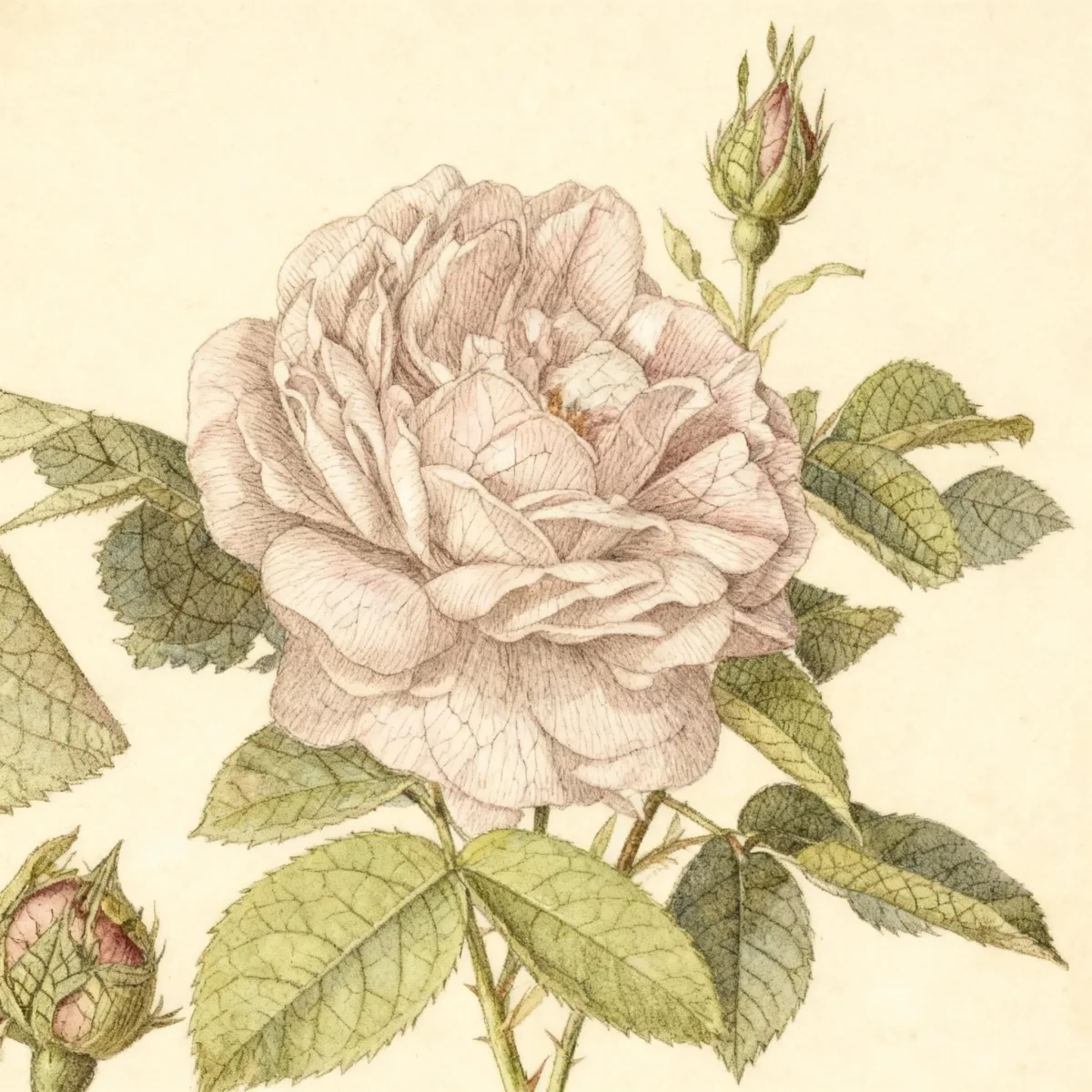
The history of ‘Rose de Rescht’ is unique, being an old Portland Rose reintroduced after being rediscovered in Iran following its introduction to England around 1880. It forms a compact shrub with dense foliage framing short-stalked, double flowers exhibiting up to 100 petals each in a tight rosette shape. These blooms are highly prized for their intense fragrance and shift from bright fuchsia-red to a deeper purple as they age.
Tolerances
Potential Problems
Roses, including Rosa ‘Rose de Rescht’, are magnets for numerous fungal and insect issues. Black spot, powdery mildew, and rust are common diseases, often requiring preventative fungicide applications, especially in humid climates. Cultural control is vital: ensure excellent air circulation and clean up all fallen debris during the growing season and winter cleanup to reduce pathogen survival.
Common insect pests include aphids, scale, spider mites, and borers. Maintaining the plant’s overall health through proper watering and feeding strengthens its natural defenses. Always consult local extension services for regionally specific recommendations on chemical treatments or integrated pest management strategies for the Portland rose.
Frequently Asked Questions
What hardiness zones is Portland rose suitable for?
Rosa ‘Rose de Rescht’ is reliably hardy across USDA Zones 4 through 9, providing broad appeal for many gardeners.
How large does Rosa ‘Rose de Rescht’ grow?
This is a relatively compact shrub, generally growing between 3 to 4 feet tall and spreading equally to 3 to 4 feet wide.
What sun exposure does Rosa ‘Rose de Rescht’ need?
For optimal flowering and the best defense against disease, full sun exposure is recommended, though it can tolerate some light shade.
When does the Portland rose bloom?
Rosa ‘Rose de Rescht’ offers a long blooming season, starting in May and continuing to produce flowers until the hard frosts arrive, often reblooming prolifically if deadheaded.
Conclusion
Rosa ‘Rose de Rescht’ remains a significant garden treasure, offering the classic, rich color and intoxicating scent associated with heritage roses, combined with a welcome repeat-blooming habit. Gardeners seeking an antique feel with modern reliability should strongly consider adding this Portland rose to their collections. Check your local USDA zone compatibility and plan for a late winter pruning to maximize enjoyment of this stunning shrub next season.
Companion Planting for Roses
Selecting companions that share the sun and water needs of Rosa ‘Rose de Rescht’ contributes to a cohesive, healthy garden design. Traditional cottage garden neighbors like Lavender (for fragrance and pest deterrence) and Catmint (for continuous blue/purple color) thrive alongside roses. Ensure these plants do not aggressively compete for surface moisture or shade the lower canes of the rose bush.
For a truly integrated design, select perennials that do not share common fungal issues with roses, minimizing the spread of diseases like black spot. Grasses or herbs that offer texture contrast, like Lamb’s Ears or ornamental Sages, complement the fine foliage of the rose beautifully without creating overly dense groundcover near the base.
Rose Pruning Basics for Rebloom
Pruning Rosa ‘Rose de Rescht’ is less intensive than that required for modern Hybrid Teas, but managing its shape and encouraging repeat flowering is essential. Focus on removing any wood that is dead, diseased, or crossing during the required late winter or early spring pruning session. This opens up the center of the shrub, promoting better air flow, which directly combats common fungal issues.
The most crucial element for ensuring continued bloom from this Portland rose throughout the summer and fall is diligent deadheading. After each cluster finishes flowering, shear the stem back to the first outward-facing five-leaflet set below the spent bloom. This signals the plant to divert energy into creating new flowering wood rather than setting hips.