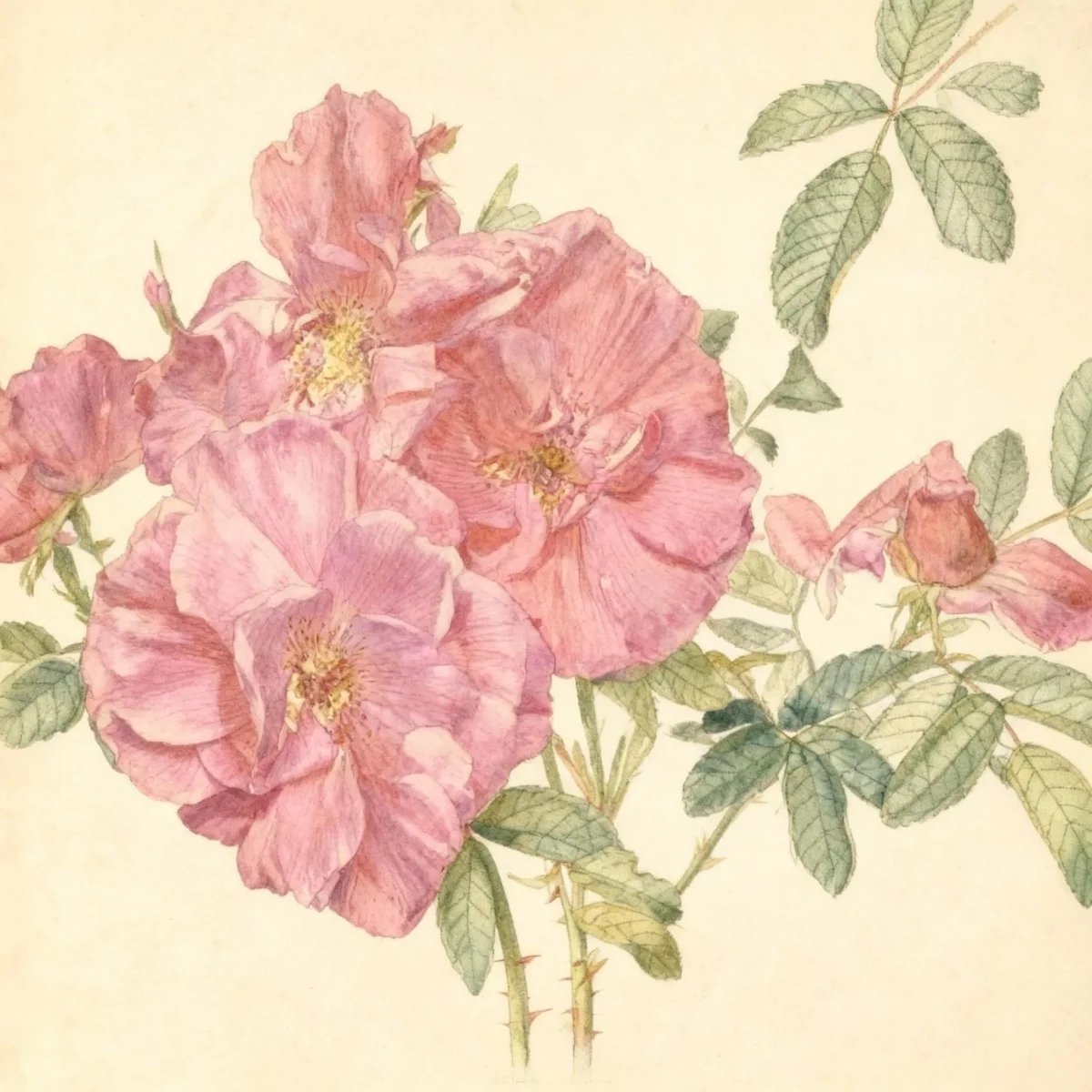
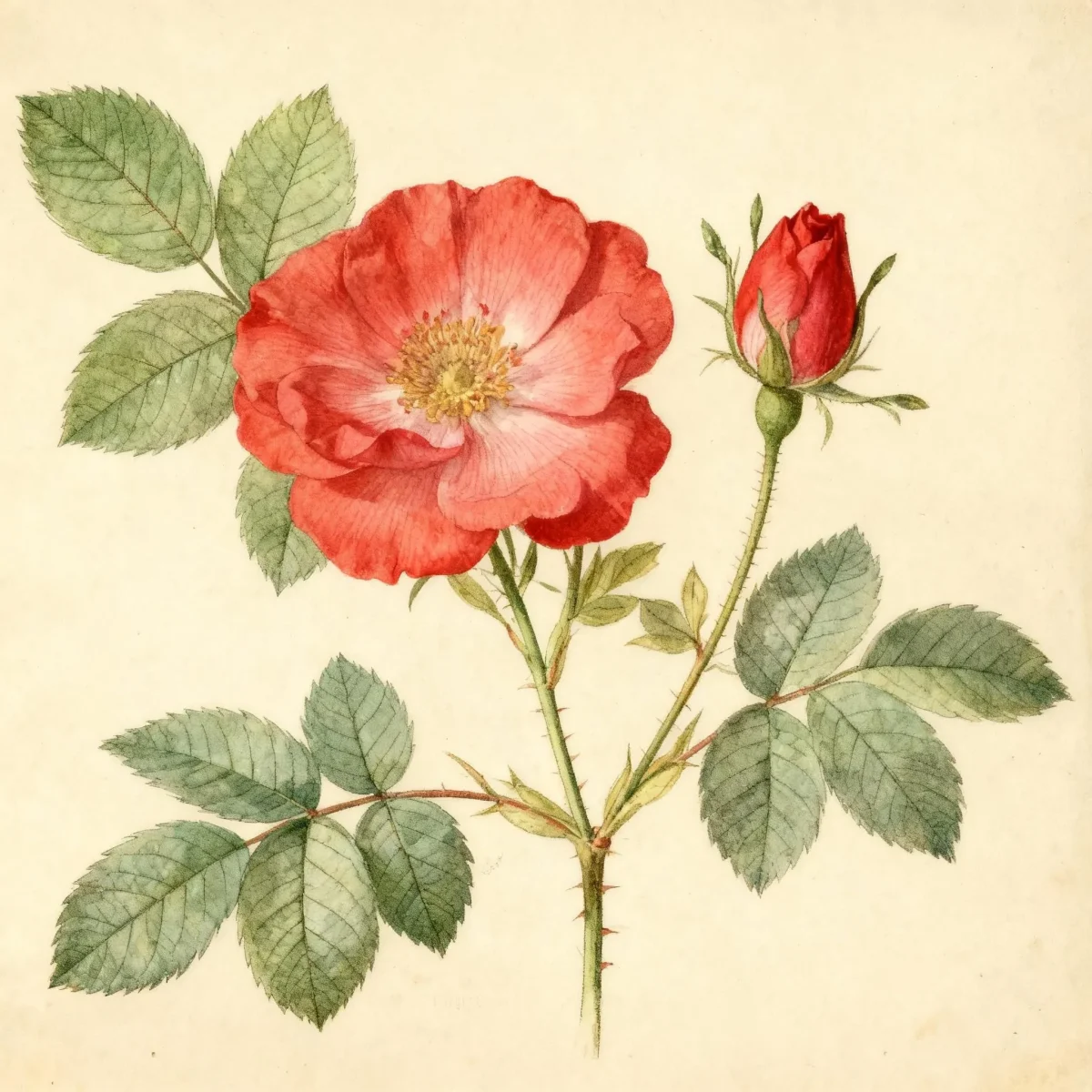
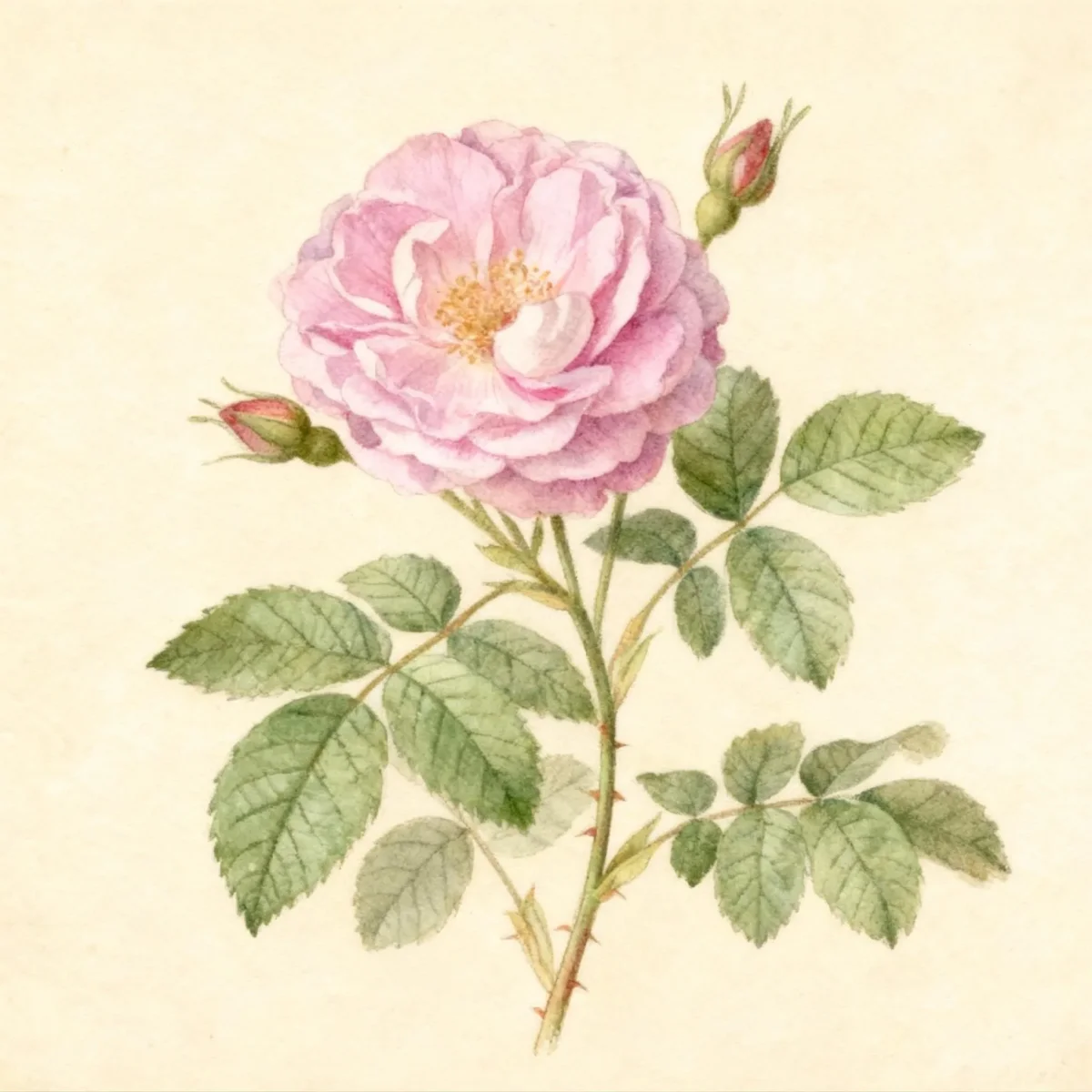
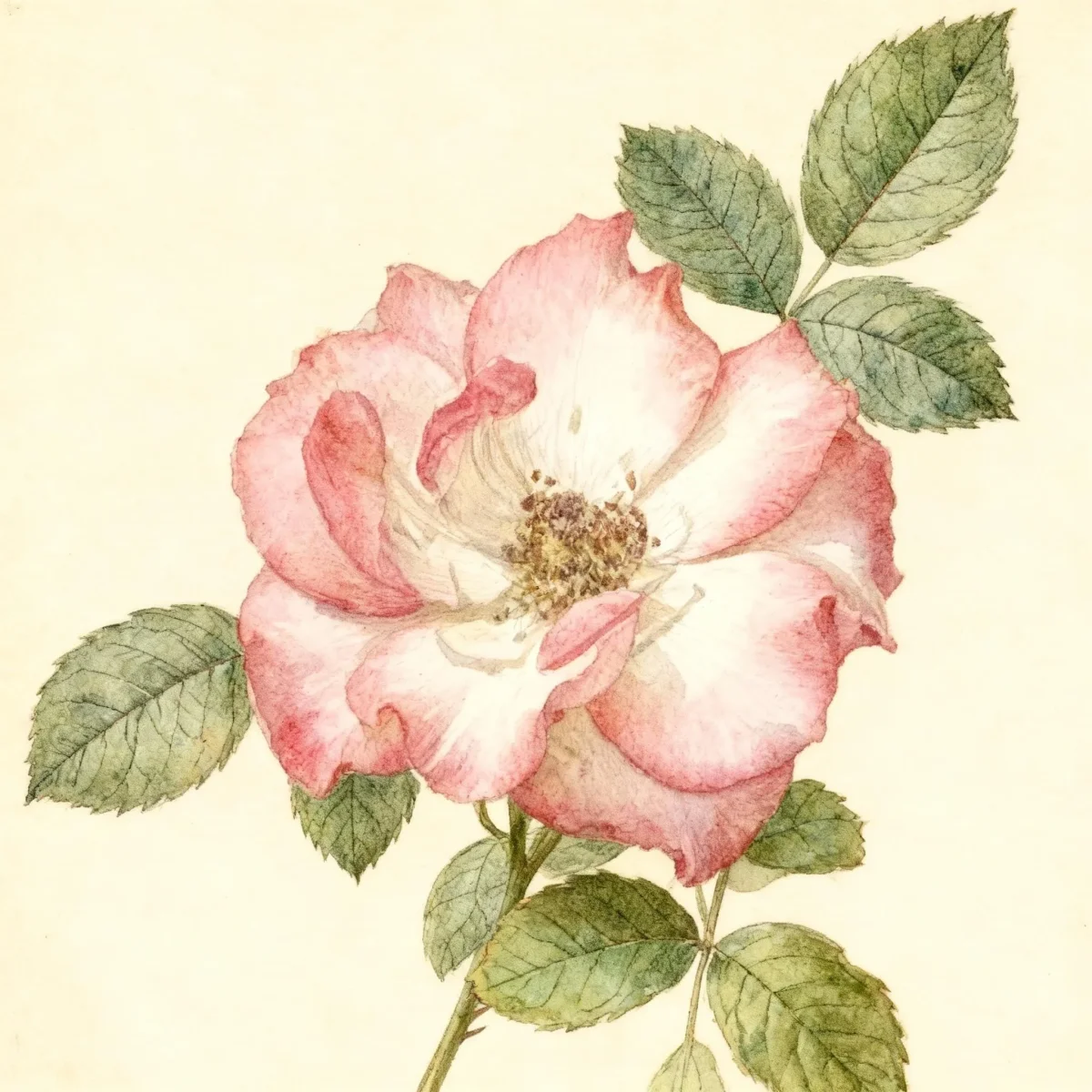
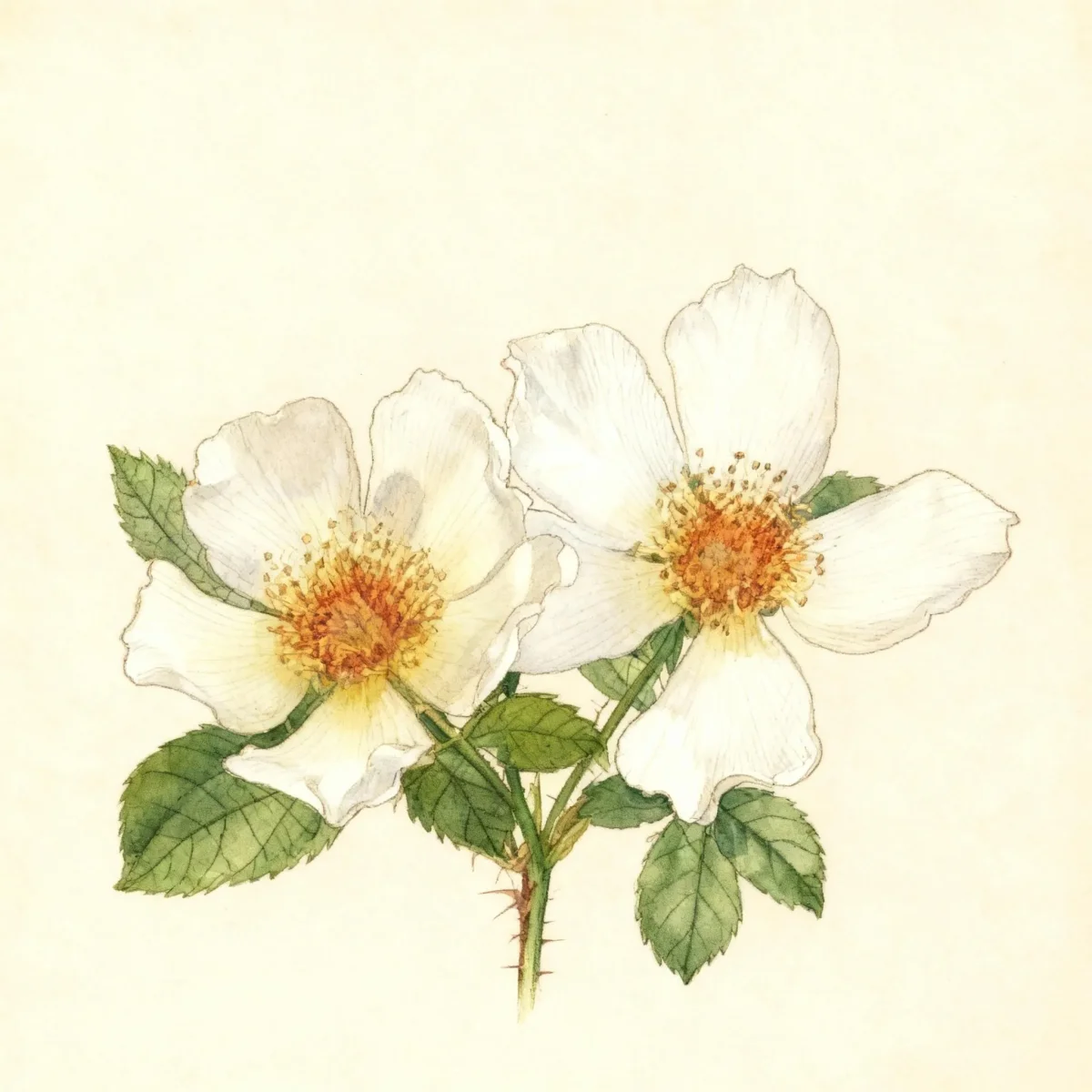
Hybrid rugosa rose (Rosa 'Sir Thomas Lipton')
The Hybrid rugosa rose Rosa 'Sir Thomas Lipton' offers showy, fragrant white blooms from June to frost, ideal for hedges in Zones 3-8.
Scroll down to discover growing tips, care requirements, companion plants, and more
Complete Plant Information
Overview
The Hybrid rugosa rose, specifically the cultivar Rosa ‘Sir Thomas Lipton’, is a robust shrub valued for its vigor and reliable floral display. This variety combines the hardiness typical of Rugosa roses with the elegant, semi-double pure white blooms that provide excellent landscape impact. Gardeners appreciate Rosa ‘Sir Thomas Lipton’ for its longevity and ability to transition seamlessly from an ornamental specimen to a dense, attractive screen.
Growing between 5 to 8 feet tall, this deciduous shrub establishes a dense, upright presence in the garden. Its foliage is leathery and dark green, contrasting nicely with the fragrant flowers that appear continuously from June until the arrival of frost. As a low-maintenance option, the Hybrid rugosa rose offers substantial aesthetic benefits without demanding the intensive care required by more delicate rose types.
This sturdy rose performs best when given plenty of sun exposure, though it can tolerate some light shade. Whether used to define property lines or integrated into mixed shrub borders, Rosa ‘Sir Thomas Lipton’ brings texture, fragrance, and season-long color to the landscape while offering excellent disease resistance, making it a dependable choice for many climates.
Fast Facts
- Plant Family: Rosaceae
- Plant Type: Deciduous shrub
- Hardiness Zones: USDA Zones 3-8
- Size at Maturity:
- Height: 5-8 ft
- Spread: 4-7 ft
- Bloom Time: June to frost
- Bloom Description: White
- Sun Exposure: Full sun
- Water Needs: Medium
- Maintenance Level: Medium
How to Grow
Plant Rosa ‘Sir Thomas Lipton’ in medium moisture, slightly acidic, well-drained garden loams for optimal root health. While best flowering and disease resistance are generally achieved in full sun, this Hybrid rugosa rose will tolerate dappled or partial shade. Ensure good air circulation around the plants during establishment to encourage vigorous, healthy growth and minimize the chance of foliar diseases.
Water this shrub deeply and consistently, ensuring that moisture reaches the root zone, with watering scheduled for the mornings whenever possible to allow foliage to dry before evening. Avoid overhead watering systems which can encourage fungal growth. A layer of summer mulch will prove beneficial, helping to retain soil moisture, keeping the roots cool, and suppressing weed competition around the base of the shrub.
Routine maintenance involves removing spent flowers regularly throughout the blooming season to encourage continuous rebloom from the Rosa ‘Sir Thomas Lipton’. In colder regions, particularly those bordering its hardiness limit, crowns require protective winter wrapping. Prune as needed in late winter or very early spring to shape the plant or remove any errant growth, but note that heavy pruning is generally unnecessary unless controlling overall size is the primary goal. Always remove and destroy diseased leaves both during the growing season and during the thorough winter cleanup phase.
Landscape Uses
The Hybrid rugosa rose excels in structural roles within the landscape design. Due to its vigorous, dense habit, Rosa ‘Sir Thomas Lipton’ is highly effective when utilized as a substantial hedge, providing year-round privacy and visual screening where formal shearing is not required. Beyond its functional use as a hedge, this rose shines when planted as a specimen, drawing attention with its white flowers, or incorporated into relaxed cottage garden settings.
It pairs well with other sturdy, low-maintenance perennials and shrubs that thrive in similar sun and moisture conditions. Consider placing it in foundation plantings where its size can be accommodated, or allow it to anchor a large border. The strong visual presence of Rosa ‘Sir Thomas Lipton’ means it anchors garden beds effectively, providing texture even when not in bloom.
Standout Features
Flower Qualities
- Showy
- Fragrant
Noteworthy Characteristics
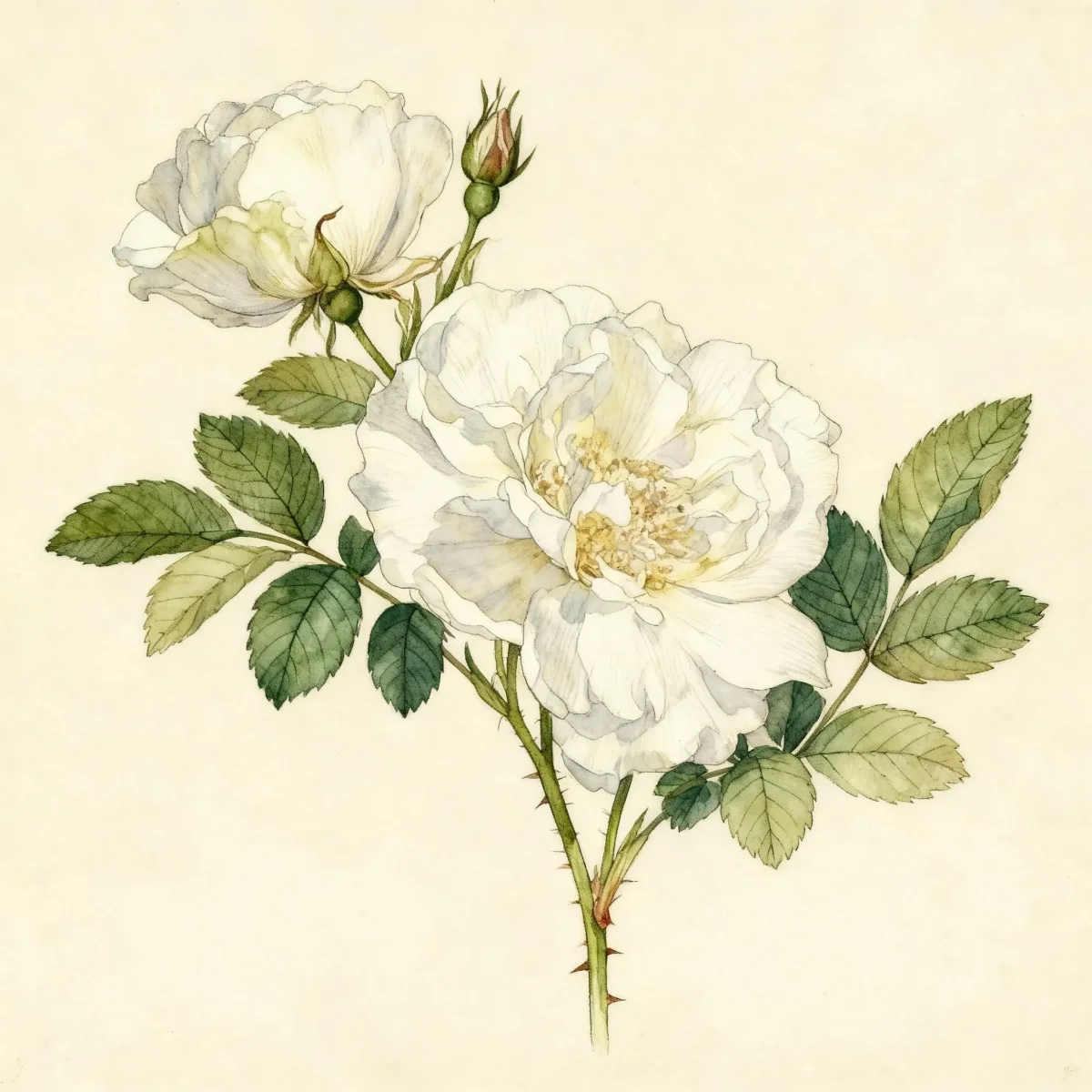
The Hybrid rugosa rose, Rosa ‘Sir Thomas Lipton’, forms a vigorous, dense, upright, rounded bush that is highly valued for its repeat blooming habit. It features semi-double to double, pure white flowers up to 2.5 inches across, beginning in June and offering an intermittent bloom throughout the summer months. Its leathery, dark green foliage earns the “rugosa” designation, referring to its characteristically wrinkled appearance.
Tolerances
This data field was empty and has been omitted.
Potential Problems
Roses, in general, face numerous threats, including fungal issues like black spot, powdery mildew, and rust, alongside rose rosette disease. While good cultural practices form the initial defense—such as ensuring excellent air circulation and avoiding overhead watering—consistent preventative fungicidal treatments are often necessary, especially in humid environments. Common insect pests may include aphids, spider mites, and various borers, requiring monitoring throughout the season. Fortunately, the Hybrid rugosa rose cultivar ‘Sir Thomas Lipton’ is noted for possessing excellent inherent disease resistance, making it a superior choice for gardeners dealing with high humidity. Always clean up and destroy dead leaves on the ground during the fall and winter to reduce overwintering spores.
Frequently Asked Questions
What hardiness zones is Hybrid rugosa rose suitable for?
The Hybrid rugosa rose, Rosa ‘Sir Thomas Lipton’, is quite hardy, thriving in USDA Zones 3 through 8. Ensure crowns are protected if planting near the cooler edge of Zone 3.
How large does Hybrid rugosa rose grow?
At maturity, Rosa ‘Sir Thomas Lipton’ typically reaches a height of 5 to 8 feet and spreads outward to cover an area between 4 and 7 feet wide, forming a dense shrub ideal for screening.
What sun exposure does Hybrid rugosa rose need?
For the best flowering performance and maximum disease resistance, ensure Rosa ‘Sir Thomas Lipton’ receives full sun exposure throughout the day.
When does Hybrid rugosa rose bloom?
This cultivar begins its primary flush of blooms in June and continues to produce fragrant, white flowers intermittently throughout the remainder of the growing season until frost arrives.
Conclusion
Rosa ‘Sir Thomas Lipton’ stands out as a resilient and rewarding shrub rose, distinguished by its fragrant white flowers and durable nature, especially noted for its outstanding disease resistance. As a vigorous Hybrid rugosa rose, it serves beautifully as a long-lived hedge or specimen plant. Before planting, confirm that your site provides the required full sun exposure and appropriate drainage to ensure this woody perennial thrives for years to come.
Companion Planting
Selecting appropriate neighbors enhances the health and aesthetics of your Rosa ‘Sir Thomas Lipton’. Since this shrub prefers full sun and medium, well-drained soil, consider pairing it with companion plants that share similar cultural needs, such as Lavender (Lavandula spp.) or hardy ornamental grasses like Feather Reed Grass (Calamagrostis x acutiflora ‘Karl Foerster’). These companions offer contrasting textures and heights without competing aggressively for resources, maintaining the good air circulation crucial for rose health.
In mixed borders, interplanting with sturdy Siberian Iris (Iris sibirica) or Peonies (Paeonia) works well, as these complement the shrub rose’s bloom time and structure. Because the maintenance level is medium, choosing other low-fuss perennials helps keep the overall maintenance schedule efficient. Avoid planting sensitive varieties nearby, as heavy fungicides used for neighboring roses might impact delicate nearby herbs or vegetables.
Seasonal Care Calendar
Spring preparation is key for this Hybrid rugosa rose; prune lightly in late winter or early spring just as new growth begins to emerge. This is also the time for the first application of mulch after removing winter protective coverings, if used. Summer is focused on consistent, deep mid-morning watering and deadheading the white flowers to promote continuous rebloom. Ensure you remove and destroy any fallen or diseased leaves promptly to control potential pathogens.
As the season transitions into fall, cease heavy fertilization and begin to reduce watering slightly to harden off the plant before winter dormancy. Before the first hard freeze, a thorough cleanup of all debris around the base of the plant minimizes disease carryover into the next season. In exceptionally cold areas, take steps to protect the lower crowns before deep winter sets in, ensuring your Rosa ‘Sir Thomas Lipton’ is ready for vigorous spring growth.