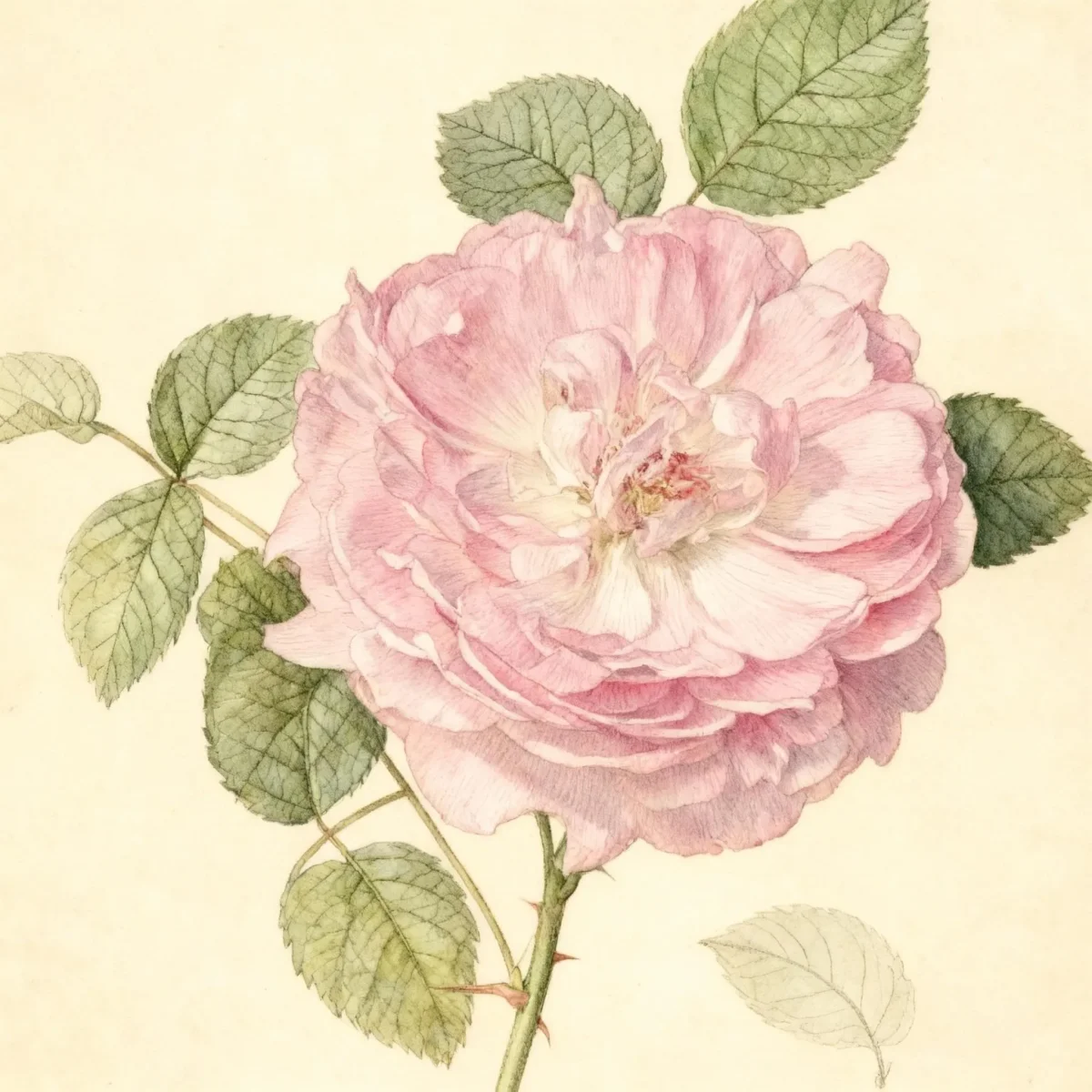
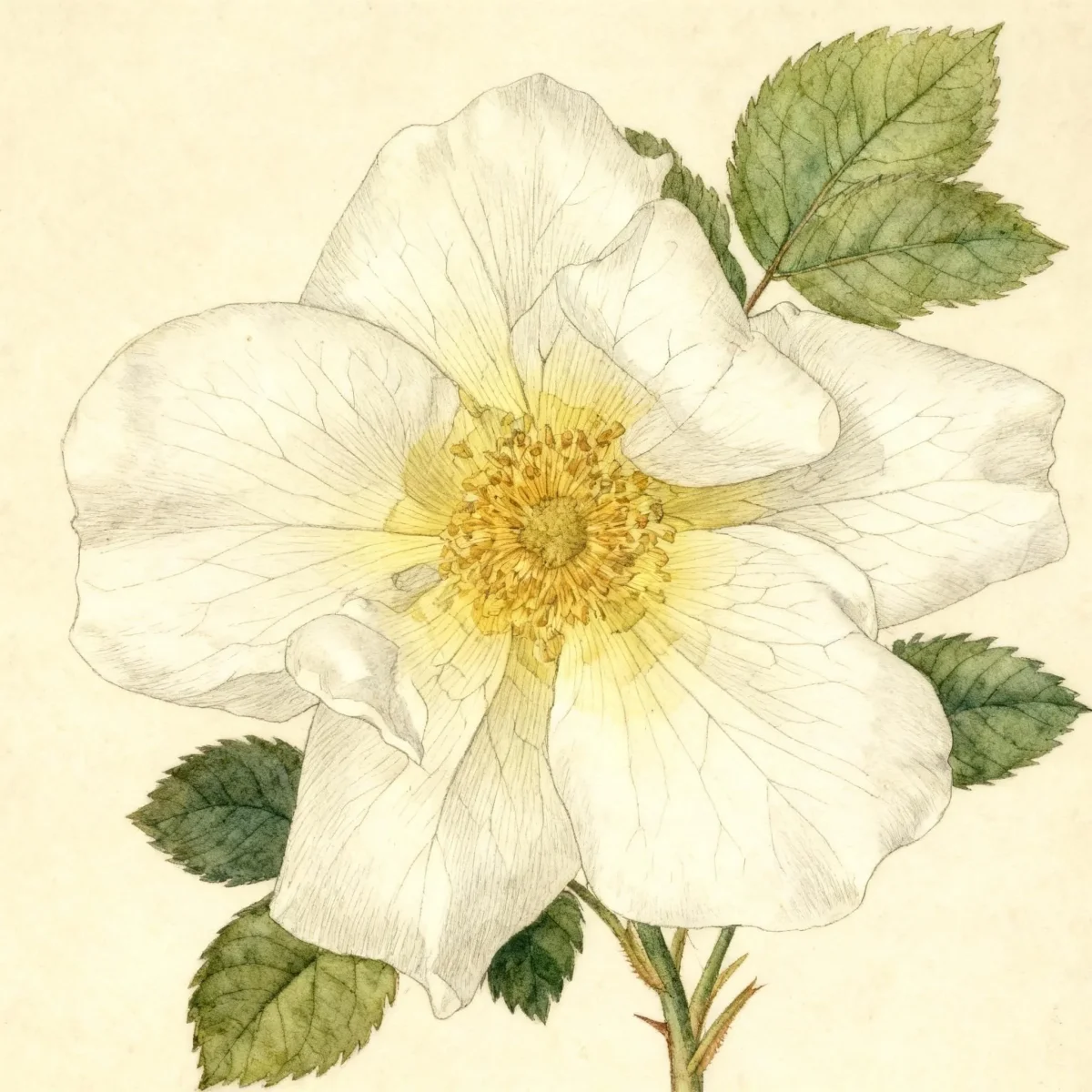
Kordesii rose (Rosa 'William Baffin')
Rosa 'William Baffin' is a vigorous Kordesii rose prized for showy, fragrant pink blooms from May to frost in zones 3-9.
Scroll down to discover growing tips, care requirements, companion plants, and more

Complete Plant Information
Overview
Rosa ‘William Baffin’ is a highly valued, cold-hardy Kordesii rose, developed as part of the Canadian Explorer Series. This deciduous shrub is renowned for its long blooming period, producing clusters of semi-double, fragrant pink flowers from late spring all the way until the first frost. Its vigorous nature and excellent disease resistance make it a reliable performer where many other roses struggle.
This robust plant typically matures between 5 and 10 feet tall, functioning effectively either as a free-standing shrub or trained upward. The glossy, dark green foliage provides a beautiful backdrop to the showy blooms, enhancing its ornamental appeal throughout the growing season. Gardeners appreciate Rosa ‘William Baffin’ for its ability to provide continuous color with relatively low effort compared to hybrid teas.
As a type of Kordesii rose, Rosa ‘William Baffin’ offers exceptional durability for gardeners in colder regions. It thrives best when situated in full sun—which promotes the best flowering and health—though it can tolerate very light afternoon shade, making it versatile for various landscape placements.
Fast Facts
- Plant Family: Rosaceae
- Plant Type: Deciduous shrub
- Hardiness Zones: USDA Zones 3-9
- Size at Maturity:
- Height: 5-10 ft
- Spread: 3-6 ft
- Bloom Time: May to frost
- Bloom Description: Pink
- Sun Exposure: Full sun
- Water Needs: Medium
- Maintenance Level: Medium
How to Grow
The best success with Rosa ‘William Baffin’ comes from planting it in well-drained garden loams that are slightly acidic, ensuring medium moisture retention. Plant during the appropriate season for your region (usually early spring or fall) ensuring a location that receives full sun for optimal flowering and disease resistance.
Watering should be deep and consistent, preferably done in the mornings to allow foliage to dry before evening. Avoid overhead watering to further discourage common foliar diseases. A summer mulch layer is beneficial; it helps keep the roots cool, conserves soil moisture, and suppresses competitive weeds around the base of the plant.
Maintenance for this Kordesii rose involves routine deadheading; removing spent flowers throughout the season encourages the plant to produce more blooms rather than setting seed. Pruning should be performed in late winter or early spring as needed to shape the shrub and remove any damaged or crossing canes.
For gardeners in the coldest zones (near the lower limit of USDA Zone 3), providing winter protection to the crowns of Rosa ‘William Baffin’ is recommended to ensure survival through harsh winters. Always clean up and destroy fallen leaves both during the growing season and during the final dormant cleanup to minimize overwintering pathogens.
Landscape Uses
Rosa ‘William Baffin’ excels in structural landscape roles due to its height and climbing habit. It is an outstanding choice to train against walls, trellises, arbors, or along sturdy fences, transforming vertical surfaces into masses of pink color. When given support, it serves as a magnificent, coverage-providing climber rose.
For a more natural, informal screen or background planting, it can be allowed to grow as a larger, free-standing shrub, blending well with mixed perennial borders or shrub borders where its height can anchor the design. Its continuous blooming pattern means it offers reliable color when many other spring-flowering shrubs have faded.
Consider pairing this Kordesii rose with low-growing, tough groundcovers that do not compete heavily for root space, or use clipped evergreen shrubs as a formal contrast to its rambling nature. Its vigor makes it suitable for large garden spaces where lower-maintenance color is desired.
Standout Features
Flower Qualities
- Showy
- Fragrant
Noteworthy Characteristics
Rosa is a genus of about 150 species of deciduous shrubs and climbers noted for their beautiful, often fragrant, flowers which are borne singly or in clusters on often prickly stems. ‘William Baffin’, a kordesii rose, is a climbing or pillar rose which typically grows 8-10’ tall but can also be grown as a 5-8’ free-standing shrub. It features clusters of fragrant, deep pink, semi-double flowers up to 2.5” across from late spring to frost, complemented by glossy, dark green foliage.
Tolerances
- Air Pollution
Potential Problems
Gardening with any rose requires vigilance against disease and pests, though Rosa ‘William Baffin’ exhibits excellent resistance to the common foliar issues like black spot and powdery mildew that plague less hardy varieties. The primary defense is always excellent cultural practice, particularly ensuring good air circulation among the stems.
In humid climates, regular preventative fungicide applications may still be necessary throughout the humid summer months for comprehensive protection. Potential insect pests to scout for include aphids, scale, borers, and spider mites. If problems arise, consult local extension agents for targeted treatment recommendations.
Proactive cleanup is crucial; diligently remove and destroy diseased foliage during the growing season and ensure a thorough dormant season cleanup to reduce the potential inoculum for the following year. This detailed approach helps maintain the health of your Kordesii rose throughout its extended blooming period.
Frequently Asked Questions
What hardiness zones is Kordesii rose suitable for?
Rosa ‘William Baffin’ is hardy in USDA Zones 3 to 9, making it an excellent choice for gardeners needing cold tolerance.
How large does Rosa ‘William Baffin’ grow?
This vigorous shrub typically reaches a height between 5 and 10 feet, with a spread ranging from 3 to 6 feet.
What sun exposure does Rosa ‘William Baffin’ need?
For the best flowering and disease resistance, Rosa ‘William Baffin’ requires full sun exposure daily.
When does Kordesii rose bloom?
This plant offers an extended season of color, blooming continuously from May until the first frost arrives.
Conclusion
The Rosa ‘William Baffin’ stands out as an exceptionally durable and floriferous Kordesii rose, delivering continuous pink, fragrant blooms across a wide climatic range. Its resistance to disease further cements its status as a practical gardening staple. Check your local hardiness zone compatibility and plan for ample vertical support to successfully integrate this resilient climber into your garden structure next season.
Companion Planting
When selecting companions for Rosa ‘William Baffin’, focus on plants that share similar cultural needs—full sun and medium, well-drained moisture—while also helping to mask the lower parts of the canes. Low-growing perennials like Catmint (Nepeta) or hardy Geraniums are excellent choices as they suppress weeds and tolerate the heat radiating from the summer soil near the base of the rose.
Alternatively, consider pairing this vigorous climber beneath taller, structural plants like ornamental grasses toward the back of a border. The fine texture of the grass adds contrast to the broad, glossy leaves of the Kordesii rose during early summer before the rose reaches its peak bloom.
Ensure that any companion choices do not impede air circulation around the base of the rose, as good airflow is vital for keeping foliage dry and healthy. Avoid dense, moisture-loving ground covers that might keep the soil too damp around the crowns.
Seasonal Care Calendar
Early Spring (Pre-bloom): This is the ideal time for pruning Rosa ‘William Baffin’ as needed, removing dead or damaged wood before new growth begins. Apply a slow-release fertilizer formulated for roses just as buds begin to swell, encouraging strong establishment for the season.
Summer Maintenance: Focus heavily on deep, regular watering, especially during dry spells. Deadhead faded flowers consistently to promote the rebloom cycle right up to the first frost. Inspect leaves weekly for any early signs of pest or fungal activity, addressing issues immediately with cultural adjustments or appropriate treatments.
Late Fall/Early Winter: As dormancy approaches, conduct a thorough cleanup. Remove all fallen leaves from around the base of the plant and destroy them; this is critical for disease prevention. Apply a thick layer of mulch over the root zone but keep it clear of the main canes. In severe winter climates (Zone 3), mound soil or mulch high over the rose crowns for added protection.