Japanese rose (Rosa rugosa 'Alba')
Rosa rugosa 'Alba', the Japanese rose, offers fragrant white blooms and high tolerance, making it an excellent, tough landscape shrub.
Scroll down to discover growing tips, care requirements, companion plants, and more
Complete Plant Information
Overview
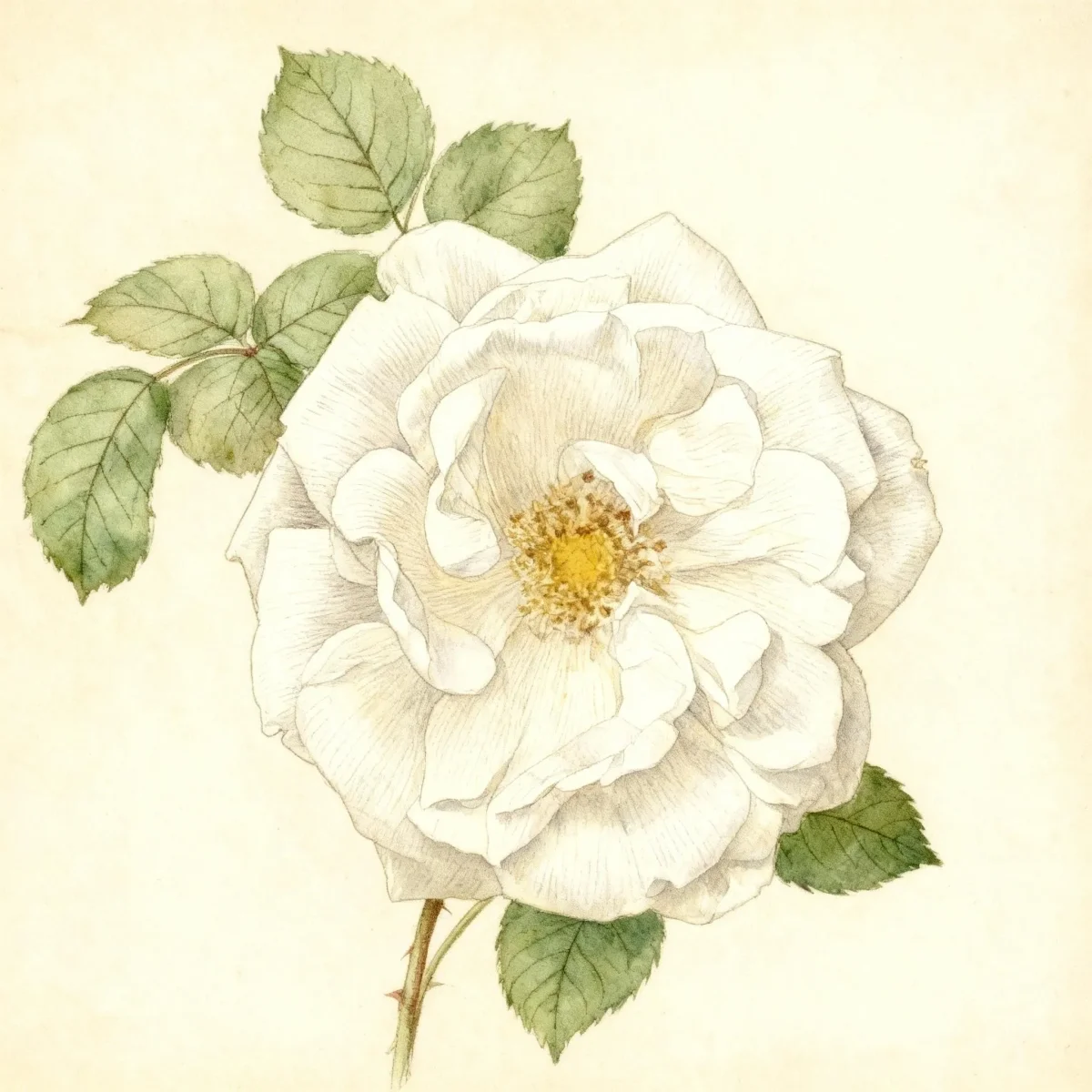
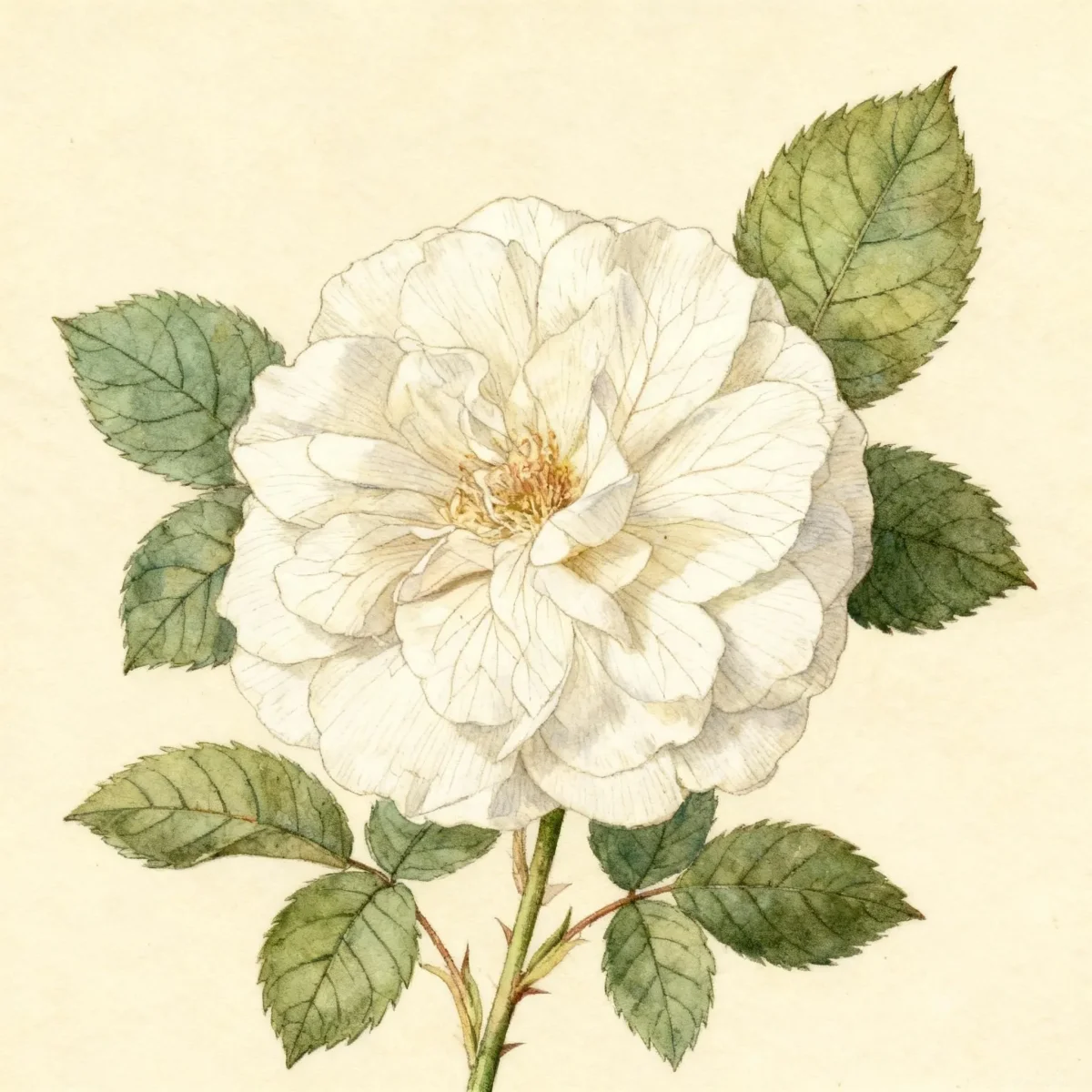
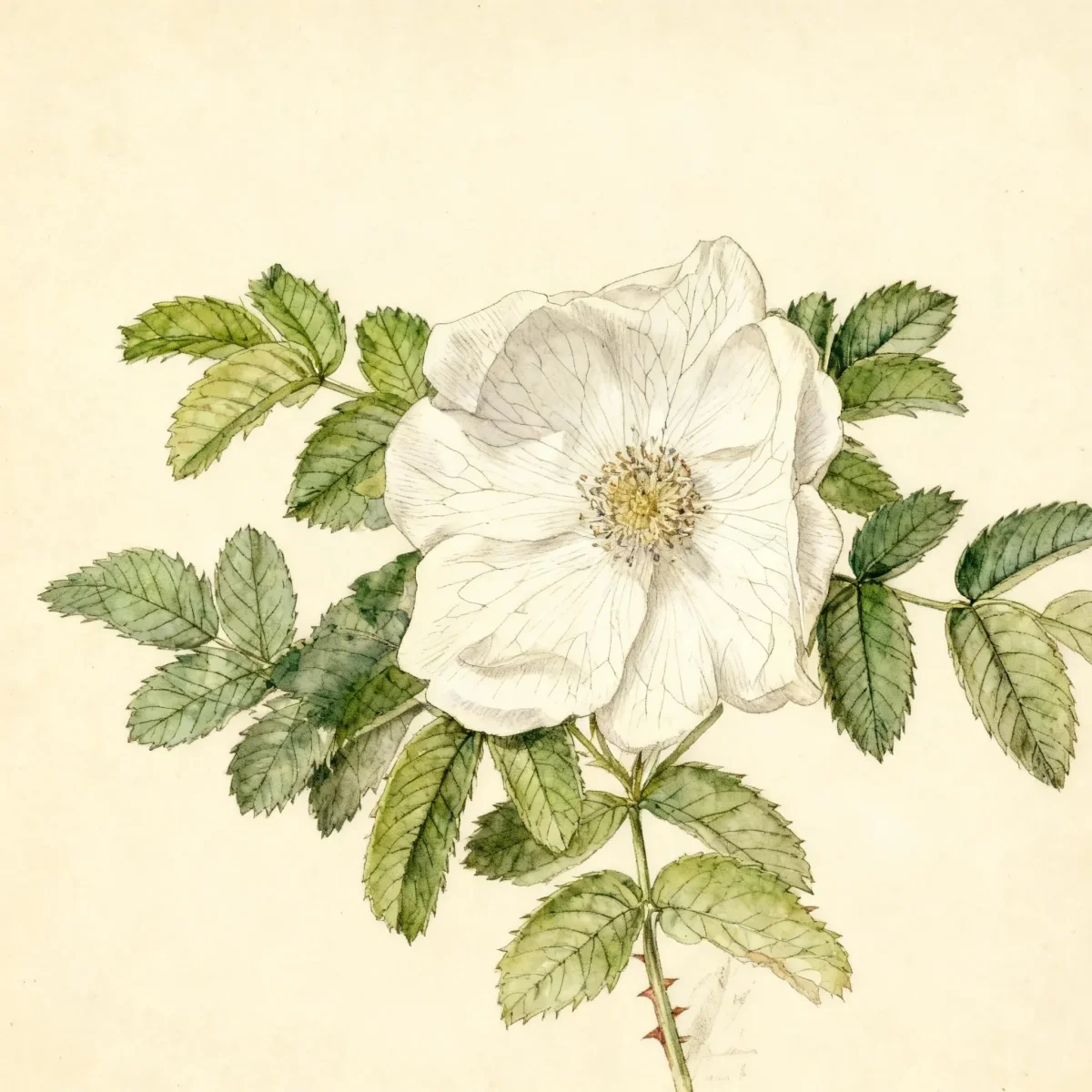
The Rosa rugosa ‘Alba’, commonly known as the Japanese rose, is celebrated in gardens for its exceptional hardiness and fragrant summer blooms. This deciduous shrub produces pure white, single flowers, providing a beautiful contrast against its typically dark green, wrinkled foliage. Beyond its aesthetic appeal, this rose offers significant functional benefits, particularly in challenging landscapes where other ornamentals struggle.
This species is incredibly adaptable, thriving in conditions ranging from full sun exposure to partial shade. While it appreciates well-drained loamy soils, the Japanese rose performs well even in poor, sandy, or clay soils, a resilience that contributes to its widespread naturalization. Its vigorous, suckering habit makes Rosa rugosa ‘Alba’ an invaluable, if sometimes untamed, addition to coastal stabilization projects or large informal plantings.
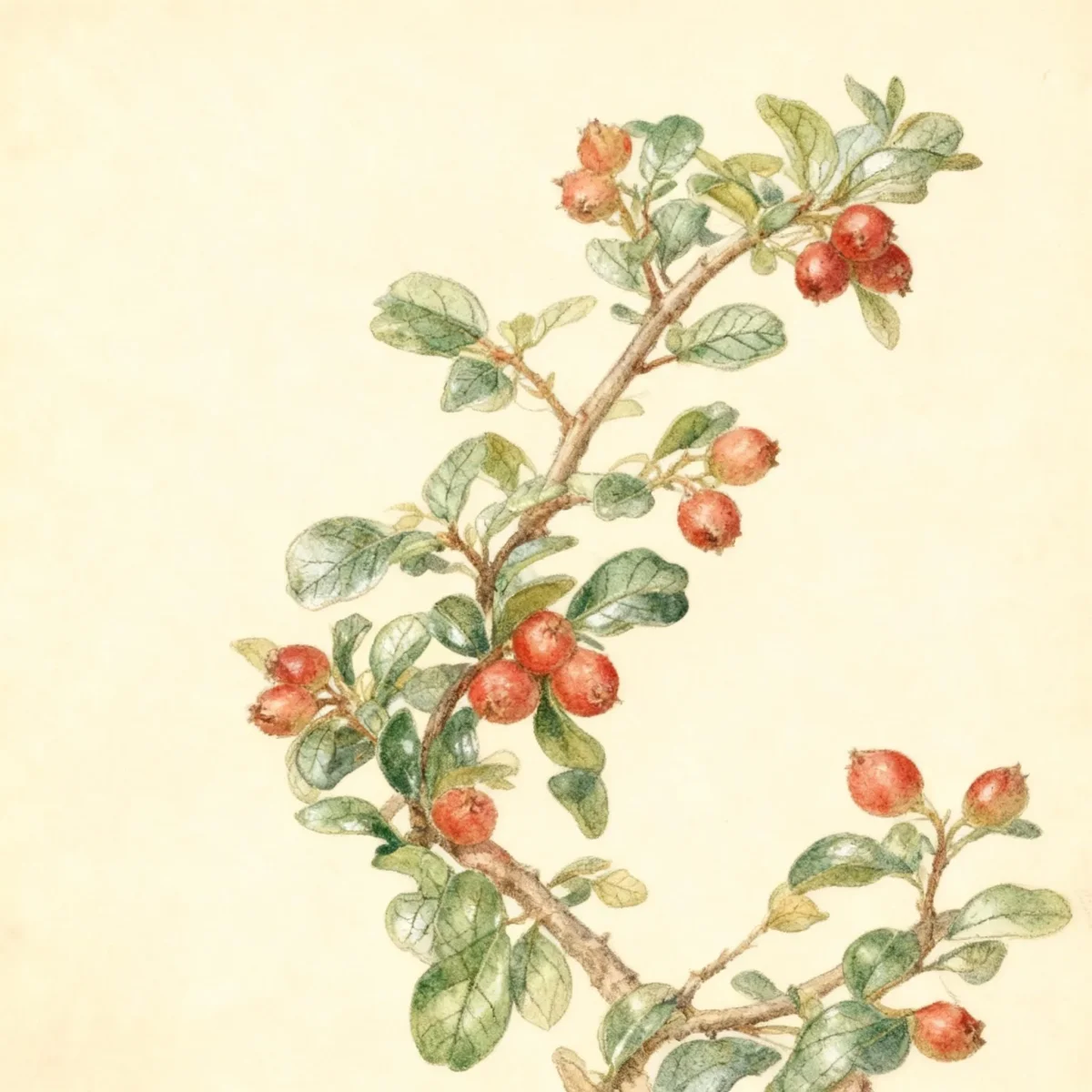
Gardeners value the season-long interest provided by the Rosa rugosa ‘Alba’, from its abundant flowers in summer to the bright red, edible hips that persist into winter. Its bristly, thorny stems create nearly impenetrable barriers, lending functional security to any area where a tough, low-maintenance hedge is desired.
Fast Facts
- Plant Family: Rosaceae
- Plant Type: Deciduous shrub
- Hardiness Zones: USDA Zones 3-8
- Size at Maturity:
- Height: 4-6 ft
- Spread: 3-5 ft
- Bloom Time: June to August
- Bloom Description: White
- Sun Exposure: Full sun to part shade
- Water Needs: Medium
- Maintenance Level: Medium
How to Grow
Planting Rosa rugosa ‘Alba’ should occur when dormant, ideally in late winter or early spring, though fall planting is also acceptable if irrigation is reliable. Aim for a location that receives full sun for the best flowering and superior disease resistance. While this rose tolerates a range of soils, ensure excellent drainage is provided; avoid perpetually wet sites, as root rot can be an issue.
Water deeply and regularly, focusing water application in the mornings and directly at the base of the plant to keep foliage dry. Good air circulation is key to mitigating potential foliar diseases. Apply a summer mulch to cool the roots and conserve ground moisture. Deadhead spent flowers promptly if you prioritize reblooming, but note that removing flowers prevents the development of the ornamental, edible rose hips.
Pruning for Rosa rugosa ‘Alba’ should be done in late winter or early spring as needed to maintain shape or remove dead wood. This plant is exceptionally winter hardy, often surviving temperatures down to -50°F. Conduct a thorough cleanup in late fall or winter, destroying fallen leaves to reduce overwintering pathogens.
Landscape Uses
The sheer toughness of this plant dictates many of its best uses. The abundant, sharp thorns on the stems of the Japanese rose make it an excellent choice for creating an impenetrable hedge or screen where security and privacy are priorities. Because they naturally form dense thickets via suckering, these roses are perfect for naturalizing large areas, banks, or coastal zones where erosion control is necessary.
Do avoid planting Rosa rugosa ‘Alba’ in small, formal garden beds where its spreading habit might overwhelm neighboring plants. In cottage gardens, its vigorous nature is more welcome, often paired with other hardy perennials that can handle its size. Its tolerance for sandy soil and salt spray also makes it superior for stabilizing beaches and dunes along maritime environments.
Standout Features
Flower Qualities
- Showy
- Fragrant
Fruit Qualities
- Showy
- Edible
Noteworthy Characteristics
Rosa rugosa is native to northern China, Korea and Japan, resulting in a bristly, prickly, sprawling shrub known for its wrinkled foliage. The pure white flowers of this white sport bloom profusely from late spring into summer, followed by fleshy, tomato-shaped, bright red rose hips that persist into the colder months. These hips are edible and commonly used for jams and jellies.
Tolerances
- Clay Soil
- Air Pollution
Potential Problems
Roses generally face risks like black spot, rust, and powdery mildew, particularly in humid conditions. While Rosa rugosa ‘Alba’ exhibits notable disease resistance compared to many hybrid roses, maintaining good cultural practices remains essential for control. Ensure excellent air circulation and avoid overhead watering to minimize fungal issues.
Potential insect pests may include aphids, scale, and spider mites. Prevention begins with vigilant observation; remove diseased leaves promptly and dispose of them, especially during the winter cleanup. While chemical controls are sometimes necessary in disease-prone climates, healthy cultural management is the first line of defense for this hardy Japanese rose.
Frequently Asked Questions
What hardiness zones is Japanese rose suitable for?
The Rosa rugosa ‘Alba’ is remarkably hardy, suitable for USDA Zones 3 through 8.
How large does Japanese rose grow?
This shrub typically matures to a height between 4 and 6 feet, with a spread ranging from 3 to 5 feet wide unless proactively restrained.
What sun exposure does Rosa rugosa ‘Alba’ need?
For optimal performance, Rosa rugosa ‘Alba’ requires full sun, though it will tolerate partial shade, especially in hotter climates.
When does Japanese rose bloom?
Expect profuse white blooms on the Japanese rose primarily from June through August.
Conclusion
The Rosa rugosa ‘Alba’ stands out as an unparalleled combination of rugged durability and classic beauty, offering fragrant white flowers and brightly colored, edible hips. Due to its tolerance for poor soil and pollution, the Japanese rose is a vital choice for difficult landscape sites or robust screening. Before planting, verify that local regulations permit this rose, especially near coastal areas, and ensure your site provides the adequate space it needs to spread naturally.
Companion Planting
This species thrives alongside other rugged, low-maintenance plants that can handle similar soil conditions. Consider pairing the Rosa rugosa ‘Alba’ with native dune grasses or other tough, salt-tolerant shrubs if planting near the coast. Inland, where its suckering nature needs management, interplanting with hardy perennials like Siberian Iris or Daylilies (Hemerocallis) can help fill the space without direct competition, especially given the strong vertical presence of this shrub.
Wildlife Benefits
The Japanese rose offers significant value to wildlife beyond its ornamental appeal. The abundant flowers, noted for being fragrant, attract crucial pollinators early and throughout the summer season. Furthermore, the persistent, fleshy red rose hips that follow the bloom are a vital late-season and winter food source for numerous bird species. Planting this variety contributes directly to local biodiversity, providing both nectar and crucial sustenance during lean times of the year.