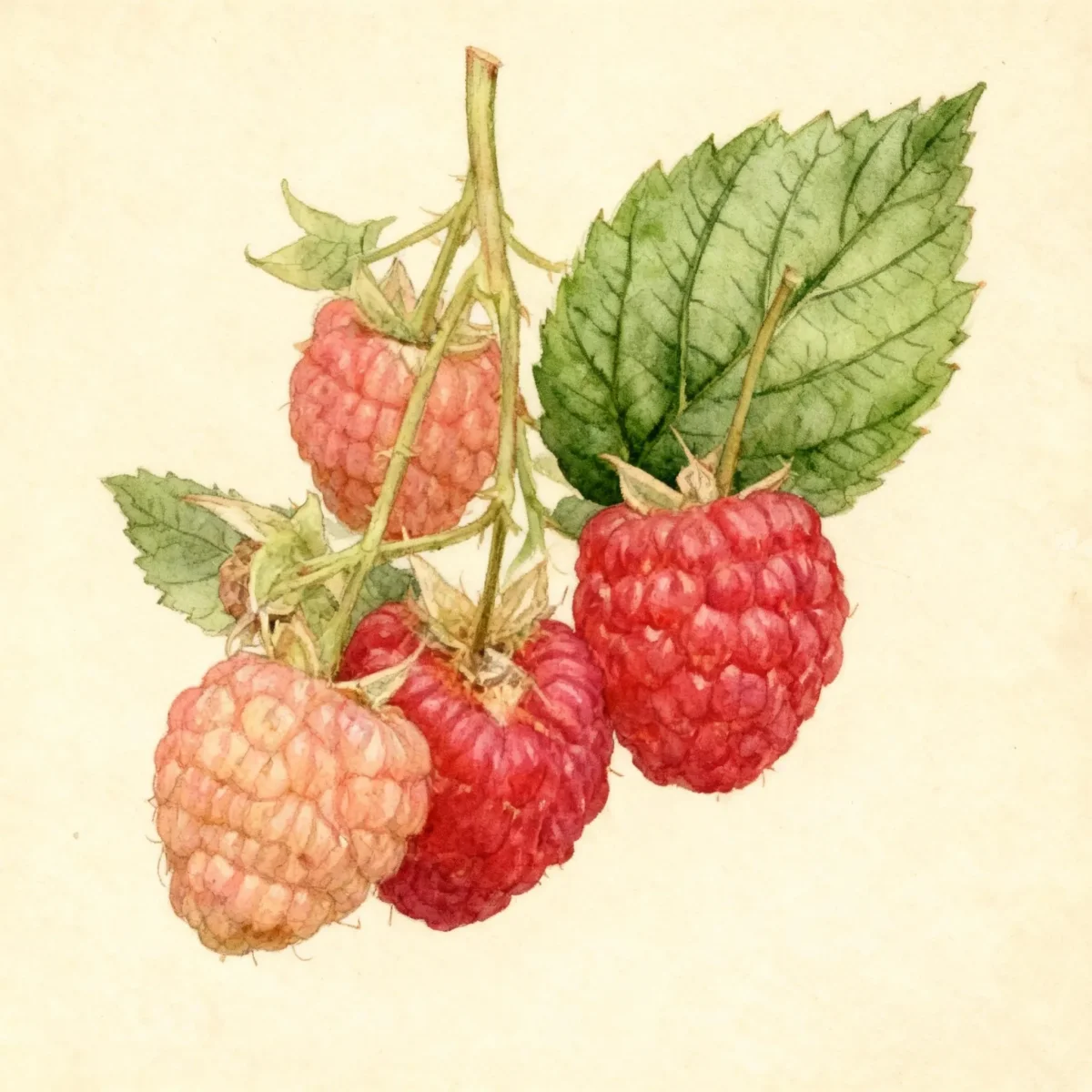
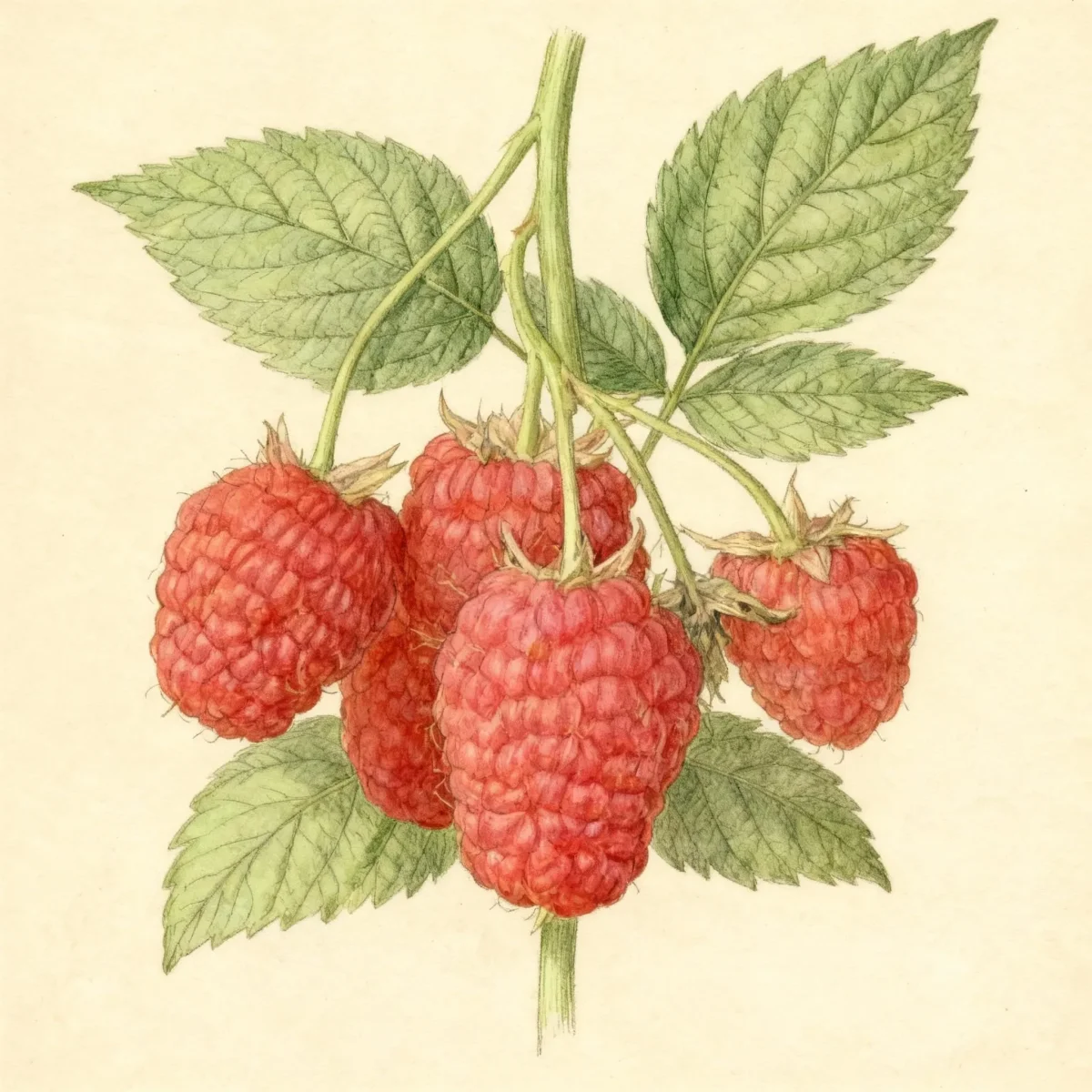
Blackberry (Rubus 'Illini Hardy')
The Rubus 'Illini Hardy' Blackberry is a thorny, self-fruitful shrub ideal for zones 4-6, yielding edible fruit.
Scroll down to discover growing tips, care requirements, companion plants, and more
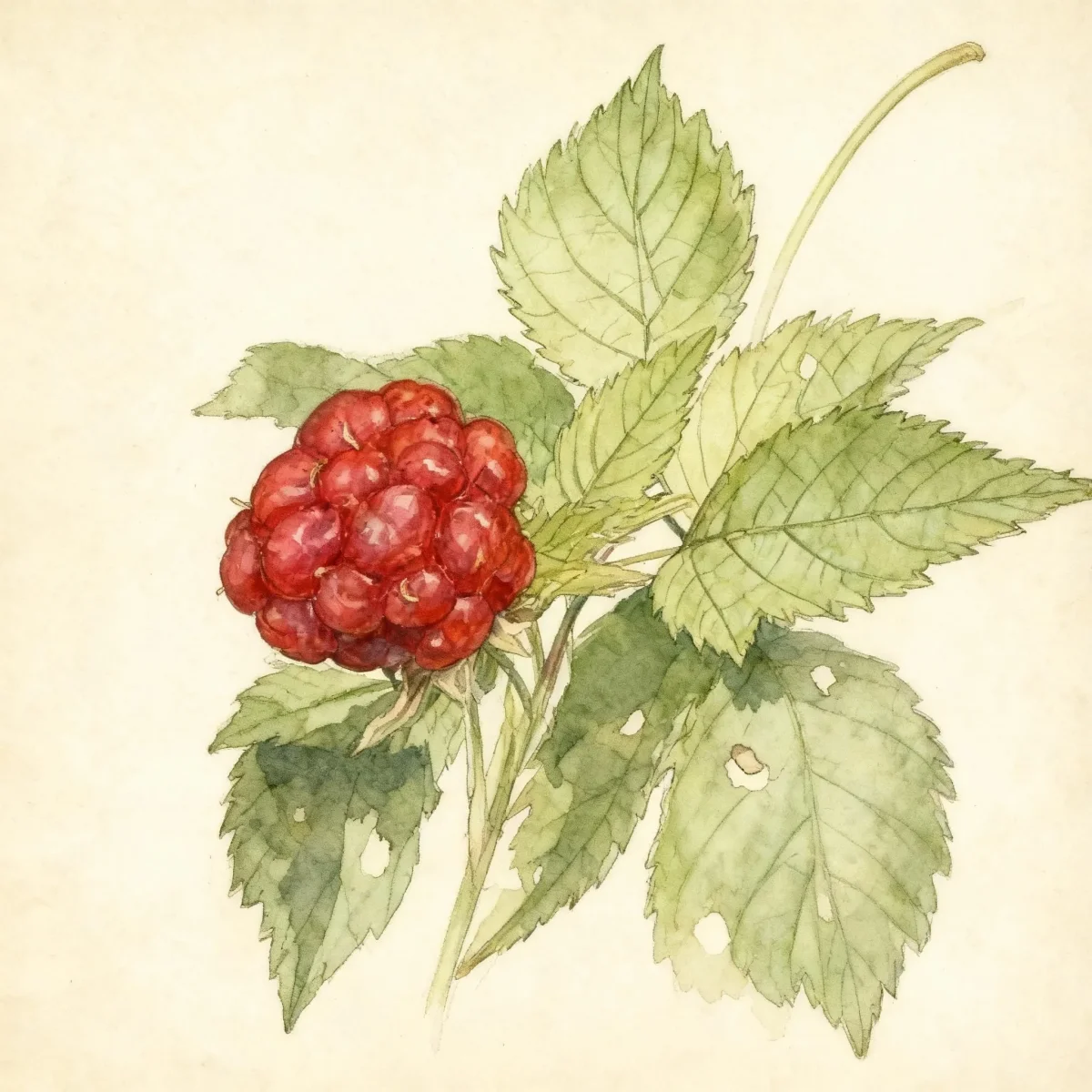
Complete Plant Information
Overview
The Rubus ‘Illini Hardy’ Blackberry is a valuable addition for gardeners seeking reliable, hardy fruit production. This thorny, erect shrub is characterized by its self-fruitful nature, meaning it sets fruit well on its own, simplifying the pollination process for home growers. While noted for excellent winter hardiness, growers should manage expectations regarding performance in very hot summers.
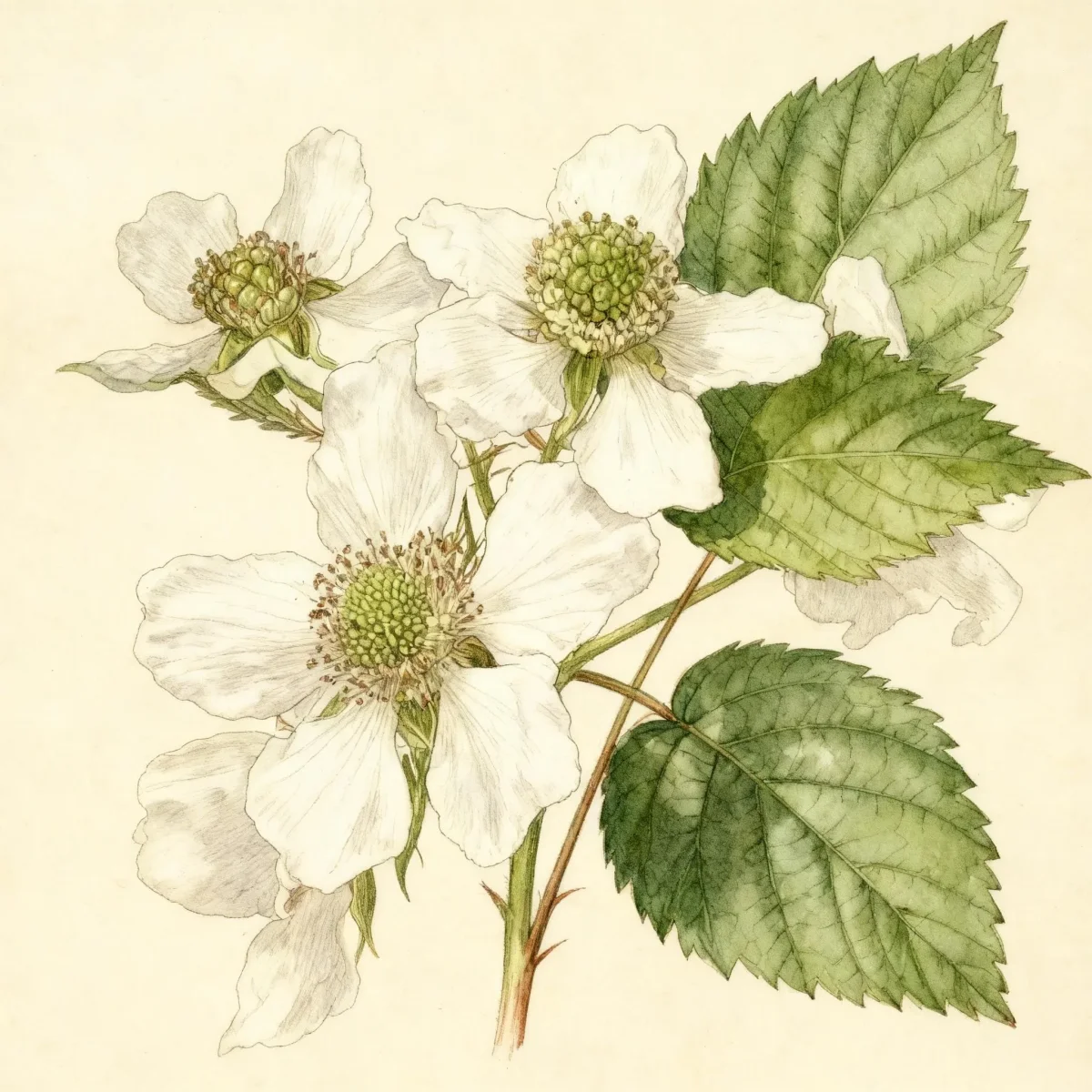
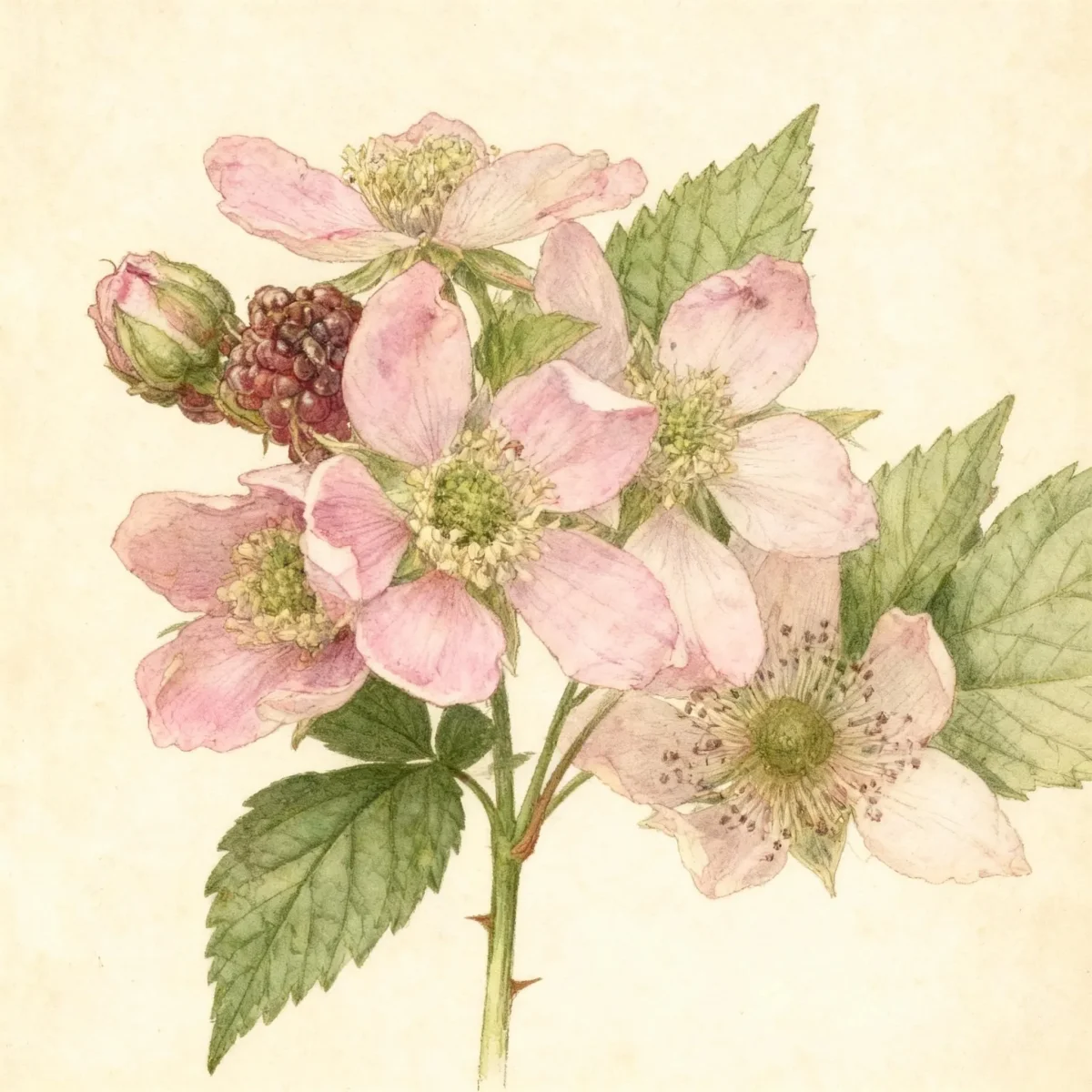
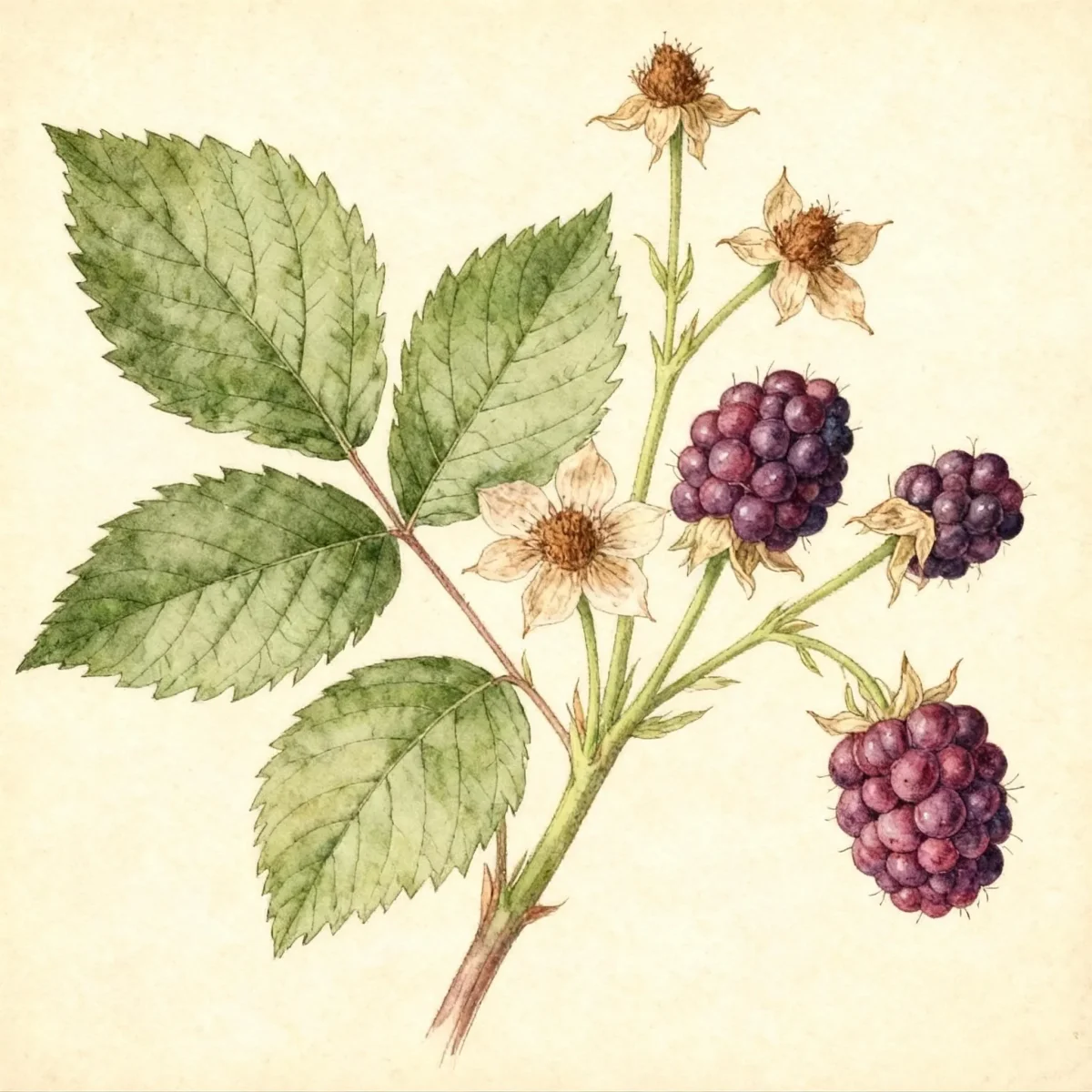
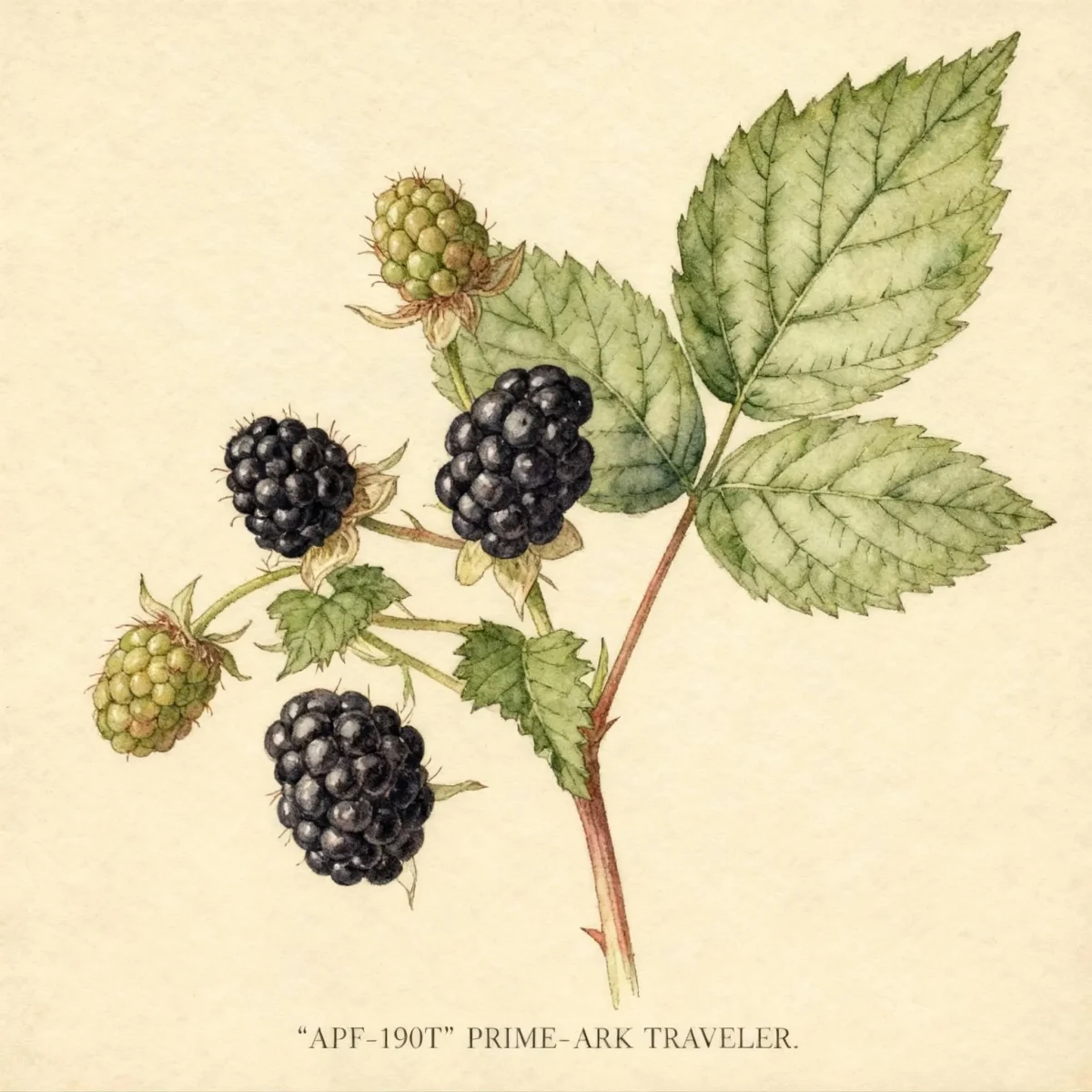
As an aggregate-fruited bramble, the Rubus ‘Illini Hardy’ produces clusters of deeply flavored blackberries on biennial canes emerging from a perennial rootstock. The spring bloom of white, rose-like flowers transitions into substantial harvests of edible fruit typically maturing in mid-to-late July. Its manageable, free-standing habit makes it an excellent choice for dedicated fruit patches, provided proper pruning is maintained.
Gardeners focused on edible landscaping will appreciate the dual benefits of this plant: attractive spring flowers followed by delicious summer berries. Proper culture, especially ensuring well-drained soil and applying consistent pruning, is key to maximizing yields and maintaining the health of this popular Blackberry variety.
Fast Facts
- Plant Family: Rosaceae
- Plant Type: Fruit
- Hardiness Zones: USDA Zones 4-6
- Size at Maturity:
- Height: 4-5 ft
- Spread: 4-5 ft
- Bloom Time: May to June
- Bloom Description: White
- Sun Exposure: Full sun to part shade
- Water Needs: Medium
- Maintenance Level: Medium
How to Grow
The best time to establish your Rubus ‘Illini Hardy’ is when dormant, typically in early spring or late fall. Ideal placement requires full sun to maximize fruit production, though it tolerates part shade. This Blackberry thrives in moist, organically rich, slightly acidic, well-drained soil. If your site has heavy clay soils, consider growing the Rubus ‘Illini Hardy’ in raised beds to negate drainage problems, as the plants are very intolerant of wet conditions.
Watering should be consistent, aiming for medium moisture levels, particularly during fruit development. Since the canes are biennial—meaning this year’s canes will fruit next year before dying—pruning is essential for sustained health and production. For established shrubs, practice summer tip-pruning on new vegetative (non-fruiting) canes.
After the summer harvest is complete, immediately remove all canes that fruited down to the ground. In late winter or early spring, prune out any canes showing winter damage and thin the remaining healthy canes, ensuring only 4 or 5 strong, well-spaced canes remain. Lightly trim the laterals on these remaining structural canes. Staking is often recommended to keep the erect canes nicely supported.
Landscape Uses
Although this Blackberry is esteemed for its edible output, the early season offers visual appeal. Clusters of white, 5-petaled flowers provide a pleasant display before the fruit sets. While recommended primarily as a food crop, the Rubus ‘Illini Hardy’ can be utilized where functionality overrides pure aesthetics.
Consider planting rows of this Blackberry along the back border of an edible garden or near service areas of the yard where harvesting is convenient. Because it is an erect, self-standing variety, it requires less aggressive trellising than trailing types, though staking is still advised. When pairing it with other edibles, ensure companion plants share similar cultural needs for moisture and soil acidity.
Avoid using this variety purely as an ornamental specimen, as its primary value proposition lies in the summer harvest. Focus on grouping Rubus ‘Illini Hardy’ plantings together to create an accessible fruit patch rather than scattering single plants throughout formal flower beds.
Standout Features
Flower Qualities
- Showy
Fruit Qualities
- Showy
- Edible
Noteworthy Characteristics
Blackberries are aggregate-fruited brambles characterized by biennial canes emerging from a perennial rootstock. Unlike raspberries, when blackberries are picked, the central receptacle remains attached to the fruit, and their drupelets are smooth rather than hairy. The Rubus ‘Illini Hardy’ specifically is an erect, thorny shrub that produces a single, high-quality crop of fruit during the summer, typically maturing in mid-to-late July.
Tolerances
Potential Problems
Anthracnose, botrytis, and verticillium wilt represent serious disease threats to the Blackberry. Prevention is focused on excellent air circulation, which is achieved through diligent pruning to thin out the dense cane structure each year. Ensure plants are located in full sun where drying after rain is rapid.
Insect pests like cane borers and crown borers can also become problematic. Monitoring canes during the growing season for signs of infestation, such as wilting tips or bored holes, is essential. Promptly removing and destroying infected canes helps control pest populations and protects the perennial rootstock of your Rubus ‘Illini Hardy’.
Frequently Asked Questions
What hardiness zones is Blackberry suitable for?
The Rubus ‘Illini Hardy’ is best suited for USDA Zones 4 through 6.
How large does Rubus ‘Illini Hardy’ grow?
This Blackberry variety generally reaches a mature height between 4 to 5 feet and spreads out to a width of 4 to 5 feet.
What sun exposure does Rubus ‘Illini Hardy’ need?
For optimal growth and fruit production, this Blackberry requires full sun, although it can tolerate partial shade environments.
When does Blackberry bloom?
Rubus ‘Illini Hardy’ produces its white flowers from May through June.
Conclusion
The Rubus ‘Illini Hardy’ offers gardeners a dependable source of high-quality, edible fruit backed by reliable winter hardiness. Successful cultivation of this Blackberry relies heavily on adhering to a strict pruning schedule to manage the biennial canes and ensuring excellent soil drainage. Before planting, confirm your site falls within USDA Zones 4-6 and commit to the medium maintenance required for optimal productivity.
Companion Planting
When planning your edible garden around the Rubus ‘Illini Hardy’, select companions that thrive in moist, slightly acidic soil and full sun. Herbs like culinary sage or chives can be beneficial additions, as they may help deter certain pests that bother brambles. Alternatively, planting lower-growing, nitrogen-fixing legumes like bush beans around the drier edges of the bed can improve overall soil ecology without competing aggressively for moisture near the main roots.
Seasonal Care Calendar
Spring is crucial for the Rubus ‘Illini Hardy’, focusing on pre-emergent care before buds break. Remove any canes damaged in winter and thin the remaining structure to 4-5 strong canes in late winter or early spring. As summer approaches, monitor diligently for signs of disease. Immediately following the mid-to-late July harvest, prune all fruited canes completely to the ground, which directs the plant’s energy into developing next year’s fruiting wood.
Design Ideas for Brambles
Integrating the Blackberry into landscape design requires balancing its thorny nature with its productive output. For a soft, natural look, consider planting Rubus ‘Illini Hardy’ in an informal hedgerow along a property line where its height (4-5 feet) can provide a decent visual screen. Use a dense layer of organic mulch beneath the canes to suppress weeds and maintain consistent soil moisture, which also contributes to a cleaner visual base. If space is limited, modern erect varieties like this one perform reasonably well when contained within a large, structural container placed on a sunny patio.
Distinguishing Blackberries from Raspberries
Understanding the botanical differences helps in managing your Rubus ‘Illini Hardy’ correctly. The primary distinction lies in how the fruit separates from the plant: blackberries retain the central receptacle (torus) when picked, resulting in a solid core, while raspberries leave the receptacle attached to the cane, resulting in a hollow berry center. Furthermore, the individual sections of the fruit (drupelets) on a blackberry are smooth, whereas raspberry drupelets typically feature fine hairs. Knowing you have a true Blackberry ensures you follow specific pruning regimens tailored to its biennial cane structure.