Coneflower (Rudbeckia 'Summerblaze')
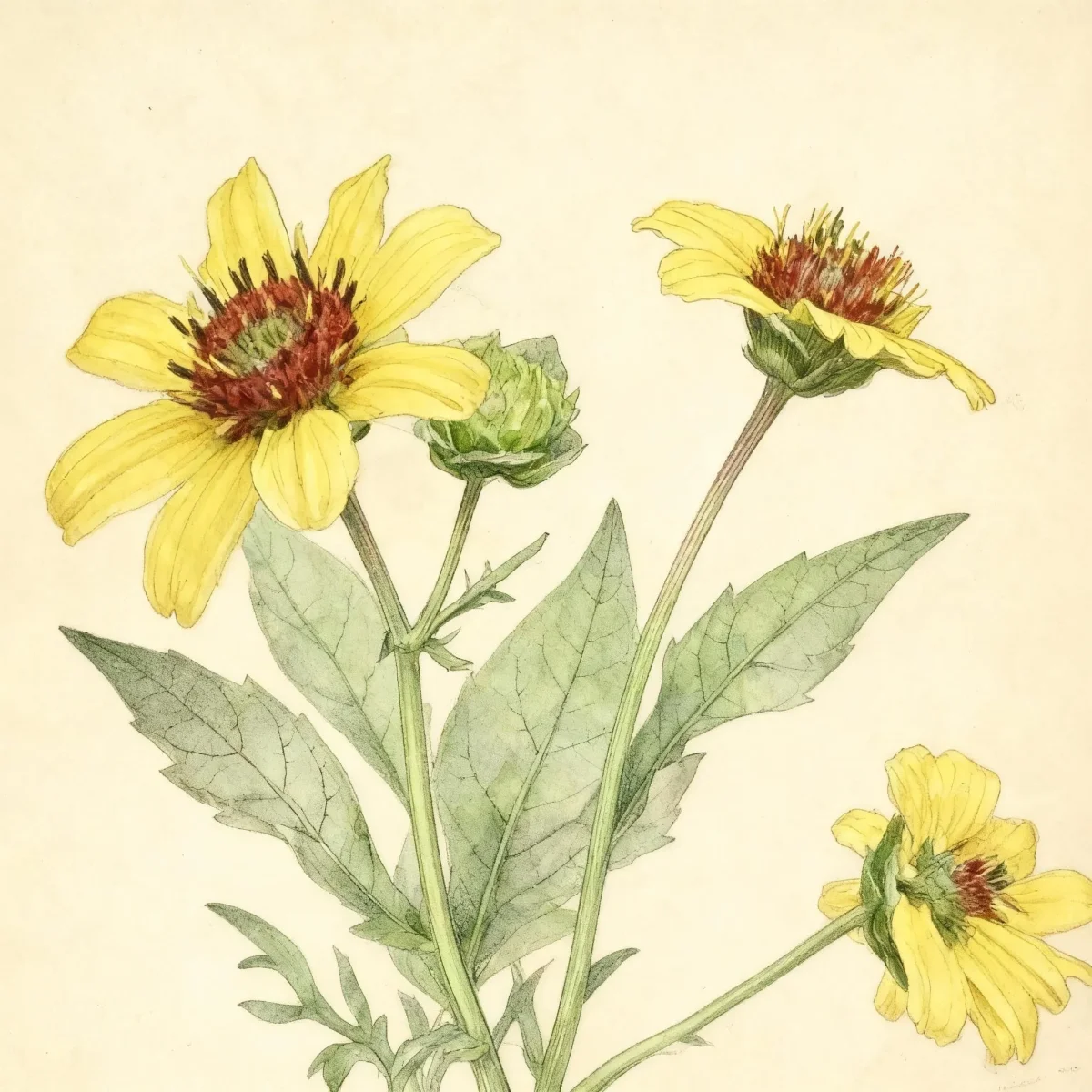
Rudbeckia 'Summerblaze' Coneflower offers reliable yellow, showy, daisy-like blooms from July to September, ideal for low-maintenance gardens.
Scroll down to discover growing tips, care requirements, companion plants, and more
Complete Plant Information
Overview
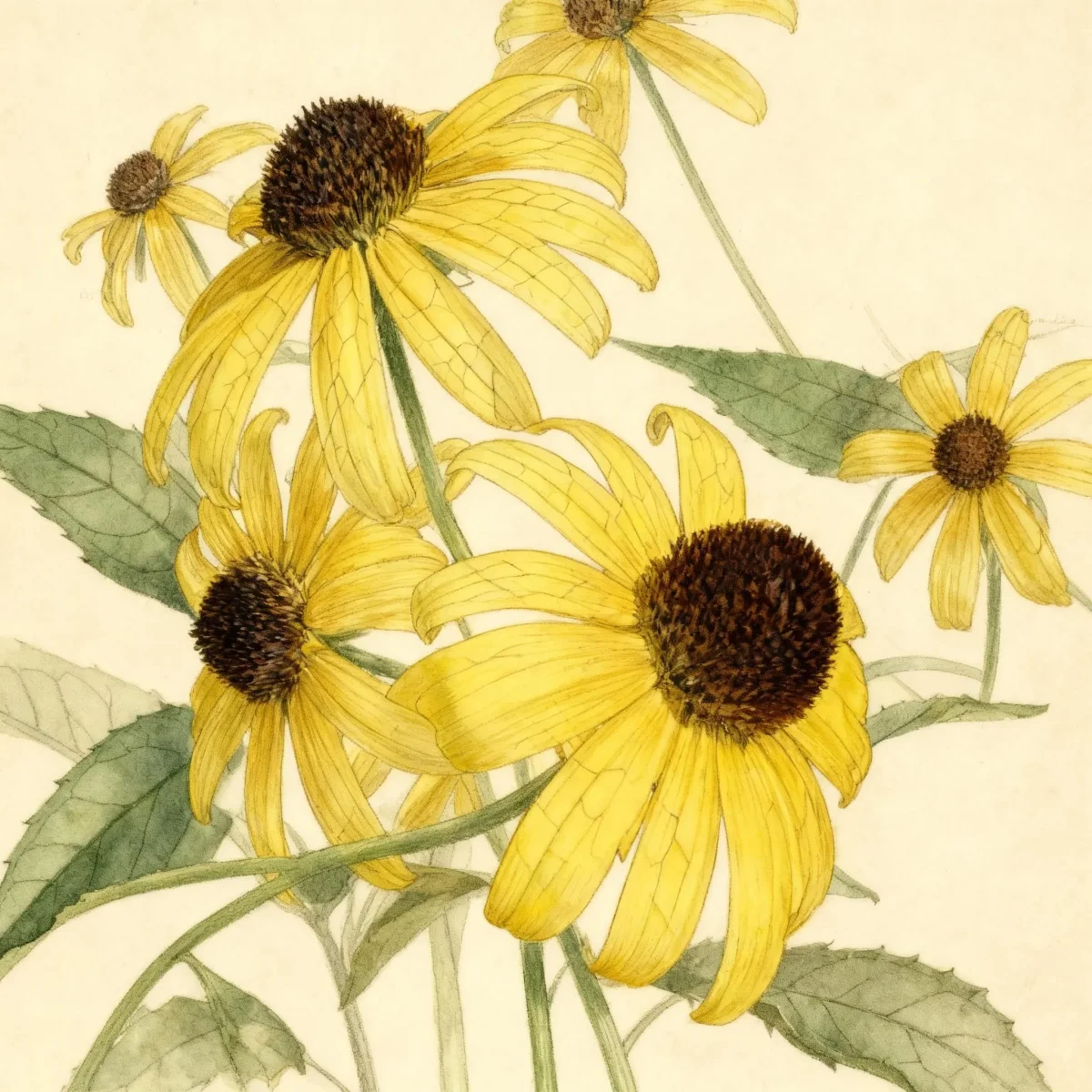
Rudbeckia ‘Summerblaze’ is a highly valued cultivar of Coneflower, prized for its compact, upright habit and prolific production of cheerful, daisy-type flowers. These blooms feature unmistakable bright yellow ray florets surrounding a dark purple central disk, providing consistent color throughout the mid-summer and into the fall season. As a low-maintenance herbaceous perennial, this variety integrates easily into various garden settings, offering reliable structure and vibrant color.
This specific Coneflower thrives when given plenty of direct sunlight, happily tolerating both the heat and humidity that can challenge less robust selections. Once established, Rudbeckia ‘Summerblaze’ displays excellent drought tolerance, making it a practical choice for water-wise gardening practices. Gardeners appreciate the long bloom period and the fact that this selection is easy to care for, requiring minimal intervention to maintain its tidy appearance.
The genus Rudbeckia, often known as black-eyed Susan, offers gardeners a taste of native North American beauty. For a long burst of late-season color that attracts interest and serves well as cut flowers, this compact Rudbeckia ‘Summerblaze’ is an essential addition to the perennial border front or meadow planting.
Fast Facts
- Plant Family: Asteraceae
- Plant Type: Herbaceous perennial
- Hardiness Zones: USDA Zones 3-9
- Size at Maturity:
- Height: 2-2.5 ft
- Spread: 1.5-2 ft
- Bloom Time: July to September
- Bloom Description: Yellow
- Sun Exposure: Full sun
- Water Needs: Dry to medium
- Maintenance Level: Low
How to Grow
For optimal performance, plant Rudbeckia ‘Summerblaze’ in spring or fall in a location receiving full sun exposure. This Coneflower performs best in average soils that are well-drained; while it prefers evenly moist conditions initially, it develops significant drought tolerance once its root system is established. Avoid planting in overly rich, fertile soils, as this can lead the stems to become floppy and may require artificial staking to keep the plant upright.
Watering for this perennial should focus on consistency during the first growing season until the plants are fully settled. Afterward, allow the soil to dry slightly between waterings, aligning with its requirement for dry to medium moisture levels. Fertilization is rarely necessary; rich soil amendments are often counterproductive, inducing legginess rather than promoting sturdier growth and bloom.
Deadheading spent flowers on your Rudbeckia ‘Summerblaze’ is the most important maintenance task, as removing old blooms encourages the plant to produce more flowers throughout its long July to September season. Every four to five years, consider dividing established clumps during the spring or fall to rejuvenate the intensity of the growth and maintain vigorous blooming habits for your Coneflower.
Landscape Uses
Rudbeckia ‘Summerblaze’ is perfectly sized for the front of deep mixed borders due to its manageable height, preventing shorter plants from being overshadowed. Its reliable yellow flowers provide excellent contrast and structure when massed in bold drifts, simulating a meadow look even in smaller spaces. This Coneflower also shines when incorporated into rock gardens where drainage is excellent, or when used to define the edges of pathways.
Consider pairing this cultivar with later-blooming purple or blue-hued plants to create dynamic complementary color schemes as summer transitions to fall. Plants with similar low-water needs and sun exposure, such as ornamental grasses or Sedum varieties, make excellent natural companions for the drought-tolerant Rudbeckia ‘Summerblaze’. It is also consistently recommended as a source of late-season color that attracts attention.
Standout Features
Flower Qualities
- Showy
- Good Cut
Noteworthy Characteristics
Rudbeckia is a genus of about 20 species of annuals, biennials and perennials from North America. They are grown for their showy, daisy-type flowers which usually feature a dark, central eye of disk florets ringed by yellow ray florets. Genus name honors Olof Rudbeck (1630-1702) Swedish botanist and founder of the Uppsala Botanic Garden in Sweden where Carl Linnaeus was professor of botany. ‘Summerblaze’ is a compact upright form of coneflower features daisy-like flowers with yellow rays and dark purple disks. Tolerates hot and humid summers, offering prolific bloom production over a long mid-summer to fall bloom period, and is commonly called black-eyed Susan.
Tolerances
- Deer
- Drought
- Dry Soil
Potential Problems
While generally robust, keep an eye out for common fungal issues affecting Coneflowers, including powdery mildew and downy mildew, particularly in areas with poor air circulation. Septoria leaf spot can also appear, causing spotting on lower foliage. Pests like aphids may occasionally colonize new growth, requiring treatment with insecticidal soap or a heavy blast of water. Furthermore, be vigilant for aster yellows disease, which is incurable and may require the removal of the infected plant. Good garden hygiene and proper spacing promote air flow, which is the best prevention against most fungal complaints.
Frequently Asked Questions
What hardiness zones is Coneflower suitable for?
Rudbeckia ‘Summerblaze’ is hardy and reliable across USDA Zones 3 through 9.
How large does Rudbeckia ‘Summerblaze’ grow?
Maturity finds this perennial reaching a height between 2 and 2.5 feet, with a spread of 1.5 to 2 feet wide.
When does Coneflower bloom?
This plant provides abundant color from July through September, showcasing its signature yellow daisy-like flowers.
What sun exposure does Rudbeckia ‘Summerblaze’ need?
This cultivar requires full sun to achieve the best flowering density and maintain its compact, upright habit.
Conclusion
The Rudbeckia ‘Summerblaze’ Coneflower delivers exceptional value with its low demands for maintenance combined with its extensive mid-to-late season display of bright yellow flowers. By offering proven drought tolerance and hardiness across diverse conditions, this plant serves as a dependable backbone element in sunny perennial plantings. Assess your garden site to ensure you can provide it with full sun, and plan to incorporate this robust Coneflower into your design this coming planting season.
Companion Planting
Choosing companions for Rudbeckia ‘Summerblaze’ should focus on plants that enjoy full sun and share similar drought tolerance once established. Consider pairing it with Russian Sage (Perovskia atriplicifolia) for contrasting silvery foliage and spiky texture later in the season. Catmint (Nepeta) is an excellent low-growing edging plant that blooms concurrently and helps mask any lower foliage decline on the Coneflower. For height variation, taller ornamental grasses that peak in autumn provide a wonderful, airy backdrop for the solid structure of the yellow blooms.
Design Ideas for Bold Color
To maximize the visual impact of Rudbeckia ‘Summerblaze’, embrace block planting rather than scattering individual specimens. Massing five or more plants together creates a substantial drift of yellow that draws the eye across the landscape, especially effective in large perennial beds or naturalized areas. Since this Coneflower is relatively compact for a Rudbeckia, it works wonderfully in front of towering sunflowers or tall Joe-Pye Weed, creating natural stepping stones of color within the border. For contemporary contrast, place them near architectural plants with dark gray or blue-tinged foliage.