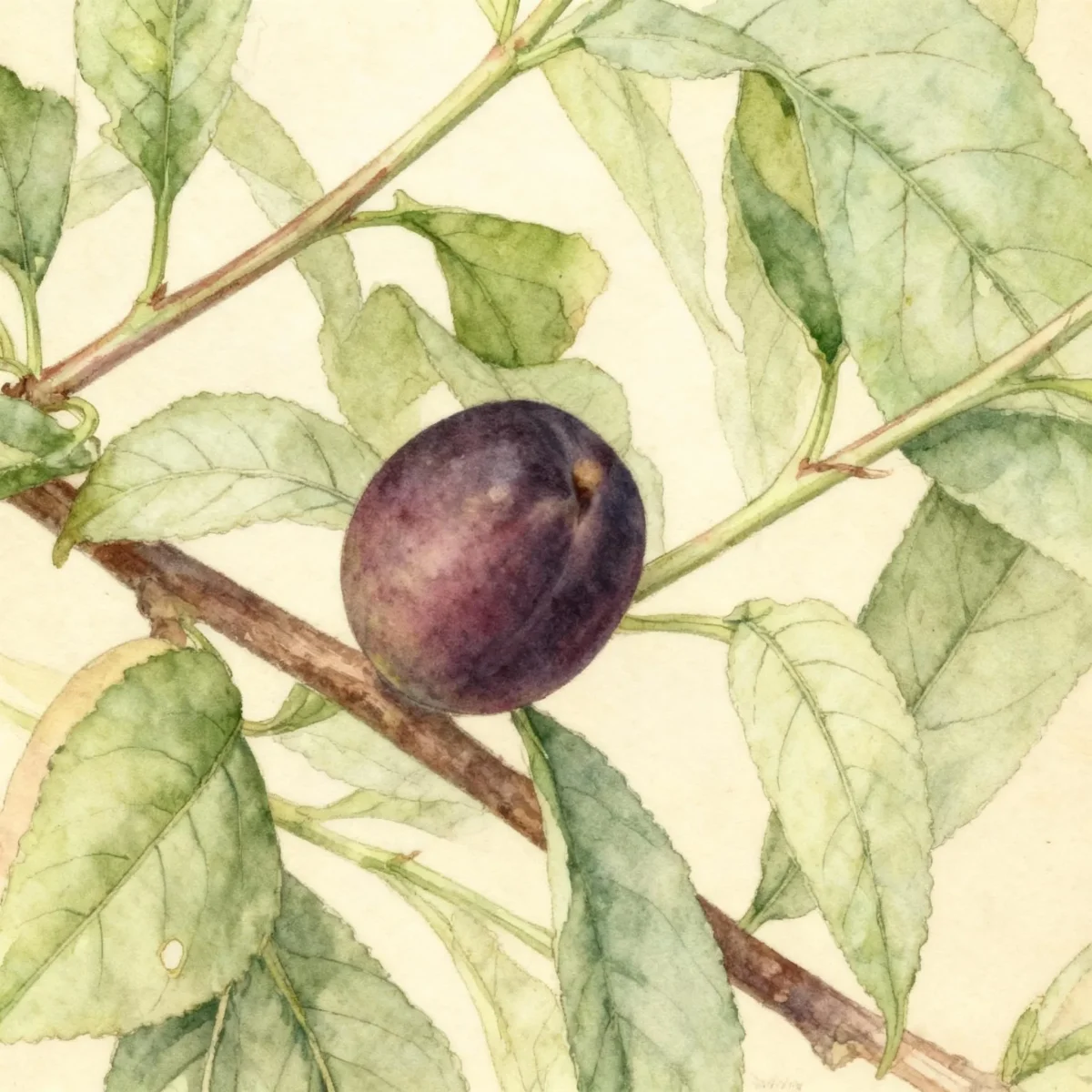
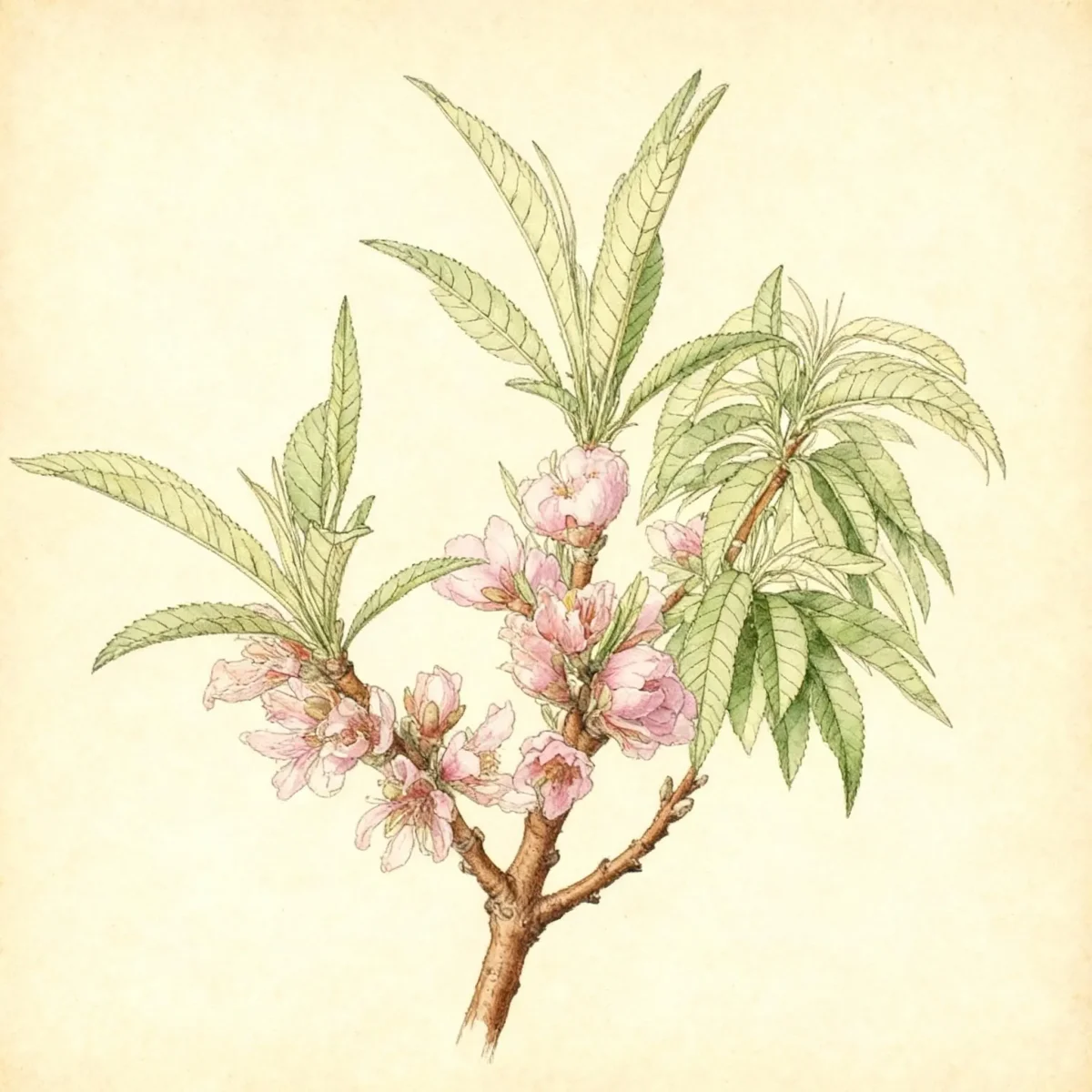
Dwarf nectarine (Prunus persica var. nectarina 'Mericrest')
The Dwarf nectarine, Prunus persica var. nectarina 'Mericrest', offers edible, fuzzless fruit and showy pink blooms in smaller garden spaces.
Scroll down to discover growing tips, care requirements, companion plants, and more
Complete Plant Information
Overview
The Dwarf nectarine, scientifically known as Prunus persica var. nectarina ‘Mericrest’, is an excellent choice for home growers wanting delicious, standard-sized fruit without the footprint of a full-sized tree. This cultivar provides the bonus of attractive early spring flowering, making it a prized specimen in compact yards or container plantings. Grafted onto dwarf rootstock, the resulting Prunus persica var. Nectarina ‘Mericrest’ remains highly manageable for pruning and harvesting.
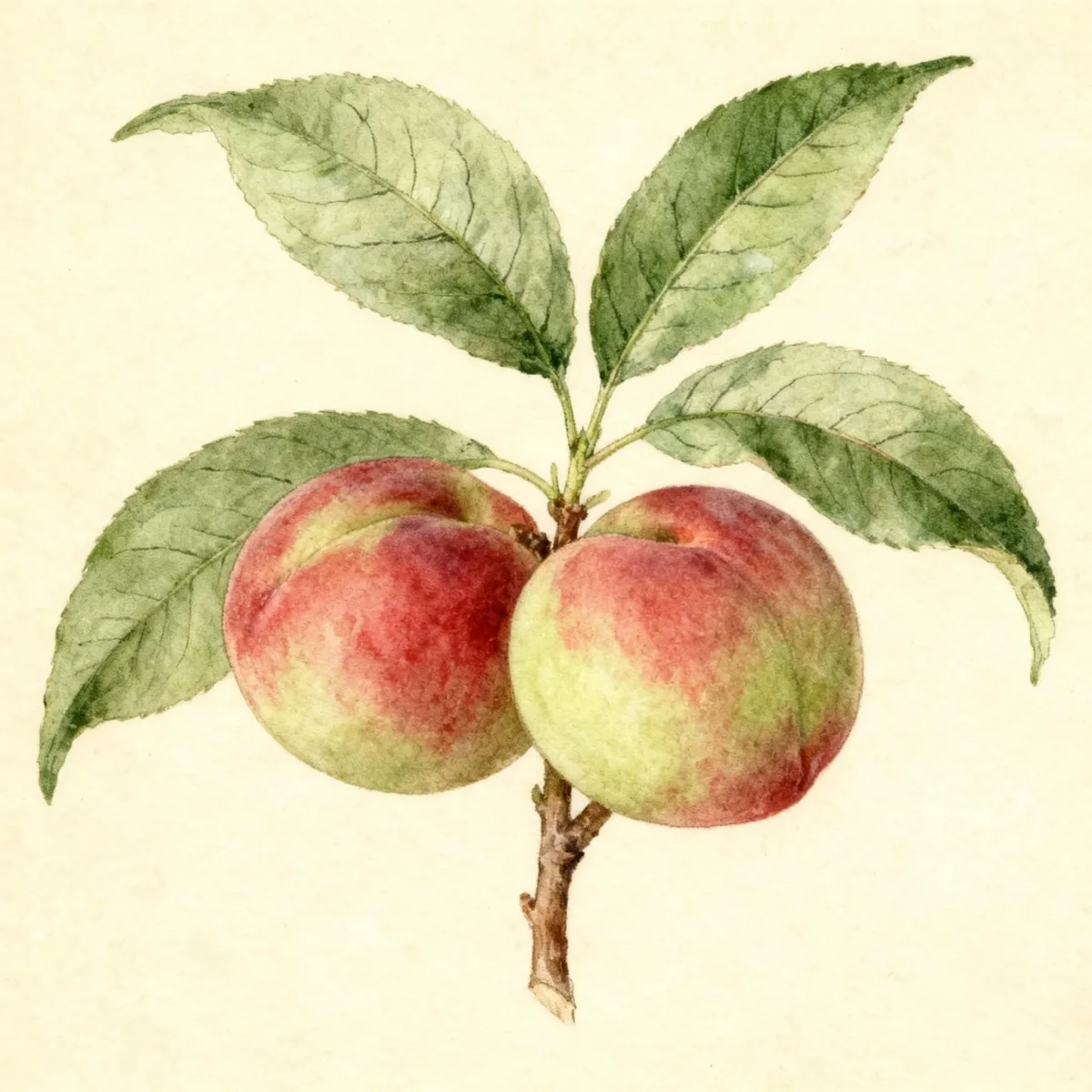
This variety is distinct due to its fuzzy-free, yellow-skinned fruit blushed with red, featuring bright yellow, freestone flesh that ripens in early to mid-August in suitable zones. While valued for its luscious harvest, the soft pink blossoms that appear in April lend significant aesthetic appeal to the landscape. Gardeners embracing the Dwarf nectarine must understand its cultural needs, especially regarding protection from pests and diseases.
The chief advantage of the Dwarf nectarine is its adaptability to smaller areas while producing fruit identical to its larger counterparts. This sizing benefit also translates directly to easier care, including spraying and harvesting, which is a significant benefit for the high maintenance level this tree requires. Successful cultivation of Prunus persica var. nectarina ‘Mericrest’ yields rewarding summer flavors.
Fast Facts
- Plant Family: Rosaceae
- Plant Type: Fruit
- Hardiness Zones: USDA Zones 5-8
- Size at Maturity:
- Height: 8-10 ft
- Spread: 8-10 ft
- Bloom Time: April
- Bloom Description: Pink
- Sun Exposure: Full sun
- Water Needs: Medium
- Maintenance Level: High
How to Grow
Plant the Dwarf nectarine in average, medium-moisture, well-drained soil. Ensure the planting location receives full sun throughout the day, as adequate light is crucial for fruit production and bloom quality. Avoid planting nectarine trees, including Prunus persica var. nectarina ‘Mericrest’, in soil where other stone fruits (like peaches or cherries) were grown recently to reduce disease carryover risk.
Consistent care is required for this high-maintenance variety. The tree benefits significantly from regular watering, especially during dry spells, comprehensive fertilization programs, and annual, diligent pruning to maintain shape and encourage good air circulation. Since this tree is self-pollinating, you only need one tree for fruit set, but proper cultural input is essential to ensure a good harvest.
As a precaution against pests and diseases, be prepared for a regular regimen of chemical spraying, particularly from late season onward. This is necessary to insure a viable crop against issues like plum curculio and brown rot. Furthermore, site selection should consider that chemical applications might affect sensitive neighboring plants. Dwarf trees can be planted quite close, potentially 10 feet apart.
Landscape Uses
The primary recommendation for the Dwarf nectarine is cultivation for its exceptional fruit crop, but its attractive early spring bloom provides reliable seasonal interest. Dwarf trees like the Prunus persica var. nectarina ‘Mericrest’ fit perfectly into small backyard spaces where a traditional orchard standard would overwhelm the area. They make excellent focal points or can anchor the back border of a sunny mixed border.
Consider planting the Dwarf nectarine near a patio or seating area to fully appreciate the early pink flowers. Although primarily grown for food, the aesthetic contribution is valuable. Companion planting should focus on minimizing pest competition; avoid heavy groundcovers that might hold excess moisture around the trunk base.
For gardeners with limited horizontal space, these dwarf trees are ideal candidates for intensive planting schemes. They adapt well to sunny spots where they receive the maximum possible light, ensuring both robust flowering and high-quality nectarine development.
Standout Features
Flower Qualities
- Showy
Fruit Qualities
- Showy
- Edible
Noteworthy Characteristics
Prunus persica, commonly called peach, is native to China and is usually grown for its luscious fruit, though some cultivars feature flowers only. The nectarine (Var. Nectarina) is essentially a smooth-skinned peach, and modern nursery stock, including Prunus persica var. Nectarina ‘Mericrest’, is grafted to control size. ‘Mericrest’ specifically produces soft pink blossoms preceding medium to large freestone nectarines with yellow flesh and vibrant, fuzzless skin blushed red, ripening typically by mid-August in Zone 5.
Tolerances
Potential Problems
Nectarines are known to suffer from numerous serious pest and disease pressures, meaning Prunus persica var. nectarina ‘Mericrest’ demands a regular, prescribed regimen of chemical spraying to ensure a successful harvest. Potential diseases include serious afflictions like peach leaf curl, brown rot, canker, and bacterial leaf spot. Insect pests frequently targeted by sprays include the peach tree borer, plum curculio, oriental fruit moth, mites, and aphids.
Management must be proactive. Application schedules should be followed strictly according to professional recommendations for stone fruit maintenance in your region. Beyond programmed treatments, growers should also be aware that late spring frosts or extremely cold winter temperatures can damage the flower buds, potentially wiping out the expected crop. Fortunately, the ‘Mericrest’ cultivar is generally noted for its superior cold hardiness compared to some other summer stone fruits.
Frequently Asked Questions
What hardiness zones is Dwarf nectarine suitable for?
The Prunus persica var. nectarina ‘Mericrest’ is best suited for cultivation in USDA Hardiness Zones 5 through 8.
How large does Dwarf nectarine grow?
This dwarf cultivar typically matures to a height between 8 and 10 feet, with a similar spread of 8 to 10 feet, making it compact.
What sun exposure does Dwarf nectarine need?
For optimal flowering and fruit production, the Dwarf nectarine requires placement in a location that receives full sun daily.
When does Dwarf nectarine bloom?
Prunus persica var. Nectarina ‘Mericrest’ produces its beautiful pink blooms early in the season, generally during April.
Conclusion
The Dwarf nectarine, Prunus persica var. nectarina ‘Mericrest’, offers a fantastic blend of manageable size and high-quality, edible summer fruit, backed by a beautiful pink springtime display. Its value lies in providing a full orchard experience in limited garden settings, provided the gardener can meet its high requirements for maintenance and pest management. Before planting your new Prunus persica var. Nectarina ‘Mericrest’, confirm your USDA zone compatibility and plan for a timely spring planting.
Companion Planting
When integrating the Dwarf nectarine into your landscape, choosing companions that share similar sun and water needs is key to success. Since Prunus persica var. nectarina ‘Mericrest’ requires well-drained soil and full sun exposure, consider low-growing, drought-tolerant herbs like rosemary or thyme for ground cover near the drip line, provided they do not compete excessively for nutrients near the roots. Avoid planting heavy feeders nearby that might compete for the necessary fertilization this tree demands.
Mulching beneath the canopy helps moderate soil moisture, which is critical given the medium water needs. Planting spring bulbs like daffodils or tulips can add color directly beneath the tree before the nectarine blooms in April, disappearing as the canopy leafs out. Ensure that any companion arrangement allows excellent air circulation around the trunk and lower branches to help mitigate fungal diseases common to stone fruits.
Seasonal Care Calendar
Spring preparation is vital for the Dwarf nectarine. Focus on pruning tasks early in the dormant season before bud break and immediately follow up with dormant oil treatments to suppress overwintering pests. As the soft pink blossoms appear in April, protect the area from frost if necessary, though ‘Mericrest’ has noted cold hardiness. Water deeply, particularly as the fruit begins to swell.
Summer is dedicated to fruit management and protection. Maintain a rigorous spraying schedule to protect the developing nectarines from insects like the plum curculio and against rot, as this is essential for harvesting a good crop. Consistent medium watering throughout hot periods will ensure fruit quality and size.
In the autumn, once the fruit has ripened in August (Zone 5), clean up all fallen fruit and debris beneath the tree immediately; this removes overwintering fungal spores and insect eggs. Prepare the tree for winter by ensuring adequate soil moisture before the ground freezes, but avoid heavy late-season fertilization which can encourage tender growth vulnerable to early cold snaps.