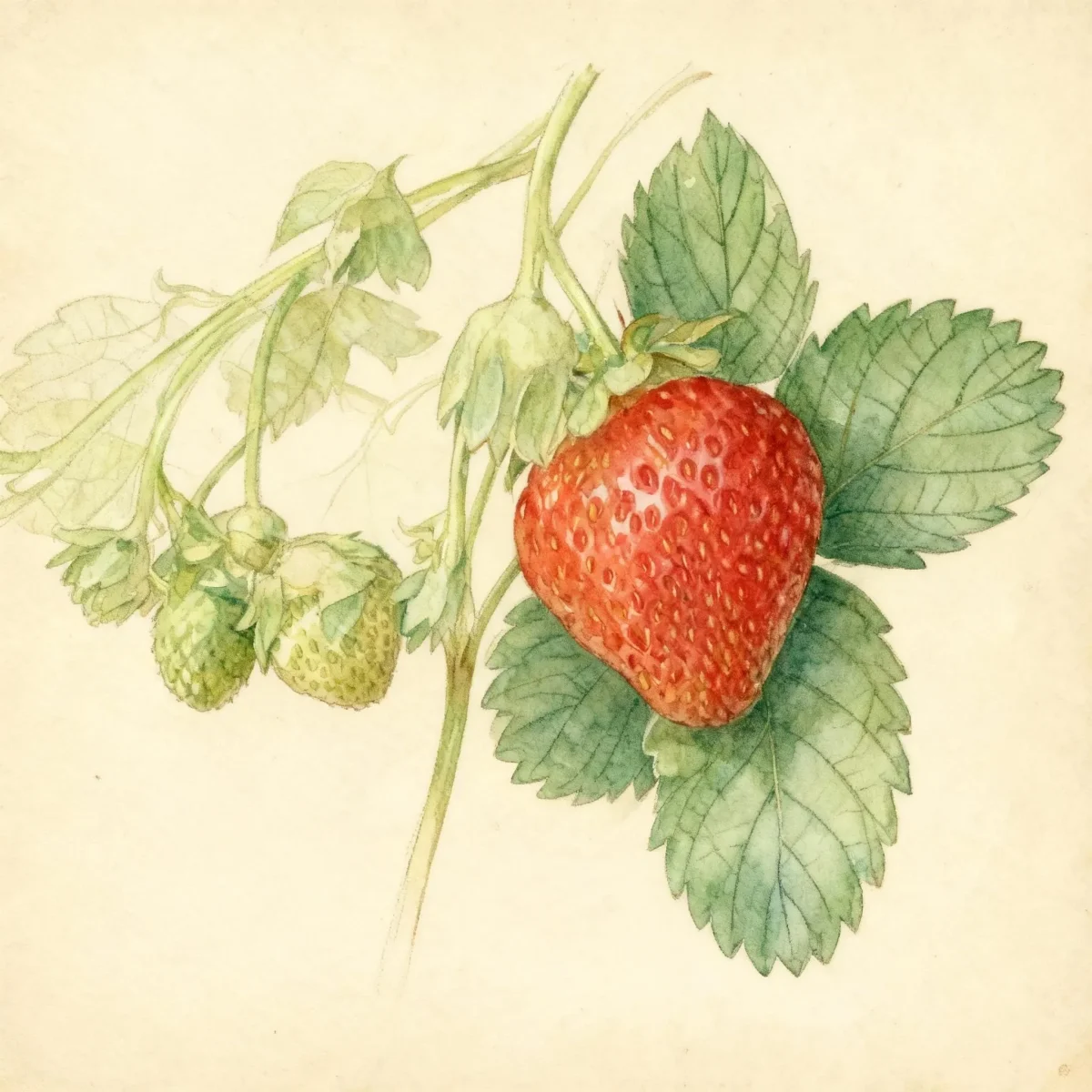
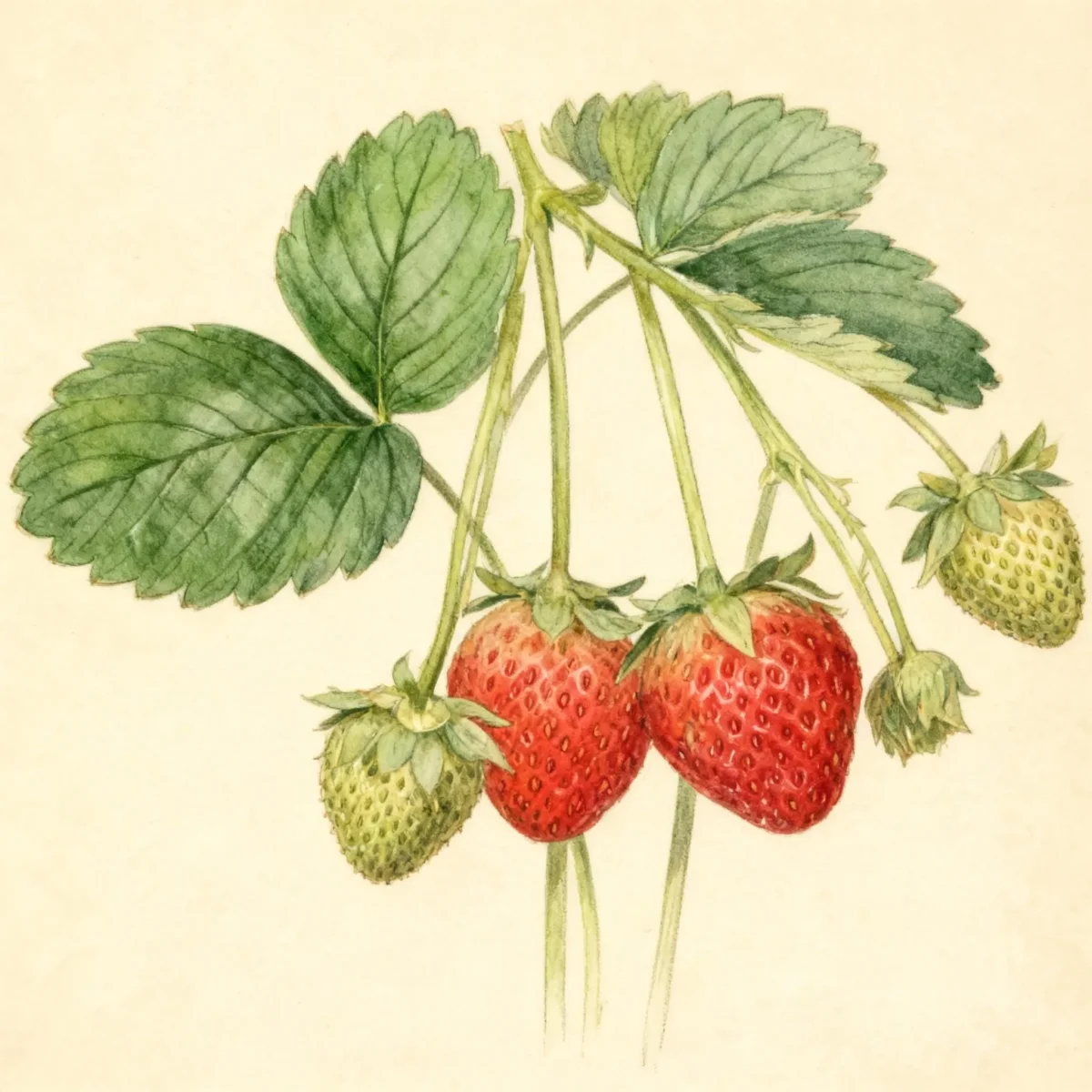
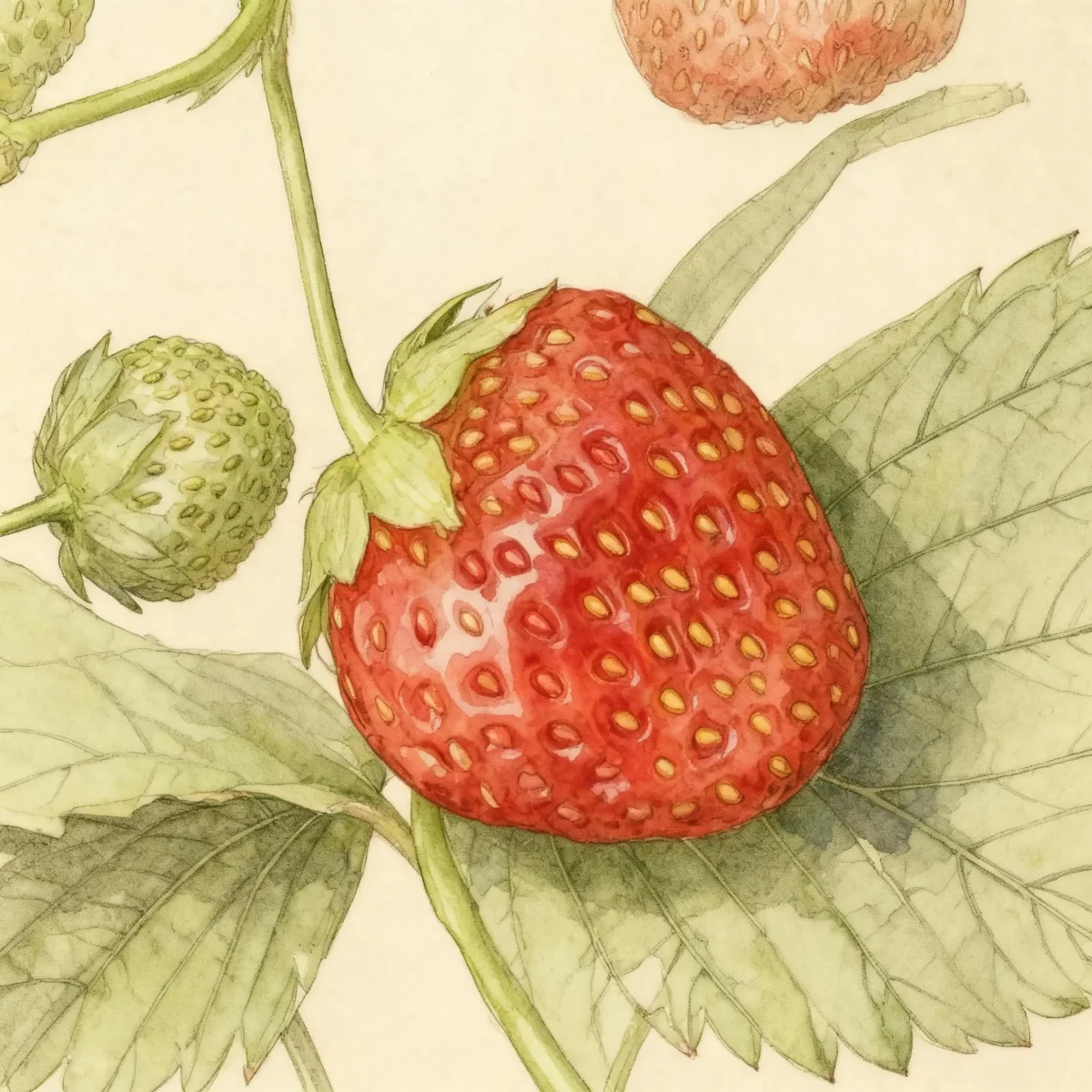
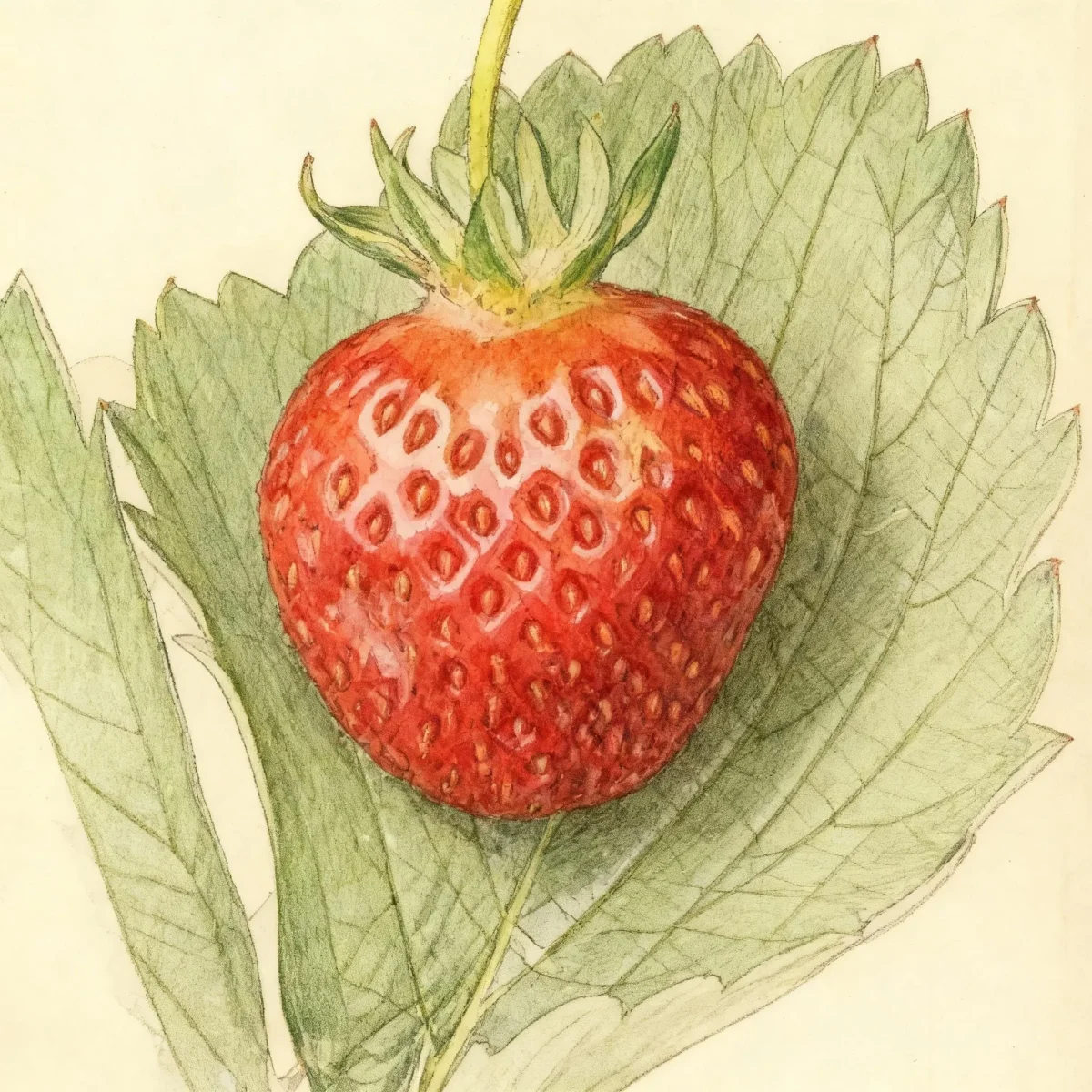
Sour cherry (Prunus 'North Star')
Prunus 'North Star' is a low-maintenance Sour cherry ideal for small spaces, yielding edible fruit in zones 4-8.
Scroll down to discover growing tips, care requirements, companion plants, and more
Complete Plant Information
Overview
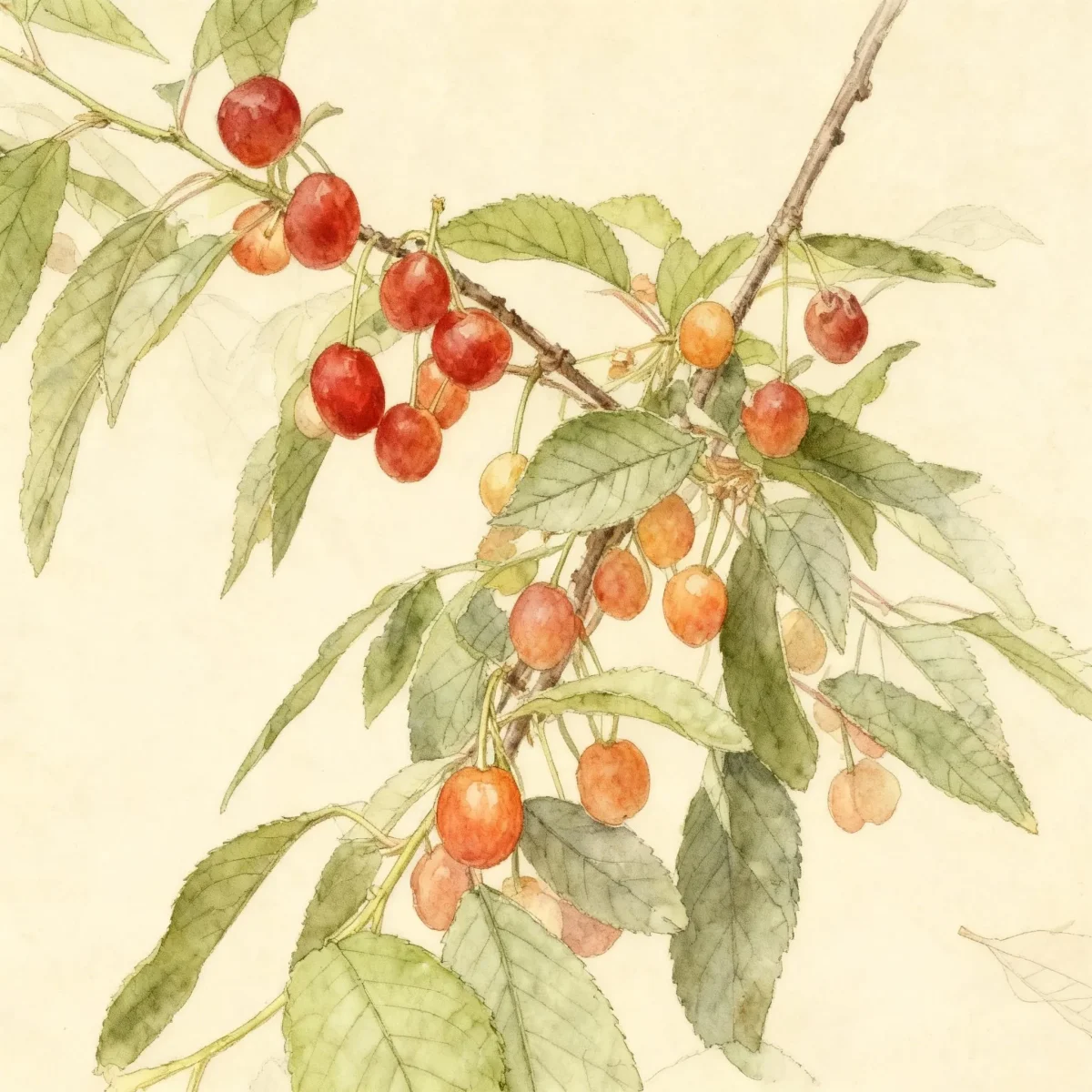
Prunus ‘North Star’ offers gardeners a fantastic opportunity to grow their own tart fruit in manageable spaces. This dwarf Sour cherry cultivar maintains a desirable, compact size, rarely exceeding ten feet in height or spread, making it perfect for smaller yards or specialty food production areas. It is highly valued for its reliable production of large, bright red, sour cherries destined for baking and preserves.
This resilient variety produces beautiful white blossoms early in the spring, contributing valuable early-season visual appeal before setting fruit. As a self-pollinating variety, it simplifies orchard planning, requiring no nearby pollinator partners. Gardeners seeking a low-maintenance fruit source that provides both seasonal beauty and a harvestable crop should strongly consider the robust nature of Prunus ‘North Star’.
Fast Facts
- Plant Family: Rosaceae
- Plant Type: Fruit
- Hardiness Zones: USDA Zones 4-8
- Size at Maturity:
- Height: 7-9 ft
- Spread: 8-10 ft
- Bloom Time: April
- Bloom Description: White
- Sun Exposure: Full sun
- Water Needs: Medium
- Maintenance Level: Low
How to Grow
The ideal time to establish your Prunus ‘North Star’ is when dormant, either in early spring or late fall, ensuring the soil is well-drained. This Sour cherry thrives specifically in average, well-drained soil that retains moisture but absolutely disallows waterlogging; it has no tolerance for wet feet. Locate the tree in a spot receiving full sun exposure—at least six hours daily is crucial for optimal fruit development. When planting, space specimens approximately 10 feet apart to ensure adequate air circulation.
Watering should be consistent, aiming for medium moisture levels, particularly during dry spells and fruit development. While low maintenance, providing sufficient, even moisture is key. Fertilization should be moderate, focusing on promoting overall tree health rather than excessive leafy growth, which can reduce fruiting. Site selection is important; avoid exposing the tree where overspray from herbicides used in adjacent areas could drift onto the foliage.
Prunus ‘North Star’ benefits from occasional pruning to maintain its shape and remove crossing or damaged branches, though heavy pruning is generally unnecessary due to its dwarf nature. Be mindful of late spring frosts, as temperatures dipping too low can significantly damage the emerging buds and flowers, impacting the annual yield. Protect the ripening crop from birds using netting if necessary, as the sweet/sour fruit is highly attractive to local wildlife.
Landscape Uses
While noted primarily for its fruit crop, Prunus ‘North Star’ functions effectively as a small flowering tree in the landscape. Its moderate size, topped out around 7 to 9 feet tall, makes it an excellent anchor for cottage gardens or as a specimen plant in small yards where large fruit trees would overwhelm the space. Because it is self-pollinating, you can plant just one specimen without worrying about cross-pollination partners.
Its white spring profusion offers a classic aesthetic, fitting well near perennial borders or alongside spring-flowering bulbs. Due to its role as a food source, consider placing it where you can easily monitor the ripening fruit in June. This dwarf Sour cherry is truly ideal where utility meets compact beauty.
Standout Features
Flower Qualities
- Showy
- Fragrant
Fruit Qualities
- Showy
- Edible
Noteworthy Characteristics
Prunus ‘North Star’ is recognized as a dwarf cherry cultivar, typically reaching only 7-9 feet tall. It produces a reliable annual crop of large, bright red, sour cherries with corresponding red flesh, which are excellent for pies and baking. The tree is adorned with attractive white blossoms in the spring, marking the start of the growing season for this productive fruit bearer.
Tolerances
Potential Problems
This specific cultivar of Sour cherry is reported to possess good disease resistance. However, growers should remain vigilant regarding common stone fruit issues, especially in humid conditions. Potential fungal diseases include leaf spot, scab, and powdery mildew, while serious bacterial issues like canker and crown gall can affect stressed trees.
Insect control may involve managing aphids, scale, and sawflies, which target foliage or developing fruit. Be aware that cold winter temperatures and unpredictable spring frosts pose a significant threat to the buds of Prunus ‘North Star’, often causing yield loss comparable to that seen in peach varieties. Proactive cultural care and monitoring help mitigate these common problems.
Frequently Asked Questions
What hardiness zones is Sour cherry suitable for?
Prunus ‘North Star’ is reliably hardy in USDA Zones 4 through 8, allowing it to thrive across a wide range of temperate climates.
How large does Prunus ‘North Star’ grow?
This dwarf variety typically matures to a height between 7 and 9 feet, with a spread ranging from 8 to 10 feet wide.
What sun exposure does Sour cherry need?
The Sour cherry requires full sun exposure to ensure vigorous growth and the best possible fruit production.
When does Prunus ‘North Star’ bloom?
This variety generally blooms in April, displaying fragrant, white blossoms before fruiting in June.
Conclusion
The Prunus ‘North Star’ offers exceptional productivity in a remarkably compact footprint, making it a superb choice for small-space fruit gardening. Its self-pollinating nature and low maintenance requirements simplify growing this popular culinary Sour cherry. Plan your planting this season, ensuring you select a full-sun location compatible with USDA Zones 4-8 for a bountiful harvest.
Companion Planting
When planning the understory around your Prunus ‘North Star’, focus on plants that enjoy similar sun exposure and soil drainage but do not compete aggressively for nutrients. Low-growing, perennial herbs like thyme or chives can be beneficial, as they deter certain pests when planted near fruit trees. Avoid planting aggressive, shallow-rooted groundcovers that might restrict water availability for the cherry tree’s feeder roots.
Consider placing early-blooming annuals or bulbs like daffodils near the tree’s drip line. These provide early color and ground cover without competing significantly with the established roots of this dwarf Sour cherry. Always maintain a clear mulch ring around the trunk of the Prunus ‘North Star’ to encourage good soil health and prevent lawn grass competition.
Seasonal Care Calendar
Early Spring (Pre-Bloom): Monitor frost forecasts closely; applying frost blankets is critical if late freezes threaten open white blossoms. Apply dormant oil if scale or overwintering pests were noted the previous year. This is an excellent time for minor corrective pruning.
Summer (Post-Harvest): Focus heavily on consistent, deep watering, especially as fruits ripen in June. Once the crop is harvested, apply a balanced fertilizer if growth appears slow, and continue monitoring for insect issues like aphids. Netting should remain in place until all fruit is picked.
Late Fall/Early Winter: Ensure the tree is appropriately mulched for winter insulation, especially in the colder reaches of Zone 4. Avoid heavy fertilization late in the season, as new growth fueled by nitrogen will not harden off sufficiently for winter. Clean up fallen leaves promptly to reduce overwintering sites for fungal spores near the base of the Prunus ‘North Star’.