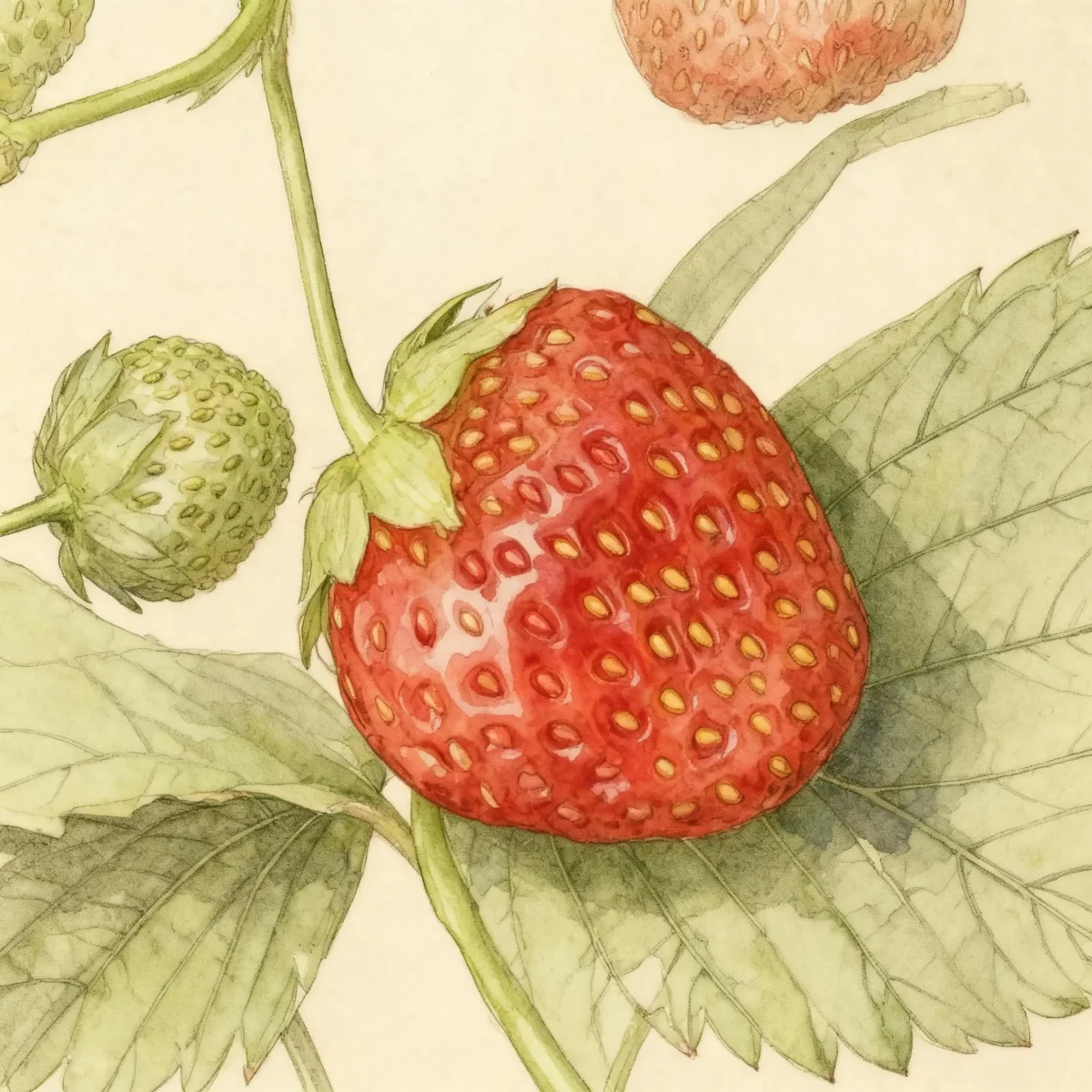
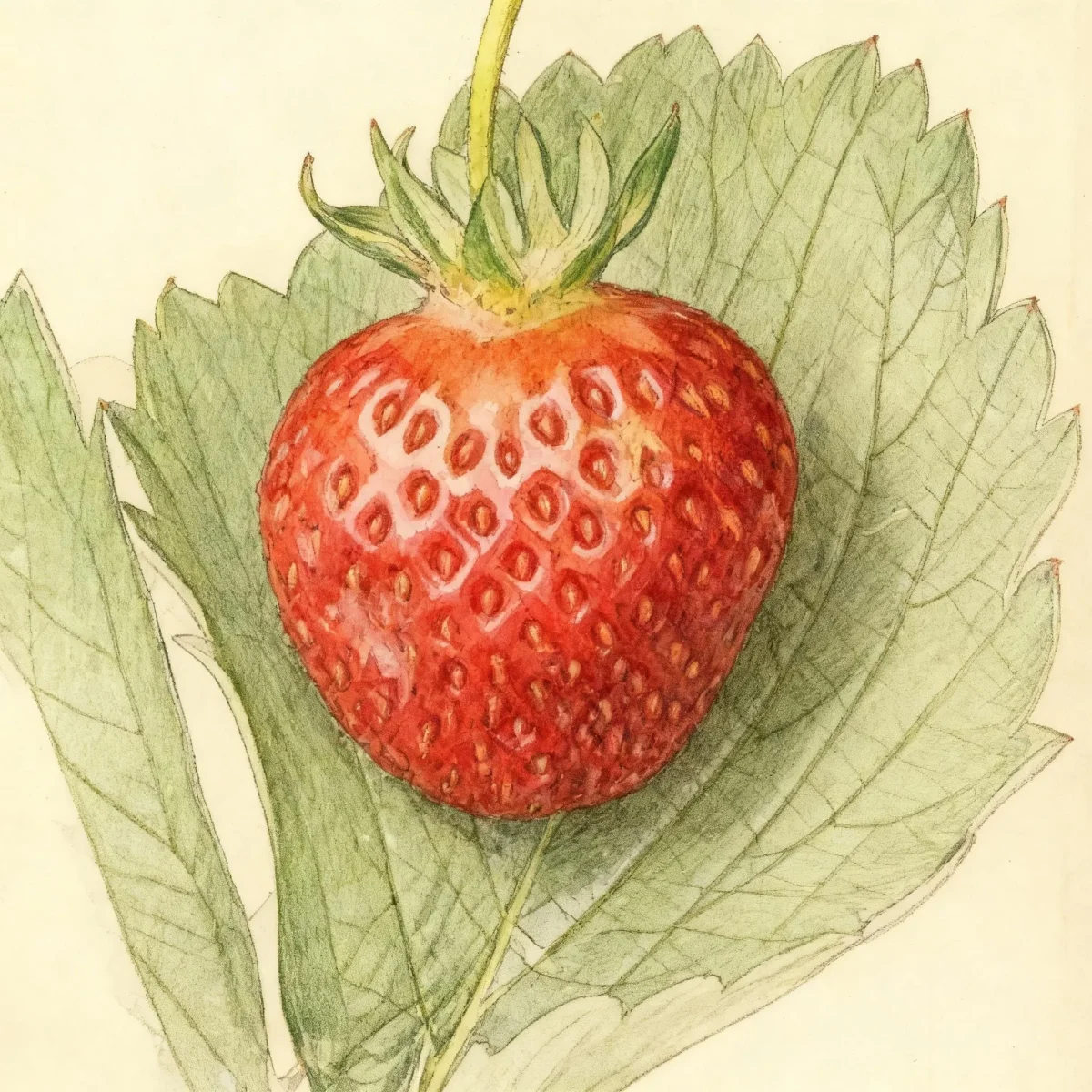
Dwarf nectarine (Prunus persica var. nectarina STARK SUNGLO)
The Dwarf nectarine (Prunus persica var. nectarina STARK SUNGLO) offers edible fruit & showy pink blooms in full sun. High maintenance needed.
Scroll down to discover growing tips, care requirements, companion plants, and more
Complete Plant Information
Overview
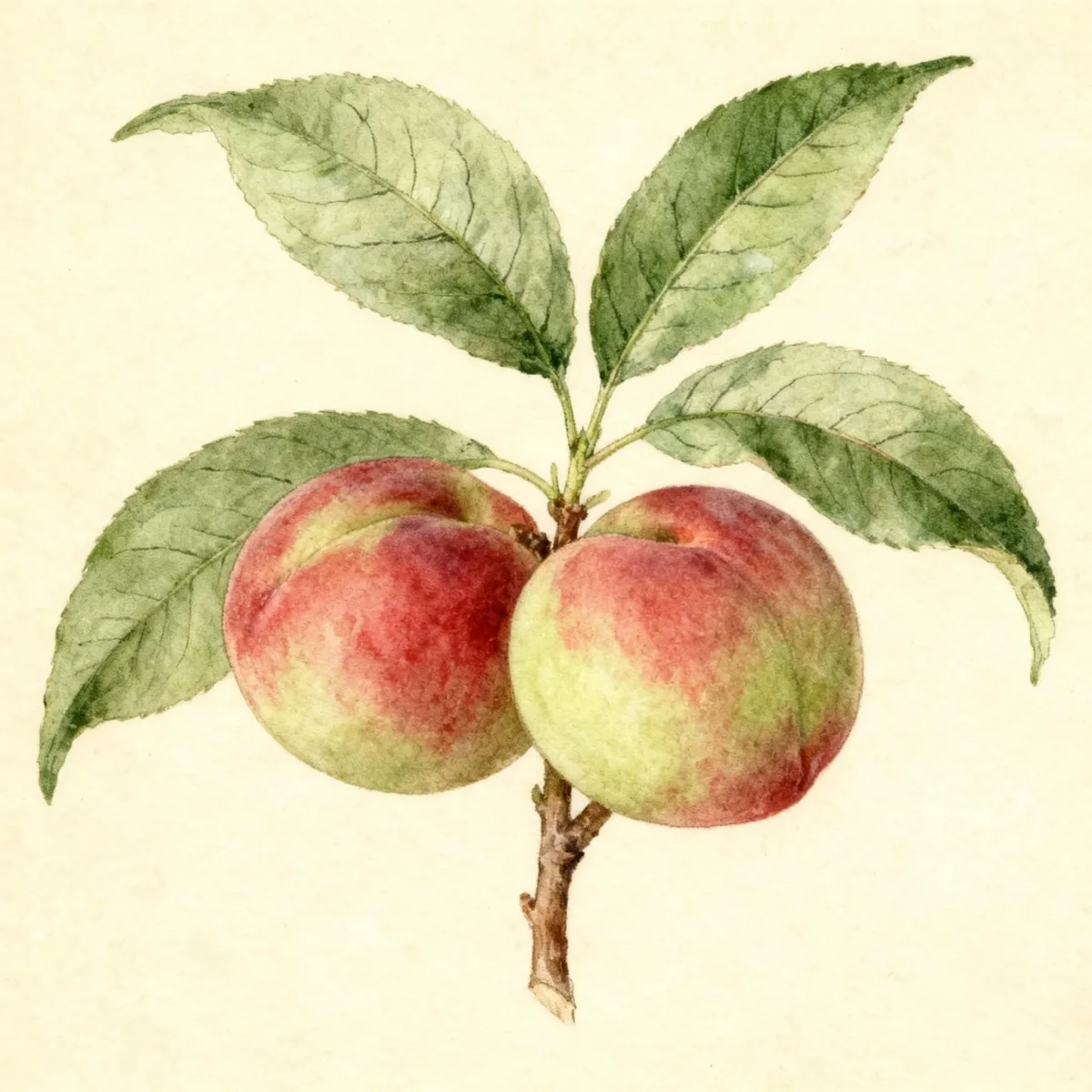
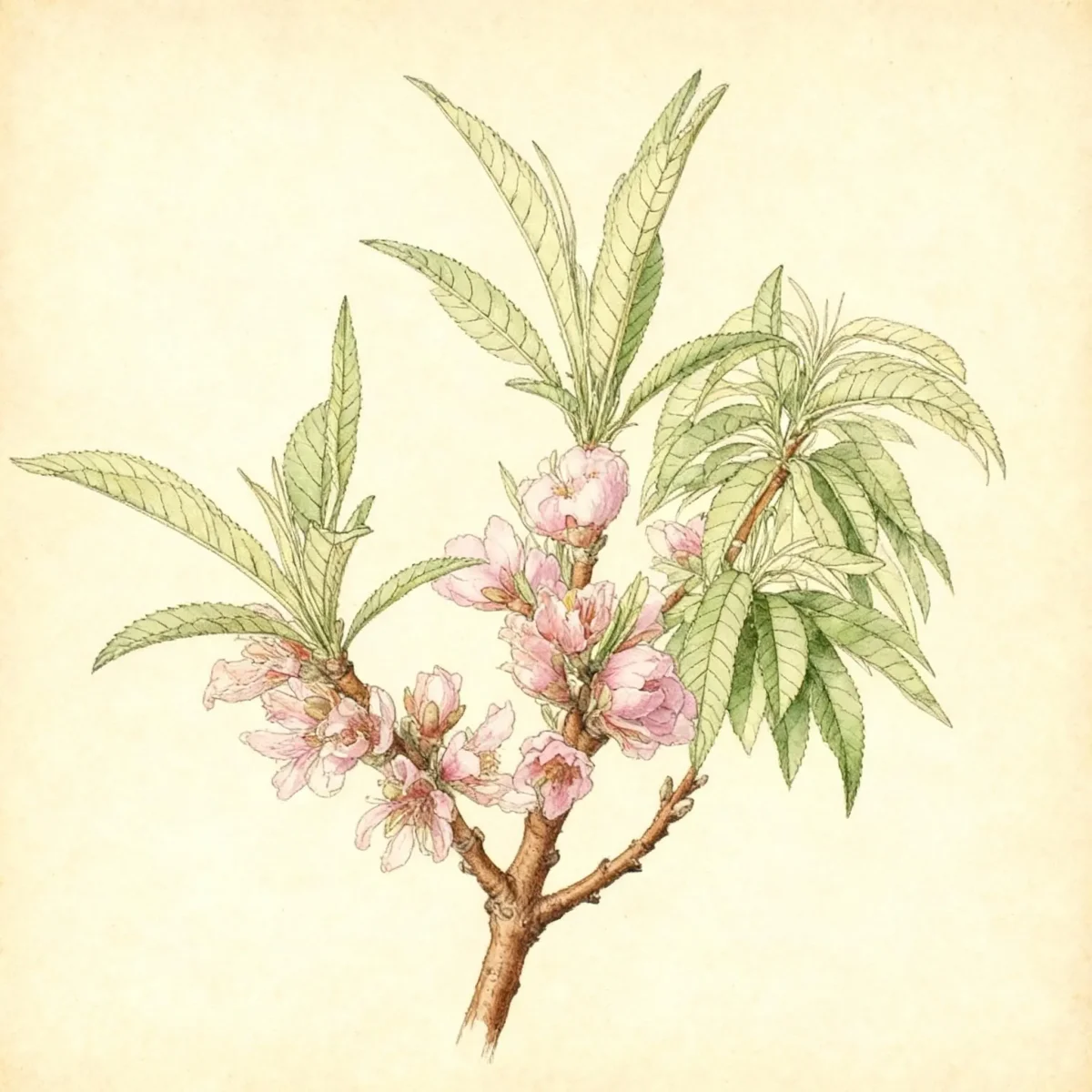
The Dwarf nectarine, or Prunus persica var. nectarina STARK SUNGLO, provides gardeners with the substantial reward of standard-sized, delicious fruit packed onto a manageable, smaller tree form. This popular cultivar is appreciated not only for its harvest but also for the profuse pink blossoms it displays early in spring, momentarily transforming the garden space. As a grafted dwarf variety, the Prunus persica var. nectarina STARK SUNGLO is ideal for smaller yards or managed orchards where controlling ultimate tree size is crucial.
Originating from the larger peach species (Prunus persica), this nectarine variety, commonly known as a smooth-skinned peach, is relatively compact despite producing large, red-skinned fruit with golden yellow flesh. Gardeners should anticipate a high maintenance regime, as this tree thrives best with diligent care, including regular watering, feeding, and pest management. Growing Prunus persica var. nectarina STARK SUNGLO successfully means committing to the necessary cultural practices to ensure a plentiful and healthy fruit crop.
Fast Facts
- Plant Family: Rosaceae
- Plant Type: Fruit
- Hardiness Zones: USDA Zones 5-8
- Size at Maturity:
- Height: 8-10 ft
- Spread: 8-10 ft
- Bloom Time: April
- Bloom Description: Pink
- Sun Exposure: Full sun
- Water Needs: Medium
- Maintenance Level: High
How to Grow
The best time to plant your Dwarf nectarine is typically during the dormant season, allowing it to establish roots before the stress of summer heat. Prunus persica var. nectarina STARK SUNGLO absolutely requires full sun exposure for optimal fruit development and disease resistance. Ensure the planting site offers average soil moisture conditions and, pivotally, excellent drainage, as stone fruits resent wet feet.
Care for this high-maintenance variety involves consistent cultural inputs throughout the growing season. Benefits from regular watering, especially during fruit development, alongside scheduled fertilization tailored to fruit production. Pruning is essential; the dwarf nature means pruning is easier than on full-sized specimens, but it must be done correctly to maximize light penetration and air circulation, which helps mitigate disease pressure.
A crucial cultural note for any Prunus persica var. Nectarina STARK SUNGLO is placement. Plant in an area where routine chemical spraying will not drift onto neighboring properties. Furthermore, avoid planting nectarine trees in soil that recently housed other stone fruits to reduce the risk of carrying over soil-borne pathogens. Dwarf trees can be spaced approximately 10 feet apart if you are planning tighter rows.
Landscape Uses
While primarily grown for its edible harvest, the Dwarf nectarine serves beautifully as a striking centerpiece or specimen tree due to its profuse pink spring blossoms. The early spring bloom provides welcome color after winter, making it an excellent choice for focal points within mixed shrub borders or near patios where its aesthetic appeal can be enjoyed up close. Because Prunus persica var. nectarina STARK SUNGLO is a smaller tree form, it integrates well into suburban landscapes where larger fruit trees are impractical.
These nectarine trees are functionally superb when planted as a manageable, edible accent, offering privacy screening when sufficiently hedged or placed in rows. The dramatic flowering period makes them excellent anchors for an informal cottage garden design contrasting with later-blooming perennials. Even when not in bloom, the dense foliage provides attractive summer texture until August when the showy, edible fruit ripens.
Standout Features
Flower Qualities
- Showy
- Fragrant
Fruit Qualities
- Showy
- Edible
Noteworthy Characteristics
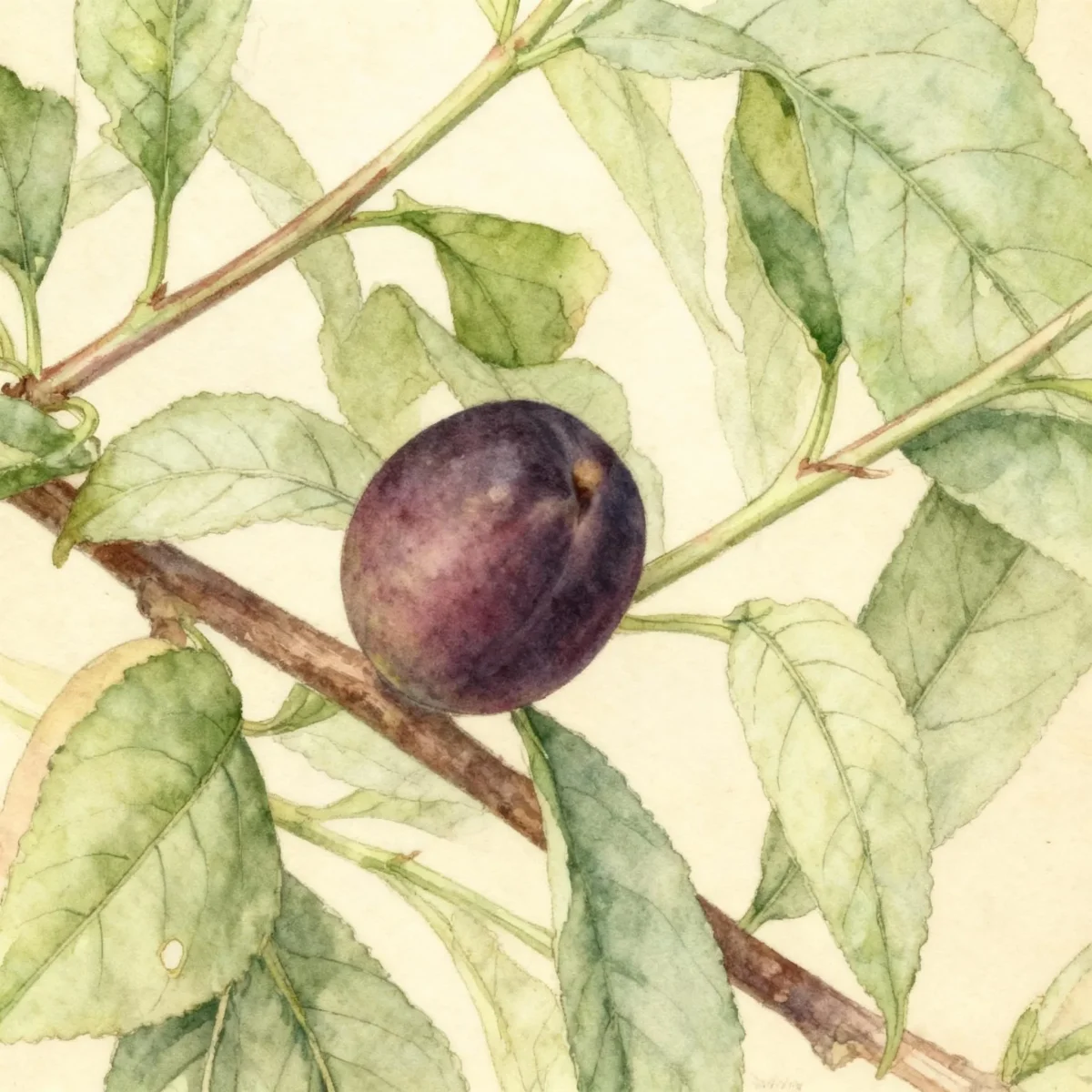
Prunus persica, commonly called peach, is native to China, evolving into many cultivated forms like the Dwarf nectarine. Varieties sold today are grafted onto rootstocks that control tree size, meaning Dwarf trees bear standard-size fruit but remain highly manageable in smaller sites. The specific cultivar STARK SUNGLO is known for its profuse pink blossoms followed by large, red-skinned nectarines featuring sweet, golden yellow flesh that ripens around early August in Zone 5 climates.
Tolerances
Potential Problems
Nectarine trees, including Prunus persica var. nectarina STARK SUNGLO, are susceptible to numerous serious pest and disease issues, necessitating a high maintenance commitment. To successfully harvest a decent crop from your Dwarf nectarine, a regular regimen of preventative chemical spraying is often required, targeted against common aggressors. Potential diseases include devastating fungal infections like brown rot, peach leaf curl, canker, and bacterial leaf spot.
Insect pests contributing to cultivation challenges include the plum curculio, peach tree borer, oriental fruit moth, and various mites and aphids. Beyond pests and diseases, environmental stresses pose threats; very cold winter temperatures or late spring frosts can cause significant damage to the delicate buds and flowers, potentially wiping out the year’s potential yield.
Frequently Asked Questions
What hardiness zones is Dwarf nectarine suitable for?
The Dwarf nectarine (Prunus persica var. nectarina STARK SUNGLO) is suitable for USDA Hardiness Zones 5 through 8.
How large does Dwarf nectarine grow?
This variety typically reaches a mature height between 8 and 10 feet, with a similar spread ranging from 8 to 10 feet.
What sun exposure does Dwarf nectarine need?
The Prunus persica var. Nectarina STARK SUNGLO requires full sun exposure to thrive and produce abundant fruit.
When does Dwarf nectarine bloom?
This fruit tree blooms in April, characterized by profuse pink blossoms.
Conclusion
The Dwarf nectarine is a rewarding addition to any serious horticultural space, offering the beauty of fragrant, showy pink flowers alongside genuinely edible, standard-sized fruit on a manageable tree. Successfully growing Prunus persica var. nectarina STARK SUNGLO hinges on understanding its high maintenance needs, particularly regarding soil drainage and proactive pest control. Before planting, confirm your location falls within USDA Zones 5-8 and commit to the required rigorous care schedule.
Companion Planting
Selecting appropriate neighbors for your Dwarf nectarine can enhance its vigor and simplify vineyard maintenance. Because nectarines require full sun and consistent moisture management, pair them with other sun-loving, medium-water perennials that do not share common soil-borne diseases. Spring bulbs, like tulips or daffodils, can offer early ground cover interest before the dense summer canopy of the Prunus persica var. Nectarina STARK SUNGLO develops.
Consider planting low-growing herbs such as chives or dill near the drip line; these can sometimes deter certain common nuisance insects, although this planting strategy does not replace necessary chemical controls for stone fruits. The key is ensuring that companion plants do not aggressively compete for the same critical soil nutrients required by the fruit tree, especially since regular fertilization is necessary for the Dwarf nectarine.
Seasonal Care Calendar
Spring preparation begins immediately after the last hard frost, focusing on pruning to an open, vase-like structure to maximize airflow around developing buds and blossoms. This early effort minimizes fungal disease development later in the year. Apply dormant oil sprays or lime sulfur treatments before buds swell to control overwintering pests and spores.
Summer care centers around diligent fruit protection and watering. Once fruit sets, begin preventative spraying regimens as specified by local agricultural guidelines to protect the developing nectarines from pests like the plum curculio. Ensure deep, regular watering during dry spells, especially as the fruit swells in mid-summer; inconsistent watering can cause fruit splitting.
Fall cleanup is critical for managing disease carryover, as leaf mold and fallen diseased material harbor pathogens like brown rot. Rake and remove all dropped leaves and fruit debris from beneath the Dwarf nectarine canopy immediately after harvest ends. Winter preparation involves protecting young trees from rodents and rabbits if necessary, though mature trees benefit from the chilling period provided by winters in Zones 5-8.