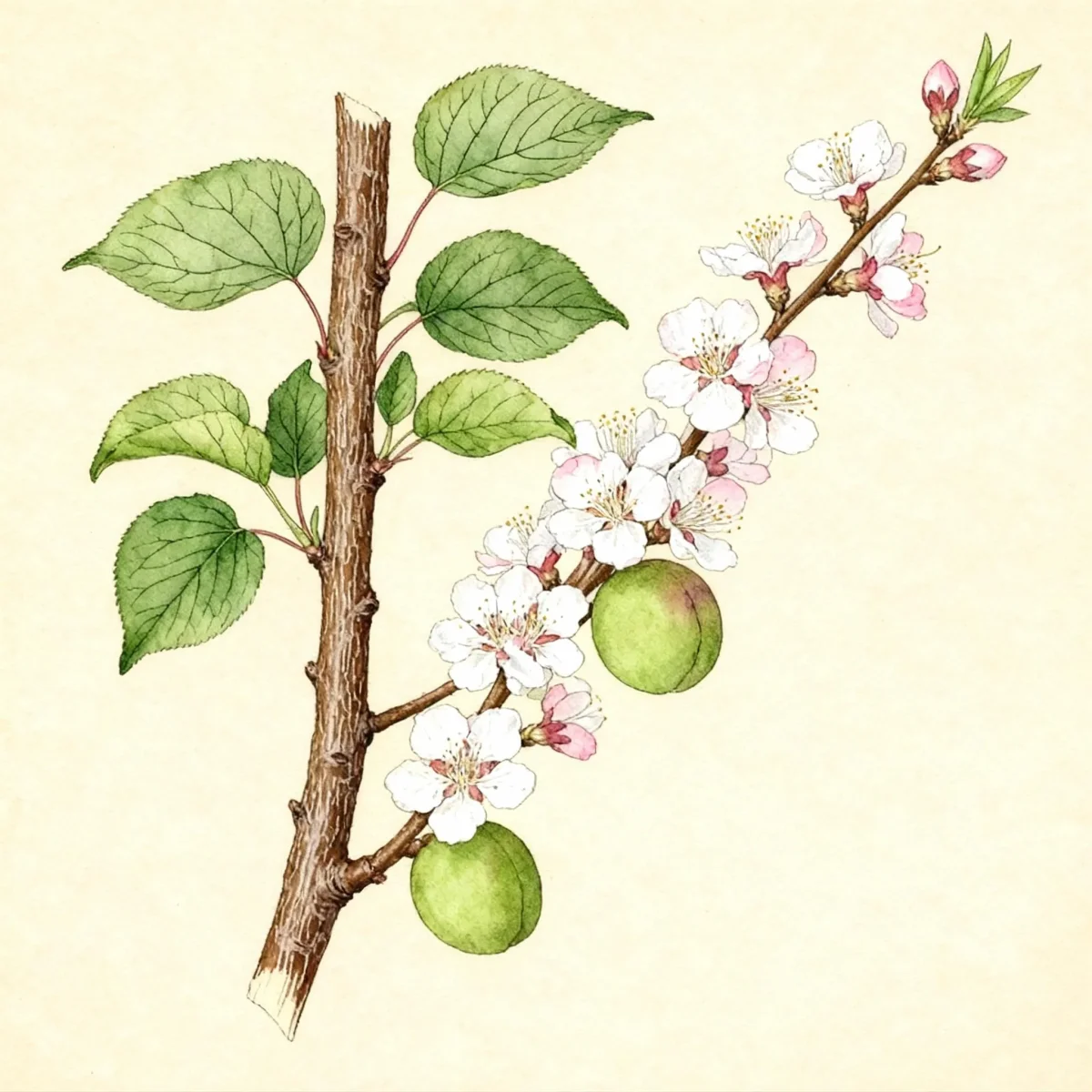
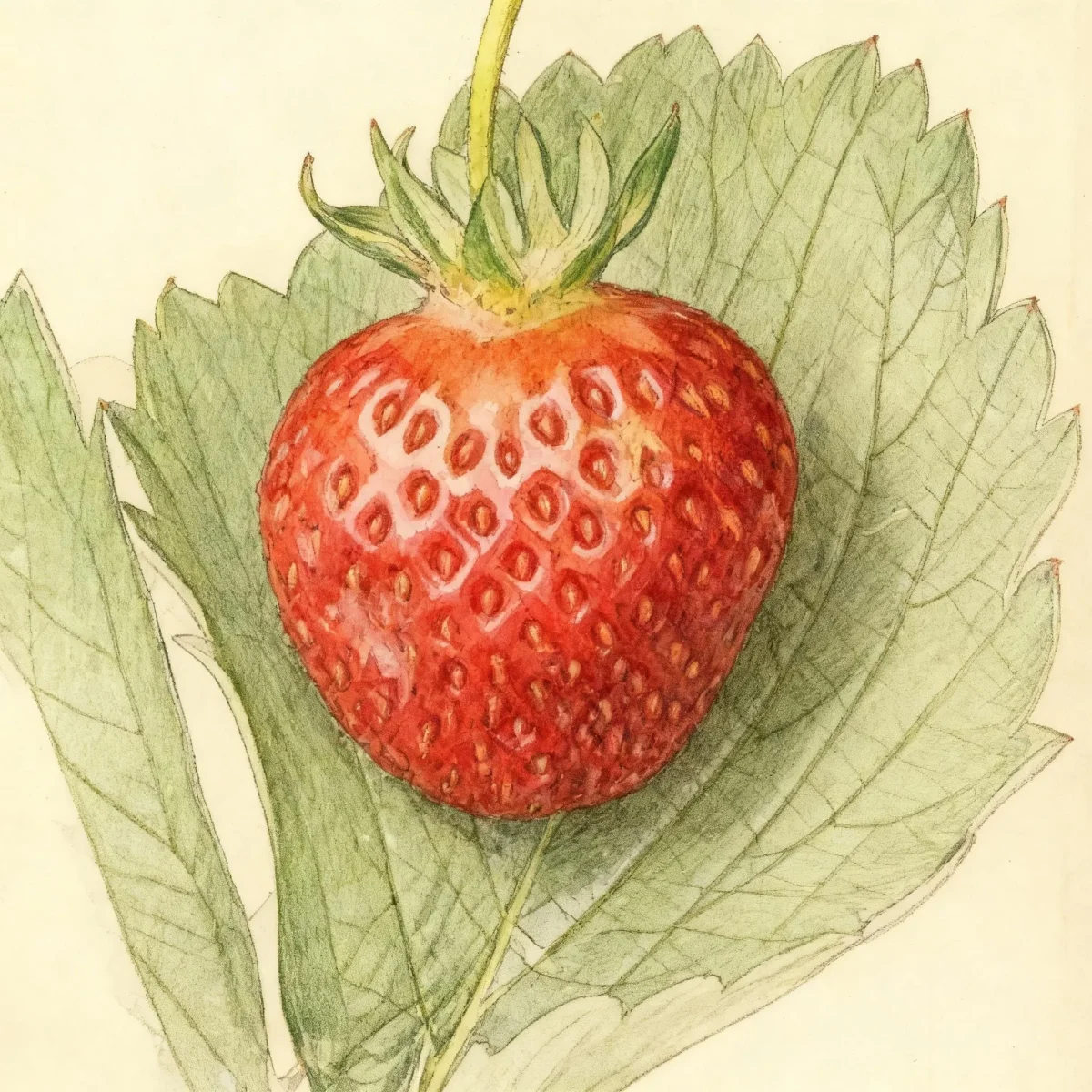
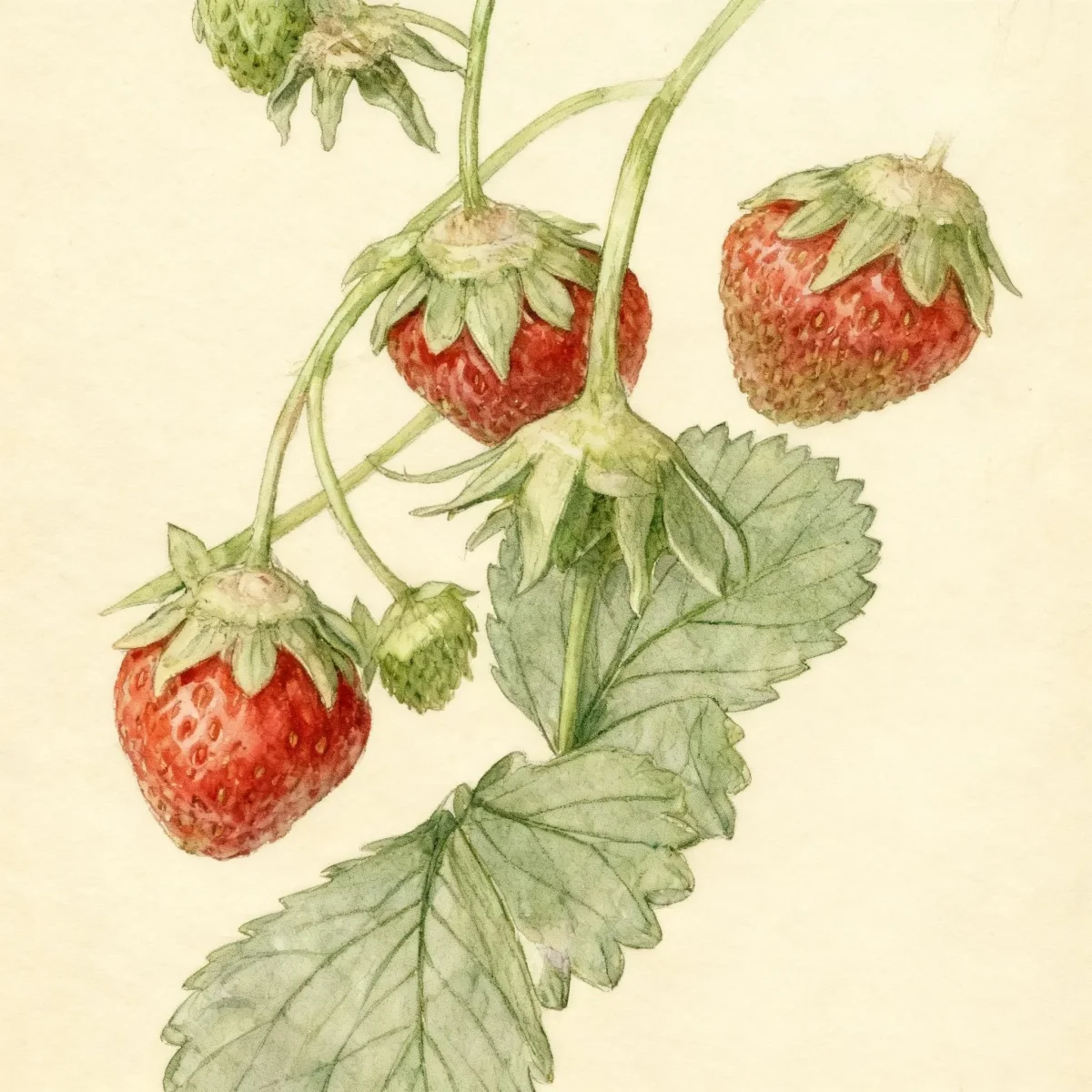
Dwarf apricot (Prunus armeniaca 'Homedale' STARK SWEETHEART)
The Dwarf apricot, Prunus armeniaca 'Homedale' STARK SWEETHEART, offers showy white blooms & edible fruit in full sun. Requires high maintenance in Zones 5-8.
Scroll down to discover growing tips, care requirements, companion plants, and more
Complete Plant Information
Overview
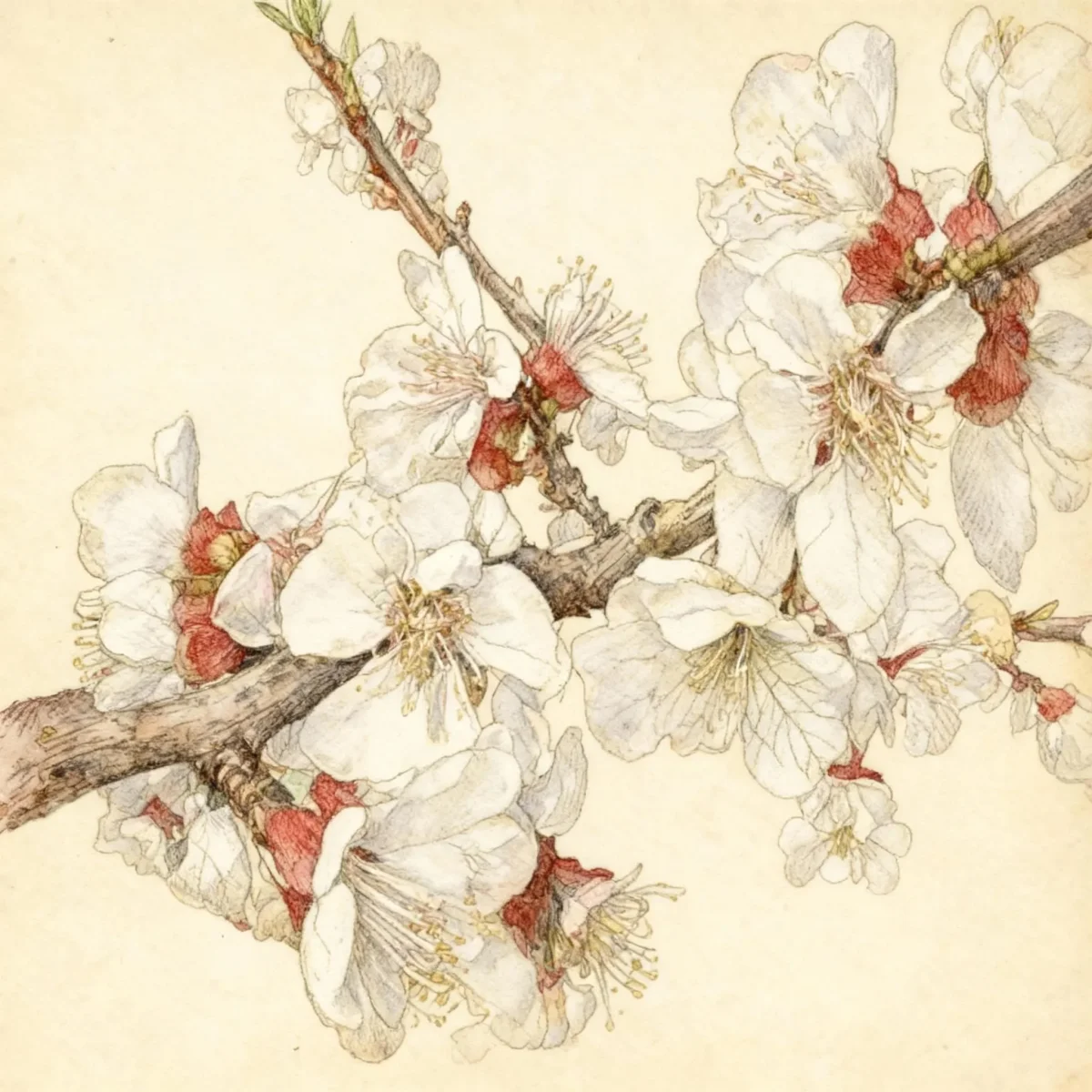
The Dwarf apricot, scientifically known as Prunus armeniaca ‘Homedale’ STARK SWEETHEART, is a highly valued introduction prized both for its early ornamental display and its dependable edible harvest. This cultivar is grafted onto dwarf rootstock, keeping the mature size manageable between 8 to 10 feet, making it an excellent choice for smaller yards or managed orchards. Gardeners appreciate the showy, fragrant white flowers that precede the foliage emergence in very early spring.
This self-pollinating tree provides sweet, freestone apricots ripening around mid-July in Zone 5 environments. While its fruit yield is excellent for its size, gardeners must recognize that the Prunus armeniaca ‘Homedale’ STARK SWEETHEART demands high maintenance due to its susceptibility to early spring frosts and common fruit pests. Careful siting and proactive care are essential to maximizing the bounty from this dwarf apricot specimen.
For those seeking both beauty and productivity in a restricted space, the small stature of the Prunus armeniaca ‘Homedale’ STARK SWEETHEART offers significant advantages over standard-sized strains. Its convenient size eases pruning, spraying, and harvesting tasks, ensuring that enjoying the homegrown harvest is a more accessible endeavor.
Fast Facts
- Plant Family: Rosaceae
- Plant Type: Fruit
- Hardiness Zones: USDA Zones 5-8
- Size at Maturity:
- Height: 8-10 ft
- Spread: 8-10 ft
- Bloom Time: April
- Bloom Description: White
- Sun Exposure: Full sun
- Water Needs: Medium
- Maintenance Level: High
How to Grow
Planting the Dwarf apricot should focus on maximizing protection against late spring freezes, as its early blooming flowers are highly vulnerable. Choose a site that receives full sun exposure throughout the day and ensure the soil drains exceptionally well, even though the tree prefers moisture-retentive conditions. Best results are achieved when planted on sloping ground, such as the south side of a structure, avoiding low-lying areas where cold air settles into frost pockets.
Water needs are best categorized as medium; maintain consistent soil moisture, especially during fruiting periods, but never allow the roots to become waterlogged as root rot is a potential issue. Because pest and disease pressure is significant on apricots, maintenance is rated high. Chemical spraying is usually necessary to adequately control pests like plum curculio, borers, aphids, and mites.
Pruning should focus on maintaining an open canopy to allow good air circulation, which discourages fungal diseases like brown rot. Since the Prunus armeniaca ‘Homedale’ STARK SWEETHEART is self-pollinating, you do not need a second tree for fruit set, simplifying the overall orchard layout. Annual sanitation practices are crucial for managing debris that harbors overwintering pests and fungal spores.
Landscape Uses
The Prunus armeniaca ‘Homedale’ STARK SWEETHEART excels as a multi-purpose specimen tree. Its early spring white blossoms provide significant ornamental value before the landscape fully greens up, making it fantastic for feature planting near patios or entryways. As a dwarf fruit tree, it fits beautifully into smaller suburban gardens or espaliered against a sunny wall to manage its 8-10 foot spread.
This compact fruit tree is an excellent candidate for inclusion in edible landscapes where aesthetics and production are equally weighted. It serves well as a specimen accent or integrated into mixed shrub borders where its seasonal interest (flowers, then golden-orange fruit) is highlighted. Due to its self-pollinating nature, it simplifies the design process, requiring no specific pollinator partners to ensure a mid-July harvest of its flavorful, freestone apricots.
Standout Features
Flower Qualities
- Showy
- Fragrant
Fruit Qualities
- Showy
- Edible
Noteworthy Characteristics
Prunus armeniaca, commonly called dwarf apricot, is a small, deciduous tree native to northern China and grown primarily for its edible fruit. STARK SWEETHEART is an exclusive introduction from Stark Bro’s of Louisiana, Missouri, It has an added bonus in that each freestone pit may be broken open to harvest an almond-like kernel which can be used as an almond substitute in cooking or eaten whole as a snack. Dwarf trees bear full-size fruit, but have the advantages of fitting into smaller sites, of being more manageable, and of often bearing fruit at an earlier age.
Tolerances
(No tolerance data provided)
Potential Problems
Apricots in general face two main cultivation hurdles: frost susceptibility of early blooms and pest/disease pressure. The flowers of the Dwarf apricot open earlier than peaches, making them extremely susceptible to damage from spring frosts, which can wipe out the entire crop before it sets. Gardeners must employ careful siting, perhaps using a south-facing protected wall, to mitigate this risk, especially in the colder reaches of USDA Zone 5.
Disease problems commonly encountered include brown rot, root rot, and bacterial leaf spot. Preventative measures involve ensuring excellent drainage, pruning for good air circulation, and keeping the area around the base of the tree clear of debris. Chemical spraying programs are usually necessary throughout the growing season to effectively manage insect pests like plum curculio, borers, and aphids, alongside mite populations.
Frequently Asked Questions
What hardiness zones is Dwarf apricot suitable for?
The Prunus armeniaca ‘Homedale’ STARK SWEETHEART is hardy and suitable for cultivation in USDA Hardiness Zones 5 through 8.
How large does Dwarf apricot grow?
This dwarf cultivar reaches a mature height between 8 to 10 feet, with a corresponding spread of 8 to 10 feet, making it very manageable.
What sun exposure does Dwarf apricot need?
This fruit tree absolutely requires full sun exposure to thrive, flower vigorously, and produce a substantial crop of fruit.
When does Dwarf apricot bloom?
The Prunus armeniaca ‘Homedale’ STARK SWEETHEART blooms in April, displaying beautiful white, fragrant flowers before the leaves fully develop.
Conclusion
The Prunus armeniaca ‘Homedale’ STARK SWEETHEART offers an exceptional combination of ornamental spring beauty and reliable, high-quality fruit production in a manageable tree size. For gardeners willing to commit to its high maintenance needs, this Dwarf apricot provides the reward of early-ripening, delicious freestone fruit. Before planting, carefully assess your microclimate to ensure adequate frost protection for those critical early spring blooms.
Seasonal Care Calendar
Successful growing of your Prunus armeniaca ‘Homedale’ STARK SWEETHEART hinges on timing your cultural tasks precisely. During late winter or very early spring, before buds swell, apply dormant oil sprays to suppress overwintering insect eggs, which reduces the pest load you face later. Immediately following bloom, implement your first protective fungicide and insecticide sprays, targeting pests like the plum curculio that emerge as soon as the petals drop.
Summer care centers on vigilant monitoring and consistent watering, especially as the fruit approaches ripeness in mid-July. Thinning fruit when small (about the size of a marble) is crucial to ensure larger, higher-quality apricots and to prevent branch breakage from overly heavy yields. Simultaneously, scout regularly for signs of leaf spot or borer activity and respond immediately with targeted treatments as needed.
Fall cleanup is vital for minimizing disease carryover for next season. Remove all fallen fruit and leaves from beneath the tree promptly and dispose of them, rather than composting them, to interrupt the life cycles of fungal spores and harmful insects. Avoid applying heavy nitrogen fertilizers late in the season to encourage dormancy and ensure good winter hardiness for your Dwarf apricot.
Companion Planting Ideas
When planning the area around your Prunus armeniaca ‘Homedale’ STARK SWEETHEART, focus on companions that thrive in full sun and medium moisture while offering contrasting textures or heights. Since this apricot is a relatively heavy feeder and requires excellent drainage, avoid shallow-rooted species that aggressively compete for surface water and nutrients. Low-growing herbs like chives or garlic chives can be beneficial planted near the drip line, as their strong odors may help confuse insect pests, though their effectiveness must be supplemented with direct pest management.
Consider incorporating perennial flowers that bloom later in the season to maintain visual interest after the apricot’s early spring flourish. Plants like Salvia, Rudbeckia (Black-Eyed Susan), or Echinacea (Coneflower) can thrive in similar sunny, well-drained conditions. Ensure that any groundcover planted beneath the tree does not physically smother the root zone or overly compete for essential water resources needed by the high-maintenance Dwarf apricot.