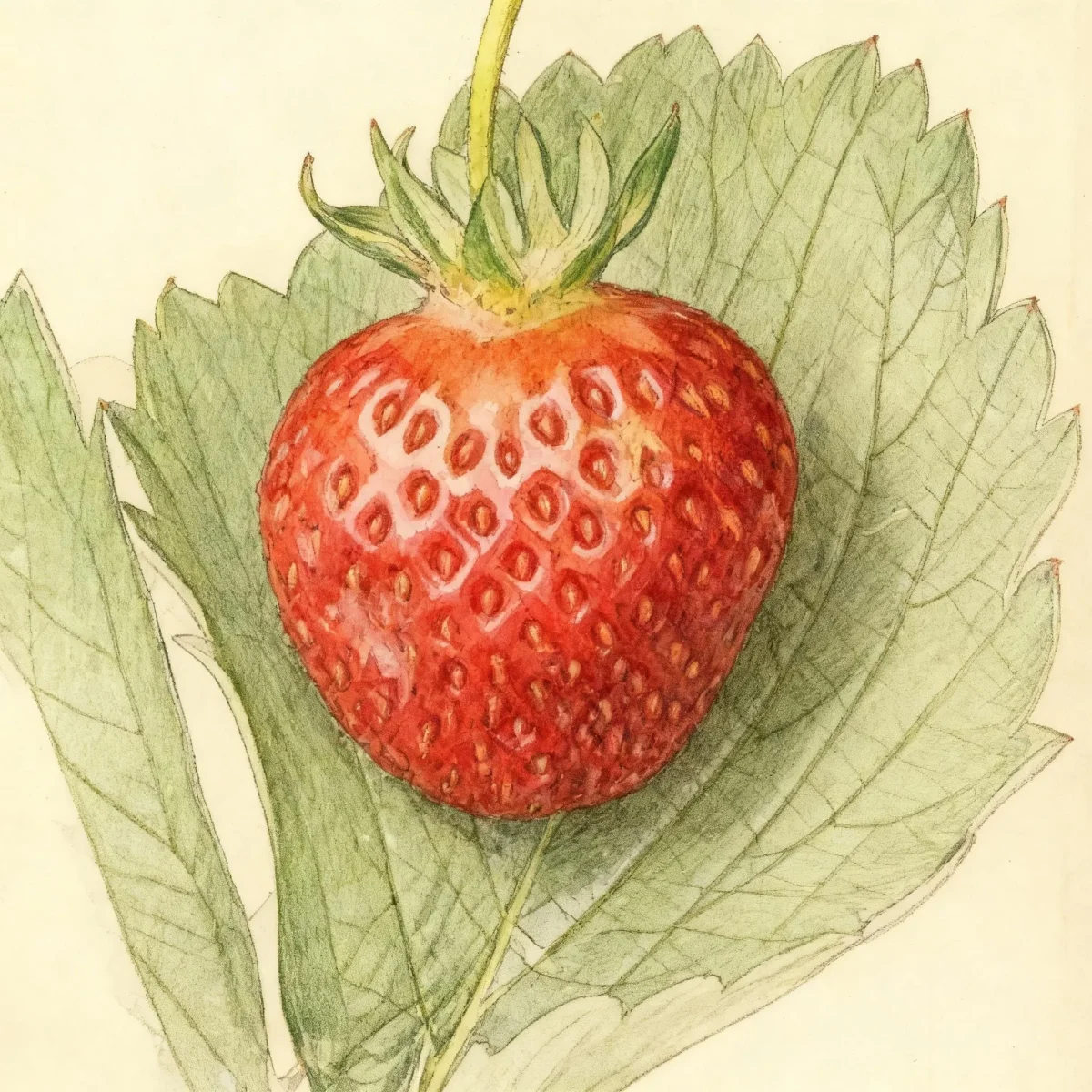
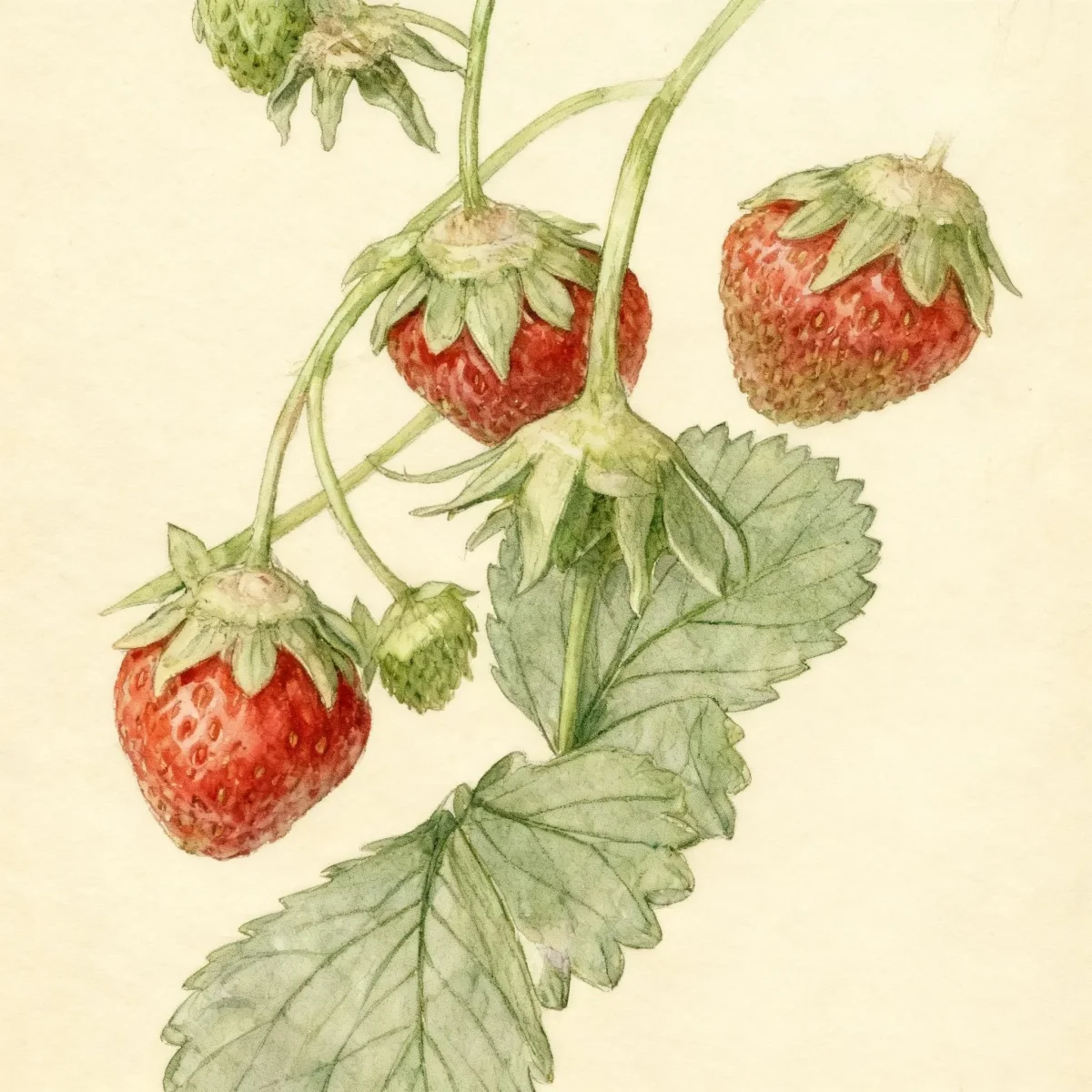
Bird cherry (Prunus avium 'Lapins' STARKRIMSON SWEET)
Prunus avium 'Lapins' STARKRIMSON SWEET is a semi-dwarf Bird cherry producing edible red fruit. Ideal for small spaces in USDA Zones 5-8.
Scroll down to discover growing tips, care requirements, companion plants, and more
Complete Plant Information
Overview
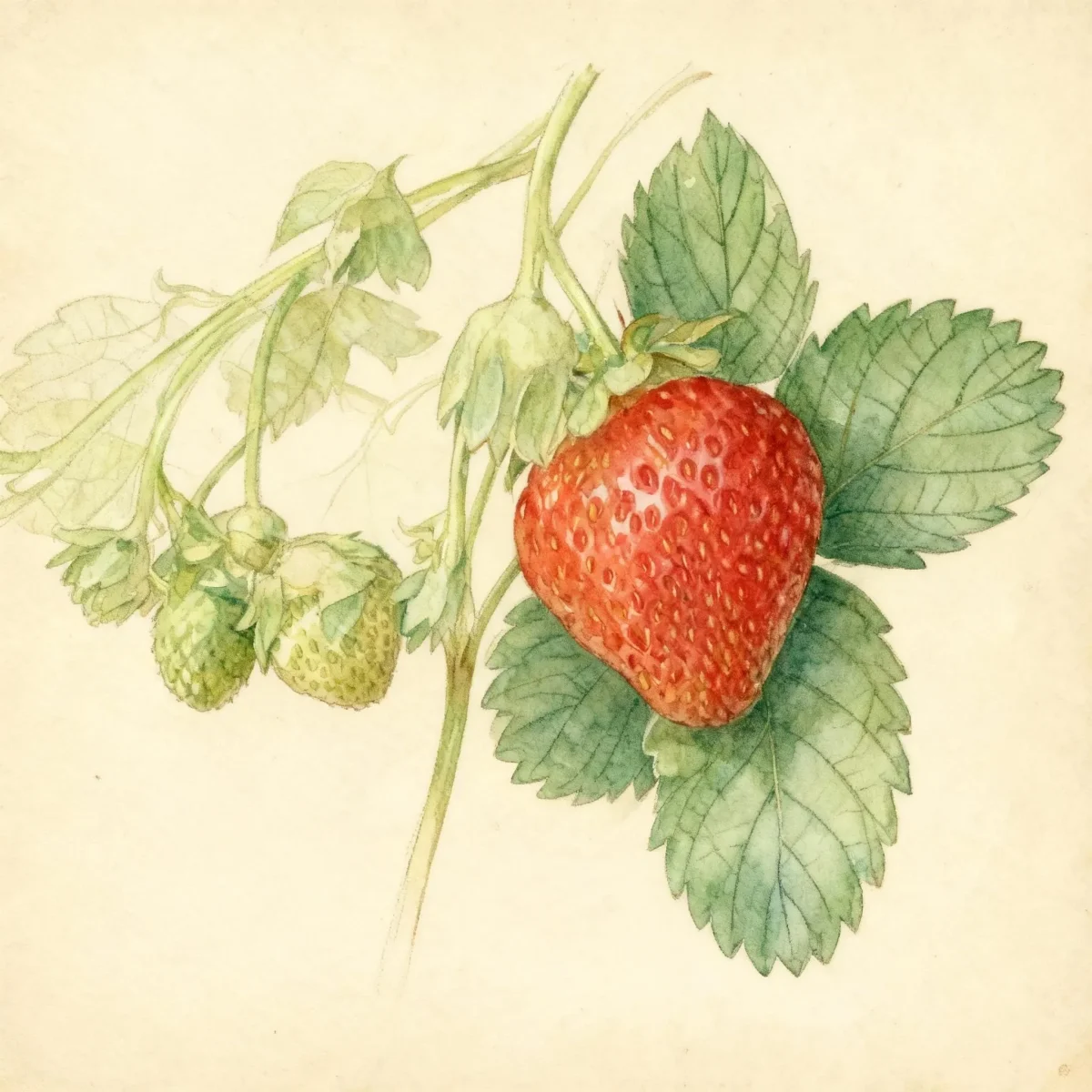
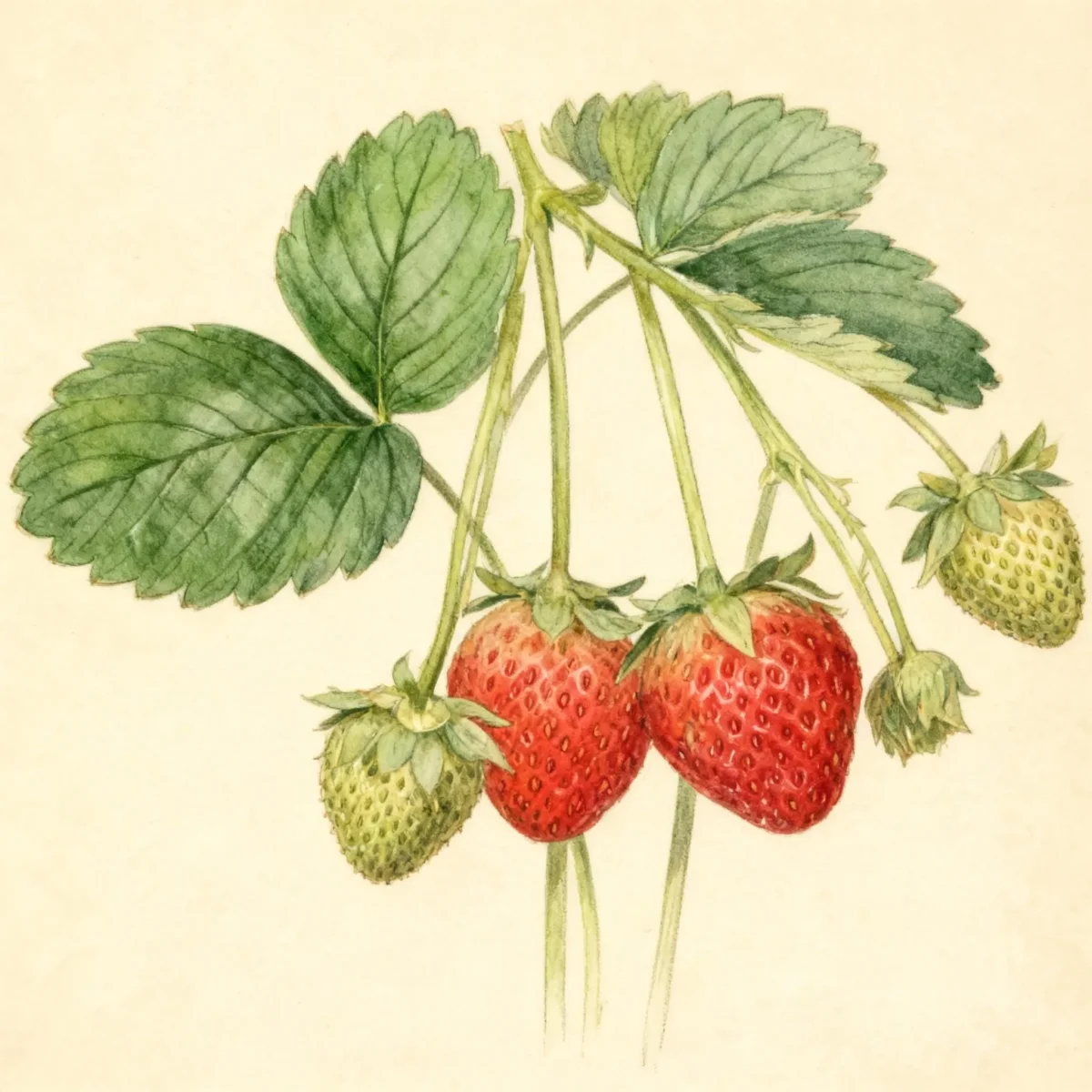
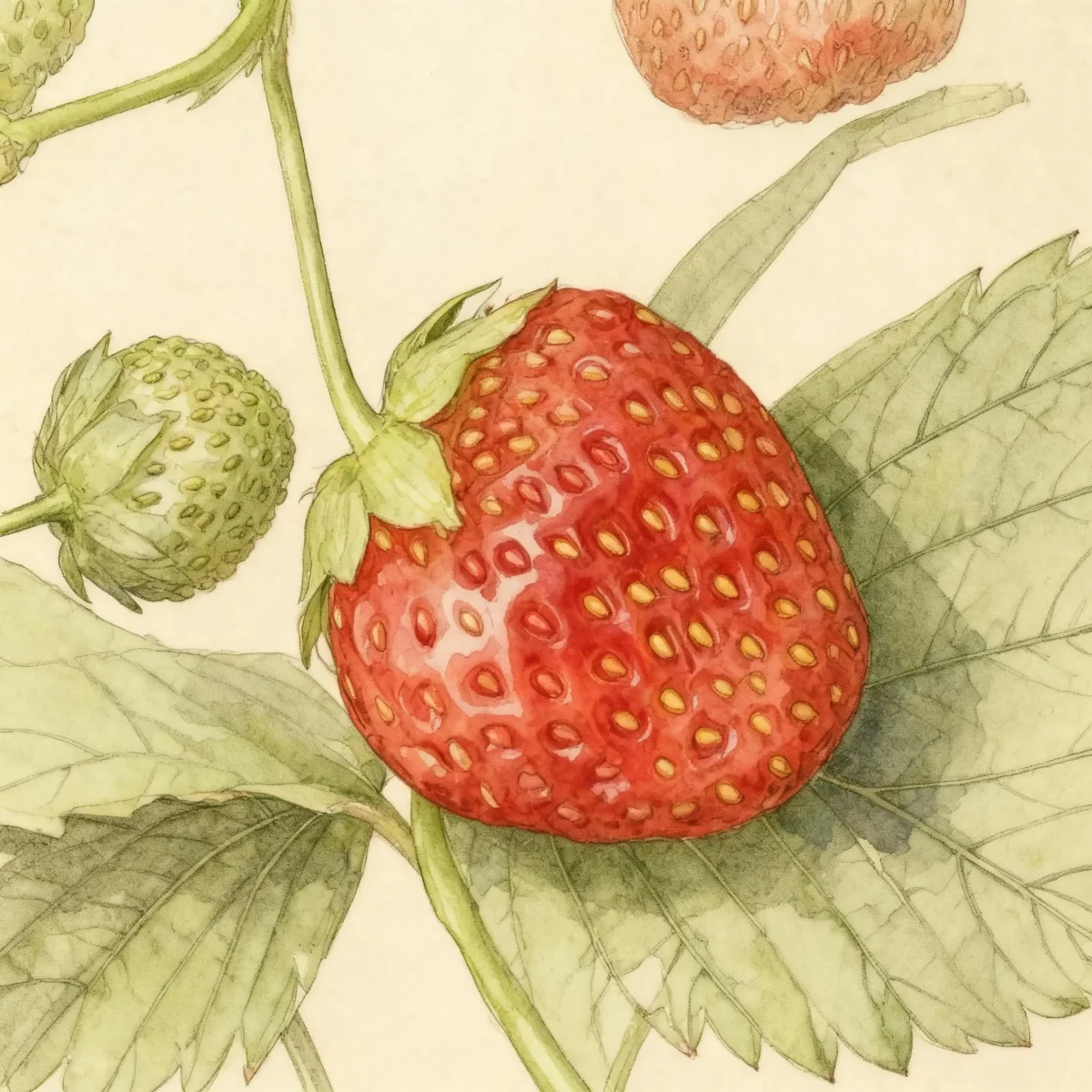
The Bird cherry, specifically the cultivar Prunus avium ‘Lapins’ STARKRIMSON SWEET, is a valuable addition for gardeners seeking reliable fruit production in a manageable size. This semi-dwarf sweet cherry cultivar, introduced by Stark Bro’s, offers excellent fruit quality resembling the popular Bing cherry, making it highly sought after for consuming the early summer harvest. While the species has historical ornamental value, Prunus avium ‘Lapins’ STARKRIMSON SWEET is cultivated commercially and privately primarily for its palatable yield.
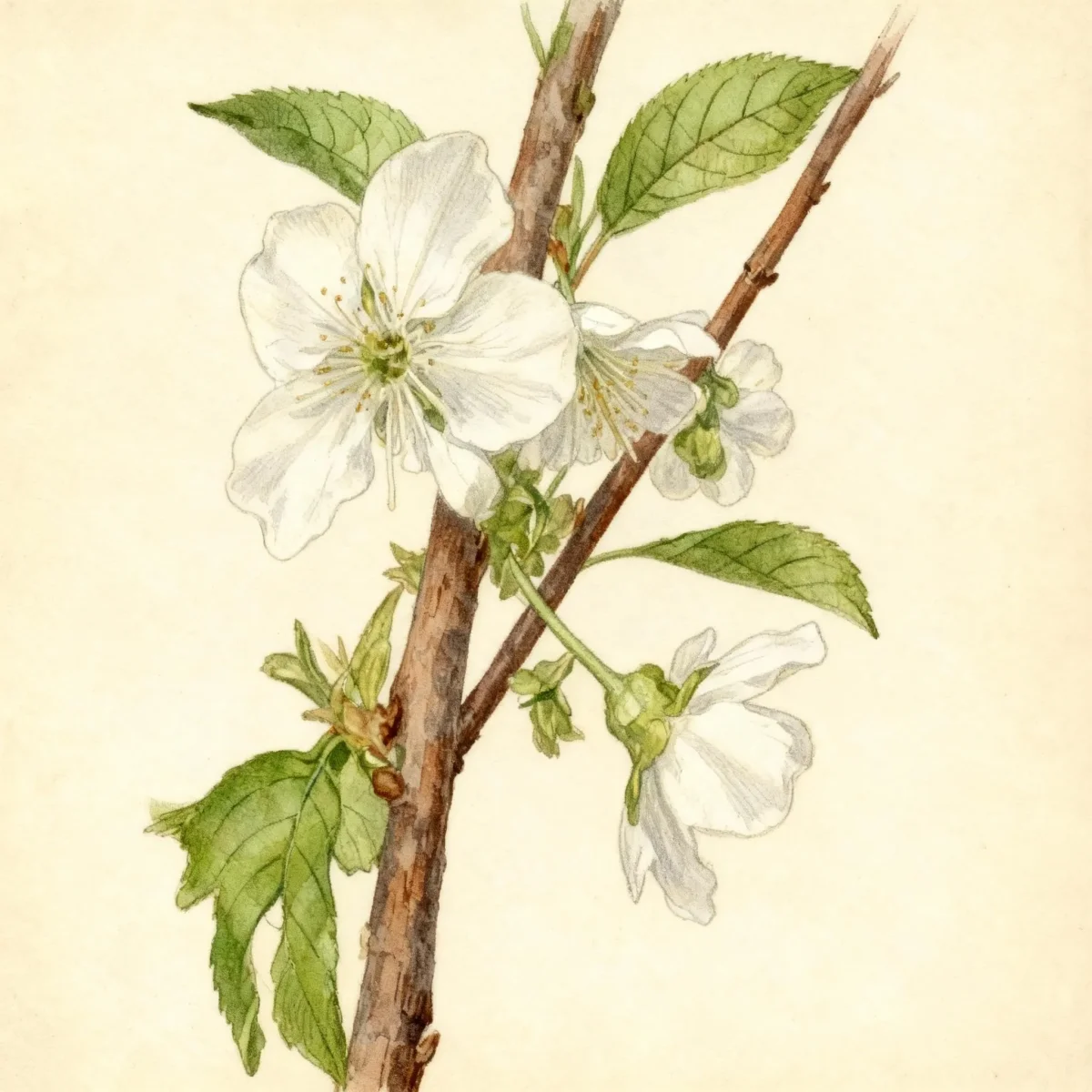
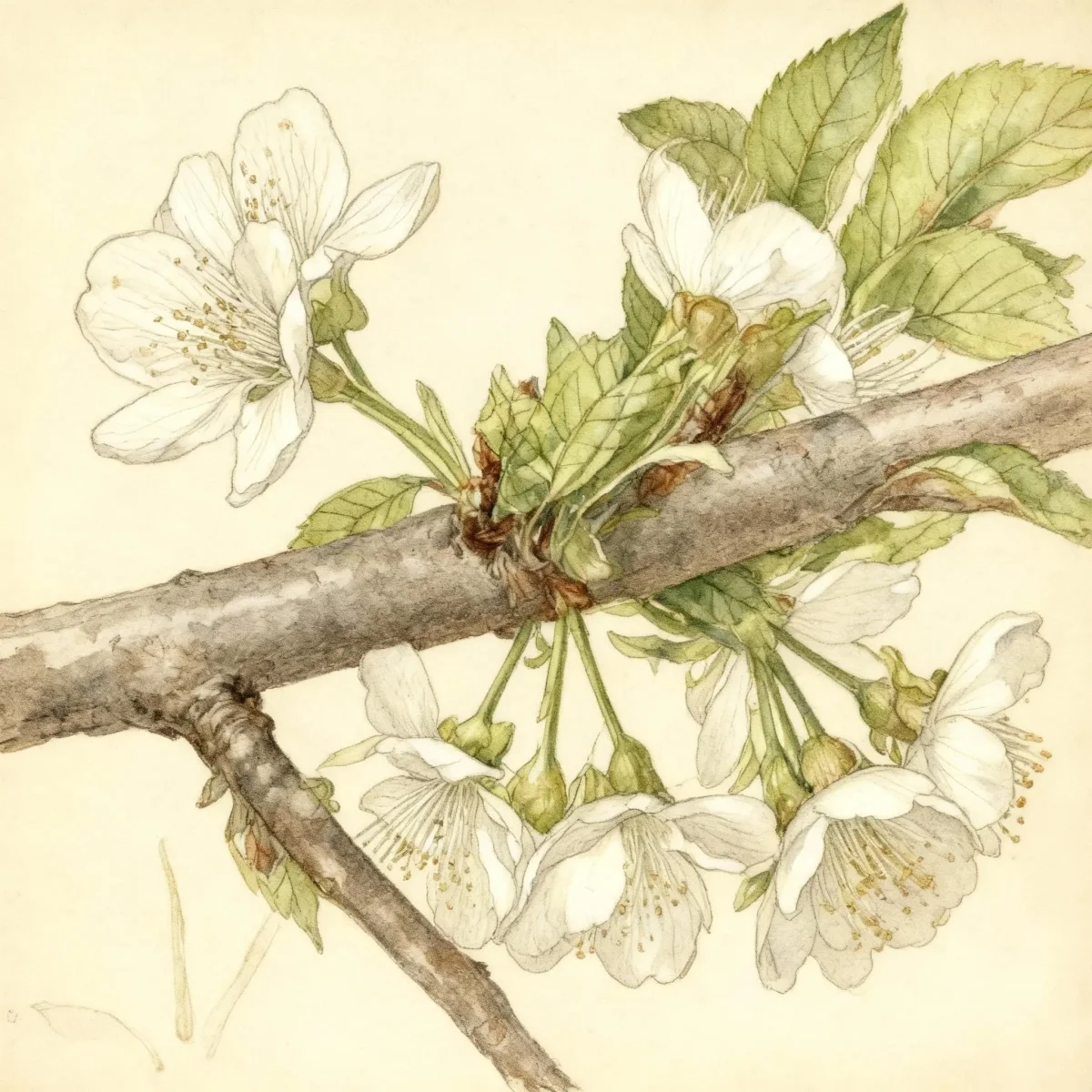
This deciduous tree provides visual interest with its pink blossoms in spring before the foliage emerges fully. It features moderate growth habits, reaching heights between 12 to 18 feet, which suits smaller residential landscapes better than standard cherry varieties. Successful cultivation requires attention to its specific needs, particularly regarding drainage and protection from typical cherry pests and diseases, reflecting its High maintenance classification.
For gardeners in compatible regions, the Prunus avium ‘Lapins’ STARKRIMSON SWEET offers the reward of sweet, red cherries suitable for fresh eating. Its self-pollinating nature is a significant bonus, simplifying orchard planning, though it also acts as a useful pollinator for other non-self-fertile cherries. Ensure adequate sun and excellent soil drainage to maximize fruit quality and tree vigor.
Fast Facts
- Plant Family: Rosaceae
- Plant Type: Fruit
- Hardiness Zones: USDA Zones 5-8
- Size at Maturity:
- Height: 12-18 ft
- Spread: 12-15 ft
- Bloom Time: April
- Bloom Description: Pink
- Sun Exposure: Full sun
- Water Needs: Medium
- Maintenance Level: High
How to Grow
Planting should occur during the dormant season, ideally early spring or late fall, provided the ground is workable. Choose a location that receives full sun throughout the day; this is critical for fruit development and disease prevention. Success with Prunus avium ‘Lapins’ STARKRIMSON SWEET hinges on soil structure; it thrives in average, well-drained soil that retains some moisture. Above all, avoid wet soils, as this cherry has no tolerance for waterlogged conditions and is highly susceptible to root rot.
Watering should be consistent, maintaining medium soil moisture, especially during fruit setting and maturity. Fertilization should be based on soil tests, but generally, balanced, slow-release fertilizers applied in early spring are appropriate for fruit-bearing trees. Pruning is essential for managing size, improving air circulation, and maximizing light penetration, which reduces fungal disease pressure throughout the canopy of your Bird cherry.
As a high-maintenance variety, vigilance against pests and diseases is necessary. Monitor for common cherry issues, especially as spring approaches and after fruit set. Protecting buds from late spring frosts may be necessary, as cold snaps can severely damage developing flower buds, impacting the annual crop potential of your Prunus avium ‘Lapins’ STARKRIMSON SWEET.
Landscape Uses
This semi-dwarf cherry is expressly recommended for smaller spaces, moving it beyond traditional orchard settings and into standard landscape design. Because it offers both attractive spring blooms and edible fruit, the Prunus avium ‘Lapins’ STARKRIMSON SWEET functions well as a specimen tree near patios or walkways where its structure and seasonal changes can be appreciated. While primarily grown for fruit, its neat semi-dwarf habit (12-18 feet tall) makes it an excellent focal point in mixed borders.
Companion planting should focus on plants with similar full sun and deep, well-drained soil requirements. Avoid placing the cherry near aggressive shallow-rooted plants that may compete heavily for surface moisture and nutrients. In small yards, consider underplanting the drip line with spring bulbs or low-growing perennials that offer seasonal color after the cherry blossoms fade, ensuring the area remains visually appealing throughout the growing season.
Standout Features
Flower Qualities
- Showy
Fruit Qualities
- Showy
- Edible
Noteworthy Characteristics
Prunus avium is generally cultivated as an ornamental cherry, though this specific cultivar, Prunus avium ‘Lapins’ STARKRIMSON SWEET, excels in fruit production. A key feature of this variety is that the ‘Lapins’ type is self-pollinating, simplifying fruit set compared to many other sweet cherries. Flowers appear slightly before the leaves, followed by small, sweet red cherries that ripen early in the summer, often disappearing quickly due to high wildlife interest.
Tolerances
Tolerances for this specific cultivar are not extensively detailed, emphasizing the need to avoid adverse conditions like wet soil.
Potential Problems
Potential disease problems for this Bird cherry include a wide array of fungal and bacterial issues: leaf spot, bacterial canker, brown rot, black knot, crown gall, leaf curl, leaf scorch, powdery mildew, root rot, scab, and shot-hole fungus. Potential insect pests that require monitoring include aphids, fruit flies, saw flies, and scale. Maintaining strong air circulation through careful pruning is your primary defense against most fungal diseases.
Management often involves preventative spraying schedules tailored to your local climate, particularly for brown rot leading up to bloom and harvest. If birds try to steal your crop of Prunus avium ‘Lapins’ STARKRIMSON SWEET fruit, consider the practical application of physical barriers like netting during the ripening phase. Furthermore, be aware that tender buds and flowers are susceptible to significant damage from cold winter temperatures and unexpected spring frosts.
Frequently Asked Questions
What hardiness zones is Bird cherry suitable for?
This specific cultivar, Prunus avium ‘Lapins’ STARKRIMSON SWEET, is best suited for USDA Hardiness Zones 5 through 8.
How large does Bird cherry grow?
This semi-dwarf variety typically achieves a mature height between 12 to 18 feet, with a spread of 12 to 15 feet wide, making it adaptable for smaller garden spaces.
What sun exposure does Prunus avium ‘Lapins’ STARKRIMSON SWEET need?
To ensure healthy growth and the best fruit yield, this cherry variety requires full sun throughout the day.
When does Bird cherry bloom?
The tree produces its Pink blossoms during April, typically slightly preceding the full emergence of its foliage.
Conclusion
The Bird cherry cultivar Prunus avium ‘Lapins’ STARKRIMSON SWEET provides gardeners with a manageable, self-fertile source of delicious, early-season cherries. Despite requiring high maintenance, particularly regarding disease control and drainage management, its smaller size and quality fruit make it rewarding. Check your local climate to ensure compatibility within USDA Zones 5-8 and plan your planting during dormancy for the best establishment.
Companion Planting
Selecting appropriate companions can help manage pests and optimize the overall health of your cherry tree. Due to the potential for fungal issues, focus on companions that do not crowd the root zone significantly or retain moisture around the trunk of the Prunus avium ‘Lapins’ STARKRIMSON SWEET. Low-growing herbs like chives or chamomile can sometimes be strategically placed beneath the canopy to deter certain pests.
Avoid planting vegetables or flowers that are highly susceptible to the same fungal pathogens, such as potatoes or tomatoes up close, to minimize cross-contamination risks throughout the season. Since this tree requires consistent water but demands excellent drainage, companion plants should also have medium water needs to simplify your irrigation routine, supporting the health of your Bird cherry.
Wildlife Benefits
While birds and squirrels are significant thieves of the fruit crop, this tree still offers benefits to local wildlife, particularly pollinators. The early spring bloom in April provides an important source of nectar and pollen when many flowering resources are still scarce. Ensuring a protected location or employing bird netting will allow the gardener to enjoy the fruit while still providing early forage for local bees.
The deciduous nature of Prunus avium means that once the leaves drop in the fall, the dense branching structure can offer some winter shelter for smaller birds utilizing the garden structure. While not native to North America, this cultivated cherry has naturalized in parts of the East and Midwest, indicating its viability as a food source across various ecosystems.