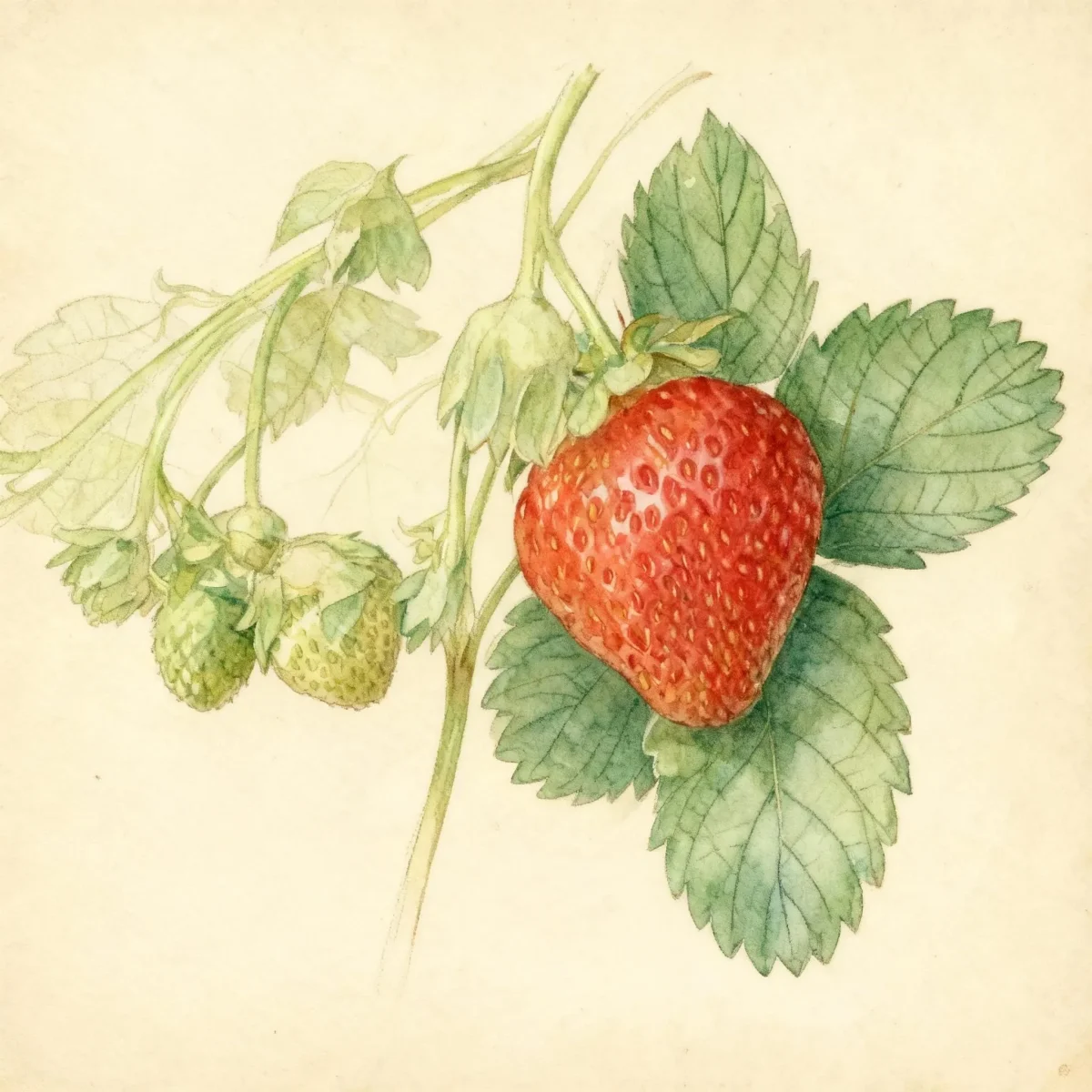
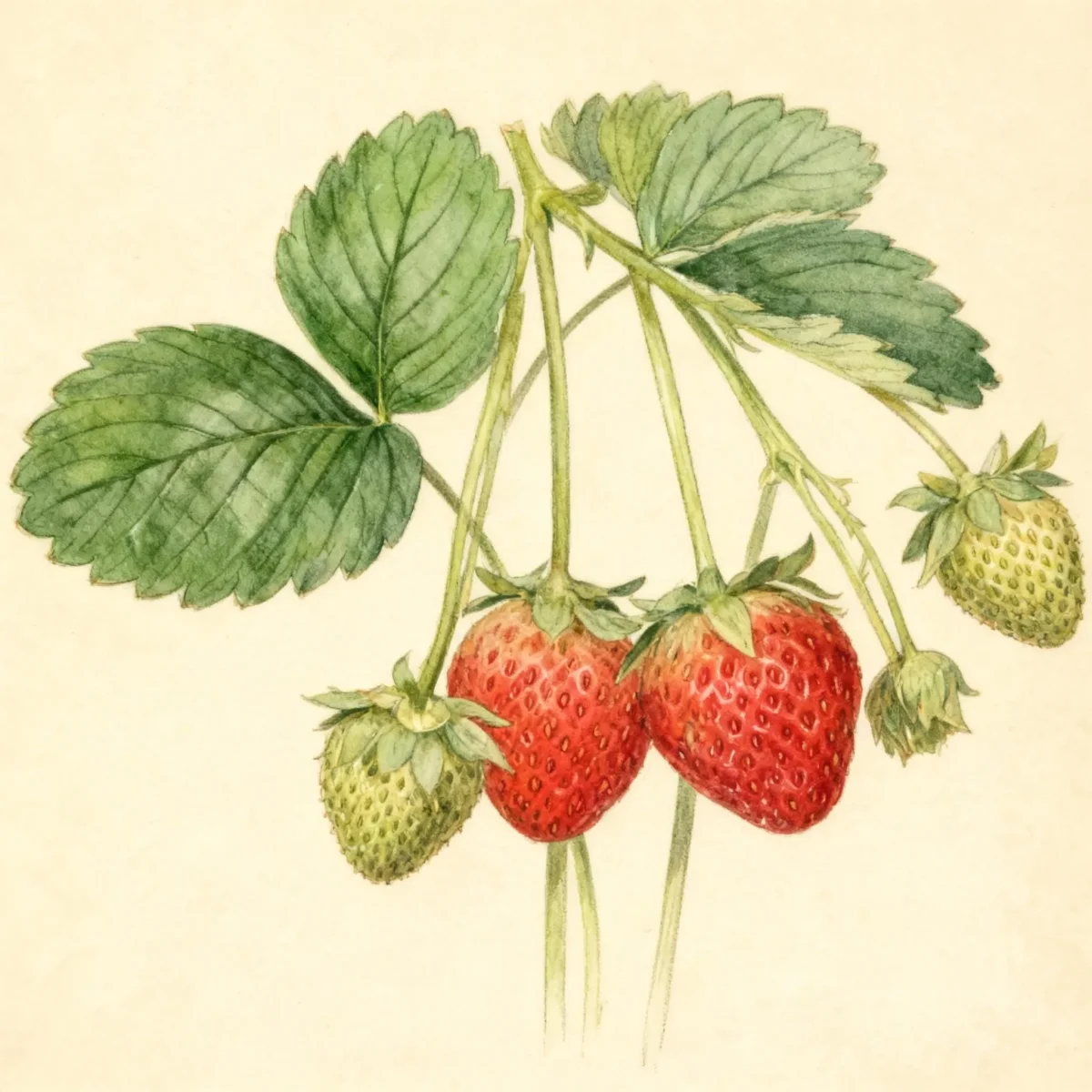
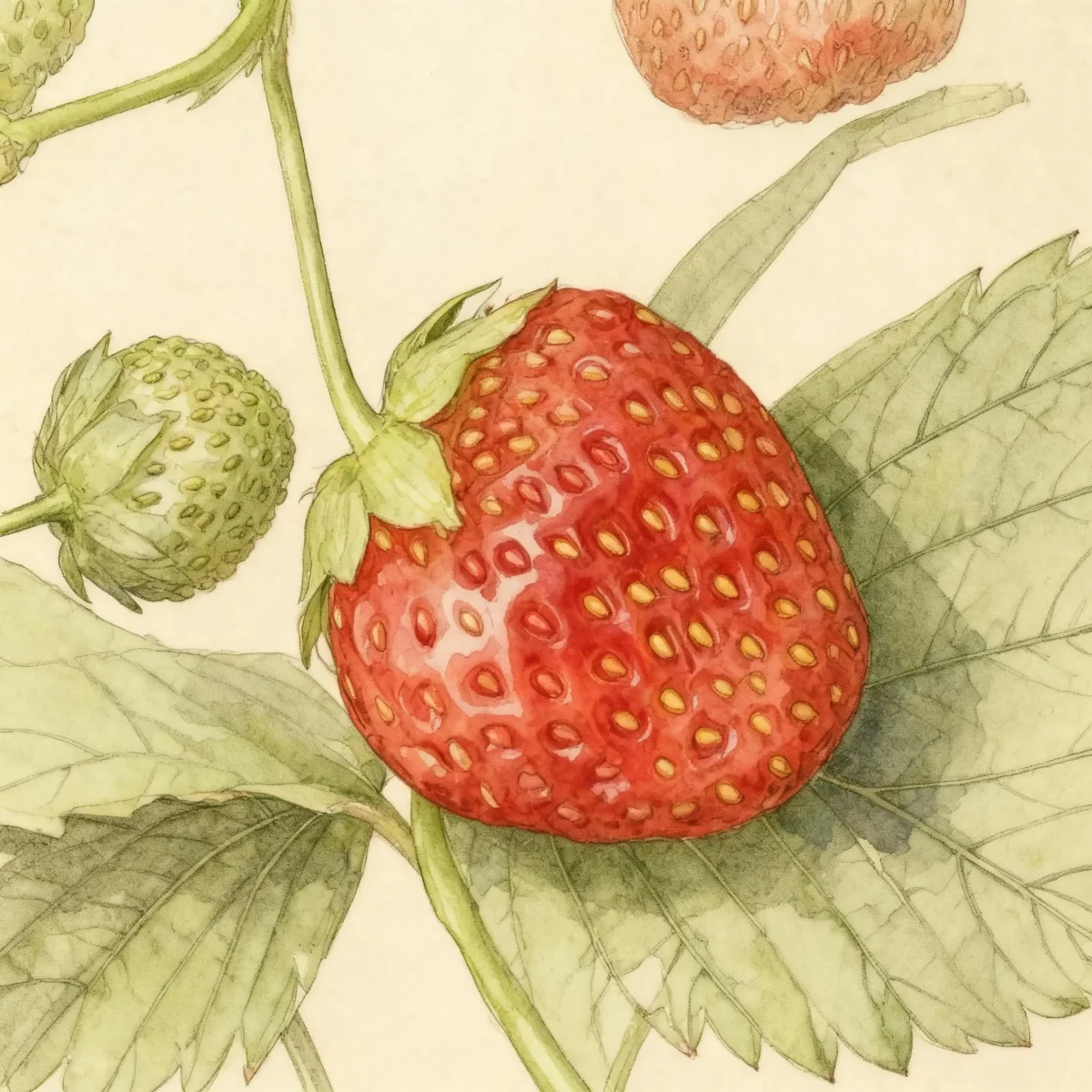
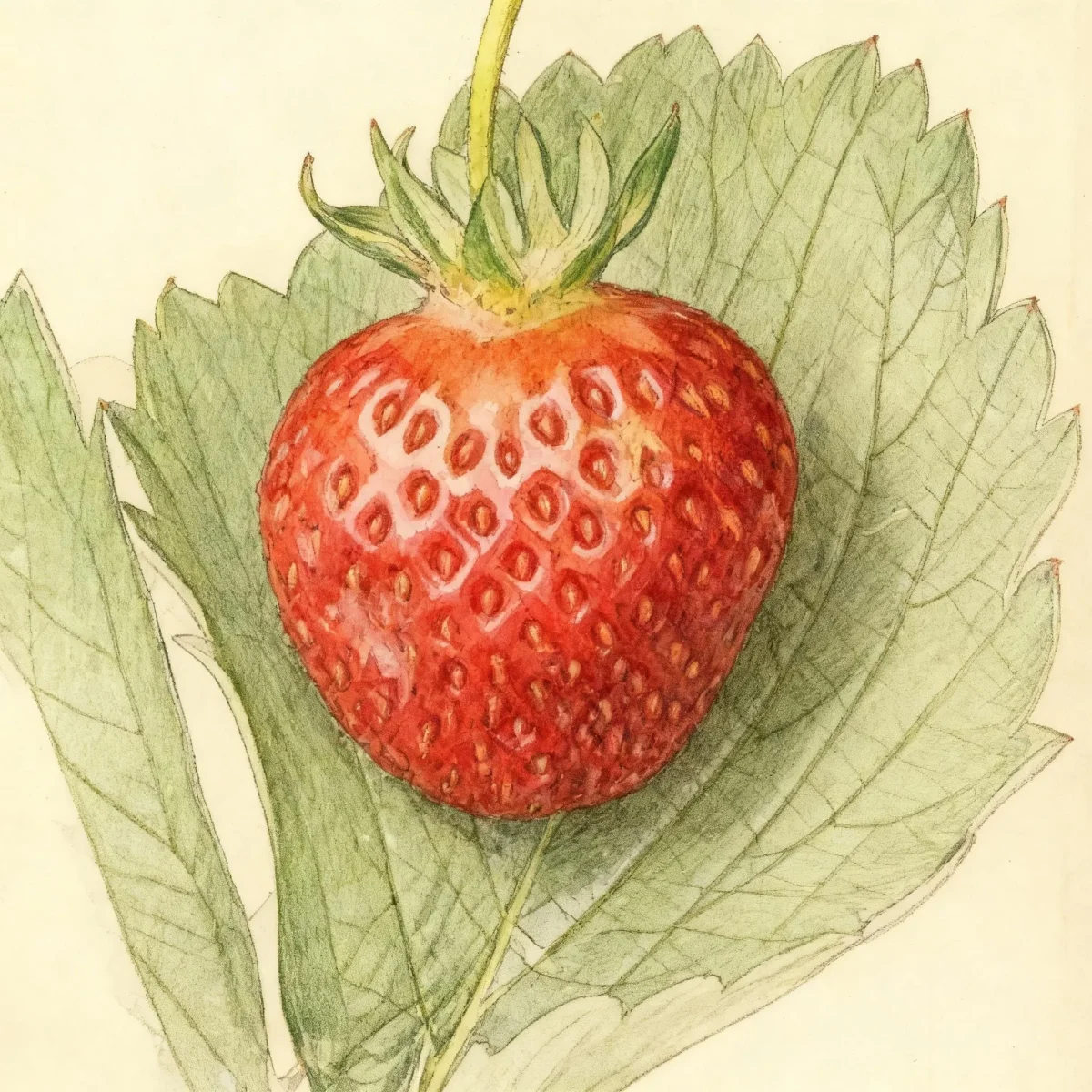
Apricot (Prunus armeniaca 'Wilson Delicious')
Prunus armeniaca 'Wilson Delicious' is a highly managed, fragrant Apricot tree valued for its early white blooms and edible fruit.
Scroll down to discover growing tips, care requirements, companion plants, and more
Complete Plant Information
Overview
The Apricot, specifically the cultivar Prunus armeniaca ‘Wilson Delicious’, offers gardeners a rewarding experience combining ornamental beauty with a valuable fruit crop. This compact, deciduous tree is prized for its showy, fragrant flowers that emerge in early spring, often before many other orchard trees begin to stir. Gardeners seeking manageable fruit production in smaller yard spaces will find this dwarf Apricot particularly appealing.
Prunus armeniaca ‘Wilson Delicious’ is self-pollinating, simplifying the process of securing a harvest of freestone apricots ripening early in July in suitable climates. While it is a source of edible fruit, prospective growers should be aware that this cultivar requires high maintenance due to its early blooming habit, making it susceptible to late-season frost events.
Successfully cultivating this variety requires careful site selection to ensure the best chance for a successful fruit set, making it an excellent choice for dedicated fruit enthusiasts. Its manageable size, typically reaching only 8 to 10 feet tall when grafted to dwarf rootstock, allows for easier pruning, spraying, and harvesting compared to standard fruit trees.
Fast Facts
- Plant Family: Rosaceae
- Plant Type: Fruit
- Hardiness Zones: USDA Zones 5-8
- Size at Maturity:
- Height: 8-10 ft
- Spread: 8-10 ft
- Bloom Time: April
- Bloom Description: White
- Sun Exposure: Full sun
- Water Needs: Medium
- Maintenance Level: High
How to Grow
The ideal location for Prunus armeniaca ‘Wilson Delicious’ is a spot receiving full sun throughout the day. When planting this Apricot cultivar, prioritize well-drained, average soil that retains consistent moisture without becoming waterlogged. Because the early spring flowers risk frost injury, site the tree in a sheltered position, such as on sloping ground or near the south side of a structure, to mitigate cold air pooling in low-lying frost pockets.
Because this is a high-maintenance plant, regular cultural attention is crucial. Water needs are medium; aim for consistent moisture, especially during fruit development, ensuring the soil stays retentive yet drains adequately. Pruning for shape and fruit production should be done carefully while managing potential pest and disease issues common to stone fruits.
As the rootstock dictates the final size—this dwarf Apricot is typically 8-10 feet tall—careful monitoring of fertilizer needs is important. Always remember that cultivar choices and performance can be significantly altered by the specific rootstock used when purchasing your Apricot tree.
Landscape Uses
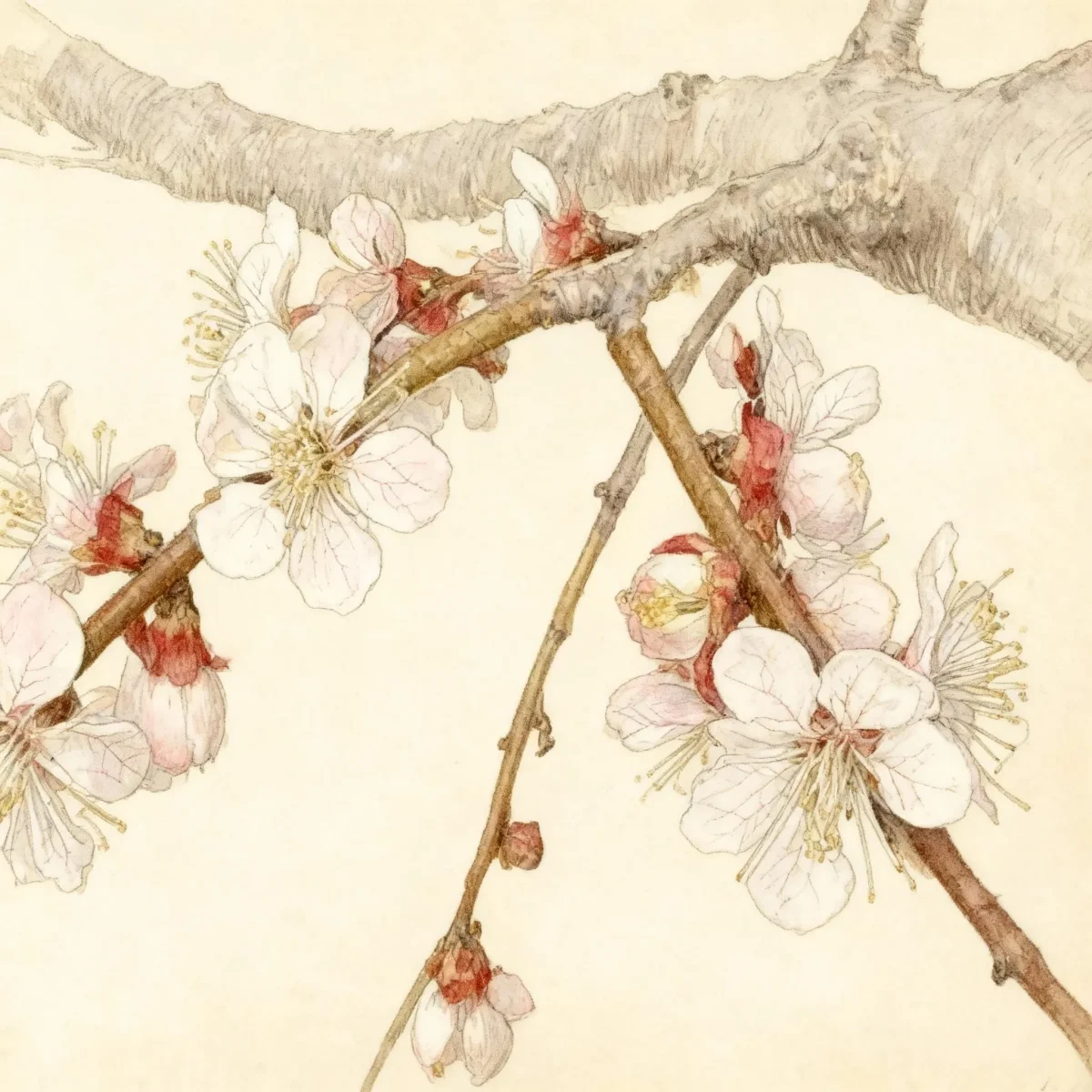
Although primarily grown for its early, edible July harvest, the Apricot (Prunus armeniaca ‘Wilson Delicious’) offers significant early-season ornamental value. The mass of fragrant, white blossoms provides excellent visual interest and early nectar for pollinators before the main flush of spring color arrives. This tree is perfectly suited for utilization in smaller garden spaces where standard orchard trees would overwhelm the landscape.
Consider integrating Prunus armeniaca ‘Wilson Delicious’ into a mixed border where its spring display can contrast with later-blooming shrubs or perennials. Due to its self-pollinating nature and manageable size, it works wonderfully as a specimen near patios or entryways where its early fragrance can be enjoyed. Plan companion plants that share similar needs for full sun and medium water to ensure aesthetic and cultural harmony.
Standout Features
Flower Qualities
- Showy
- Fragrant
Fruit Qualities
- Showy
- Edible
Noteworthy Characteristics
Prunus armeniaca, commonly called dwarf apricot, is a small, deciduous tree native to northern China and grown primarily for its edible fruit. The fragrant flowers, white once they open in early spring before the foliage emerges, precede the round, 1-2.5” wide fruits with golden orange skin, which ripen in early July in USDA Zone 5. The ‘Wilson Delicious’ specific cultivar is often grafted to dwarfing rootstocks, limiting its growth to 8-10 feet tall, which aids management and speeds fruit production compared to standard 15-20 foot varieties.
Tolerances
- None listed
Potential Problems
Growing Apricots like Prunus armeniaca ‘Wilson Delicious’ can present challenges, largely due to their very early blooming schedule, which is typically two weeks ahead of peaches, making the blossoms extremely vulnerable to late spring frost injury. Beyond weather vulnerability, this tree succumbs to common stone fruit pests and diseases.
Disease issues frequently encountered include root rot, brown rot, and bacterial leaf spot, all of which are managed through careful site selection (ensuring excellent drainage) and good sanitation practices throughout the year. Chemical spraying is often necessary to adequately control these fungal issues before they become established.
Insects such as borers, plum curculio, and aphids, along with mite infestations, require vigilance. Consistent monitoring and applying necessary chemical treatments based on local infestation pressure are key preventative steps for ensuring a healthy yield from your Apricot.
Frequently Asked Questions
What hardiness zones is Apricot (Prunus armeniaca ‘Wilson Delicious’) suitable for?
This variety is hardy in USDA Zones 5 through 8.
How large does Apricot (Prunus armeniaca ‘Wilson Delicious’) grow?
When grafted to its typical dwarfing rootstock, this tree generally reaches a height and spread of 8 to 10 feet.
What sun exposure does Apricot (Prunus armeniaca ‘Wilson Delicious’) need?
The recommended sun exposure for optimal growth and fruit production for Prunus armeniaca ‘Wilson Delicious’ is full sun.
When does Apricot (Prunus armeniaca ‘Wilson Delicious’) bloom?
The flowers appear in April and are described as white.
Conclusion
The Prunus armeniaca ‘Wilson Delicious’ functions beautifully as a flowering tree while rewarding the gardener with early summer harvests of edible fruit. Its dwarf stature makes this Apricot a standout choice for smaller properties, provided the high maintenance demands are accepted. Before planting, confirm your site offers full sun and excellent drainage, and plan for necessary frost protection during its very early bloom period.
Companion Planting
For gardeners cultivating Prunus armeniaca ‘Wilson Delicious’, selecting companions that thrive in similar full sun and medium moisture conditions is ideal. Consider interplanting with early-blooming ornamental shrubs that have similar dormant spraying requirements, simplifying your seasonal maintenance schedule. Given the need to protect the early blossoms, avoid planting sensitive, late-blooming perennials directly underneath the tree canopy where competition for moisture might increase stress during dry spells.
Seasonal Care Calendar
Spring is critical for the Apricot; apply dormant or delayed-dormant oil sprays before bud break is essential to manage overwintering pests like mites and scale, which is particularly important for this susceptible variety. Summer care centers on consistent, deep watering during fruit ripening in July and immediate cleanup of fallen fruit to disrupt the life cycle of pests like the plum curculio. In late fall or early winter, after dormancy is fully set, prune the tree lightly to maintain the open vase shape necessary for good air circulation and light penetration, which helps prevent fungal diseases heading into next season.