Bird cherry (Prunus avium 'Stella')
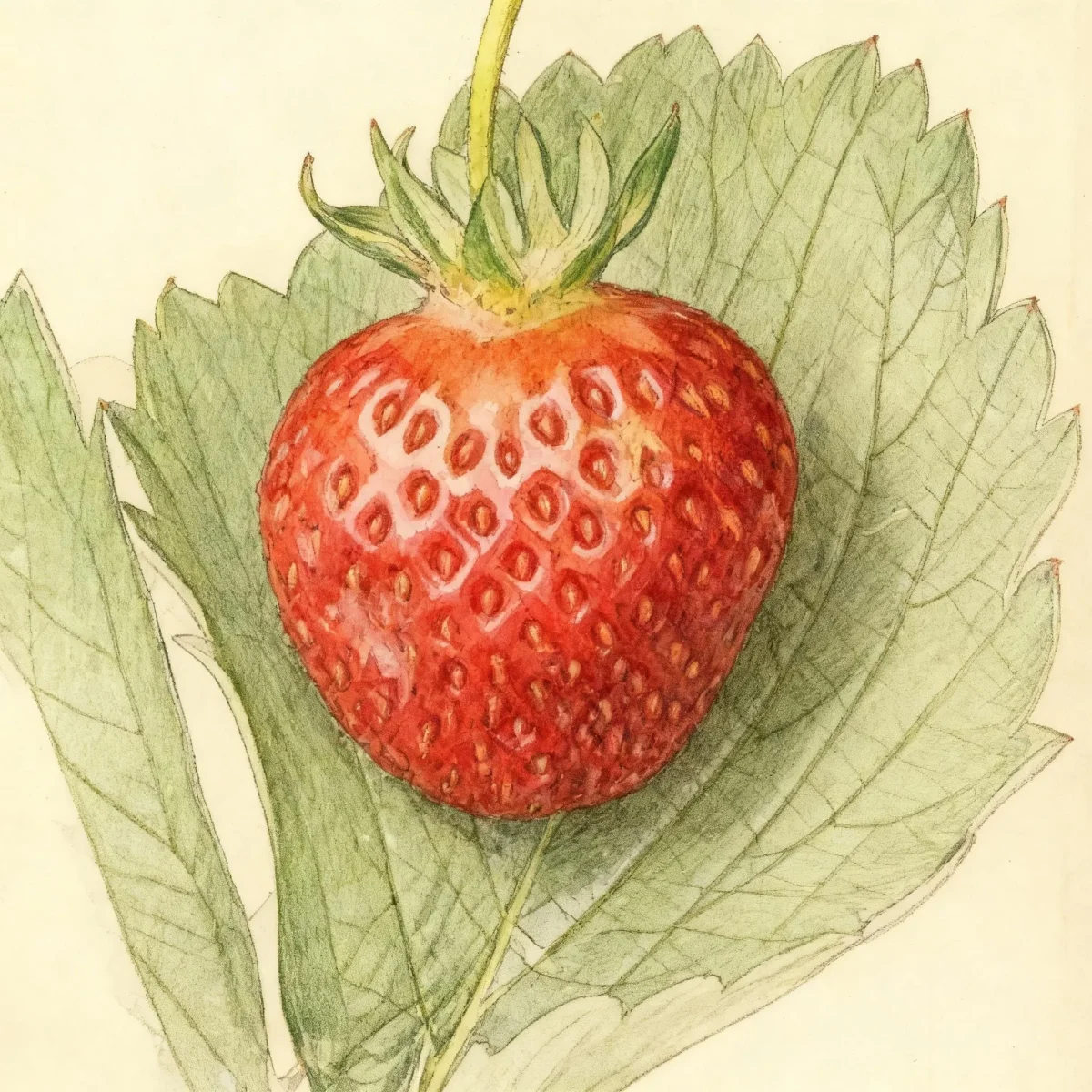
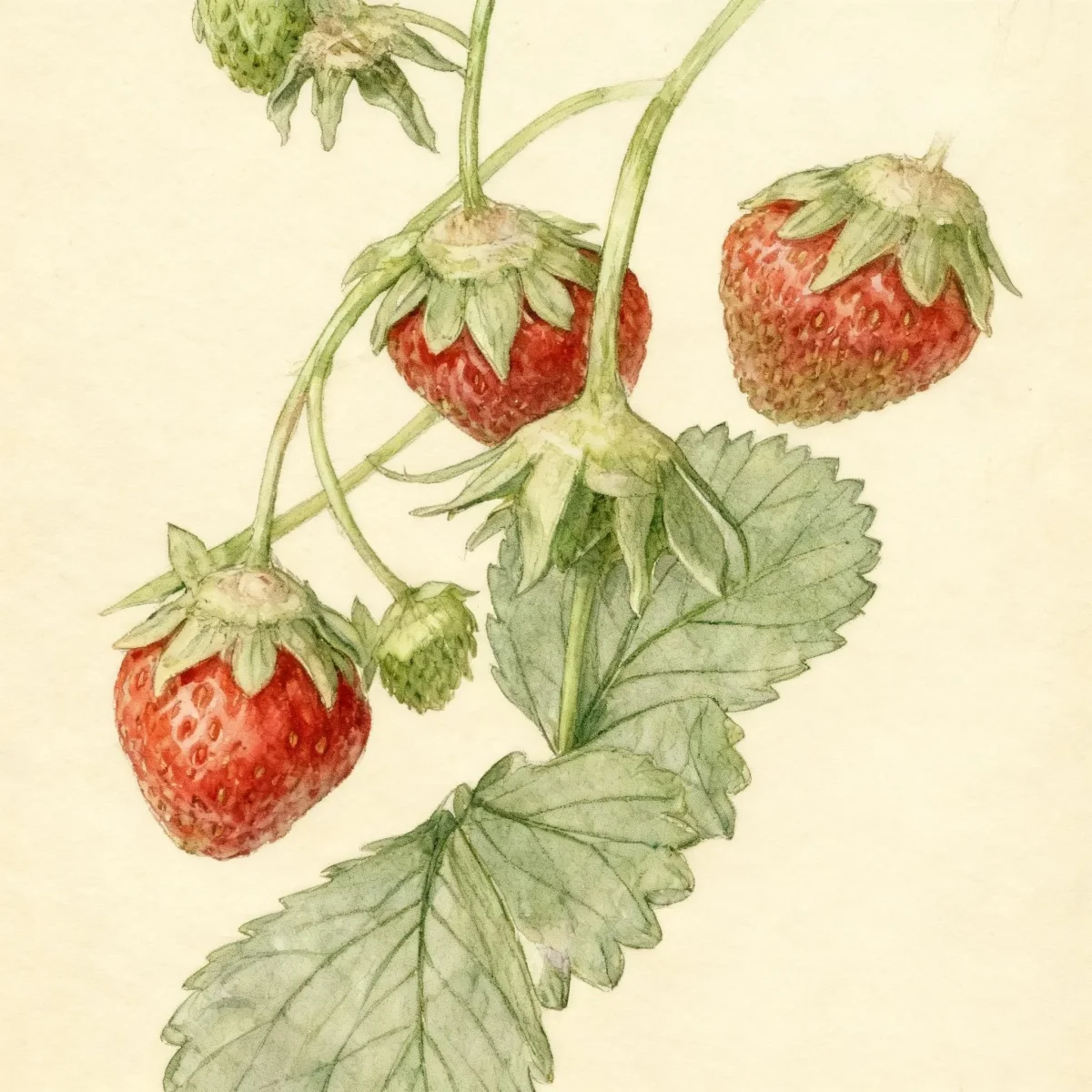
Prunus avium 'Stella' Bird cherry offers edible fruit and showy white spring blossoms. A high-maintenance dwarf sweet cherry.
Scroll down to discover growing tips, care requirements, companion plants, and more
Complete Plant Information
Overview
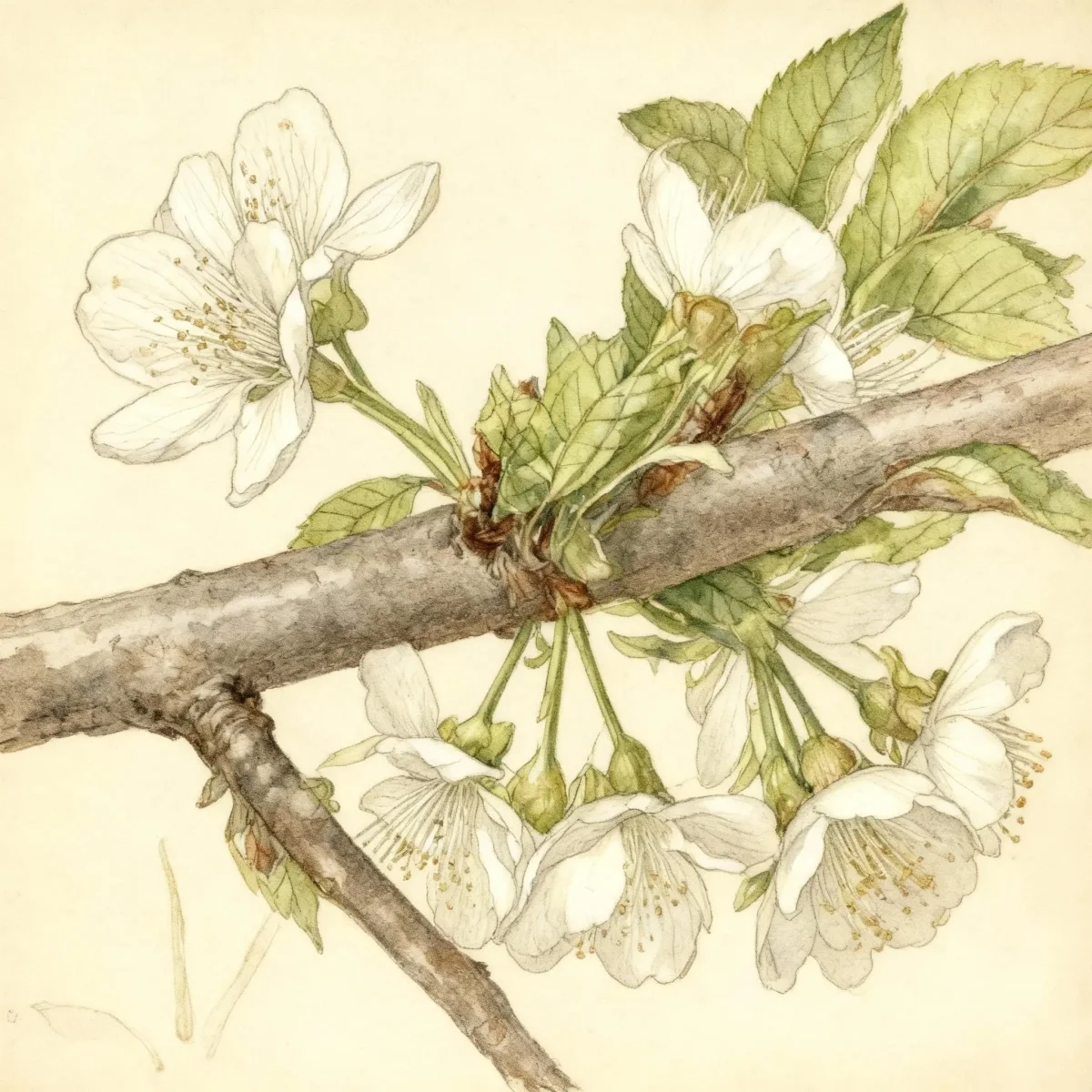
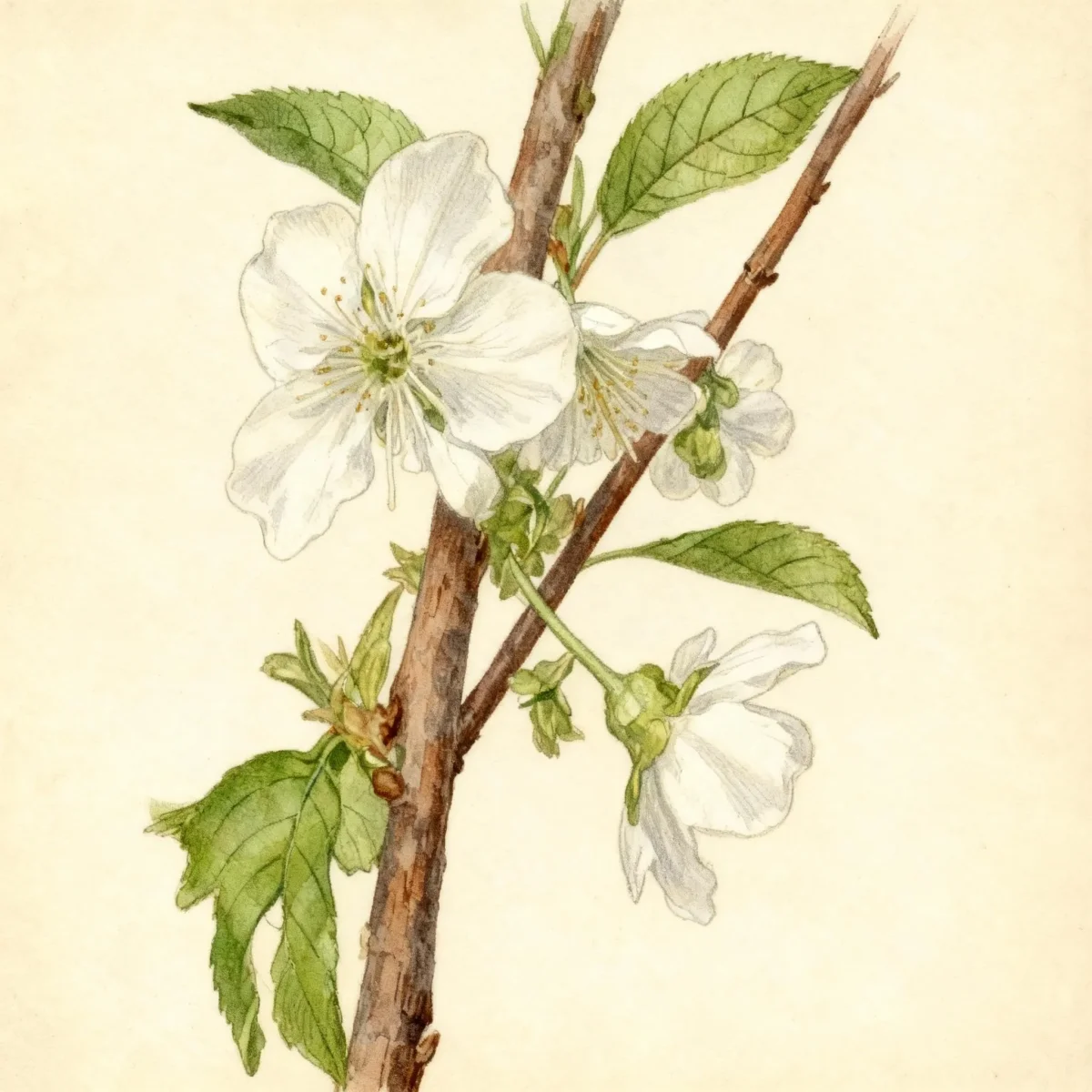
The Prunus avium ‘Stella’ cultivar, commonly known as the Bird cherry, is highly valued by home gardeners looking for a reliable source of sweet cherries in a manageable size. Unlike many traditional cherry varieties, this cultivar is known for being self-pollinating, simplifying fruit production significantly for single-tree plantings. It offers a beautiful display of white blossoms in spring just before the foliage emerges.
This deciduous dwarf tree typically matures between 8 to 12 feet tall, making the Prunus avium ‘Stella’ an excellent choice for smaller yards or tighter garden spaces where standard sweet cherry trees would overwhelm the area. Along with its edible fruit, growers must be prepared for its high maintenance level, which often involves diligent monitoring for pests and diseases typical of the Prunus genus.
While its fruit is certainly edible and highly desired by the gardener, be aware that birds and squirrels also find the small, red-to-black cherries irresistible during the early summer harvest window. Successful cultivation of this sturdy Bird cherry relies on providing optimal conditions, particularly ample sunlight and consistent moisture without allowing waterlogging.
Fast Facts
- Plant Family: Rosaceae
- Plant Type: Fruit
- Hardiness Zones: USDA Zones 5-8
- Size at Maturity:
- Height: 8-12 ft
- Spread: 8-10 ft
- Bloom Time: April
- Bloom Description: White
- Sun Exposure: Full sun
- Water Needs: Medium
- Maintenance Level: High
How to Grow
Planting your Prunus avium ‘Stella’ should occur during the dormant season—either early spring before bud break or late fall—to allow the roots time to establish before the stress of summer heat. Site selection is crucial, requiring full sun exposure for maximum fruit set and disease resistance. The soil must be average, providing medium moisture retention coupled with excellent drainage. Avoid any location where water pools, as this species has absolutely no tolerance for wet soils.
Care involves consistent attention, reflected in its high maintenance rating. Provide medium water until the tree is established, and maintain consistent moisture during fruit development, ensuring the soil does not dry out completely. While specific fertilization schedules depend on soil testing, generally feed young trees lightly to encourage growth, switching to a more balanced routine once maturity approaches. Regular monitoring for fungal issues is essential.
Due to the susceptibility of cherry trees to various afflictions, proactive care is necessary. Be prepared to implement preventative measures against common pests and diseases, often requiring timely fungicide applications as noted in potential problem sections. Protect the developing spring buds from harsh cold snaps or unexpected late frosts, as these can significantly damage the prospective fruit crop almost as severely as they might impact peaches.
Landscape Uses
The primary purpose of growing Prunus avium ‘Stella’ is the reliable harvest of its sweet cherries, making it a functional addition to edible landscapes. Because it is commonly grafted onto dwarf rootstock, this specific Bird cherry cultivar is ideal for gardeners constrained by space, unlike its larger relatives. It shines in sunny spots where it can be easily protected or observed.
Consider planting this dwarf cherry toward the back of a sunny perennial border, allowing its spring white flowers to create vertical interest before summer vegetables or annuals take center stage. If planning a small orchard, pair it with other self-fertile cherries or varieties that bloom concurrently to ensure robust pollination, even though ‘Stella’ can manage alone. Its compact size also makes it a suitable, albeit high-effort, specimen for large container gardening arrangements on patios.
Effective placement means ensuring the tree is accessible. Since preventative spraying or netting may be required to secure the crop from wildlife, avoid placing it in an area that is difficult to reach or service throughout the growing season. The compact nature of the dwarf Prunus avium ‘Stella’ allows integration where standard fruit trees would be impractical.
Standout Features
Flower Qualities
- Showy
Fruit Qualities
- Showy
- Edible
Noteworthy Characteristics
Prunus avium is generally grown as an ornamental cherry tree, though the ‘Stella’ cultivar shifts focus to fruit production. It is a deciduous tree noted for fragrant white flowers appearing slightly before the leaves emerge in spring, followed by small, sweet red to black cherries in early summer. The ‘Stella’ variety is particularly valuable as a long-popular, sweet-eating cherry that is often sold on dwarf rootstock, making it suitable for smaller properties.
Tolerances
Potential Problems
The cultivation of this Bird cherry comes with significant diligence required for pest and disease management, contributing to its high maintenance rating. Potential diseases include issues such as leaf spot, brown rot, black knot, and root rot, requiring regular fungicide applications for prevention and control. Insect pressures often include aphids, fruit flies, and various scale insects.
To mitigate wildlife damage, gardeners should consider using physical barriers like netting or nylon mesh to prevent hungry birds and squirrels from stealing the impending harvest. Furthermore, gardeners must remain vigilant regarding environmental stresses; cold winter weather and unexpected spring frosts pose a real threat, capable of severely damaging the flower buds before fruit set can occur.
Frequently Asked Questions
What hardiness zones is Bird cherry suitable for?
The Prunus avium ‘Stella’ is highly adaptable, thriving across USDA Zones 5 through 8.
How large does Prunus avium ‘Stella’ grow?
When fully mature, this dwarf cultivar typically reaches a modest height between 8 to 12 feet, with a spread ranging from 8 to 10 feet wide.
What sun exposure does Prunus avium ‘Stella’ need?
This cherry variety requires full sun exposure to ensure healthy growth, robust flowering, and good fruit production.
When does Bird cherry bloom?
The Bird cherry generally produces its signature white blossoms during the month of April.
Conclusion
The Prunus avium ‘Stella’ offers exceptional value by delivering sweet, edible cherries from a self-pollinating, easily managed dwarf tree suitable for smaller gardens. Its showy spring flowers and reliable fruit make it a rewarding, though high-maintenance, addition to the home landscape. Before planting, carefully assess your site conditions to guarantee full sun and excellent drainage, ensuring management practices align with its demands.
Wildlife Benefits
The flowering phase of the Prunus avium ‘Stella’ in early spring provides an important early nectar and pollen source for returning beneficial insects and early-season pollinators. While the focus is often on the fruit harvest, the blossoms themselves are fragrant and attractive when they first appear before the foliage fully develops.
Once the small, dark cherries ripen in early summer, they become a major attractant for local fauna. However, be prepared for competition, as birds and squirrels readily consume the crop. This reliance on wildlife for seed dispersal is even referenced in the species epithet, avium (meaning of the bird), highlighting its role in the local ecosystem, even when grown ornamentally.
Seasonal Care Calendar
Spring preparation is vital for this Bird cherry. Once the threat of hard frost has passed and the foliage begins to emerge, immediately apply a preventative fungicide treatment targeting common fungal diseases like leaf spot or scab. Maintain consistent watering during the blossoming and fruit set periods, as moisture stress at this time can lead to poor yield.
Summer care pivots around harvesting and protection. If netting is required to save your fruit from birds, install it just as the cherries begin to show color rather than waiting until they are fully ripe. After harvest, continue providing consistent water to support overall tree health and carbohydrate storage needed for next year’s buds.
Fall and winter require monitoring for debris and pruning planning. Prune only during the dormant season to minimize sap flow and reduce disease entry points, focusing on removing crossing or dead branches. Ensure the area around the base of the Prunus avium ‘Stella’ is kept clean to reduce overwintering fungal spores or pest populations.