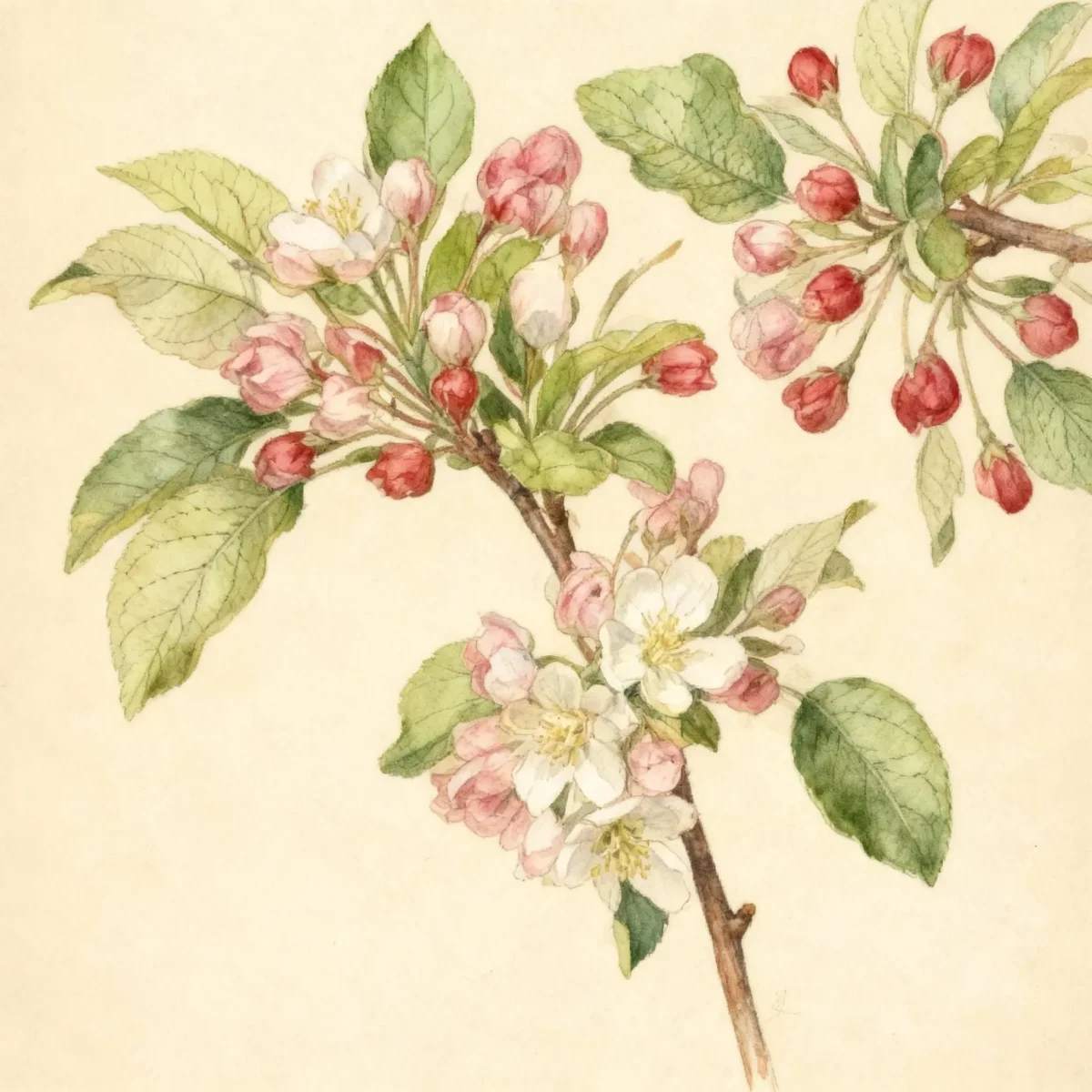
Cherry plum (Prunus cerasifera 'Newport')
Prunus cerasifera 'Newport', or Cherry plum, is a striking deciduous shrub offering highly fragrant spring flowers and deep purple summer foliage. Best for zones 4-8.
Scroll down to discover growing tips, care requirements, companion plants, and more
Complete Plant Information
Overview
The Prunus cerasifera ‘Newport’, commonly known as Cherry plum, is a superior cultivar valued for its intense ornamental impact combining early spring blossoms with persistent purple foliage throughout the growing season. This dense, rounded shrub or small tree provides significant structure and color, making it a standout selection in the landscape. While demanding regular attention, the reward is vibrant seasonal displays beginning with fragrant flowers before the leaves fully emerge.
This deciduous shrub thrives when provided with consistent moisture and ample light. The cultivar Prunus cerasifera ‘Newport’ transitions beautifully through its life cycle, offering highly ornamental features from its bloom to its fall coloration. Gardeners should note its tendency to spread or naturalize, which requires proactive management in formal settings.
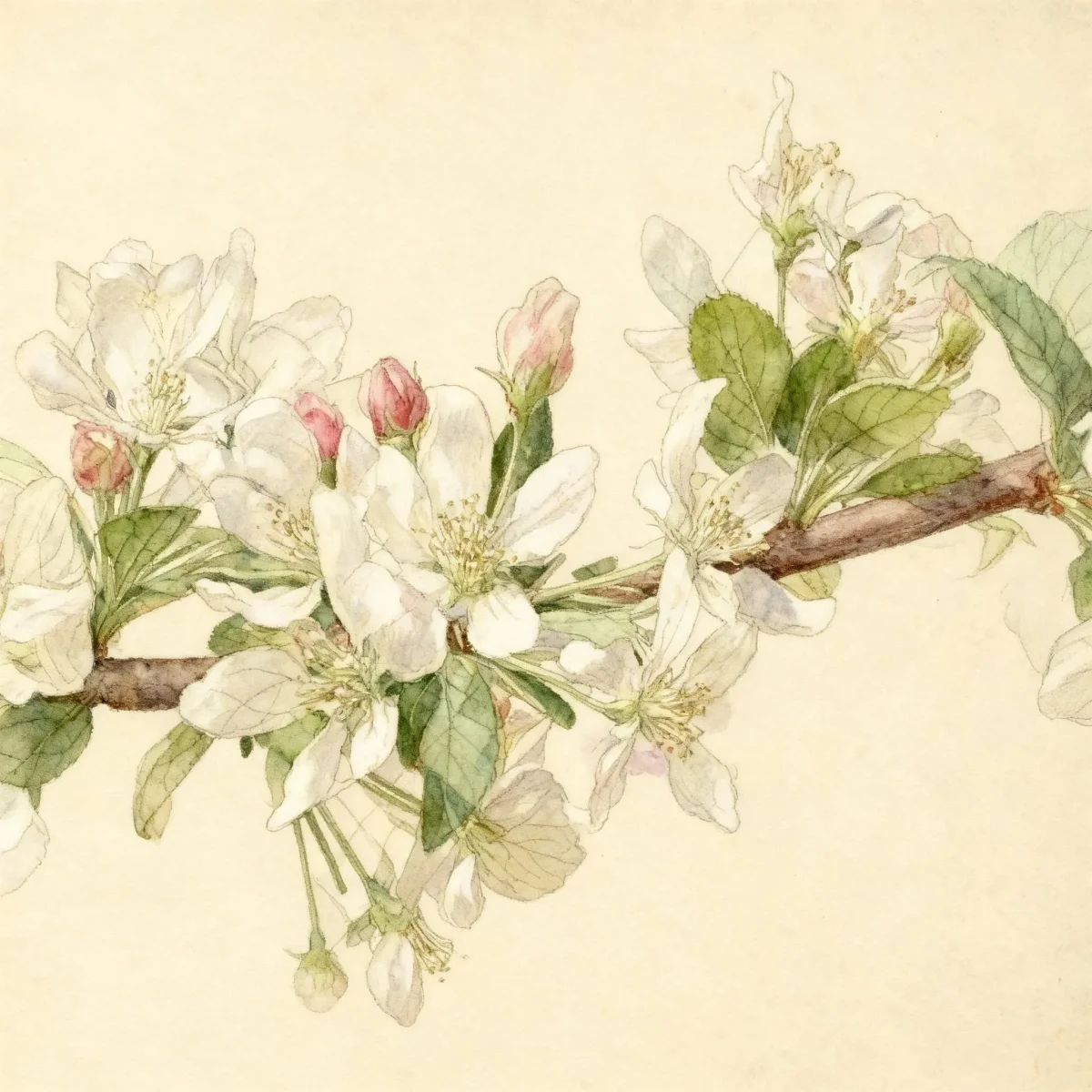
A significant ornamental benefit of the Cherry plum is its multi-season appeal. The early white to pale pink flowers are highly fragrant, followed by deep purple leaves that maintain their richness through summer, often ending in an attractive reddish hue come autumn. Planting Prunus cerasifera ‘Newport’ ensures dependable color interest where a bold, focal element is desired.
Fast Facts
- Plant Family: Rosaceae
- Plant Type: Deciduous shrub
- Hardiness Zones: USDA Zones 4-8
- Size at Maturity:
- Height: 15-20 ft
- Spread: 15-20 ft
- Bloom Time: April
- Bloom Description: White to pale pink
- Sun Exposure: Full sun
- Water Needs: Medium
- Maintenance Level: High
How to Grow
For optimal performance, plant Prunus cerasifera ‘Newport’ during the dormant season, either early spring or late fall, ensuring it establishes roots before extreme temperatures hit. This Cherry plum performs best in average, well-drained loams, where consistent medium moisture is maintained. While the plant tolerates part shade, achieving the best flowering display and deepest purple foliage color requires a full sun location.
Watering should be consistent, especially during the first few years after planting or during extended dry spells, as it requires medium water input. Because maintenance is rated as high, be prepared for regular monitoring for pests and diseases. If pruning is required to manage size or shape, ensure this is completed immediately after the spring flowering period concludes, as pruning later will unfortunately remove potential fruit development.
Be aware that Prunus cerasifera ‘Newport’ has a natural tendency to spread or self-seed, which might require cleanup or removal of unwanted suckers if you wish to control its size strictly. Providing good air circulation, which is aided by ensuring it is planted in full sun, helps mitigate fungal issues that can plague this species.
Landscape Uses
The bold coloring and medium stature of the Cherry plum make it an excellent choice for specimen planting where its purple foliage can contrast dramatically with surrounding green plantings. It is particularly effective when used in small groupings to create a dense screen or border, offering visual impact throughout the summer months following the spring bloom.
Due to its ornamental attributes—early flowers, deep foliage, and overall structural habit—this tree/shrub works well near contrasting white or silver-leaved plants. It can anchor mixed shrub borders or serve as the foundational structure in a multi-season garden design. Given its high maintenance requirement and potential for disease, avoid placing it directly against highly ornamental, less-resistant plants where shared issues could spread rapidly.
Standout Features
Flower Qualities
- Showy
- Fragrant
Fruit Qualities
- Showy
- Edible
Noteworthy Characteristics
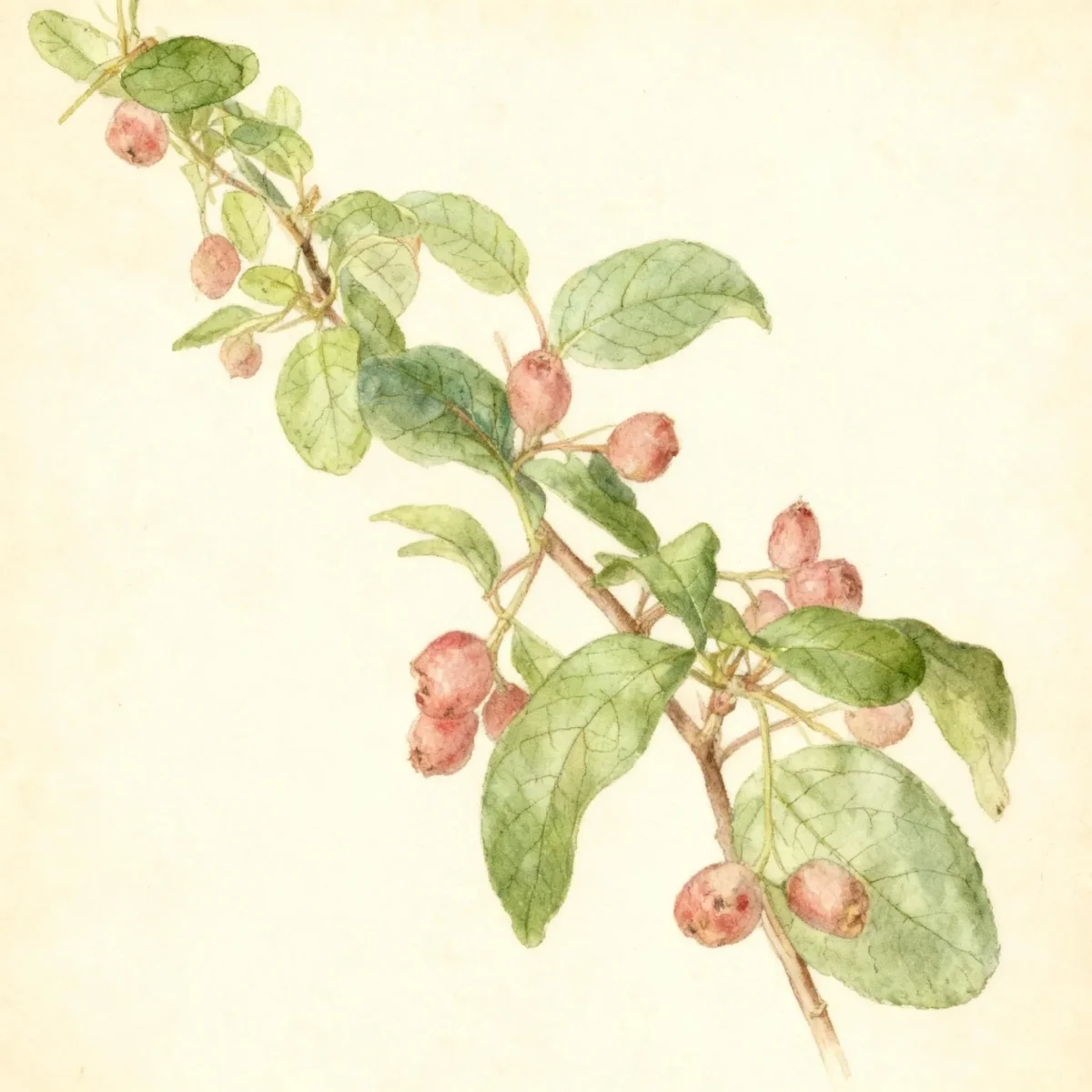
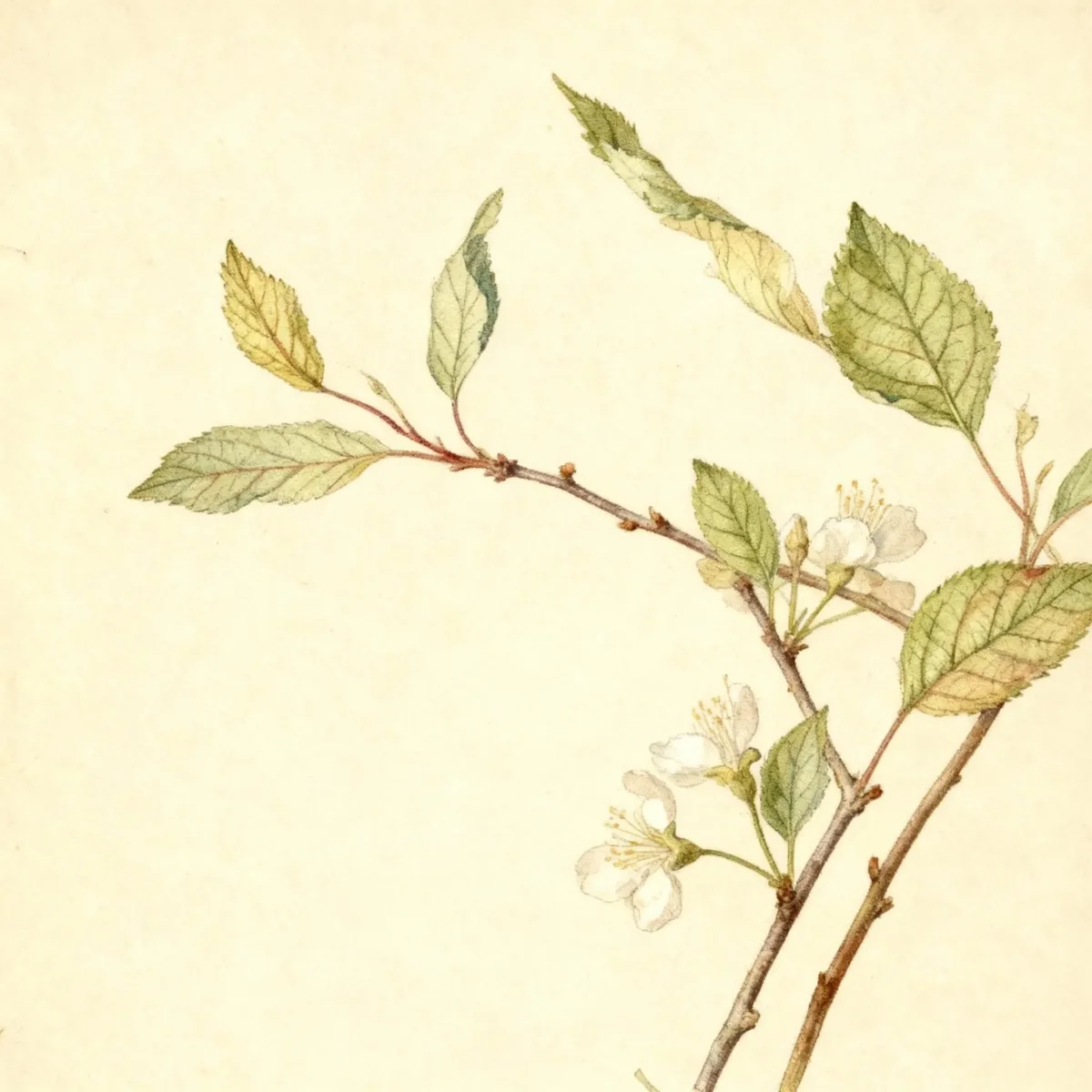
Prunus cerasifera, or cherry plum, originates in western Asia and the Caucasus, though it is now widely grown as a cultivated ornamental. The cultivar ‘Newport’ specifically develops into a small, rounded deciduous tree or large shrub, typically reaching 15 to 20 feet tall. Its primary visual appeal stems from its foliage, which emerges light bronze-purple, darkens to deep purple in summer, and finishes with red tones in autumn, all highlighted by early spring’s fragrant, pale pink flowers, preceding the 1-inch edible fruit.
Tolerances
This section is not populated based on provided data.
Potential Problems
The Prunus cerasifera ‘Newport’ is susceptible to a substantial number of common insect and disease pests, necessitating its “High” maintenance classification. Potential diseases include serious issues like black knot, leaf spot, root rot, and fireblight, which requires vigilant inspection. Insect pests that commonly target the Cherry plum include borers, various scales, aphids, and caterpillars like the tent caterpillar.
Management focuses heavily on sanitation and proper cultural care to boost inherent plant defenses. Ensure excellent air circulation by maintaining appropriate spacing and pruning at the correct time (after flowering). Immediate removal of diseased wood, especially when dealing with fungal problems or cankers, is necessary to prevent widespread infection. Consult with local agricultural extensions if symptoms of severe infestation or disease appear.
Frequently Asked Questions
What hardiness zones is Cherry plum suitable for?
The Prunus cerasifera ‘Newport’ is suitable for gardeners planting in USDA Hardiness Zones 4 through 8.
How large does Prunus cerasifera ‘Newport’ grow?
At maturity, this plant typically reaches a height between 15 and 20 feet, with a comparable spread of 15 to 20 feet, forming a dense, rounded silhouette.
What sun exposure does Cherry plum need?
The best flowering and most intense purple foliage color occurs when the Prunus cerasifera ‘Newport’ is situated in a location receiving full sun.
When does Prunus cerasifera ‘Newport’ bloom?
This variety blooms in April, producing flowers described as white to pale pink and very fragrant.
Conclusion
The Prunus cerasifera ‘Newport’ offers gardeners a high-impact specimen defined by its fragrant spring display and reliably deep purple summer foliage. While it demands a high level of maintenance due to pest and disease susceptibility, its ornamental value justifies the effort for dedicated gardeners. Before planting this valuable Cherry plum, ensure your site aligns with USDA Zones 4-8 and that you can commit to post-bloom pruning and monitoring for best results.
Companion Planting
Selecting appropriate companions for the Cherry plum is key to maximizing visual contrast and minimizing shared disease pressures. Since Prunus cerasifera ‘Newport’ is a sun-lover that appreciates medium, well-drained soils, pair it with perennials and shrubs that share similar low-water, bright-light needs. Consider silvery foliage plants, like Artemisia or blue oat grass, to make the dark purple leaves of the Cherry plum pop visually.
For structural planting underneath, avoid moisture-loving groundcovers which might compete negatively with the tree’s root zone or increase humidity around the base, potentially encouraging fungal issues. Instead, utilize dry-tolerant, fine-textured perennials like Sedum (low-growing varieties) or coreopsis, which bloom in contrasting yellow or white tones throughout the summer, complementing the foliage of the Prunus cerasifera ‘Newport’.
Wildlife Benefits
While primarily grown for its ornamental attributes, the early bloom time of the Cherry plum offers a critical resource for early-season pollinators emerging from winter dormancy. The white to pale pink flowers are described as fragrant and attract bees when little else is available in early spring. This flowering period provides a necessary nectar source before many summer bloomers come into their own.
The small, edible fruits (drupes) that follow are attractive to various birds and small mammals, though their somewhat tasteless nature means this tree provides less specialized feeding value than native fruiting species. Nonetheless, the dense, shrubby habit of the Prunus cerasifera ‘Newport’ offers excellent cover and nesting opportunities for smaller songbirds throughout the year. Incorporating this plant supports broader garden biodiversity.