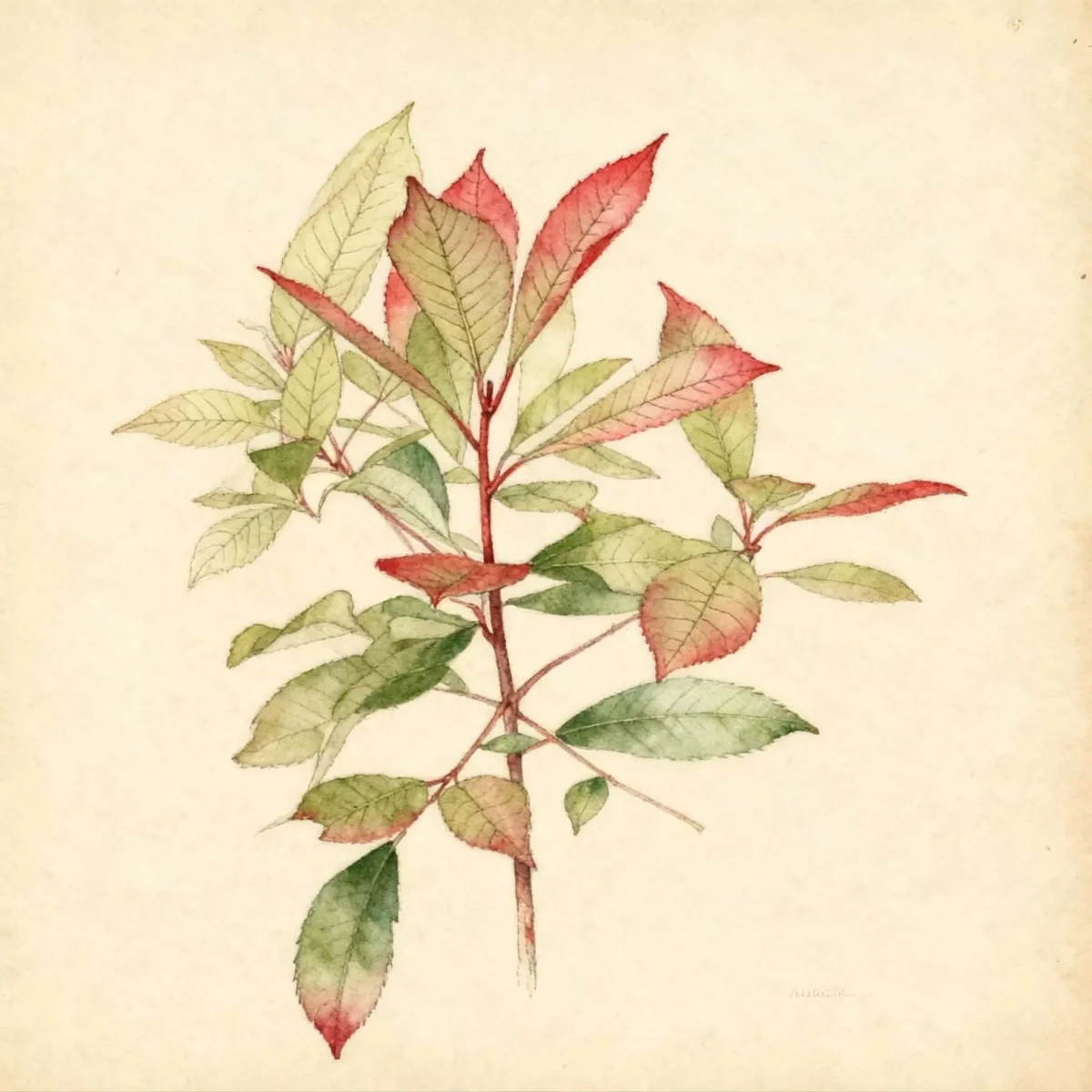
Cherry laurel (Prunus laurocerasus 'Otto Luyken')
The compact Prunus laurocerasus 'Otto Luyken' (Cherry laurel) is a low-maintenance evergreen perfect for hedges, featuring showy, fragrant spring blooms.
Scroll down to discover growing tips, care requirements, companion plants, and more
Complete Plant Information
Overview
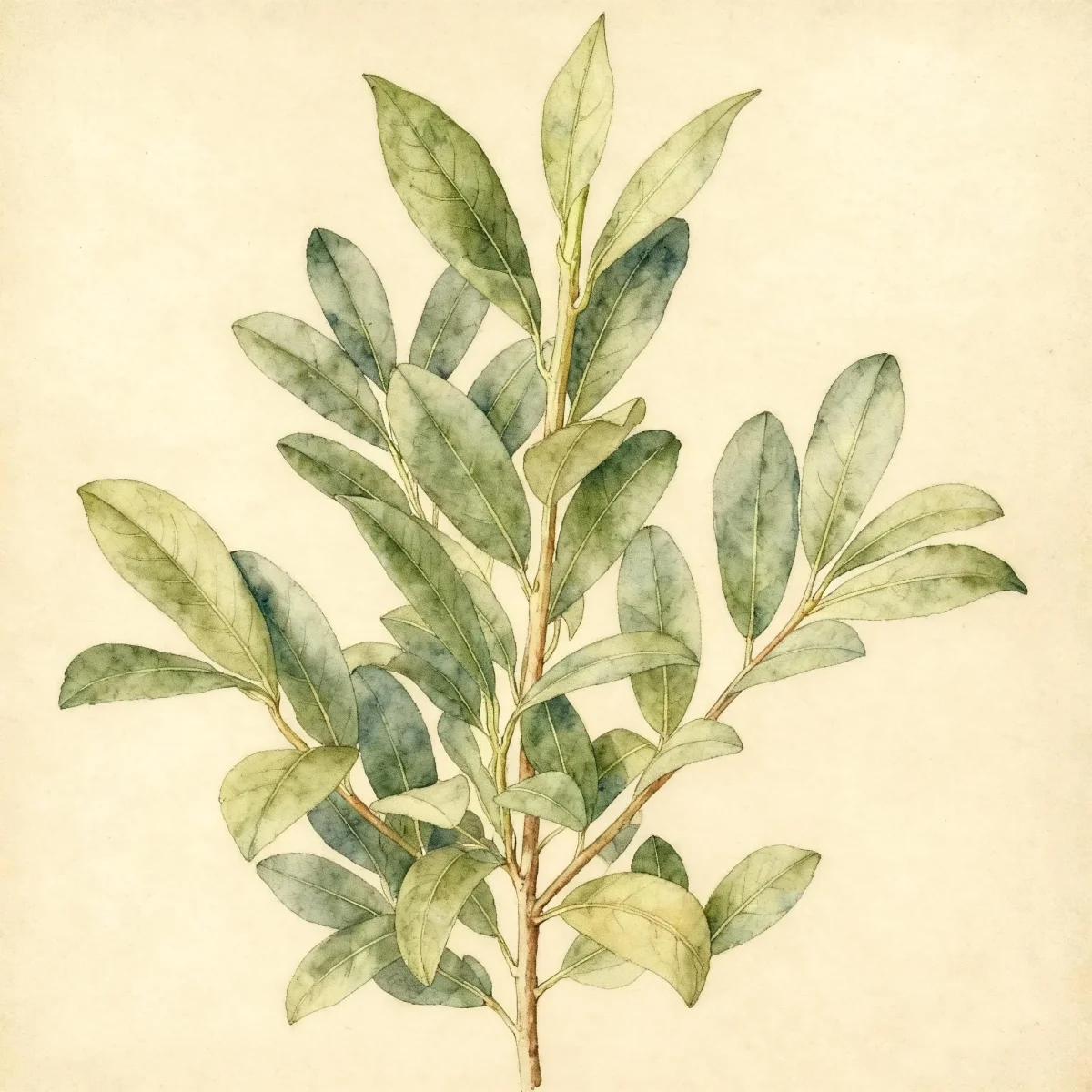
Prunus laurocerasus ‘Otto Luyken’ is a highly valued compact cultivar of the well-known Cherry laurel, offering dense, lustrous evergreen foliage year-round. Gardeners prize this shrub for its tidy growth habit, making it an excellent foundation plant where space is a consideration. It provides superb screening value without the massive size often associated with standard cherry laurel varieties.
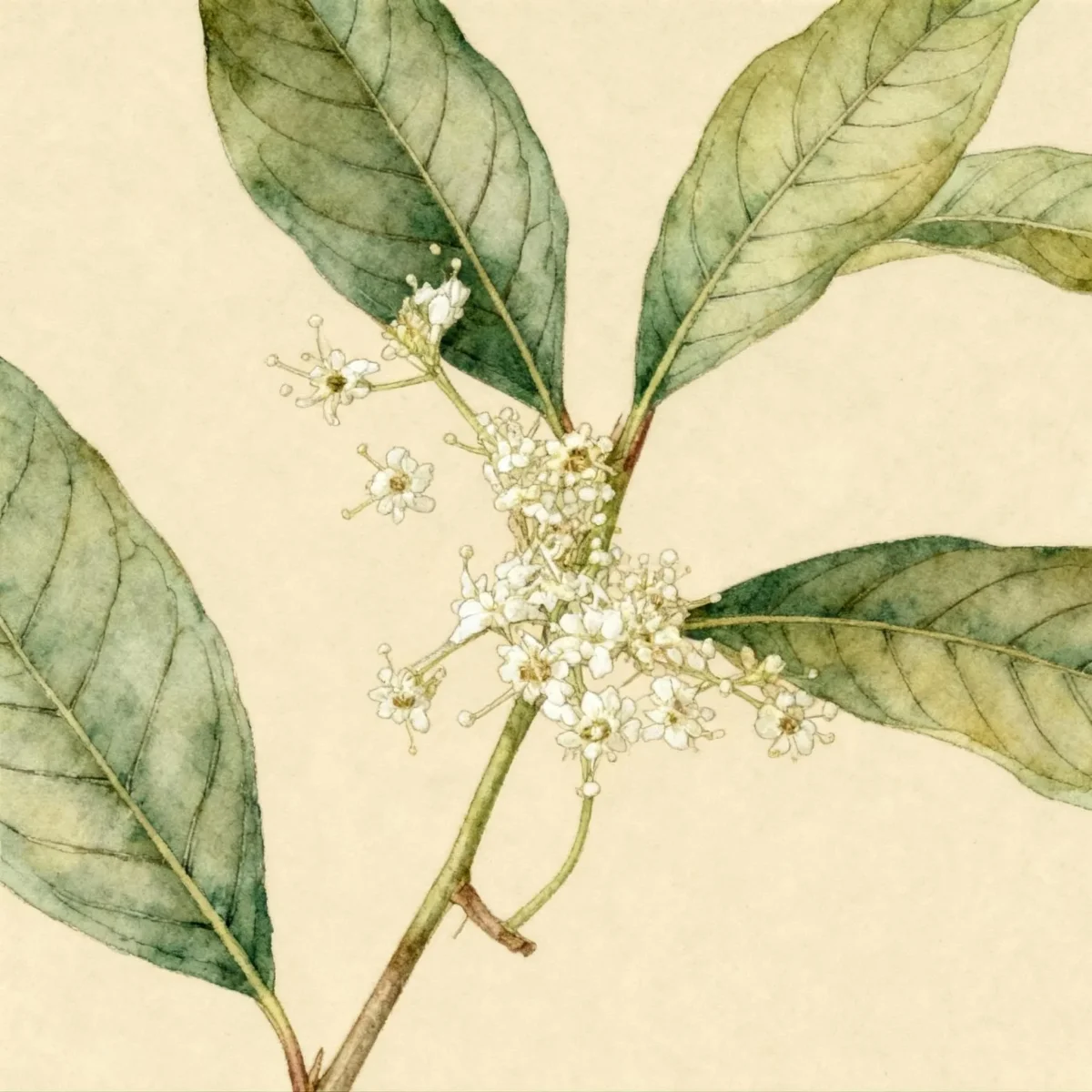
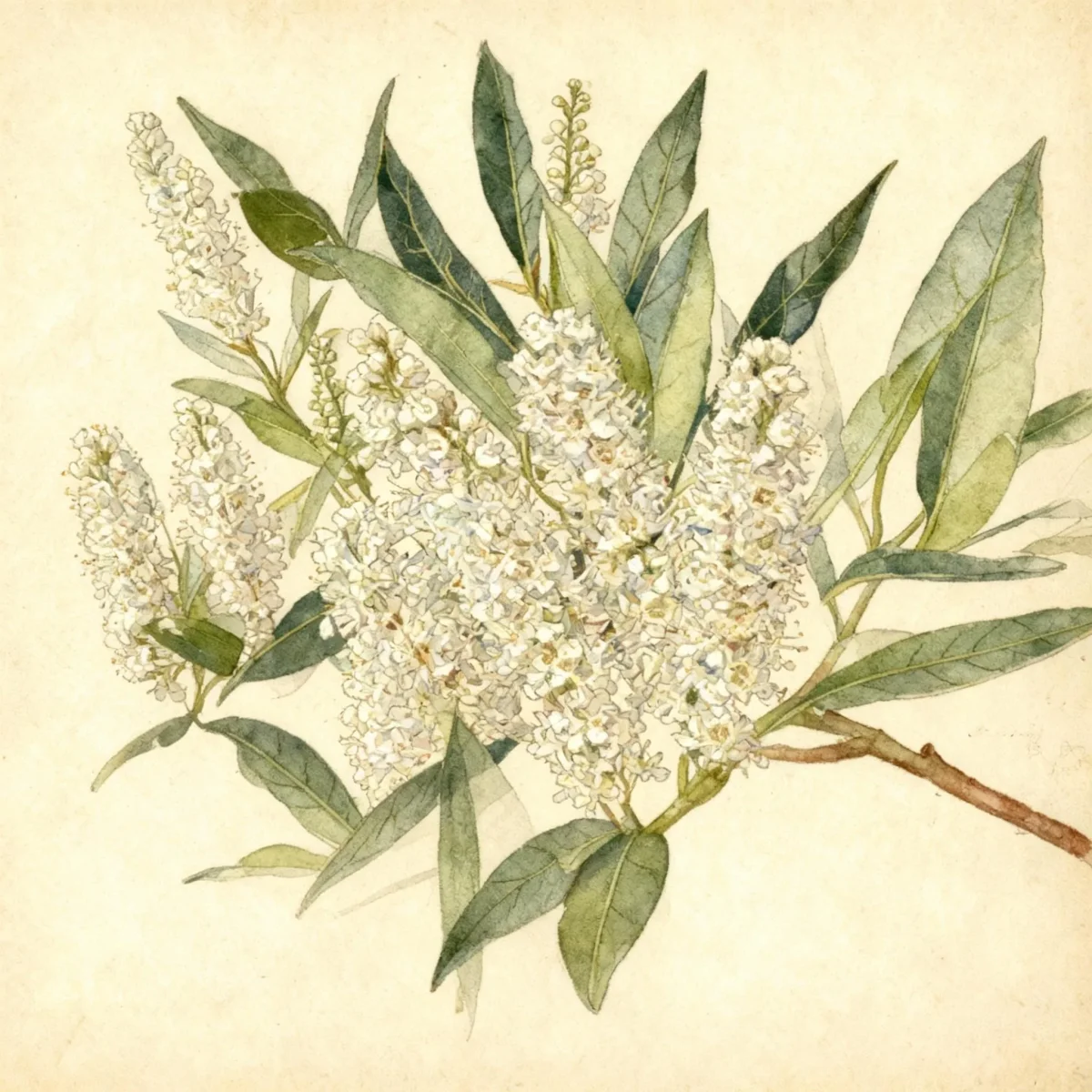
A major aesthetic draw of Prunus laurocerasus ‘Otto Luyken’ is its beautiful spring display. Tiny, creamy white flowers emerge in upright clusters during April and May, filling the air with a powerful, pleasant aroma. This evergreen maintains its value through the seasons, offering dependable structure and deep green color, even tolerating significant shade once established.
With its low maintenance needs and adaptability across USDA Zones 6 to 8, the ‘Otto Luyken’ cultivar is exceptionally functional. Whether used as a formal low hedge or as a standalone specimen, this Cherry laurel provides excellent coverage and structure, proving reliable for many landscape applications.
Fast Facts
- Plant Family: Rosaceae
- Plant Type: Broadleaf evergreen
- Hardiness Zones: USDA Zones 6-8
- Size at Maturity:
- Height: 3-4 ft
- Spread: 6-8 ft
- Bloom Time: April to May
- Bloom Description: Creamy white
- Sun Exposure: Full sun to part shade
- Water Needs: Medium
- Maintenance Level: Low
How to Grow
The best time to plant the Cherry laurel is typically during the spring or fall when temperatures are moderate, allowing the root system to establish before summer heat or winter cold stress. For optimal performance, site Prunus laurocerasus ‘Otto Luyken’ in locations with moist, organically rich, well-drained soil. Good soil drainage is absolutely essential to prevent root issues common to this species.
Water consistently, especially during the first year after planting, to maintain that medium moisture level required for healthy growth. While established plants are somewhat drought-tolerant, regular watering during dry spells ensures the finest foliage display. Fertilization is rarely necessary if the soil is rich, but a balanced slow-release fertilizer in early spring can encourage vigorous new growth.
Pruning for this compact cultivar should be minimal; prune only as needed immediately after flowering concludes in late spring. Heavy pruning should be avoided to maintain its natural compact form. Gardeners in Zone 6 may prefer sunnier spots for better winter insulation, while those in Zone 8 often achieve better results planting Prunus laurocerasus ‘Otto Luyken’ in partial shade to guard against scorching summer sun.
Landscape Uses
The smaller stature of Prunus laurocerasus ‘Otto Luyken’ makes it an outstanding choice for uses where standard Prunus laurocerasus would be overwhelming. It excels when planted closely together to form a neat, low hedge or border along pathways or foundational plantings. Its dense habit makes it suitable for creating low screens where height is less critical than bulk and structure.
Due to its evergreen nature and tolerance for shade, this Cherry laurel works beautifully in woodland garden settings or mass plantings beneath taller deciduous trees. It contrasts well with fine-textured or brightly colored deciduous shrubs. Consider using it as a year-round anchor in mixed perennial borders, providing necessary bulk when herbaceous plants die back for the winter.
For formal designs, the ‘Otto Luyken’ lends itself well to disciplined shearing, though it remains attractive with minimal shaping. Its reliability and low maintenance profile mean it requires minimal ongoing fuss once established, freeing up time for other garden tasks.
Standout Features
Flower Qualities
- Showy
- Fragrant
Fruit Qualities
- Showy
Noteworthy Characteristics
Prunus laurocerasus commonly called cherry laurel or English laurel is a broad, dense, spreading, evergreen shrub that in cultivation typically matures over time to 10-18’ tall with a spread to 20-25’. The cultivar ‘Otto Luyken’ significantly differs, growing only 3-4 feet tall and spreading to 6-8 feet, though it can reach 6-10 feet over many years. It is notable for its free-flowering nature, offering upright clusters of tiny, creamy white flowers in spring that possess a powerful fragrance. This specific cultivar was introduced around 1968, making it a modern staple for dense, low evergreen coverage.
Tolerances
- Heavy Shade
Potential Problems
While Cherry laurel exhibits better pest resistance than many other Prunus species, gardeners should remain aware of potential fungal issues. Susceptibility to shot-hole disease and powdery mildew means good air circulation is important, particularly in humid climates. Root rot remains a primary concern if soil drainage is poor, reinforcing the need for well-drained sites during planting.
If leaf spotting occurs, it may indicate the onset of shot-hole disease; management often involves removing infected leaves and ensuring canopy dryness after rain or watering. Applying fungicides is a drastic measure; focus first on environmental controls like proper spacing.
Frequently Asked Questions
What hardiness zones is Cherry laurel suitable for?
Prunus laurocerasus ‘Otto Luyken’ is reliably hardy in USDA Zones 6 through 8.
How large does Prunus laurocerasus ‘Otto Luyken’ grow?
This compact cultivar typically reaches a height of 3 to 4 feet, spreading 6 to 8 feet wide at maturity.
What sun exposure does Cherry laurel need?
It thrives best in full sun to part shade locations, showing adaptability to various light conditions.
When does Prunus laurocerasus ‘Otto Luyken’ bloom?
This plant blooms reliably in the spring, specifically from April to May, producing attractive, creamy white flowers.
Conclusion
The ‘Otto Luyken’ Cherry laurel stands out as a superb, low-maintenance evergreen highly effective for structured planting beds and low hedging due to its reliably compact size. Its fragrant spring flowers and rich evergreen foliage ensure year-round aesthetic appeal, fulfilling landscape roles where standard versions would quickly become overgrown. Before planting, confirm that your location falls within USDA Zones 6-8 and ensure your soil provides the necessary excellent drainage for long-term success with this durable shrub.
Companion Planting
When integrating Prunus laurocerasus ‘Otto Luyken’ into a landscape design, consider companions that share similar environmental needs, specifically well-drained soil and a preference for sun to part shade. Plants that thrive in the dappled light beneath larger trees, such as Hellebores (Helleborus), work wonderfully alongside the Cherry laurel, providing ground cover interest during the otherwise bare winter months. Hostas and ferns are excellent choices for shadier borders where the ‘Otto Luyken’ provides a backdrop of dark green evergreen structure.
For a layered look, pair this shrub with late-season bloomers or plants offering contrasting foliage texture. Dwarf conifers or low-growing evergreen Euonymus varieties can complement the broad leaves of the Cherry laurel while maintaining year-round structure. Since this shrub is low maintenance, selecting companion plants that are equally low-fuss (like ornamental grasses that require only annual cutting back) helps keep the entire section easy to manage.
Design Ideas for Compact Evergreens
The manageable height of the Prunus laurocerasus ‘Otto Luyken’ prevents it from overwhelming smaller garden spaces or tight urban lots. Use it liberally to line foundation walls, providing a soft but defined border between the structure and the lawn or garden beds. Its dense nature makes it effective in creating staggered layers—plant a row of ‘Otto Luyken’ in front of taller evergreen screens for depth perception.
This cultivar performs exceptionally well in modern, minimalist landscape designs where clean lines are desired. Because it naturally resists developing overly long limbs, it requires less intrusive shearing to maintain a contemporary, rectangular shape compared to many other hedging evergreens. It also serves admirably as year-round textural interest in modern container arrangements, provided the container has superior drainage.