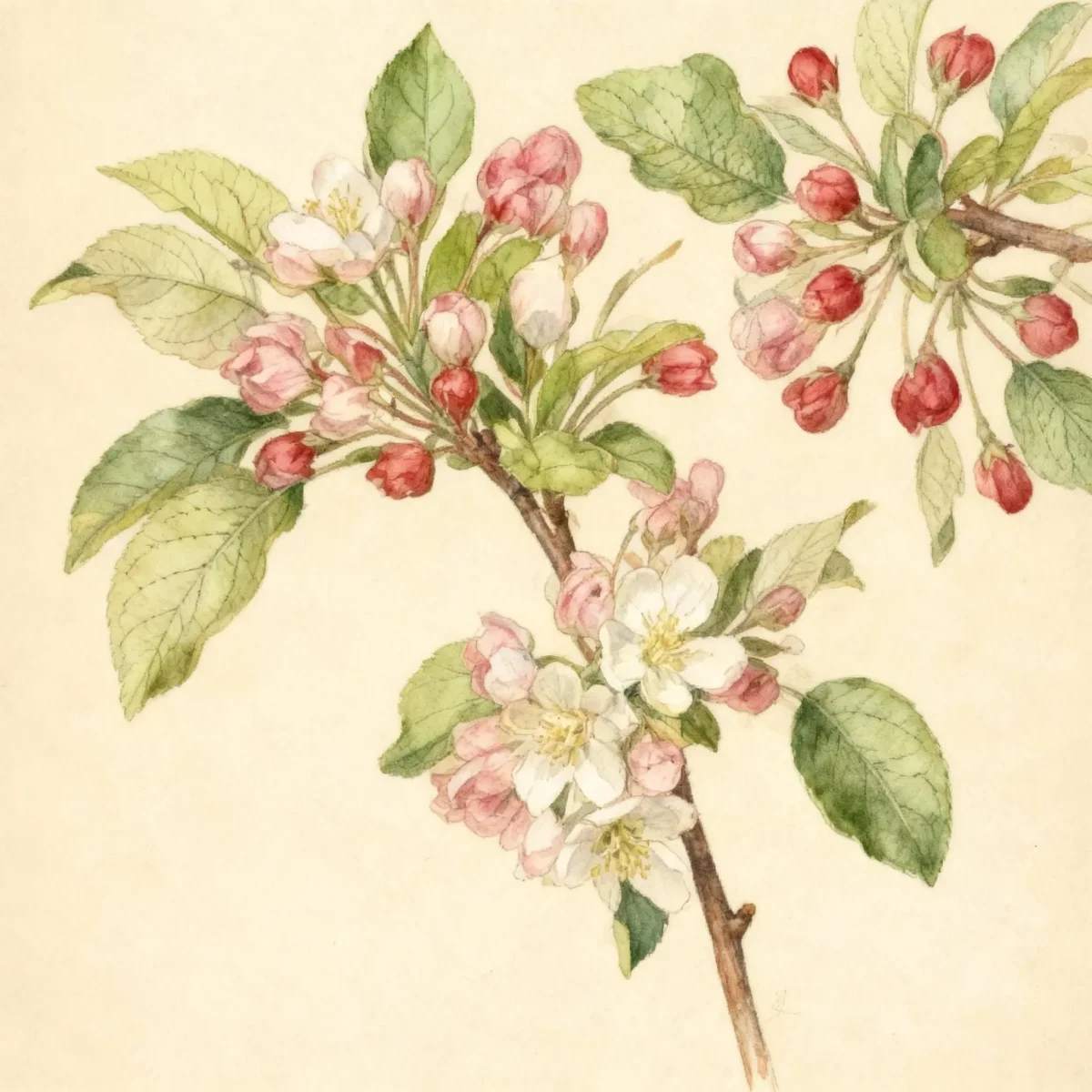
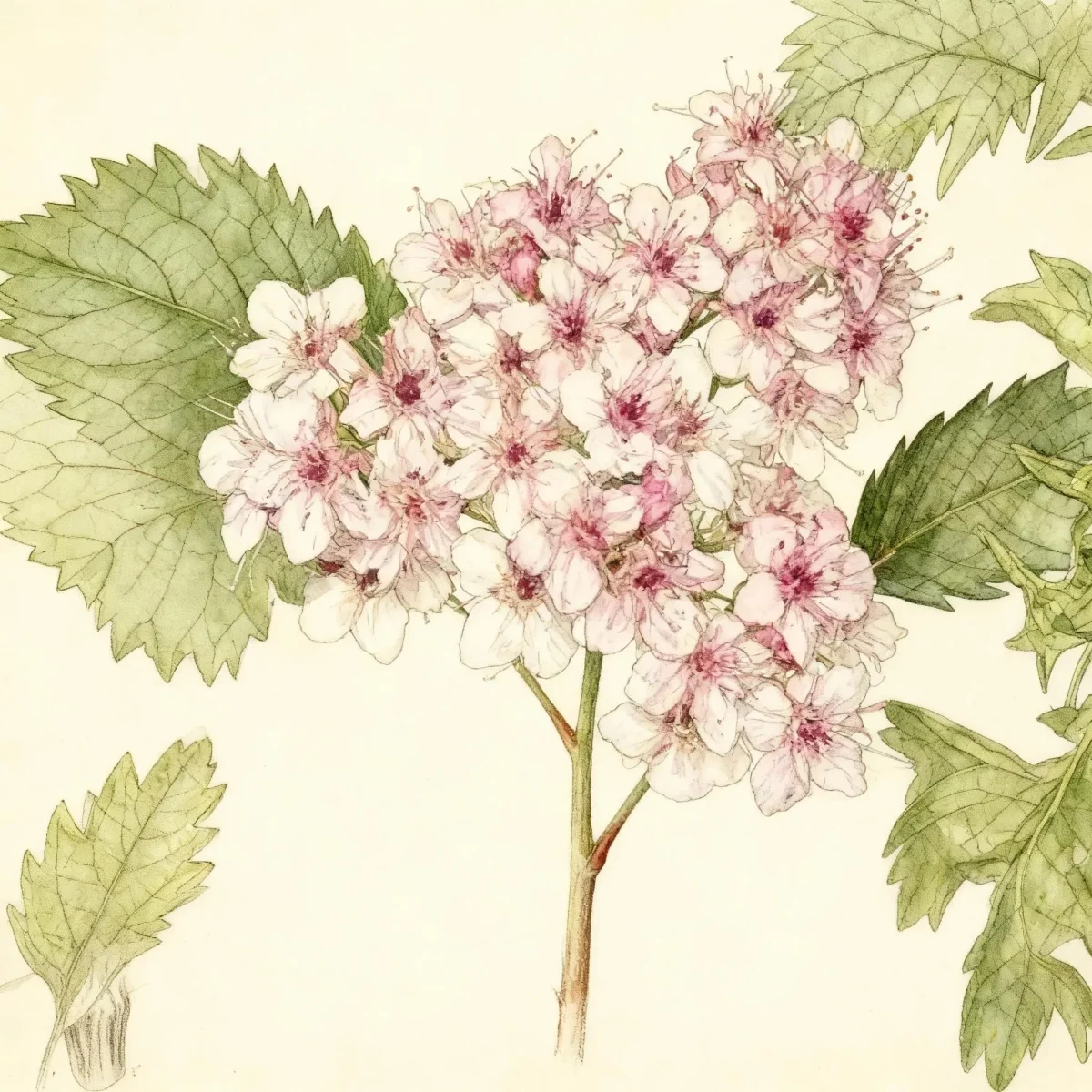
Ornamental peach (Prunus persica 'Bonfire')
Prunus persica 'Bonfire' is a dwarf Ornamental peach offering deep red foliage and double pink-red blooms in early spring.
Scroll down to discover growing tips, care requirements, companion plants, and more

Complete Plant Information
Overview
The Prunus persica ‘Bonfire’, commonly known as the Ornamental peach, provides outstanding visual impact starting in very early spring. Gardeners prize this dwarf cultivar not just for its profuse, delicate flowers, but also for its persistent, dark red foliage that remains eye-catching throughout the entire growing season. This selection offers the beauty of a traditional peach tree in a more manageable shrub form.
Originating from the species native to China, this Ornamental peach is valued chiefly for its aesthetic qualities rather than its fruit. The Prunus persica ‘Bonfire’ typically matures quickly into a dense, rounded shrub reaching about four to six feet tall and wide. Its commitment to color makes it an excellent focal point specimen where deep, contrasting foliage is desired near brighter greens.
While the small, peach-like fruits are technically inedible and often obscured by the dense leaves, the early spring show of double pink-red flowers signals the true awakening of the garden. Due to its demanding care schedule, prospective gardeners should note that this specimen requires high maintenance to look its best.
Fast Facts
- Plant Family: Rosaceae
- Plant Type: Deciduous shrub
- Hardiness Zones: USDA Zones 5-8
- Size at Maturity:
- Height: 4-6 ft
- Spread: 4-6 ft
- Bloom Time: April
- Bloom Description: Pink to red
- Sun Exposure: Full sun
- Water Needs: Medium
- Maintenance Level: High
How to Grow
For optimal vigor and flower production, establish your Prunus persica ‘Bonfire’ during the dormant season, ideally in early spring or late fall, allowing the roots to settle before the stress of summer heat. Success hinges on superior drainage; this Ornamental peach requires well-drained soil to prevent root issues. While it thrives in average soil conditions, it shows a preference for moist, slightly acidic profiles, so amending heavy clay soil with compost is highly recommended during planting.
Watering needs are listed as medium, meaning the soil should not be allowed to become bone dry between irrigation events, especially during establishment and hot, dry periods. Consistent moisture supports both the lush foliage and the development of those critical spring blossoms. Fertilization should be approached cautiously; while peaches benefit from feeding, over-application can promote excessive leafy growth at the expense of flowers. Stick to a balanced, slow-release fertilizer applied once in early spring if soil tests indicate a deficiency.
Pruning should focus on maintaining the desired dwarf shape and removing any crossing or dead wood immediately after flowering concludes. Avoid heavy pruning late in the season, as this can stimulate tender new growth susceptible to frost damage the following winter. Protecting the plant from harsh winds and late frosts is crucial, as cold temperatures can severely impair bud development before the lovely April bloom arrives.
Landscape Uses
The Ornamental peach, especially the compact Prunus persica ‘Bonfire’, excels where a burst of early color and long-lasting dark foliage are required. Its relatively small mature size makes it perfect for use as a specimen plant in smaller yards, providing vertical interest without overwhelming the space. It performs beautifully when planted near the front of a mixed shrub border, contrasting well against plants with chartreuse or silver foliage.
Consider placing the Prunus persica ‘Bonfire’ where its spring flowers can be easily viewed up close, perhaps near a patio or entryway. The deep color of the leaves serves as an excellent foil for spring-flowering bulbs like daffodils or tulips, tying together the transition from winter dormancy. While they develop inedible fruit, the density of the foliage can offer some privacy screening when planted in a group of three or more.
Standout Features
Flower Qualities
- Showy
- Fragrant
Noteworthy Characteristics
Prunus persica, commonly called peach, is native to China and is generally lauded for its luscious fruit, though ornamental cultivars like this are chiefly grown for their striking flowers and inedible fruits. Species trees can reach 25’ tall, but the Prunus persica ‘Bonfire’ is a registered dwarf shrub, generally topping out around 5 feet after several years, thanks to careful grafting onto rootstocks that control size. This specific variety captivates with attractive, dark red leaves that provide season-long color, complemented by double pink-red flowers appearing very early in spring.
Tolerances
(No data provided for specific tolerances)
Potential Problems
Peaches generally are susceptible to numerous insect problems, including peach twig borer, aphids, spider mites, and scale. Gardeners must be vigilant in inspecting the foliage and branches regularly for signs of initial infestation.
Disease pressure is also significant, with susceptibility noted for peach scab, peach leaf curl, various leaf spots, bacterial canker, root rot, and mildew. Ensuring excellent air circulation through proper spacing and pruning, alongside strictly meeting the well-drained soil requirement, is the best preventative measure against many of these fungal and bacterial issues. Promptly removing blighted or infected material is essential for management.
Furthermore, the incredibly early bloom time of the Ornamental peach can sometimes be its downfall; flowering may be severely impaired or lost entirely due to unexpected cold winter temperatures or subsequent late spring frosts. Site the plant in the warmest microclimate available in your yard to maximize bloom survival.
Frequently Asked Questions
What hardiness zones is Ornamental peach suitable for?
The Prunus persica ‘Bonfire’ is reliably hardy in USDA Zones 5 through 8. Always ensure your planting location is within this range before establishing this variety.
How large does Prunus persica ‘Bonfire’ grow?
This is a dwarf selection, typically maturing to a height between 4 and 6 feet, with a corresponding spread of 4 to 6 feet wide.
When does Ornamental peach bloom?
The Prunus persica ‘Bonfire’ is prized for its very early bloom time, usually occurring in April, featuring showy, fragrant pink to red flowers.
What sun exposure does Prunus persica ‘Bonfire’ need?
For the best flowering and the deepest retention of its signature dark red foliage, this Ornamental peach requires full sun exposure throughout the day.
Conclusion
Choosing Prunus persica ‘Bonfire’ introduces dramatic year-round color and an exciting promise of early spring blossoms to the garden landscape. Its compact size makes the high maintenance requirements manageable for dedicated home gardeners looking for high impact. Before planting, confirm your USDA hardiness zone and prepare your site to meet its needs for full sun and highly well-drained soil to enjoy this stunning Ornamental peach.
Companion Planting
Selecting appropriate neighbors is key when managing the high-maintenance needs of the Prunus persica ‘Bonfire’. Because this Ornamental peach prefers consistently moist yet acidic soil, pair it with acid-loving shrubs that share similar cultural requirements, such as Azaleas, Rhododendrons, or Japanese Maples. These plants provide textural and color contrast without competing aggressively for nutrients or moisture profiles that differ drastically.
Avoid placing the Prunus persica ‘Bonfire’ near drought-tolerant perennials or native grasses, as the irrigation schedule needed to keep the peach happy might lead to rot or over-saturation for its drier companions. The dark red foliage sets off bright accents well, so surrounding it with blue or silver-leaved plants can enhance its visual pop while maintaining similar soil preferences.
Seasonal Care Calendar
Early spring, right as the buds swell or just before flowering, is the ideal time to apply a balanced, slow-release fertilizer around the drip line of the Prunus persica ‘Bonfire’. This application supports developing flowers and foliage without encouraging excessive, late-season growth. Pruning should be completed immediately following the bloom period to shape the shrub and remove any stray branches, as pruning later will remove next year’s flower buds.
Summer maintenance focuses heavily on observation and soil moisture. Monitor the medium water needs closely; supplement irrigation during prolonged dry spells to keep the root zone evenly moist, but ensure water drains away freely. Late summer and fall are critical periods for monitoring pests; apply dormant oil sprays in the late winter, before buds break, to mitigate potential overwintering insects that cause problems later in the season.