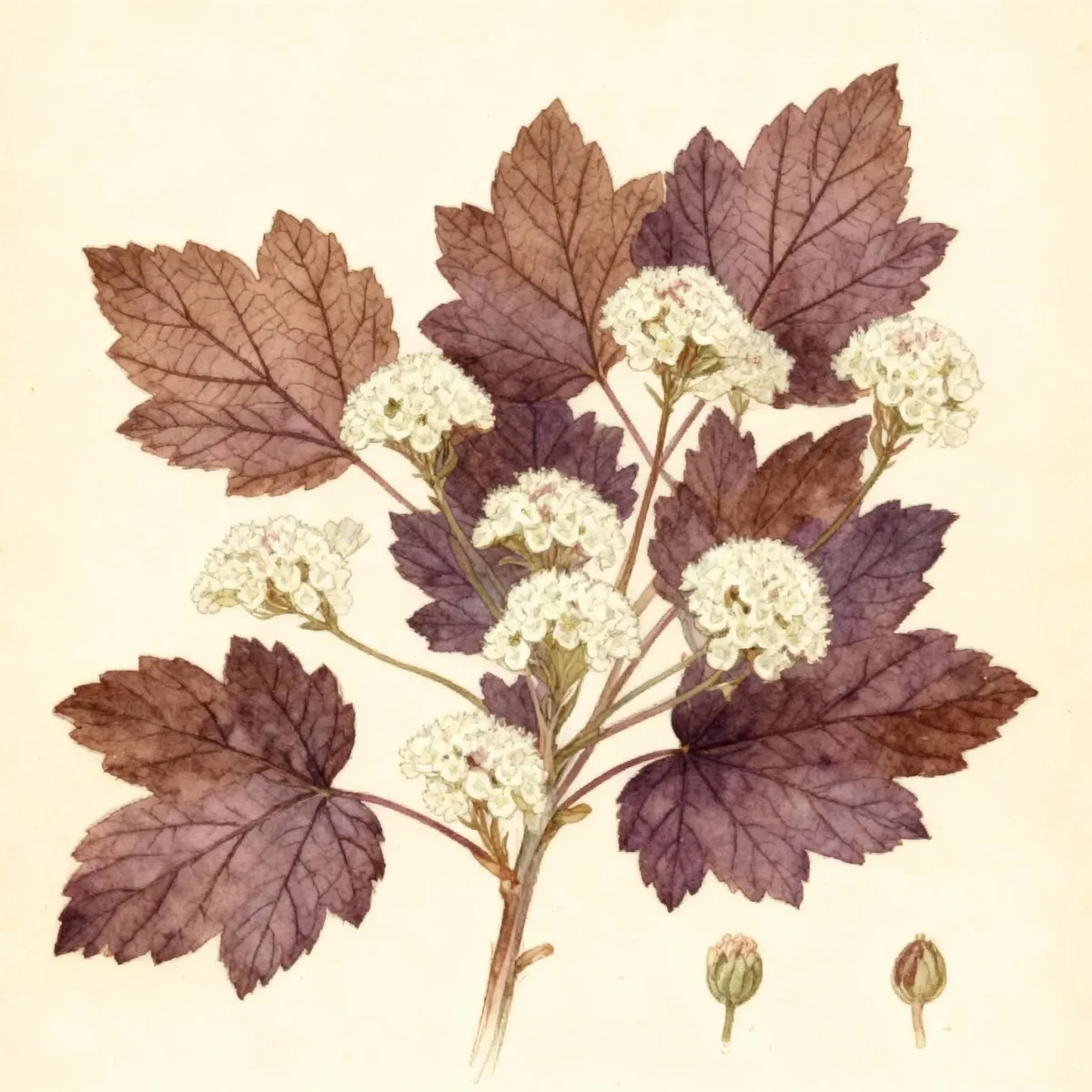
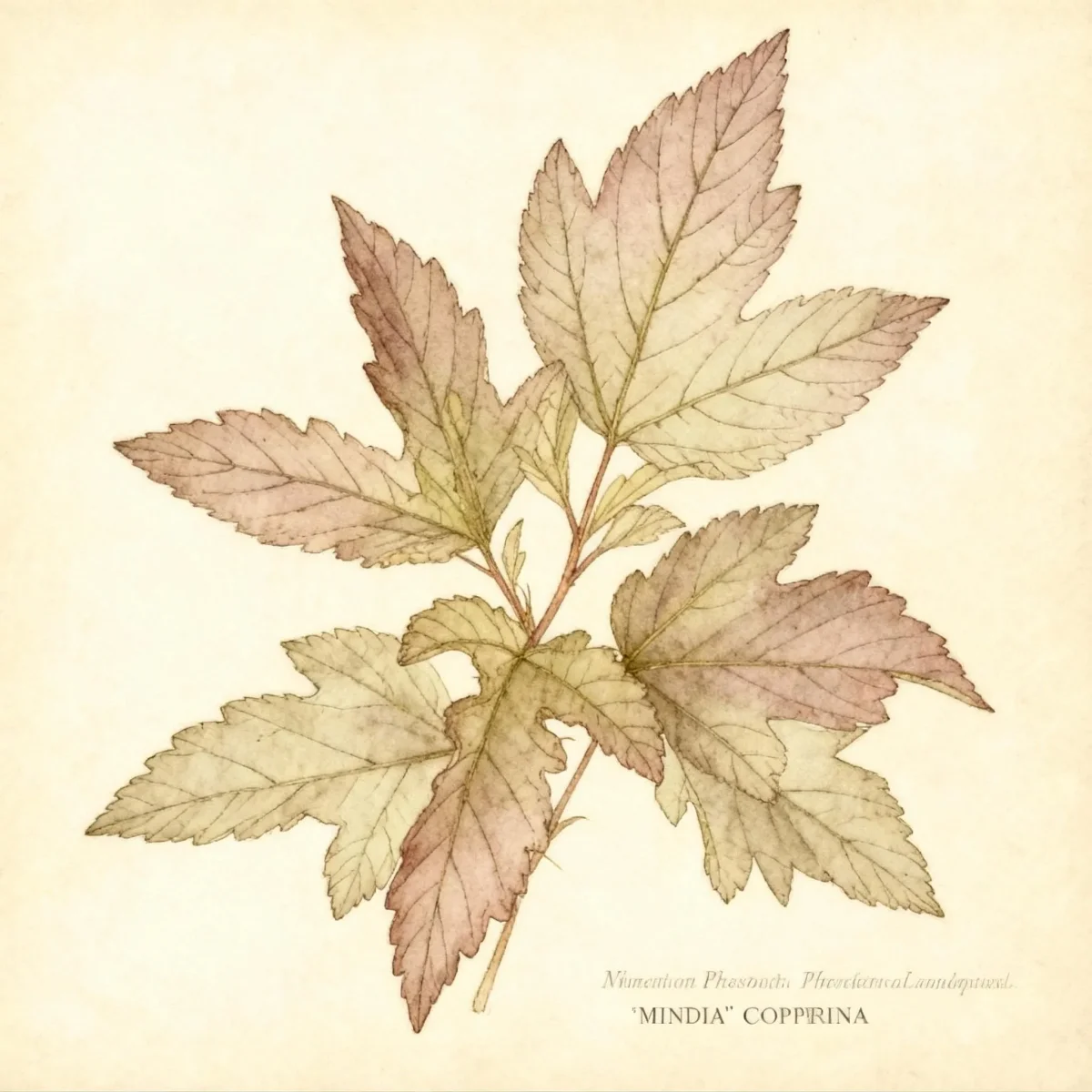
Chokecherry (Prunus virginiana 'Schubert')
Prunus virginiana 'Schubert' (Chokecherry) is a striking tree known for its purple foliage, white spring blooms, and dark fall fruit. Hardy Zones 2-7.
Scroll down to discover growing tips, care requirements, companion plants, and more
Complete Plant Information
Overview
Prunus virginiana ‘Schubert’, commonly known as purpleleaf chokecherry, offers significant ornamental value primarily through its dark, rich purple foliage that remains color-consistent through the summer months. This deciduous tree provides structure and seasonal interest, transitioning from fragrant white blossoms in spring to dark fruit enjoyed by wildlife later in the year. As a cultivar of the native Chokecherry, it adapts well to many less-than-ideal garden conditions once established.
Growing to a mature height of 20 to 30 feet, this variety features an irregular, oval-rounded crown. While the wild species readily suckers, landscape cultivars like Prunus virginiana ‘Schubert’ are prized additions for hedges or as specimen flowering trees where their unique coloring complements surrounding greens. Gardeners should note that while the plant is generally adaptable, its striking appearance is best achieved with appropriate site selection.
Fast Facts
- Plant Family: Rosaceae
- Plant Type: Tree
- Hardiness Zones: USDA Zones 2-7
- Size at Maturity:
- Height: 20-30 ft
- Spread: 15-20 ft
- Bloom Time: April to May
- Bloom Description: White
- Sun Exposure: Full sun to part shade
- Water Needs: Dry to medium
- Maintenance Level: Medium
How to Grow
Plant Prunus virginiana ‘Schubert’ during its dormant season—early spring or late fall—to allow it time to establish before summer heat. This plant thrives in average soils, provided they are well-drained. While it tolerates part shade, prioritizing a location that receives full sun will ensure the richest development of its signature purple foliage and the best flowering display.
Water newly planted trees regularly until they are established. Mature Chokecherry is reasonably drought tolerant, fitting well into dry to medium moisture regimes once established. Avoid excessive fertilization, as this can sometimes encourage overly vigorous, weak new growth susceptible to pest pressure or breakage.
Maintenance for this Chokecherry cultivar centers on structure and spread control. Plants may sucker, especially if the base is damaged or stressed. Promptly remove any unwanted suckers emerging from the roots or base to maintain the desired single-tree form and prevent unwanted colony formation. Due to weak wood, be prepared to prune away crossing or damaged branches, especially after heavy ice or snow events.
Landscape Uses
The adaptable nature of Prunus virginiana ‘Schubert’ makes it highly versatile in various landscape designs. Its deep purple foliage sets it apart, making it excellent for use in shrub borders or as a specimen flowering tree positioned against lighter-colored architecture or evergreen backdrops. When planted closely together, their upright habit functions effectively as a dense, colorful hedge, providing excellent screening.
For a more naturalistic approach, this Chokecherry can be incorporated into open woodland gardens or designated native plant areas where its tendency to spread slightly via suckering can be embraced. In these settings, allow it to naturalize for texture, or strategically manage suckers if keeping the area tidy is paramount. The contrast between the purple leaves and the white spring flowers is a key design element to exploit.
Standout Features
Flower Qualities
- Showy
Fruit Qualities
- Showy
- Edible
Noteworthy Characteristics
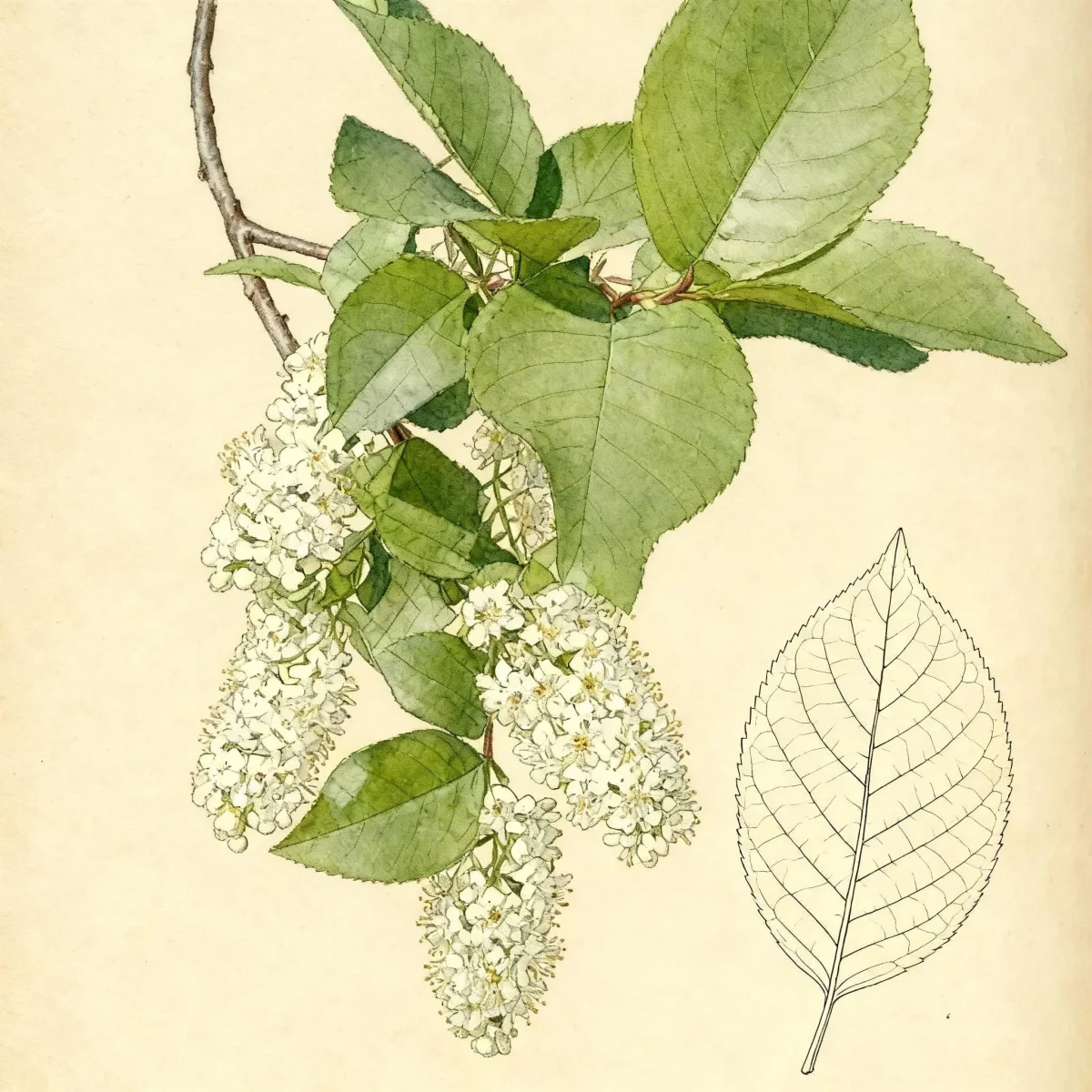
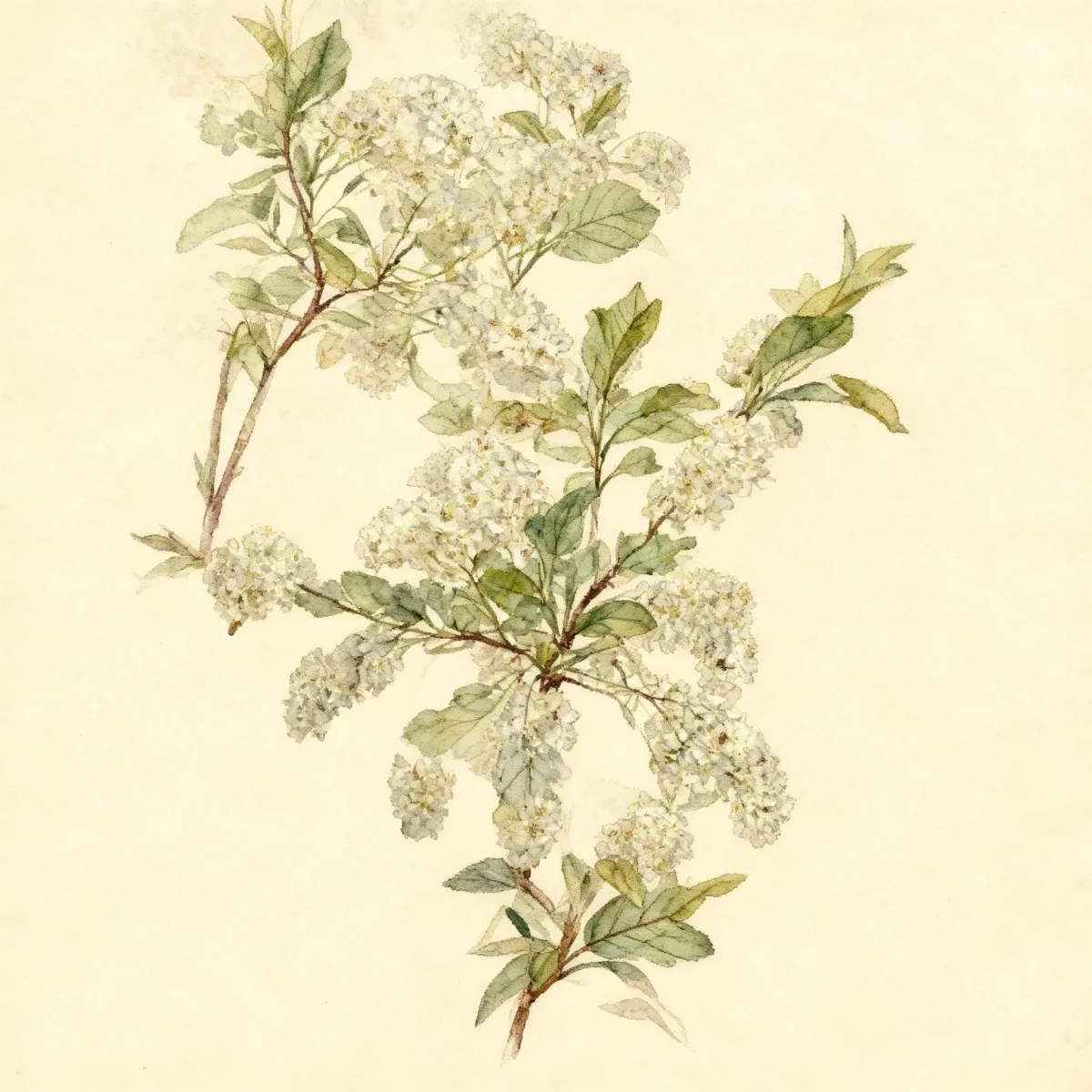
Prunus virginiana, commonly known as Chokecherry, is native across much of North America, frequently found on wooded slopes and bluffs. This specific cultivar, ‘Schubert’, is recognized for its elliptic to obovate leaves which emerge green before deepening into a dark purple by early summer, a defining feature that distinguishes it from the species. Fragrant white flowers appear in mid-spring, leading to astringent reddish-purple cherries in the fall that are highly attractive to birds and wildlife.
Tolerances
There are no specific tolerance details listed for this cultivar, aside from its general preference for dry to medium soils.
Potential Problems
Prunus virginiana ‘Schubert’ is susceptible to a wide range of insect and disease issues common to the cherry genus. Potential diseases include serious conditions like black knot, leaf spot, powdery mildew, and fireblight. Gardeners must also monitor for insect pests such as borers, aphids, scale, tent caterpillars, and Japanese beetles. Due to the potential for weak wood, heavy ice or snow accumulation in winter frequently causes branch breakage, requiring timely clean-up pruning.
Proactive management is essential; ensure good air circulation to mitigate fungal issues, and inspect foliage regularly for early signs of insect infestation. If suckering becomes excessive, ensure proper root zone health, as stressed roots often send up unwanted sprouts.
Frequently Asked Questions
What hardiness zones is Chokecherry suitable for?
Prunus virginiana ‘Schubert’ is reliably hardy across USDA Zones 2 through 7.
How large does Prunus virginiana ‘Schubert’ grow?
This tree typically reaches heights between 20 and 30 feet, with an average spread of 15 to 20 feet at maturity.
When does Chokecherry bloom?
This Chokecherry variety produces showy white flowers during the mid-to-late spring, usually spanning from April to May.
What sun exposure does Prunus virginiana ‘Schubert’ need?
For optimal performance, especially for foliage color, this tree requires full sun, though it can tolerate partial shade conditions.
Conclusion
The purple-leaved Chokecherry, or Prunus virginiana ‘Schubert’, provides remarkable year-round interest through its deep foliage, attractive spring blooms, and value to local wildlife. Its adaptability to dry to medium soils makes it a lower-fuss option for colder regions, provided you manage its suckering habit. Before planting, confirm your local garden conditions fall within USDA Zones 2-7 to ensure the long-term success of this colorful native selection.
Companion Planting
Selecting appropriate companions can enhance the aesthetic appeal and manage the potential pest pressure associated with Prunus virginiana ‘Schubert’. Since this Chokecherry performs best in full sun and tolerates dry conditions, group it with other drought-tolerant, sun-loving natives. Consider pairing it with ornamental grasses, such as Little Bluestem (Schizachyrium scoparium), whose soft texture and blueish tones beautifully contrast the dark leaves of the purpleleaf chokecherry.
For groundcover beneath the canopy, low-growing, spreading perennials that do not compete heavily for surface water are ideal. Native geraniums or species sedums can provide a tidy, dry-tolerant skirt without encroaching aggressively upon the tree’s root zone. Avoid placing highly moisture-loving plants immediately adjacent to the Chokecherry unless you can ensure localized, specialized watering.
Wildlife Benefits
One of the significant advantages of growing the native Chokecherry species, including the ‘Schubert’ selection, is its profound benefit to regional wildlife populations. The fragrant, clustered white flowers blooming in April and May serve as an important early-season nectar source for numerous pollinators, including various native bees and early-emerging butterflies.
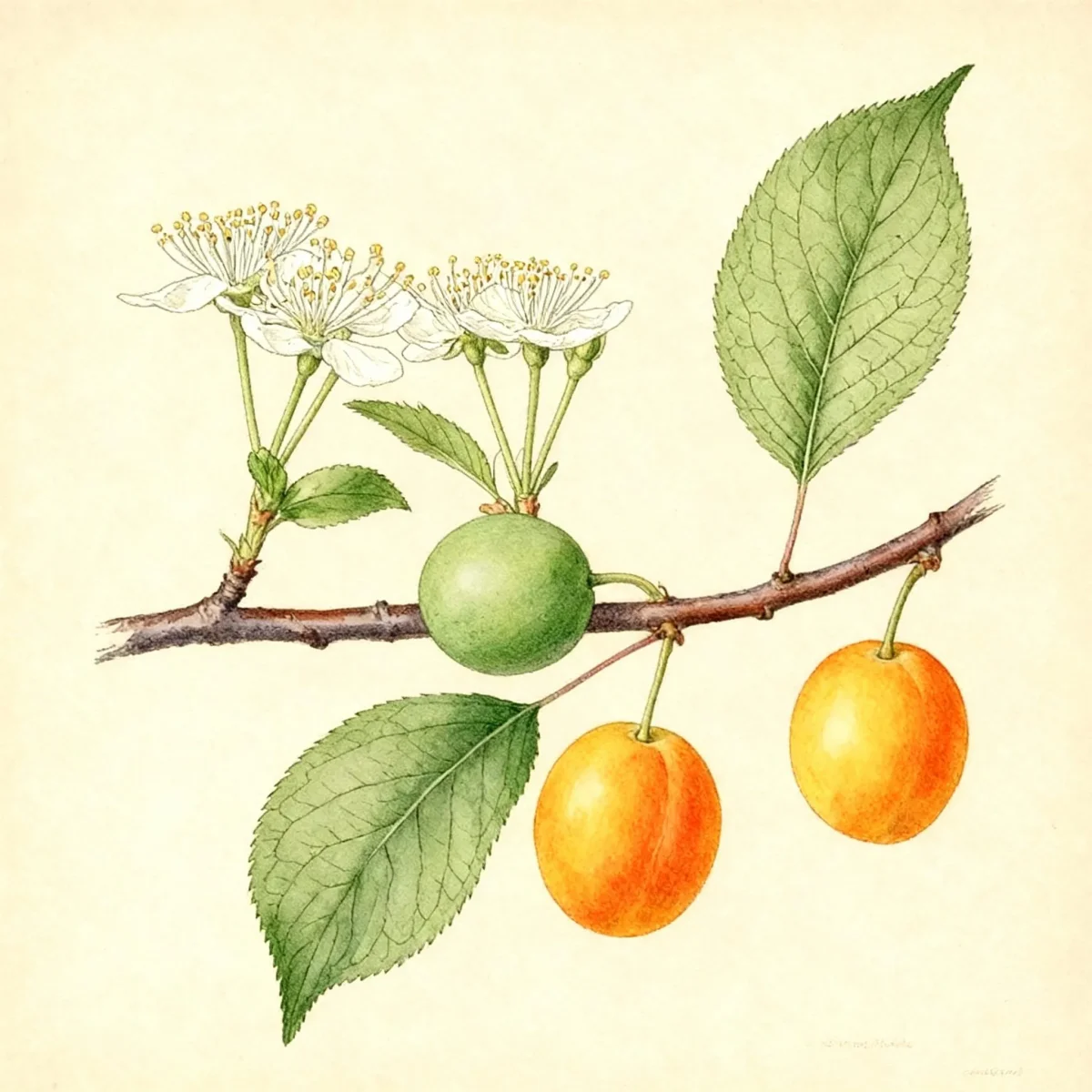
Later in the season, the small cherries provide critical sustenance. While too astringent for most people to consume directly off the tree, these fruits ripen to a dark purple attractive to robins, cedar waxwings, and other fruit-eating birds. Allowing some fruit to remain on the branches ensures a natural food source is available late into the growing season.