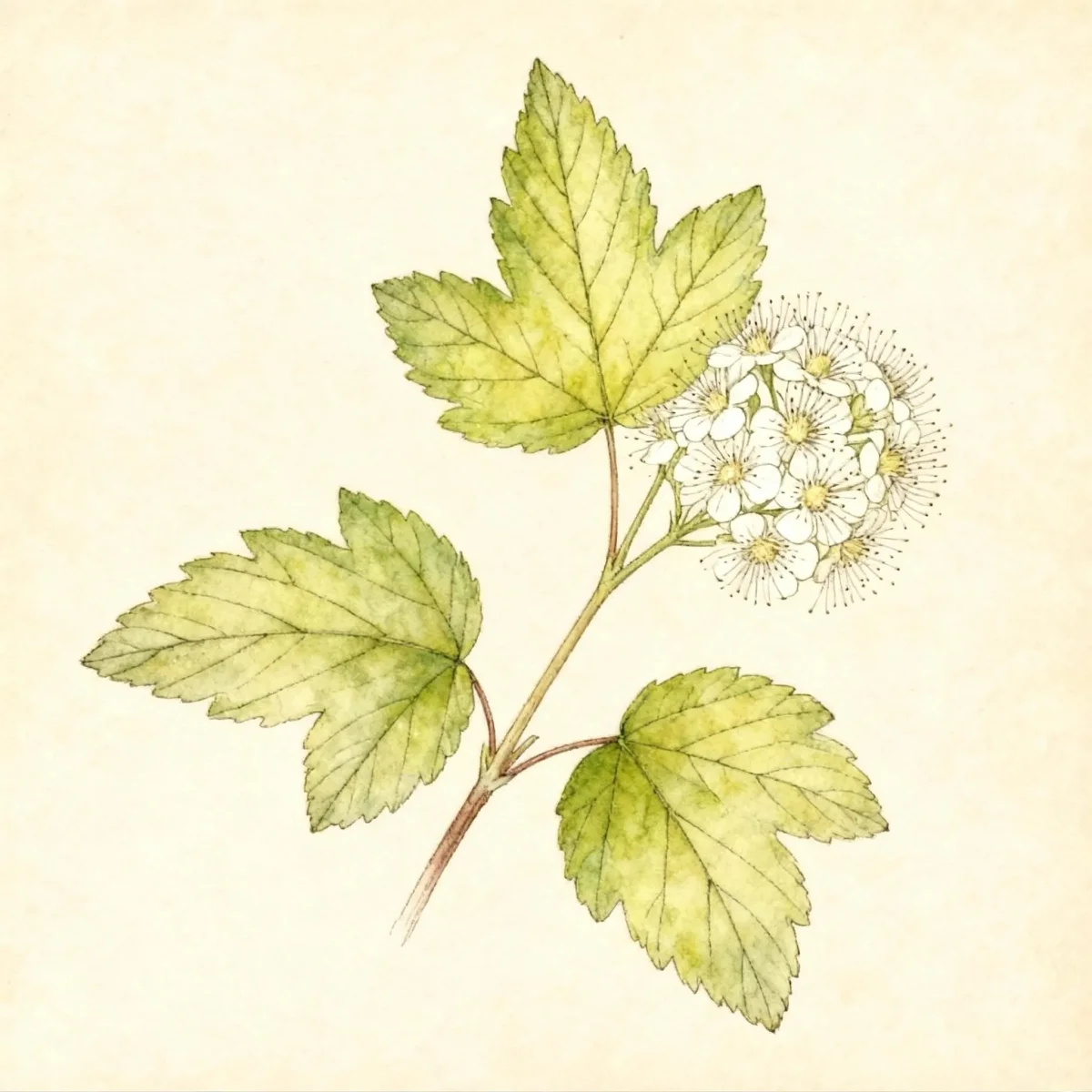
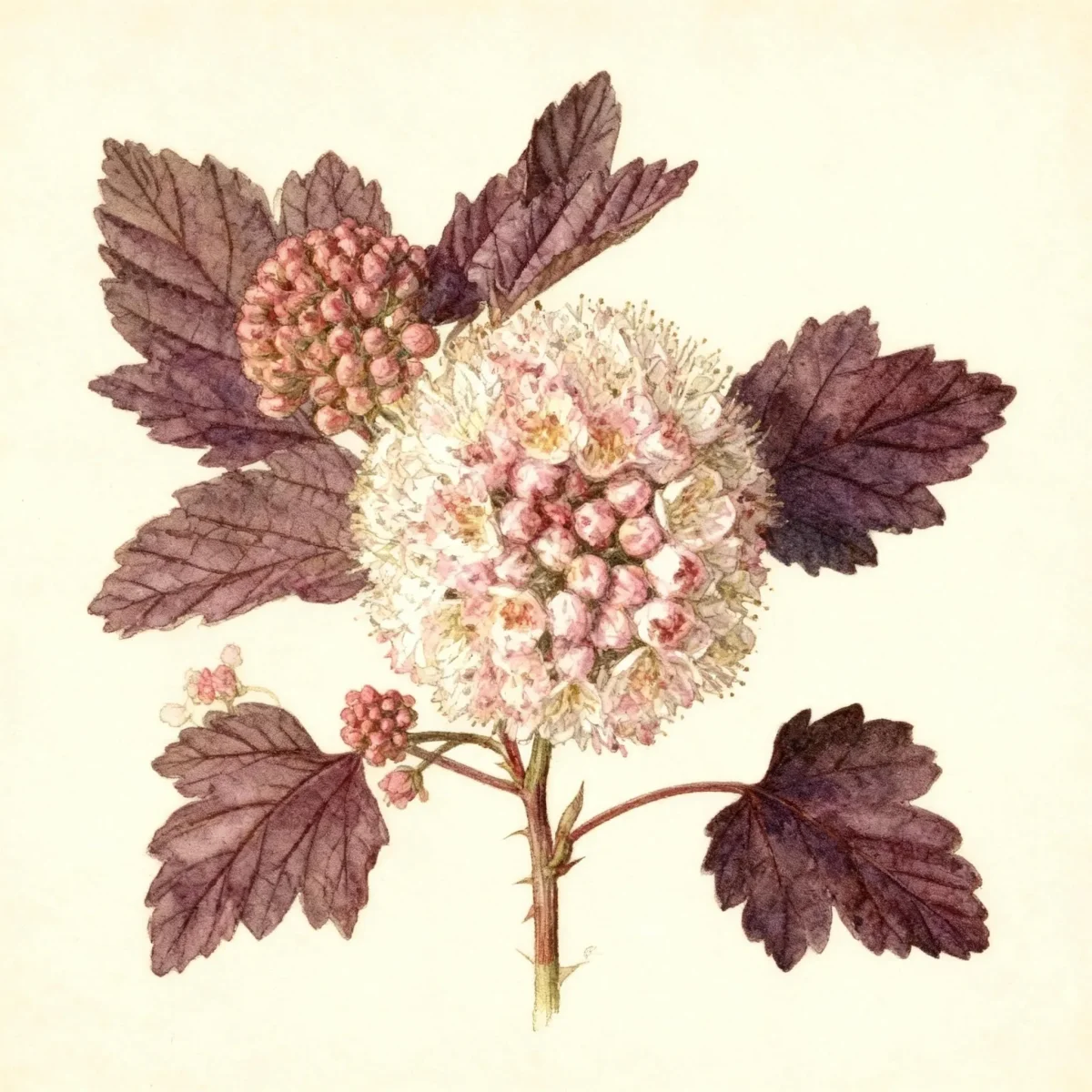
Ninebark (Physocarpus opulifolius 'Nanus')
Dwarf Ninebark, Physocarpus opulifolius 'Nanus', is a tough, deciduous shrub ideal for borders and erosion control, notable for exfoliating bark and white flowers.
Scroll down to discover growing tips, care requirements, companion plants, and more
Complete Plant Information
Overview
Physocarpus opulifolius ‘Nanus’, commonly known as Ninebark, is an exceptionally tough and adaptable deciduous shrub valued for its compact size and resilience. This dwarf cultivar offers the ornamental benefits of standard ninebark, scaled down perfectly for smaller landscape applications. A key feature appreciated by winter gardeners is the attractive exfoliating bark that peels away to reveal contrasting inner layers.
This compact shrub thrives across a wide range of challenging conditions, making it a workhorse in the modern garden. It offers spring color with dense clusters of white flowers, followed by decorative fruit clusters. The overall structure of Physocarpus opulifolius ‘Nanus’ remains fine-textured and dense, providing excellent year-round interest.
For gardeners needing a low-maintenance solution for borders, banks, or adding texture to rock gardens, this Ninebark selection proves highly effective. Its ability to handle poor soils and dry spells once established secures its place as a reliable foundational planting.
Fast Facts
- Plant Family: Rosaceae
- Plant Type: Deciduous shrub
- Hardiness Zones: USDA Zones 2-8
- Size at Maturity:
- Height: 1-2 ft
- Spread: 2-3 ft
- Bloom Time: May to June
- Bloom Description: White
- Sun Exposure: Full sun to part shade
- Water Needs: Dry to medium
- Maintenance Level: Medium
How to Grow
Plant Physocarpus opulifolius ‘Nanus’ during the spring or fall when conditions are cooler, allowing the roots to establish before summer heat or harsh winter freezes. It is highly adaptable, tolerating average, slightly acidic soil, provided it is well-drained. While it handles various soil textures, ensure the planting site offers good drainage, especially when planting in clay soil.
Water regularly until the shrub is established. Due to its drought tolerance once mature, standard care involves watering during extended dry periods rather than a fixed schedule. Fertilization is rarely necessary when grown in average soil, but a light spring application of balanced fertilizer can support vigor.
Pruning should be light and done selectively immediately after the May to June bloom finishes, ensuring you complete all major cuts no later than mid-August. This avoids removing next year’s flower buds. For significant rejuvenation of older stems, this Ninebark variety tolerates being cut close to the ground in early spring.
This variety performs wonderfully in full sun in colder northern zones but benefits from some afternoon shade where summers become hot and humid. The adaptability of Physocarpus opulifolius ‘Nanus’ means it performs well even in difficult locations where many other shrubs struggle.
Landscape Uses
The compact stature of Physocarpus opulifolius ‘Nanus’ makes it an outstanding choice for formal or informal shrub borders where space is limited. Its low, spreading habit is perfect for hedging small areas or establishing defined edge plantings that require minimal height intrusion. Consider using it extensively for erosion control along banks, leveraging its tough root system to stabilize slopes.
Because it tolerates harsh conditions, this dwarf Ninebark serves excellently in native plant gardens or in mixed perennial borders where it provides reliable structure. Its small size also makes it an unexpected, yet reliable, addition to rock gardens, contrasting well with coarser textures or trailing groundcovers.
Pair this shrub with plants that appreciate similar sun and moisture profiles, such as hardy ornamental grasses or other durable, low-maintenance perennials. Its simple white flowers create a lovely contrast against bronze-leaved sedums or blue-tinged hostas planted nearby.
Standout Features
Flower Qualities
- Showy
Noteworthy Characteristics
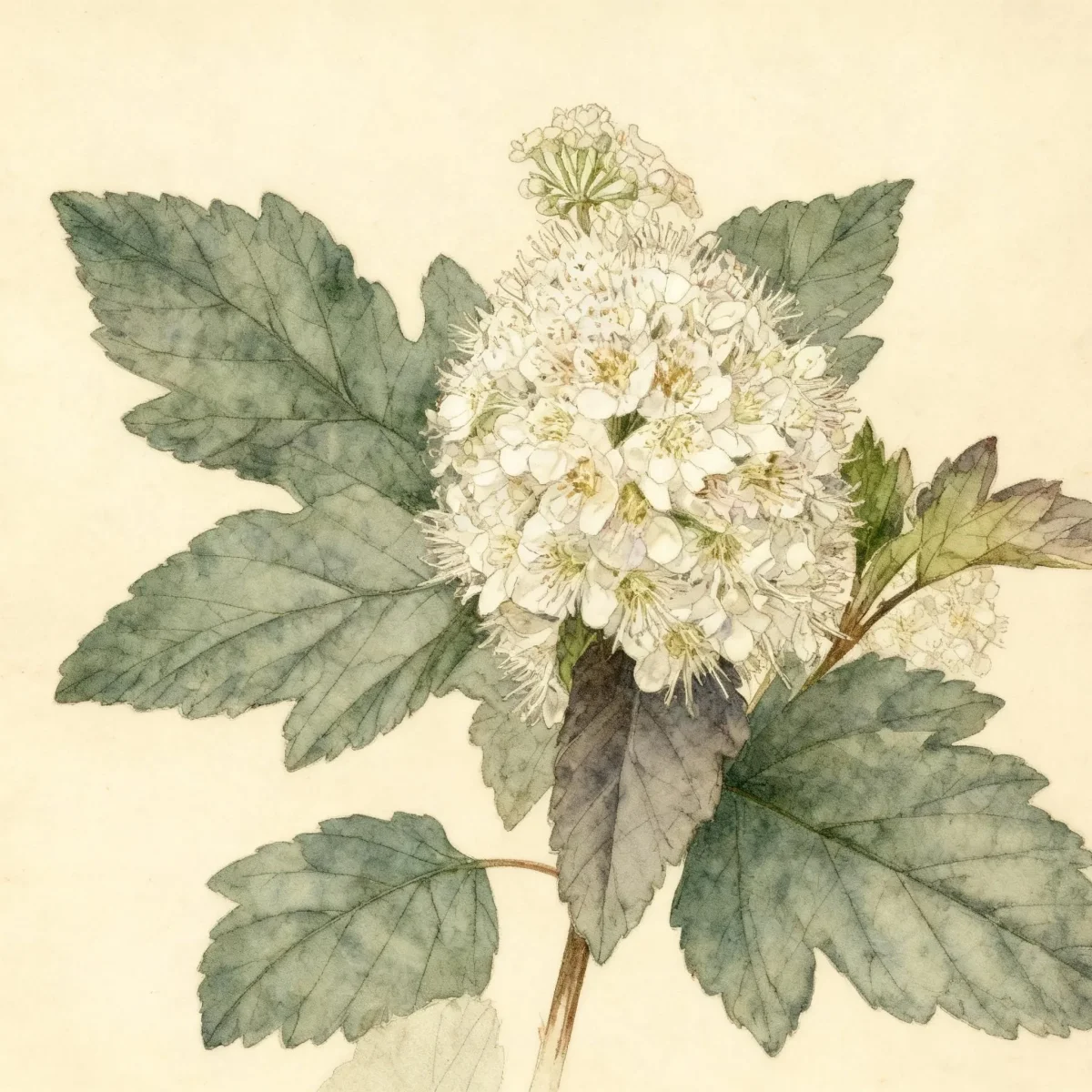
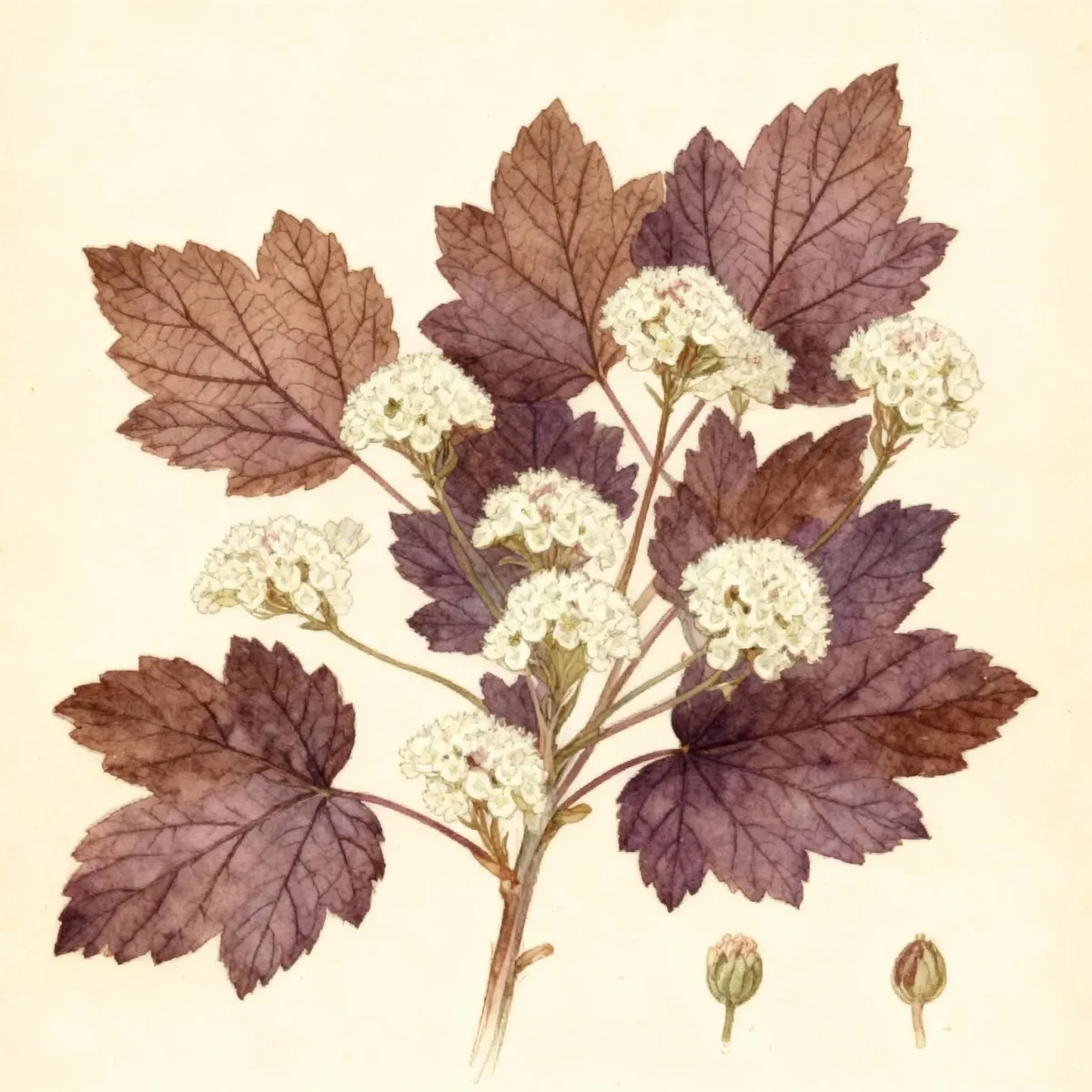
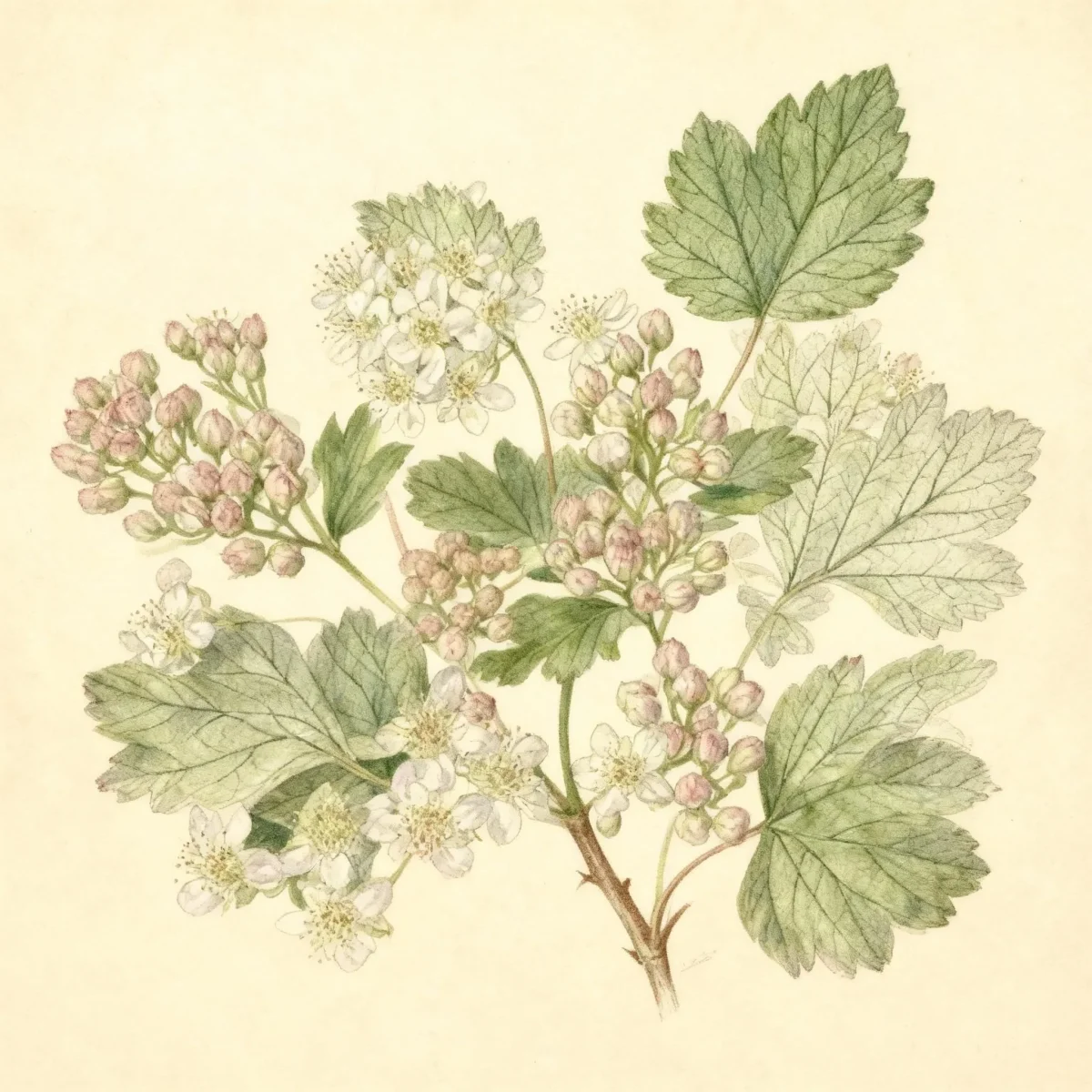
Physocarpus opulifolius, commonly called ninebark, is an upright, spreading, somewhat coarse, deciduous, Missouri-native shrub which is closely related to the genus Spiraea. Noted for its exfoliating bark (on mature branches) which peels in strips to reveal several layers of reddish to light brown inner bark (hence the common name of ninebark). This dwarf cultivar, ‘Nanus’, is recognized for its dense branching and smaller overall size compared to the species, offering similar winter bark interest with a more controlled habit. Small white flowers appear in dense, flat clusters in late spring, followed by reddish fruit capsules.
Tolerances
- Drought
- Erosion
- Clay Soil
- Dry Soil
- Shallow-Rocky Soil
Potential Problems
Potential issues for Ninebark generally include fireblight, powdery mildew, and various leaf spots. These problems are often exacerbated by poor air circulation, overly wet conditions, or dense planting. Ensure adequate spacing between individual specimens of Physocarpus opulifolius ‘Nanus’ to promote good airflow.
Preventative management focuses on providing optimal growing conditions—full sun and well-drained soil—as this boosts plant health against opportunistic pathogens. If fungal issues like powdery mildew appear, apply appropriate fungicide applications according to label directions, though pruning for better light penetration is often the first step.
Frequently Asked Questions
What hardiness zones is Ninebark suitable for?
Physocarpus opulifolius ‘Nanus’ is exceptionally cold-hardy, thriving in USDA Zones 2 through 8.
How large does Ninebark grow?
This dwarf variety typically achieves a height between 1 to 2 feet tall and spreads slightly wider, usually reaching 2 to 3 feet in spread at maturity.
What sun exposure does Physocarpus opulifolius ‘Nanus’ need?
For best performance, plant this shrub in full sun to partial shade. In hotter climates, slight afternoon shade helps prevent scorch.
When does Ninebark bloom?
You can expect the dense clusters of white flowers on Physocarpus opulifolius ‘Nanus’ to appear between May and June.
Conclusion
The compact Physocarpus opulifolius ‘Nanus’ offers outstanding utility for gardeners seeking low-fuss, resilient foundational planting material. Its exfoliating bark provides crucial winter scenery, while it easily manages dry soil and poor fertility, making this Ninebark a true survivor. Before planting, confirm that your site falls within USDA Zones 2-8 to ensure this tough shrub thrives for years to come.
Companion Planting
Selecting companions for Physocarpus opulifolius ‘Nanus’ is straightforward given its broad tolerance for sun and soil conditions. Pair it with other durable, low-maintenance natives that share similar sun requirements. Consider integrating spirea or fragrant peonies nearby, as these share its preference for well-drained soil found in Rosaceae family members.
For areas where you utilize the Ninebark for erosion control on a bank, complement it with groundcovers that can handle the slope but offer textural contrast. Low-growing junipers or certain hardy sedums look beautiful alongside the fine texture of the shrub’s foliage during the growing season.
In rock gardens, its solid, low mound provides a strong base for taller, more delicate-looking accent plants such as iris varieties or dwarf conifers. Ensure companion plants do not require consistently moist soil, as this dwarf Ninebark prefers conditions to lean toward dry to medium moisture.
Design Ideas for Dwarf Shrubs
Utilizing Physocarpus opulifolius ‘Nanus’ structurally within a landscape design capitalizes on its uniform, dense shape. Because it rarely exceeds two feet tall, it functions excellently as a formal, short border defining a pathway or separating a lawn area from taller plantings. Its consistency means fewer surprises regarding growth throughout the season.
In contemporary or minimalist garden designs, mass plantings of this dwarf shrub create a highly textured block of color and form with minimal effort. The exfoliating bark becomes a focal point when placed against hardscaping materials like dark stone or weathered wood during dormancy.
For creating naturalistic drifts, plant several specimens of the Ninebark close together, allowing them to blend into a low, cohesive mass. This technique enhances the visual impact of the spring white flowers and provides robust coverage for ground-level ecosystems.