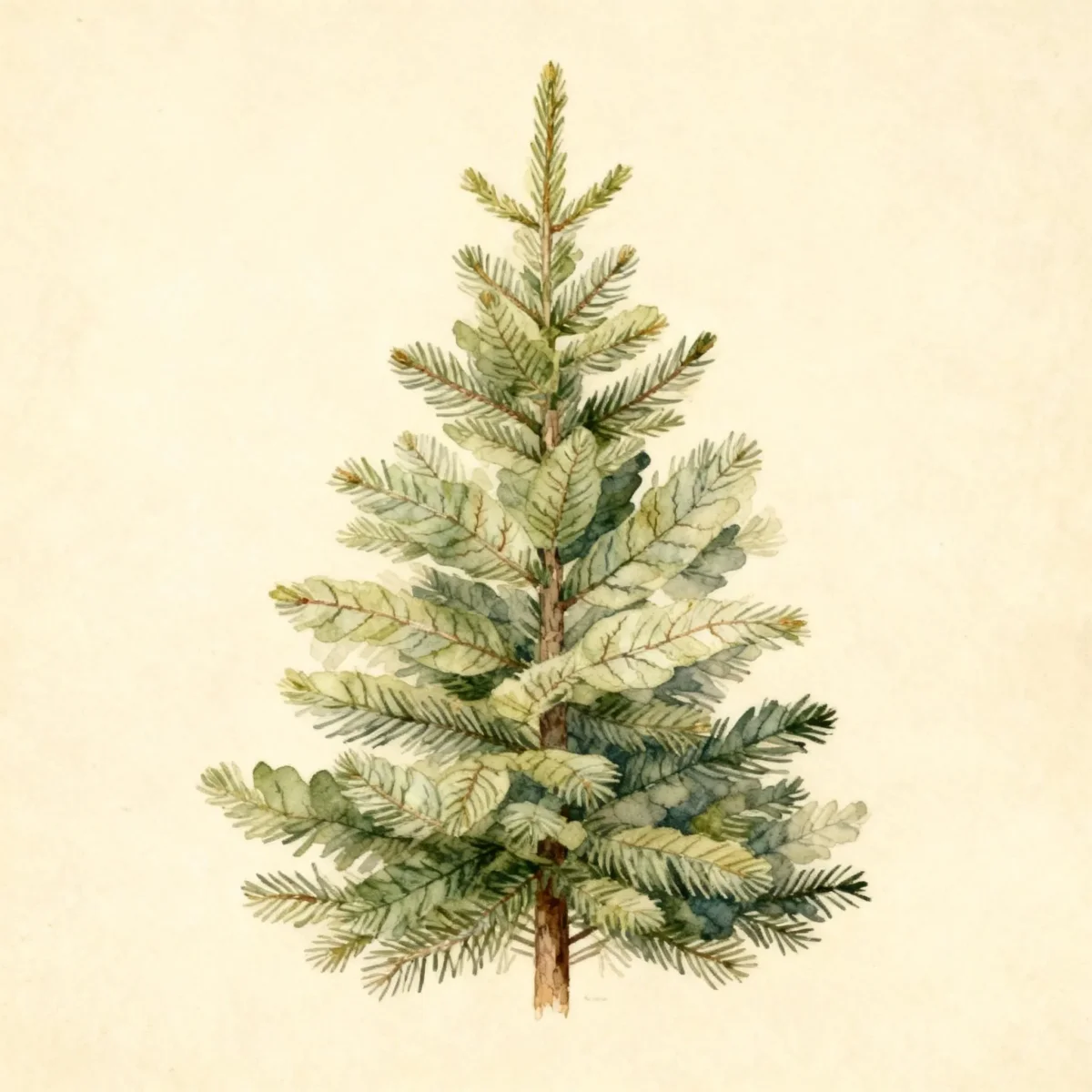
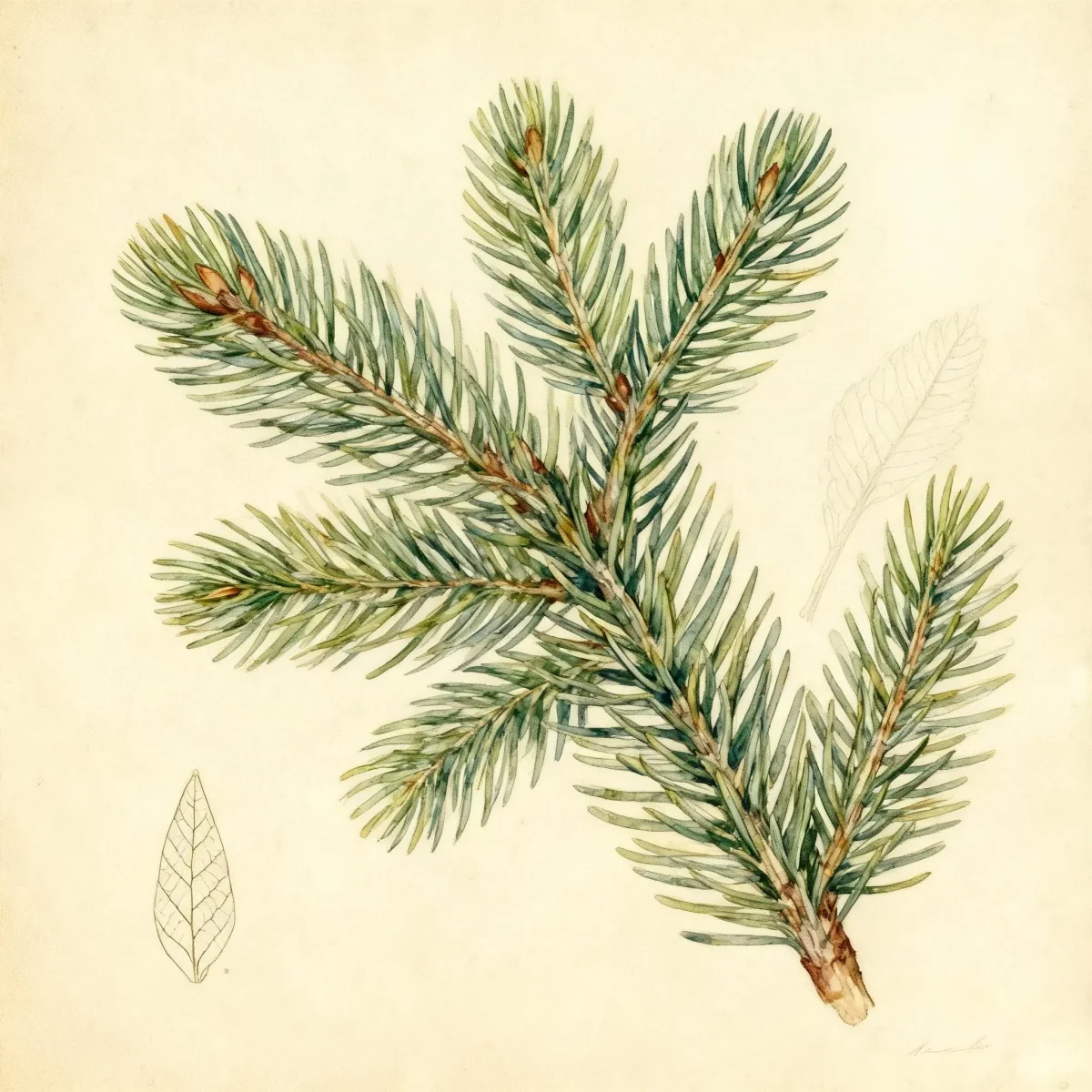
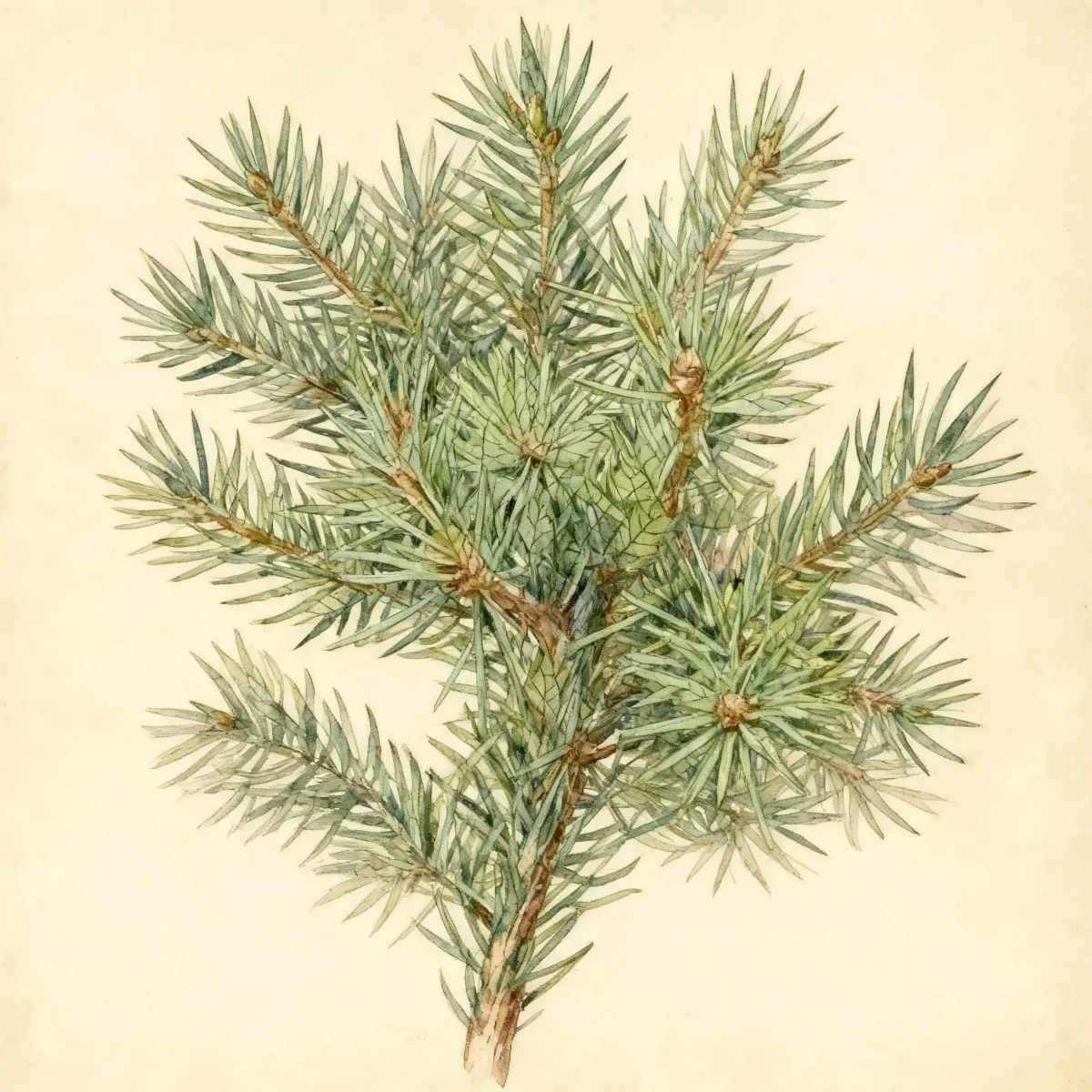
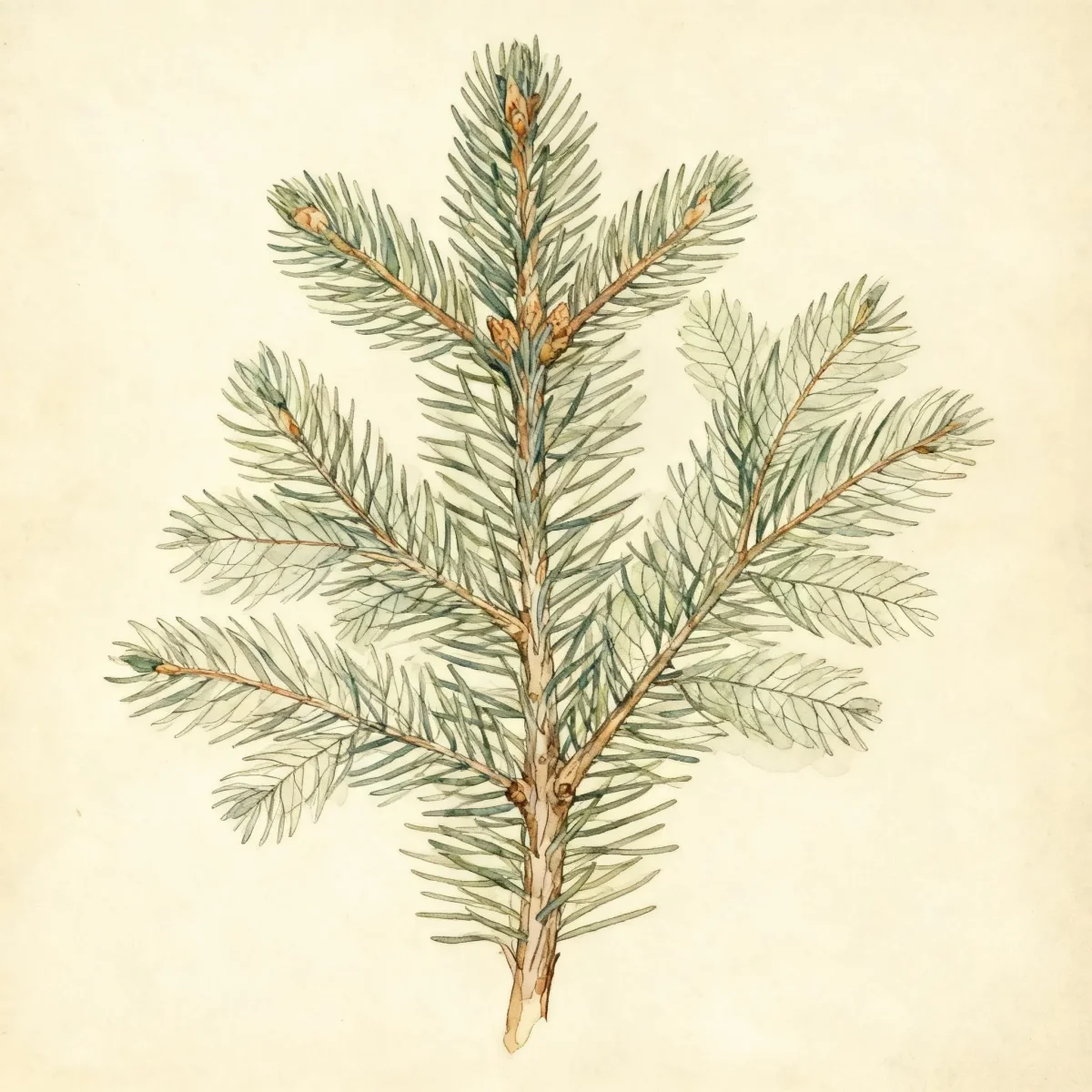
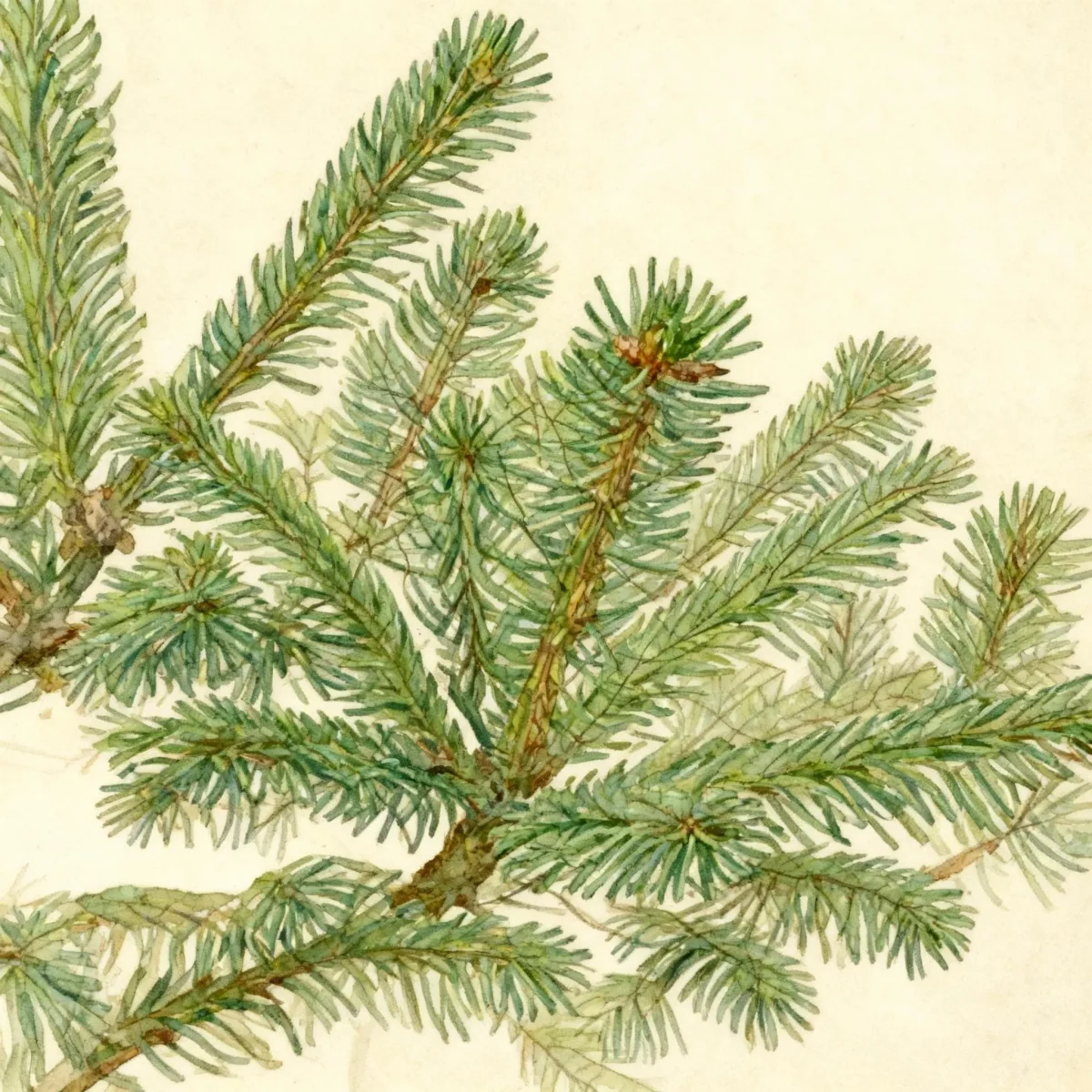
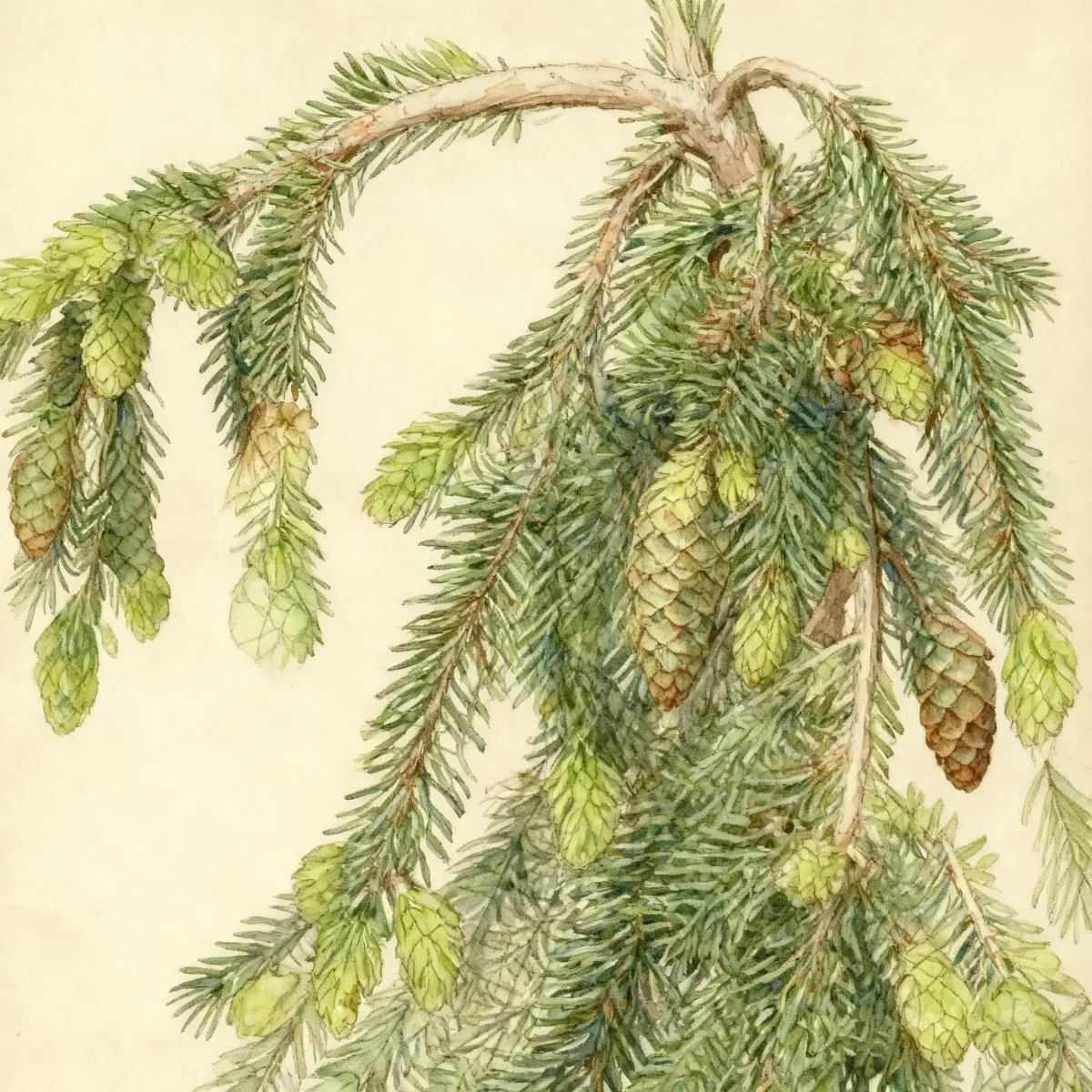
Norway spruce (Picea abies 'Acrocona')
Picea abies 'Acrocona' is a unique Norway spruce cultivar known for its dense form and colorful spring cones. Low maintenance and versatile.
Scroll down to discover growing tips, care requirements, companion plants, and more
Complete Plant Information
Overview
The Picea abies ‘Acrocona’, a celebrated cultivar of the Norway spruce, offers striking visual interest for the discerning gardener. This specimen is highly valued for its dense, upright-spreading habit and the spectacular display of showy, immature red cones held prominently at the branch ends each spring. Unlike the massive stature of the species, this cultivar maintains a manageable size suitable for smaller landscapes or as a specimen accent.
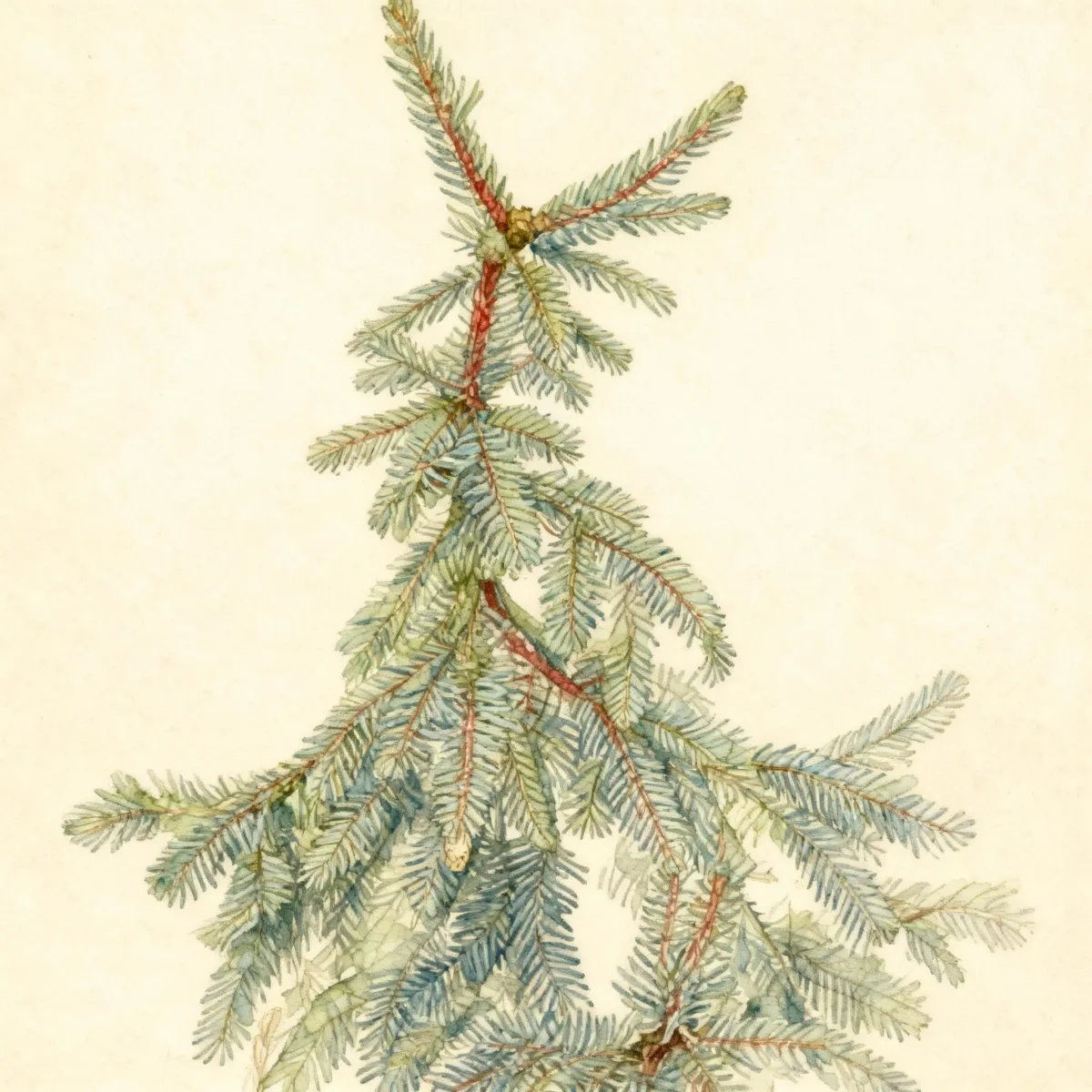
This evergreen provides year-round structure and deep green color, making it an excellent focal point when other plants are dormant. Although related to the towering forest giant, Picea abies ‘Acrocona’ matures slowly, offering excellent long-term form without overwhelming the space. Its relatively low maintenance requirements further cement its status as a practical yet beautiful addition to many temperate gardens.
Fast Facts
- Plant Family: Pinaceae
- Plant Type: Needled evergreen
- Hardiness Zones: USDA Zones 3-7
- Size at Maturity:
- Height: 5-10 ft
- Spread: 5-10 ft
- Bloom Time: Non-flowering
- Bloom Description: Non-flowering
- Sun Exposure: Full sun
- Water Needs: Medium
- Maintenance Level: Low
How to Grow
The best time to plant Picea abies ‘Acrocona’ is generally in the spring or early fall, ensuring the root ball has time to establish before seasonal extremes. Choose a location that provides full sun exposure, which is necessary for optimal cone production and dense foliage color. This Norway spruce cultivar thrives in average, acidic soils that are evenly moist and well-drained; sandy soils that retain some moisture are particularly beneficial.
Consistent watering is critical, especially for young plants, to maintain medium moisture levels. Once established, this planting demonstrates some tolerance for dryish soils, though it performs best in cool summer climates and may struggle in regions south of Zone 7. Fertilizer is rarely needed if the soil quality is adequate, reflecting the cultivar’s naturally low maintenance needs. Pruning is typically minimal, focused only on removing damaged or crossing branches.
Avoid planting in areas prone to excessive summer heat or humidity, as these conditions can lead to decline or increase susceptibility to pests and diseases. Pay attention to drainage; standing water will rapidly cause root decay, undermining the health of your specimen.
Landscape Uses
The manageable scale of Picea abies ‘Acrocona’ opens up diverse design possibilities compared to its towering parent tree. It excels as a specimen or accent planting near home foundations or entryways where its unique branch structure and spring cones can be appreciated up close. In cooler northern climates, this cultivar functions effectively as an evergreen screen, offering windbreak benefits and year-round privacy.
While the species is often noted for woodland settings, the cultivar works beautifully in structured garden designs, rock gardens, or mixed evergreen borders. Consider pairing the dark green needles of the Norway spruce with plants offering contrasting light green or golden foliage during the growing season to highlight its texture. Since established plants handle some dryness, they can work well adjacent to drought-tolerant shrubs if drainage remains superior.
Standout Features
Noteworthy Characteristics
Picea abies ‘Acrocona’ is a cultivar specifically adapted to have a smaller footprint than the massive native Norway spruce found in European mountains. A key feature is its habit of producing abundant, showy immature red cones right at the tips of the branches in the spring before they mature to tan by summer. This small, broad, upright-spreading conifer typically only reaches 5 to 10 feet tall in its first decade, maturing eventually to around 20 feet tall.
Tolerances
- Deer
- Air Pollution
Potential Problems
Potential issues for this conifer often involve fungal diseases and insect activity if conditions are not ideal or if air circulation is poor. Diseases such as Cytospora canker, wood decay, needle cast, and rust may manifest, particularly in overly humid or wet sites. Management often involves ensuring good air circulation through proper spacing and pruning out infected wood immediately.
Insect pests to monitor include aphids, borers, bagworms, and budworms, which can compromise needle health and vigor. In warmer areas, red spider mites can become a significant nuisance. Early detection through regular inspection of the needles is crucial for effective treatment programs.
Frequently Asked Questions
What hardiness zones is Norway spruce (Picea abies ‘Acrocona’) suitable for?
This specific cultivar is rated for USDA Zones 3 through 7, requiring protection or performing poorly outside this range, especially in hot summers typical of zones higher than 7.
How large does Picea abies ‘Acrocona’ grow?
When mature, this cultivar typically reaches a height between 5 to 10 feet, with a corresponding spread of 5 to 10 feet, making it significantly smaller than the species standard.
What sun exposure does Picea abies ‘Acrocona’ need?
For best performance, including the development of its diagnostic cones, Picea abies ‘Acrocona’ requires full sun exposure throughout the day.
When does Norway spruce bloom?
This plant is categorized as non-flowering; its reproductive structures are cones, which appear in spring as showy red terminals before maturing.
Conclusion
The Picea abies ‘Acrocona’ provides exceptional year-round texture and the seasonal excitement of bright red spring cones, all in a conveniently compact form for the home landscape. If you are seeking a low-maintenance, deer-tolerant evergreen for full sun exposure, this cultivar of Norway spruce is an excellent choice. Before planting, confirm that your location falls within USDA Zones 3-7 and ensure the soil offers good drainage.
Companion Planting
When selecting companions for Picea abies ‘Acrocona’, focus on plants that share similar needs for acidic soil and full sun conditions. Consider pairing it with deciduous shrubs that offer contrasting fall color, such as Japanese maples (if protected from excessive heat) or varieties of deciduous Azaleas. These pairings create dynamic seasonal contrast against the steady, dark green backdrop of the Norway spruce.
Low-growing perennials with fine texture, like Astilbe (in slightly shadier margins) or Heuchera varieties with bright lime or purple foliage, can emerge from beneath the canopy in spring and summer. These offer color variation that complements the deep green needles without competing for vertical space against the upright structure of the spruce.
Seasonal Care Calendar
Spring is the key maintenance period; inspect the spruce thoroughly for any winter damage or emerging pest issues like aphids before the new growth hardens off. Apply a slow-release fertilizer early in the season, if necessary, to support rich needle development.
Summer care focuses primarily on water management. While established plants tolerate some dryness, consistent medium watering during dry spells is crucial, especially in hot climates where the Norway spruce naturally struggles south of Zone 7. Avoid excessive overhead watering late in the day to discourage fungal development.
In the fall, rake away leaf debris that accumulates around the base of the Picea abies ‘Acrocona’, as decaying matter can harbor disease organisms. Winterizing involves ensuring the plant remains adequately hydrated before the ground freezes, especially if the autumn has been dry, preventing winter burn on the evergreen foliage.