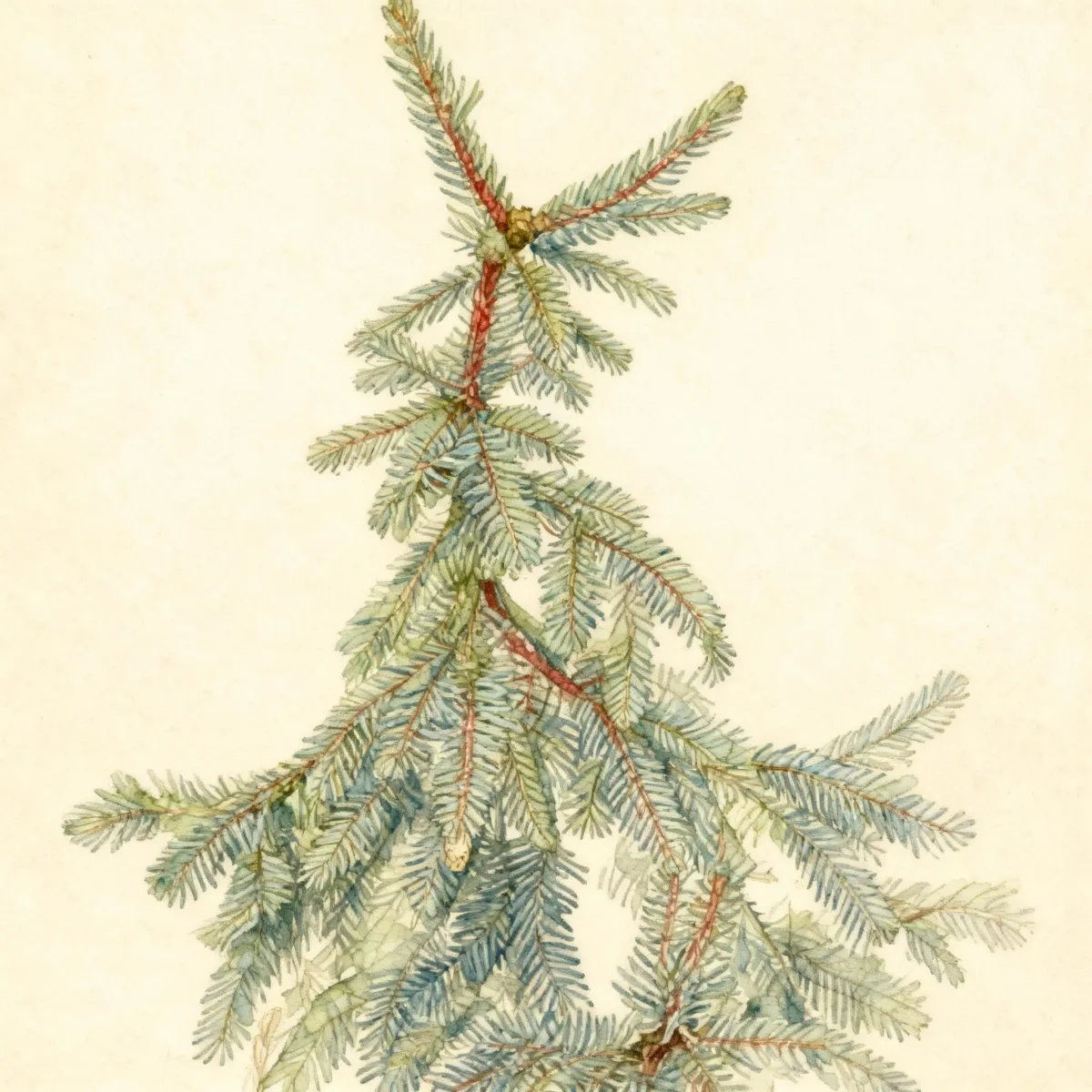
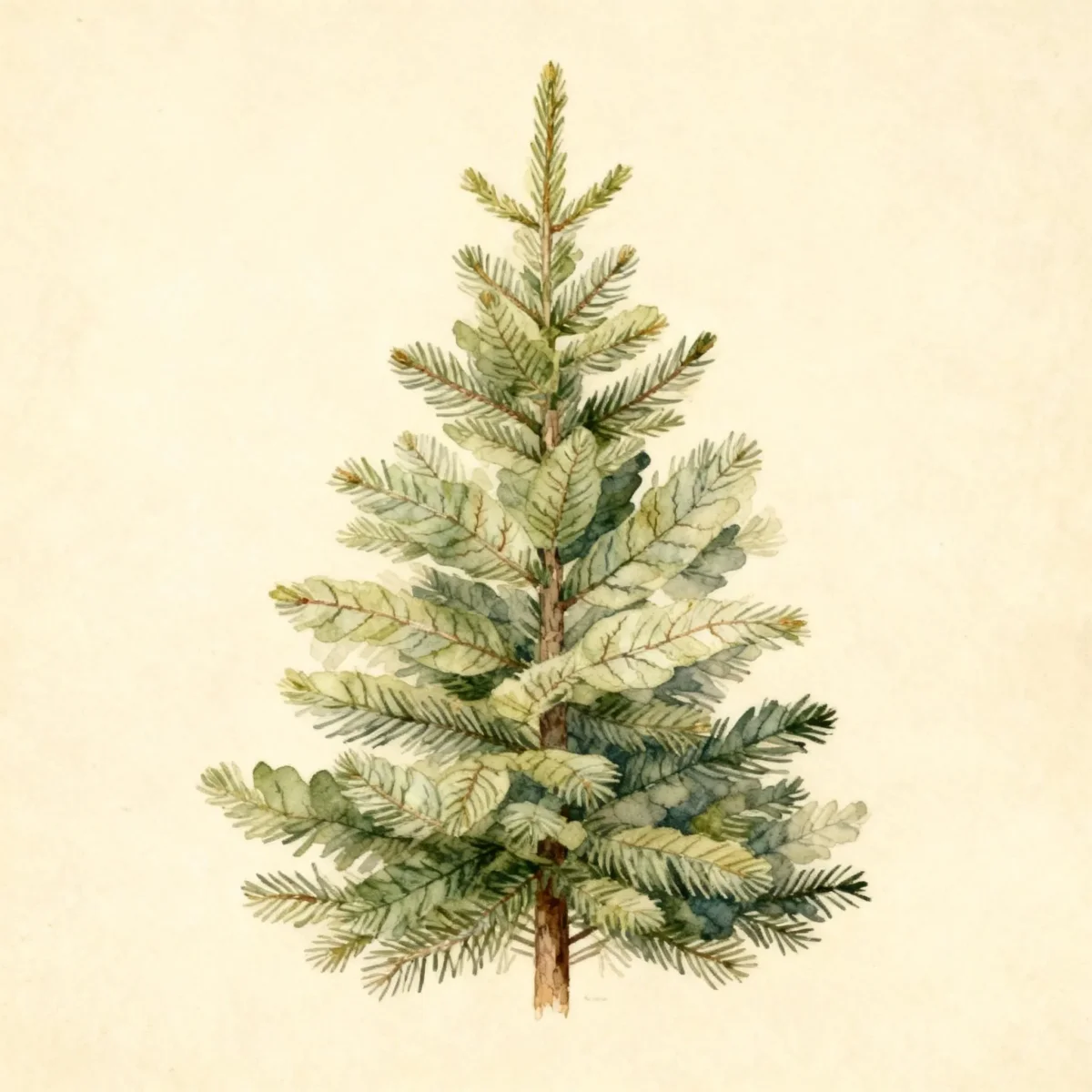
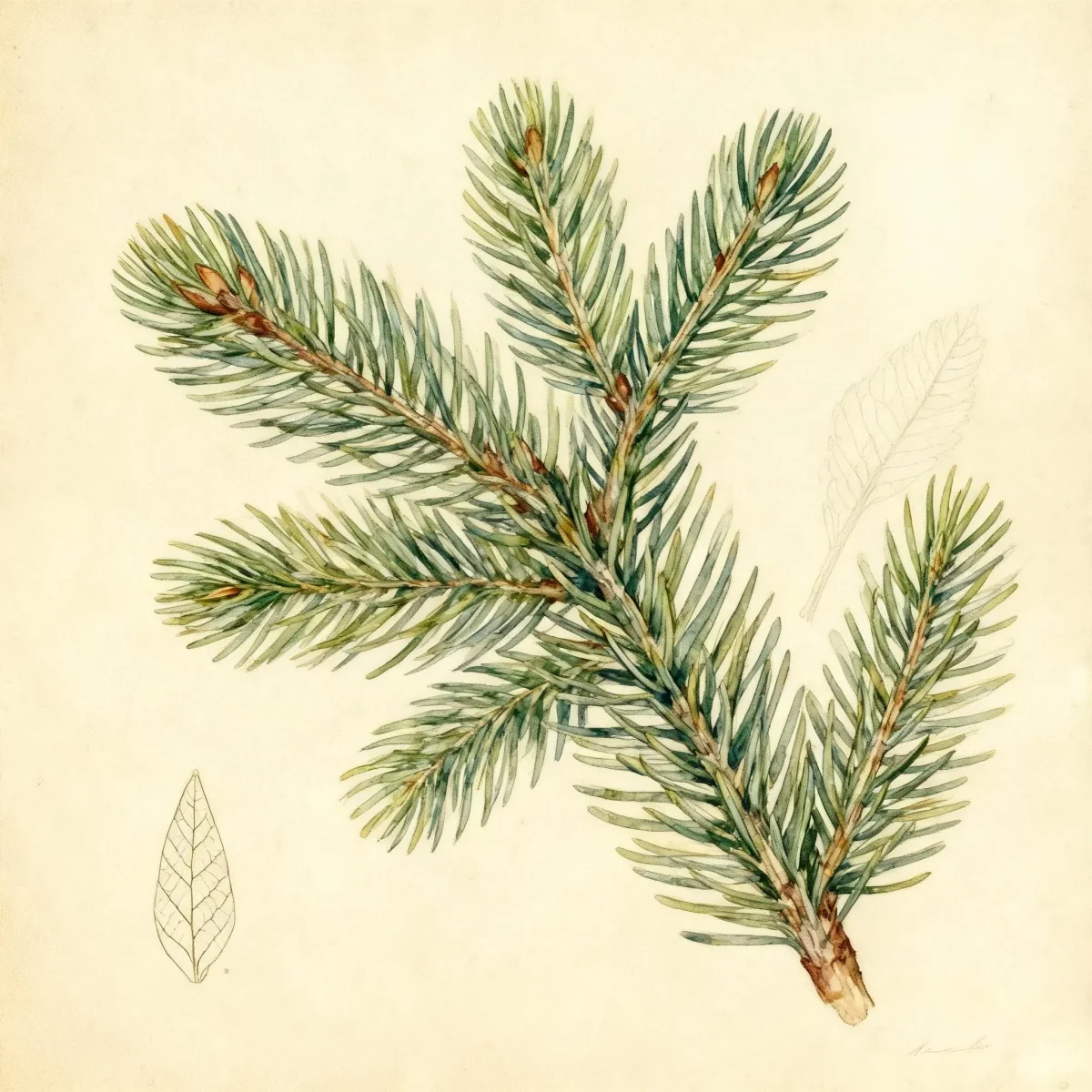
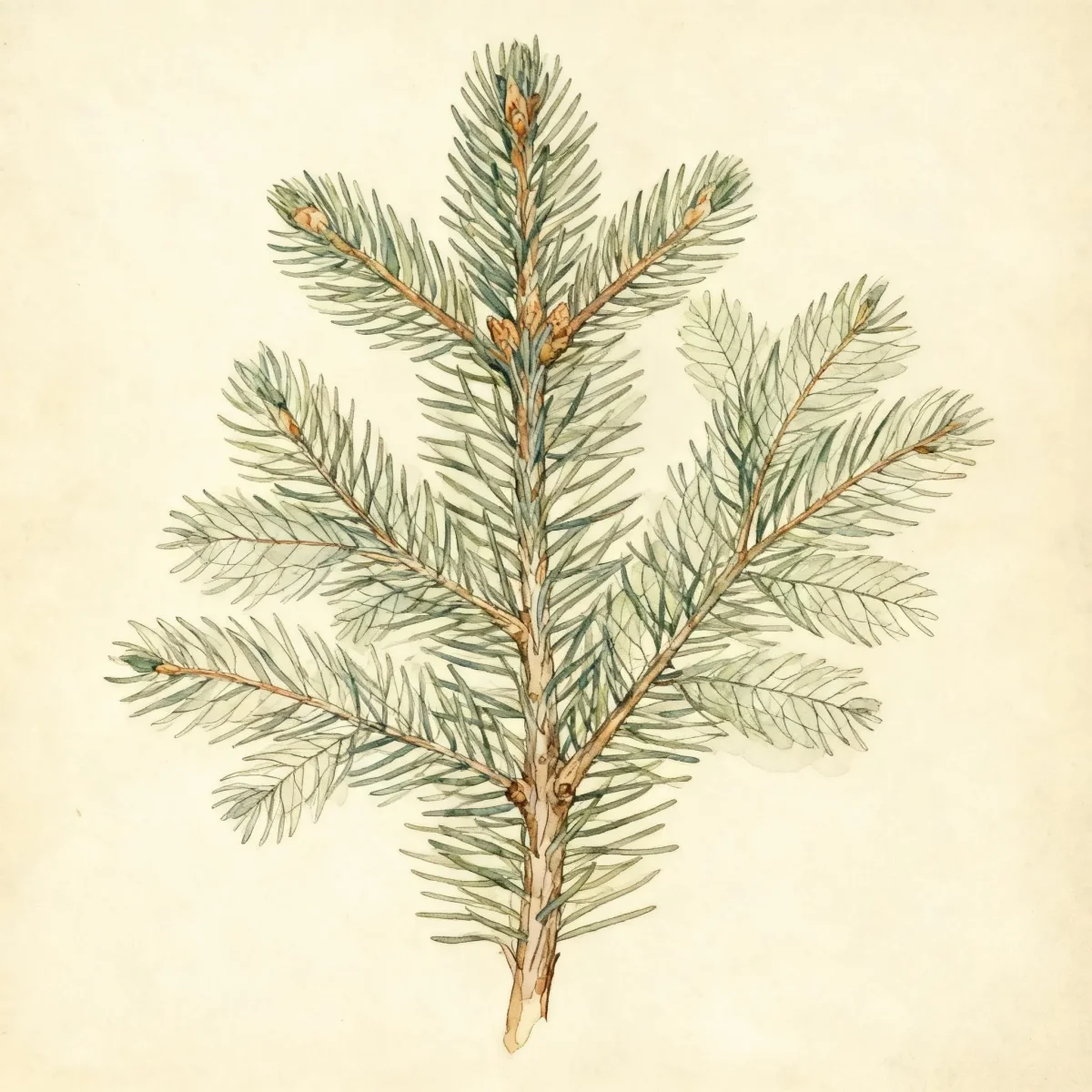
Norway spruce (Picea abies 'Maxwellii')
Picea abies 'Maxwellii' is a low-growing, dwarf Norway spruce perfect for rock gardens and low hedges.
Scroll down to discover growing tips, care requirements, companion plants, and more
Complete Plant Information
Overview
The Picea abies ‘Maxwellii’, commonly known as a dwarf Norway spruce, offers significant textural contrast in small garden settings where the standard variety would overwhelm the space. This particular cultivar maintains the desirable characteristics of the Norway spruce, such as rich color and dense branching, but in a manageable, flattened globe habit ideally suited for foundation plantings or specialized garden areas. Gardeners appreciate this specimen for its reliability and low maintenance requirements within its favored climate range.
As a needled evergreen, Picea abies ‘Maxwellii’ provides year-round structure and deep green coloration, enhanced by short, stiff, blue-green needles. While the parent species, Norway spruce, grows to immense heights, this cultivar remains compact, topping out typically around 2.5 feet tall and 3 feet wide. This dwarf form makes it an excellent choice where vertical growth must be strictly controlled, offering superb resilience against common urban stresses like air pollution.
This compact Norway spruce is easily grown when provided with its basic needs for sun and consistent moisture. Its inherent hardiness, spanning USDA Zones 2 through 7, allows it to withstand severe winter cold, reflecting the rugged nature of its European mountain origins. Whether used as a sentinel in a rock garden or as a formalized low edge, the Picea abies ‘Maxwellii’ delivers reliable, slow-growing evergreen interest.
Fast Facts
- Plant Family: Pinaceae
- Plant Type: Needled evergreen
- Hardiness Zones: USDA Zones 2-7
- Size at Maturity:
- Height: 1.5-2.5 ft
- Spread: 1.5-3 ft
- Bloom Time: Non-flowering
- Bloom Description: Non-flowering
- Sun Exposure: Full sun
- Water Needs: Medium
- Maintenance Level: Low
How to Grow
Planting Picea abies ‘Maxwellii’ should occur in spring or early fall to allow the root system time to establish before intense summer heat or deep winter freezes arrive. Select a location receiving full sun exposure, as insufficient light can thin the critical dense structure of this dwarf Norway spruce. It thrives in average soils, provided they are acidic and possess excellent drainage. Incorporating rich sandy soil amendments can enhance performance, reflecting its preference for good structure.
Watering needs are medium; aim for evenly moist soil, especially during the initial establishment period. While established plants have some tolerance for dryish conditions, consistent moisture is key to preventing needle browning. Fertilizing is rarely necessary if the soil is adequate, but a balanced, slow-release evergreen food applied in early spring can support dense, blue-green needle development. Pruning requirements are minimal due to its inherent compact shape; only remove dead or crossing interior branches as needed to maintain air circulation.
Gardeners must note that Picea abies ‘Maxwellii’ prefers cool summer climates. If located near the warmer southern end of its hardiness range (Zone 7), ensure afternoon shade if possible, as it often grows poorly where summers are persistently hot. Protect the root zone with a layer of organic mulch to retain soil moisture and moderate soil temperatures throughout the seasons.
Landscape Uses
The diminutive size of Picea abies ‘Maxwellii’ unlocks unique possibilities in landscape design, moving beyond the massive scale of its upright relatives. Being designated for use as a low hedge makes it invaluable for creating sharp, formal borders along pathways or defining the edges of a raised garden bed where no significant height is desired. Its formal, dense habit also makes it an excellent specimen plant in rock gardens, where its texture contrasts beautifully with softer perennials.
Around the home, this dwarf Norway spruce functions perfectly as a foundation planting without the daunting prospect of future removal due to overgrowth. Place it near entryways or beneath windows where its consistent evergreen presence frames architectural features. Consider pairing it with plants that offer bright seasonal contrast, such as spring-blooming bulbs or deciduous shrubs that showcase vibrant fall color, making the dark needles of the Norway spruce truly pop.
For more structured designs, incorporate several ‘Maxwellii’ specimens into mass plantings for uniform texture, or use single units as anchor points against flowing drifts of groundcover. Its low profile ensures that views are maintained across the garden space, contributing structure without obstructing sightlines.
Standout Features
Flower Qualities
- Insignificant
Fruit Qualities
- Showy
Noteworthy Characteristics
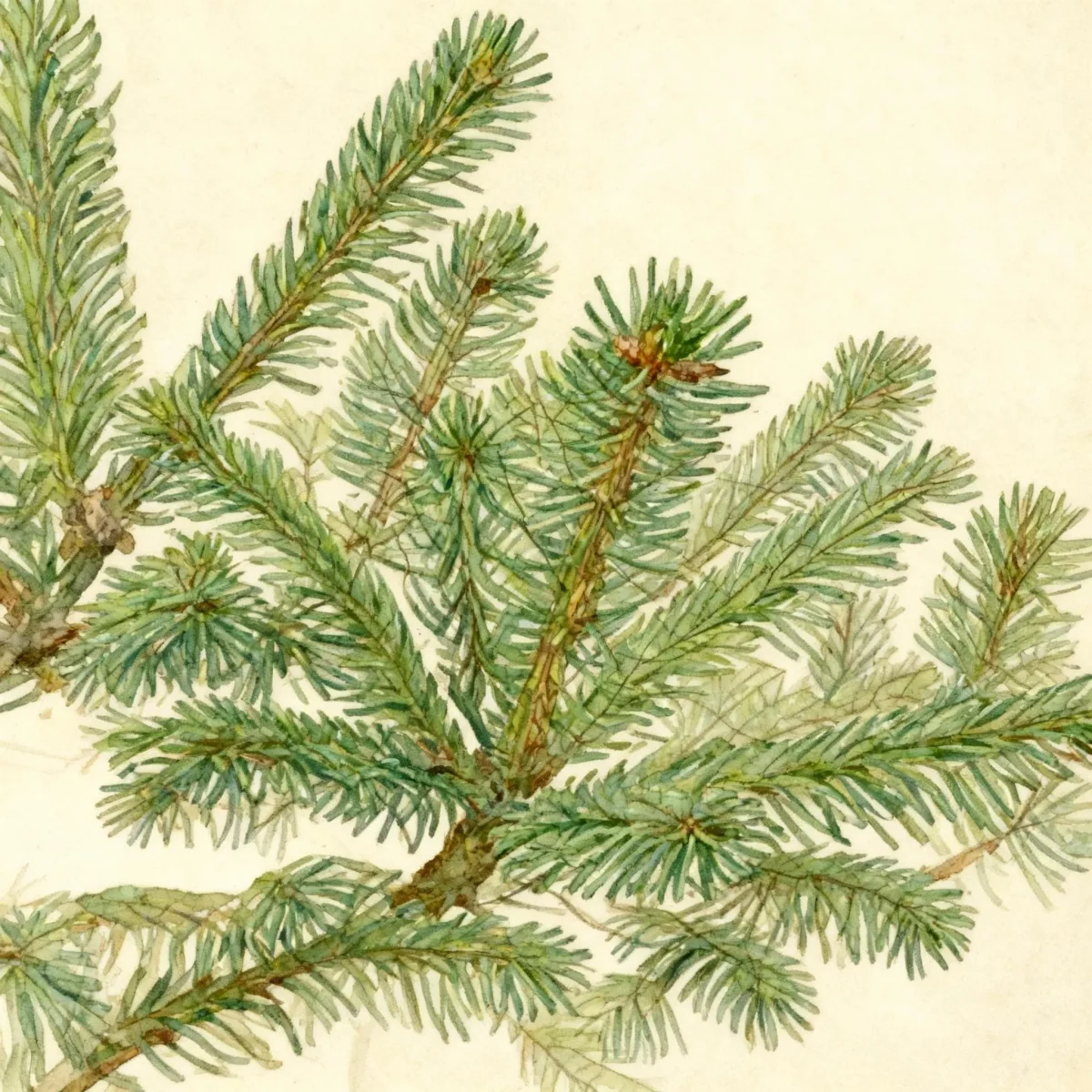
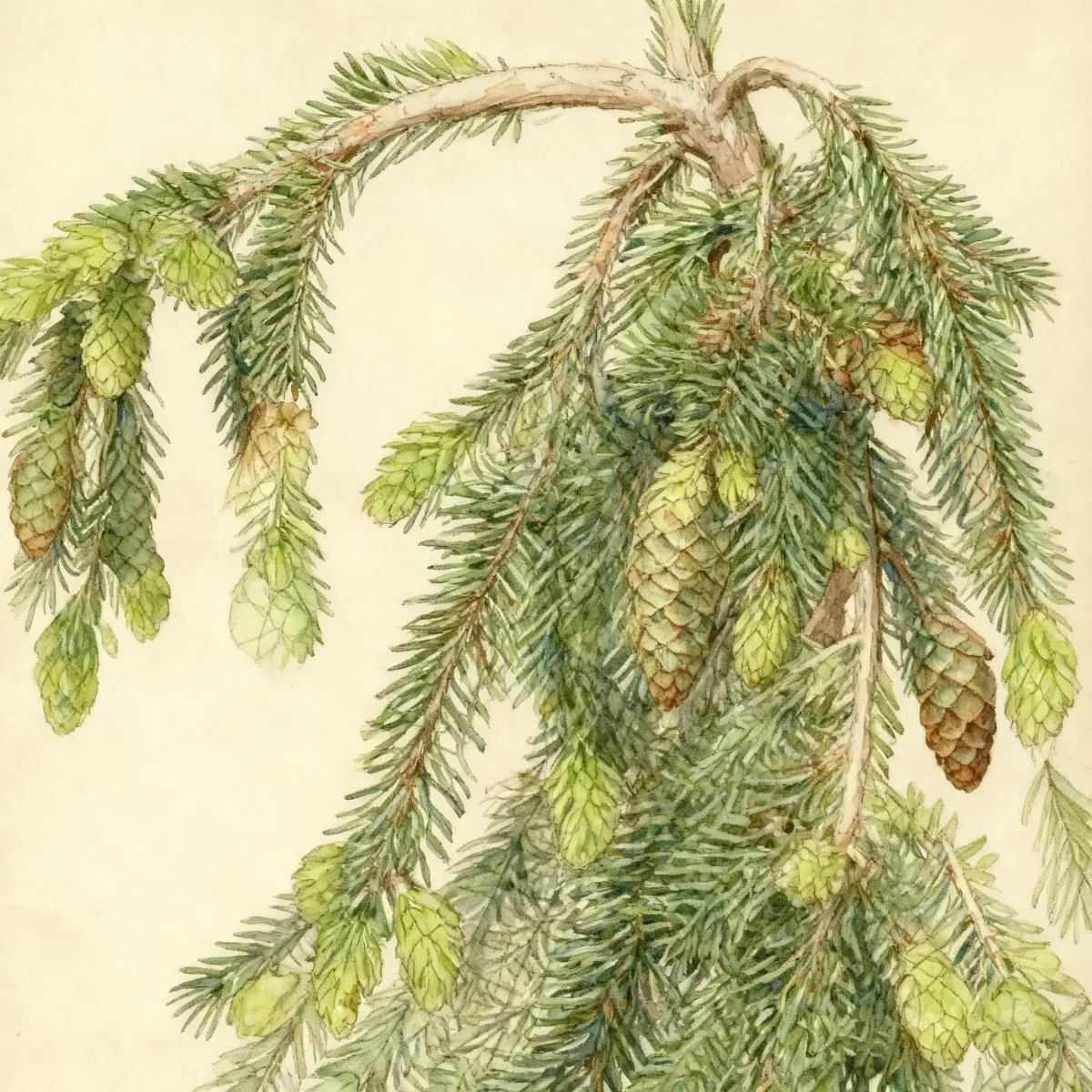
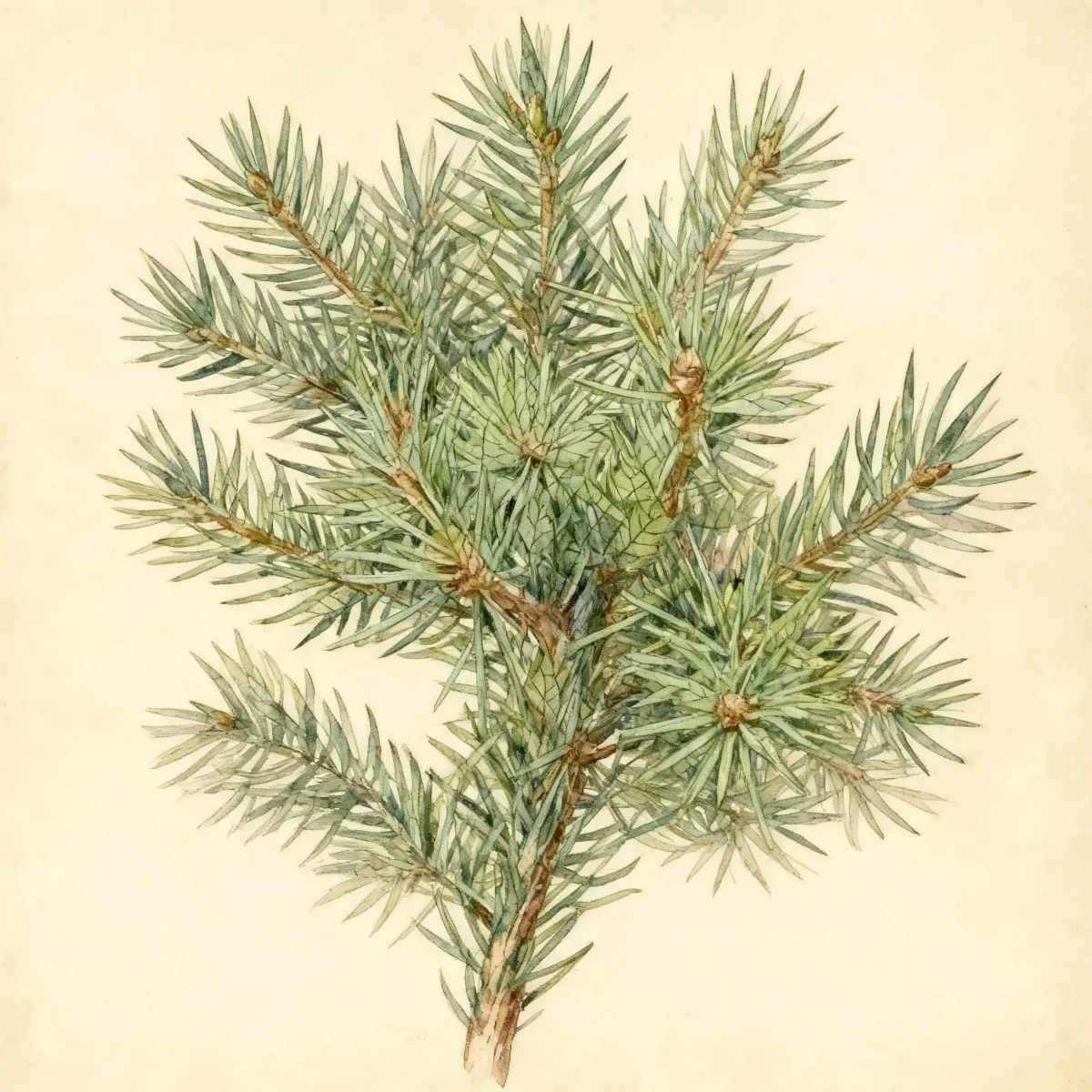
Picea abies, commonly called Norway spruce, is a large pyramidal evergreen conifer that is native to the mountains of northern and central Europe east to the Urals. In its native European habitat, it typically matures to 100-150’ (occasionally to 200’) tall. It has been widely planted in cool and temperate regions of North American where it typically matures to a much shorter 40-60’ (less frequently to 100’) tall. It is noted for its rapid growth. Primary branches are slightly upturned but secondary branches become pendulous as the tree matures. Branches are clad with spirally-arranged, four-sided, needle-like, deep green leaves which are attached at their bases to tiny pegs. Cylindrical seed bearing cones (to 9” long) are pendulous. In excess of 150 cultivars (mostly dwarf) have been named over the years. Cultivars can be very difficult to distinguish.Genus name is reportedly derived from the Latin word pix meaning “pitch” in reference to the sticky resin typically found in spruce bark.Specific epithet refers to its similarity to the genus Abies (fir).’Maxwellii’ is a low-growing, dwarf form. It has a compact, flattened globe habit and grows to 2.5’ tall. Short, stiff branches with 1/2” long, blue-green needles. Monoecious (separate male and female fruiting structures on the same plant.) Female cones are cylindrical and mature to a light brown.
Tolerances
- Deer
- Air Pollution
Potential Problems
Cone-bearing spruces like the Picea abies ‘Maxwellii’ can occasionally face fungal issues and pest infestations, requiring vigilant observation. Diseases such as Cytospora canker, wood decay, needle cast, and rust are possibilities, particularly in overly crowded or humid conditions. Proper spacing and ensuring good air circulation are primary preventative measures against these fungal attacks.
Insect monitoring is also important for this variety of Norway spruce. Keep an eye out for common spruce pests including aphids, bagworms, budworms, and borers, all of which can weaken the tree over time. Red spider mites can become particularly troublesome during hot, dry spells, causing the needles to turn dusty and eventually drop. Immediate treatment with horticultural oils or appropriate insecticides can manage severe outbreaks.
Frequently Asked Questions
What hardiness zones is Norway spruce suitable for?
The Picea abies ‘Maxwellii’ is highly cold-tolerant, suitable for USDA Zones 2 through 7.
How large does Picea abies ‘Maxwellii’ grow?
This dwarf variety generally achieves a height between 1.5 and 2.5 feet tall with a spread ranging from 1.5 to 3 feet wide.
What sun exposure does Picea abies ‘Maxwellii’ need?
This needled evergreen requires full sun exposure to maintain its best form and color.
When does Norway spruce bloom?
Picea abies ‘Maxwellii’ is non-flowering; it produces cones but does not produce noticeable flowers.
Conclusion
The Picea abies ‘Maxwellii’ stands out as an exceptional low-maintenance, dwarf evergreen that brings year-round structure to restricted spaces. Its tolerance for poor conditions and deer makes the Norway spruce cultivar a reliable choice for many gardeners across Zones 2-7. Before planting, ensure your site provides full sun and well-drained soil to guarantee this compact specimen thrives for years to come.
Companion Planting
When selecting companions for Picea abies ‘Maxwellii’, focus on plants that appreciate similar acidic soil conditions and thrive in high-sun locations. Low-growing perennials or spreading evergreens that contrast in color against the deep green needles of the spruce work exceptionally well. Consider pairing it with Japanese forest grass (Hakonechloa macra) if positioned where it receives afternoon shade in the hottest zones, or use bright yellow-leaved sedums in rock garden settings for color juxtaposition.
For borders or foundation use, deciduous shrubs that offer intense seasonal color can highlight the stability of the spruce. Look for plants such as Japanese Barberry (Berberis thunbergii) cultivars with dark purples or bright golds which provide strong visual separation from the uniform green of the spruce. Always maintain adequate space between the Picea abies ‘Maxwellii’ and its companions to promote the necessary air circulation to mitigate potential fungal issues.
Design Ideas for Dwarf Conifers
Utilizing small conifers like this Norway spruce allows for the creation of high-impact, low-volume landscapes. Because Picea abies ‘Maxwellii’ forms such a neat, dense dome, it serves perfectly as a year-round focal point in a mixed border where summer bloomers fade. In contemporary designs, placing the compact spruce in a grouping of three or five creates rhythm and repetition, contrasting against angular hardscaping elements like stone or gravel mulches.
For small-scale foundation plantings, use the dwarf habit to soften corners without obscuring windows. The low spread means it will not become invasive in the foundation bed over decades, unlike many larger cultivars. In shaded woodland settings, while it prefers sun, if placed on the edge receiving morning light, it can anchor an arrangement featuring shade-loving hostas or ferns, creating textural layers moving up toward the canopy.