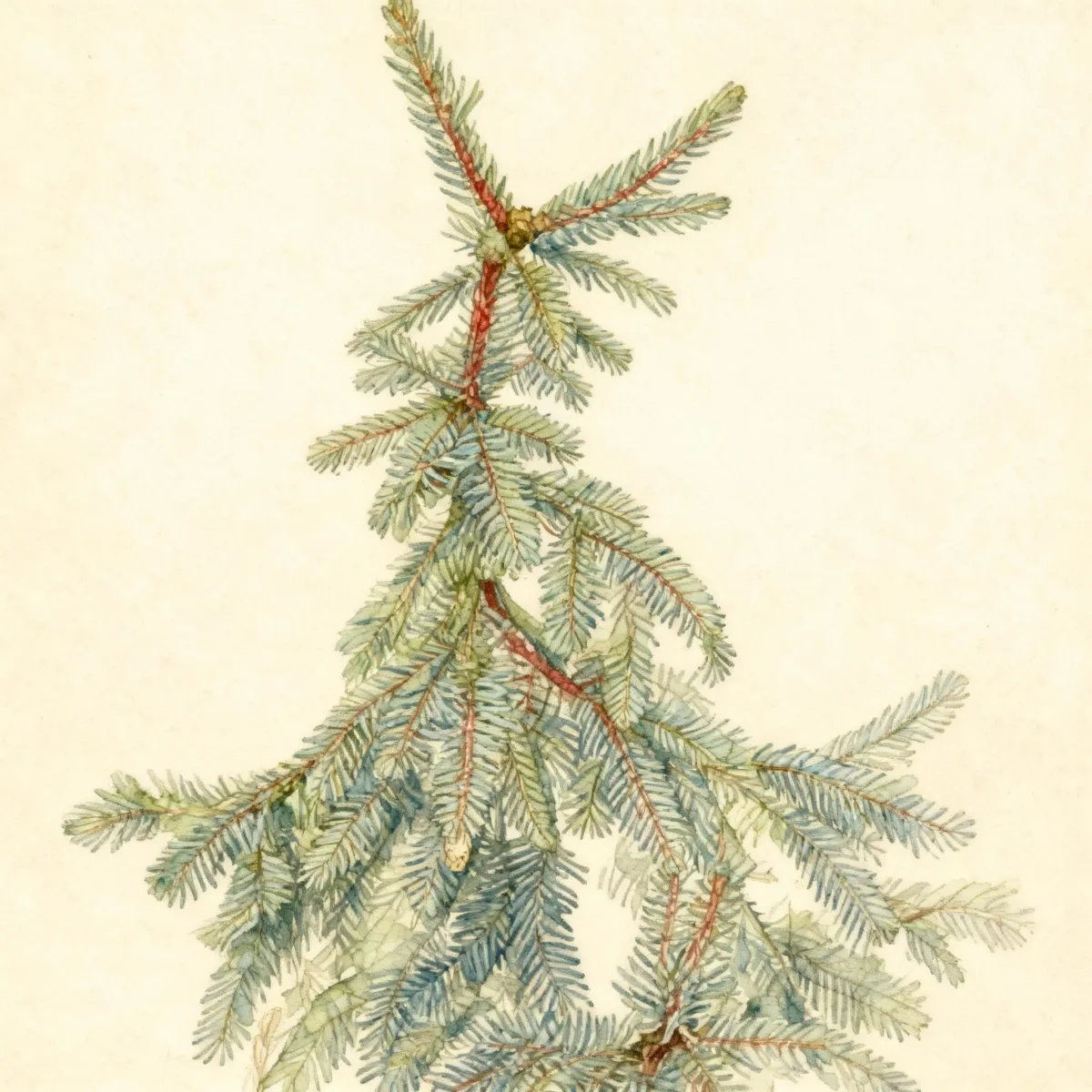
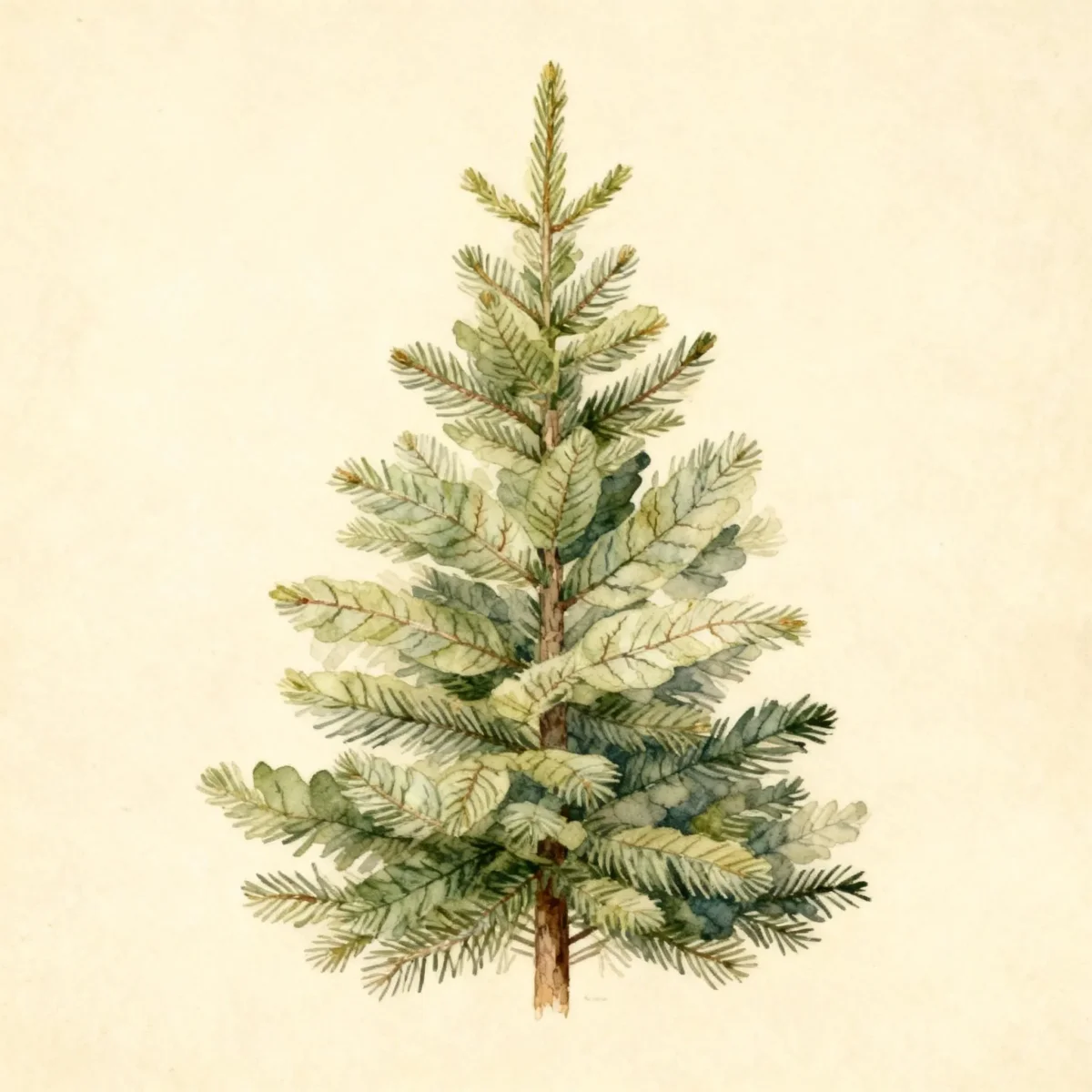
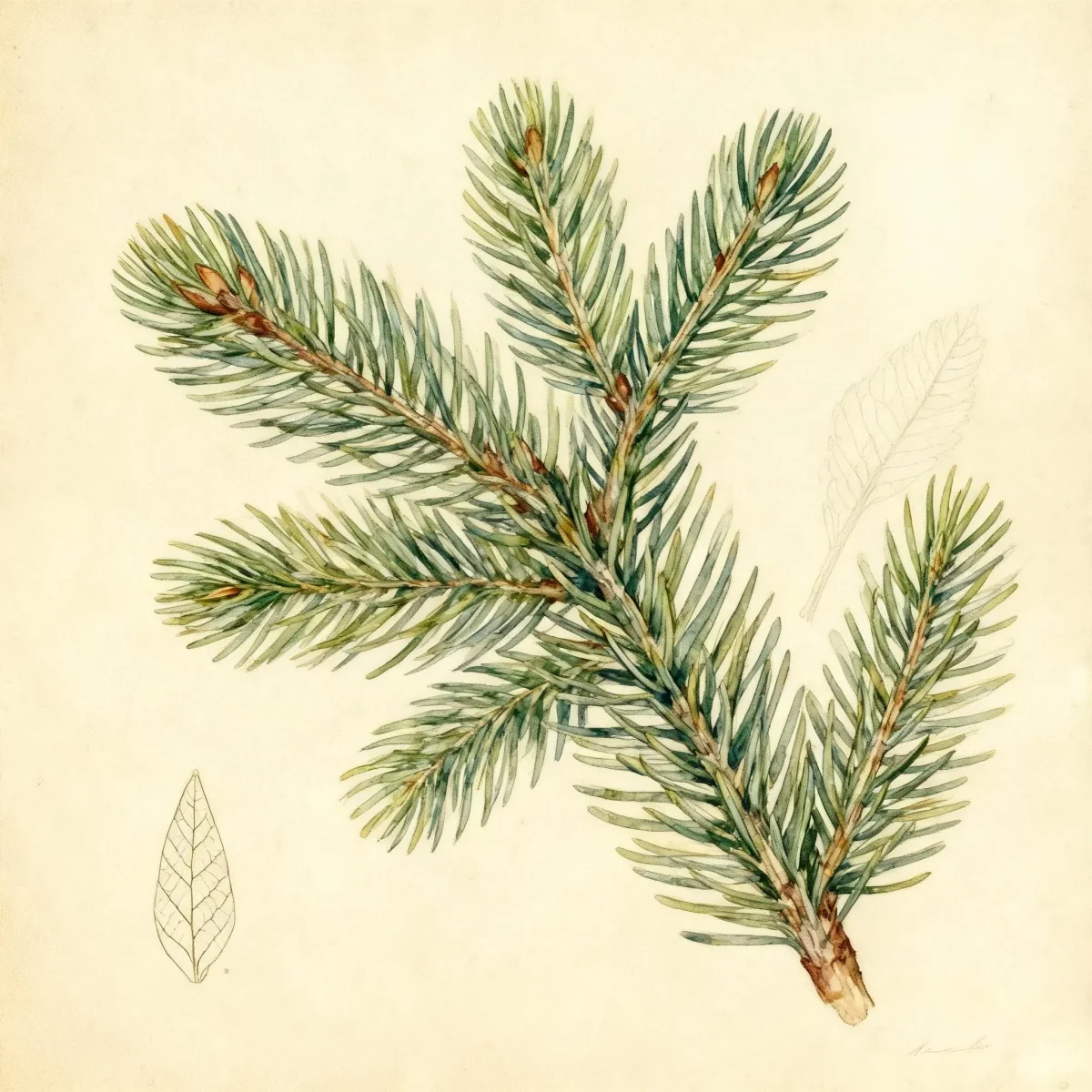
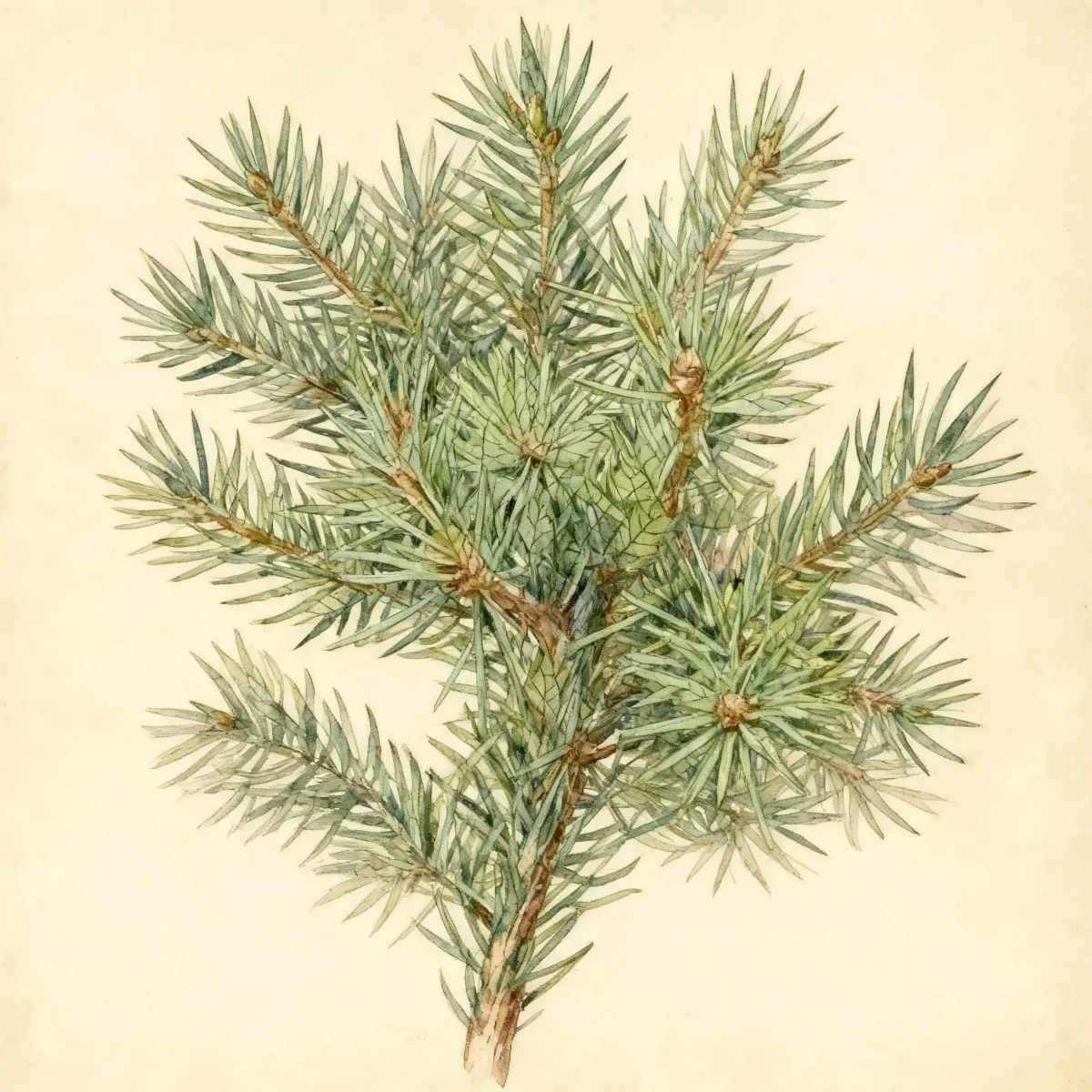
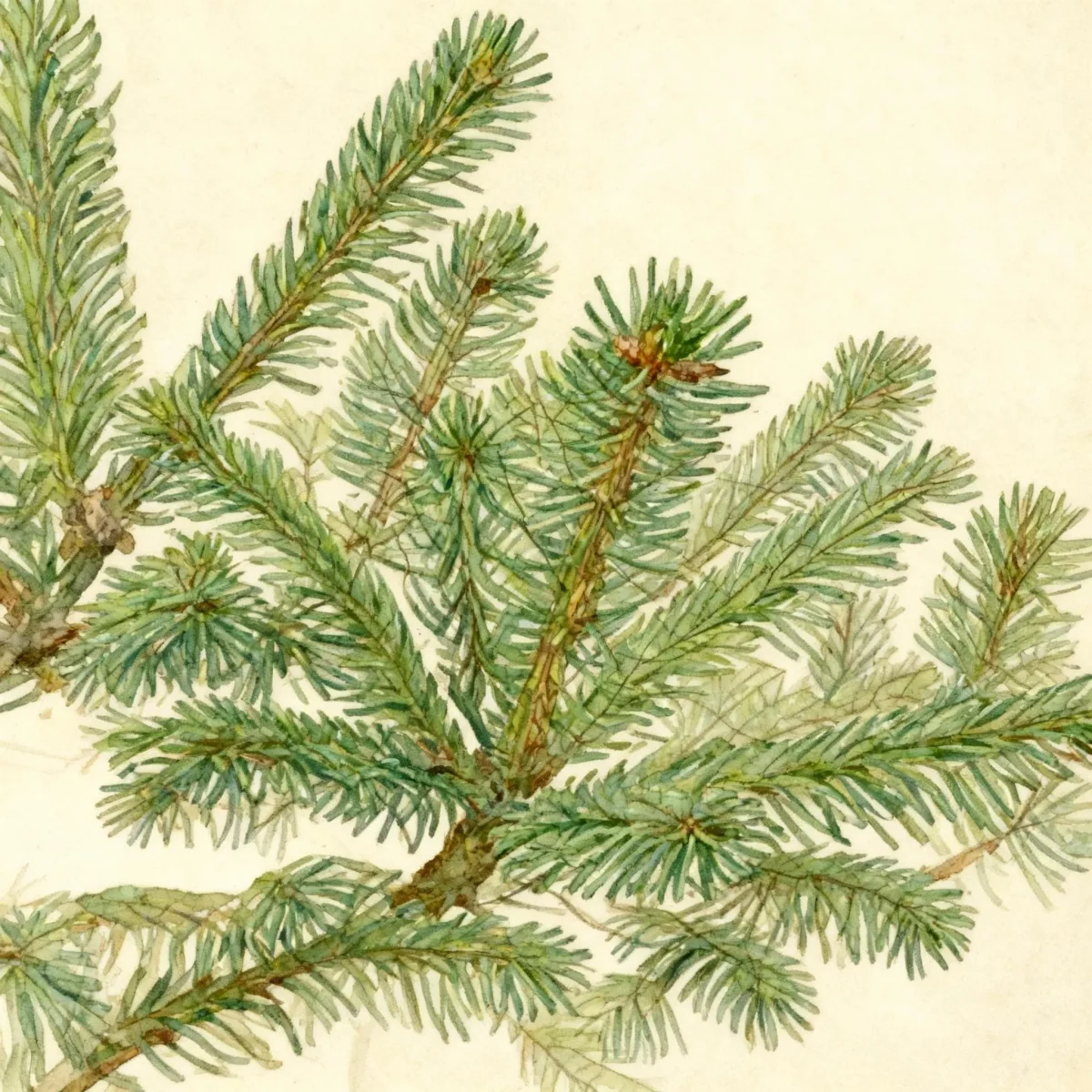
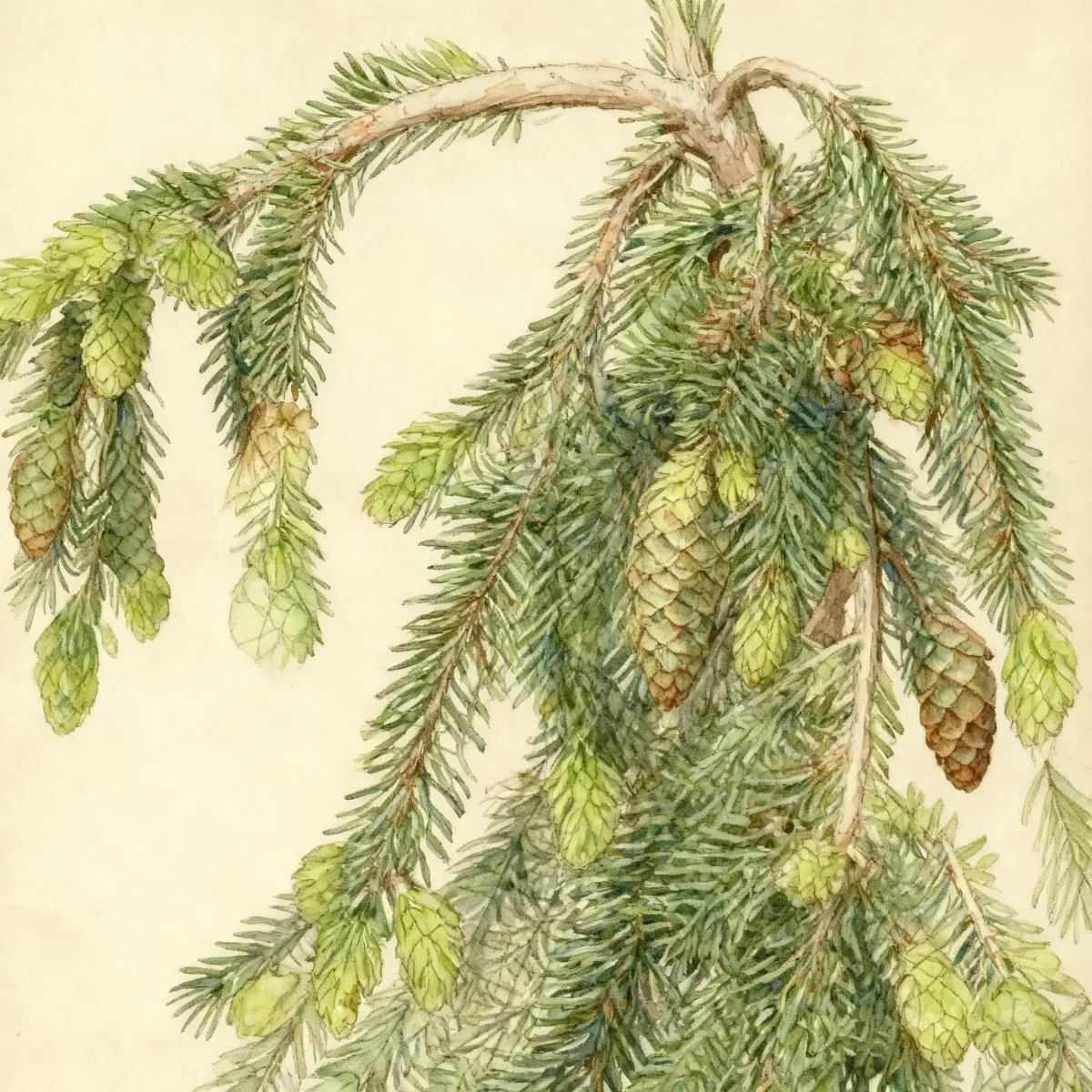
Norway spruce (Picea abies 'Nidiformis')
Discover Picea abies 'Nidiformis', a slow-growing dwarf Norway spruce perfect for rock gardens needing full sun.
Scroll down to discover growing tips, care requirements, companion plants, and more
Complete Plant Information
Overview
The Picea abies ‘Nidiformis’, commonly known as the bird’s-nest Norway spruce, is a distinctive, slow-growing, dwarf cultivar highly valued for its unique form. Unlike the towering parent Norway spruce, this selection develops a dense, flattened, broad-rounded shape that often features a central depression, resembling a nest. This compact habit makes it an excellent choice for smaller gardens or areas where space is limited.
This needled evergreen offers year-round structure and deep green texture to the landscape. It thrives best in settings that mimic the cooler climates where the parent Picea abies naturally grows, requiring full sun exposure to maintain its dense shape and color. Its low maintenance requirements further enhance its appeal for busy gardeners seeking reliable, attractive structure.
A primary benefit of planting Picea abies ‘Nidiformis’ is its ability to provide year-round visual interest without demanding constant attention. Its unique, nest-like silhouette contrasts beautifully against fine-textured perennials or broadleaf shrubs, making it an indispensable accent specimen for contemporary and traditional designs alike.
Fast Facts
- Plant Family: Pinaceae
- Plant Type: Needled evergreen
- Hardiness Zones: USDA Zones 3-7
- Size at Maturity:
- Height: 2-8 ft
- Spread: 3-12 ft
- Bloom Time: Non-flowering
- Bloom Description: Non-flowering
- Sun Exposure: Full sun
- Water Needs: Medium
- Maintenance Level: Low
How to Grow
To ensure the best development of your Picea abies ‘Nidiformis’, plant during the spring or fall when temperatures are moderate. Select a location that provides full sun exposure; insufficient light can lead to leggier growth and a less defined nest shape. This Norway spruce cultivar performs optimally in average soils, provided they are acidic and maintain even moisture without becoming waterlogged. Well-drained soil is crucial for root health.
Water needs for this conifer are considered medium. While established plants exhibit some tolerance for dry spells, consistent moisture, particularly during the first few growing seasons, is essential for establishment. Ensure the soil remains evenly moist, especially in rich, sandy soils which tend to drain quickly. Avoid overhead watering late in the day to minimize the risk of fungal issues developing on the needles.
Maintenance for Picea abies ‘Nidiformis’ is naturally low. Pruning is rarely required due to its inherent dwarf, mounding habit. If minor shaping is desired, make small corrective cuts during the dormant season. Be aware that the species prefers cooler summer climates and may struggle or decline if planted in the extreme heat found south of USDA Zone 7.
Landscape Uses
The dwarf size and unique flattened globe form of the Picea abies ‘Nidiformis’ open up many specialized landscape applications. It is perfectly suited as a low accent plant placed directly beside foundations where its slow growth won’t overwhelm architecture. Its structure provides year-round impact, making it a perfect specimen plant near entryways or patios.
This cultivar excels in rock gardens, offering necessary evergreen contrast among stones and lower-growing alpine plants. Furthermore, its dense form works effectively along border fronts where a low, weighty evergreen is needed to anchor the edge. Gardeners can also successfully utilize the nest spruce in large containers, though regular monitoring of moisture levels will be necessary.
Consider pairing the dense, dark green needles of this Norway spruce cultivar with bright, fine-textured foliage or late-blooming perennials that provide seasonal color. Its texture contrasts beautifully with the broad leaves of hostas or the fine blades of ornamental grasses planted nearby in sunny borders.
Standout Features
Noteworthy Characteristics
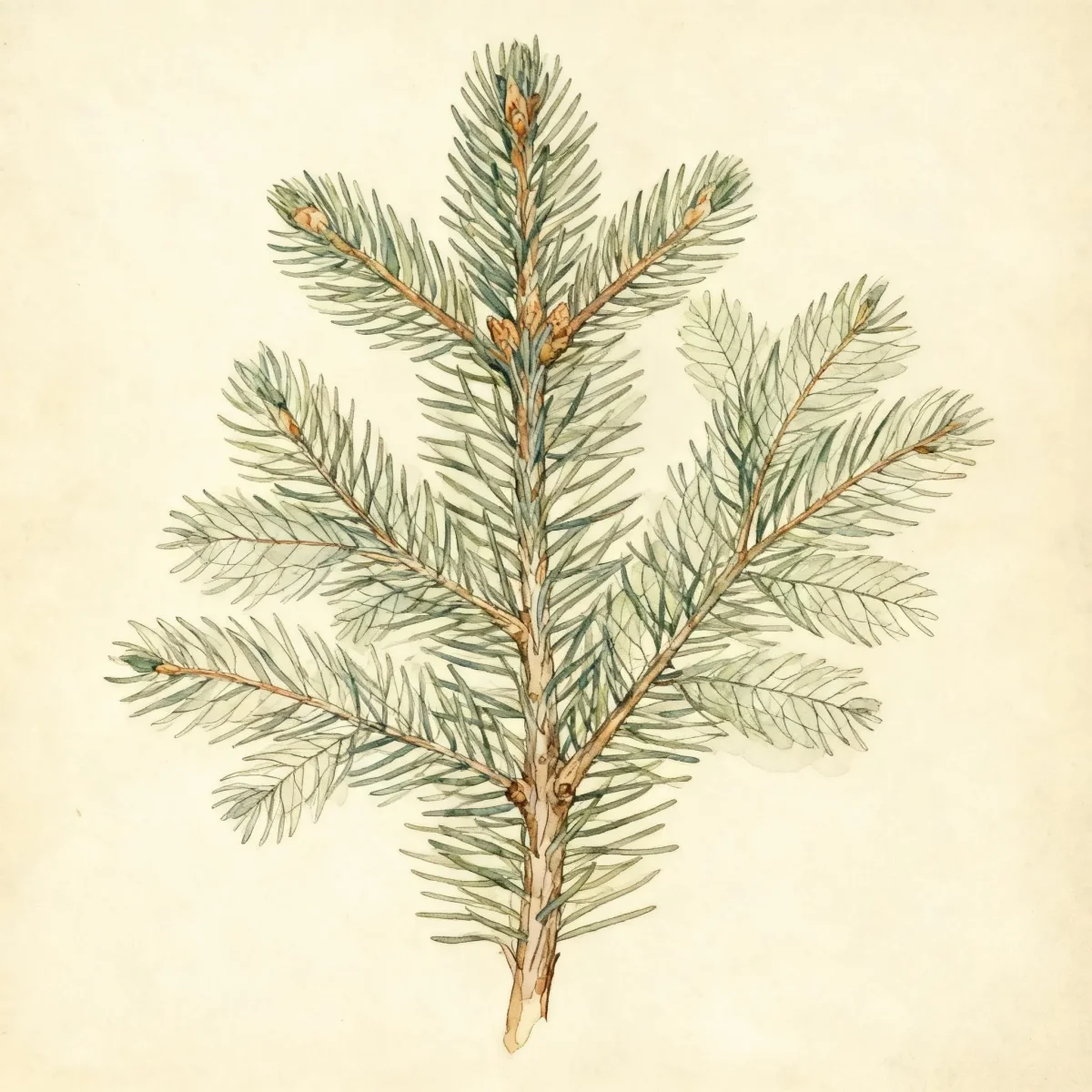
Picea abies, commonly called Norway spruce, is typically a large pyramidal evergreen reaching impressive heights, but the ‘Nidiformis’ cultivar showcases this species in miniature. This slow-growing dwarf typically matures to 2 to 8 feet tall and 3 to 12 feet wide over several decades, uniquely forming a dense, broad-rounded, shrubby shape. Its defining characteristic is the central depression or “nest” on the flattened top, giving it the common name bird’s-nest spruce, featuring thin, dark gray needles up to 3/4 inch long.
Tolerances
- Deer
- Air Pollution
Potential Problems
While generally hardy, the Norway spruce can be susceptible to certain fungal and pest issues if cultural requirements are not met. Fungal diseases like Cytospora canker, wood decay, and needle cast may appear, often triggered by poor air circulation, overly wet conditions, or planting stress. To mitigate these risks, ensure proper spacing and excellent drainage, especially when planting the Picea abies ‘Nidiformis’ in compacted or heavy clay soils.
Sap-sucking and chewing insects are also potential threats to this evergreen. Gardeners should regularly inspect the needles and branch crevices for signs of early infestation by aphids, borers, budworms, and bagworms. Red spider mites can also pose a significant problem, particularly during hot, dry periods, requiring diligent monitoring during summer months for this beloved Norway spruce cultivar.
Frequently Asked Questions
What hardiness zones is Picea abies ‘Nidiformis’ suitable for?
Picea abies ‘Nidiformis’ is reliably hardy across USDA Zones 3 through 7.
How large does the Norway spruce cultivar grow?
This dwarf variety grows slowly, eventually reaching heights between 2 and 8 feet, with spreads ranging from 3 to 12 feet.
What sun exposure does Picea abies ‘Nidiformis’ need?
This conifer demands full sun to maintain its dense, characteristic shape and coloration.
When does Picea abies ‘Nidiformis’ bloom?
As a conifer, Picea abies ‘Nidiformis’ is non-flowering; it develops cones instead of ornamental flowers.
Conclusion
The Picea abies ‘Nidiformis’ offers exceptional year-round interest as a highly adaptable, low-maintenance focal point perfect for contemporary small spaces. Its unique bird’s nest habit sets it apart from standard conifers, making it a standout addition. Before planting, confirm that your site provides the necessary full sun exposure and acidic, well-draining soil characteristic for success with this dwarf Norway spruce.
Companion Planting
Selecting appropriate companions helps highlight the unique texture and color of the Picea abies ‘Nidiformis’. Since this evergreen requires full sun and acidic soil, pair it with other acid-loving shrubs and perennials that share moisture needs, such as certain varieties of rhododendrons or azaleas (if planted near the upper limit of Zone 7). For seasonal contrast, consider planting low-growing groundcovers with contrasting foliage color in the spring and summer.
In rock garden settings, the mounding silhouette of the nest spruce looks fantastic next to stone features and interspersed with creeping junipers or low mounds of dwarf conifers that maintain a contrasting color, such as golden false cypress varieties. Avoid planting sun-lovers that require alkaline soil, as this will stress the Norway spruce and compromise its overall health.
Design Ideas for Dwarf Conifers
Dwarf conifers like Picea abies ‘Nidiformis’ are essential tools for creating scale and composition in miniature landscapes or courtyard gardens. Plant it slightly off-center in a mixed border to draw the eye without overpowering surrounding plants. Use multiple specimens spaced evenly along a winding pathway to establish rhythm and repeat the low, dense green texture.
When utilizing this plant near foundations, ensure you account for its eventual 12-foot spread by placing it several feet away from the structure itself. In Japanese-inspired gardens, the nest shape mimics pruned cloud forms, providing essential structure even when deciduous companions are bare for the winter months. Its slow growth rate ensures that a design built around the Picea abies ‘Nidiformis’ will remain relevant for many years.