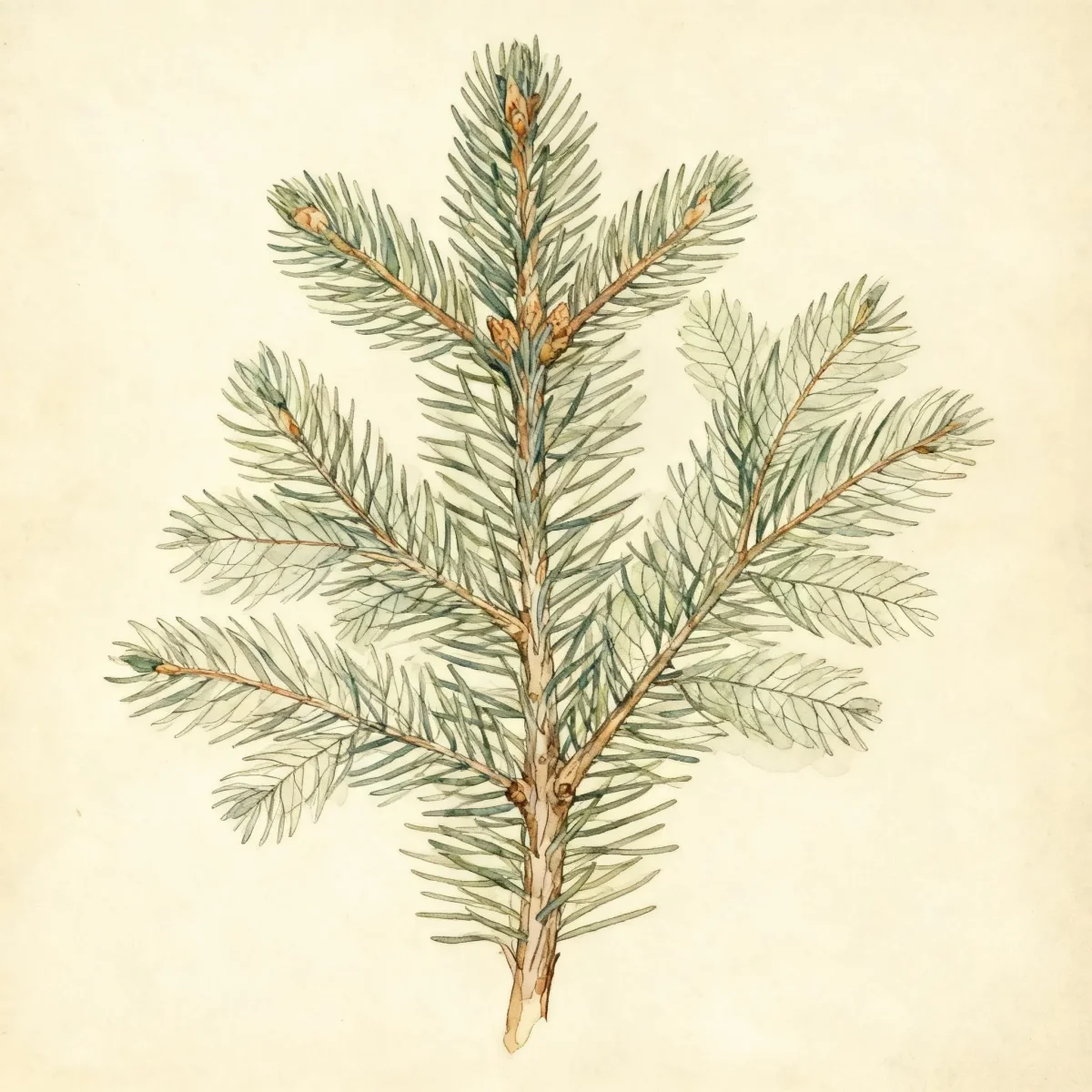
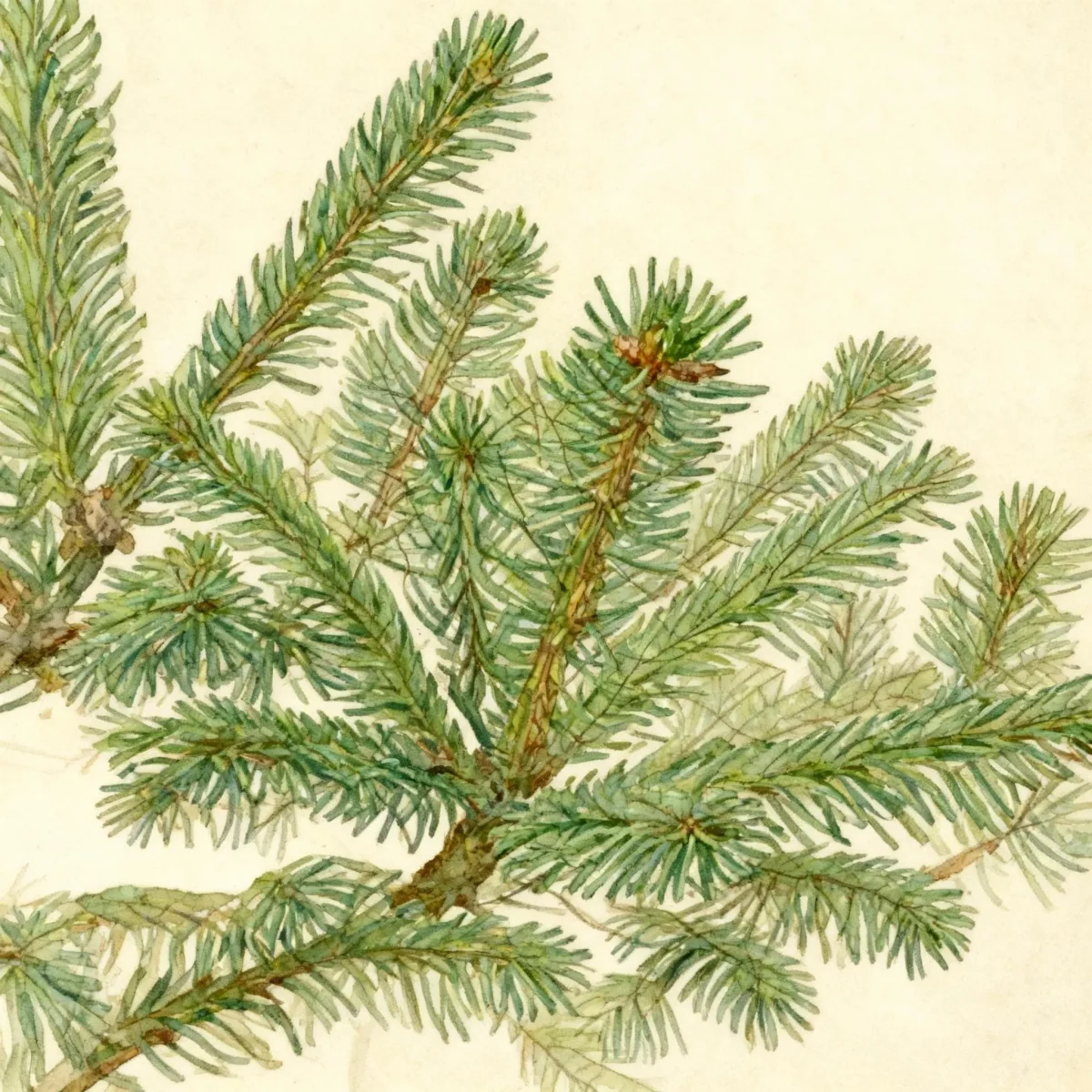
Norway spruce (Picea abies 'Pumila')
Picea abies 'Pumila' is a slow-growing, dwarf Norway spruce perfect for rock gardens, offering dense evergreen texture with low maintenance.
Scroll down to discover growing tips, care requirements, companion plants, and more
Complete Plant Information
Overview
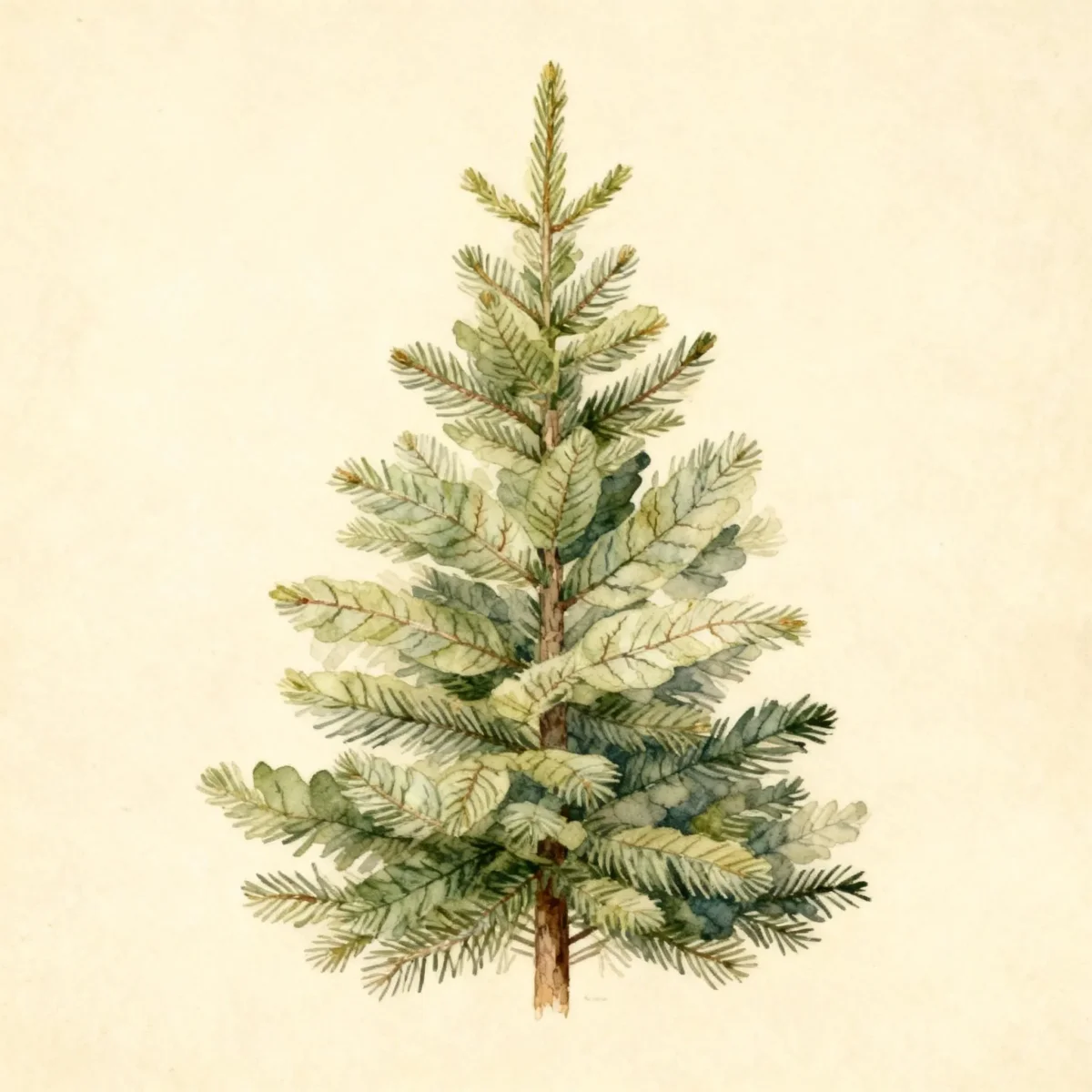
Picea abies ‘Pumila’, the dwarf Norway spruce cultivar, offers the stately presence of its larger relatives in a compact, manageable form ideal for smaller landscapes. This needled evergreen is highly valued for its dense, flattened, globular mound habit, providing essential year-round structure. It exhibits low maintenance requirements, making it an excellent choice for gardeners seeking dependable evergreen color without constant upkeep.
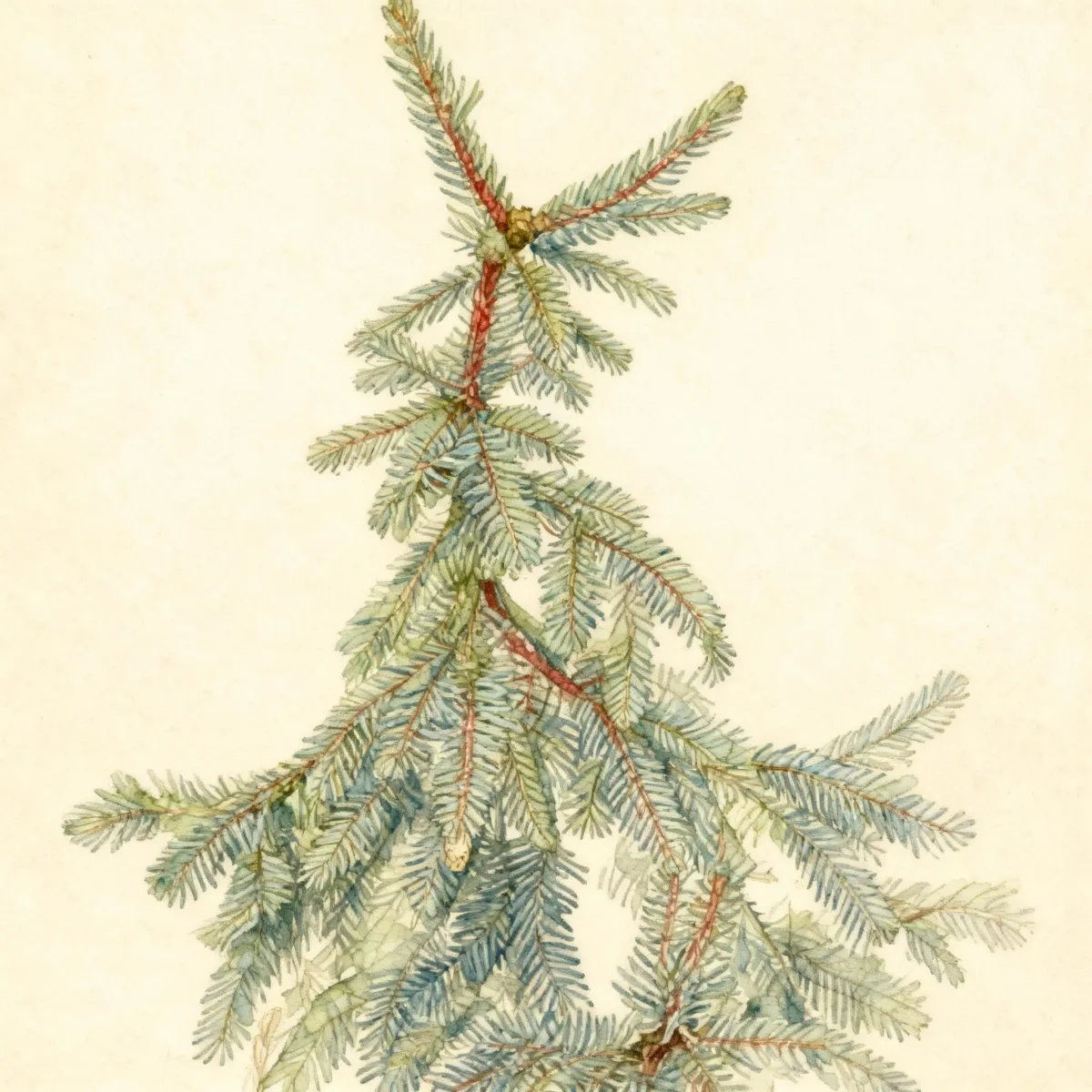
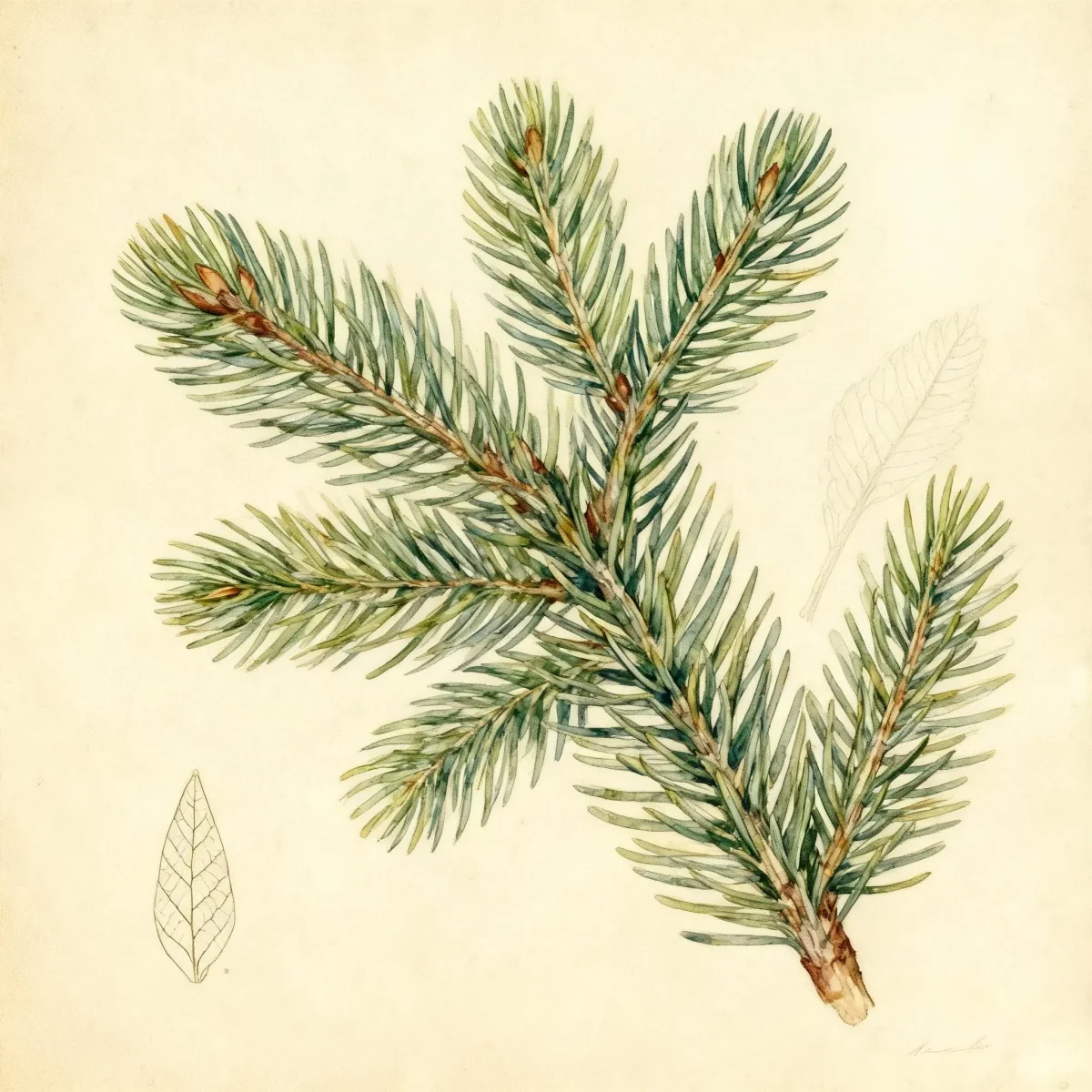
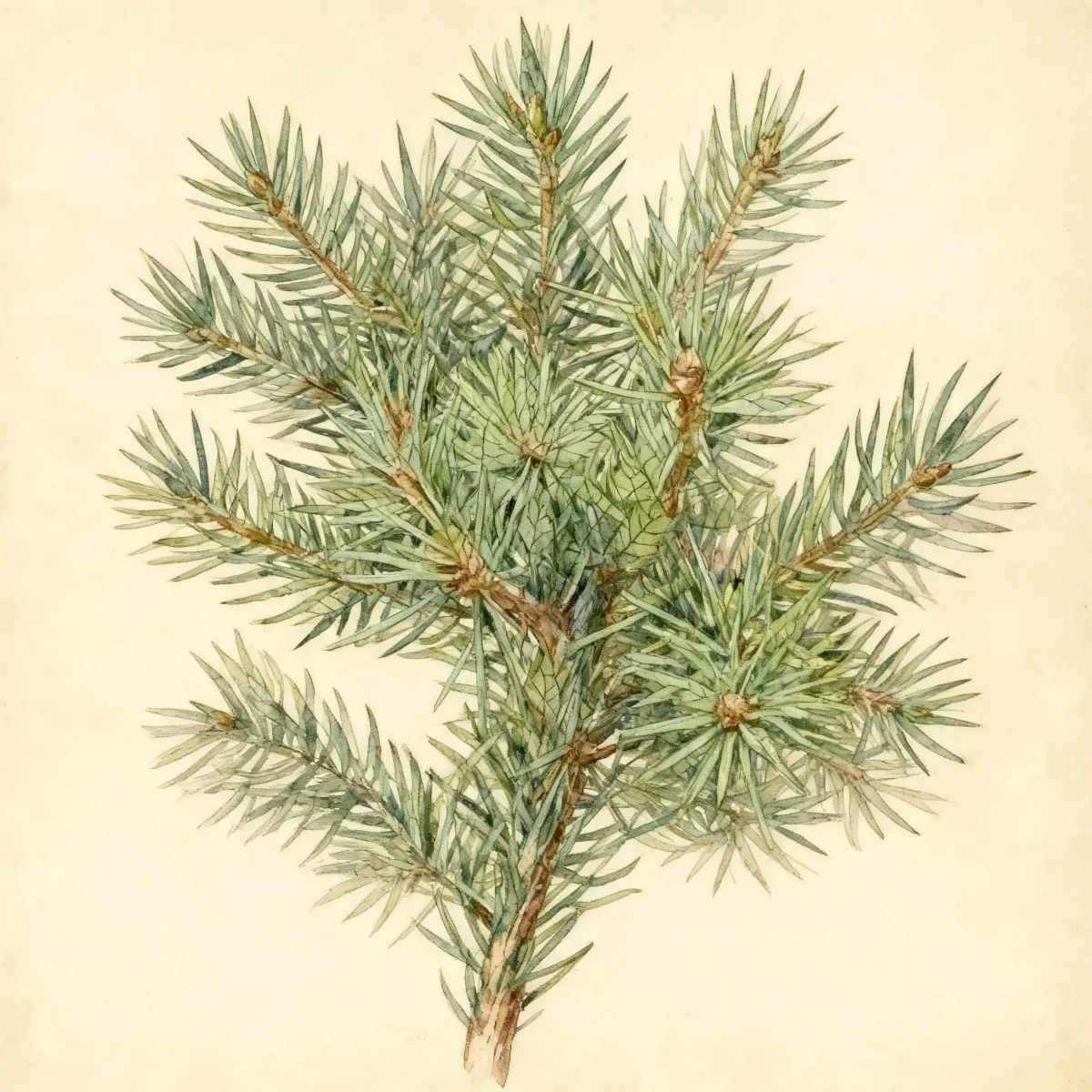
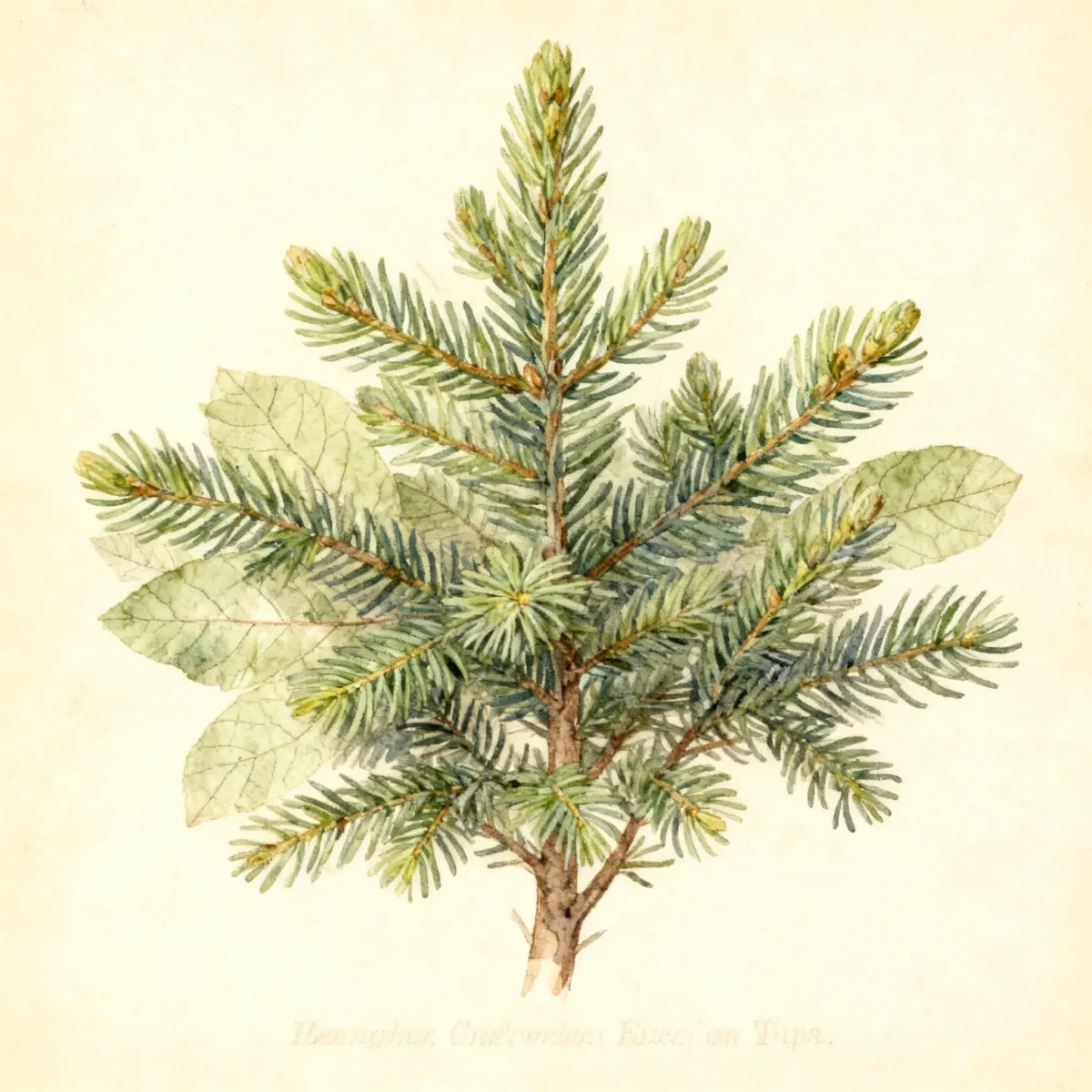
Unlike the towering height of the standard Norway spruce, this cultivar remains consistently small, typically reaching only 2 to 4 feet tall and spreading 3 to 5 feet wide. The dense foliage is comprised of spirally-arranged, four-sided, deep green needles that offer excellent textural contrast against broader-leafed plants in the garden design. The Picea abies ‘Pumila’ thrives best in cooler climates, lending a classic northern forest feel to temperate gardens.
This variety’s hardiness and resilience, particularly its tolerance to air pollution, make the Norway spruce a reliable performer in many settings. Whether used as a year-round anchor or a textural element among flowering perennials, the Picea abies ‘Pumila’ provides dependable, slow-growing structure throughout the year.
Fast Facts
- Plant Family: Pinaceae
- Plant Type: Needled evergreen
- Hardiness Zones: USDA Zones 3-7
- Size at Maturity:
- Height: 2-4 ft
- Spread: 3-5 ft
- Bloom Time: Non-flowering
- Bloom Description: Non-flowering
- Sun Exposure: Full sun
- Water Needs: Medium
- Maintenance Level: Low
How to Grow
Planting Picea abies ‘Pumila’ should ideally occur in spring or fall when temperatures are moderate, allowing the roots to establish before summer heat or winter freezes. This dwarf Norway spruce needs full sun exposure to maintain its dense form and best color. It thrives in average, acidic soils that are evenly moist and well-drained; performance is enhanced in rich, sandy substrate.
Water needs for this evergreen are medium. While established specimens show some tolerance for dryish soils once mature, consistent moisture is crucial during the first few growing seasons. Avoid overly wet, boggy conditions, which can invite root decay issues common to spruce. Fertilizing is generally unnecessary if the soil is adequate, though a balanced, slow-release fertilizer applied in early spring can benefit slow growers.
Pruning is usually minimal for the Picea abies ‘Pumila’ as its natural shape is highly desirable. If shaping is required, trim lightly in early spring before new growth begins, focusing only on removing dead or broken branches. Gardeners should be mindful that this species prefers cooler summer climates; south of USDA Zone 7, growth may be stunted or the plant may struggle due to excessive heat.
Landscape Uses
The compact stature of the Picea abies ‘Pumila’ makes it exceptionally versatile in landscape design. Its low, wide-spreading habit lends itself perfectly to the fronts of borders, softening the transition between lawn or hardscaping and taller shrubs. It functions beautifully as a slow-growing specimen plant in Japanese-style gardens or rock gardens where texture and form are paramount.
Consider placing this dwarf Norway spruce near foundations where space is limited, ensuring adequate clearance for the 3 to 5-foot spread. It serves as an excellent anchor, providing deep green visual weight among accent perennials or deciduous shrubs that offer seasonal color change. This cultivar works well paired with low-growing, spreading junipers or colorful dwarf rhododendrons that share similar acidic soil preferences.
For year-round interest, mass plantings of Picea abies ‘Pumila’ create a low, undulating evergreen carpet effect, offering superior winter interest when deciduous plants are bare. Its dense structure also makes it an effective low accent piece in container gardens placed near entryways, provided the container is large enough to accommodate its spread.
Standout Features
Noteworthy Characteristics
Picea abies, commonly called Norway spruce, is a large pyramidal evergreen conifer that is native to the mountains of northern and central Europe east to the Urals. In its native European habitat, it typically matures to 100-150’ (occasionally to 200’) tall. It has been widely planted in cool and temperate regions of North American where it typically matures to a much shorter 40-60’ (less frequently to 100’) tall. It is noted for its rapid growth. Primary branches are slightly upturned but secondary branches become pendulous as the tree matures. Branches are clad with spirally-arranged, four-sided, needle-like, deep green leaves which are attached at their bases to tiny pegs. Cylindrical seed bearing cones (to 9” long) are pendulous. In excess of 150 cultivars (mostly dwarf) have been named over the years. Cultivars can be very difficult to distinguish.Genus name is reportedly derived from the Latin word pix meaning “pitch” in reference to the sticky resin typically found in spruce bark.Specific epithet refers to its similarity to the genus Abies (fir).’Pumila’ is a slow-growing dwarf cultivar that typically grows in a dense, flattened, globular mound to 2-4’ tall and to 3-5’ wide. Lower branches typically spread outward, but upper branches spread upward.
Tolerances
- Deer
- Air Pollution
Potential Problems
This evergreen can be susceptible to several fungal diseases, primarily Cytospora canker, wood decay, needle cast, and rust, which often take hold in areas with poor air circulation or excessive moisture. Watch closely for common pests like aphids, bagworms, budworms, and borers, especially if the tree is stressed. Red spider mites can become troublesome, particularly during hot, dry periods. Proper planting (well-drained soil) and maintaining good airflow around the plant are the best preventative measures against most fungal issues.
Frequently Asked Questions
What hardiness zones is Norway spruce suitable for?
The Picea abies ‘Pumila’ is hardy and reliably performs across USDA Zones 3 through 7.
How large does Picea abies ‘Pumila’ grow?
This dwarf cultivar typically reaches mature dimensions of 2 to 4 feet in height and spreads between 3 and 5 feet wide.
What sun exposure does Norway spruce need?
This species requires full sun exposure to develop optimally and maintain its desirable compact form.
When does Picea abies ‘Pumila’ bloom?
As a conifer, the Picea abies ‘Pumila’ is non-flowering and does not produce ornamental blooms.
Conclusion
The Picea abies ‘Pumila’ stands out as an indispensable, low-maintenance foundation plant, offering dense, dependable texture throughout the year. Its dwarf habit successfully integrates the beauty of the Norway spruce into confined garden spaces. Before planting, ensure your site offers full sun in a cooler region, ideally within USDA Zones 3-7, to guarantee the best performance for this excellent evergreen specimen.
Companion Planting
When placing Picea abies ‘Pumila’ in the landscape, select companions that appreciate similar acidic soil conditions and tolerate full sun exposure. Consider pairing it with early spring bulbs like Daffodils or Crocus, which add ephemeral color before the evergreen fully dominates the scene. For textural contrast, consider planting it near broad-leaf evergreens whose foliage contrasts sharply with the fine needles of the dwarf spruce.
Low-growing, creeping groundcovers that enjoy partial shade at the edges of the root zone can also work well, provided they do not aggressively compete for moisture. Avoid placing it directly next to plants requiring alkaline soil, as this spruce prefers slightly acidic conditions to thrive long-term.
Design Ideas for Dwarf Conifers
The dense, mounding shape of the Picea abies ‘Pumila’ makes it perfect for creating formal structure in informal settings. Use groups of three or five to establish a strong visual anchor along a curving pathway, leading the eye toward a focal point. Because it resists shearing well and retains its shape naturally, it’s excellent for creating low, permanent hedging in small courtyard gardens.
In contemporary designs, utilize the deep green color of this Norway spruce cultivar against materials like gravel or light-colored stone mulch to enhance its dimensional structure. It also works exceptionally well as a year-round container centerpiece, requiring only appropriate winter protection for the pot if temperatures drop too low in the hardiness zone margins.