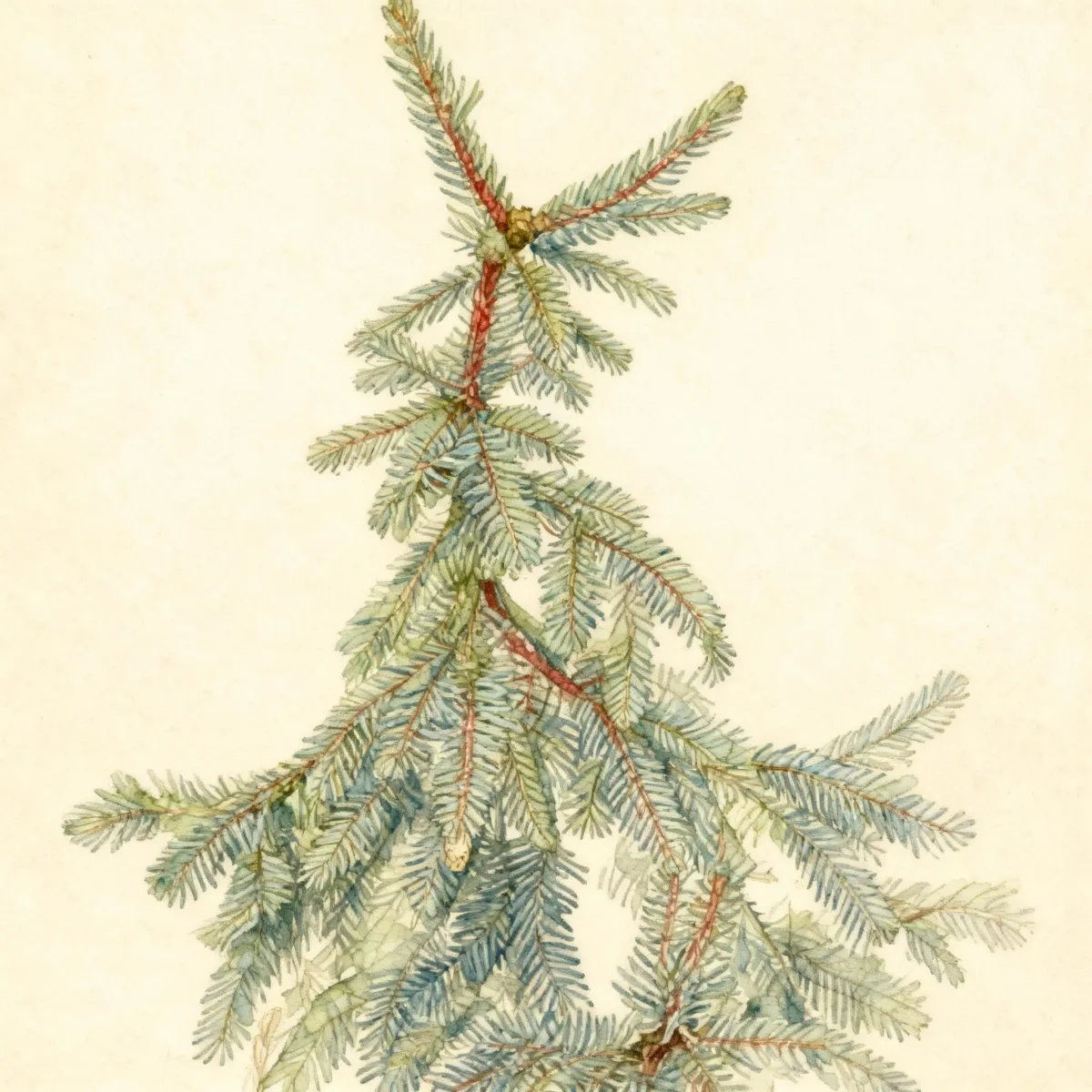
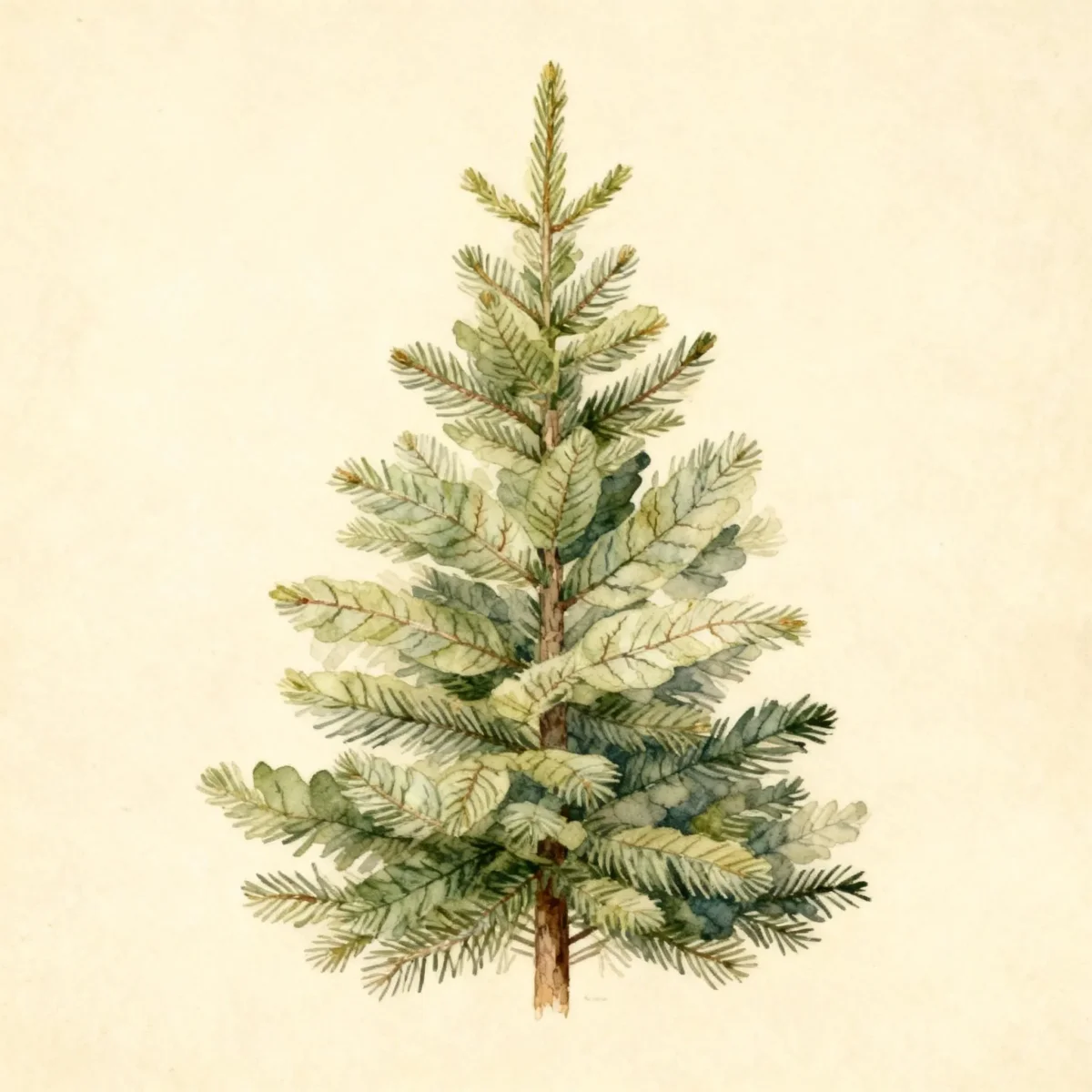
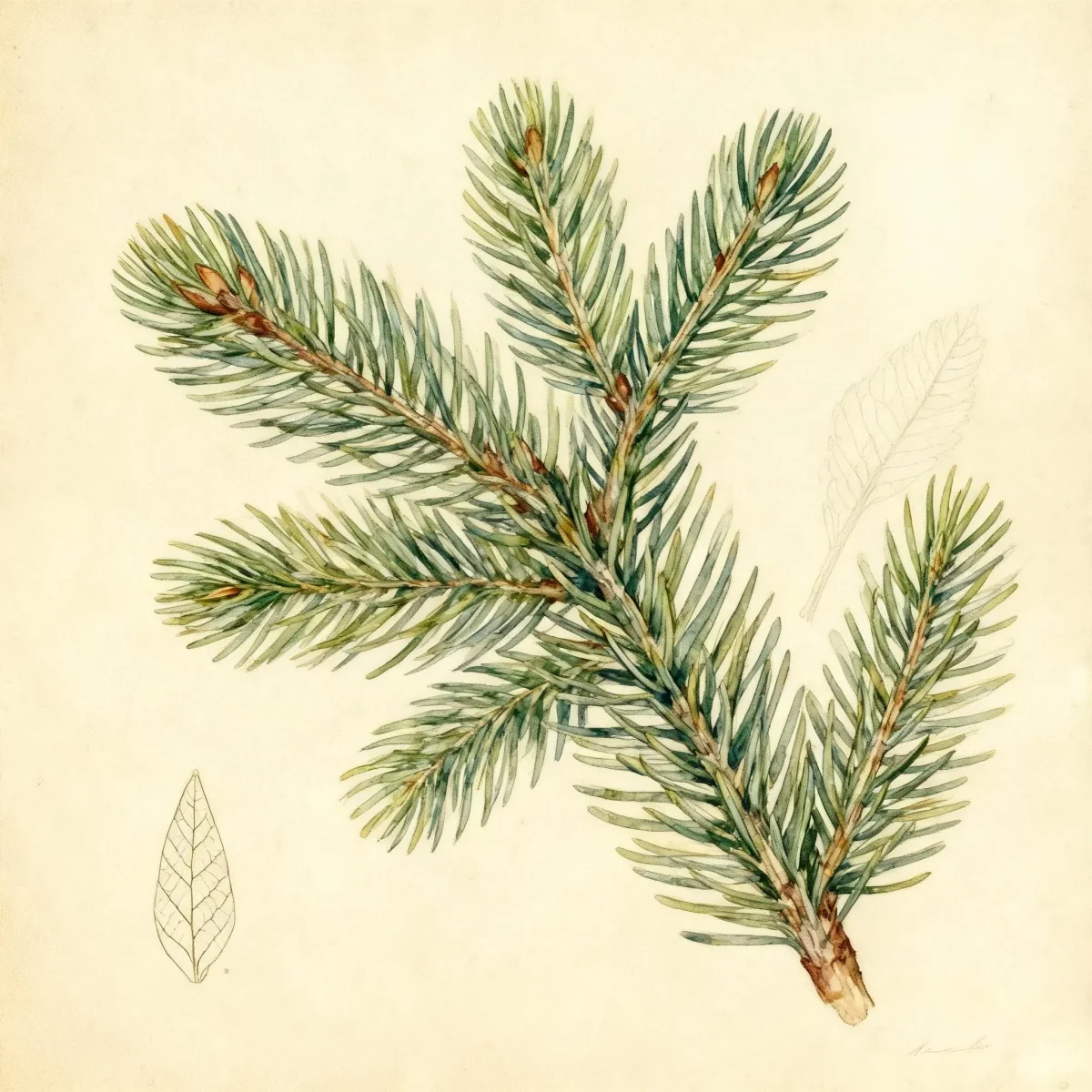
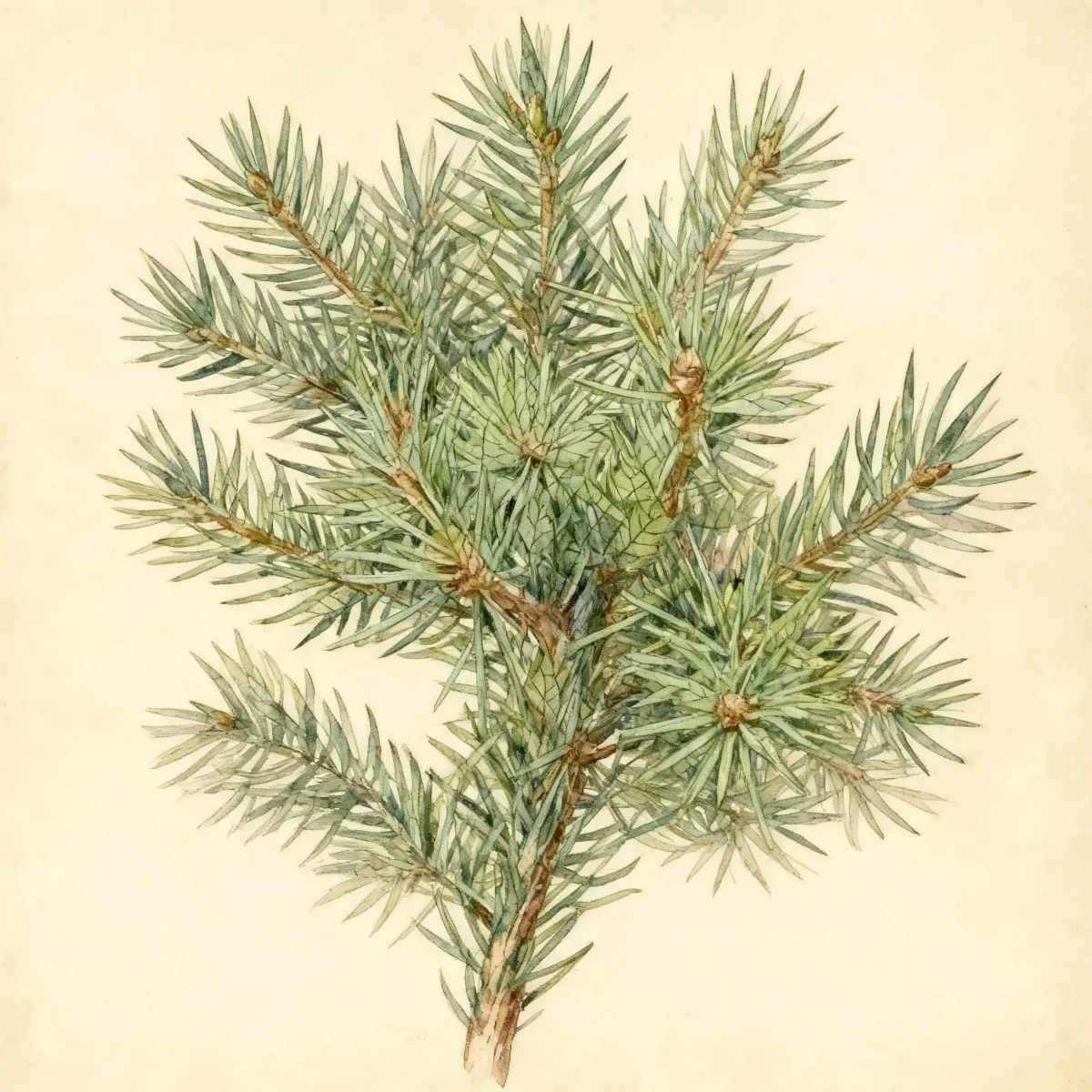
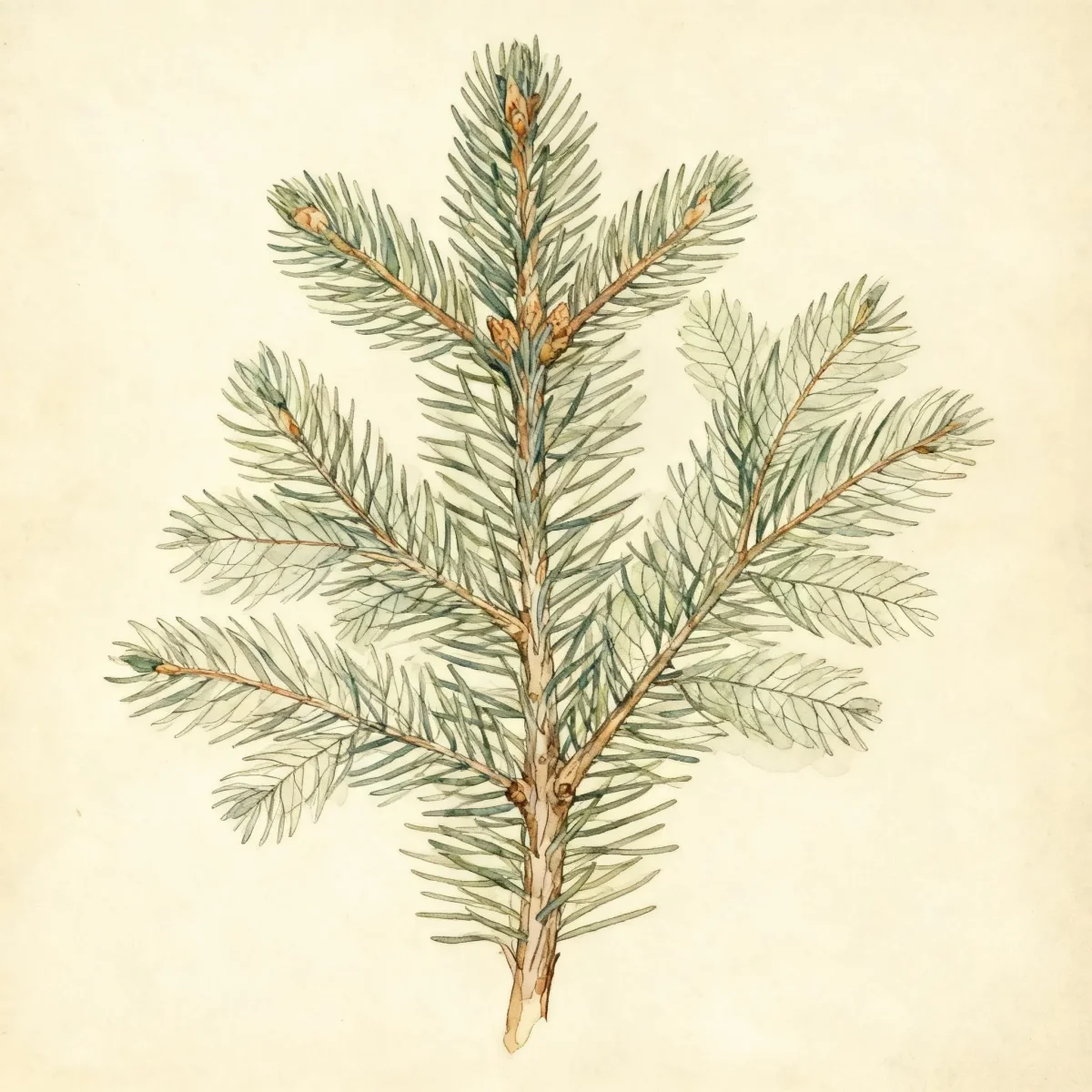
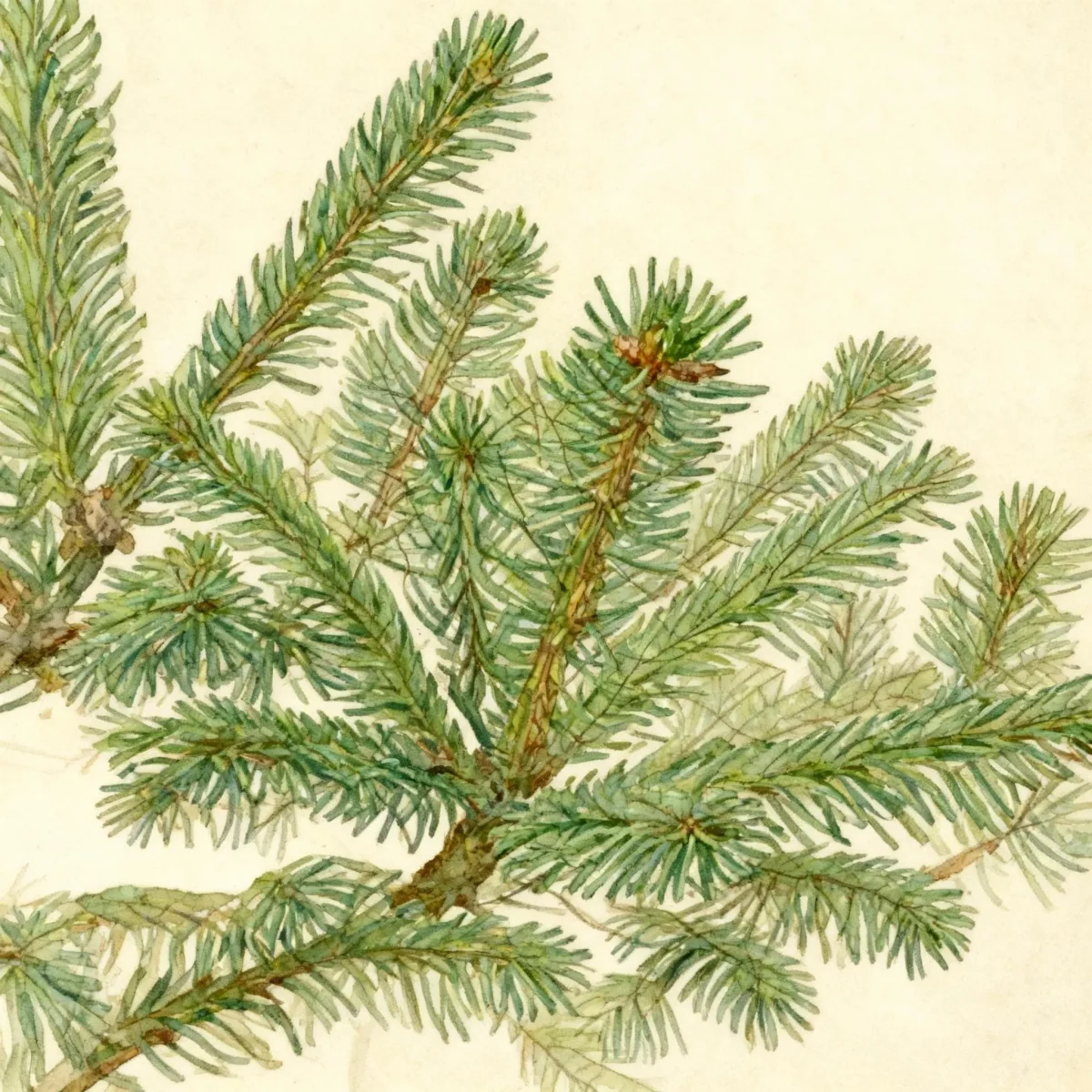
Norway spruce (Picea abies 'Sherwood Compact')
Picea abies 'Sherwood Compact' is a low-maintenance, dwarf Norway spruce perfect for small foundation plantings or rock gardens.
Scroll down to discover growing tips, care requirements, companion plants, and more
Complete Plant Information
Overview
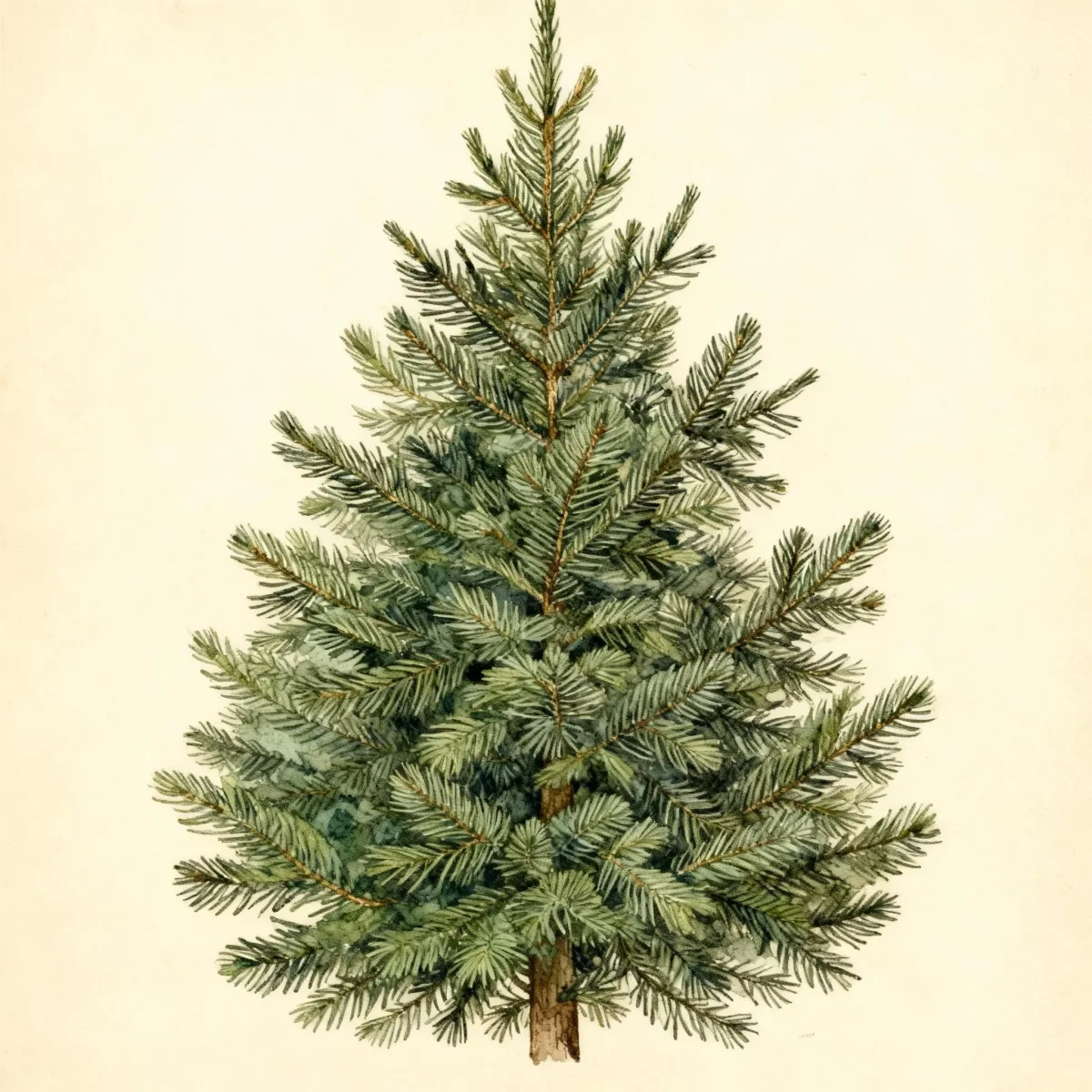
Picea abies ‘Sherwood Compact’ offers the classic beauty and dense structure of a Norway spruce, scaled down perfectly for smaller gardens. This dwarf cultivar provides year-round deep green texture, valued for its reliably low growth habit which contrasts sharply with the towering stature of the standard Norway spruce. Gardeners appreciate this conifer for its low maintenance needs and excellent tolerance for various site conditions.
As a slow-growing selection, the Picea abies ‘Sherwood Compact’ maintains an appealing, often irregular, but generally compact form. It excels where space is limited but visual impact is desired, functioning beautifully as a low specimen plant or incorporated into mixed borders. Its manageable dimensions make it ideal for foundation plantings where larger evergreens quickly become problematic.
This evergreen provides significant structural interest throughout the winter months, offering structure when deciduous plants have retreated. When properly situated, the compact Norway spruce requires very little intervention, making it a fantastic, long-term architectural addition to temperate landscapes.
Fast Facts
- Plant Family: Pinaceae
- Plant Type: Needled evergreen
- Hardiness Zones: USDA Zones 3-7
- Size at Maturity:
- Height: 1-3 ft
- Spread: 5-7 ft
- Bloom Time: Non-flowering
- Bloom Description: Non-flowering
- Sun Exposure: Full sun
- Water Needs: Medium
- Maintenance Level: Low
How to Grow
The Picea abies ‘Sherwood Compact’ establishes best when planted in the spring or fall during cooler, moist weather. Ensure the planting site receives full sun exposure daily for the best density and needle color. This spruce thrives in average, acidic soils that must be well-drained. It performs excellently in rich, sandy soil mixes but dislikes heavy, perpetually wet clay conditions, so amending the site is crucial for success.
Once established after the first season, this Norway spruce requires medium water input, typically needing supplemental moisture during extended dry spells. Avoid overwatering, as excessive moisture can lead to root issues. Fertilization is rarely necessary; however, a balanced, slow-release fertilizer applied in early spring can encourage uniform growth if the soil is notably poor.
Pruning is generally minimal for Picea abies ‘Sherwood Compact’ due to its inherent dwarf habit. If shaping is desired, trim lightly in late winter before new growth begins. Gardeners in hotter regions (south of Zone 7) should note that this tree prefers cool summer climates and may struggle or grow poorly under intense heat.
Landscape Uses
The compact size of Picea abies ‘Sherwood Compact’ opens up numerous design possibilities where traditional upright evergreens would overpower the space. Its broad, mounding habit makes it an exceptional choice for rock gardens, providing year-round textural contrast against stone and alpine plants. Use it to anchor the corner of a low border or as a repeating specimen near walkways.
This cultivar is highly effective as a foundation planting right next to a home, offering better scale than larger spruce selections. Furthermore, it functions perfectly as a small, dense hedge when planted in a row, offering screening without demanding frequent shearing. Its tolerance to air pollution also makes the compact Norway spruce a reliable choice for urban settings or near roadways.
Consider pairing the rich green needles of the Picea abies ‘Sherwood Compact’ with plants that offer seasonal color, such as Japanese maples for filtered shade contrast or brightly colored perennials near its periphery.
Standout Features
Noteworthy Characteristics
Picea abies, commonly called Norway spruce, is a large pyramidal evergreen conifer that is native to the mountains of northern and central Europe east to the Urals. ‘Sherwood Compact’ is a dwarf cultivar which has a compact form and a flat, often irregular, but occasionally rounded, habit. Grows slowly (3” per year) and may reach a size of 3.5’ high by 7’ wide after 30 years.
Tolerances
- Deer
- Air Pollution
Potential Problems
Potential issues for Norway spruce varieties generally involve fungal diseases favored by poor air circulation or excessive moisture. Watch for Cytospora canker, wood decay, needle cast, and rust, which often signal underlying stress from improper watering or poor soil drainage. Address these immediately by improving air flow and ensuring sharp drainage. Common pests include aphids, bagworms, budworms, and borers, while red spider mites can become troublesome during hot, dusty conditions. Regular scouting, especially of new growth, allows for early intervention with targeted horticultural oils or insecticides if necessary.
Frequently Asked Questions
What hardiness zones is Picea abies ‘Sherwood Compact’ suitable for?
This compact Norway spruce is hardy and reliable across USDA Zones 3 through 7.
How large does Picea abies ‘Sherwood Compact’ grow?
It is a dwarf variety, typically reaching only 1 to 3 feet in height but spreading wider, between 5 and 7 feet wide at maturity.
What sun exposure does Picea abies ‘Sherwood Compact’ need?
This conifer requires full sun to maintain its best form and coloration in the landscape.
When does Picea abies ‘Sherwood Compact’ bloom?
This specimen is classified as non-flowering, as is typical for spruce cultivars grown primarily for evergreen foliage and structure.
Conclusion
The Picea abies ‘Sherwood Compact’ is an invaluable resource for gardeners needing year-round structure in a controlled, compact form. Its low maintenance requirements and attractive dense form make it a superior choice over many larger foundation shrubs. Before planting, always confirm your site falls within USDA Zones 3-7 and ensure the location offers full sun and excellent soil drainage to enjoy this dwarf Norway spruce for decades.
Companion Planting Ideas
When placing the Picea abies ‘Sherwood Compact’, consider its preference for acidic soil and full sun. Companions should share similar cultural needs to ensure the overall health of the planting bed. Low-growing flowering shrubs, such as dwarf Rhododendrons or Azaleas, thrive in similar acidic media and provide vibrant spring color against the dark green backdrop of the spruce.
For textural variation, incorporate perennials that offer fine, wispy foliage. Ornamental grasses with contrasting upright habits or Hosta varieties with chartreuse or blue-toned leaves placed at the edge of its spread can soften the look of the dense evergreen needles. Since Picea abies ‘Sherwood Compact’ stays small, it functions perfectly as a low evergreen anchor among blooming perennials in a mixed border.
Design Ideas for Dwarf Conifers
Dwarf conifers like Picea abies ‘Sherwood Compact’ are essential for creating dynamic, year-round garden vignettes. In contemporary designs, use several specimens as repeating geometric elements along a walkway or patio edge, emphasizing their tidy, low profile. Their flat, spreading habit works incredibly well as ground cover in large drifts, particularly in low-maintenance xeriscaping areas needing structure.
In traditional cottage gardens, utilize the slow growth of this Norway spruce cultivar at the front boundary of a border where it won’t obscure mid-sized perennials behind it. As a foundation plant, its dense branching helps minimize soil erosion on slopes while providing protection for smaller bulbs planted directly underneath its canopy.