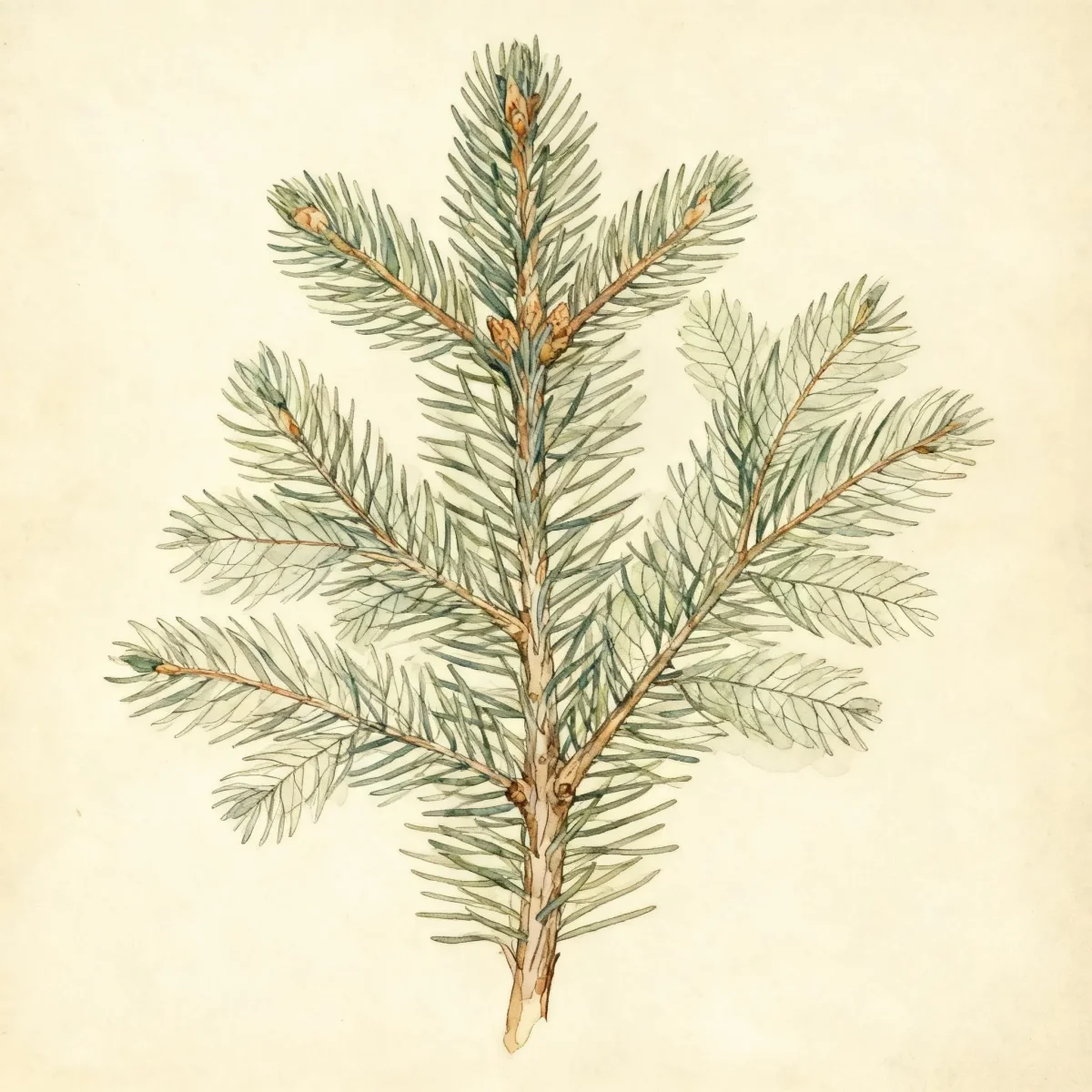
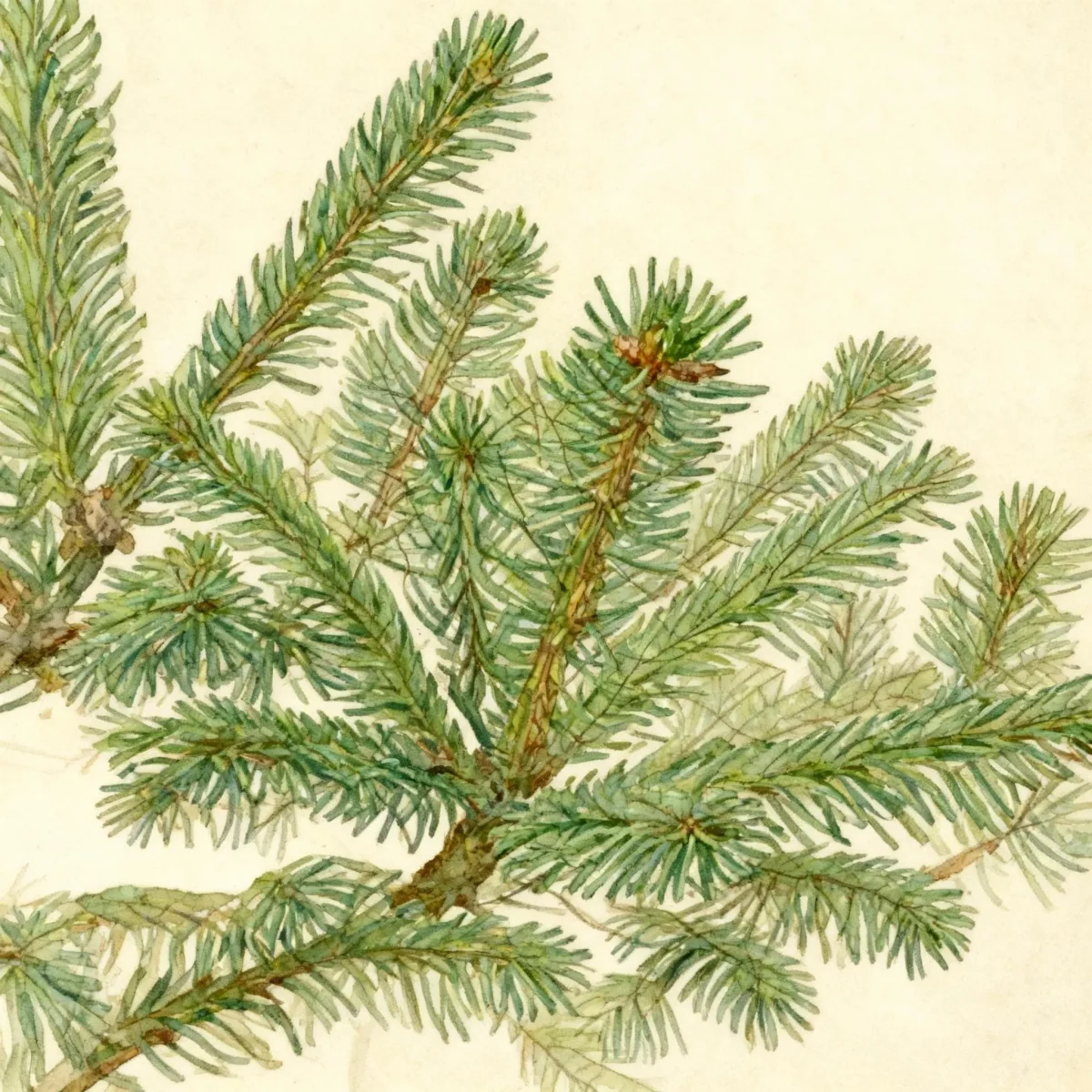
Norway spruce (Picea abies 'Weeping Blue')
Picea abies 'Weeping Blue' is a slow-growing, weeping Norway spruce cultivar noted for striking blue-green foliage and ground-covering habit.
Scroll down to discover growing tips, care requirements, companion plants, and more
Complete Plant Information
Overview
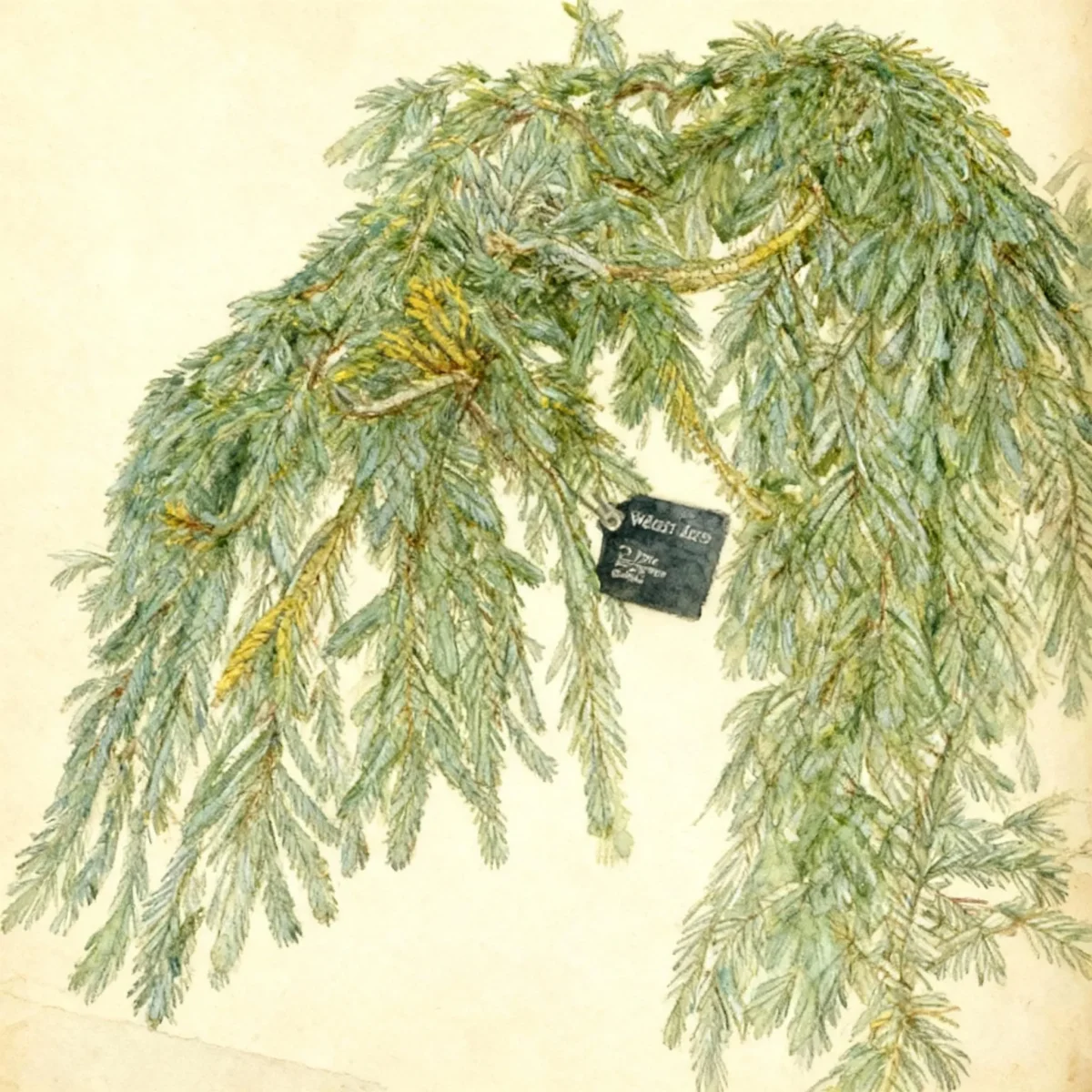
Picea abies ‘Weeping Blue’ offers unparalleled texture and drama in the landscape, serving as a unique, low-growing alternative to the massive parent Norway spruce. This cultivar is prized for its distinct blue-green foliage and naturally weeping or sprawling habit, making it perfect for textural contrast. Gardeners appreciate this slow-growing specimen for its minimal height, allowing it to cascade beautifully over retaining walls or mound naturally in rock gardens.
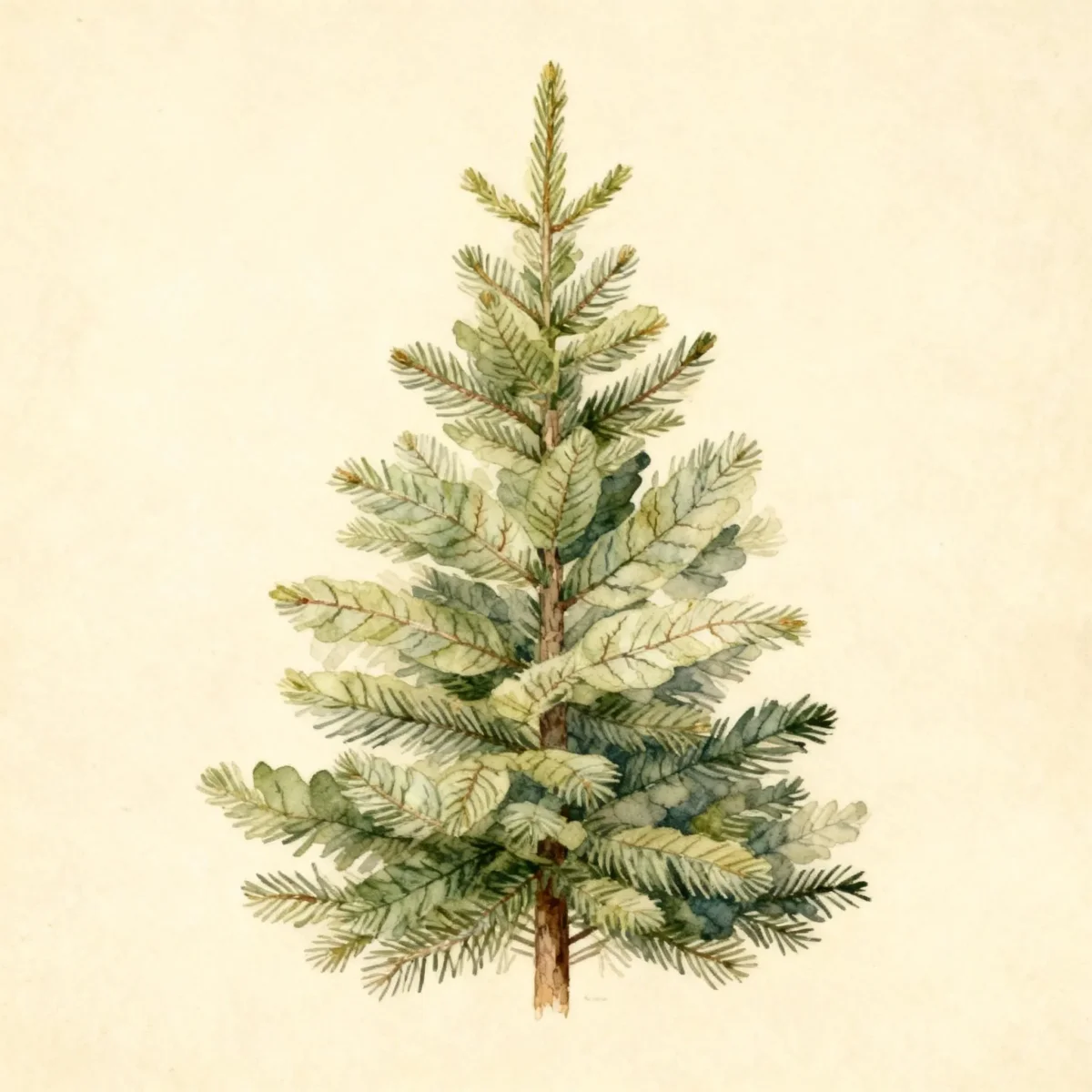
As a needled evergreen, the Picea abies ‘Weeping Blue’ provides year-round structure, contrasting sharply with deciduous plantings nearby. While the majestic Norway spruce typically reaches impressive heights, this cultivar remains compact, topping out at only 2 to 3 feet tall but spreading 3 to 6 feet wide when left untrained, creating an exceptional ground cover effect.
This variety thrives in cooler climates, embodying the sturdy nature of the common spruce while offering a specific, manageable form suitable for smaller landscapes or specialized ground cover roles. Its low maintenance requirement further enhances its appeal for gardeners seeking lasting visual interest with minimal fuss.
Fast Facts
- Plant Family: Pinaceae
- Plant Type: Needled evergreen
- Hardiness Zones: USDA Zones 3-7
- Size at Maturity:
- Height: 2-3 ft
- Spread: 3-6 ft
- Bloom Time: Non-flowering
- Bloom Description: Non-flowering
- Sun Exposure: Full sun
- Water Needs: Medium
- Maintenance Level: Low
How to Grow
The best time to plant the evergreen Picea abies ‘Weeping Blue’ is during the early spring or fall when temperatures are moderate. Ensure placement in a location that receives full sun exposure throughout the day. This cultivar thrives in average, acidic, evenly moist, well-drained soils, though it performs adequately in rich sandy varieties.
Care is generally straightforward due to its low maintenance classification. Provide medium water, ensuring the soil remains consistently moist, especially during the first year after planting until root establishment. While established plants develop some tolerance for brief periods of dryness, consistent moisture promotes the best blue-green coloration. Fertilization is rarely necessary if the soil is healthy.
Pruning is primarily done to train the plant, as the goal is often to showcase the weeping form. If you desire an upright, weeping tree effect, staking is required to guide the leader upward; otherwise, allow the branches to naturally sprawl close to the ground. Be mindful that this variety prefers cool summer climates and may struggle or decline if planted too far south of Zone 7.
Landscape Uses
The unique growth habit of Picea abies ‘Weeping Blue’ makes it an outstanding dwarf prostrate needled evergreen ground cover. Its dense, blue-green mat spreads 3 to 6 feet, effectively covering slopes or softening the edges of rock gardens where its branches can cascade appealingly over stones. For foundation plantings, it offers a low, textural element that won’t quickly overwhelm the structure.
If training is employed, staking the Picea abies ‘Weeping Blue’ upward allows its distinctive weeping branches to form a dramatic, curtain-like specimen. This trained form works beautifully as an accent near an entryway or as a focal point in a mixed border front. Its fine needles provide excellent contrast against broadleaf plants.
Consider positioning this Norway spruce cultivar where its texture can be appreciated up close, such as along frequently used paths or in contemporary xeriscapes where its drought tolerance once established is a benefit. It serves well as a year-round anchor in mixed perennial or shrub groupings, resisting common challenges like deer browsing and air pollution.
Standout Features
Noteworthy Characteristics
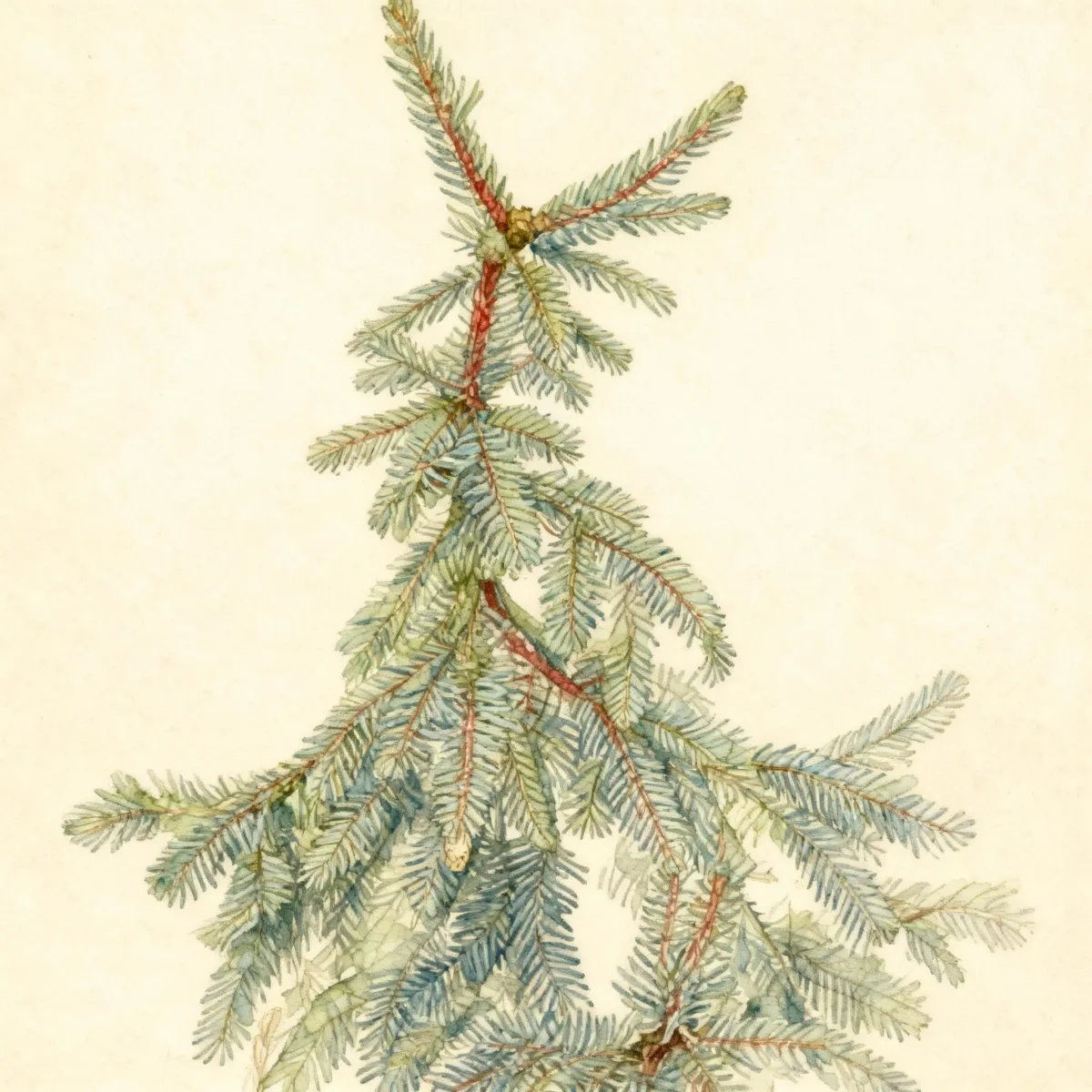
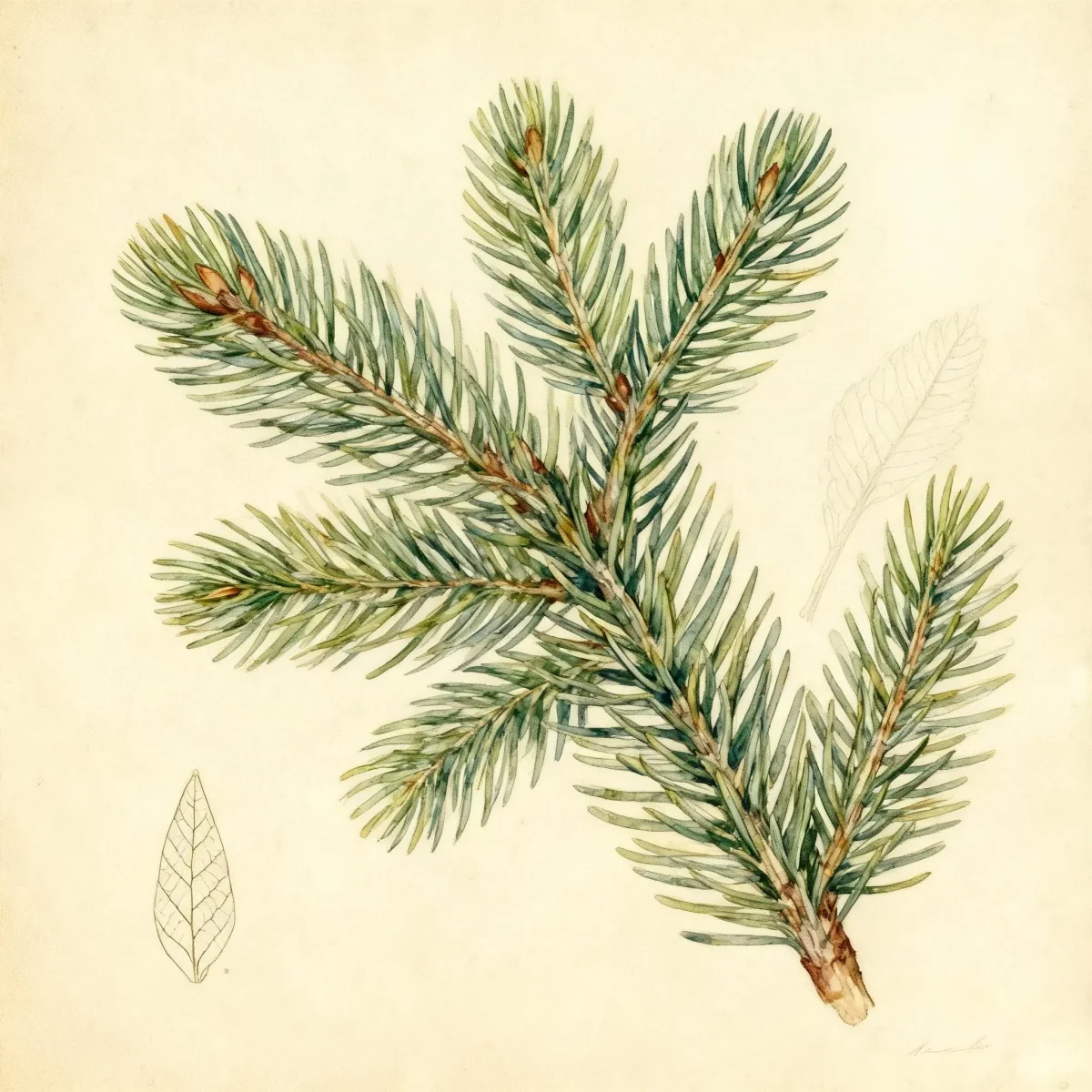
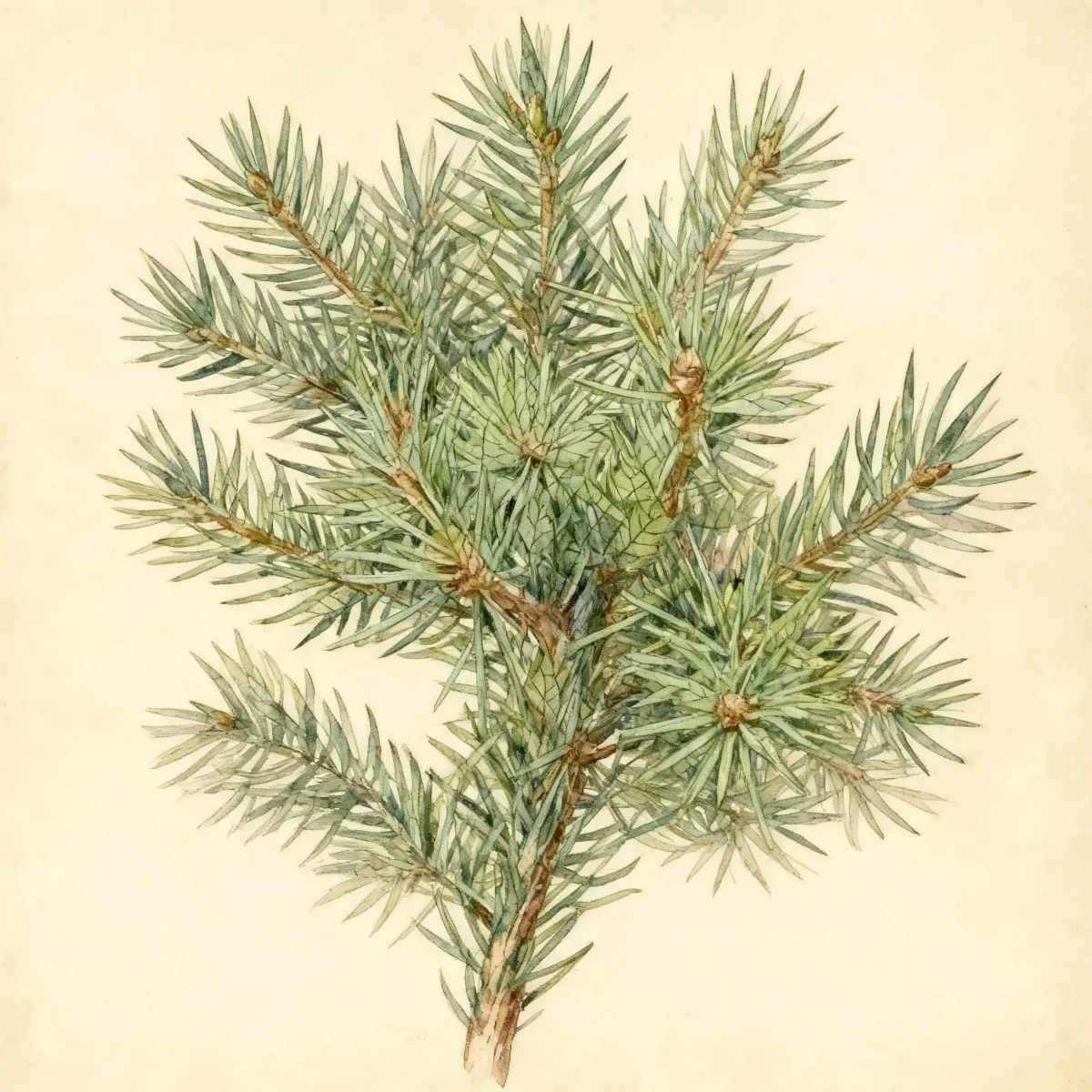
Picea abies, commonly called Norway spruce, is noted for its rapid growth rate in its standard form, but the cultivar ‘Weeping Blue’ is distinctively slow-growing and possesses a weeping or spreading nature. If trained upward, its structural branches weep dramatically downward, while untrained specimens sprawl attractively along the ground. The foliage consists of spirally-arranged, four-sided, needle-like leaves displaying a beautiful blue-green hue, providing critical winter interest.
Tolerances
- Deer
- Air Pollution
Potential Problems
The Norway spruce, even in the Picea abies ‘Weeping Blue’ cultivar, can occasionally suffer from fungal diseases like Cytospora canker, wood decay, needle cast, and rust, particularly in humid or crowded conditions. Excellent air circulation through proper spacing is the best preventative measure against these fungal threats.
Pest watch should include monitoring for common spruce adversaries such as aphids, bagworms, budworms, and borers, which can weaken the tree over time. Red spider mites can also become troublesome, especially during hot, dry periods, causing stippling on the needles. Regularly inspect the undersides of needles and branch crevices for early signs of infestation.
Frequently Asked Questions
What hardiness zones is Norway spruce suitable for?
Picea abies ‘Weeping Blue’ is reliably hardy in USDA Zones 3 through 7.
How large does Picea abies ‘Weeping Blue’ grow?
When left untrained, this cultivar typically reaches a height between 2 and 3 feet, spreading significantly wider, between 3 and 6 feet, creating a ground-hugging mat.
What sun exposure does Picea abies ‘Weeping Blue’ need?
This conifer requires full sun exposure to maintain its best color and dense growth habit.
When does Norway spruce bloom?
Picea abies ‘Weeping Blue’ is a non-flowering needled conifer; it produces cones but does not produce showy seasonal flowers typical of deciduous plants.
Conclusion
The Picea abies ‘Weeping Blue’ offers remarkable architectural interest for the low-maintenance garden, providing year-round structure with its distinctive blue-green, weeping foliage. This unique cultivar transforms the standard Norway spruce into a manageable ground cover or trained specimen. Before planting, confirm that your site offers full sun and acidic, well-drained soil within USDA Zones 3 to 7 for optimal performance.
Companion Planting
This evergreen excels when paired adjacent to plants that offer textural or color contrast. Consider planting near Japanese maples (Acer palmatum cultivars) whose fine, deciduous leaves play beautifully against the rigid needles of the Picea abies ‘Weeping Blue’. The dense, spreading habit also works well juxtaposed against upright ornamental grasses or tall, fine-textured perennials like Sporobolus or certain varieties of Nepeta.
When utilizing this plant as a groundcover, ensure companion shrubs or perennials do not shade it out, as the need for full sun is critical for maintaining its blue coloration and dense form. Avoid planting with aggressive spreaders that might compete directly with the low-growing Norway spruce.
Seasonal Care Calendar
Spring is the ideal time to inspect the Picea abies ‘Weeping Blue’ for any winter damage or early pest activity before active growth commences. If training the plant for an upright form, this is the time to install or adjust staking supports. Water deeply during early summer dry spells, focusing on supplemental irrigation during establishment years.
As summer heat intensifies, especially outside of the coolest parts of its hardiness range, monitor for signs of mite stress or dehydration. In the autumn, ensure needles are fully hardened before the ground freezes; avoid heavy fertilization late in the season when growth should naturally cease. Winter protection is usually unnecessary within Zones 3-7, provided the site is not excessively exposed to drying winter winds where burlap screening might be occasionally beneficial.