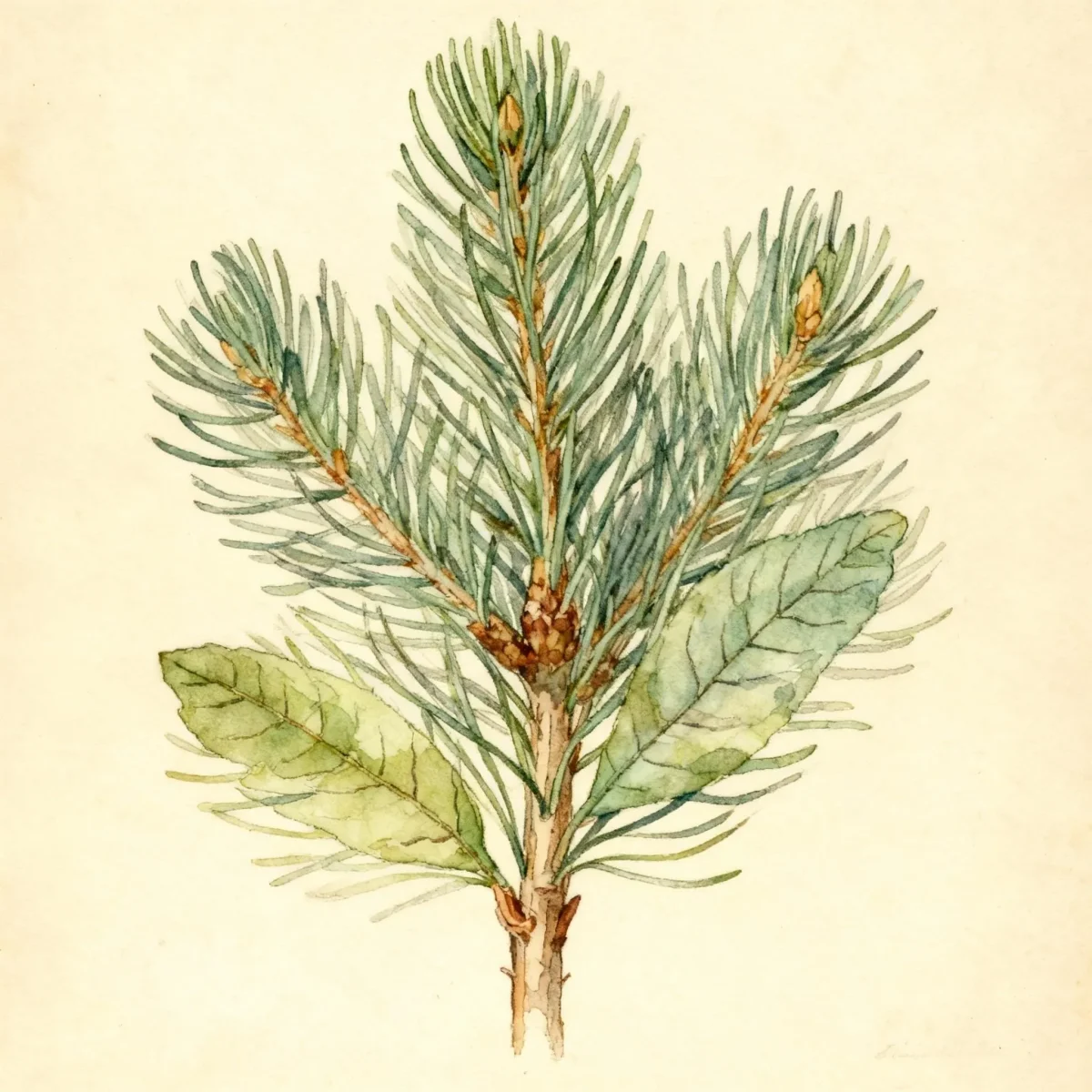
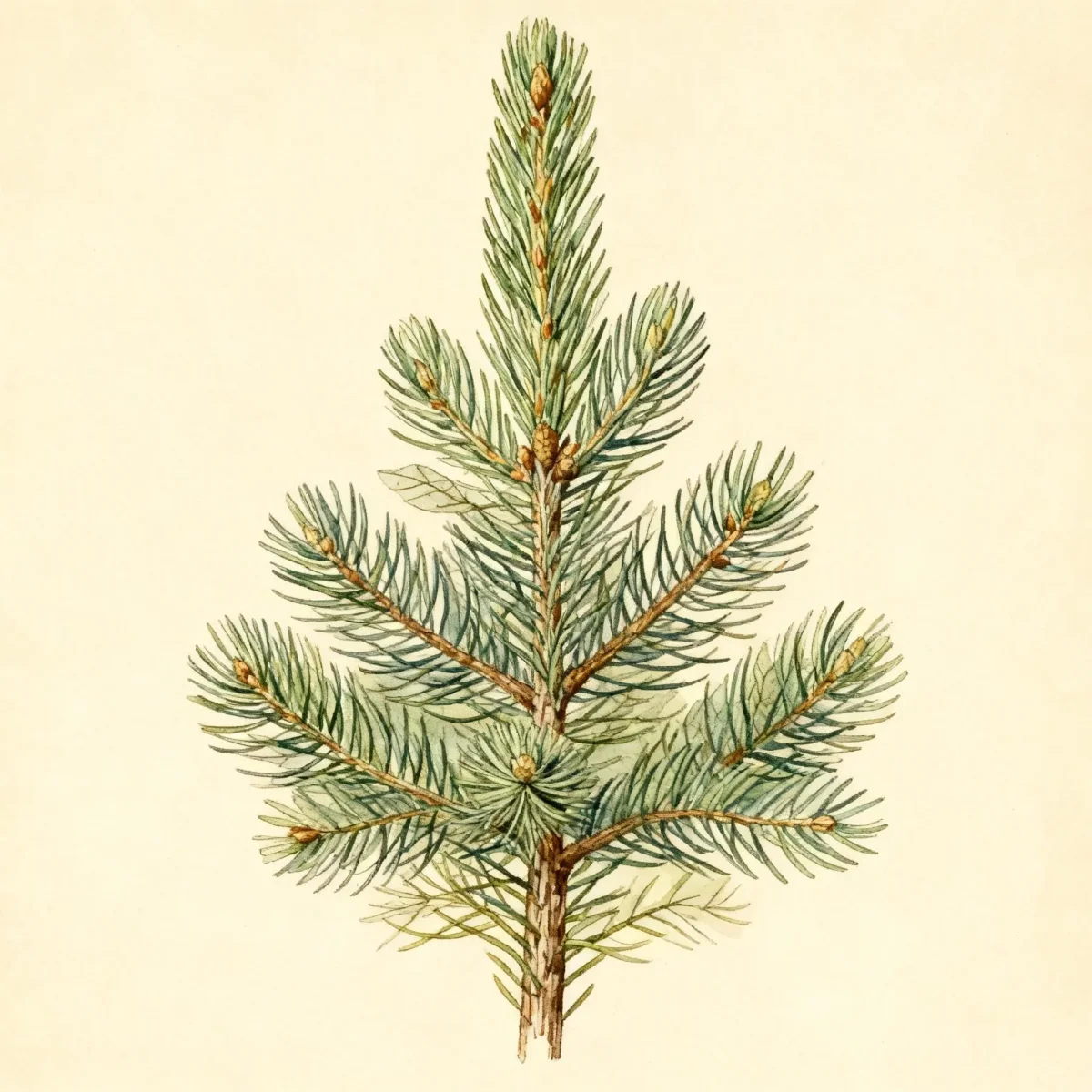
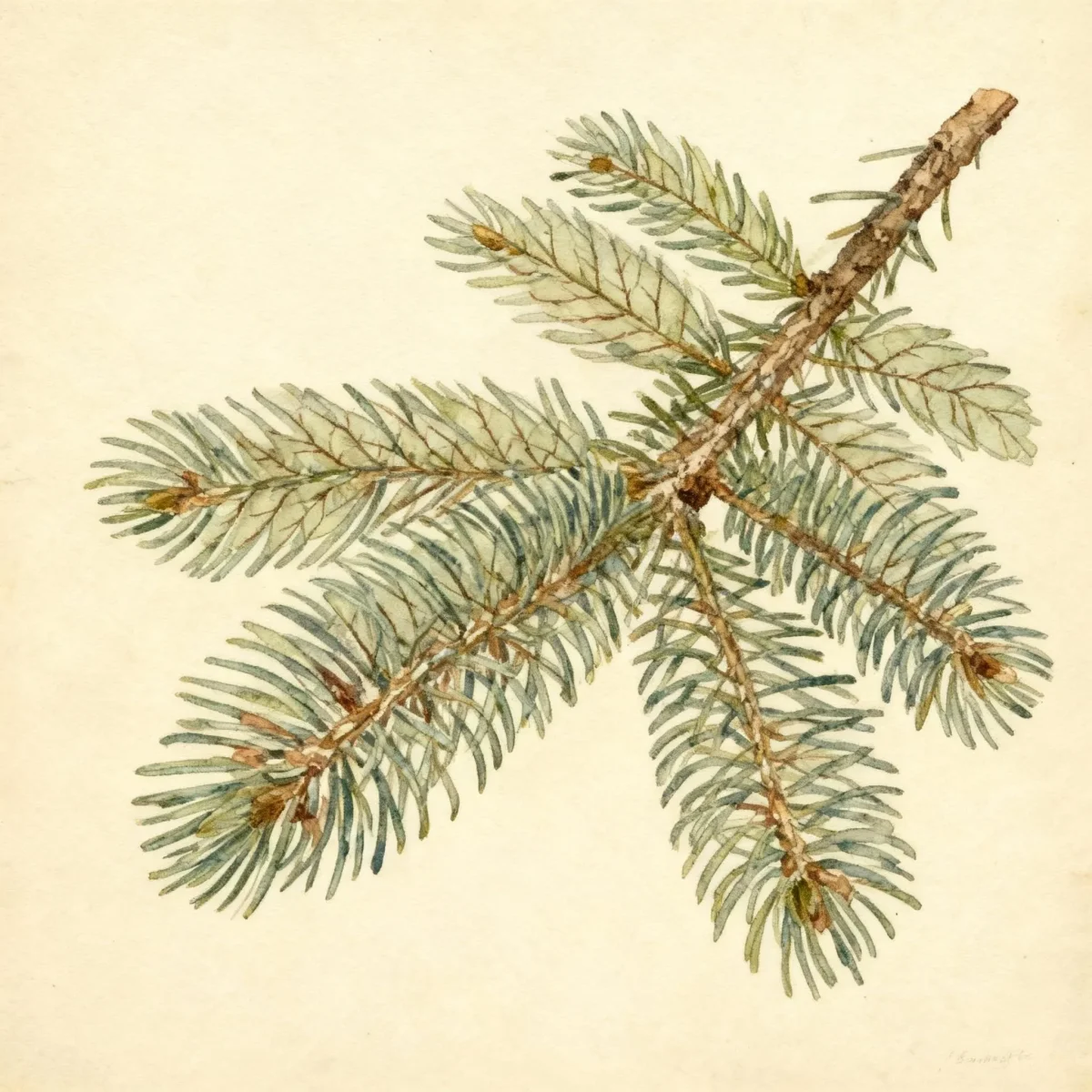
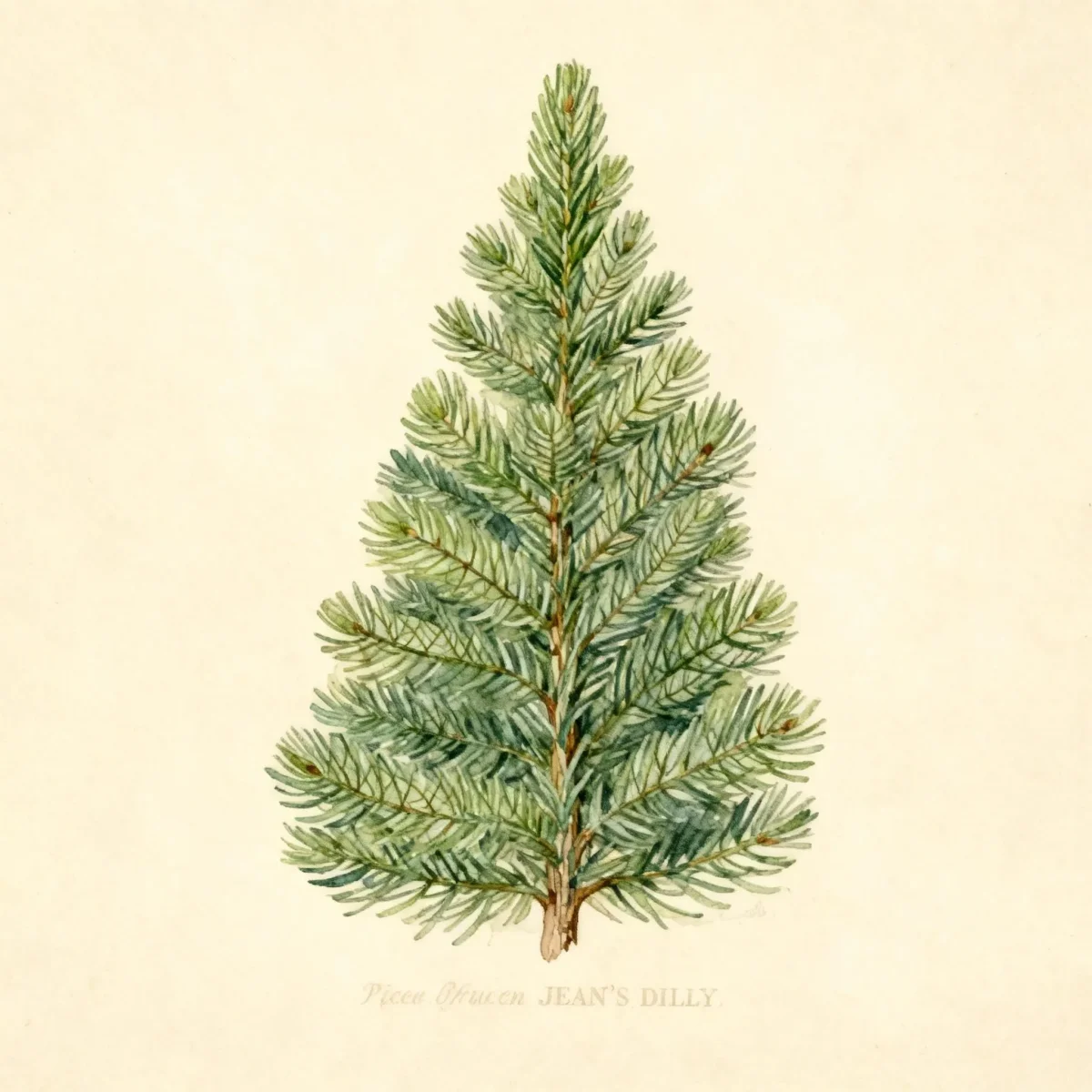
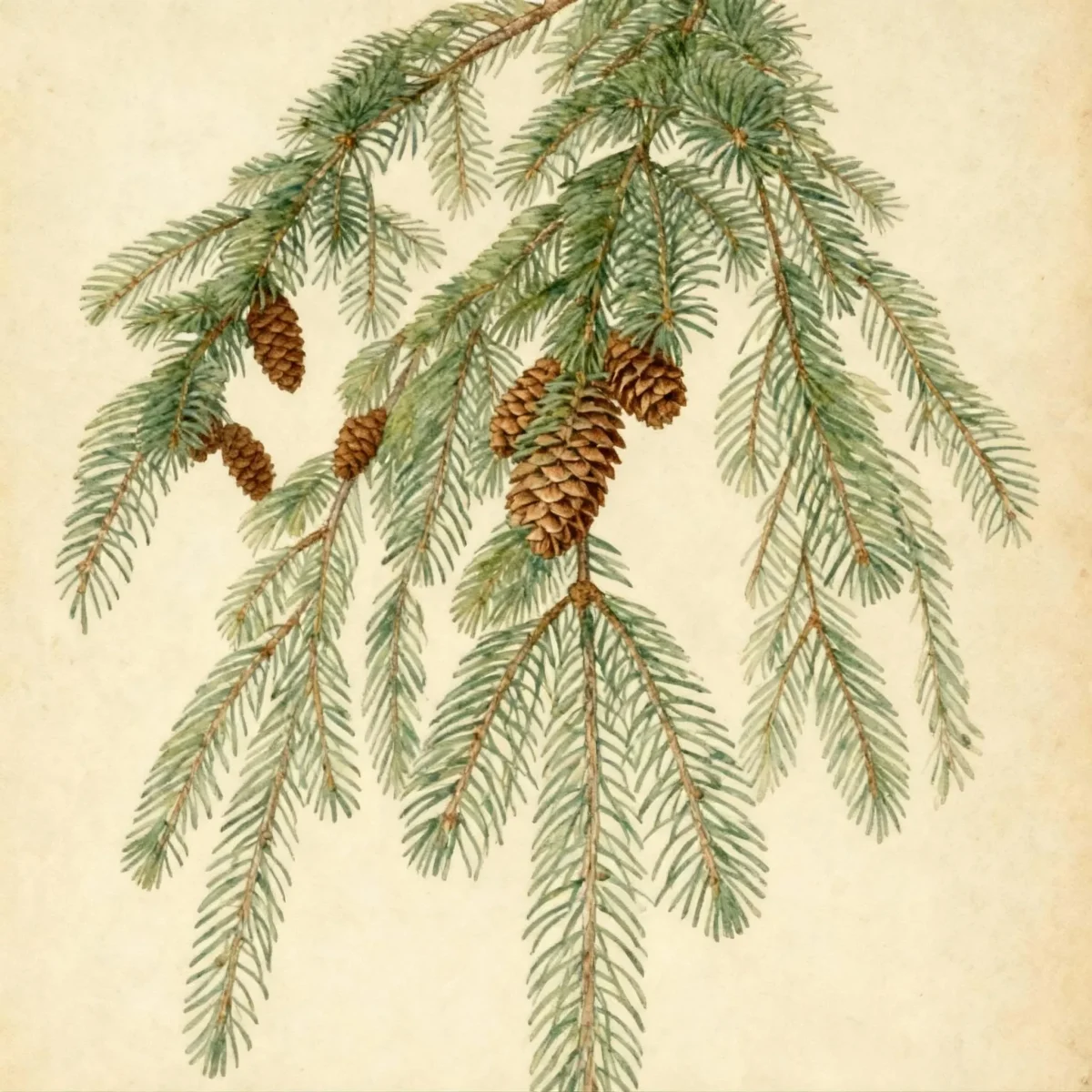
White spruce (Picea glauca 'Sander's Blue')
Picea glauca 'Sander's Blue' is a dense, low-maintenance needled evergreen perfect for accenting landscapes in USDA Zones 3-6.
Scroll down to discover growing tips, care requirements, companion plants, and more
Complete Plant Information
Overview
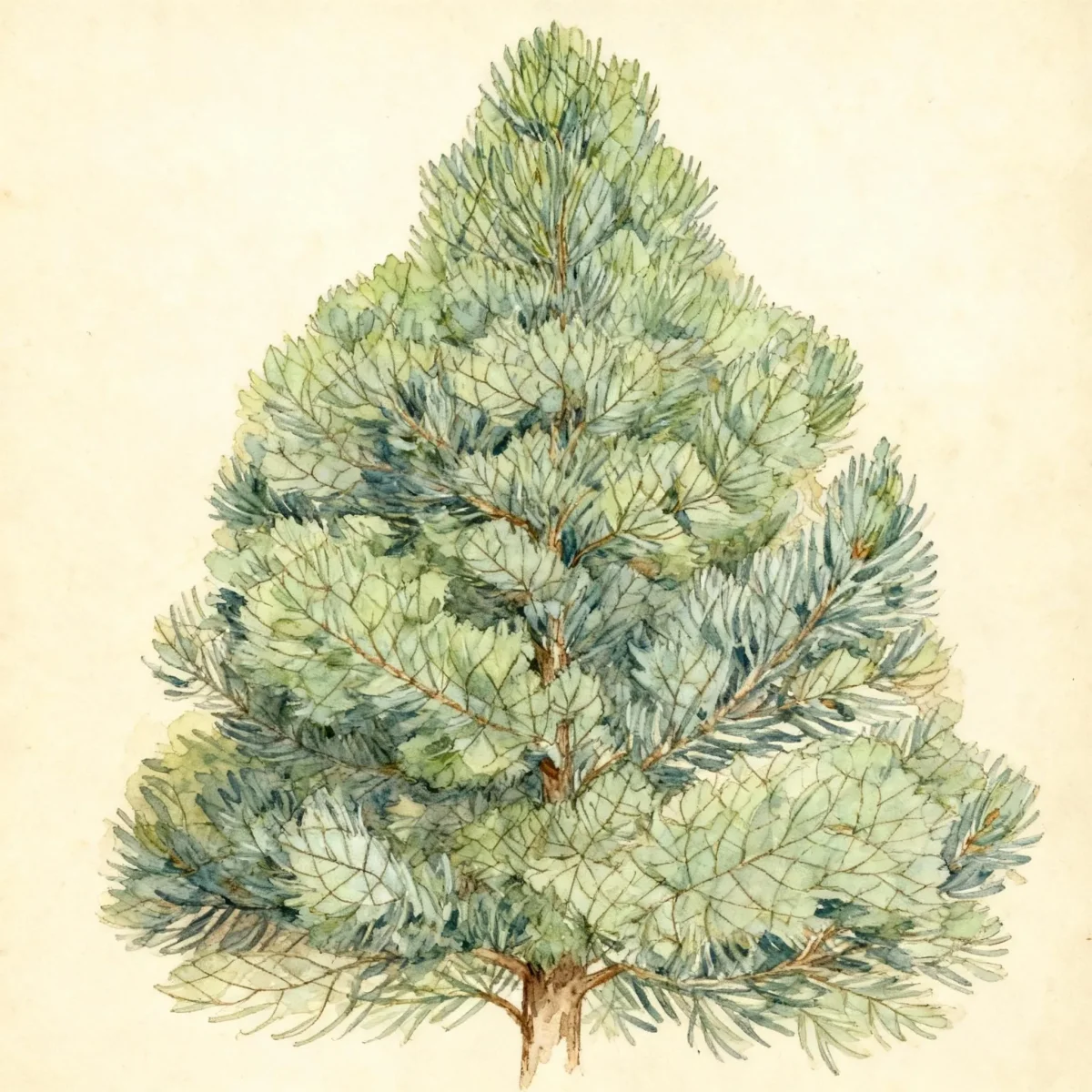
Picea glauca ‘Sander’s Blue’ is a striking cultivar of the White spruce, valued for its dense, conical form and beautiful soft blue-green needles. This slow-growing evergreen provides excellent year-round structure in the garden, contrasting nicely with broader-leafed or deciduous plants. This cultivar offers a more manageable size than its towering wild parent, fitting well into smaller landscape designs while retaining superior cold hardiness.
As a needled evergreen, Picea glauca ‘Sander’s Blue’ offers year-round visual interest and a distinct structural element. It thrives best where the climate provides distinct, cold winters and cooler summers, making it a favored choice for northern gardeners seeking resilient, low-maintenance foundation plants. The characteristic blue tinge of the foliage gives this White spruce cultivar its unique appeal.
While generally low maintenance once established, gardeners must ensure proper siting to maximize the health of their Picea glauca ‘Sander’s Blue’. Its cultural needs center around consistent moisture, full sun exposure, and excellent air circulation, necessary to keep the dense foliage healthy throughout the growing season.
Fast Facts
- Plant Family: Pinaceae
- Plant Type: Needled evergreen
- Hardiness Zones: USDA Zones 3-6
- Size at Maturity:
- Height: 4-20 ft
- Spread: 2-10 ft
- Bloom Time: Non-flowering
- Bloom Description: Non-flowering
- Sun Exposure: Full sun
- Water Needs: Medium
- Maintenance Level: Low
How to Grow
The best time to plant Picea glauca ‘Sander’s Blue’ is typically in spring or early fall when high summer heat is not a factor. Site this White spruce in a location receiving full sun, although it can tolerate very light shade. Success critically depends on providing moist, well-drained soils; avoid heavy clay or locations where water pools after rain.
Water needs are medium; establish deep, regular watering during the first few growing seasons to promote robust root development. Once established, it requires less frequent watering but should not be allowed to dry out completely, especially during hot, dry spells. Maintenance is generally low, requiring minimal pruning other than removing dead or damaged wood.
To ensure optimal performance, site Picea glauca ‘Sander’s Blue’ where air moves freely around the dense foliage, helping moisture dry quickly after rain or dew. Be aware that this cultivar is somewhat intolerant of urban stresses; significant air pollution or salt spray can cause distress. It struggles in high heat and humidity, meaning it is best avoided in areas south of USDA Zone 6.
Landscape Uses
Picea glauca ‘Sander’s Blue’ serves exceptionally well as a vertical accent in the landscape, drawing the eye upward and providing year-round focal interest. Its neat, conical habit makes it perfect for flanking entryways or framing key architectural features where height and clean lines are desired. While it can be used as a specimen, its relatively small mature stature compared to the species allows for use among mixed perennial and shrub borders.
Consider pairing the silvery-blue tones of the White spruce with contrasting textures, such as broad-leafed hostas situated in partial shade nearby, or softer green deciduous shrubs that appreciate similar soil conditions. Its evergreen nature ensures that the garden retains bone structure and color throughout the dormant winter months.
Standout Features
Noteworthy Characteristics
Picea glauca, commonly called white spruce, is an extremely hardy evergreen conifer that is native to upland areas and lake/stream margins stretching from Alaska across the boreal forest of Canada to Newfoundland, dipping south to Montana, Minnesota, Wisconsin, Michigan and New York. This tree typically grows 60-80’ tall (less frequently to 140’ tall) with a cone-shaped crown. ‘Sander’s Blue’ is a dense, conical form that typically grows to 4’ tall and 2’ wide over the first 10 years, but eventually matures to 20’ tall with a 10’ spread. It features soft blue-green needles, which have a distinct glaucous (white waxy coating) bloom, lending the cultivar its characteristic color.
Tolerances
- Somewhat intolerant of urban stresses such as air pollutants and salt spray.
Potential Problems
Picea glauca ‘Sander’s Blue’ generally exhibits few serious pest or disease issues when sited correctly. However, gardeners should remain vigilant for susceptibility to needle and stem rust, canker, and, in advanced cases, trunk and root rot, which are often exacerbated by poor drainage or overhead watering. In some regions, secondary pests like the yellow-headed spruce sawfly, spruce budworm, and the eastern spruce beetle may appear.
Mites are also a common complaint for spruce cultivars, and repeated, heavy infestations can significantly injure the plant’s foliage and overall vigor. A preventative strategy involves ensuring excellent air circulation and ensuring the plant remains adequately watered, though not waterlogged, to maintain natural defenses. Inspecting the foliage regularly will allow for early intervention against mites.
Avoid planting this White spruce cultivar in areas experiencing the high heat and humidity typical of the deep southern US, as these stressful conditions make the plant significantly more susceptible to decline and pest pressure.
Frequently Asked Questions
What hardiness zones is Picea glauca ‘Sander’s Blue’ suitable for?
This hardy cultivar is suitable for USDA Zones 3 through 6, performing best in cooler climates.
How large does White spruce grow?
Picea glauca ‘Sander’s Blue’ is a compact form, typically reaching 4 to 20 feet in height and spreading between 2 and 10 feet wide at maturity.
What sun exposure does White spruce need?
This conifer requires full sun exposure for the best density and color saturation of its blue-green needles.
When does Picea glauca ‘Sander’s Blue’ bloom?
This plant is a needled evergreen and is classified as non-flowering; it produces cones rather than ornamental flowers.
Conclusion
Picea glauca ‘Sander’s Blue’ is a fantastically reliable, low-maintenance evergreen, offering exceptional cool-toned color and formal structure ideal for discerning gardeners in colder regions. Ensure you site this White spruce in a sunny spot with well-drained soil to maximize the stunning blue-grey hue of its needles. Before planting, always confirm your microclimate falls within its optimal USDA Zone 3-6 range for long-term success.
Companion Planting
When selecting companions for Picea glauca ‘Sander’s Blue’, focus on plants that share similar cultural needs, primarily appreciating well-drained soil and full sun exposure. Because of its strong vertical shape and cool blue foliage, plants with fine, soft textures or bright yellow-green colors create magnificent visual breaks. Consider planting low-growing Sedums or creeping Thymes, which provide ground cover contrast while tolerating drier conditions if the spruce establishes well.
For mid-story accents, consider pairing the spruce with flowering shrubs like dwarf Spiraea or potentilla varieties that offer splashes of contrasting color without shading out the base of the evergreen too severely. The goal is to complement the architectural nature of this White spruce cultivar without competing for light or root space in the immediate vicinity.
Designing with Conifers
Utilizing Picea glauca ‘Sander’s Blue’ in foundation plantings can provide year-round mass and vertical rhythm to home landscapes. Its relatively narrow spread keeps it from overwhelming foundational plantings too quickly, though gardeners should plan for its eventual 10-foot spread. Use a single specimen near a corner where its color can be highlighted against a neutral wall or fence.
Because the needles of the Picea glauca ‘Sander’s Blue’ are soft to the touch compared to some harsher spruces, it works well near higher-traffic areas where people might brush against it. Its bluish tone makes it an excellent anchor for a cool-toned garden palette featuring lavenders, blues, and silvers throughout the perennial borders surrounding it.